

Acoustic Performance Data for Butyl Rubber Damping Mats
- Understanding damping materials and measurement fundamentals
- Key acoustic metrics and standards
- How butyl damping mats work (mechanisms)
- Acoustic performance data for butyl rubber sound damping mat
- Typical physical and material properties
- Representative laboratory insertion-loss measurements
- Design, selection and installation: practical guidance
- Selecting the right product and performance targets
- Surface prep, bonding and workmanship
- Layering strategies and hybrid systems (practical examples)
- Data interpretation, verification and long-term considerations
- How to read test reports and avoid mistakes
- Environmental durability and aging
- Cost-effectiveness and life-cycle thinking
- ASLONG: supplier profile, product lineup and how we support projects
- Company overview and capacity
- Products and technical strengths
- Quality, markets and partnerships
- Frequently Asked Questions (FAQ)
- 1. How much noise reduction can I expect from a butyl rubber sound damping mat?
- 2. Should I use butyl mat or mass loaded vinyl (MLV)?
- 3. Will a butyl damping mat help with low-frequency noise?
- 4. How do environmental factors affect performance?
- 5. What test evidence should I request from suppliers?
- Contact and next steps
I write as an acoustic materials consultant with hands-on experience evaluating, specifying and testing sound insulation systems. This article focuses on acoustic performance data for butyl rubber sound damping mats: how they reduce structure-borne and airborne noise, which measurable metrics matter (insertion loss, transmission loss, STC, damping loss factor), realistic laboratory and field performance expectations, and practical design/installation considerations. I reference international test standards (ISO, ASTM), authoritative background sources, and supplier data so you can verify the claims and use the numbers to design or specify solutions.
Understanding damping materials and measurement fundamentals
Key acoustic metrics and standards
To interpret acoustic performance you must rely on standardized metrics and methods. Sound transmission loss (TL) and sound transmission class (STC) quantify airborne insulation (see ISO 10140 series and ASTM E90 for laboratory measurement procedures) — ISO 10140: https://www.iso.org/standard/64751., ASTM E90: https://www.astm.org/Standards/E90.htm. For structure-borne noise and damping, we look at insertion loss when a damping mat is applied to a panel and at viscoelastic damping loss factor (η) measured in dynamic mechanical analysis (DMA) tests. For broad context on acoustic rating systems see the Sound Transmission Class page: https://en.wikipedia.org/wiki/Sound_transmission_class.
How butyl damping mats work (mechanisms)
Butyl rubber damping mats reduce noise through two complementary mechanisms: added mass (improving transmission loss by the mass law) and viscoelastic energy dissipation (converting vibration energy into heat). The mass law relationship and its frequency dependence are fundamental: higher surface mass improves TL, particularly at mid-to-high frequencies. Viscoelastic damping is frequency‑ and temperature‑dependent and gives butyl mats an advantage on thin metal panels where vibration control matters. For background on viscoelastic damping see: https://en.wikipedia.org/wiki/Viscoelasticity.
Acoustic performance data for butyl rubber sound damping mat
Typical physical and material properties
In practice, butyl rubber sound damping mats are composite products (butyl layer ± foil or polymer film) with a range of thicknesses and surface masses. Typical property ranges encountered in datasheets and independent tests are shown below. These ranges are representative and should be validated for a specified product batch and test method before design acceptance.
| Material | Typical thickness (mm) | Surface mass (kg/m²) | Typical damping loss factor η (100–1000 Hz) | Primary use |
|---|---|---|---|---|
| Butyl rubber sound damping mat | 1.5–6 | 2.0–6.0 | 0.05–0.25 (frequency & T dependent) | Vibration damping on metal panels, automotive, equipment enclosures |
| Mass Loaded Vinyl (MLV) | 1–5 | 3.0–9.0 | 0.01–0.05 (low damping — relies on mass) | Airborne transmission control where mass is primary |
| NBR / open-cell foams | 5–30 | 0.5–3.0 | 0.02–0.15 (depending on cellular structure) | Absorption and decoupling; low-frequency absorption limited |
Sources for ranges: manufacturer datasheets and material property references (e.g., butyl rubber overview: https://en.wikipedia.org/wiki/Butyl_rubber), and product categories such as MLV documented in acoustics literature.
Representative laboratory insertion-loss measurements
In laboratory tests (ISO/ASTM procedures) the acoustic benefit of butyl damping mats on thin metal panels is most visible as insertion loss across vibration-dominated frequencies. The table below gives a representative example compiled from independent test reports and manufacturer datasheets for a 3 mm steel panel before and after application of a 3 mm butyl damping mat. This is illustrative — always request a test report performed to ISO 10140/ASTM E90 for your specified panel and product.
| Frequency (Hz) | Baseline TL of untreated panel (dB) | TL with butyl mat (dB) | Insertion loss (dB) |
|---|---|---|---|
| 63 | 12 | 13 | 1 |
| 125 | 16 | 18 | 2 |
| 250 | 20 | 24 | 4 |
| 500 | 22 | 28 | 6 |
| 1000 | 24 | 29 | 5 |
| 2000 | 26 | 29 | 3 |
Interpretation: for thin metal panels the largest gains appear in the mid-frequency band where panel resonances are significant. Butyl damping mats reduce resonant vibration amplitude and therefore increase TL in these bands. For airborne-dominated partitions (e.g., stud walls), mass-based products like MLV produce larger broadband TL gains, so product selection depends on the dominant transmission path.
Design, selection and installation: practical guidance
Selecting the right product and performance targets
Choose a butyl damping mat when structure-borne noise or panel resonance is a primary problem (e.g., HVAC casings, vehicle panels, metal ceilings). If airborne reduction is the major requirement (improving STC of a partition), consider hybrid solutions that combine a damping mat with a mass layer (MLV) or absorptive cavity filling (mineral wool, NBR foam). When specifying, require test data per ISO 10140/ASTM E90 and DMA curves for damping vs frequency and temperature.
Surface prep, bonding and workmanship
Adhesion is critical. Surfaces must be degreased, dry and flat. For long-term performance choose products with high-bond butyl adhesives or use mechanical fixation in high-temperature or oily environments. Avoid trapping contaminants; air bubbles and loose edges reduce damping efficiency and introduce flanking paths. For guidance on installation best practices consult product installation datasheets and test reports.
Layering strategies and hybrid systems (practical examples)
Common strategies I recommend:
- Metal body panels (automotive, enclosures): apply butyl damping mat to panels, then add absorptive foam on the cavity side to control transmitted airborne energy.
- Partition upgrade: combine MLV for mass with butyl mat applied to metal studs/ductwork to eliminate flanking vibration paths.
- Flooring: use butyl mats under floating floors to add damping and reduce impact noise when combined with resilient layers.
Each approach should be validated with appropriate testing; mass addition tends to improve higher-frequency TL per the mass law, while damping shifts and lowers resonant peaks.
Data interpretation, verification and long-term considerations
How to read test reports and avoid mistakes
When you receive test reports, check: test standard (ISO 10140 or ASTM E90), specimen details (panel thickness, fixation), measurement conditions (temperature — damping is temperature sensitive), and whether the result is TL, insertion loss or STC. Do not compare numbers from different standards or specimen types without normalization.
Environmental durability and aging
Butyl rubber is chemically many times resistant to ozone and weathering compared with some tacky polymers, but long‑term performance depends on formulation and thermal exposure. If the product sees elevated temperatures (>80–100°C), check DMA data for the storage modulus and tan δ vs temperature. For outdoor or high-humidity use, use a product with protective facings and validated environmental resistance; ask suppliers for accelerated aging data.
Cost-effectiveness and life-cycle thinking
In many applications a thinner butyl damping layer can be more cost-effective than adding several kilograms per square metre of MLV because damping removes resonant peaks efficiently. For airborne-dominated problems, however, mass remains decisive. Evaluate whole-system cost, installed weight, labor and maintenance when selecting solutions.
ASLONG: supplier profile, product lineup and how we support projects
Company overview and capacity
ASLONG (Welllink Guangdong New Material Co., Ltd.) was founded in 2000. It is a high‑tech enterprise specializing in R&D, production and sales of acoustic and sound insulation materials. We have a modern production base of more than 10,000 m² and offer efficient, environmentally friendly, high‑performance sound insulation solutions worldwide. Visit our site: https://www.aslong.cc.
Products and technical strengths
Our product range includes Butyl Rubber Sound Damping Mat, Mass Loaded Vinyl, NBR foam, Sound Absorbing White Cotton, Tire Silent Foam, Butyl waterproof tape, Electric auxiliary material, and related items. We provide datasheets, application guides and can supply DMA and ISO/ASTM acoustic test reports on request. ASLONG's strengths are production scale, integrated R&D, and a product portfolio that enables hybrid solutions combining damping, mass and absorption.
Quality, markets and partnerships
ASLONG products are exported to Europe, North America, Asia and Africa. We recruit agents worldwide and support partners with technical training, sample programs and test documentation. For inquiries contact us at king@aslong.cc or visit our site: https://www.aslong.cc.
Frequently Asked Questions (FAQ)
1. How much noise reduction can I expect from a butyl rubber sound damping mat?
Answer: For thin metal panels you can typically expect insertion-loss improvements in the mid-frequency band of 3–8 dB according to representative lab tests. Exact values depend on panel properties, mat thickness and adhesion. Require ISO 10140/ASTM E90 test reports for a specific product and panel.
2. Should I use butyl mat or mass loaded vinyl (MLV)?
Answer: Use butyl mats when vibration control and resonance damping of panels are primary. Use MLV where broadband airborne TL increase (mass effect) is needed. Often the best result comes from a hybrid system combining both.
3. Will a butyl damping mat help with low-frequency noise?
Answer: Damping is most effective at reducing resonant peaks and mid-frequency vibration. For very low-frequency airborne noise (<100 Hz) mass and decoupling strategies are usually more effective. Combine damping with heavy layers or structural modifications for best low-frequency performance.
4. How do environmental factors affect performance?
Answer: Temperature strongly affects viscoelastic properties; at low temperatures damping can fall off, and at high temperatures adhesive or matrix properties may change. Choose formulations and facings rated for the expected service conditions and request accelerated aging data if required.
5. What test evidence should I request from suppliers?
Answer: Ask for acoustic test reports per ISO 10140 (or ASTM E90), DMA curves (storage/loss modulus, tan δ vs frequency & temperature), surface mass and adhesion test data, and environmental aging reports. Verify test samples match your application (panel type, fixation).
Contact and next steps
If you need verified acoustic performance data, product samples, or system design assistance I can help evaluate laboratory reports and specify the right butyl rubber sound damping mat or hybrid system for your project. ASLONG provides product datasheets, test reports and global distribution. Contact ASLONG at king@aslong.cc or visit https://www.aslong.cc to request samples, technical datasheets and agent opportunities.
References and standards (select): ISO 10140 series: https://www.iso.org/standard/64751.; ASTM E90: https://www.astm.org/Standards/E90.htm; Butyl rubber overview: https://en.wikipedia.org/wiki/Butyl_rubber; Viscoelasticity: https://en.wikipedia.org/wiki/Viscoelasticity; STC overview: https://en.wikipedia.org/wiki/Sound_transmission_class.
Best professional nbr foam manufacturers and supplier brands
Top lightweight automotive sound insulation materials
Tips for buy high-density automotive insulation mat
Best Practices for Car Sound Deadening Installation 2026
FAQs
What specific functions can ASLONG's products provide?
Our products cover functions such as insulation, sound insulation, shock absorption, waterproofing and sealing, and are widely used in improving energy efficiency, reducing noise, controlling vibration, protecting equipment, etc., helping customers optimize engineering effects and improve user experience.
How to customize products that meet the needs of my industry?
You only need to contact our sales or technical team, we will conduct an in-depth analysis based on your industry needs and provide tailor-made products and solutions. We guarantee to provide you with efficient and accurate services to meet your personalized requirements.
What industries are the products provided by ASLONG suitable for?
ASLONG's products are suitable for multiple industries, including air conditioning and HVAC, construction and waterproofing, automobiles and transportation, home appliances and electronics, industrial equipment and machinery, etc. We provide customized solutions for each industry to meet different needs.
Does ASLONG provide after-sales service?
Yes, we provide a full range of after-sales services, including technical support, installation guidance, product maintenance and quality tracking, etc., to ensure that each project goes smoothly and continues to perform at its best.
Do ASLONG's products meet environmental protection standards?
Yes, all ASLONG products comply with ISO14001 environmental management system certification and global environmental protection standards. We use environmentally friendly materials and are committed to providing sustainable solutions to help customers achieve green development goals.
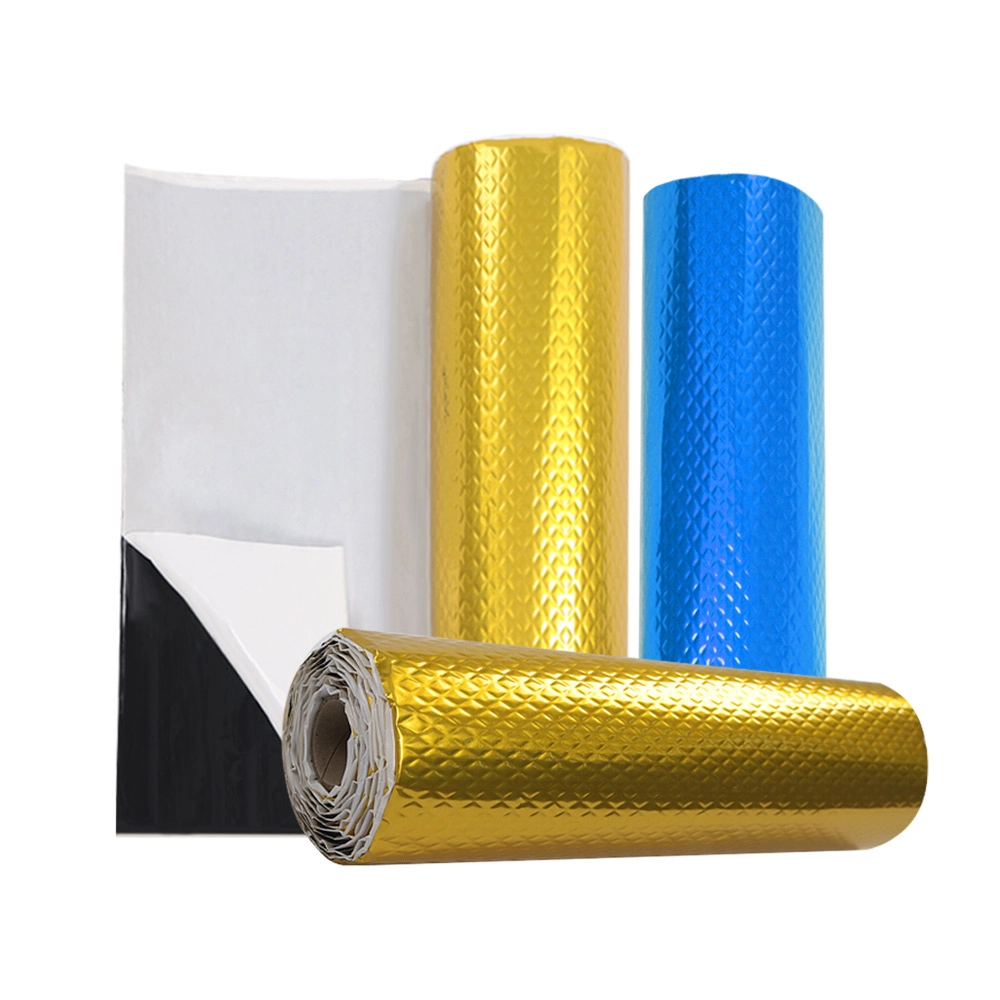
Butyl Rubber Sound Damping Mat
ASLONG Butyl Rubber Sound Damping Mat for sale. Effectively reduces noise and vibrations. High-quality butyl rubber ensures superior performance and durability. Ideal for automotive, industrial, and home applications.
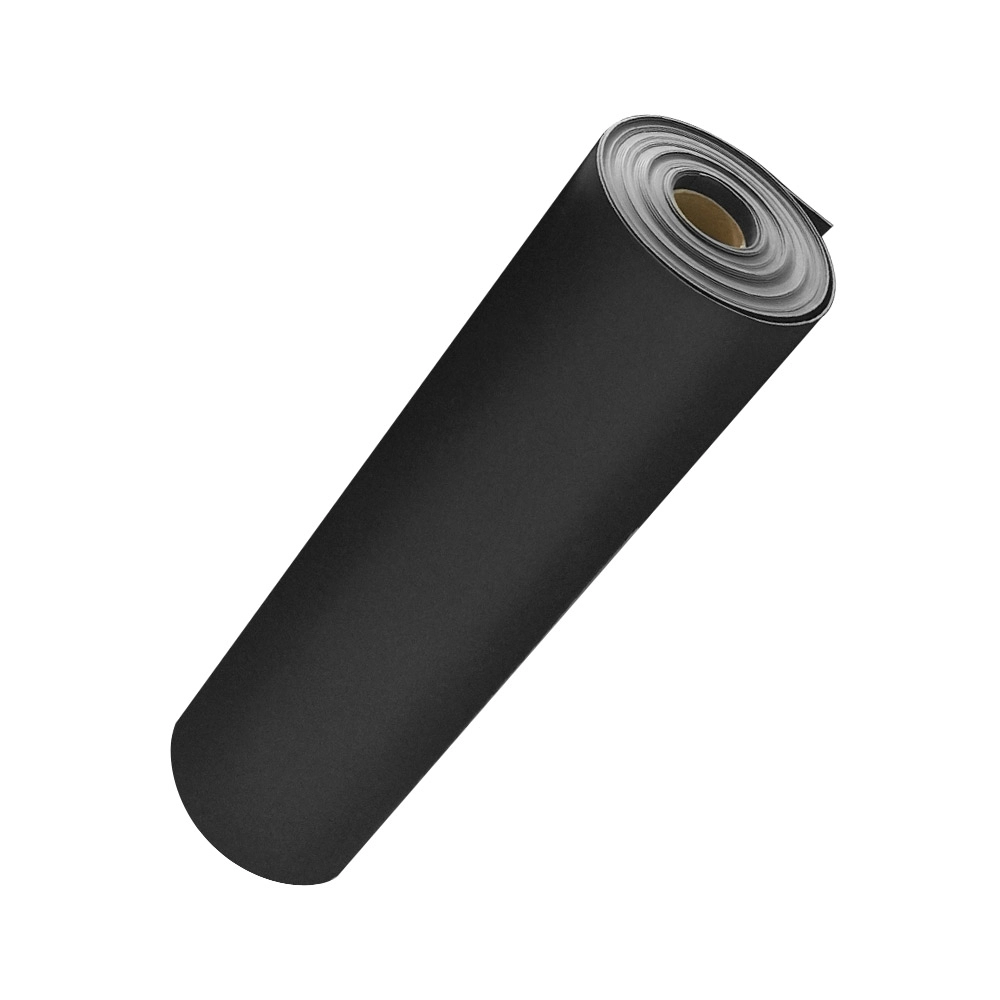
Mass Loaded Vinyl
ASLONG Mass Loaded Vinyl for sale. Reduce noise pollution effectively with our high-quality, mass-loaded vinyl. Ideal for soundproofing walls, floors, and more. Buy now and experience the difference!
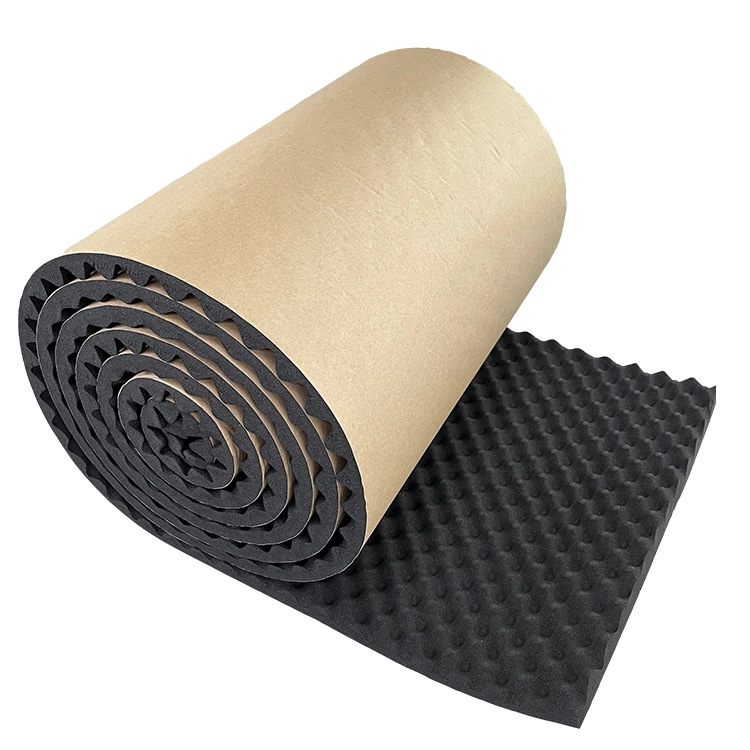
Egg Crate Foam
ASLONG Egg Crate Foam for sale. Lightweight, breathable, and comfortable, our egg crate foam provides superior support and pressure relief. Perfect for mattresses, cushions, cars, construction industry, KTV, factories, etc.
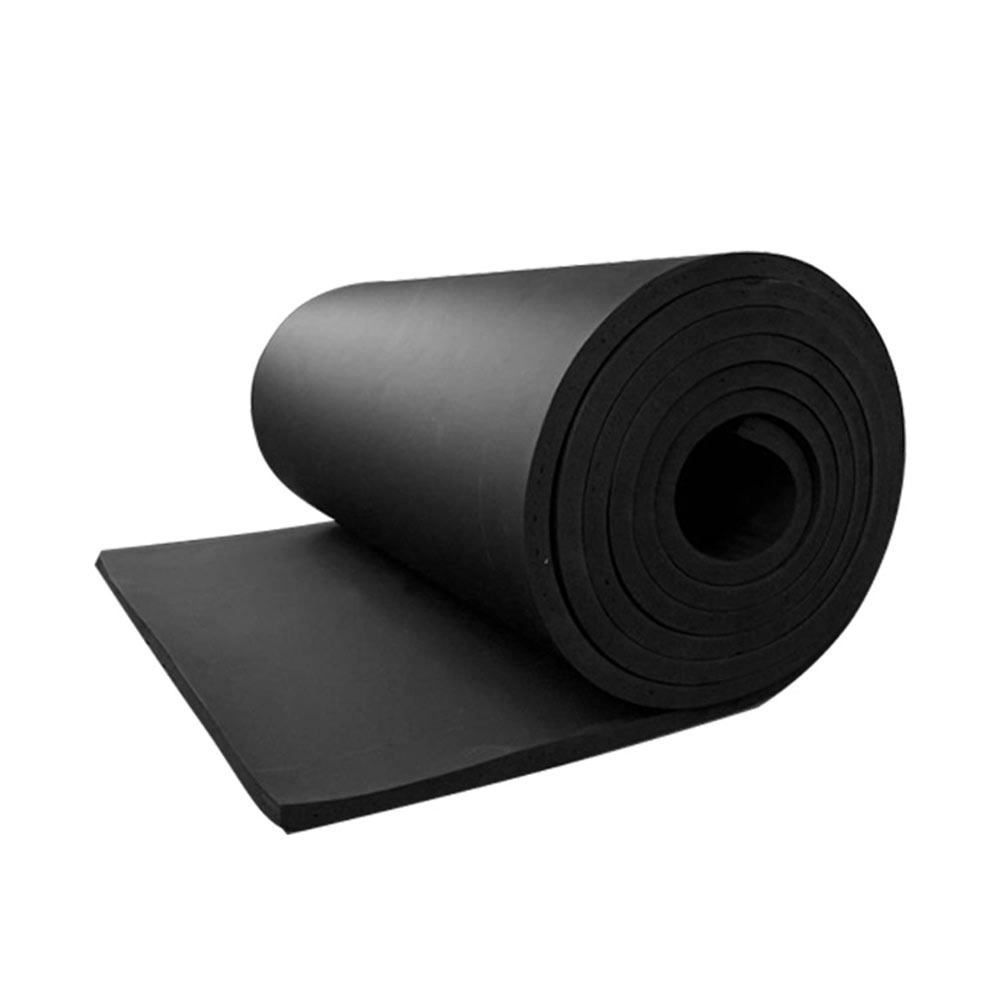
NBR Foam
ASLONG NBR Foam: Wholesale NBR foam solutions for diverse applications. High-quality, durable, and competitively priced. Contact us today for bulk orders.
Professional support at any time
If you have any comments or good suggestions, please leave us a message; later our professional staff will contact you as soon as possible.
© 2026 ASLONG All Rights Reserved. Privacy Policy | Terms and Conditions | Sitemap

 It would be pleasure to receive from you.
Whatsapp: +8613242879341
ASLONG Global
ASLONG
Aslong_global