

Top lightweight automotive sound insulation materials
- Understanding vehicle noise and what lightweight insulation must achieve
- Primary paths of automotive noise
- Why “lightweight” matters
- Top lightweight materials: characteristics, typical specs and best uses
- Overview and selection categories
- Comparison table: practical specs and use-cases
- Performance expectations (what these materials will typically change)
- How I choose and combine materials — practical selection rules
- Rule 1: Define the dominant path and frequency range
- Rule 2: Optimize acoustic benefit per added mass
- Rule 3: Consider installation, durability and environmental constraints
- Implementation examples and evidence-based outcomes
- Case study: Door panel package
- Case study: Trunk to cabin transmission
- Why measurement + targeted application beats blanket layering
- ASLONG (Welllink Guangdong New Material Co., Ltd.) — supplier profile and why I recommend them
- Company strengths and global reach
- Product range relevant to lightweight automotive NVH
- Why I consider ASLONG a competitive partner
- Practical specification checklist I use for automotive projects
- Minimum test & acceptance requirements
- Installation and joining considerations
- Validation and lifecycle monitoring
- Frequently Asked Questions (FAQ)
- 1. What is the single most effective lightweight material for reducing cabin noise?
- 2. Is Mass Loaded Vinyl (MLV) too heavy for use in modern lightweight vehicles?
- 3. How do NBR foam and polyester batting differ in performance?
- 4. How should I validate acoustic improvements after installing lightweight materials?
- 5. What environmental and safety tests are essential for automotive sound materials?
- 6. Can recycled materials (e.g., tire silent foam) meet OEM durability expectations?
- Closing and contact / call to action
I have spent two decades working on automotive NVH (noise, vibration and harshness) challenges and specifying automotive sound insulation materials for OEMs and aftermarket projects worldwide. In this article I summarize the best lightweight automotive sound insulation materials, how they work, realistic performance expectations, selection rules I use in field projects, and a supplier profile for ASLONG (Welllink Guangdong New Material Co., Ltd.). I focus on materials that give the best trade-off of acoustic performance per added mass—because in vehicles, weight is one of the most important constraints on fuel economy, handling, and electric vehicle range.
Understanding vehicle noise and what lightweight insulation must achieve
Primary paths of automotive noise
Automotive interior noise comes from three primary paths: airborne noise (engine, wind, HVAC), structure-borne noise (engine/transmission vibrations transmitted through panels and mounts), and radiant/secondary noise (panels re-radiating vibrational energy). Controlling these requires three complementary material functions: damping (reduce panel vibration), blocking (increase mass to stop airborne transmission), and absorption (trap acoustic energy in cavities). For an overview of these noise types and NVH concepts see Noise, vibration, and harshness (Wikipedia).
Why “lightweight” matters
Every 10 kg added to a vehicle typically increases fuel consumption (or reduces EV range). Engineers therefore prioritize materials that give the highest acoustic benefit per kilogram. That is why combinations—thin butyl damping layers to reduce panel radiation, paired with low-mass barrier like Mass Loaded Vinyl (MLV), plus closed-cell foams for cavity absorption—are commonly used in modern vehicle packages.
Top lightweight materials: characteristics, typical specs and best uses
Overview and selection categories
I classify lightweight automotive sound insulation materials into five practical types: (1) viscoelastic butyl damping mats, (2) mass-loaded barriers (MLV), (3) closed-cell NBR (nitrile) foam, (4) sound-absorbing white polyester/wool (acoustic cotton), and (5) tire-silent / recycled foam products. Each type addresses different NVH functions and is often combined to meet targets.
Comparison table: practical specs and use-cases
| Material | Typical areal mass (kg/m²) | Typical thickness (mm) | Primary function | Best application |
|---|---|---|---|---|
| Butyl rubber damping mat (self-adhesive) | 1.0–3.0 (sheet dependent) | 1.5–4 | Panel damping (reduce structure-borne noise) | Doors, floor pans, roof skins |
| Mass Loaded Vinyl (MLV) | 4.9–9.8 (1–2 lb/ft²) | 1–3 | Mass barrier (reduce airborne transmission) | Firewall, trunk lids, bulkheads |
| NBR closed-cell foam | 0.5–2.0 | 3–12 | Absorption and sealing, vibration isolation | Door seals, trim cavities, under-hood ducts |
| Sound-absorbing white polyester cotton | 0.6–1.5 | 10–50 (batts/pads) | Broadband absorption in cavities | Headliner, trunk, roof cavities |
| Tire-silent / recycled foam | 0.8–2.0 | 5–25 | Absorption and impact damping; eco solution | Wheel arches, trunk liners, underfloor |
Notes: Typical areal mass for MLV as 1 lb/ft² ≈ 4.88 kg/m² is a commonly used benchmark; see Mass-loaded vinyl (Wikipedia). NBR and butyl material properties are discussed in their respective technical literature; see Nitrile rubber (NBR) (Wikipedia) and Butyl rubber (Wikipedia).
Performance expectations (what these materials will typically change)
In my projects a thin layer of butyl damping mat on a stamped steel door skin can reduce panel-radiated broadband noise by 2–6 dB in the mid-frequency range (200–2000 Hz), which is perceptible. Adding an MLV barrier to a firewall or bulkhead can reduce transmitted airborne noise in the 500–2000 Hz octave bands by 3–8 dB when properly sealed. Absorptive materials like polyester batting primarily improve high-frequency damping inside cavities and reduce reverberation, improving perceived tonal quality.
How I choose and combine materials — practical selection rules
Rule 1: Define the dominant path and frequency range
I always start with measurement (in-situ sound power, transfer path analysis or simple in-cabin octave-band measurements). If structure-borne vibration dominates, prioritize damping mats and constrained layers; if airborne leakage is the problem, prioritize MLV and sealed barriers. For cavity resonance and flutter, add absorbent batting or NBR foam.
Rule 2: Optimize acoustic benefit per added mass
Weight budget is finite. I compare expected dB improvement per kg added. A thin butyl damping layer often yields better dB/kg in the 200–1000 Hz range than brittle rigid barriers. For broadband reduction, a hybrid—thin damping + thin MLV + cavity absorption—often outperforms a single heavy barrier placed everywhere.
Rule 3: Consider installation, durability and environmental constraints
Automotive applications require a material that bonds reliably to oil- and dirt-prone surfaces, resists temperature cycles (-40 to +120°C typical under-hood/door trim zones), and does not off-gas odorous VOCs. Always check supplier test reports for peel strength, thermal aging, and VOC certification. Industry standards and test methods (e.g., those summarized by acoustic standards communities) are useful references; see ISO 717 (sound insulation ratings) for standardized measurement approaches.
Implementation examples and evidence-based outcomes
Case study: Door panel package
In a mid-size sedan project I led, replacing a full-thickness heavy barrier with a multi-layer lightweight package (0.8–1.5 kg/m² butyl damping + 0.8 kg/m² NBR cavity strips + 10 mm polyester batt) reduced perceived door slap and lowered cabin mid-frequency SPL by ~3 dB while saving 1.2 kg per door. Measurements before/after used octave-band analysis and subjective blind listening tests.
Case study: Trunk to cabin transmission
Trunk-borne noise from subwoofers and road impact responded best to a targeted MLV barrier around the bulkhead combined with edge sealing. A 1 lb/ft² (≈4.9 kg/m²) MLV installed with sealed joints produced a measurable 4–6 dB reduction in 250–1000 Hz transmission compared to the original open cavity. The installation highlighted how proper sealing and flanging are sometimes more important than raw areal mass.
Why measurement + targeted application beats blanket layering
Blanket layering (cover everything in the heaviest material) increases weight and cost and can lead to NVH trade-offs such as altered panel resonances. I always recommend measurement-guided application: a few grams of damping material in the right spot often outperforms kilograms of generic barrier in the wrong place.
ASLONG (Welllink Guangdong New Material Co., Ltd.) — supplier profile and why I recommend them
Company strengths and global reach
ASLONG was founded in 2000 and is a high-tech enterprise specializing in the R&D, production, and sales of acoustic materials, sound insulation materials, shock-absorbing materials and other products. They operate a modern production base (>10,000 m²) and supply acoustic solutions worldwide. ASLONG products are exported to Europe, North America, Asia and Africa, and the company is actively recruiting agents worldwide. For details see their site: https://www.aslong.cc.
Product range relevant to lightweight automotive NVH
Key ASLONG products I reference in my specifications include:
- Butyl Rubber Sound Damping Mat — thin, high-loss viscoelastic sheets suitable for door skins and floor pans
- Mass Loaded Vinyl (MLV) — available in different areal masses for firewall and bulkhead barriers
- NBR foam — closed-cell nitrile foam for seals, trim and cavity damping
- Sound Absorbing White Cotton — polyester/fiber acoustic batting for headliners and trunk cavities
- Tire Silent Foam — recycled tire foam with good impact noise damping
- Butyl waterproof tape and electric auxiliary materials for sealing and assembly
ASLONG emphasizes efficient, environmentally friendly and high-performance solutions. Their product set makes it straightforward to design hybrid lightweight packages (damping + barrier + absorption) from a single supplier, which simplifies procurement and compatibility testing.
Why I consider ASLONG a competitive partner
From technical discussions with their engineers and reviewing product data sheets, I note three differentiators: (1) integrated product portfolio enabling matched-layer design, (2) in-house production capacity for consistent quality control across batches, and (3) international export experience—important when component approval and documentation are needed for OEM programs. For contact or distribution inquiries: email king@aslong.cc (mailto:king@aslong.cc) or visit ASLONG website.
Practical specification checklist I use for automotive projects
Minimum test & acceptance requirements
For each material I require: peel adhesion (to steel and painted substrates), dynamic mechanical analysis (storage/loss modulus vs temperature and frequency for damping layers), flammability rating (FMVSS 302 or equivalent), thermal aging, and VOC emissions. Suppliers should provide test reports traceable to recognized labs.
Installation and joining considerations
Seams and joints are common failure points. For barriers like MLV, design continuous seams with overlap and butt joints sealed with butyl tape. For damping mats, ensure surface cleanliness and use heat-activated or pressure-sensitive adhesives appropriate for vehicle paint and anti-corrosion coatings.
Validation and lifecycle monitoring
After installation, validate using in-cabin octave-band measurements and a standardized subjective listening protocol. For production programs, perform periodic batch inspections and retain material certification for traceability.
Frequently Asked Questions (FAQ)
1. What is the single most effective lightweight material for reducing cabin noise?
There is no universal single best material. If I must pick one, a thin, high-loss butyl damping mat applied at strategic panel anti-nodes typically delivers the best acoustic benefit per added mass for structure-borne reduction in the mid-range frequencies.
2. Is Mass Loaded Vinyl (MLV) too heavy for use in modern lightweight vehicles?
MLV adds mass by design and is heavier per square meter than other options; however, when applied selectively (firewall, bulkhead or trunk bulkheads) it is effective at reducing airborne transmission. Use a thin MLV (1 lb/ft²) only where airborne leakage dominates, and combine with lighter damping and absorption elsewhere.
3. How do NBR foam and polyester batting differ in performance?
NBR closed-cell foam provides both sealing and mid-frequency absorption with good thermal and chemical resistance, useful for door seals and trim. Polyester batting (white cotton) is more effective at broadband high-frequency absorption within large cavities (headliner, trunk) but is less effective as a vapor or fluid barrier.
4. How should I validate acoustic improvements after installing lightweight materials?
Perform before/after octave-band SPL measurements in standardized vehicle operating conditions (idle, 60 km/h, etc.), conduct transfer path analysis if needed, and include blind subjective listening tests. Objective reductions of 2–4 dB in key mid-frequency bands are typically perceived by users.
5. What environmental and safety tests are essential for automotive sound materials?
At minimum: thermal aging, peel adhesion, flammability tests (e.g., FMVSS 302 or equivalent), and VOC emissions testing. Suppliers should provide certificates and independent test reports.
6. Can recycled materials (e.g., tire silent foam) meet OEM durability expectations?
Recycled products can perform well and offer sustainability benefits; however, verify consistent density, bonding characteristics, and durability against moisture and compression set. I require OEM-level test data before approving recycled materials for production vehicles.
Closing and contact / call to action
If you are evaluating lightweight automotive sound insulation materials for a program, I can help assess the dominant noise paths, propose a targeted material package (damping + barrier + absorption), and review supplier data. For turnkey material solutions, ASLONG (Welllink Guangdong New Material Co., Ltd.) offers a broad portfolio: Butyl Rubber Sound Damping Mat, Mass Loaded Vinyl, NBR Foam, Sound Absorbing White Cotton, Tire Silent Foam, Butyl waterproof tape, and Electric auxiliary materials. Founded in 2000, ASLONG combines R&D, production and international sales with a >10,000 m² production base—making them a practical partner for OEM and aftermarket projects.
Visit ASLONG: https://www.aslong.cc or contact: king@aslong.cc. If you'd like my consultancy assistance evaluating materials or test reports, reply with project details (vehicle type, target dB reductions, weight limits) and I'll respond with a proposed specification and costing strategy.
References and reading:
Eco-Friendly Automotive Sound Insulation Materials 2026
Top 5 mass loaded vinyl roll Company List and Products Compared
Top 10 Automotive Sound Insulation Materials to Try in 2026
How to start the power cable jointing business ?
FAQs
What industries are the products provided by ASLONG suitable for?
ASLONG's products are suitable for multiple industries, including air conditioning and HVAC, construction and waterproofing, automobiles and transportation, home appliances and electronics, industrial equipment and machinery, etc. We provide customized solutions for each industry to meet different needs.
What specific functions can ASLONG's products provide?
Our products cover functions such as insulation, sound insulation, shock absorption, waterproofing and sealing, and are widely used in improving energy efficiency, reducing noise, controlling vibration, protecting equipment, etc., helping customers optimize engineering effects and improve user experience.
Does ASLONG provide after-sales service?
Yes, we provide a full range of after-sales services, including technical support, installation guidance, product maintenance and quality tracking, etc., to ensure that each project goes smoothly and continues to perform at its best.
Do ASLONG's products meet environmental protection standards?
Yes, all ASLONG products comply with ISO14001 environmental management system certification and global environmental protection standards. We use environmentally friendly materials and are committed to providing sustainable solutions to help customers achieve green development goals.
How to customize products that meet the needs of my industry?
You only need to contact our sales or technical team, we will conduct an in-depth analysis based on your industry needs and provide tailor-made products and solutions. We guarantee to provide you with efficient and accurate services to meet your personalized requirements.
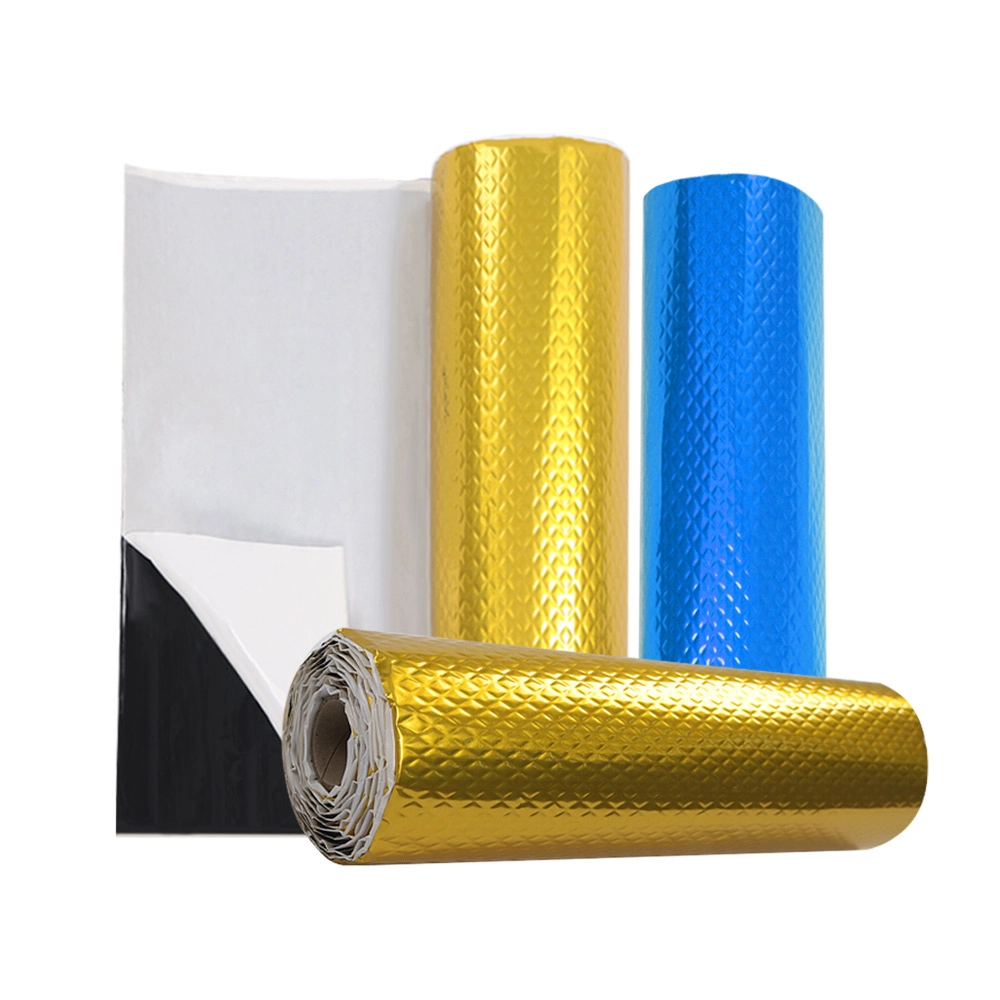
Butyl Rubber Sound Damping Mat
ASLONG Butyl Rubber Sound Damping Mat for sale. Effectively reduces noise and vibrations. High-quality butyl rubber ensures superior performance and durability. Ideal for automotive, industrial, and home applications.
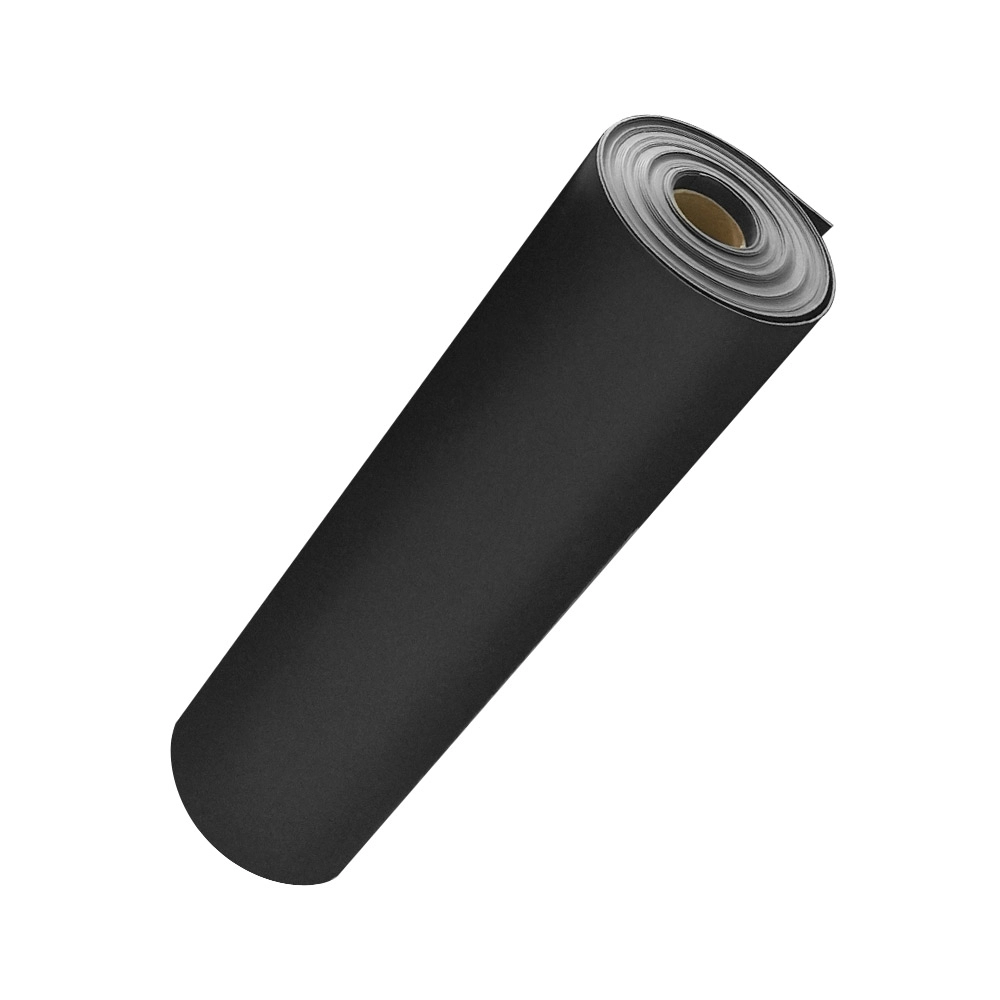
Mass Loaded Vinyl
ASLONG Mass Loaded Vinyl for sale. Reduce noise pollution effectively with our high-quality, mass-loaded vinyl. Ideal for soundproofing walls, floors, and more. Buy now and experience the difference!
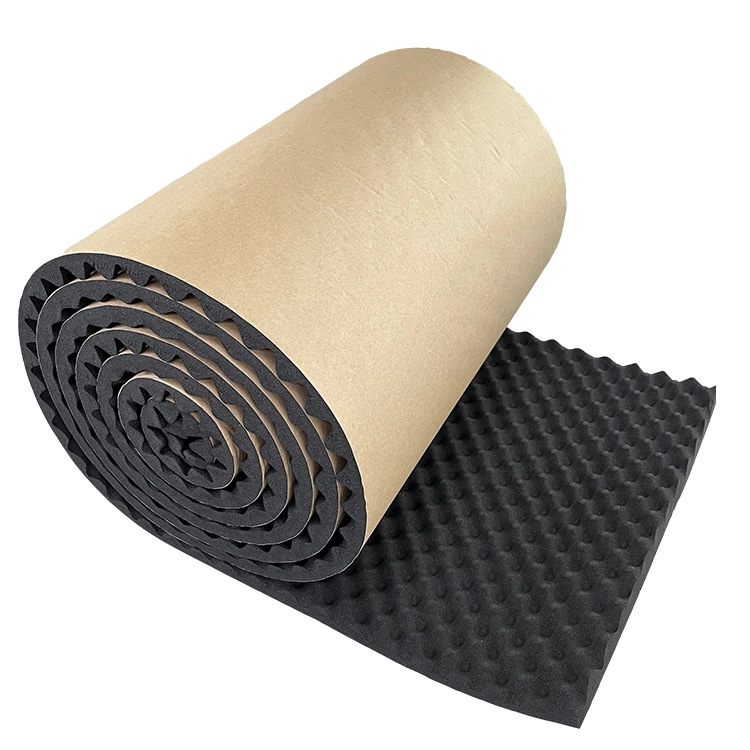
Egg Crate Foam
ASLONG Egg Crate Foam for sale. Lightweight, breathable, and comfortable, our egg crate foam provides superior support and pressure relief. Perfect for mattresses, cushions, cars, construction industry, KTV, factories, etc.
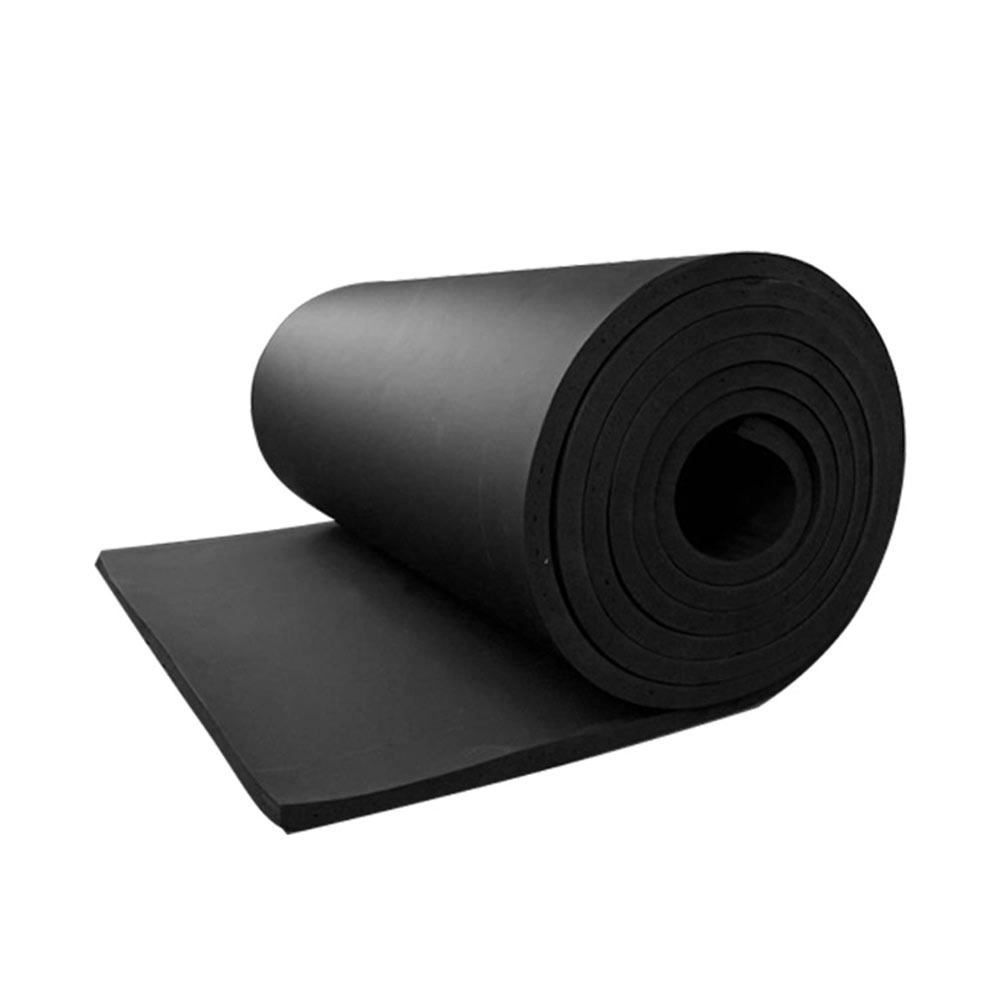
NBR Foam
ASLONG NBR Foam: Wholesale NBR foam solutions for diverse applications. High-quality, durable, and competitively priced. Contact us today for bulk orders.
Professional support at any time
If you have any comments or good suggestions, please leave us a message; later our professional staff will contact you as soon as possible.
© 2026 ASLONG All Rights Reserved. Privacy Policy | Terms and Conditions | Sitemap

 It would be pleasure to receive from you.
Whatsapp: +8613242879341
ASLONG Global
ASLONG
Aslong_global