

Buying Guide for Sound Insulation Cotton for Commercial Projects
- Buying Guide for Sound Insulation Cotton for Commercial Projects
- What is sound insulation cotton and where it is used?
- Product spotlight: Sound Absorbing White Cotton
- Why choose sound insulation cotton for commercial projects?
- Key acoustic and physical metrics to evaluate (and why they matter)
- Comparing common commercial acoustic materials
- How to specify Sound Absorbing White Cotton for a commercial project
- Installation best practices for long-term performance
- Fire safety, indoor air quality and code compliance
- Lifecycle cost and sustainability considerations
- Typical commercial applications and selection examples
- Cost comparison and budgeting
- How to validate manufacturer claims
- Brand advantages — why choose our Sound Absorbing White Cotton
- Frequently Asked Questions (FAQ)
- Q: What thickness of Sound Absorbing White Cotton should I use for an open-plan office?
- Q: Is sound insulation cotton safe to handle and install?
- Q: Can insulation alone improve STC ratings of a partition?
- Q: How does sound absorption change if the cotton is compressed?
- Q: Are there cleaning or maintenance requirements?
- Next steps — samples, testing and procurement
- Authoritative references and further reading

Buying Guide for Sound Insulation Cotton for Commercial Projects
What is sound insulation cotton and where it is used?
Sound insulation cotton is a category of fibrous acoustic materials designed to reduce airborne noise, control reverberation and improve overall acoustic comfort in interior spaces. Typically produced from polymeric fibres (PP and PET) or mineral fibres, these materials are engineered to balance high sound absorption with thermal insulation, durability and ease of installation. In commercial projects — offices, restaurants, hotels, hospitals, schools and auditoria — sound insulation cotton is commonly used in partition cavities, suspended ceilings, acoustic enclosures and void filling. After establishing selection criteria in the buying guide for sound insulation cotton for commercial projects, buyers typically move deeper into technical evaluation with a specification checklist for sound absorbing white cotton for buyers.
Product spotlight: Sound Absorbing White Cotton
Sound-absorbing white cotton Made from PP and PET fibres by melt-blowing, special processes are used to achieve density diversification, sound absorption and noise reduction, thermal insulation, moisture-proof and mold resistance.
This product is engineered to offer a combination of acoustic performance, moisture resistance and thermal properties, making it suitable for many commercial building applications where hygiene and low maintenance are also important.
Why choose sound insulation cotton for commercial projects?
Commercial facilities need acoustic materials that perform consistently, meet building codes, and deliver lifecycle value. Sound insulation cotton stands out for several reasons:
- High broadband sound absorption — effective across mid and high frequencies common in speech and office noise.
- Lightweight and easy to handle — reduces installation labour and time in retrofit or new-build projects.
- Moisture-proof and mold-resistant variants (like Sound Absorbing White Cotton) improve hygiene and reduce maintenance.
- Thermal insulation benefits — dual-purpose performance can contribute to energy efficiency.
- Non-fiberglass polymeric options reduce concerns about fibre irritation and disposal.
Key acoustic and physical metrics to evaluate (and why they matter)
When comparing sound insulation cotton products, focus on measurable performance metrics used by acousticians and specifiers. Knowing what each metric means helps you match the product to your project goals.
- Noise Reduction Coefficient (NRC): A single-number average describing absorption performance across common mid-to-high frequencies. Useful for estimating reverberation control in open spaces.
- Sound Transmission Class (STC): Indicates how well assemblies (wall/ceiling with insulation) block airborne sound between spaces. Insulation contributes, but STC reflects the whole system.
- Thickness and density: Thicker and higher-density pads generally improve low-frequency absorption, but product design (fibre structure, resistivity) matters more than density alone.
- Airflow resistivity: A material property closely linked to absorption performance; manufacturers sometimes provide it for accurate acoustic modeling.
- Fire classification: Always check reaction-to-fire ratings (e.g., UL94, EN 13501-1) for commercial building compliance.
- Thermal R-value: If thermal insulation is required, review R-value alongside acoustic performance.
- Durability, moisture resistance and microbial resistance: Critical in humid environments, kitchens, bathrooms and healthcare facilities.
Comparing common commercial acoustic materials
Below is a concise comparison of common acoustic insulation options often considered alongside sound insulation cotton. Values are typical ranges to guide selection; always ask suppliers for test reports.
| Material | Typical NRC Range | Fire/Code Notes | Best Use | Relative Cost |
|---|---|---|---|---|
| Sound Absorbing White Cotton (PP/PET melt-blown) | 0.50–0.95 (depending on thickness) | Variable; many polymeric variants UL/EN rated for interiors | Ceiling cavities, partitions, acoustic enclosures, voids | Moderate |
| Mineral wool (rock, glass wool) | 0.50–1.00 | Often non-combustible; meets strict fire codes | Partition fills, duct lining, thermal/acoustic combo | Low–Moderate |
| Open-cell acoustic foam | 0.40–0.95 | Varied fire ratings; require treatment for code compliance | Room treatments, studios, panels | Moderate |
| Perforated panels + cavity insulation | 0.60–1.00 (system dependent) | Surface rating of facing panel important | Architectural ceilings/walls where appearance matters | High |
How to specify Sound Absorbing White Cotton for a commercial project
Follow these steps to create a reliable specification that integrates acoustic performance, code compliance and practical installation concerns:
- Define project goals: reduce reverberation, improve speech privacy, or isolate noisy equipment.
- Identify target metrics: required NRC for rooms (e.g., open-plan office NRC 0.6–0.8), STC targets for partitions.
- Select product thickness/density: consult manufacturer test reports for the specific product build (e.g., 25 mm, 50 mm, 75 mm variants).
- Check fire, health and environmental certifications: UL, EN 13501-1 classification, GREENGUARD/low VOC where indoor air quality matters.
- Plan installation details: cavity sizes, compression allowances, edge treatments and access panels.
- Request sample panels and laboratory test reports (ASTM C423 or ISO 354/11654) for independent verification.
Installation best practices for long-term performance
Proper installation maximizes acoustic benefit and ensures the product performs over time:
- Avoid over-compressing pads inside cavities — compression reduces low-frequency absorption.
- Ensure continuous coverage with minimal gaps; small gaps near flanking paths reduce effectiveness.
- In moisture-prone areas, use the moisture-proof variant and ensure building envelope and vapor barriers are correct.
- Combine with decoupling, sealing and mass where transmission loss is required (insulation alone cannot raise STC dramatically).
- Coordinate with mechanical and electrical contractors to avoid cutting or compressing material during MEP installations.
Fire safety, indoor air quality and code compliance
Commercial projects must meet stricter fire and IAQ requirements than residential builds. Key considerations:
- Request the product's reaction-to-fire classification (e.g., EN 13501-1 class) and surface-burning characteristics (ASTM E84 or equivalent).
- Confirm smoke/toxicity behavior for evacuation safety in corridors and high-occupancy areas.
- For healthcare, education and hospitality, prioritize low-VOC and anti-microbial certified materials.
- Retain manufacturer data and test reports as part of your project documentation for code inspections.
Lifecycle cost and sustainability considerations
Beyond upfront price, evaluate lifecycle costs including maintenance, replacement, disposal and potential energy savings from added thermal insulation. Sound Absorbing White Cotton offers advantages:
- Durable polymeric fibres can resist moisture and microbial growth, reducing replacement frequency.
- Lightweight panels reduce structural load and transport costs.
- Many PP/PET products incorporate recycled content or are recyclable — check supplier sustainability datasheets.
Typical commercial applications and selection examples
Here are common use cases and recommended selection guidance:
- Open-plan offices: Use 50–75 mm sound insulation cotton above suspended ceilings plus absorptive ceiling tiles to achieve NRC >0.7 and controlled speech levels.
- Conference rooms: Combine 25–50 mm cotton in wall cavities with surface absorbers/panels targeted at speech frequencies to reach desired STI or clarity.
- Hospital wards: Choose moisture-proof, antimicrobial variants with proven IAQ data.
- Restaurants/food service: Focus on high NRC and moisture resistance; consider surface aesthetics combined with hidden cavity insulation.
Cost comparison and budgeting
Project budgets should include material, labour, access for installation and any required fire treatments or facings. Typical cost drivers:
- Thickness and density of the chosen product variant.
- Project scale and waste factors for irregular cavities.
- Additional finishing (facing, encapsulation) to meet fire/IAQ requirements.
| Line item | Typical % of acoustic budget | Notes |
|---|---|---|
| Material (insulation) | 30–45% | Depends on thickness, special properties (moisture/mould resistant) |
| Acoustic finishes & panels | 25–40% | Higher when architectural treatments are used |
| Installation labour | 20–30% | Varies with access difficulty and on-site coordination |
| Testing & certification | 5–10% | Includes lab testing and in-situ verification |
How to validate manufacturer claims
To trust product data, ask for:
- Independent acoustic test reports (ASTM C423, ISO 354) showing frequency-by-frequency absorption coefficients.
- Fire test certificates (EN 13501-1, ASTM E84) and any smoke/toxicity data.
- Material safety data sheets (MSDS) and IAQ certifications (GREENGUARD or equivalent).
- References and case studies for similar commercial projects.
Brand advantages — why choose our Sound Absorbing White Cotton
When specifying acoustic insulation for commercial projects, consistency of supply and verified performance are critical. Our Sound Absorbing White Cotton provides:
- Proven acoustic performance across a range of thicknesses, with lab reports available on request.
- Manufactured by controlled melt-blowing of PP and PET fibres to achieve density diversification for targeted absorption.
- Moisture-proof and mold-resistant variants suited to high-humidity or hygiene-sensitive environments.
- Lightweight, easy-to-install formats that reduce labour time and onsite disruption.
- Options with recycled content and recyclability to support sustainability targets.
- Technical support for specifying, testing and installation throughout project phases.
Frequently Asked Questions (FAQ)
Q: What thickness of Sound Absorbing White Cotton should I use for an open-plan office?
A: For open-plan offices targeting comfortable speech levels and reverberation control, 50–75 mm is a common choice when used above suspended ceilings. Combine with absorptive ceiling tiles or panels for best results.
Q: Is sound insulation cotton safe to handle and install?
A: The PP/PET polymeric fibres in Sound Absorbing White Cotton are less irritating than mineral wool and generally safer to handle. Still, follow standard PPE (gloves, masks) and site safety protocols. Refer to the product MSDS for full handling guidance.
Q: Can insulation alone improve STC ratings of a partition?
A: Insulation improves the absorption within cavities and helps reduce reverberant energy, but STC reflects the entire assembly (layers, mass, seals). To raise STC substantially, combine insulation with additional mass, decoupling or gasketing/sealing strategies.
Q: How does sound absorption change if the cotton is compressed?
A: Compression reduces pore volume and increases flow resistivity, typically decreasing low-frequency absorption. Avoid over-compressing inside cavities and follow manufacturer compression tolerances.
Q: Are there cleaning or maintenance requirements?
A: For enclosed cavity installations there is minimal maintenance. For exposed installations, follow the manufacturer’s cleaning guidance; polymeric options are generally easier to clean and resist mould better than organic alternatives.
Next steps — samples, testing and procurement
If you are evaluating acoustic materials for a commercial project, request the following from suppliers before awarding contracts:
- Product sample and cut sheet.
- Full acoustic test reports (ASTM C423 or ISO 354) for the specific product code and thickness.
- Fire classification and MSDS.
- Project references and installation guidance.
Ready to evaluate Sound Absorbing White Cotton for your project? Contact our technical sales team for samples, test reports and a custom specification package. View product details and request a quote:
Authoritative references and further reading
- Soundproofing — Wikipedia
- Noise reduction coefficient — Wikipedia
- ASTM C423 - Standard Test Method for Sound Absorption and Sound Absorption Coefficients by the Reverberation Room Method (ASTM)
- ISO 354 Acoustics — Measurement of sound absorption in a reverberation room (ISO)
- Indoor Air Quality (IAQ) — U.S. Environmental Protection Agency
- ISO 11654 — Acoustic absorption (classification)
Top 10 car soundproofing material Manufacturers and Supplier Brands
What is Car Sound Insulation
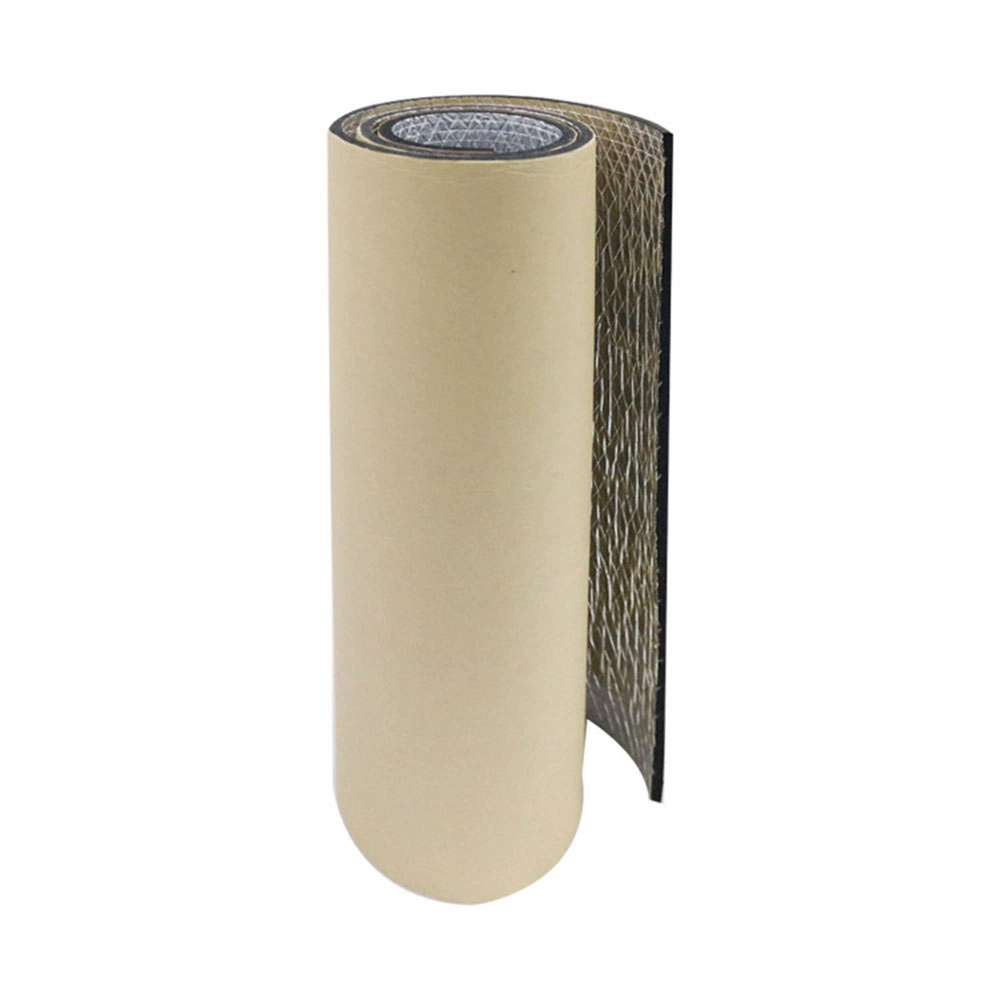
Choosing Multi layer Composite NBR Foam Suppliers: Key Criteria
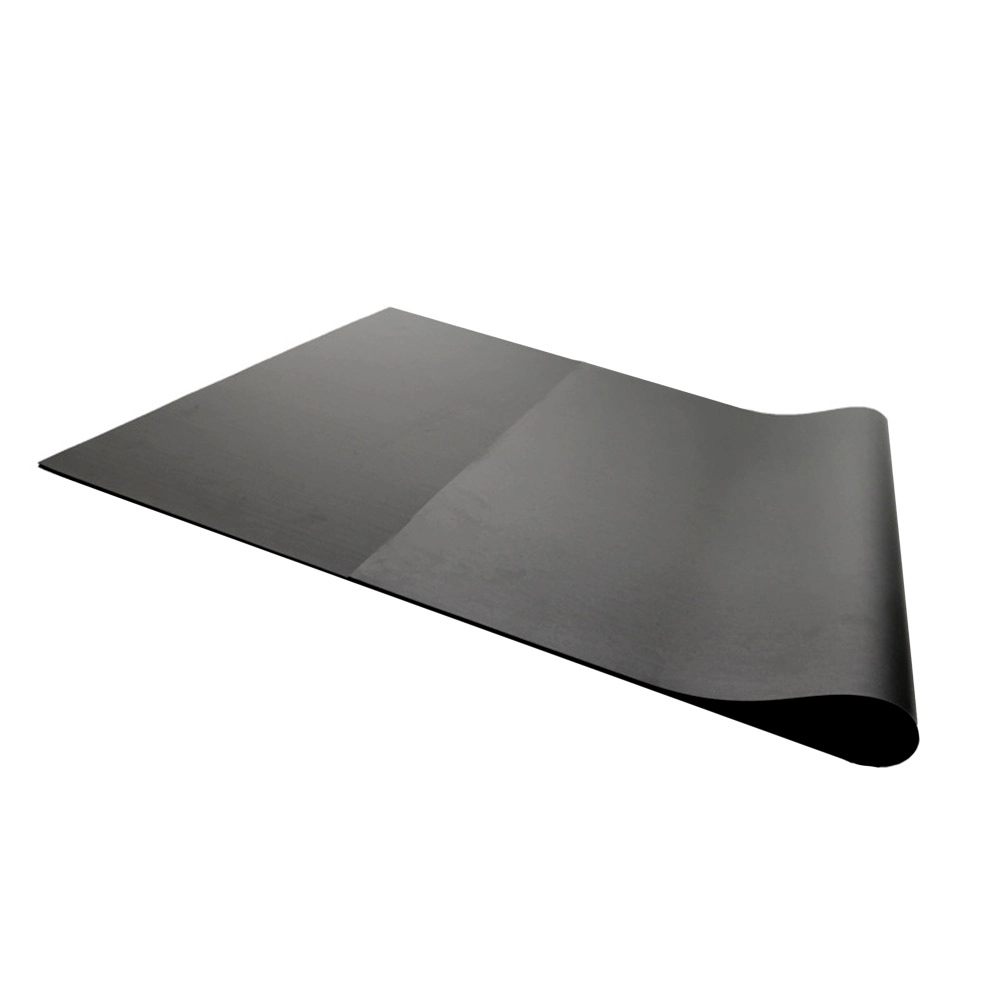
Mass Loaded Vinyl for Industrial Noise Control
FAQs
What industries are the products provided by ASLONG suitable for?
ASLONG's products are suitable for multiple industries, including air conditioning and HVAC, construction and waterproofing, automobiles and transportation, home appliances and electronics, industrial equipment and machinery, etc. We provide customized solutions for each industry to meet different needs.
What specific functions can ASLONG's products provide?
Our products cover functions such as insulation, sound insulation, shock absorption, waterproofing and sealing, and are widely used in improving energy efficiency, reducing noise, controlling vibration, protecting equipment, etc., helping customers optimize engineering effects and improve user experience.
Does ASLONG provide after-sales service?
Yes, we provide a full range of after-sales services, including technical support, installation guidance, product maintenance and quality tracking, etc., to ensure that each project goes smoothly and continues to perform at its best.
Do ASLONG's products meet environmental protection standards?
Yes, all ASLONG products comply with ISO14001 environmental management system certification and global environmental protection standards. We use environmentally friendly materials and are committed to providing sustainable solutions to help customers achieve green development goals.
How to customize products that meet the needs of my industry?
You only need to contact our sales or technical team, we will conduct an in-depth analysis based on your industry needs and provide tailor-made products and solutions. We guarantee to provide you with efficient and accurate services to meet your personalized requirements.
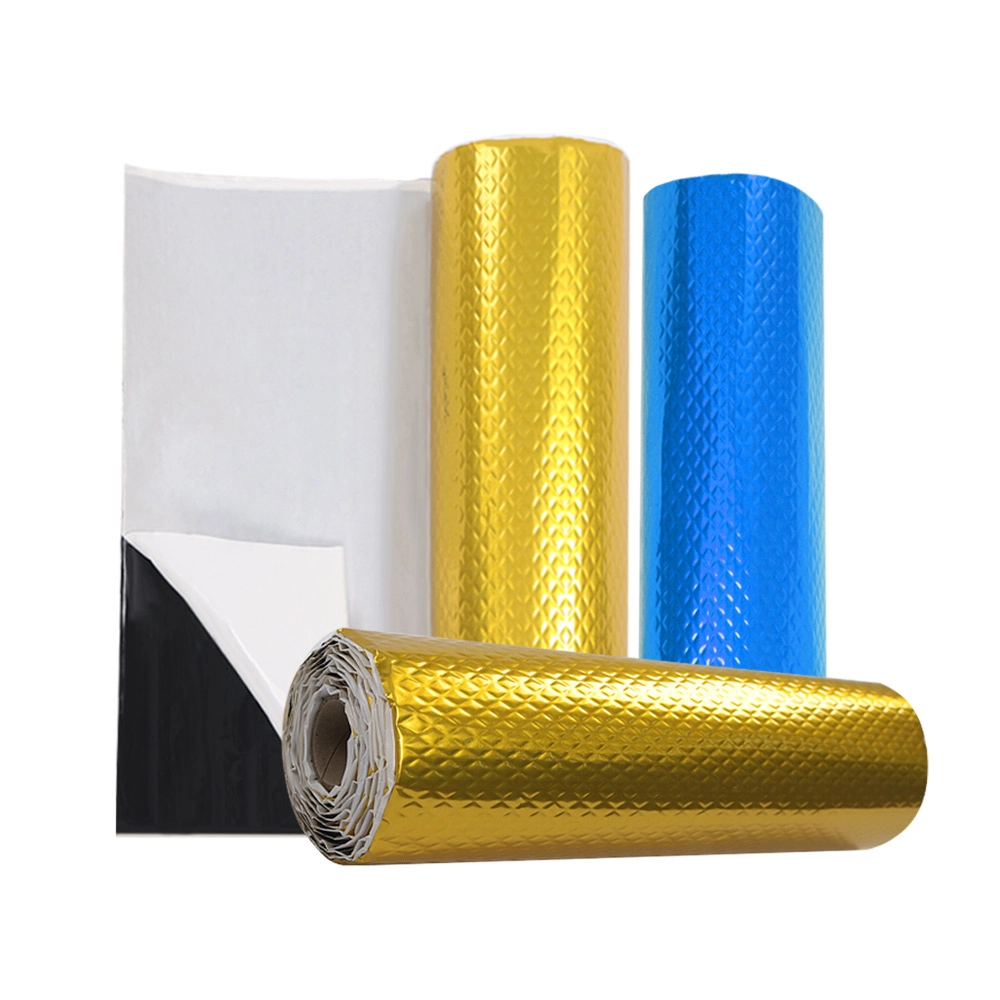
Butyl Rubber Sound Damping Mat
ASLONG Butyl Rubber Sound Damping Mat for sale. Effectively reduces noise and vibrations. High-quality butyl rubber ensures superior performance and durability. Ideal for automotive, industrial, and home applications.
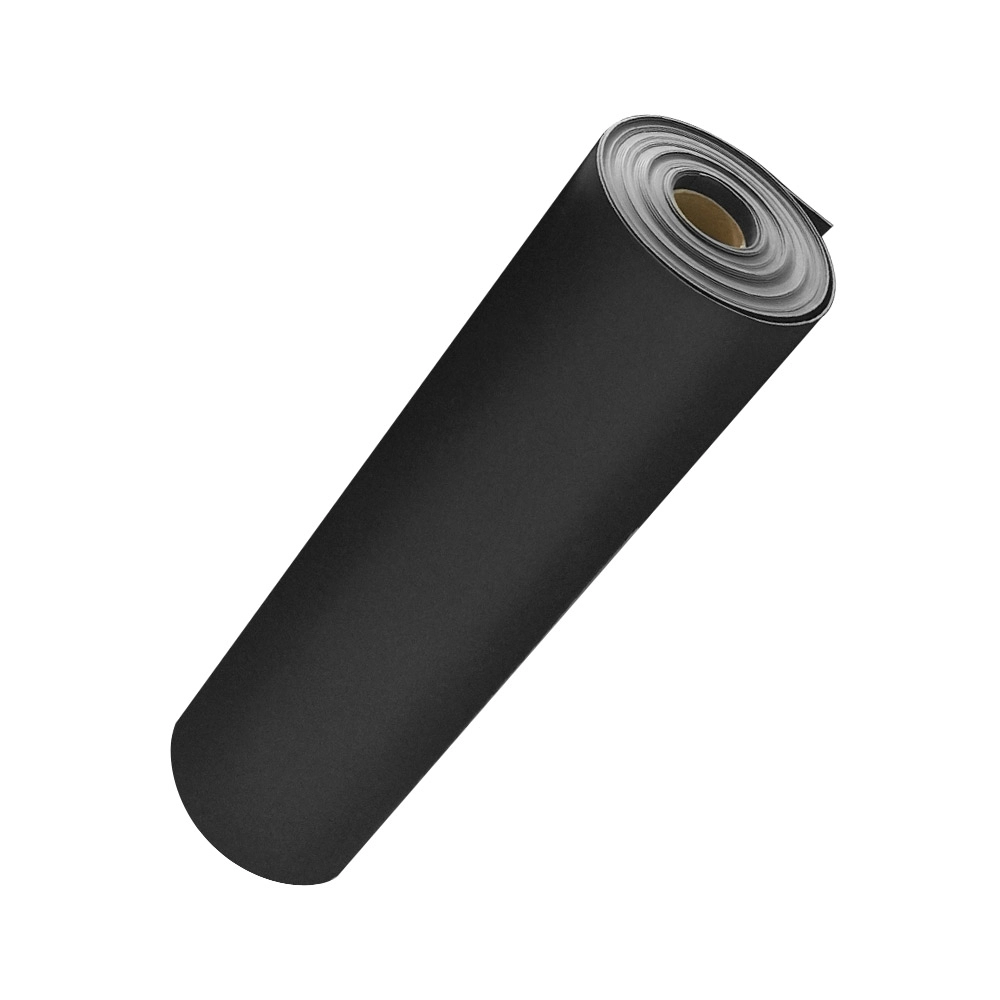
Mass Loaded Vinyl
ASLONG Mass Loaded Vinyl for sale. Reduce noise pollution effectively with our high-quality, mass-loaded vinyl. Ideal for soundproofing walls, floors, and more. Buy now and experience the difference!
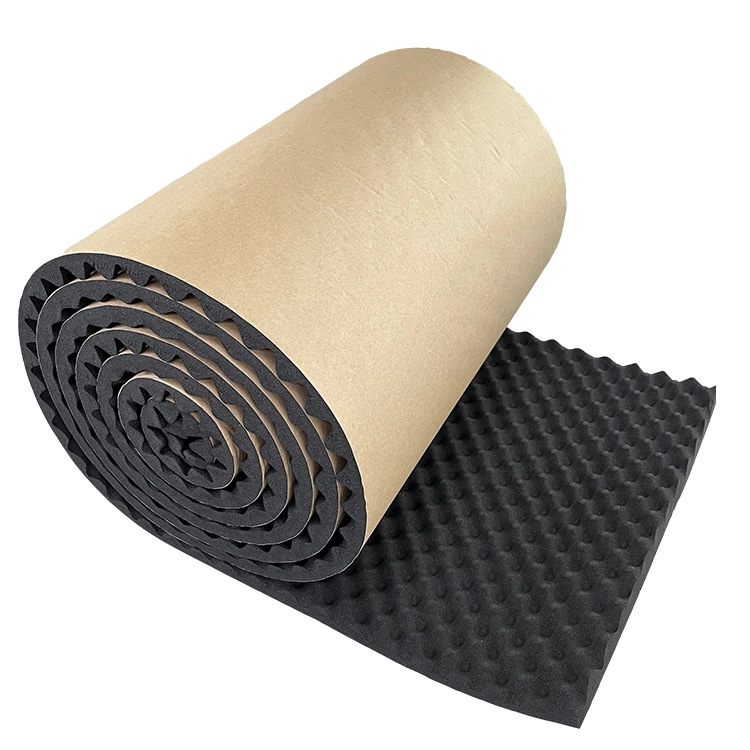
Egg Crate Foam
ASLONG Egg Crate Foam for sale. Lightweight, breathable, and comfortable, our egg crate foam provides superior support and pressure relief. Perfect for mattresses, cushions, cars, construction industry, KTV, factories, etc.
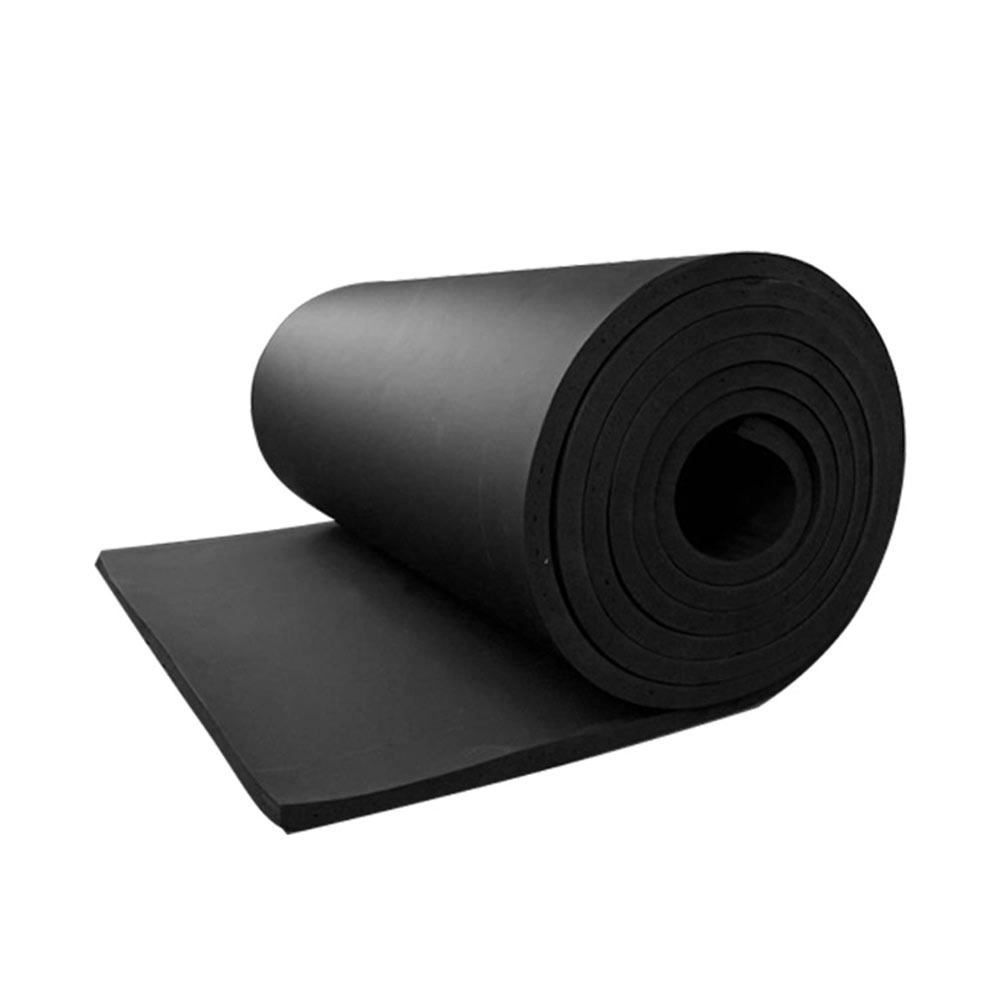
NBR Foam
ASLONG NBR Foam: Wholesale NBR foam solutions for diverse applications. High-quality, durable, and competitively priced. Contact us today for bulk orders.
Professional support at any time
If you have any comments or good suggestions, please leave us a message; later our professional staff will contact you as soon as possible.
© 2026 ASLONG All Rights Reserved. Privacy Policy | Terms and Conditions | Sitemap

 It would be pleasure to receive from you.
Whatsapp: +8613242879341
ASLONG Global
ASLONG
Aslong_global