

Specification Checklist: Sound Absorbing White Cotton for Buyers
- Specification Checklist: Sound Absorbing White Cotton for Buyers
- Why choose sound insulation cotton — quick overview
- Core acoustic specifications to require (sound insulation cotton)
- Material and manufacturing details buyers should request
- Fire safety and regulatory compliance (critical for buyers)
- Thermal, moisture and durability requirements (sound insulation cotton)
- Mechanical and handling properties
- Installation and mounting recommendations
- Environmental and health considerations
- Testing and quality assurance: what to request from suppliers
- Comparative performance table — quick buyer reference
- Costing and lifecycle considerations for procurement
- Vendor selection and sample evaluation process
- Brand and product advantages — why choose our Sound Absorbing White Cotton
- Common pitfalls and how to avoid them
- FAQ — Common buyer questions about Sound Absorbing White Cotton
- Q1: What is the typical Noise Reduction Coefficient (NRC) for Sound Absorbing White Cotton?
- Q2: Is this material safe for indoor use regarding VOCs?
- Q3: Can I use this cotton in HVAC duct liners?
- Q4: How does it perform compared with mineral wool?
- Q5: What certifications/test reports should I insist on?
- Next steps — request a sample and get expert support
- Authoritative references and standards

Specification Checklist: Sound Absorbing White Cotton for Buyers
Why choose sound insulation cotton — quick overview
Sound-absorbing white cotton Made from PP and PET fibres by melt-blowing, special processes are used to achieve density diversification, sound absorption and noise reduction, thermal insulation, moisture-proof and mold resistance.
Sound insulation cotton, marketed here as Sound Absorbing White Cotton, is a versatile nonwoven acoustic absorber intended for applications from building partitions and HVAC ducts to vehicle cabins and industrial enclosures. This checklist helps buyers set clear, testable specifications so purchased material meets acoustic, fire, thermal and durability expectations. Once key parameters are defined, procurement teams often compare available solutions by comparing sound insulation cotton types for industrial use to identify the best material fit.
Core acoustic specifications to require (sound insulation cotton)
Acoustic performance should be the top procurement criterion. Ask suppliers to provide results from standardized laboratory tests (see references). Typical deliverables include:
- Sound absorption coefficient (α) across octave bands (125–4,000 Hz) — shows frequency-dependent absorption.
- Noise Reduction Coefficient (NRC) or Weighted Sound Absorption Coefficient (aw) — single-number indices for quick comparison.
- Sound Transmission Loss (STL) or Transmission Loss (TL) when used as part of a composite assembly (if relevant).
Specification example: “Provide measured sound absorption coefficients per ISO 354 (reverberation room) at octave bands 125–4,000 Hz and report NRC/aw. Target NRC ≥ 0.65 for 25–40 mm thickness; provide test reports.”
Material and manufacturing details buyers should request
For product consistency and performance, request the following material details:
- Fiber composition: polypropylene (PP) and polyethylene terephthalate (PET) ratios.
- Manufacturing method: melt-blown nonwoven process and any subsequent calendaring, needling or thermal bonding.
- Bulk density range (kg/m³) or areal mass (g/m²) for each product grade — density affects absorption and thermal properties.
- Available thicknesses and tolerances (± mm).
- Surface treatment or facing layers (e.g., scrim, perforated facings) if applicable.
These parameters influence acoustic performance, handling, fire behavior and moisture resistance.
Fire safety and regulatory compliance (critical for buyers)
Fire performance is mandatory in many building and vehicle standards. Ask for:
- Reaction-to-fire classification (e.g., ASTM E84/UL 723 Tunnel test results or EN 13501-1 classification).
- Smoke development and toxicity data where available.
- Evidence of compliance with local building codes (for walls/ceilings) or automotive fire safety regulations (if for vehicle interiors).
Specification example: “Material to achieve ASTM E84 Class A or EN 13501-1 B-s1,d0 (or state applicable regional requirement). Provide certified lab reports.”
Thermal, moisture and durability requirements (sound insulation cotton)
Sound Absorbing White Cotton often doubles as thermal insulation. Important technical requirements:
- Thermal conductivity (λ) or R-value per thickness — useful if insulation is a dual function.
- Moisture resistance: water absorption (% by mass after soaking) or hydrophobicity treatment details.
- Mold and mildew resistance: test results or accelerated aging reports.
- Dimensional stability: compression set under specified load and recovery percentage.
Example requirement: “Maximum water uptake ≤ 5% by mass; no visible mold after 28-day ASTM humidity exposure test; compression set ≤ 15% after 10 kPa for 72 hours.”
Mechanical and handling properties
Specify mechanical characteristics to avoid installation and lifetime issues:
- Tensile strength and tear resistance (if used in exposed installations).
- Edge stability — does the material fray or shed fibers during cutting and handling?
- Recommended handling precautions (PPE, cutting tools) and waste guidelines.
Installation and mounting recommendations
Request installation documentation: recommended fixings, adhesives, facing options, and compatibility with surrounding materials. Include acceptable mounting assemblies and whether perforated facings or air gaps are recommended to tune absorption for low frequencies.
Environmental and health considerations
Buyers should prioritize products with transparent environmental and health documentation:
- Material Safety Data Sheet (MSDS) / Safety Data Sheet (SDS).
- VOC emissions testing (e.g., ISO 16000 or local indoor air quality protocols) if used in occupied spaces.
- Recycled content percentage and end-of-life recycling/disposal recommendations.
Ask vendors to disclose any additives (e.g., flame retardants) and to provide test evidence for low VOCs when used in offices, schools, healthcare spaces.
Testing and quality assurance: what to request from suppliers
Clear acceptance criteria reduce disputes. Require:
- Batch traceability and manufacturing lot numbers on certificates.
- Third-party laboratory reports for acoustic and fire tests (include lab name, test method, date).
- Typical QA tolerances for thickness, density, and mass per unit area.
Insist on independent test data rather than vendor-only internal tests for critical projects.
Comparative performance table — quick buyer reference
The table below gives approximate typical ranges (illustrative). Buyers should rely on supplier test data for procurement decisions.
| Property | Sound Absorbing White Cotton (typical) | Mineral Wool (comparison) | Open-cell Foam (comparison) |
|---|---|---|---|
| NRC (typical) | 0.65–0.95 (varies with thickness 10–50 mm) | 0.80–0.95 | 0.45–0.90 |
| Thermal conductivity (λ) | ~0.035–0.045 W/m·K | ~0.034–0.040 W/m·K | ~0.030–0.040 W/m·K |
| Water absorption | Low (hydrophobic PP/PET blend) | Moderate (can retain water) | Moderate–high |
| Mold resistance | Good (synthetic fibers) | Variable | Variable |
| Typical uses | Partitions, ceilings, HVAC linings, vehicles, appliance enclosures | Building insulation, acoustic panels | Studio treatment, panels |
Note: values are indicative. Always require supplier’s certified test reports.
Costing and lifecycle considerations for procurement
Cost per square meter is only one factor. Ask for a total-cost-of-ownership view including:
- Installed cost (material + labor + fixings).
- Expected lifespan in the intended environment.
- Maintenance requirements (replacement cycles, cleaning, susceptibility to sagging or dusting).
- Environmental disposal or recycling costs.
For many projects, the slightly higher cost of a hydrophobic, mold-resistant acoustic cotton is offset by lower maintenance and longer life in humid environments.
Vendor selection and sample evaluation process
Request samples and define acceptance tests:
- Receive sample panels or rolls with full technical datasheet and SDS.
- Perform on-site quick checks: dimensions, weight, odor, visible defects.
- Require lab reports for acoustic and fire tests. If necessary, order project-specific tests from an independent lab.
- Run a small-scale in-situ mock-up to validate perceived acoustic improvement before full procurement.
Brand and product advantages — why choose our Sound Absorbing White Cotton
When selecting among suppliers, consider these product strengths that we provide:
- Consistent melt-blown PP/PET manufacturing with controlled density options to tailor acoustic performance.
- Low moisture uptake and inherent mold resistance due to synthetic fiber chemistry — suitable for humid climates.
- Thermal insulation benefit in addition to acoustic absorption, helping reduce energy loss.
- Comprehensive test documentation: ISO/ASTM acoustic test reports, fire reaction data, and SDS for each production lot.
- Flexible supply formats: rolls, panels, pre-cut shapes for HVAC and vehicle interiors.
These attributes reduce installation risk and the need for post-installation remediation or replacements.
Common pitfalls and how to avoid them
Buyers often make these mistakes:
- Accepting vendor claims without third-party test reports.
- Choosing solely on NRC or single-number metrics without looking at frequency-dependent data (low-frequency absorption is often the limiting factor).
- Ignoring fire classification relative to the end-use application.
- Failing to consider moisture and mold resistance in humid or condensation-prone installations.
Use this checklist to avoid these pitfalls by specifying measurable acceptance criteria up front.
FAQ — Common buyer questions about Sound Absorbing White Cotton
Q1: What is the typical Noise Reduction Coefficient (NRC) for Sound Absorbing White Cotton?
A: NRC depends on thickness and density. Typical NRC ranges from 0.65 for thinner sheets (~10 mm) up to 0.90+ for thicker, higher-density variants (25–50 mm). Request lab data for your chosen thickness.
Q2: Is this material safe for indoor use regarding VOCs?
A: Sound Absorbing White Cotton made from PP and PET is inert and typically low-VOC; however, buyers should request VOC testing (e.g., ISO 16000 series) if used in sensitive indoor environments.
Q3: Can I use this cotton in HVAC duct liners?
A: Yes — it is a common application. Specify fire and microbial resistance requirements and ask for suitable facing options or protective scrims to meet HVAC standards.
Q4: How does it perform compared with mineral wool?
A: Performance can be similar in mid/high frequencies, but Sound Absorbing White Cotton tends to be lighter, hydrophobic, and non-irritant (no mineral fibers). Mineral wool may have slightly better low-frequency absorption at similar thickness, depending on density.
Q5: What certifications/test reports should I insist on?
A: Key documents: ISO 354 or ASTM reverberation room test reports, ASTM E84/EN 13501-1 fire classification, SDS, and VOC test reports if required. Third-party lab reports are preferred.
Next steps — request a sample and get expert support
If you are specifying sound insulation cotton for a project, request a sample kit (including datasheet and SDS), and ask the supplier for acoustic test reports specific to the thickness and density you plan to use. For complex acoustic targets (e.g., low-frequency control), consider an onsite acoustic consultation or independent lab testing.
Contact our sales team to request product datasheets, samples, and project-specific acoustic advice. View the full product range and technical resources on our product page or email customer-service@example.com to connect with an acoustic specialist.
Authoritative references and standards
- ISO 354 — Acoustics — Measurement of sound absorption in a reverberation room: https://www.iso.org/standard/14658.
- ASTM E90 / ASTM E84 (sound transmission and surface burning characteristics): https://www.astm.org/Standards/E90.htm and https://www.astm.org/Standards/E84.htm
- WHO — Guidelines for Community Noise: https://www.who.int/publications/i/item/9789241547752
- Wikipedia — Soundproofing (overview of acoustic treatment concepts): https://en.wikipedia.org/wiki/Soundproofing
- Wikipedia — Melt-blown process (nonwoven manufacturing): https://en.wikipedia.org/wiki/Melt_blown
- Acoustical Society of America (technical resources on sound absorption): https://acousticalsociety.org/
- INDA — Association of the Nonwoven Fabrics Industry (industry info on nonwovens): https://www.inda.org/
Top 5 sound deadening rubber sheet Company List and Products Compared
How to Choose the wholesale nbr foam rubber manufacturer and supplier ?
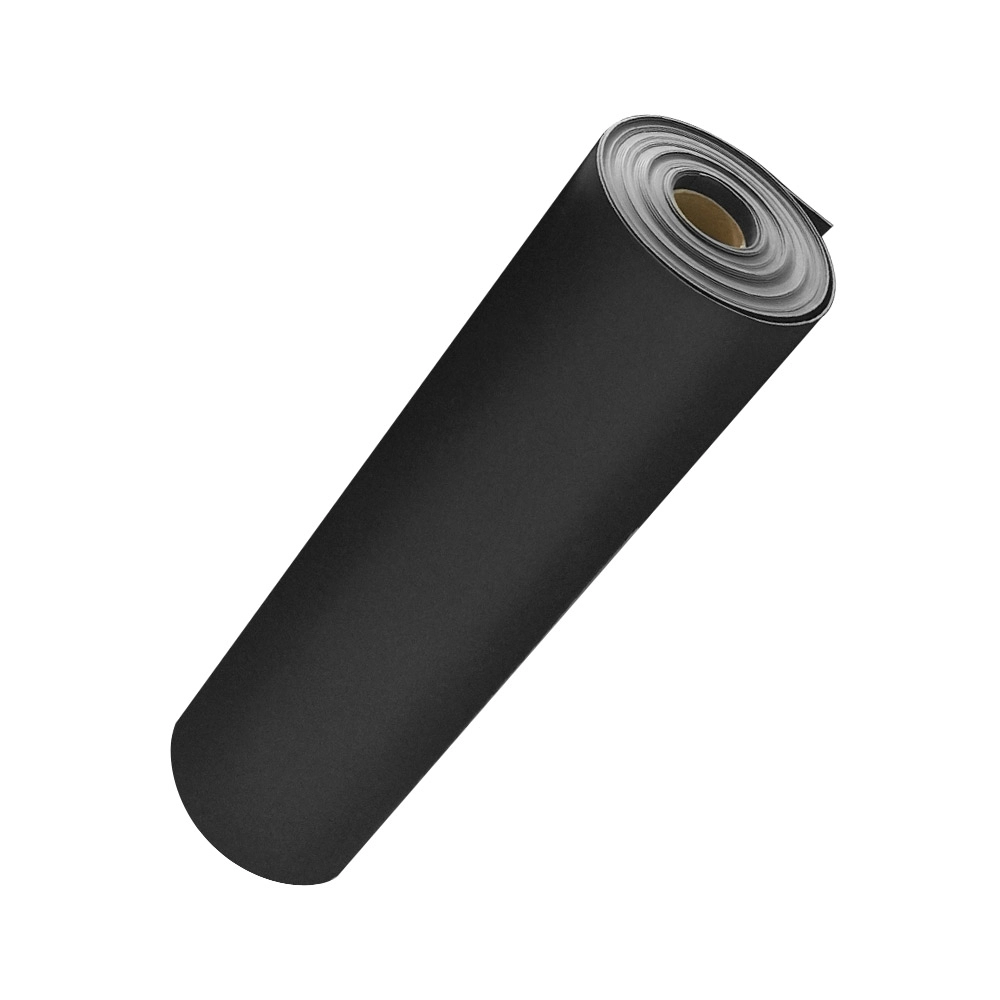
Mass Loaded Vinyl Acoustic Sealants and Accessories
Sound Insulation Foam vs Mass Loaded Vinyl: Performance Comparison
FAQs
Does ASLONG provide after-sales service?
Yes, we provide a full range of after-sales services, including technical support, installation guidance, product maintenance and quality tracking, etc., to ensure that each project goes smoothly and continues to perform at its best.
How to customize products that meet the needs of my industry?
You only need to contact our sales or technical team, we will conduct an in-depth analysis based on your industry needs and provide tailor-made products and solutions. We guarantee to provide you with efficient and accurate services to meet your personalized requirements.
What industries are the products provided by ASLONG suitable for?
ASLONG's products are suitable for multiple industries, including air conditioning and HVAC, construction and waterproofing, automobiles and transportation, home appliances and electronics, industrial equipment and machinery, etc. We provide customized solutions for each industry to meet different needs.
What specific functions can ASLONG's products provide?
Our products cover functions such as insulation, sound insulation, shock absorption, waterproofing and sealing, and are widely used in improving energy efficiency, reducing noise, controlling vibration, protecting equipment, etc., helping customers optimize engineering effects and improve user experience.
Do ASLONG's products meet environmental protection standards?
Yes, all ASLONG products comply with ISO14001 environmental management system certification and global environmental protection standards. We use environmentally friendly materials and are committed to providing sustainable solutions to help customers achieve green development goals.
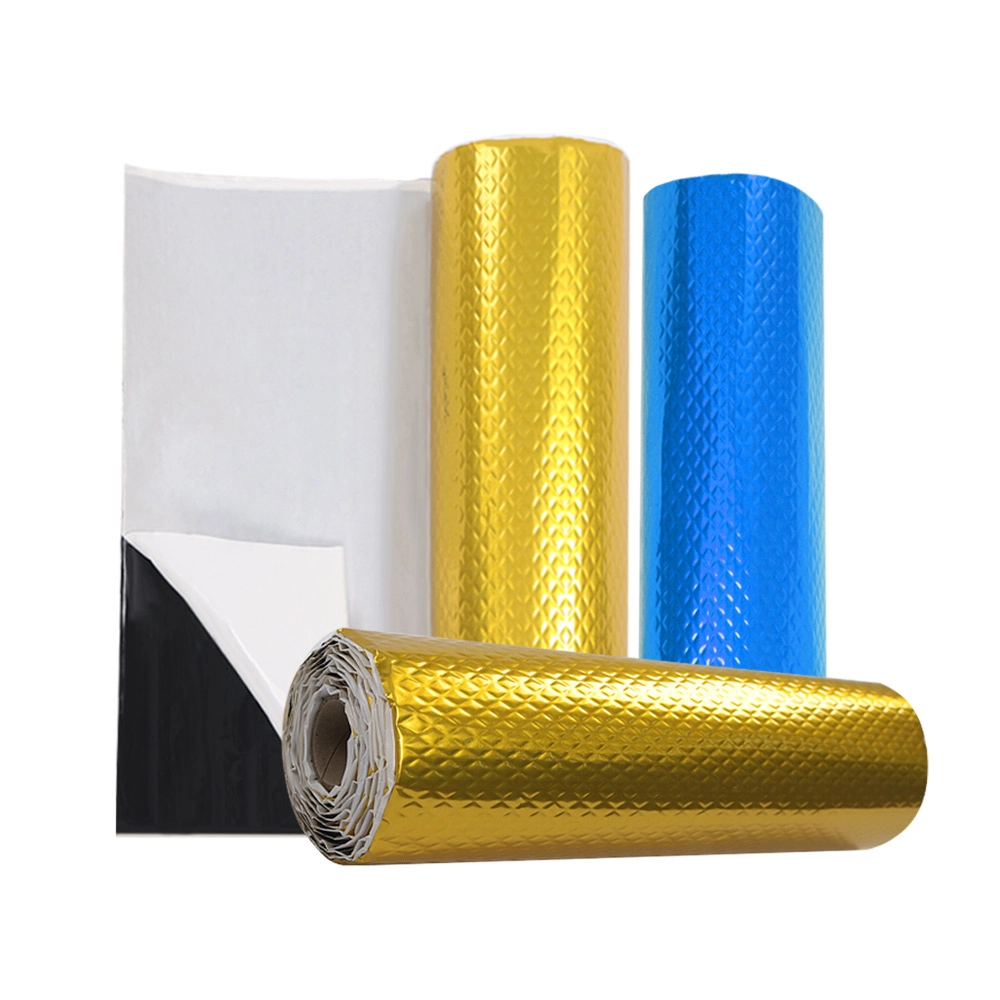
Butyl Rubber Sound Damping Mat
ASLONG Butyl Rubber Sound Damping Mat for sale. Effectively reduces noise and vibrations. High-quality butyl rubber ensures superior performance and durability. Ideal for automotive, industrial, and home applications.
Mass Loaded Vinyl
ASLONG Mass Loaded Vinyl for sale. Reduce noise pollution effectively with our high-quality, mass-loaded vinyl. Ideal for soundproofing walls, floors, and more. Buy now and experience the difference!
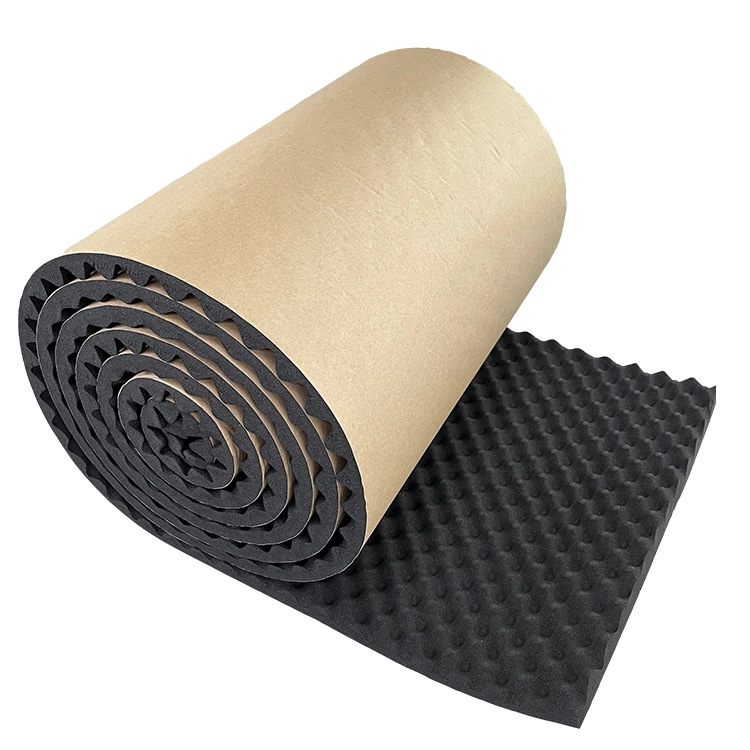
Egg Crate Foam
ASLONG Egg Crate Foam for sale. Lightweight, breathable, and comfortable, our egg crate foam provides superior support and pressure relief. Perfect for mattresses, cushions, cars, construction industry, KTV, factories, etc.
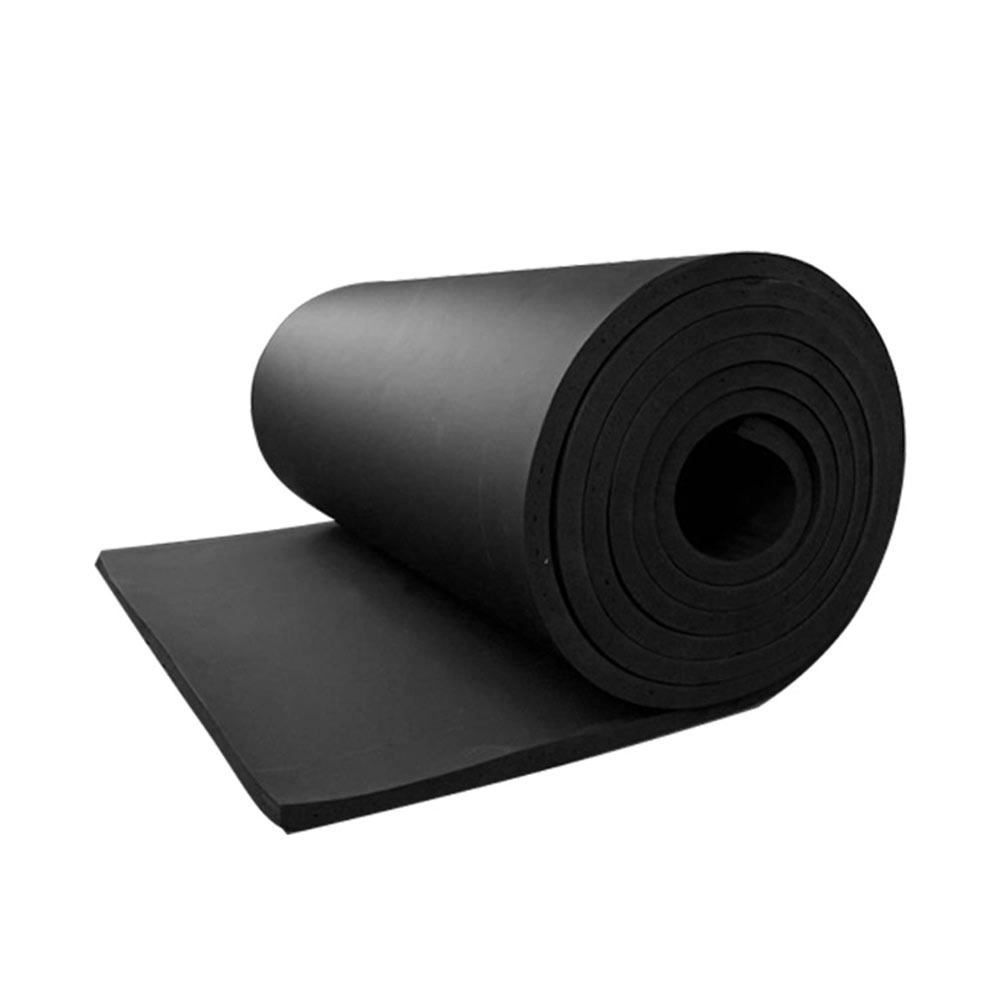
NBR Foam
ASLONG NBR Foam: Wholesale NBR foam solutions for diverse applications. High-quality, durable, and competitively priced. Contact us today for bulk orders.
Professional support at any time
If you have any comments or good suggestions, please leave us a message; later our professional staff will contact you as soon as possible.
© 2026 ASLONG All Rights Reserved. Privacy Policy | Terms and Conditions | Sitemap

 It would be pleasure to receive from you.
Whatsapp: +8613242879341
ASLONG Global
ASLONG
Aslong_global