

Comparing Sound Insulation Cotton Types for Industrial Use
- Comparing Sound Insulation Cotton Types for Industrial Use
- Introduction: Why sound insulation cotton matters in industry
- What is sound insulation cotton and how it works
- Common types of sound insulation cotton for industrial use
- Comparative table: key properties and typical ranges
- In-depth look: Sound Absorbing White Cotton (product focus)
- Performance metrics: what to check before specifying
- Installation and maintenance best practices for industrial settings
- Cost, sustainability, and compliance considerations
- Decision matrix: selecting the right sound insulation cotton for your application
- Brand advantages and why Sound Absorbing White Cotton stands out
- FAQ — Frequently Asked Questions
- Q: Is Sound Absorbing White Cotton suitable for HVAC duct lining?
- Q: How thick should the cotton be for industrial noise reduction?
- Q: Can Sound Absorbing White Cotton resist oils and industrial contaminants?
- Q: How do I verify acoustic performance?
- Q: Is it safe for workers to handle?
- Contact / Request product information and samples
- Authoritative references and further reading

Comparing Sound Insulation Cotton Types for Industrial Use
Introduction: Why sound insulation cotton matters in industry
Industrial environments create complex noise problems from motors, compressors, HVAC systems, and production lines. Sound insulation cotton is a family of fibrous acoustic materials used to reduce reflected sound, damp airborne noise, and improve worker comfort and regulatory compliance. Choosing the right type of sound insulation cotton affects acoustic performance, thermal behavior, fire safety, moisture resistance, installation effort, and lifecycle costs. This article compares common sound insulation cotton types for industrial use, with a close look at Sound Absorbing White Cotton and practical guidance for selection and installation. Material comparisons become more actionable when supported by data, making acoustic performance metrics for sound absorbing white cotton essential for validation.
What is sound insulation cotton and how it works
Sound insulation cotton refers to porous, fibrous materials engineered to absorb sound energy by converting it into small amounts of heat via viscous and thermal losses inside the fiber network. Common base materials include polypropylene (PP), polyethylene terephthalate (PET), natural or recycled cotton/cellulose, and mineral fibers. Performance is influenced by fiber diameter, density, thickness, airflow resistivity and facing. For industrial settings, durability, moisture resistance, and flammability are often as important as raw acoustic numbers.
Common types of sound insulation cotton for industrial use
Industrial acoustic applications typically use several families of fibrous absorbers. Below are the ones most often considered alongside industrial constraints:
- Melt-blown PP/PET cotton (e.g., Sound Absorbing White Cotton): Produced by melt-blowing fine polymer fibers to achieve a controllable density gradient. Offers lightweight, hydrophobic characteristics with good sound absorption and thermal insulation.
- Needle‑punched polyester (PET) acoustic pads: Mechanical bonding creates a robust, non-woven mat often used where abrasion resistance and dimensional stability are needed.
- Recycled cotton/cellulose fiber pads: Made from reclaimed textile or paper fibers; attractive for sustainability but more sensitive to moisture and biological degradation unless treated.
- Mineral wool / glass wool: Widely used in industry for high acoustic and thermal performance, but heavier and sometimes more irritating to handle; fire performance varies by product.
- Acoustic foam and melamine foam: Not strictly 'cotton' but used alongside fibrous absorbers; excellent for mid-to-high frequency absorption but less effective at low frequencies without large thickness.
Comparative table: key properties and typical ranges
The table below summarizes typical characteristics. Values are approximate ranges to guide selection; verify with manufacturer datasheets and lab tests (ASTM/ISO) for project-specific design.
| Material | Typical Density (kg/m³) | Typical NRC / Absorption (0–1) | Thermal Insulation | Moisture / Mold Resistance | Fire Considerations | Typical Industrial Uses |
|---|---|---|---|---|---|---|
| Sound Absorbing White Cotton (PP/PET melt-blown) | 5–60 (density-diversified) | 0.45–0.90 (depends on thickness) | Moderate (adds R-value) | Generally good (hydrophobic PP, PET) | Treated variants available; verify rating | Machine enclosures, duct liners, baffles, panels |
| Needle-punched PET | 30–120 | 0.60–0.95 | Good | Good (synthetic fibers) | Depends on formulation; some inherently flame-resistant | Panels, barrier pads, acoustic cushions |
| Recycled natural cotton/cellulose | 20–100 | 0.50–0.85 | Good | Lower unless treated | Typically treated for fire; check datasheet | Eco-friendly panels, enclosures, partitions |
| Mineral wool / Glass wool | 30–200 | 0.70–0.95 | High | Good (hydrophobic options exist) | Non-combustible (varies by product) | High-temperature ducts, walls, ceilings |
| Acoustic foam / Melamine | 8–25 | 0.40–0.85 | Low–moderate | Moderate (can trap moisture) | Fire-rated versions available | Internal enclosures, targeted absorption |
In-depth look: Sound Absorbing White Cotton (product focus)
Sound-absorbing white cotton Made from PP and PET fibres by melt-blowing, special processes are used to achieve density diversification, sound absorption and noise reduction, thermal insulation, moisture-proof and mold resistance.
Key attributes of Sound Absorbing White Cotton:
- Melt-blown microfibers: The melt-blown process produces fine, entangled fibers that form a highly porous matrix with controlled airflow resistivity — ideal for converting acoustic energy into heat.
- Density diversification: Layering or graded densities improves broadband absorption: lower density layers capture high frequencies while denser layers improve mid-to-low frequency performance.
- Moisture-proof and mold resistance: PP and PET are hydrophobic polymers; combined with manufacturing controls and optional anti-microbial treatments, the product resists moisture uptake and biological growth — crucial in humid industrial locations.
- Thermal performance: Adds thermal resistance to enclosures or panels, improving energy efficiency and offering dual acoustic-thermal benefits.
- Lightweight and formable: Easy to cut, shape, and fix into cavities or enclosures; reduces load on structures compared with mineral wool.
Applications where Sound Absorbing White Cotton excels: machine rooms, compressor and pump enclosures, HVAC and duct liners (when mechanically protected), acoustic panels and baffles in factory ceilings, and vibration-damped housings. Because it is based on PP/PET, it is often easier to handle (no itching) and has lower moisture risk than natural fibers.
Performance metrics: what to check before specifying
When evaluating any sound insulation cotton for industrial use, request or test for the following metrics:
- Noise Reduction Coefficient (NRC) / absorption coefficients by frequency: Provides a sense of broad-band absorption; industrial designs often require low-frequency performance too, so ask for 125–4000 Hz data.
- Sound Transmission Class (STC) impact: If used in partitions or enclosures, understand how the material affects transmission loss as part of a full assembly.
- Airflow resistivity: A primary physical property tied to absorption. Materials with appropriate airflow resistivity perform best for targeted frequency ranges.
- Fire and smoke ratings: Verify compliance with local codes (e.g., ASTM E84 / EN 13501 where applicable) for industrial occupancies.
- Thermal R-value: If thermal performance matters, ask for R-value per thickness.
- Durability tests: Compression set, abrasion, hydrolytic stability, UV resistance (if exposed), and biological resistance (mold/fungus).
Installation and maintenance best practices for industrial settings
Proper installation maximizes acoustic performance and service life:
- Use mechanical fasteners or adhesive systems rated for the environment; avoid compression that reduces porosity.
- Protect exposed acoustic cotton in ducts or near moving parts with perforated metal or fabric facing to prevent fiber migration and mechanical damage.
- Maintain humidity control and address sources of liquid ingress — even hydrophobic materials can accumulate contaminants when wet.
- Schedule inspections for dust accumulation, oil deposits, or chemical exposure; in heavy-soiling environments, plan for protective covers or replaceable panels.
Cost, sustainability, and compliance considerations
Cost comparisons should consider installed cost and lifecycle expense (replacement frequency, energy savings from thermal benefits, and health/safety costs). Recycled-content products can reduce embodied carbon, while PP/PET melt-blown materials offer long service life and low maintenance. For compliance, request laboratory reports for relevant standards: acoustic (ASTM C423, ISO 354), fire (ASTM E84, EN 13501), and industrial chemical resistance standards where applicable. Also consider worker safety: synthetics typically avoid fiber irritation that mineral wool can cause, lowering PPE needs.
Decision matrix: selecting the right sound insulation cotton for your application
Use the following quick decision steps:
- Identify dominant noise frequencies (low, mid, high) — choose thicker or denser cotton for low-frequency control.
- Evaluate environmental risks: humidity, oil/chemicals, temperature — prefer hydrophobic PP/PET in humid or oily environments.
- Decide on fire performance and regulatory compliance early — select certified products or suitable fire treatment.
- Consider handling and maintenance: choose products with protective facings or easy-removal panels for dirty environments.
- Perform a life-cycle cost analysis: include replacement, energy savings, and worker health implications.
Brand advantages and why Sound Absorbing White Cotton stands out
When comparing suppliers and materials, key brand advantages to look for include traceable testing, customizable density/format options, and robust supply-chain practices. Sound Absorbing White Cotton offers several practical benefits for industrial buyers:
- Custom density control: Melt-blown processing enables tailored density profiles for targeted frequency absorption without excessive thickness.
- Moisture and mold resistance: Built from hydrophobic PP and PET fibers and available with anti-microbial finishes, reducing downtime and replacement costs in humid facilities.
- Lightweight and easy to install: Safer to handle than some mineral options and adaptable to enclosures, panels, and ducts.
- Dual acoustic-thermal benefits: Contributes to both sound reduction and improved thermal performance, supporting energy-efficiency goals.
- Compliance and testing: Available with acoustic and fire performance test data on request — essential for industrial certifications.
FAQ — Frequently Asked Questions
Q: Is Sound Absorbing White Cotton suitable for HVAC duct lining?
A: Yes, when installed with a protective facing or perforated metal liner to prevent fiber migration and meet airflow and fire code requirements. Verify the specific product’s fire rating and long-term exposure data for HVAC use.
Q: How thick should the cotton be for industrial noise reduction?
A: Thickness depends on dominant frequencies. For mid-to-high frequencies, 10–50 mm may suffice. For mid-to-low frequency control, consider 50–150 mm or multi-layer solutions with density diversification. Always review lab absorption coefficients for precise design.
Q: Can Sound Absorbing White Cotton resist oils and industrial contaminants?
A: PP and PET are intrinsically resistant to many aqueous environments and some oils, but heavy oil deposition will reduce acoustic effectiveness and may require protective facings or more frequent maintenance.
Q: How do I verify acoustic performance?
A: Request third-party test reports (ASTM C423 / ISO 354) with absorption coefficients across frequencies. For assembled partitions or enclosures, test or model the full assembly for STC or insertion loss.
Q: Is it safe for workers to handle?
A: Synthetic melt-blown PP/PET materials are generally less irritating than mineral wool. Follow standard PPE practice (gloves, masks as needed) and provide training on safe handling and cutting.
Contact / Request product information and samples
If you would like detailed datasheets, certified acoustic test reports, or physical samples of Sound Absorbing White Cotton for evaluation, contact our sales and technical team to request service: request a sample, ask for installation guides, or schedule an on-site acoustic consultation. Our team can help size materials, recommend facings or protective systems, and provide cost estimates and lead times.
Authoritative references and further reading
- World Health Organization — Environmental Noise Guidelines: https://www.who.int/publications/i/item/9789241550208
- Melt-blown process (Wikipedia): https://en.wikipedia.org/wiki/Melt-blown
- Noise‑reduction coefficient (Wikipedia): https://en.wikipedia.org/wiki/Noise-reduction_coefficient
- Soundproofing overview (Wikipedia): https://en.wikipedia.org/wiki/Soundproofing
- ISO — Acoustics standards (ISO 354): https://www.iso.org/standard/22766.
- ASTM International — Acoustic test standards (ASTM C423 summary): https://www.astm.org/Standards/C423.htm
-- End of article --
Wholesale environmental sound absorbing cotton manufacturer and supplier
Soundproofing Car Doors: Materials and Tips 2026
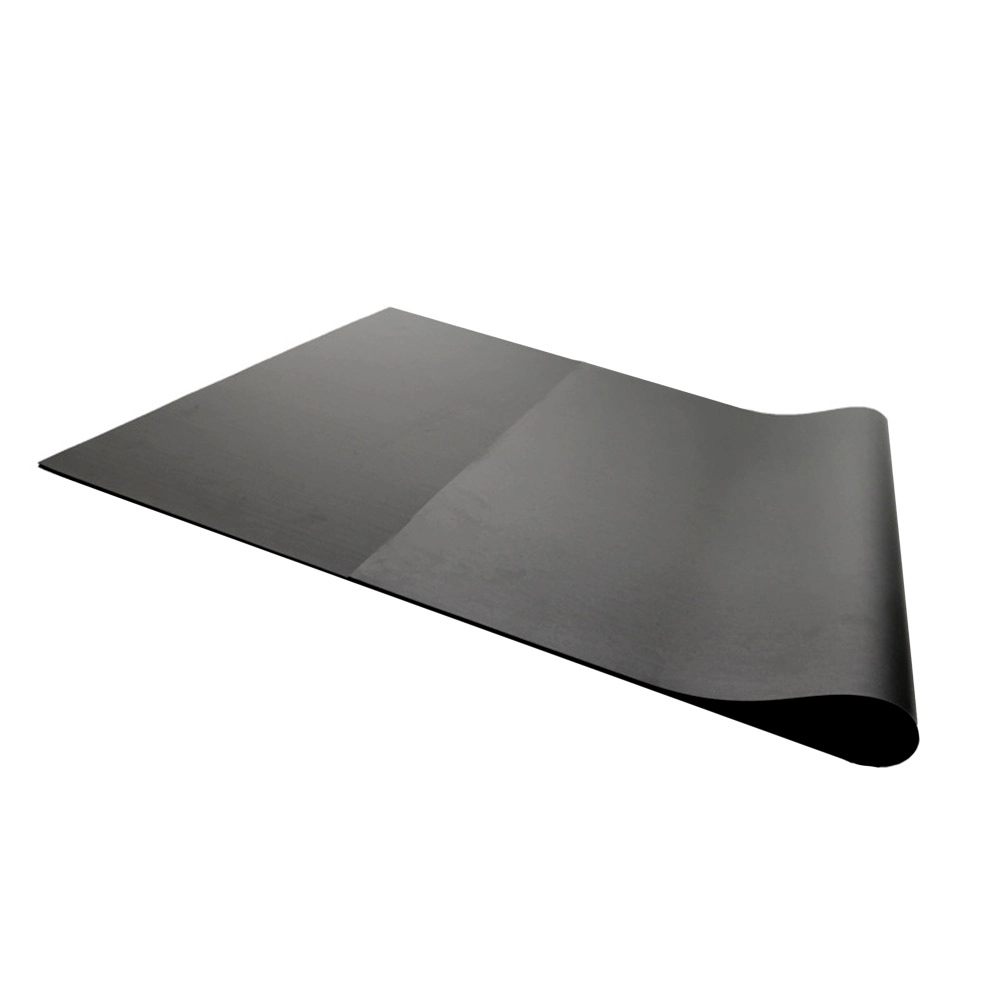
Mass Loaded Vinyl vs Fiberglass Insulation: Which Wins?
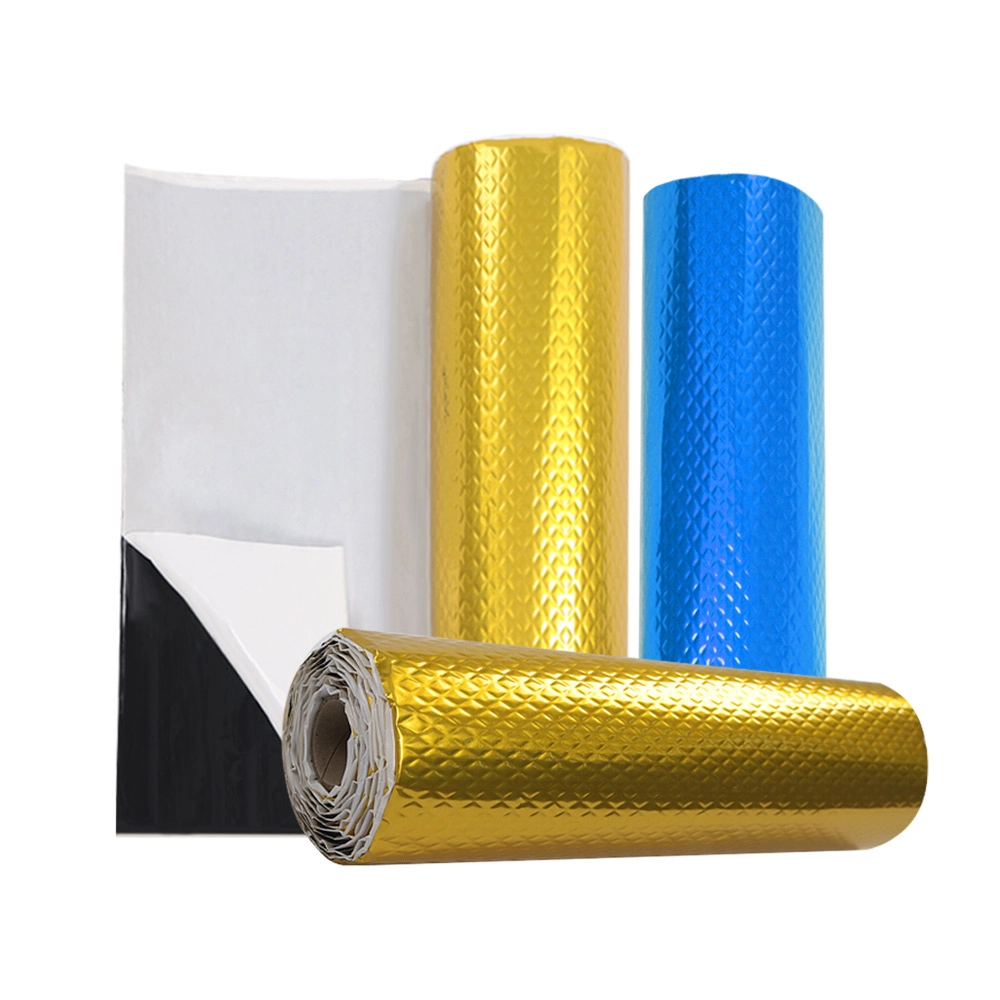
Installation Best Practices for Butyl Rubber Sound Damping Mat
FAQs
What industries are the products provided by ASLONG suitable for?
ASLONG's products are suitable for multiple industries, including air conditioning and HVAC, construction and waterproofing, automobiles and transportation, home appliances and electronics, industrial equipment and machinery, etc. We provide customized solutions for each industry to meet different needs.
Do ASLONG's products meet environmental protection standards?
Yes, all ASLONG products comply with ISO14001 environmental management system certification and global environmental protection standards. We use environmentally friendly materials and are committed to providing sustainable solutions to help customers achieve green development goals.
How to customize products that meet the needs of my industry?
You only need to contact our sales or technical team, we will conduct an in-depth analysis based on your industry needs and provide tailor-made products and solutions. We guarantee to provide you with efficient and accurate services to meet your personalized requirements.
What specific functions can ASLONG's products provide?
Our products cover functions such as insulation, sound insulation, shock absorption, waterproofing and sealing, and are widely used in improving energy efficiency, reducing noise, controlling vibration, protecting equipment, etc., helping customers optimize engineering effects and improve user experience.
Does ASLONG provide after-sales service?
Yes, we provide a full range of after-sales services, including technical support, installation guidance, product maintenance and quality tracking, etc., to ensure that each project goes smoothly and continues to perform at its best.
Butyl Rubber Sound Damping Mat
ASLONG Butyl Rubber Sound Damping Mat for sale. Effectively reduces noise and vibrations. High-quality butyl rubber ensures superior performance and durability. Ideal for automotive, industrial, and home applications.
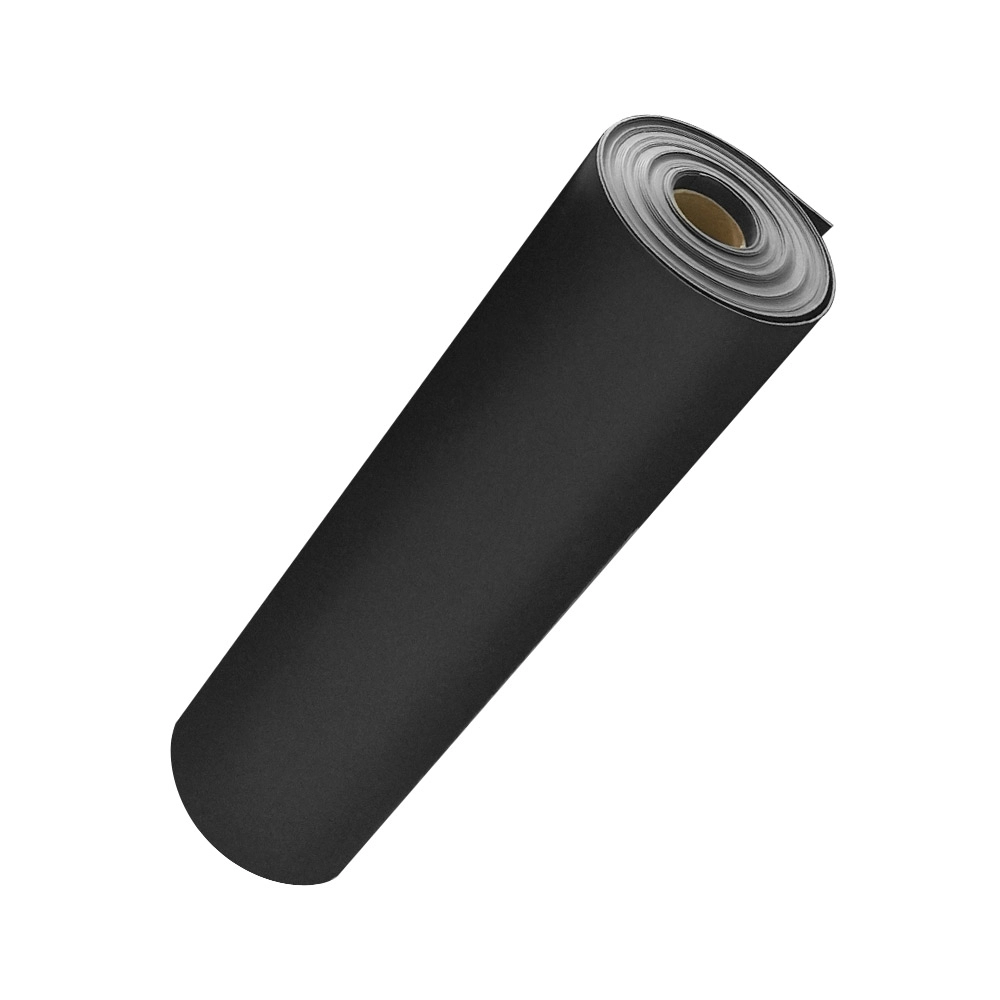
Mass Loaded Vinyl
ASLONG Mass Loaded Vinyl for sale. Reduce noise pollution effectively with our high-quality, mass-loaded vinyl. Ideal for soundproofing walls, floors, and more. Buy now and experience the difference!
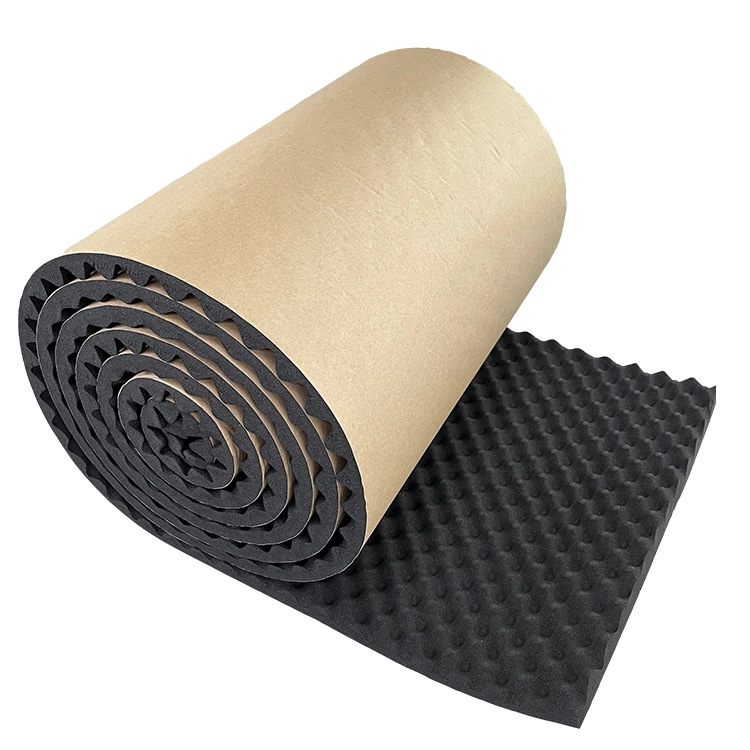
Egg Crate Foam
ASLONG Egg Crate Foam for sale. Lightweight, breathable, and comfortable, our egg crate foam provides superior support and pressure relief. Perfect for mattresses, cushions, cars, construction industry, KTV, factories, etc.
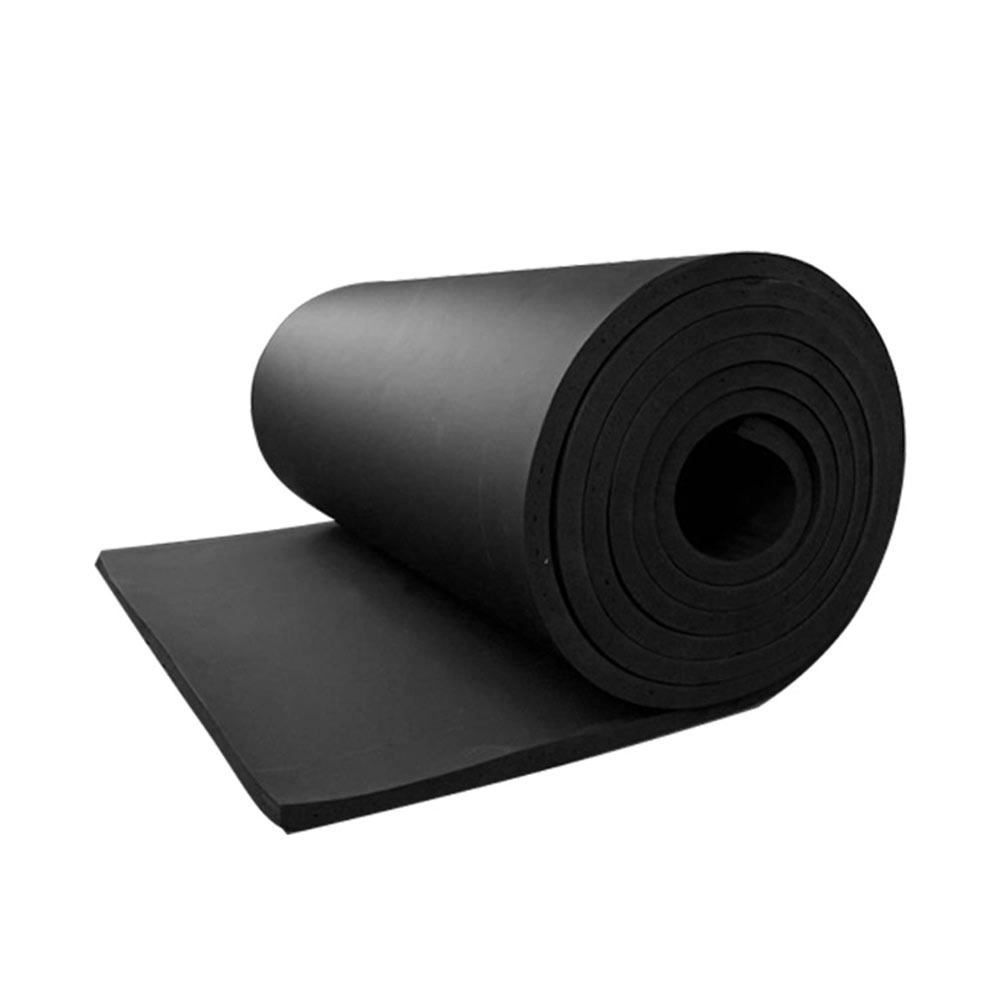
NBR Foam
ASLONG NBR Foam: Wholesale NBR foam solutions for diverse applications. High-quality, durable, and competitively priced. Contact us today for bulk orders.
Professional support at any time
If you have any comments or good suggestions, please leave us a message; later our professional staff will contact you as soon as possible.
© 2026 ASLONG All Rights Reserved. Privacy Policy | Terms and Conditions | Sitemap

 It would be pleasure to receive from you.
Whatsapp: +8613242879341
ASLONG Global
ASLONG
Aslong_global