

Acoustic Performance Metrics for Sound Absorbing White Cotton
- Acoustic Performance Metrics for Sound Absorbing White Cotton
- Product overview: Sound Absorbing White Cotton and its materials
- Why acoustic metrics matter for sound insulation cotton
- Core metric: Sound absorption coefficient (α) and frequency dependence
- Typical laboratory absorption examples for sound insulation cotton
- Summary metrics: NRC, SAA and weighted coefficients for specifications
- How standardized tests measure absorption: ISO and ASTM methods
- Mounting, backing, and installation effects on performance of sound insulation cotton
- Other important physical metrics: airflow resistivity, porosity, density
- How Sound Absorbing White Cotton integrates with sound insulation strategies
- Durability, moisture resistance, fire properties, and long-term performance
- Specifying Sound Absorbing White Cotton: checklist for procurement and design
- Brand advantages of our Sound Absorbing White Cotton
- Practical guidance: installation tips to preserve acoustic performance
- Frequently Asked Questions (FAQ)
- Q1: What is the difference between sound absorption and sound insulation?
- Q2: Which metric should I request for specifying sound insulation cotton?
- Q3: Can the product improve low‑frequency absorption?
- Q4: Is the product safe in humid environments?
- Q5: How do facings (fabric or panels) affect performance?
- Q6: Do you provide test reports and samples?
- Contact us / View product
- Authoritative references

Acoustic Performance Metrics for Sound Absorbing White Cotton
Product overview: Sound Absorbing White Cotton and its materials
Sound-absorbing white cotton Made from PP and PET fibres by melt-blowing, special processes are used to achieve density diversification, sound absorption and noise reduction, thermal insulation, moisture-proof and mold resistance.
Why acoustic metrics matter for sound insulation cotton
The primary purpose of Sound Absorbing White Cotton is to reduce reverberation and control unwanted noise in buildings and equipment. To specify, compare, and document performance you need concrete acoustic metrics rather than marketing claims. Key metrics translate material structure (fiber type, porosity, thickness, density) into measurable outcomes in rooms and assemblies. For architects, acoustic consultants, and procurement teams, metrics such as absorption coefficients, Noise Reduction Coefficient (NRC), and standardized test reports (ISO/ASTM) provide the objective data needed for design and compliance.
Core metric: Sound absorption coefficient (α) and frequency dependence
The sound absorption coefficient α (alpha) is the fundamental metric: it ranges from 0 (total reflection) to 1 (total absorption) at a specific frequency. Because fibrous absorbers are frequency dependent, manufacturers provide α across octave or third‑octave bands (commonly 125 Hz – 4000 Hz). For fibrous melt‑blown PP/PET products like Sound Absorbing White Cotton, absorption typically increases with frequency and with thickness. Understanding the full frequency curve is essential for solving problems: mid‑ to high‑frequency reverberation, low‑frequency noise control, or broad‑band reduction.
Typical laboratory absorption examples for sound insulation cotton
The following table shows representative laboratory absorption coefficients for illustrative comparison. These are typical ranges for unbacked fibrous absorbers of similar construction; actual measured results require third‑party testing under ISO/ASTM standards.
| Frequency (Hz) | Thickness 25 mm | Thickness 50 mm | Thickness 100 mm |
|---|---|---|---|
| 125 | 0.10 | 0.20 | 0.35 |
| 250 | 0.25 | 0.45 | 0.70 |
| 500 | 0.60 | 0.90 | 1.00 |
| 1000 | 0.80 | 0.95 | 1.00 |
| 2000 | 0.85 | 0.95 | 1.00 |
| 4000 | 0.80 | 0.90 | 0.95 |
Note: Table values are illustrative and meant to guide expectations; request certified test reports (ISO 354/ASTM C423) for project specification.
Summary metrics: NRC, SAA and weighted coefficients for specifications
Three summary metrics are commonly used in specifications and product literature:
- Noise Reduction Coefficient (NRC) — arithmetic average of absorption at 250, 500, 1000, and 2000 Hz rounded to the nearest 0.05. NRC gives a quick single‑number estimate for mid‑to‑high frequency absorption. Typical NRC for 50–100 mm fibrous absorbers is 0.60–1.00.
- Sound Absorption Average (SAA) — average of one‑third‑octave band coefficients from 200–2500 Hz (ASTM C423). SAA is more robust than NRC for some applications.
- Weighted sound absorption coefficient (αw) — per ISO 11654, αw classifies materials into performance classes (e.g., 0.25 to 1.00). αw helps in European specifications where classification is required.
When specifying Sound Insulation Cotton, include the metric type (NRC, SAA, αw) and the test standard used to obtain it.
How standardized tests measure absorption: ISO and ASTM methods
Two common laboratory test types are used to quantify absorption for fibrous materials:
- Reverberation room method (ISO 354 / ASTM C423) — measures sound decay (reverberation time) in a calibrated room with and without the test specimen to derive absorption coefficients across octave or one‑third octave bands. This method represents diffuse field absorption and is widely used for building acoustics.
- Impedance tube / Transfer function method (ISO 10534‑2) — measures normal incidence absorption on small samples in a tube. Results differ from reverberation room (random incidence) and are used for material characterization.
Always request which standard was used. For room acoustic design, reverberation room results (random incidence) are typically the most relevant.
Mounting, backing, and installation effects on performance of sound insulation cotton
Absorption performance depends strongly on how the material is mounted:
- Unbacked, flush mounted — material fixed directly to a rigid surface; effective at mid/high frequencies but reduced low‑frequency performance.
- Air gap behind material — an air cavity increases low‑frequency absorption; a 25–50 mm air gap can significantly improve absorption below 250 Hz.
- Perforated panels or fabric facings — facing materials affect flow resistivity and surface resistance. Properly designed facings preserve performance while enabling finishability.
Design tip: specify mounting condition used in testing (e.g., Type A mounting) so field performance aligns with reported data.
Other important physical metrics: airflow resistivity, porosity, density
While absorption coefficient is the output metric, designers and acoustic engineers often consider material properties that drive absorption:
- Airflow resistivity — resistance of air flow through the fibrous structure; there is an optimal range for porous absorbers. Melt‑blown PP/PET can be engineered to target effective airflow resistivity for the desired frequency range.
- Porosity and fiber diameter — finer fibers and appropriate porosity increase surface area and viscous losses, improving mid/high‑frequency absorption.
- Bulk density and thickness — higher density at a given thickness can shift absorption to lower frequencies; thickness primarily determines low‑frequency performance.
Manufacturers should supply these parameters when available to aid simulation and acoustic modelling.
How Sound Absorbing White Cotton integrates with sound insulation strategies
Absorption materials reduce reverberation and improve speech clarity; they do not by themselves block airborne noise transmission through partitions. For full acoustic control consider a combined strategy:
- Absorption — supply Sound Absorbing White Cotton in ceilings, baffles, or wall linings to reduce room reverberation and improve acoustic comfort.
- Barrier and mass — for sound insulation between spaces, use mass‑loaded barriers, dense linings, or double stud walls in combination with absorptive fill to reduce both transmission and flanking.
- Sealing and decoupling — address flanking paths, gaps, and structural coupling for effective isolation.
Example: using 50 mm Sound Absorbing White Cotton within a partition cavity plus a resilient channel and gypsum layers provides both absorption and improved STC compared with rigid infill alone.
Durability, moisture resistance, fire properties, and long-term performance
Practical specifications should include non‑acoustic performance requirements. The product description highlights thermal insulation, moisture‑proof and mold resistance — important for long‑term performance. Key considerations:
- Moisture and mold — hydrophobic PP and properly treated PET reduce moisture uptake vs. natural fibers, minimizing mold risk in humid environments.
- Thermal behavior — low thermal conductivity can provide combined acoustic and thermal benefits in building envelopes.
- Fire performance — request reaction‑to‑fire data (e.g., ASTM E84 / EN 13501 classification) and any treatment applied to meet code requirements; many polymeric fibers can be modified or bonded to meet ratings.
- Compression and recovery — ensure product retains thickness and porosity after installation and over time to keep acoustic performance stable.
Specifying Sound Absorbing White Cotton: checklist for procurement and design
When specifying or buying, include the following in your project document or RFQ:
- Product name and composition (Sound Absorbing White Cotton; PP/PET melt‑blown). Keywords: sound insulation cotton.
- Test reports: ISO 354 or ASTM C423 random incidence absorption curves, one‑third octave coefficients, reporting mounting condition.
- Summary metrics: NRC, SAA, and αw if available.
- Physical properties: thickness options, density ranges, airflow resistivity (if available), thermal conductivity.
- Durability: moisture resistance, mold resistance, compression recovery, and expected service life.
- Fire rating: provide ASTM E84/EN 13501 data or local code compliance documentation.
- Installation guidance: recommended mounting, required air gaps, recommended facings or perforated panels.
Brand advantages of our Sound Absorbing White Cotton
Our Sound Absorbing White Cotton is produced by melt‑blowing PP and PET fibers with controlled density diversification to target desired frequency bands. Key advantages:
- Engineered acoustic performance: manufacturing controls allow tailoring porosity and density for predictable absorption curves.
- Multifunctional: combined sound absorption, thermal insulation, moisture‑proofing and mold resistance reduces need for multiple materials.
- Consistency and testing: in‑house QC and third‑party laboratory testing available (ISO/ASTM reports on request).
- Custom sizing and facings: thickness, roll widths, and optional fabric or perforated panel facings for architectural finishes.
- Sustainability: options with recycled PET content can be supplied to meet circularity goals.
Practical guidance: installation tips to preserve acoustic performance
To achieve published performance in the field:
- Follow the mounting condition used in testing (air gap, backing, facing).
- Avoid compressing the material; compression reduces porosity and low‑frequency absorption.
- Use appropriate fasteners and avoid gaps; continuous coverage yields best reverberation control.
- Specify facing materials that do not block airflow excessively unless designed as micro‑perforated acoustic finish.
- Document maintenance procedures and inspect for moisture accumulation or contamination that could change performance.
Frequently Asked Questions (FAQ)
Q1: What is the difference between sound absorption and sound insulation?
Sound absorption (what Sound Absorbing White Cotton provides) reduces reverberation and reflections inside a room. Sound insulation (transmission loss) reduces noise passing through walls or ceilings. Both are important but address different problems.
Q2: Which metric should I request for specifying sound insulation cotton?
Ask for octave or one‑third‑octave absorption coefficients from ISO 354 or ASTM C423 tests, plus summary metrics like NRC and SAA. If you work in Europe, request αw (ISO 11654) classification where relevant.
Q3: Can the product improve low‑frequency absorption?
Low‑frequency performance improves with increased thickness and/or an air gap behind the absorber. For challenging low frequencies, combine thick absorbers with tuned resonant treatments or panel absorbers.
Q4: Is the product safe in humid environments?
Made from PP and PET and designed to be moisture‑proof and mold‑resistant, the material is more stable in humid conditions than many natural fibers. Still, install with good ventilation and avoid trapping bulk moisture.
Q5: How do facings (fabric or panels) affect performance?
Facings change airflow resistivity and surface resistance. Micro‑perforated or acoustically transparent fabrics preserve absorption; dense, non‑perforated facings can reduce performance unless engineered as part of a panel absorber system.
Q6: Do you provide test reports and samples?
Yes — request certified laboratory reports (ISO/ASTM) and physical samples for mockups. Always validate performance under the mounting conditions representative of your installation.
Contact us / View product
To ensure that tested performance aligns with market requirements, many projects next review certifications and standards for sound insulation cotton suppliers.To request technical datasheets, third‑party acoustic test reports, samples, or a quotation for Sound Absorbing White Cotton, please contact our sales team or visit our product page. Our technical staff can provide mounting recommendations, sample acoustic curves for specified thicknesses, and project support.
Authoritative references
- Sound absorption — Wikipedia: https://en.wikipedia.org/wiki/Sound_absorption
- Noise Reduction Coefficient — Wikipedia: https://en.wikipedia.org/wiki/Noise_reduction_coefficient
- ISO 354: Measurement of sound absorption in a reverberation room — ISO: https://www.iso.org/standard/41949.
- ASTM C423: Standard Test Method for Sound Absorption and Sound Absorption Coefficients by the Reverberation Room Method — ASTM: https://www.astm.org/Standards/C423.htm
- ISO 10534‑2: Acoustics — Determination of sound absorption coefficient and impedance in impedance tube — ISO: https://www.iso.org/standard/70482.
- Acoustical Society of America (resources and standards overview): https://acousticalsociety.org/
How to Install Acoustic Insulation in Existing Walls
The B2B Buyer’s Guide to egg crate foam roll | ASLONG Ultimate Insights
Top 5 acoustic isolation material Company List and Products Compared
Top 10 soundproofing material for ceiling Manufacturers and Supplier Brands
FAQs
What industries are the products provided by ASLONG suitable for?
ASLONG's products are suitable for multiple industries, including air conditioning and HVAC, construction and waterproofing, automobiles and transportation, home appliances and electronics, industrial equipment and machinery, etc. We provide customized solutions for each industry to meet different needs.
How to customize products that meet the needs of my industry?
You only need to contact our sales or technical team, we will conduct an in-depth analysis based on your industry needs and provide tailor-made products and solutions. We guarantee to provide you with efficient and accurate services to meet your personalized requirements.
What specific functions can ASLONG's products provide?
Our products cover functions such as insulation, sound insulation, shock absorption, waterproofing and sealing, and are widely used in improving energy efficiency, reducing noise, controlling vibration, protecting equipment, etc., helping customers optimize engineering effects and improve user experience.
Does ASLONG provide after-sales service?
Yes, we provide a full range of after-sales services, including technical support, installation guidance, product maintenance and quality tracking, etc., to ensure that each project goes smoothly and continues to perform at its best.
Do ASLONG's products meet environmental protection standards?
Yes, all ASLONG products comply with ISO14001 environmental management system certification and global environmental protection standards. We use environmentally friendly materials and are committed to providing sustainable solutions to help customers achieve green development goals.
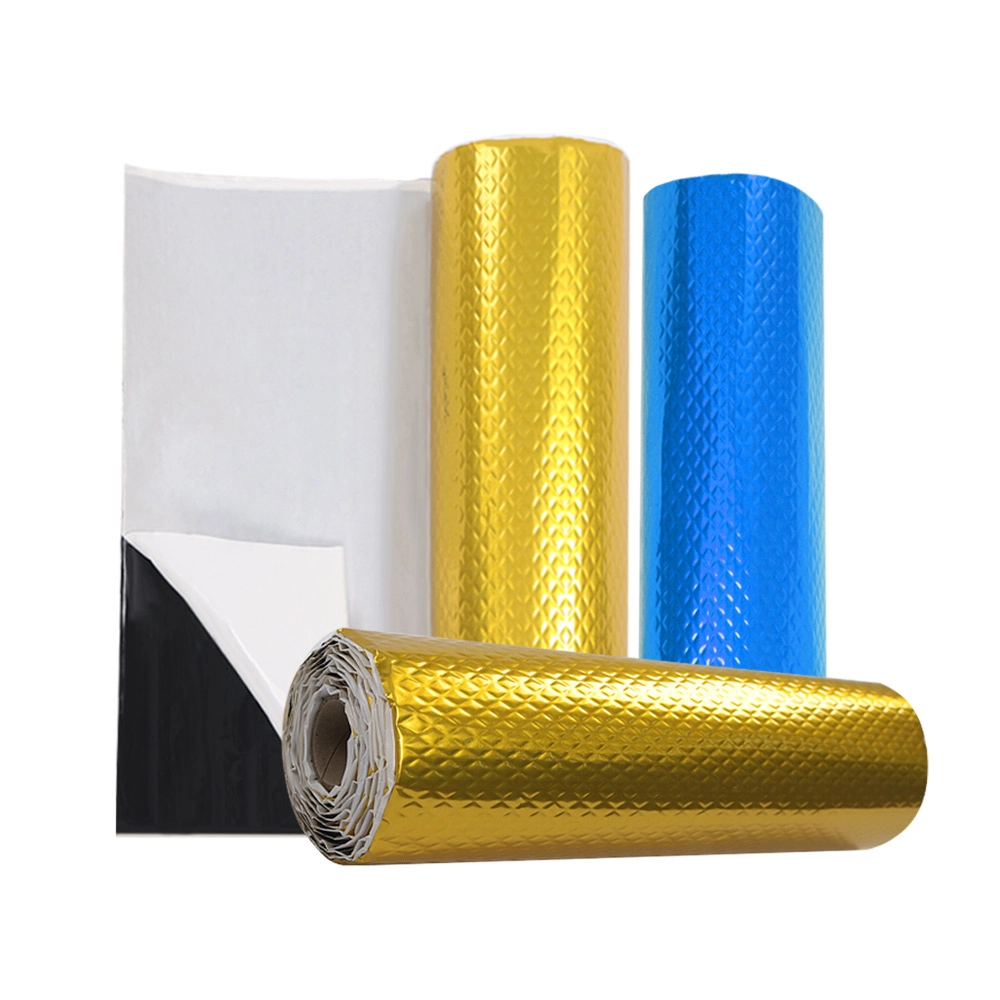
Butyl Rubber Sound Damping Mat
ASLONG Butyl Rubber Sound Damping Mat for sale. Effectively reduces noise and vibrations. High-quality butyl rubber ensures superior performance and durability. Ideal for automotive, industrial, and home applications.
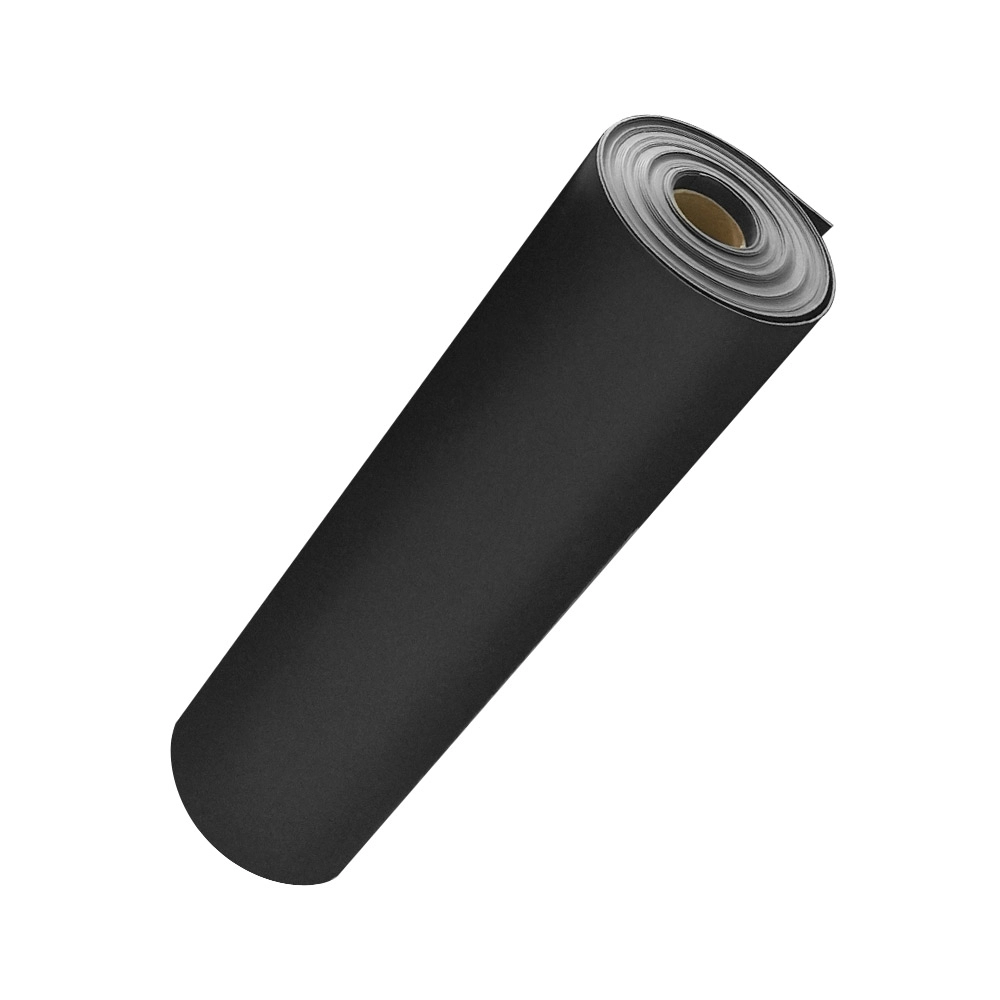
Mass Loaded Vinyl
ASLONG Mass Loaded Vinyl for sale. Reduce noise pollution effectively with our high-quality, mass-loaded vinyl. Ideal for soundproofing walls, floors, and more. Buy now and experience the difference!
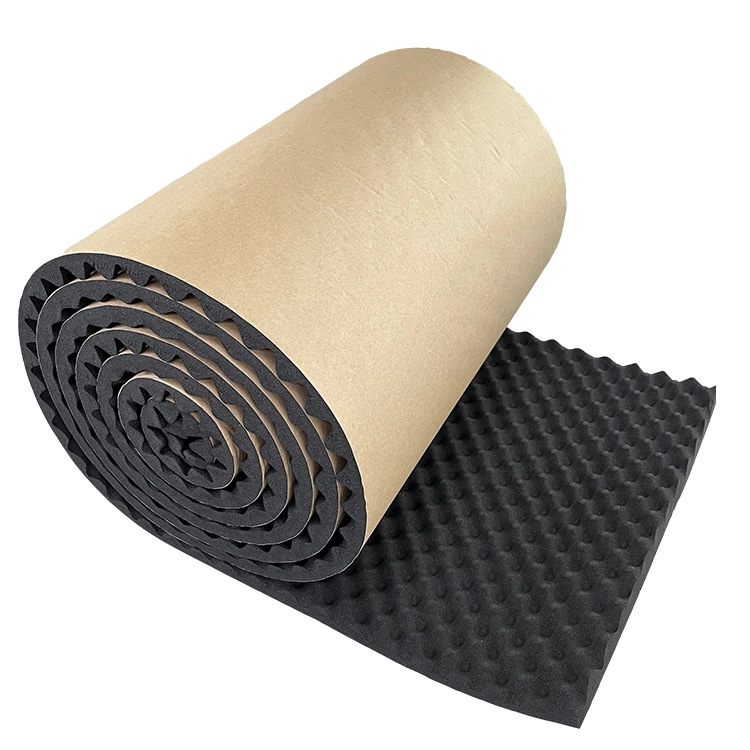
Egg Crate Foam
ASLONG Egg Crate Foam for sale. Lightweight, breathable, and comfortable, our egg crate foam provides superior support and pressure relief. Perfect for mattresses, cushions, cars, construction industry, KTV, factories, etc.
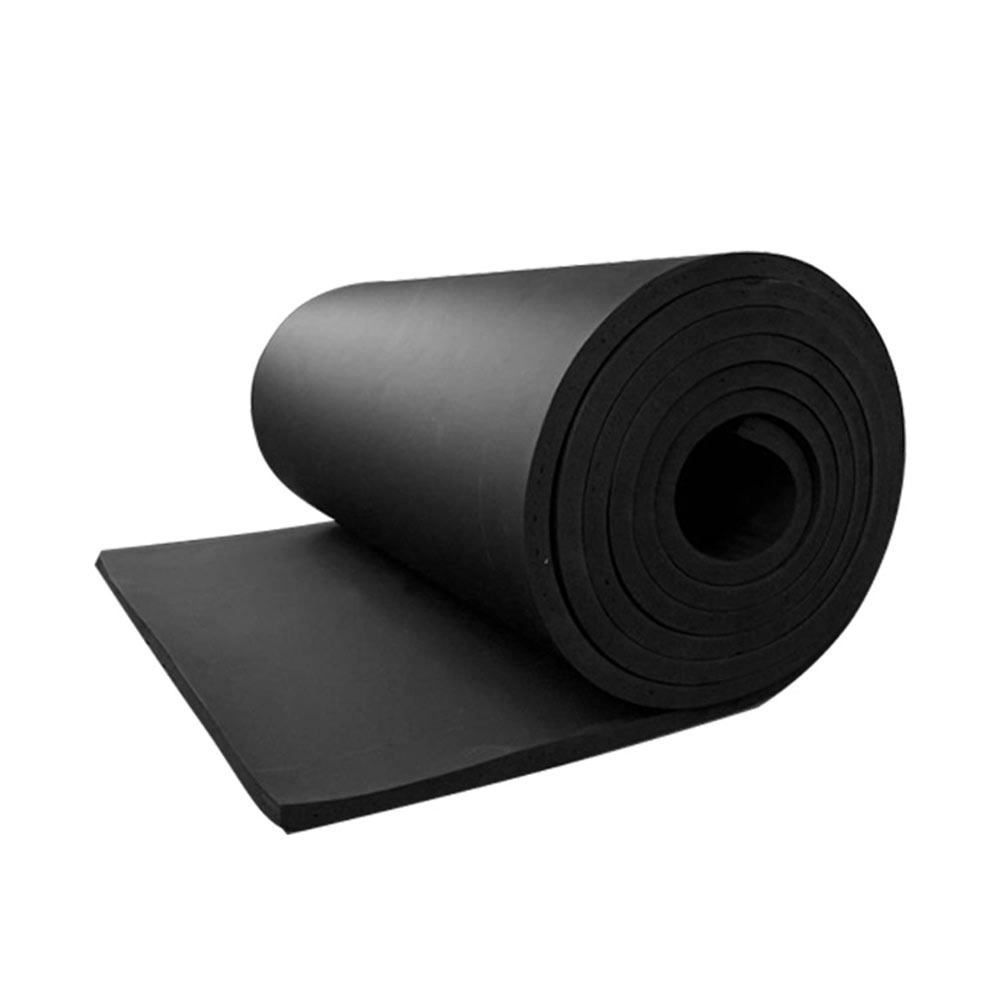
NBR Foam
ASLONG NBR Foam: Wholesale NBR foam solutions for diverse applications. High-quality, durable, and competitively priced. Contact us today for bulk orders.
Professional support at any time
If you have any comments or good suggestions, please leave us a message; later our professional staff will contact you as soon as possible.
© 2026 ASLONG All Rights Reserved. Privacy Policy | Terms and Conditions | Sitemap

 It would be pleasure to receive from you.
Whatsapp: +8613242879341
ASLONG Global
ASLONG
Aslong_global