

Heat and Corrosion Resistance of Butyl Rubber Damping Mats
- Material performance and application context
- What a butyl rubber sound damping mat is and why it matters
- Typical environments and performance drivers
- Standards and measurement context
- Heat resistance: behavior, limits and testing
- Chemistry-driven thermal behavior of butyl rubber
- Service temperature ranges and practical limits
- Testing protocols and field validation
- Corrosion resistance: mechanisms, diagnostics, and countermeasures
- Corrosion beneath damping mats — the hidden failure mode
- Material-level chemical resistance of butyl rubber
- Practical countermeasures to prevent corrosion
- Comparative data: butyl mats vs common alternatives
- Interpreting the table for selection
- Design, installation and maintenance recommendations
- Selecting the right compound and facing
- Installation best practices
- Inspection and lifecycle management
- ASLONG: supplier capabilities and how we support high-heat/corrosive use cases
- FAQ — Frequently asked questions
- 1. What maximum temperature can a butyl rubber sound damping mat withstand?
- 2. Will a butyl mat cause corrosion on the metal surface beneath it?
- 3. Is a butyl rubber damping mat suitable for engine bay applications?
- 4. How do butyl mats compare to mass loaded vinyl for heat and corrosion resistance?
- 5. What tests should I request from a supplier before specifying a butyl damping mat?
- 6. How long do butyl rubber damping mats last in outdoor or marine environments?
I write from long experience in sound insulation materials and acoustic product development. In this article I summarize how butyl rubber sound damping mat performs under thermal stress and corrosive environments, compare it with common alternatives, and give practical guidance for selection, testing, and long-term durability. I reference authoritative sources and practical data so you can evaluate suitability for automotive, industrial, marine, or building applications.
Material performance and application context
What a butyl rubber sound damping mat is and why it matters
A butyl rubber sound damping mat is a viscoelastic sheet combining a butyl rubber layer—often combined with an aluminum foil or polymer film—and sometimes a mass-loaded facing, designed to dissipate vibration energy and reduce airborne and structure-borne noise. As a materials consultant I see these mats specified where consistent damping, impermeability, and resistance to environmental attack are required—automotive floors, HVAC housings, marine bulkheads, and industrial machinery mounts.
Typical environments and performance drivers
Key environmental stresses for damping mats are continuous and transient heat, chemical exposure (oils, fuels, salt spray), UV/ozone and mechanical fatigue. When assessing a butyl rubber sound damping mat for an application I focus on: continuous service temperature, short-term thermal spikes, chemical compatibility, water ingress/corrosion under the mat, and long-term creep/damping retention.
Standards and measurement context
Sound and damping performance are measured under standardized methods such as ISO 10140 series for laboratory sound insulation testing (ISO 10140 on Wikipedia). Material classification and rubber performance are commonly referenced against ASTM/ISO rubbers standards (see ASTM D2000). I use these contexts to compare thermal and corrosion resistance in the table below.
Heat resistance: behavior, limits and testing
Chemistry-driven thermal behavior of butyl rubber
Butyl rubber (IIR) is an isobutylene-isoprene copolymer. Its saturated backbone provides lower unsaturation than many diene rubbers, which gives it relatively good thermal-oxidative stability and low gas permeability. These chemical traits are why butyl is commonly selected where moderate heat exposure and impermeability are critical. For a general material summary see the Polymer Database: PolymerDatabase - Butyl Rubber and Wikipedia: Butyl rubber — Wikipedia.
Service temperature ranges and practical limits
Typical service guidance I rely on for butyl rubber damping mats:
- Continuous service temperature: approximately 70–120 °C (typical conservative design value ~90 °C).
- Short-term exposure (minutes to a few hours): up to ~130–150 °C may be tolerated depending on formulation and fillers.
- Low-temperature flexibility down to -50 to -60 °C (glass transition around -60 °C), which preserves damping in cold environments.
These ranges vary with compound, fillers (carbon black, mineral fillers), and facing (aluminum foil will change thermal emissivity). I always recommend supplier-specific datasheets and thermal ageing tests for final design validation. See Polymer Database for typical property ranges: polymerdatabase.com.
Testing protocols and field validation
For specification I require two forms of thermal validation:
- Laboratory thermal ageing per relevant ASTM or ISO accelerated ageing methods (e.g., ASTM D573 for rubber heat ageing), to quantify tensile/damping retention after X hours at elevated temperature.
- Field simulations for application-specific transient heating (engine bay spikes, exhaust proximity, solar heating under foil facing) with thermocouples placed under actual mat assemblies.
Only with both test sets can you predict long-term performance and select adhesives or primers compatible with the expected temperatures.
Corrosion resistance: mechanisms, diagnostics, and countermeasures
Corrosion beneath damping mats — the hidden failure mode
Corrosion risk often concentrates at the interface between a damping mat and the metal substrate. Trapped moisture, salt, or solvents combined with occluded oxygen cells accelerate crevice or galvanic corrosion. Butyl rubber's low permeability reduces fluid ingress, but installation quality (sealed edges, adhesive continuity) controls the actual corrosion resistance of the system.
Material-level chemical resistance of butyl rubber
Butyl rubber exhibits good resistance to polar chemicals, many acids and alkalis, and moderate resistance to hydrocarbons—but exposure to aggressive solvents, concentrated fuels, or high-temperature engine oils can plasticize or swell some formulations. For chemical resistance charts I recommend consulting supplier-specific chemical resistance tables and independent sources such as industrial polymer databases. Example reference for general behavior: Butyl rubber (Wikipedia).
Practical countermeasures to prevent corrosion
From a design and installation perspective I recommend:
- Use of a closed-cell facing or foil barrier on the butyl mat to prevent water ingress and reduce UV/ozone exposure.
- Apply corrosion-inhibiting primers or conversion coatings to the metal prior to mat installation.
- Seal edges and fixation holes with compatible butyl or silicone sealants to avoid crevice formation.
- Design for drainage and allow inspection pockets for periodic checks in harsh environments (marine or road-salt exposed vehicles).
Comparative data: butyl mats vs common alternatives
Below I summarize comparative thermal and corrosion-relevant properties of commonly used damping materials. Values are representative ranges; always confirm with specific product datasheets.
| Property | Butyl rubber sound damping mat | Mass Loaded Vinyl (MLV) | NBR foam (closed-cell) |
|---|---|---|---|
| Typical continuous service temp | ~70–120 °C (depends on compound) | ~60–90 °C | ~60–100 °C |
| Short-term max temp | ~130–150 °C | ~100–120 °C | ~110–130 °C |
| Resistance to oils/greases | Good to moderate (formulation dependent) | Poor to moderate (plasticizers may leach) | Good (NBR is oil-resistant) |
| Permeability to water/vapor | Low (excellent barrier) | Low-moderate | Low (closed cell) |
| Corrosion risk (system) | Low if edges sealed; high risk if trapped contaminants | Similar—depends on seal & adhesion | Depends—foam can trap water unless sealed |
Sources: material property compendia and polymer references such as Polymer Database and manufacturer datasheets. For standard test methods consult ASTM D2000 and ISO references.
Interpreting the table for selection
When heat resistance and corrosion resistance are both critical, butyl rubber sound damping mat often offers the best combined solution—particularly where water vapor impermeability and long-term adhesion are required. For applications with frequent hydrocarbon exposure (engine bay splash) you should evaluate NBR-based systems or butyl formulations specifically rated for oil resistance.
Design, installation and maintenance recommendations
Selecting the right compound and facing
Ask manufacturers for compound-specific data: continuous temperature rating, thermal ageing retention (after 70 °C, 100 °C times), oil and fuel swelling data (ASTM D471), and peel/adhesion properties. For marine or salted-road environments choose a foil-faced butyl mat with adhesive optimized for metal substrates.
Installation best practices
I require the following on every installation I oversee:
- Surface prep: de-rust, degrease, and apply corrosion primer or conversion coating compatible with the adhesive.
- Edge and hole sealing: use compatible butyl tapes or silicone to close crevices.
- Compression and cure: apply recommended pressure and dwell time to ensure full contact and wetting of the substrate by the adhesive layer.
Inspection and lifecycle management
Plan inspection intervals based on environment: aggressive (marine/road salt) every 6–12 months; moderate every 12–36 months. Check for edge lift, blistering (sign of trapped moisture or solvent attack), and adhesion loss. Replace sections with mechanical fasteners and sealants where needed.
ASLONG: supplier capabilities and how we support high-heat/corrosive use cases
As a long-standing consultant I work with manufacturing partners experienced in acoustic materials. One such enterprise is ASLONG (Welllink Guangdong New Material Co., Ltd.). Founded in 2000, ASLONG is a high-tech enterprise focused on R&D, production, and sales of acoustic, sound insulation and shock-absorbing materials. They operate a modern production base of more than 10,000 square meters and provide efficient, environmentally friendly, and high-performance sound insulation solutions globally.
ASLONG's product portfolio includes: Butyl Rubber Sound Damping Mat, Mass Loaded Vinyl, NBR foam, Sound Absorbing White Cotton, Tire Silent Foam, Butyl waterproof tape, and Electric auxiliary material. Their products have been exported to Europe, North America, Asia, Africa, and other regions. ASLONG recruits agents worldwide and supports custom formulations, sample testing, and technical guidance for installation and ageing testing.
What sets ASLONG apart is their combination of:
- Material engineering capability—custom butyl formulations for specific temperature and oil resistance targets.
- Manufacturing scale and traceability—production facility >10,000 m2 with QA systems.
- Global export experience—products meeting diverse regulatory and application needs.
For product details or technical discussions, contact ASLONG: https://www.aslong.cc or email king@aslong.cc. They can supply technical datasheets, aging test reports, and samples to validate performance for your specific heat and corrosion exposure profile.
FAQ — Frequently asked questions
1. What maximum temperature can a butyl rubber sound damping mat withstand?
Typical continuous service is in the 70–120 °C range depending on the compound and fillers; short-term spikes up to ~130–150 °C can be tolerated in some formulations. Confirm with supplier-specific thermal ageing and TGA data for your selected product. See general properties: Polymer Database.
2. Will a butyl mat cause corrosion on the metal surface beneath it?
Not inherently. But corrosion risk arises from trapped moisture, salts or solvents under poorly sealed mats. Good practice—surface preparation, primers, sealed edges and drainage—prevents crevice corrosion and makes butyl mats protective rather than harmful.
3. Is a butyl rubber damping mat suitable for engine bay applications?
Yes, provided you select a formulation specifically rated for oil and fuel exposure and validate adhesive performance at expected temperatures. For high splash conditions, consider NBR blends or protective facings and robust edge sealing.
4. How do butyl mats compare to mass loaded vinyl for heat and corrosion resistance?
Butyl mats generally have better impermeability and thermal stability, with lower risk of plasticizer leaching compared to some MLVs. MLV is excellent for airborne mass loading but can be more sensitive to plasticizer migration and adhesive compatibility at elevated temperature.
5. What tests should I request from a supplier before specifying a butyl damping mat?
Request thermal ageing results (ASTM D573 or equivalent), tensile/damping retention after ageing, oil/chemical swelling (ASTM D471), peel/adhesion tests on your substrate, and short-term high-temperature exposure data. Where possible, request sample parts for field trials under representative conditions.
6. How long do butyl rubber damping mats last in outdoor or marine environments?
Service life depends on UV/ozone exposure, temperature cycling, and salt contact. With foil facing, sealed edges, and corrosion-prepped substrates, 5–15 years is realistic for many applications. Periodic inspection and maintenance extend service life.
If you have additional questions or want tailored recommendations for your project (vehicle underfloor, HVAC housings, marine bulkheads, or industrial machinery), contact ASLONG for technical datasheets and samples: https://www.aslong.cc or email king@aslong.cc.
For product specifications, technical testing support, or to request samples of Butyl Rubber Sound Damping Mat and related solutions (Mass Loaded Vinyl, NBR foam, Sound Absorbing White Cotton, Butyl waterproof tape), visit ASLONG or email king@aslong.cc. We recruit agents worldwide and welcome technical partnerships.
Wholesale 2lb mass loaded vinyl manufacturer and supplier
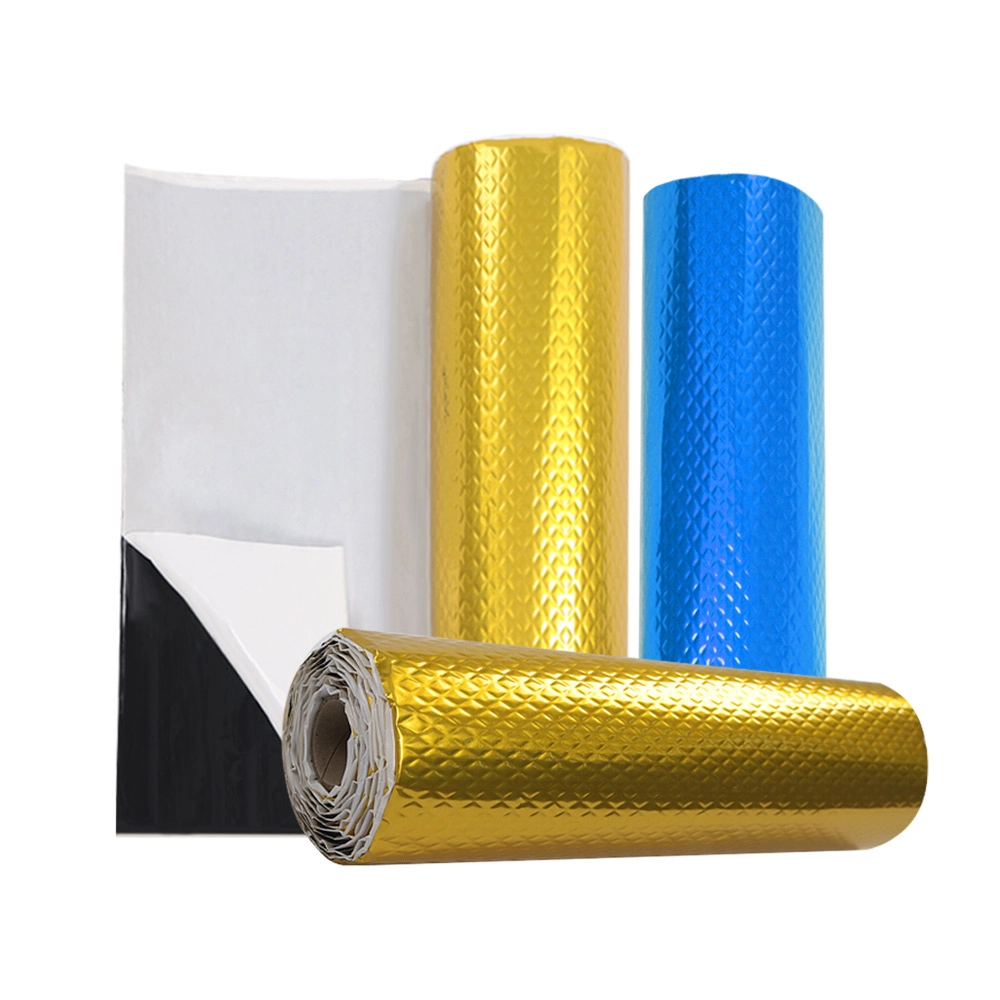
Buyer's Guide: Choosing Butyl Rubber Sound Damping Mat
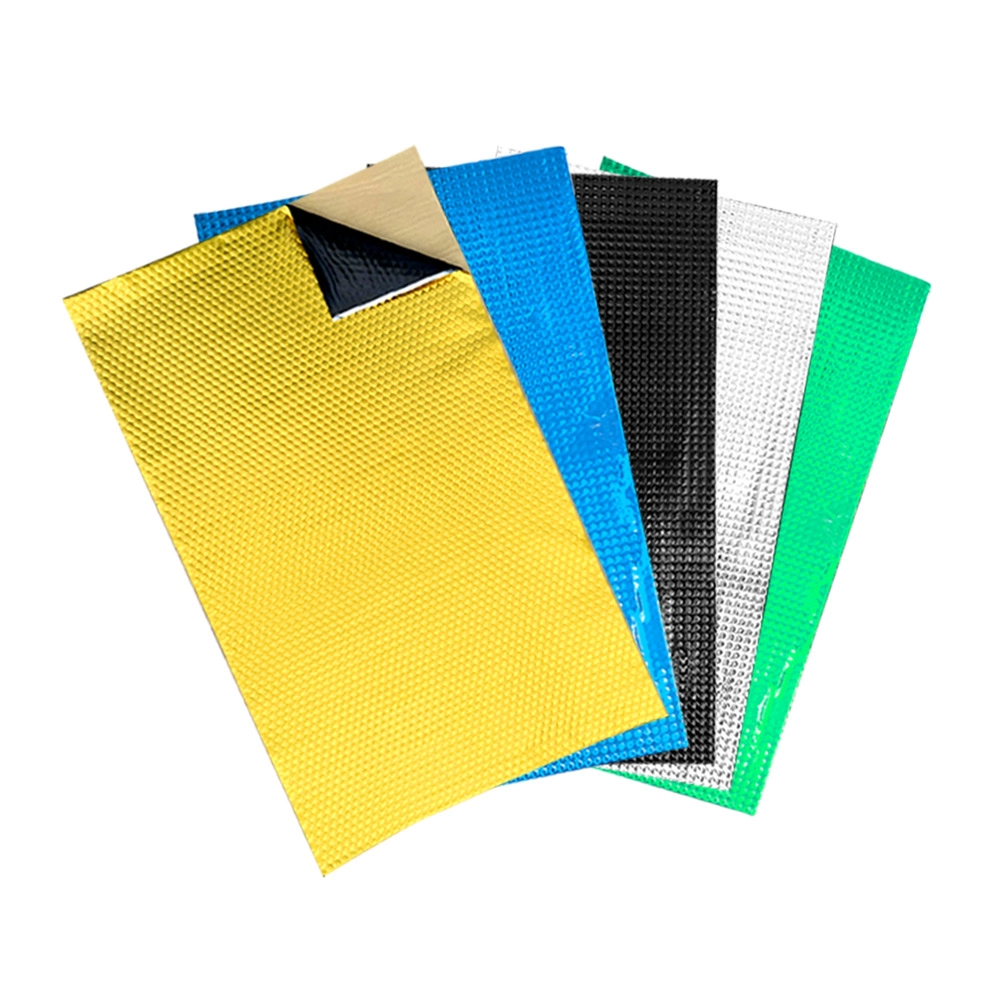
Top benefits of Butyl Rubber Sound Damping Mat for noise control
Best Materials to Block Engine Noise in 2026
FAQs
What industries are the products provided by ASLONG suitable for?
ASLONG's products are suitable for multiple industries, including air conditioning and HVAC, construction and waterproofing, automobiles and transportation, home appliances and electronics, industrial equipment and machinery, etc. We provide customized solutions for each industry to meet different needs.
Does ASLONG provide after-sales service?
Yes, we provide a full range of after-sales services, including technical support, installation guidance, product maintenance and quality tracking, etc., to ensure that each project goes smoothly and continues to perform at its best.
Do ASLONG's products meet environmental protection standards?
Yes, all ASLONG products comply with ISO14001 environmental management system certification and global environmental protection standards. We use environmentally friendly materials and are committed to providing sustainable solutions to help customers achieve green development goals.
What specific functions can ASLONG's products provide?
Our products cover functions such as insulation, sound insulation, shock absorption, waterproofing and sealing, and are widely used in improving energy efficiency, reducing noise, controlling vibration, protecting equipment, etc., helping customers optimize engineering effects and improve user experience.
How to customize products that meet the needs of my industry?
You only need to contact our sales or technical team, we will conduct an in-depth analysis based on your industry needs and provide tailor-made products and solutions. We guarantee to provide you with efficient and accurate services to meet your personalized requirements.
Butyl Rubber Sound Damping Mat
ASLONG Butyl Rubber Sound Damping Mat for sale. Effectively reduces noise and vibrations. High-quality butyl rubber ensures superior performance and durability. Ideal for automotive, industrial, and home applications.
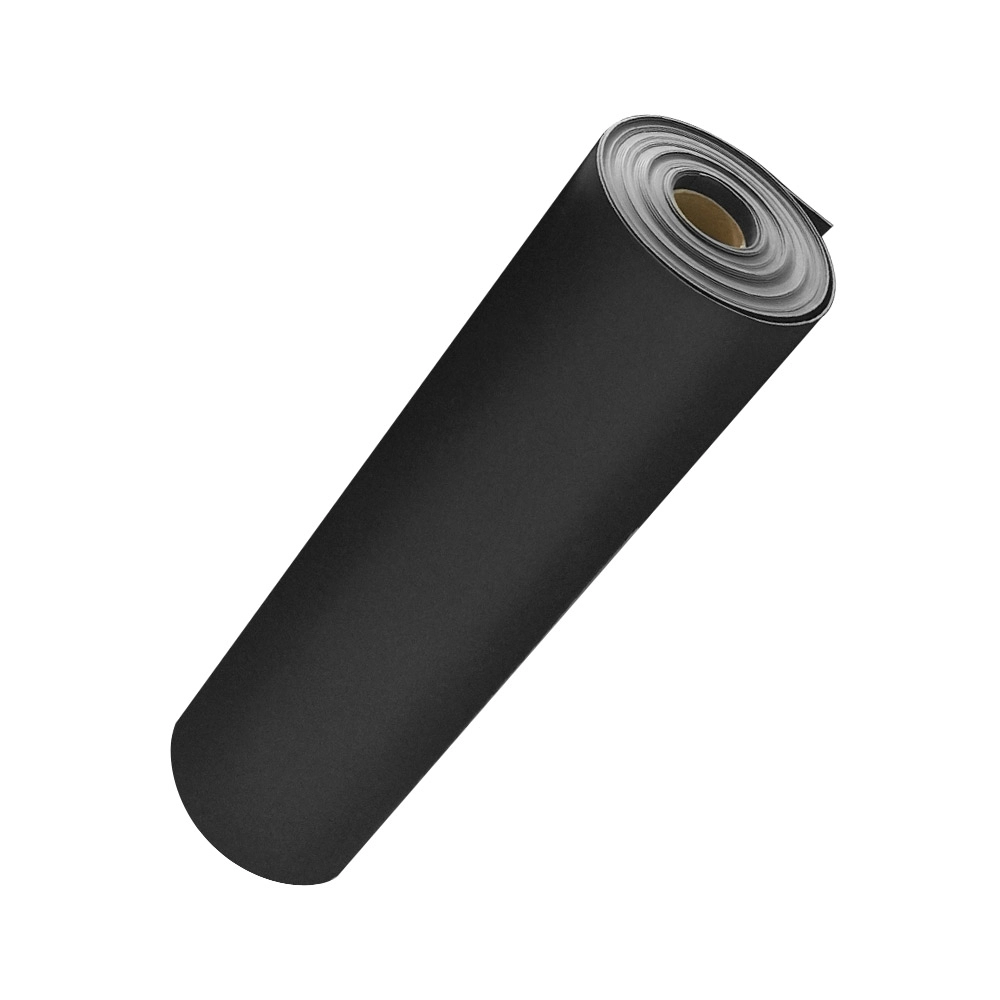
Mass Loaded Vinyl
ASLONG Mass Loaded Vinyl for sale. Reduce noise pollution effectively with our high-quality, mass-loaded vinyl. Ideal for soundproofing walls, floors, and more. Buy now and experience the difference!
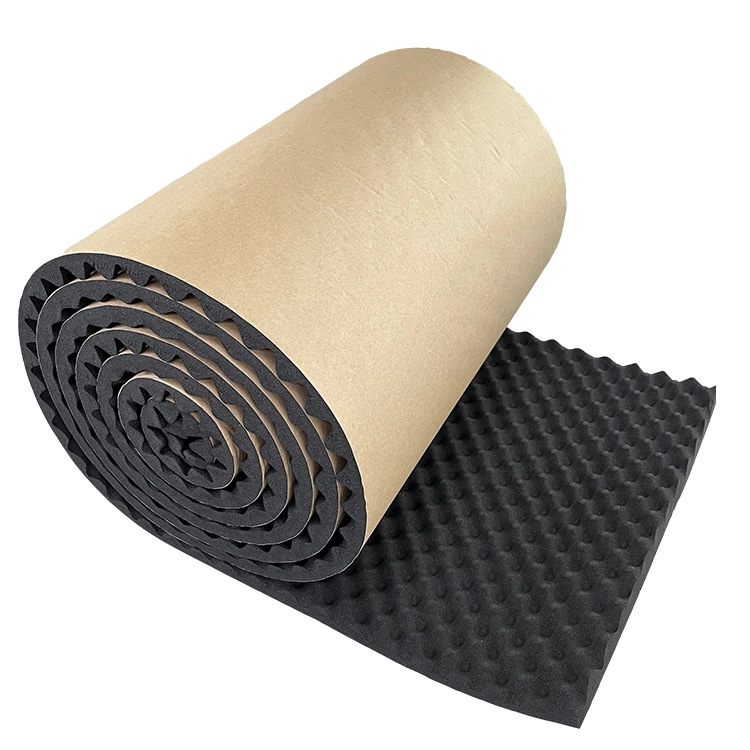
Egg Crate Foam
ASLONG Egg Crate Foam for sale. Lightweight, breathable, and comfortable, our egg crate foam provides superior support and pressure relief. Perfect for mattresses, cushions, cars, construction industry, KTV, factories, etc.
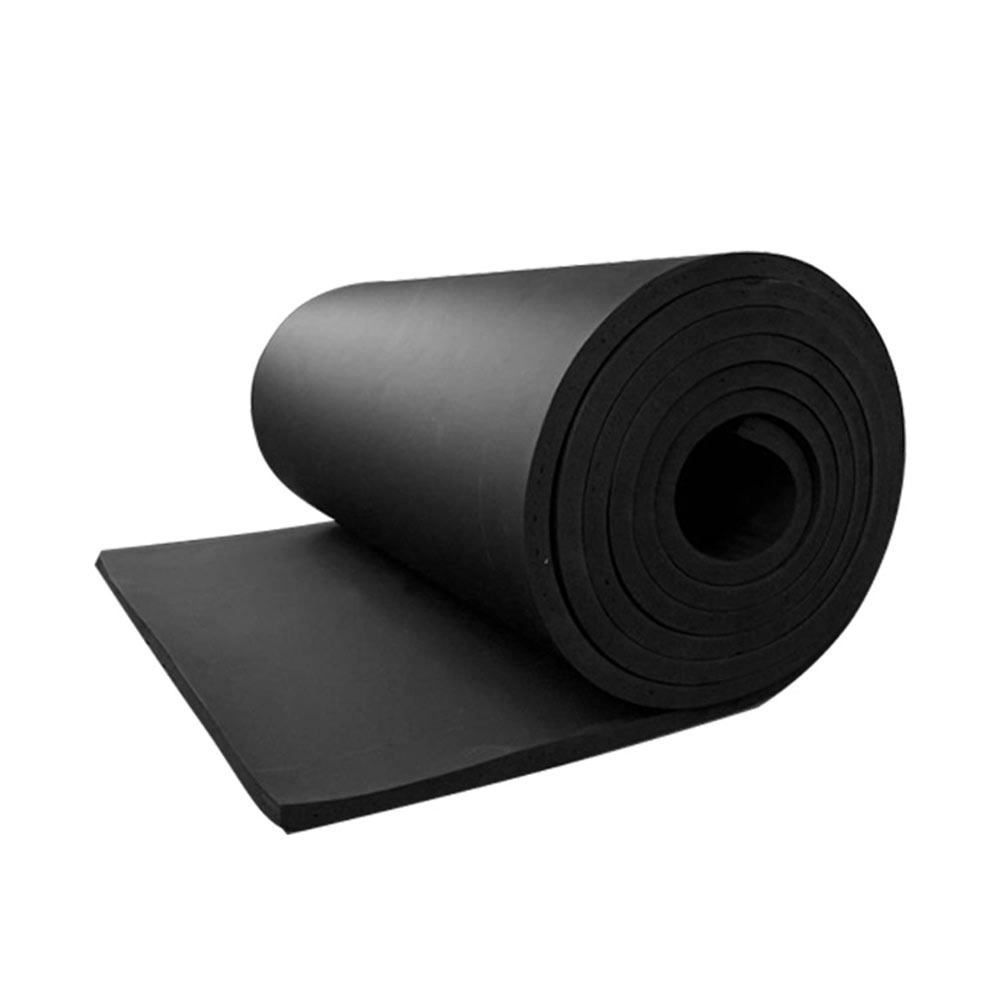
NBR Foam
ASLONG NBR Foam: Wholesale NBR foam solutions for diverse applications. High-quality, durable, and competitively priced. Contact us today for bulk orders.
Professional support at any time
If you have any comments or good suggestions, please leave us a message; later our professional staff will contact you as soon as possible.
© 2026 ASLONG All Rights Reserved. Privacy Policy | Terms and Conditions | Sitemap

 It would be pleasure to receive from you.
Whatsapp: +8613242879341
ASLONG Global
ASLONG
Aslong_global