

Sustainability Criteria When Sourcing Car Sound Damping Materials
- Sustainability Criteria When Sourcing Car Sound Damping Materials
- Why sustainability matters for car sound damping material
- Core sustainability criteria to evaluate
- 1. Material composition and recyclability
- 2. Volatile Organic Compounds (VOCs) and toxicity
- 3. Lifecycle greenhouse gas (GHG) emissions
- 4. Durability and longevity (fit-for-purpose sustainability)
- 5. End-of-life management and circularity
- 6. Supply chain transparency and certifications
- 7. Energy and water intensity of production
- Comparing common car sound damping materials
- How to specify sustainable car sound damping material for OEMs and suppliers
- Testing, verification and real-world performance
- Practical trade-offs and procurement strategy
- Product spotlight: ASLONG Car Sound Damping Sheet
- How this Car Sound Damping Sheet addresses sustainability criteria
- Installation, maintenance, and end-of-life considerations
- Procurement checklist for sustainable car sound damping material
- Brand advantages: why choose ASLONG Car Sound Damping Sheet
- Frequently Asked Questions (FAQ)
- Q: What should I look for first when sourcing car sound damping material?
- Q: Are damping sheets recyclable?
- Q: How important are VOC tests for automotive damping materials?
- Q: Will choosing a greener damping material compromise NVH performance?
- Q: How can OEMs reduce lifecycle impacts beyond material choice?
- Contact us / View product
- References and authoritative resources

Sustainability Criteria When Sourcing Car Sound Damping Materials
Why sustainability matters for car sound damping material
When automotive teams select a car sound damping material, decisions no longer depend only on acoustic performance and cost. Environmental regulations, supply-chain transparency, consumer expectations for greener vehicles, and lifecycle impacts are now central to procurement. Sustainable damping solutions reduce environmental footprint across extraction, production, in-vehicle use, and end-of-life disposal—while preserving or improving noise, vibration and harshness (NVH) performance. Understanding sustainability criteria helps purchasing managers, OEM engineers, and aftermarket installers choose materials that satisfy regulations and improve brand reputation without sacrificing acoustic performance.
Core sustainability criteria to evaluate
To make informed sourcing decisions, evaluate potential car sound damping materials against a set of core sustainability criteria. These criteria balance environmental, health, and supply-chain aspects while ensuring the product remains fit-for-purpose as a car sound damping material.
1. Material composition and recyclability
Assess the raw-material makeup. Prefer materials with a high proportion of recycled content or ones produced from bio-based feedstocks when durability and performance permit. Consider how easily the sheet can be separated and recycled at end-of-life—thermoplastic-backed damping sheets are typically easier to recycle than mixed multi-layer composites. Clearly documented material taxonomy (e.g., polymer types, mineral fillers) is essential for downstream recycling and reuse programs.
2. Volatile Organic Compounds (VOCs) and toxicity
Low-VOC formulations reduce occupational exposures during installation and lower cabin off-gassing for drivers and passengers. Look for measured VOC emissions data, compliance with regulations like REACH (EU) or regional indoor-air standards, and safety data sheets (SDS) that report hazardous substances. Avoid materials containing restricted substances under RoHS, REACH SVHC lists, or local hazardous materials regulations.
3. Lifecycle greenhouse gas (GHG) emissions
Lifecycle carbon matters: quantify GHG emissions from raw material extraction, manufacturing, transport, and end-of-life treatment. Suppliers that provide a cradle-to-gate or cradle-to-grave life cycle assessment (LCA) allow buyers to compare alternatives based on CO2e per square meter or per kilogram. Even when damping performance varies, lowering lifecycle emissions can contribute to corporate Scope 3 reduction targets.
4. Durability and longevity (fit-for-purpose sustainability)
Durability is a sustainability lever. A longer-lived damping sheet that maintains adhesion and acoustic performance reduces replacement frequency and total material throughput. Evaluate aging tests (thermal cycling, humidity, UV where relevant) and mechanical stability (shear strength, peel adhesion) to ensure product longevity in automotive operating conditions.
5. End-of-life management and circularity
Consider whether the material is recoverable, recyclable, or designed for energy recovery. Suppliers who provide take-back programs, reuse pathways, or documented material recovery plans support circularity. Clearly labeled components and single-material constructions simplify disassembly and recycling for vehicle recycling streams.
6. Supply chain transparency and certifications
Transparency reduces hidden sustainability risks. Look for supplier disclosure of material origins, production footprint, and third-party certifications. Useful certifications include ISO 14001 (environmental management), UL GREENGUARD (low chemical emissions), and compliance documentation for REACH and RoHS. Certification does not replace due diligence, but it provides verified evidence of a supplier’s claims.
7. Energy and water intensity of production
High energy or water consumption during manufacturing increases environmental costs. Suppliers who publish energy and water use metrics, or who run manufacturing on renewable energy, are preferable. For material choice, lower-process-energy alternatives (e.g., mechanically produced felt vs. energy-intensive foams) may be advantageous when acoustic and durability requirements align.
Comparing common car sound damping materials
Different classes of damping materials offer distinct trade-offs between acoustic performance, sustainability, and cost. The table below provides a qualitative comparison to help procurement and engineering teams narrow options.
| Material Type | Effectiveness (NVH) | Sustainability (raw materials & end-of-life) | Durability | Typical Cost |
|---|---|---|---|---|
| Butyl/Aluminum damping sheet | High | Mixed: butyl is synthetic; aluminum backing is recyclable but separating layers complicates recycling | High | Medium–High |
| Polymeric foam (closed-cell) | Medium–High | Often petroleum-based; recyclability depends on polymer type | Medium | Medium |
| Fibrous felt (recycled PET/wool) | Medium | High when using recycled fibers; easier to recycle if mono-material | Medium–High | Low–Medium |
| Bitumen-based sheets | Medium–High | Lower: bitumen is fossil-derived; end-of-life recycling challenging | High | Low |
How to specify sustainable car sound damping material for OEMs and suppliers
Procurement specifications should balance acoustic targets with sustainability requirements. Include clear performance metrics (STC, insertion loss at target frequencies, dynamic stiffness) and non-performance sustainability clauses. A robust specification will cover:
- Required acoustic performance (test standards and frequencies)
- Material composition disclosure (percent recycled content, polymer types)
- VOC limits and required emissions testing method (e.g., ISO 16000 series)
- Required certifications and third-party verification (ISO 14001, REACH compliance)
- End-of-life options and take-back or recycling commitments
- Documentation requirements: SDS, LCA summary, supplier audits
Testing, verification and real-world performance
Performance claims require testing under standardized conditions. For car sound damping material, ask for lab reports showing vibration damping curves, mass-per-area (g/m2), and adhesion metrics. Verify VOC and emissions through third-party labs. When possible, request vehicle-level validation (in-situ NVH testing) because lab results can vary from installed performance due to bonding quality and vehicle geometry.
Practical trade-offs and procurement strategy
Choosing the most sustainable material often involves trade-offs: a highly recyclable material may be slightly heavier or costlier; a very light sheet may use more energy to produce. Use a total-cost-of-ownership (TCO) approach that includes replacement cycles, disposal costs, and regulatory compliance risk. For fleets and OEMs, standardizing a platform-level material can simplify recycling and allow economies of scale for greener options.
Product spotlight: ASLONG Car Sound Damping Sheet
The following product brief highlights a practical example of a car sound damping material designed for NVH performance and user-friendly installation.
Discover the ASLONG Car Sound Damping Sheet—High Quality sound damping material designed to reduce road noise and vibration. Improve your driving comfort with this easy-to-install, durable car sound damping sheet for superior sound insulation.
How this Car Sound Damping Sheet addresses sustainability criteria
ASLONG’s Car Sound Damping Sheet demonstrates how a product can balance acoustic performance and sustainability considerations:
- Material transparency: Product literature and SDS disclose base polymer and backing materials to support recycling decisions.
- Low emissions: Low-VOC formulation and available emissions test reports reduce cabin off-gassing concerns.
- Durability: Stable adhesion and aging test data ensure long in-service life, reducing replacement need.
- Installation efficiency: Easy-to-cut sheets that bond reliably reduce waste from trimming and rework.
- End-of-life planning: Guidance on material separation and recycling routes is provided to fleet and OEM customers.
Installation, maintenance, and end-of-life considerations
Correct installation improves both acoustic performance and longevity. Key practices include surface cleaning, appropriate temperature during bonding, correct pressure application, and controlled trimming to minimize waste. For maintenance and end-of-life:
- Document material locations in vehicle build records to aid disassembly and recycling.
- Where possible, favor single-material constructions or easily separable layers.
- Consider partnerships with recycling firms or manufacturer take-back programs for removed damping sheets during repair or scrappage.
Procurement checklist for sustainable car sound damping material
Use this checklist when evaluating suppliers and products:
- Do they provide an LCA or cradle-to-gate emissions data?
- Is recycled content disclosed and certified?
- Are VOC and emissions test reports available from accredited labs?
- What certifications does the supplier hold (ISO 14001, GREENGUARD, REACH compliance)?
- Is the product’s performance verified by third-party NVH testing and in-vehicle trials?
- Does the supplier offer end-of-life solutions or take-back options?
- Are manufacturing energy sources (renewable vs. grid mix) disclosed?
Brand advantages: why choose ASLONG Car Sound Damping Sheet
ASLONG positions its Car Sound Damping Sheet as a balanced, practical solution for OEMs, aftermarket installers and fleets who need dependable NVH results with reduced environmental risk. Advantages include easy installation that reduces labor time and waste, transparent material information to support compliance, test data demonstrating adhesion and acoustic improvement, and recommended end-of-life handling to support circularity objectives. For buyers prioritizing both comfort and sustainability, a product with documented emissions, durability, and recycling guidance helps Bridge performance and responsible sourcing goals.
Frequently Asked Questions (FAQ)
Q: What should I look for first when sourcing car sound damping material?
A: Start with acoustic requirements—target frequencies, required insertion loss, and weight constraints—then layer in sustainability criteria: VOC limits, material composition, recyclability, and supplier certifications.
Q: Are damping sheets recyclable?
A: It depends on construction. Single-material sheets or those with separable metallic backings are easier to recycle. Multi-layer composites can be more challenging; check supplier guidance and local recycling options.
Q: How important are VOC tests for automotive damping materials?
A: Very important for occupant health and comfort. Low-VOC materials reduce cabin odors and exposure. Look for VOC testing reports using recognized standards and consider third-party certification when available.
Q: Will choosing a greener damping material compromise NVH performance?
A: Not necessarily. Many recycled-fiber felts and optimized polymeric sheets deliver competitive NVH performance. The right product selection and proper installation matter more than whether a material is labeled green. Always validate in-vehicle performance.
Q: How can OEMs reduce lifecycle impacts beyond material choice?
A: Design for disassembly, standardize materials across platforms, implement take-back programs, and prioritize suppliers with lower manufacturing energy intensity or renewable energy use.
Contact us / View product
Sustainability claims must be verified through proper validation, making testing standards and certification for car sound damping sheets a critical evaluation step.If you want a reliable, easy-to-install car sound damping material with clear sustainability documentation, contact our sales team to request sample sheets, performance reports, and end-of-life guidance. View the Car Sound Damping Sheet product page or request specifications and lab reports to evaluate fit for your application.
References and authoritative resources
Source material and further reading:
- Noise, vibration, and harshness (NVH) — Wikipedia: https://en.wikipedia.org/wiki/Noise,_vibration,_and_harshness
- Soundproofing — Wikipedia: https://en.wikipedia.org/wiki/Soundproofing
- ISO 14001 — Environmental management systems (ISO): https://www.iso.org/iso-14001-environmental-management.
- REACH regulation — ECHA (European Chemicals Agency): https://echa.europa.eu/regulations/reach/understanding-reach
- RoHS Directive (Restriction of Hazardous Substances): https://ec.europa.eu/environment/topics/waste-and-recycling/rohs-directive_en
- UL GREENGUARD Certification: https://www.ul.com/resources/ul-greenguard-certification-program
- United Nations Environment Programme — Life Cycle Initiative: https://www.lifecycleinitiative.org/
- U.S. Environmental Protection Agency — Noise: https://www.epa.gov/noise
How to Choose the custom NBR foam manufacturer and supplier ?
The B2B Buyer’s Guide to egg crate foam | ASLONG Ultimate Insights
Wholesale home depot mass loaded vinyl manufacturer and supplier
How to start the insulation tape business ?
FAQs
Do ASLONG's products meet environmental protection standards?
Yes, all ASLONG products comply with ISO14001 environmental management system certification and global environmental protection standards. We use environmentally friendly materials and are committed to providing sustainable solutions to help customers achieve green development goals.
What industries are the products provided by ASLONG suitable for?
ASLONG's products are suitable for multiple industries, including air conditioning and HVAC, construction and waterproofing, automobiles and transportation, home appliances and electronics, industrial equipment and machinery, etc. We provide customized solutions for each industry to meet different needs.
How to customize products that meet the needs of my industry?
You only need to contact our sales or technical team, we will conduct an in-depth analysis based on your industry needs and provide tailor-made products and solutions. We guarantee to provide you with efficient and accurate services to meet your personalized requirements.
What specific functions can ASLONG's products provide?
Our products cover functions such as insulation, sound insulation, shock absorption, waterproofing and sealing, and are widely used in improving energy efficiency, reducing noise, controlling vibration, protecting equipment, etc., helping customers optimize engineering effects and improve user experience.
Does ASLONG provide after-sales service?
Yes, we provide a full range of after-sales services, including technical support, installation guidance, product maintenance and quality tracking, etc., to ensure that each project goes smoothly and continues to perform at its best.
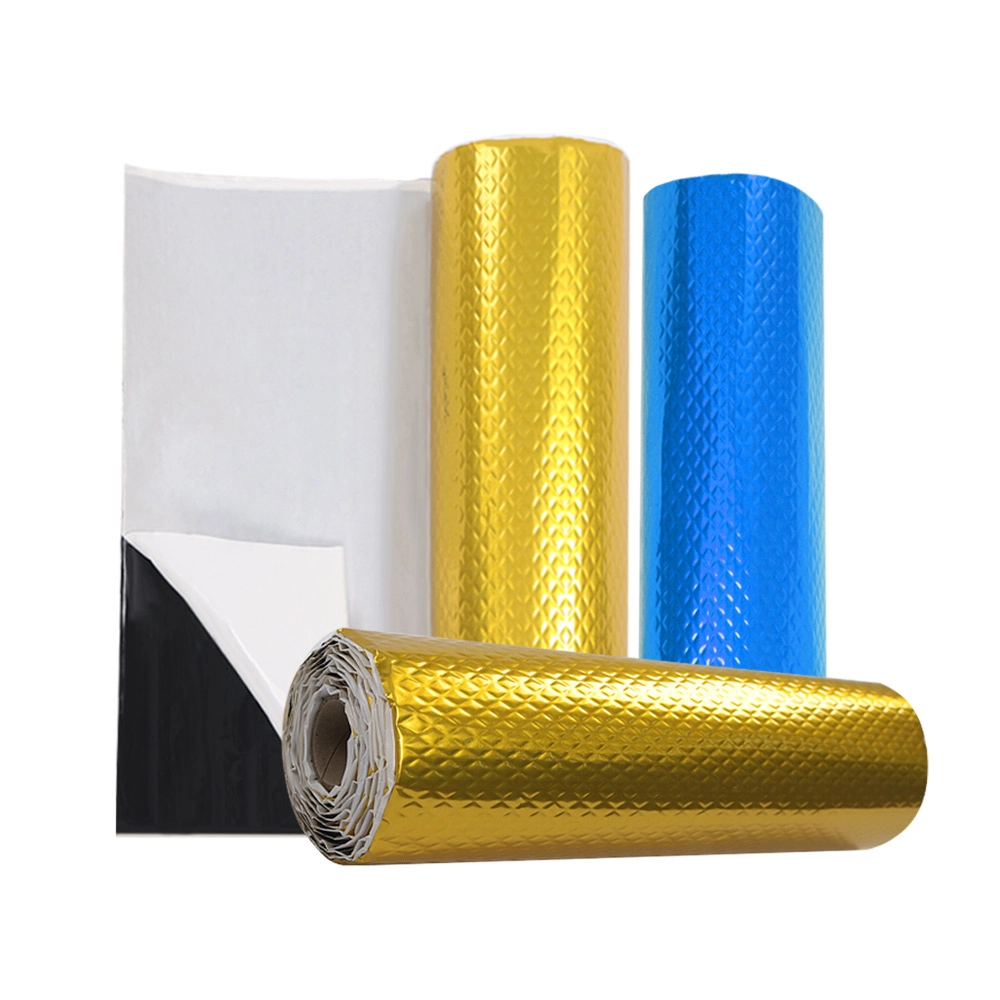
Butyl Rubber Sound Damping Mat
ASLONG Butyl Rubber Sound Damping Mat for sale. Effectively reduces noise and vibrations. High-quality butyl rubber ensures superior performance and durability. Ideal for automotive, industrial, and home applications.
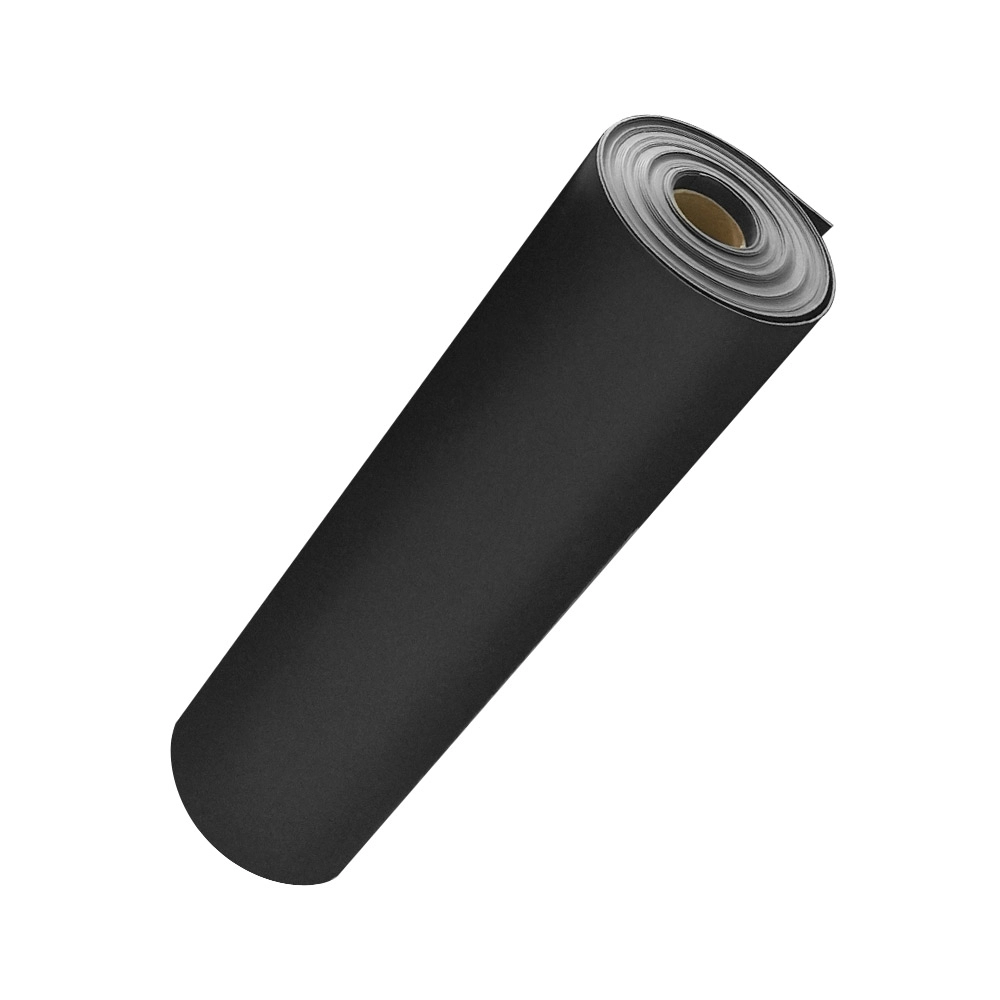
Mass Loaded Vinyl
ASLONG Mass Loaded Vinyl for sale. Reduce noise pollution effectively with our high-quality, mass-loaded vinyl. Ideal for soundproofing walls, floors, and more. Buy now and experience the difference!
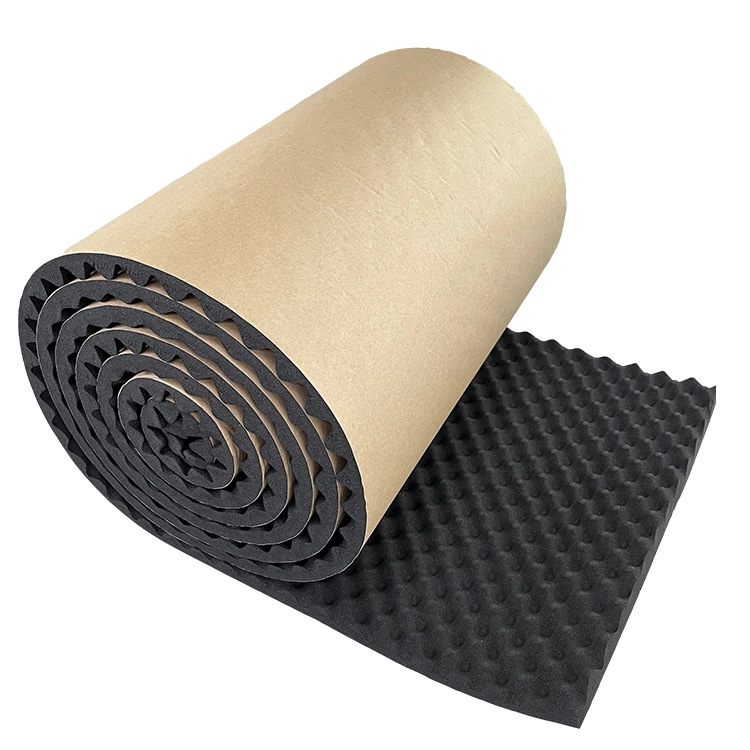
Egg Crate Foam
ASLONG Egg Crate Foam for sale. Lightweight, breathable, and comfortable, our egg crate foam provides superior support and pressure relief. Perfect for mattresses, cushions, cars, construction industry, KTV, factories, etc.
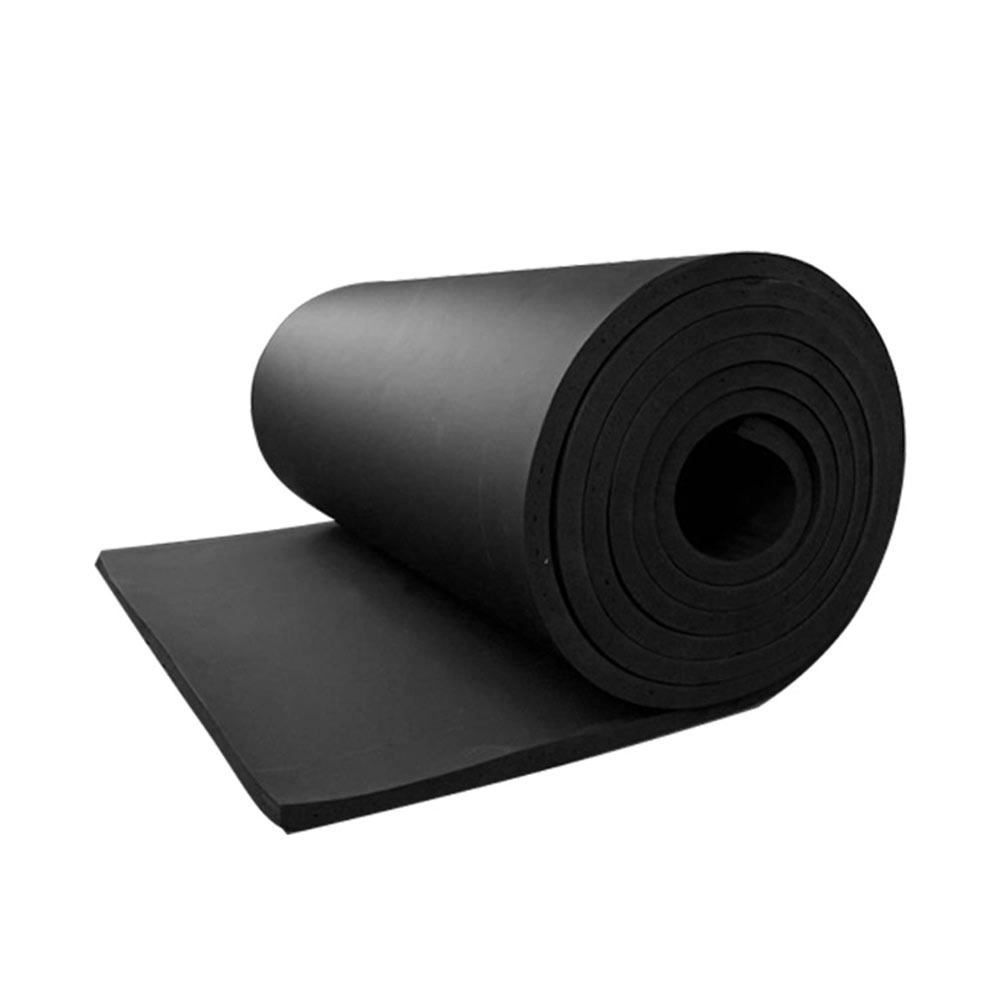
NBR Foam
ASLONG NBR Foam: Wholesale NBR foam solutions for diverse applications. High-quality, durable, and competitively priced. Contact us today for bulk orders.
Professional support at any time
If you have any comments or good suggestions, please leave us a message; later our professional staff will contact you as soon as possible.
© 2026 ASLONG All Rights Reserved. Privacy Policy | Terms and Conditions | Sitemap

 It would be pleasure to receive from you.
Whatsapp: +8613242879341
ASLONG Global
ASLONG
Aslong_global