

Environmental and Safety Standards for Rubber Sound Damping Mats
- Regulatory frameworks that govern acoustic material safety
- REACH, RoHS and chemical compliance for rubber mats
- VOC emissions, indoor air quality and environmental labeling
- End-of-life, recyclability and circular economy requirements
- Safety and performance testing: acoustic, fire and durability
- Acoustic performance standards: ISO and ASTM methods
- Fire, smoke and toxicity testing
- Durability: mechanical aging, temperature resistance and bond strength
- Material selection, certification and documentation for manufacturers and buyers
- Why choose Butyl Rubber Sound Damping Mat?
- Required documentation: SDS, test reports and declarations
- Comparison of common sound damping sheet materials
- Best practices for manufacturing, installation and lifecycle management
- Production controls and quality assurance
- Installation guidelines to meet safety expectations
- Maintenance, inspection and end-of-life considerations
- References and further reading
- Frequently Asked Questions (FAQ)
- Q1: Are Butyl Rubber Sound Damping Mats environmentally safe?
- Q2: What tests should I ask for when buying rubber mats for acoustic applications?
- Q3: Can rubber mats be recycled?
- Q4: How do I ensure proper installation for long-term performance?
- Q5: Do Butyl Rubber Sound Damping Mats meet automotive OEM standards?
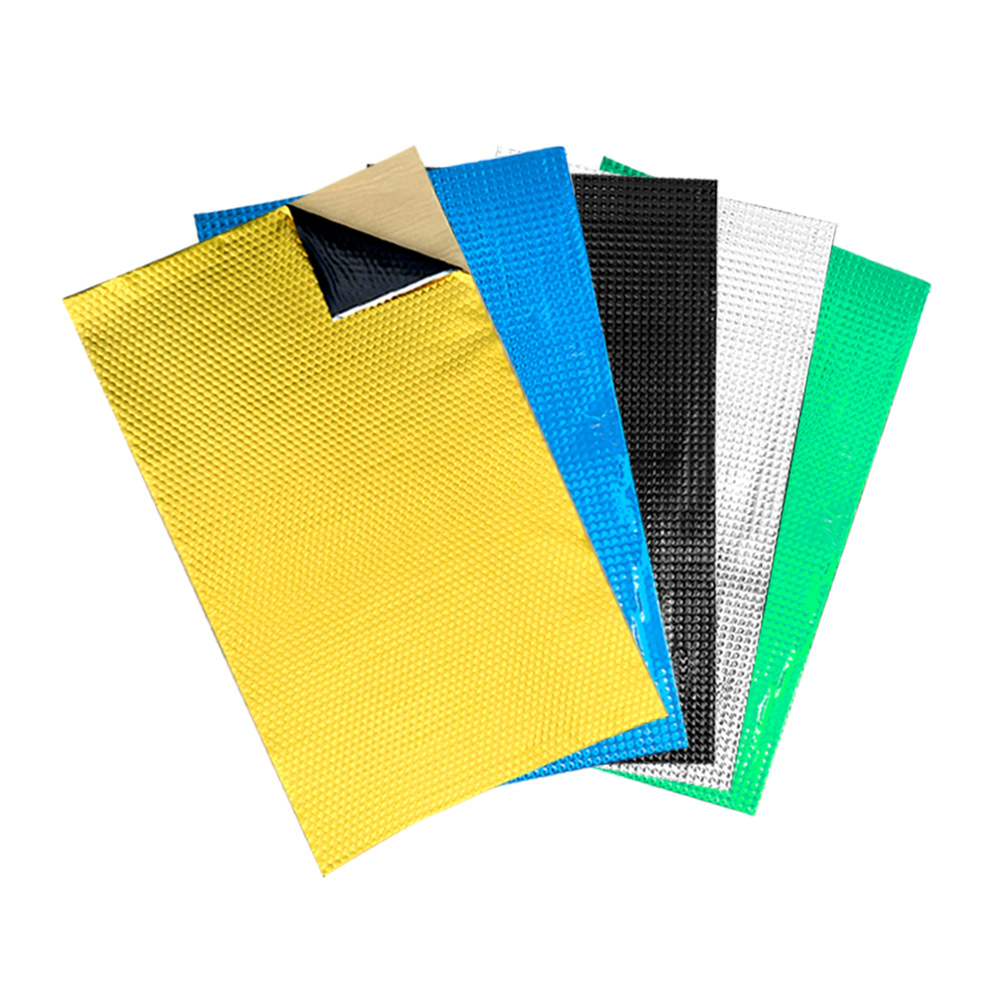
ASLONG Butyl Rubber Sound Damping Mat for sale. Effectively reduces noise and vibrations. High-quality butyl rubber ensures superior performance and durability. Ideal for automotive, industrial, and home applications.
Environmental and safety compliance for sound insulation products like rubber mats is essential for manufacturers, specifiers, and installers. This article summarizes relevant regulatory frameworks, acoustic and safety test standards, recommended compliance practices, and practical guidance for selecting, testing, installing, and disposing of butyl rubber sound damping mats to meet both legal requirements and user expectations.
Regulatory frameworks that govern acoustic material safety
REACH, RoHS and chemical compliance for rubber mats
European chemical regulation REACH (Registration, Evaluation, Authorisation and Restriction of Chemicals) requires manufacturers and importers to identify and manage risks from substances used in products. For rubber mats, this means verifying that any additives, plasticizers, fillers or flame retardants comply with REACH restrictions and registrations. The European Chemicals Agency provides guidance on REACH obligations and substance restrictions: ECHA – Understanding REACH.
RoHS (Restriction of Hazardous Substances) is primarily for electrical/electronic equipment but can affect components used in vehicle or device assemblies. Manufacturers should maintain Bills of Materials and supplier declarations to demonstrate compliance and avoid restricted substances such as certain phthalates or heavy metals that may be used in rubber formulations.
VOC emissions, indoor air quality and environmental labeling
Volatile Organic Compounds (VOCs) emitted from adhesives, surface treatments, or the rubber compound itself can affect indoor air quality. Regulatory guidance on VOCs from the U.S. Environmental Protection Agency helps define acceptable practices for indoor environments: EPA – VOCs and indoor air quality.
Products intended for indoor use (home acoustic panels, flooring underlays) should target low VOC emissions and may pursue certifications or labeling (e.g., GREENGUARD) to demonstrate compliance. For automotive and industrial applications, VOC limits are often dictated by OEM specifications or local legislation.
End-of-life, recyclability and circular economy requirements
Environmental standards increasingly emphasize life-cycle impacts. For rubber mats, manufacturers should provide guidance on recyclability, reuse, or safe disposal. Where possible, selecting formulations and bonding methods that facilitate material separation improves recyclability. Extended Producer Responsibility (EPR) regimes in some markets may require manufacturers to account for end-of-life management.
Safety and performance testing: acoustic, fire and durability
Acoustic performance standards: ISO and ASTM methods
Sound damping materials are evaluated using laboratory and field standards. ISO 10140 series defines laboratory methods for airborne sound insulation measurements; ISO 717 provides rating methods for airborne and impact sound insulation. In North America, ASTM E90 is a widely used standard for measuring airborne sound transmission loss in building partitions. For details, see ISO and ASTM references: ISO 10140 and ASTM E90.
When specifying rubber mats, key acoustic metrics include Transmission Loss (TL), Sound Transmission Class (STC), and damping loss factor. OEMs and acoustic engineers will typically request laboratory reports showing the butyl rubber mat's contribution to overall system performance (e.g., vehicle body panels or floor/ceiling assemblies).
Fire, smoke and toxicity testing
Fire safety is critical for building and vehicle applications. Common tests include:
- FMVSS/UN/ECE requirements for automotive interior components (where applicable)
- ASTM E84 (surface burning characteristics) or ISO 5660 (heat release) for building materials
- Smoke density and toxicity tests to assess combustion byproducts
Flammability ratings and smoke generation data must be included in product literature and Safety Data Sheets (SDS). For many applications, achieving a low flame spread index and low smoke development is required before acceptance.
Durability: mechanical aging, temperature resistance and bond strength
Rubber mats used for sound damping must retain performance over time and under environmental stress. Typical tests include accelerated aging (heat, humidity, UV), fatigue testing for vibrational loads, compression set tests, and adhesive bond strength to substrates like steel or composites. Documentation of long-term performance reduces warranty risk and supports specification by engineers and procurement teams.
Material selection, certification and documentation for manufacturers and buyers
Why choose Butyl Rubber Sound Damping Mat?
Butyl rubber combines high damping capacity with low gas permeability and excellent aging resistance. For sound damping, butyl formulations provide consistent internal friction that converts vibrational energy into heat, reducing radiated noise. Compared to other rubber types, butyl tends to have superior long-term dimensional stability and resistance to ozone and oxidation—advantages for automotive door panels, trunks, industrial machinery housings, and household appliances.
When selecting rubber mats, evaluate vendor data for dynamic loss factor, density, operating temperature range, thickness options, and availability of self-adhesive backing compatible with installation procedures.
Required documentation: SDS, test reports and declarations
Buyers and compliance teams should require the following documents from suppliers:
- Safety Data Sheet (SDS) with hazard classification and safe handling guidance
- Declaration of Conformity for applicable regulations (REACH, RoHS, local VOC limits)
- Lab test reports for acoustic performance (ISO/ASTM), flammability, and VOC emissions
- Material composition statement or full BOM for traceability
These documents support procurement decisions and ensure traceability across supply chains.
Comparison of common sound damping sheet materials
The table below compares key material properties often considered when choosing rubber mats for damping applications.
| Property | Butyl Rubber Mat | EPDM Rubber Mat | PVC/Bitumen Sheet |
|---|---|---|---|
| Typical density (g/cm³) | 1.2–1.5 | 0.9–1.1 | 1.0–1.8 |
| Damping performance | High | Moderate | Moderate to high |
| Temperature stability | -40°C to 120°C | -40°C to 150°C | -10°C to 80°C |
| VOC/emissions | Low (formulation dependent) | Low | Varies; bitumen can emit |
| Recyclability | Moderate (thermoset challenges) | Moderate | Varies |
Note: Values are representative; ask suppliers for laboratory verification for your specific product and application.
Best practices for manufacturing, installation and lifecycle management
Production controls and quality assurance
Manufacturers should implement quality management systems (e.g., ISO 9001) and incoming raw material verification. Controls should include batch testing for density, damping factor, and adhesive bond strength. Traceable lot numbers and retained samples are useful for warranty and nonconformance investigations.
Installation guidelines to meet safety expectations
Proper installation maximizes acoustic performance and safety compliance:
- Ensure surfaces are clean, dry, and free of oil before adhesively bonding rubber mats.
- Use recommended adhesives or self-adhesive backing; verify compatibility with substrate and temperature range.
- Follow thickness and coverage guidelines from acoustic engineers to meet system-level STC/TL targets.
For vehicle retrofit or OEM assembly, follow manufacturer instructions for edge sealing and fastener placement to avoid noise leaks or early delamination under vibration.
Maintenance, inspection and end-of-life considerations
Routine inspection should verify adhesion, physical integrity, and absence of degradation caused by oils, solvents, or excessive heat. Where end-of-life recycling programs exist, return used mats to approved collection points. If recycling is impractical, ensure lawful disposal under local waste regulations and avoid incineration without proper controls due to combustion byproducts.
References and further reading
For authoritative background on acoustic testing and product safety, consult:
- ISO 10140 series — Laboratory measurement of sound insulation
- ASTM E90 — Standard Test Method for Laboratory Measurement of Airborne Sound Transmission Loss
- ECHA — Understanding REACH
- EPA — Volatile Organic Compounds and indoor air quality
- Soundproofing — overview and common techniques (Wikipedia)
Frequently Asked Questions (FAQ)
Q1: Are Butyl Rubber Sound Damping Mats environmentally safe?
A1: Butyl rubber can be formulated to meet environmental and safety regulations. To confirm, request supplier documentation including REACH declarations, VOC emission test reports, and SDS. Low-VOC formulations and avoidance of restricted plasticizers make mats suitable for indoor and automotive use.
Q2: What tests should I ask for when buying rubber mats for acoustic applications?
A2: At minimum, request laboratory reports for acoustic performance (ISO 10140/ISO 717 or ASTM E90), flammability/smoke tests (ASTM E84 or equivalent), VOC emissions, and mechanical aging/compression set. Also obtain SDS and material declarations for chemical compliance.
Q3: Can rubber mats be recycled?
A3: Recycling depends on local facilities and the mat formulation. Thermoset rubbers are more challenging to recycle than thermoplastics, but some programs enable mechanical grinding for use as filler or energy recovery. Ask suppliers about take-back programs or recommendations for end-of-life handling.
Q4: How do I ensure proper installation for long-term performance?
A4: Follow manufacturer installation instructions: surface preparation, correct adhesive or self-adhesive application, recommended thickness and coverage, and protection against oils/solvents. For vehicles or critical installations, consider qualified installers to ensure warranty compliance.
Q5: Do Butyl Rubber Sound Damping Mats meet automotive OEM standards?
A5: Many butyl rubber mats are formulated to meet or exceed automotive OEM specifications for damping, VOCs and flammability. Confirm with the supplier that their product has relevant OEM approvals or test reports demonstrating compliance with specific vehicle program requirements.
If you need product specifications, test reports, or guidance on compliance for a particular application, contact our technical team or view the product details below.
View ASLONG Butyl Rubber Sound Damping Mat | Contact our technical sales team for SDS, test reports, and certifications.
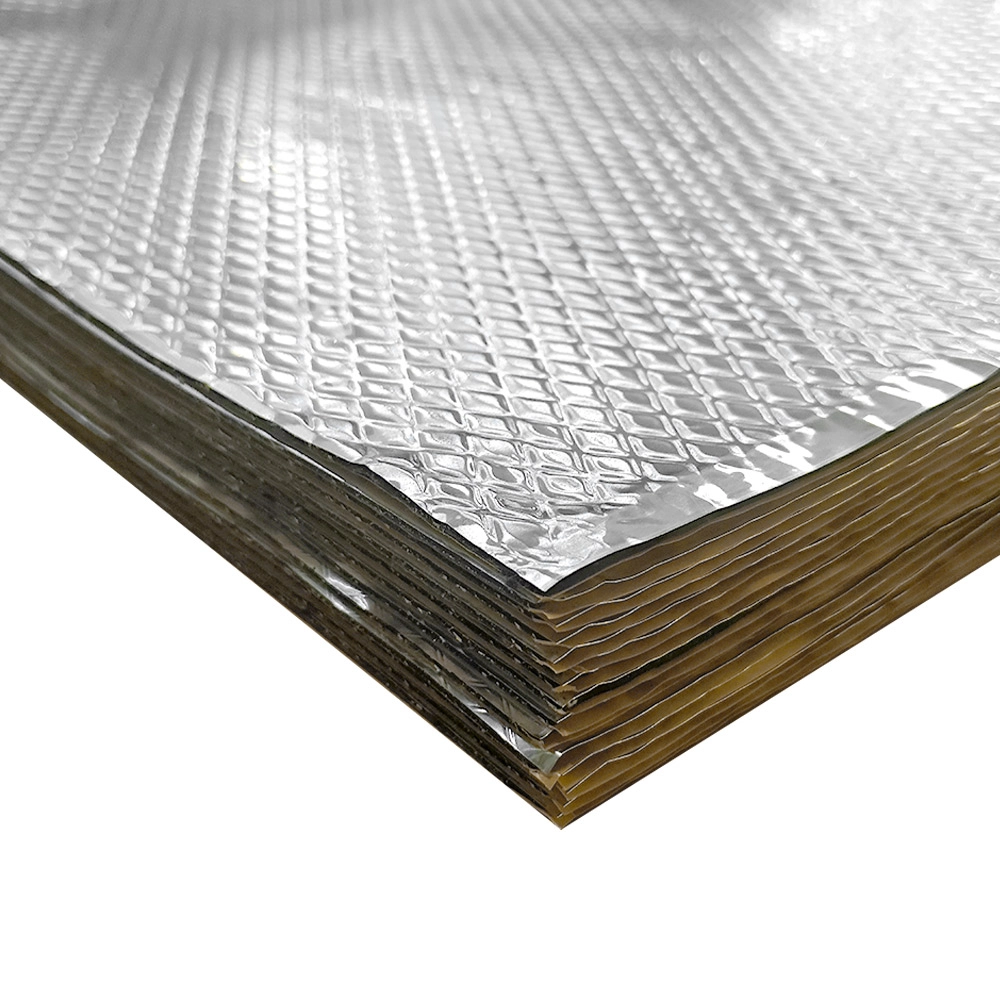
Performance Specs to Compare: Car Sound Damping Sheet Buyers
How Acoustic Insulation Improves STC and NRC Ratings
Why choose ASLONG as your car sound deadener manufacturer
Butyl Rubber Sound Damping Mat: Ultimate Buyer's Guide 2026
FAQs
How to customize products that meet the needs of my industry?
You only need to contact our sales or technical team, we will conduct an in-depth analysis based on your industry needs and provide tailor-made products and solutions. We guarantee to provide you with efficient and accurate services to meet your personalized requirements.
Does ASLONG provide after-sales service?
Yes, we provide a full range of after-sales services, including technical support, installation guidance, product maintenance and quality tracking, etc., to ensure that each project goes smoothly and continues to perform at its best.
What specific functions can ASLONG's products provide?
Our products cover functions such as insulation, sound insulation, shock absorption, waterproofing and sealing, and are widely used in improving energy efficiency, reducing noise, controlling vibration, protecting equipment, etc., helping customers optimize engineering effects and improve user experience.
Do ASLONG's products meet environmental protection standards?
Yes, all ASLONG products comply with ISO14001 environmental management system certification and global environmental protection standards. We use environmentally friendly materials and are committed to providing sustainable solutions to help customers achieve green development goals.
What industries are the products provided by ASLONG suitable for?
ASLONG's products are suitable for multiple industries, including air conditioning and HVAC, construction and waterproofing, automobiles and transportation, home appliances and electronics, industrial equipment and machinery, etc. We provide customized solutions for each industry to meet different needs.
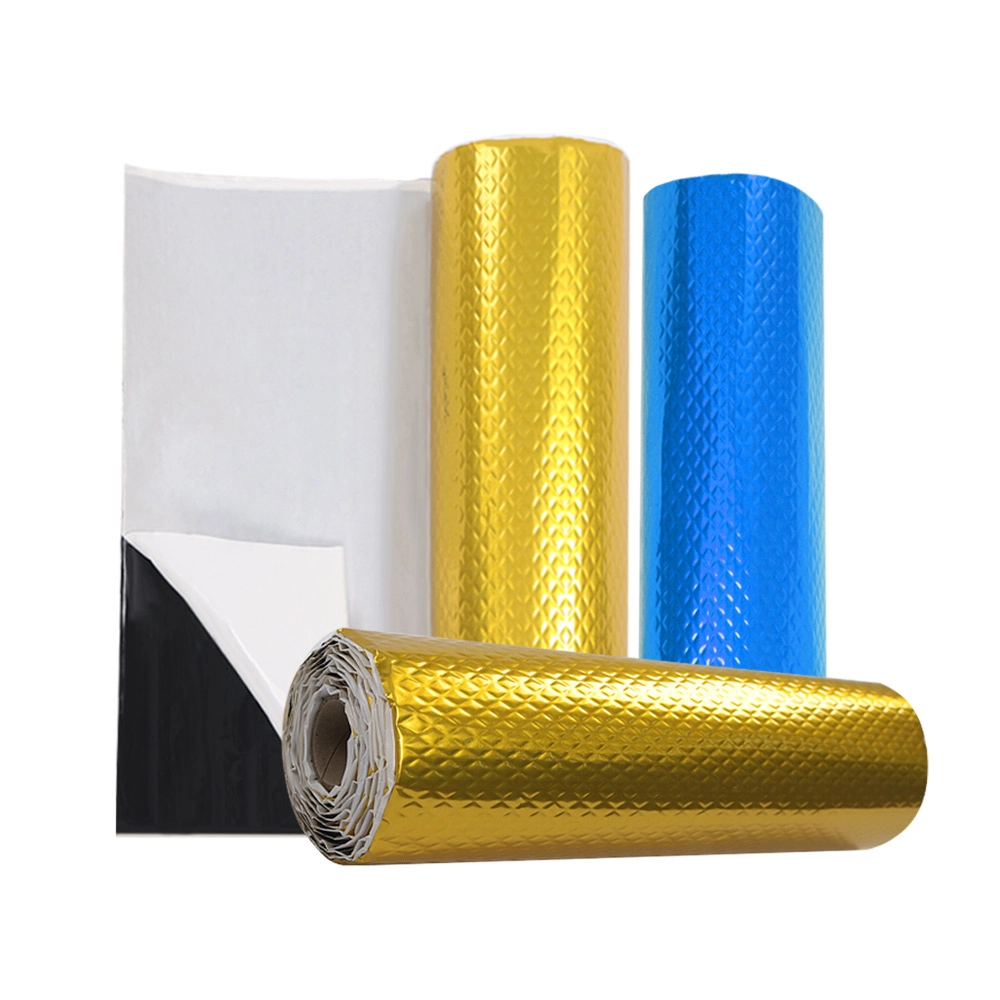
Butyl Rubber Sound Damping Mat
ASLONG Butyl Rubber Sound Damping Mat for sale. Effectively reduces noise and vibrations. High-quality butyl rubber ensures superior performance and durability. Ideal for automotive, industrial, and home applications.
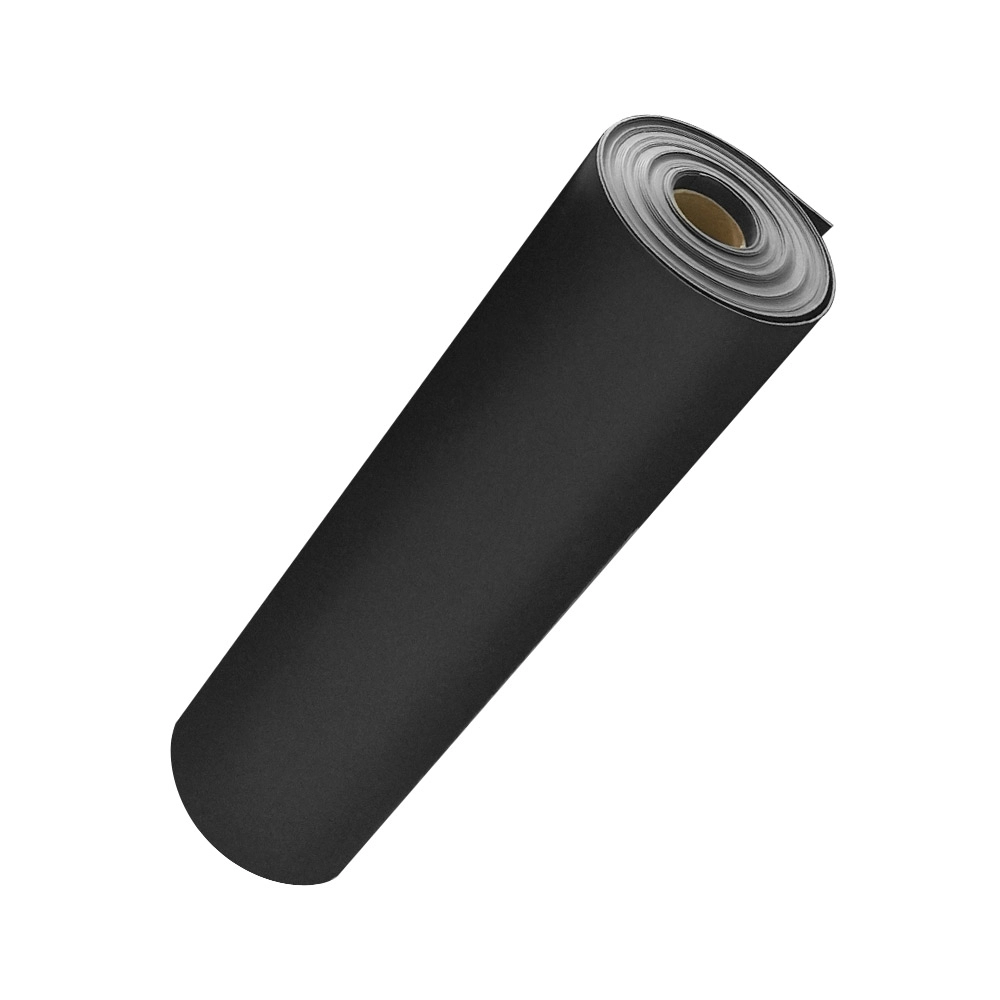
Mass Loaded Vinyl
ASLONG Mass Loaded Vinyl for sale. Reduce noise pollution effectively with our high-quality, mass-loaded vinyl. Ideal for soundproofing walls, floors, and more. Buy now and experience the difference!
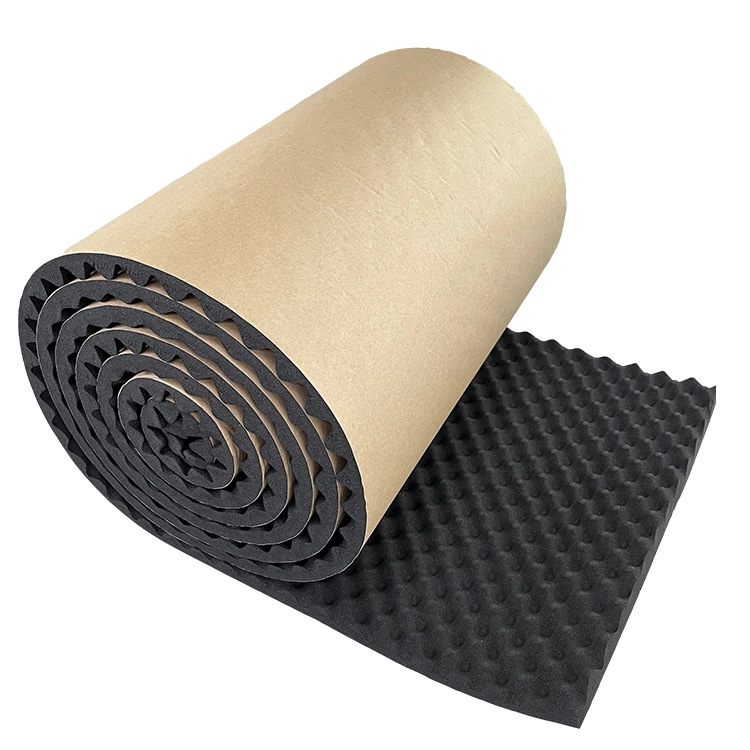
Egg Crate Foam
ASLONG Egg Crate Foam for sale. Lightweight, breathable, and comfortable, our egg crate foam provides superior support and pressure relief. Perfect for mattresses, cushions, cars, construction industry, KTV, factories, etc.
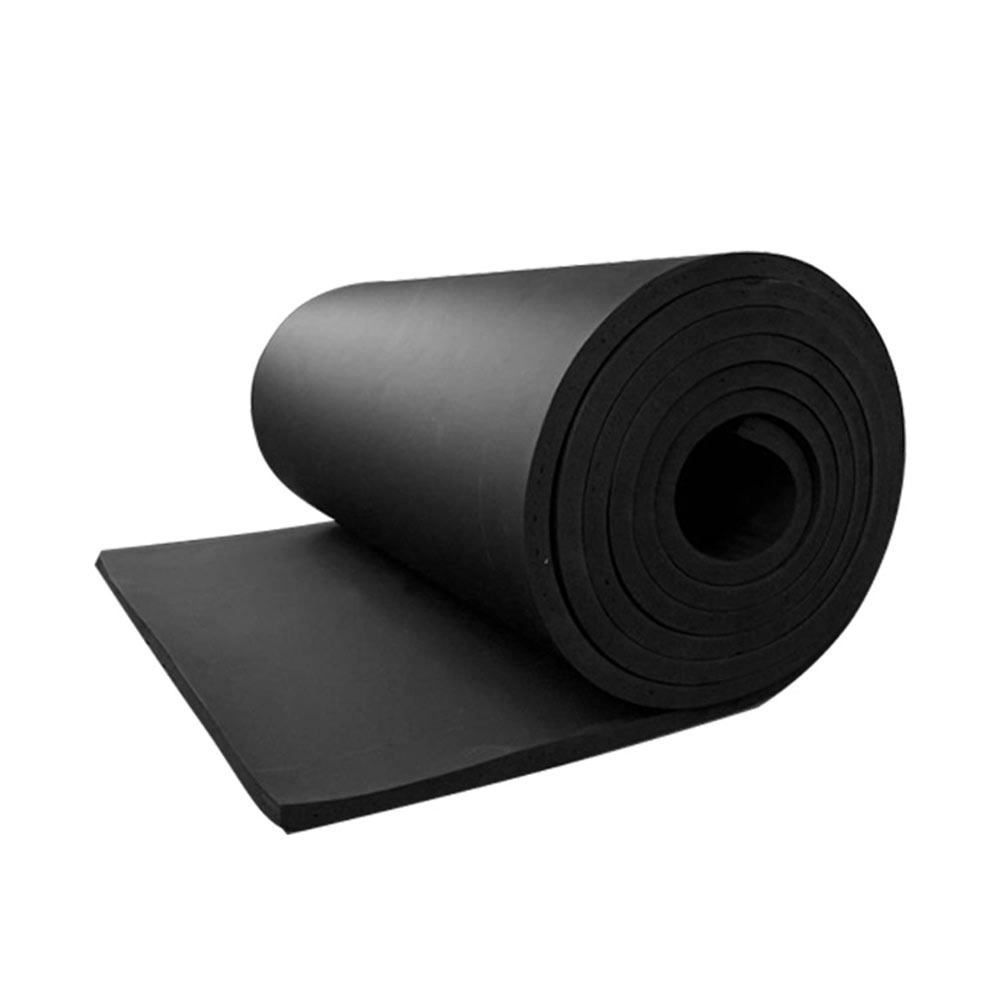
NBR Foam
ASLONG NBR Foam: Wholesale NBR foam solutions for diverse applications. High-quality, durable, and competitively priced. Contact us today for bulk orders.
Professional support at any time
If you have any comments or good suggestions, please leave us a message; later our professional staff will contact you as soon as possible.
© 2026 ASLONG All Rights Reserved. Privacy Policy | Terms and Conditions | Sitemap

 It would be pleasure to receive from you.
Whatsapp: +8613242879341
ASLONG Global
ASLONG
Aslong_global