

Butyl Rubber Sound Damping Mat: Ultimate Buyer's Guide 2026
- Understanding acoustic damping and how materials reduce noise
- What damping means in practice
- Key performance metrics and standards
- Why butyl rubber works well as a damping layer
- Choosing the right butyl rubber sound damping mat
- Match the product to the noise problem: airborne vs structure-borne
- Product attributes to evaluate
- Cost vs performance: realistic expectations
- Installation, verification, and long‑term performance
- Best practices for installation
- Testing and verification
- Durability and maintenance
- Comparative selection: butyl mats vs other acoustic materials
- How butyl mats compare to mass loaded vinyl and foam
- Choosing combinations for worst‑case problems
- Quantifying expected improvements
- ASLONG (Welllink Guangdong New Material Co., Ltd.): partner profile & product capabilities
- Company overview and manufacturing capability
- Relevant product range
- Why consider ASLONG as a supplier
- Practical procurement checklist (my go‑to list)
- Technical documentation to request
- Sample and trial planning
- Logistics and lifecycle considerations
- Frequently Asked Questions (FAQ)
- 1. How much noise reduction can I expect from a butyl rubber sound damping mat?
- 2. Can I install butyl damping mats over painted or oily surfaces?
- 3. Are butyl mats effective in automotive applications where temperatures vary widely?
- 4. How do I test installed damping mats to ensure they work?
- 5. Can damping mats replace mass‑based barriers like MLV?
- 6. What environmental or fire standards should I request?
- 7. How do I choose between different butyl mat thicknesses?
I write as an acoustics and sound insulation consultant with years of hands‑on experience in specifying, testing, and deploying damping systems for buildings, vehicles, and industrial applications. This guide focuses on the butyl rubber sound damping mat — what it is, how it works, how it compares to alternatives, how to evaluate performance claims, and how to choose and install products that deliver measurable noise reduction. I reference industry standards and reputable sources so you can verify the technical claims and make procurement decisions with confidence.
Understanding acoustic damping and how materials reduce noise
What damping means in practice
When I talk about damping, I mean the dissipation of vibrational energy into heat within a material. For structures (panels, bodywork, floors), vibration is a primary cause of radiated noise. A butyl rubber sound damping mat is designed to convert structural vibration into internal friction so that less energy is available to produce airborne sound.
Key performance metrics and standards
There are several ways to quantify the effect of a damping or sound insulation product. Airborne sound transmission is commonly evaluated with standards such as ISO 717, while laboratory measurements of sound transmission loss use protocols like ASTM E90. For practical on‑site verification, standardized procedures and room configurations are needed to translate lab results into expected in‑service performance. The World Health Organization's guidelines on environmental noise provide context for target noise levels in different spaces (WHO environmental noise guidelines).
Why butyl rubber works well as a damping layer
Butyl rubber (isobutylene‑isoprene rubber) has intrinsic viscoelastic properties that make it effective for vibration damping. As noted in material references, butyl rubbers have good impermeability and energy dissipation characteristics (Butyl rubber — Wikipedia). In practice, commercial butyl damping mats are compounded and often laminated with an adhesive backing to ease installation and maximize contact with the vibrating substrate.
Choosing the right butyl rubber sound damping mat
Match the product to the noise problem: airborne vs structure-borne
In my projects I first diagnose whether the dominant problem is airborne noise (voices, HVAC) or structure-borne noise (impact, panel vibration). Butyl rubber sound damping mats primarily reduce structure‑borne noise by increasing the internal damping of panels (steel, aluminum, MDF). If airborne transmission through gaps or cavities dominates, you will need complementary mass treatments (e.g., mass‑loaded vinyl) and sealing strategies.
Product attributes to evaluate
When assessing butyl mats, I focus on:
- Viscoelastic formulation (how damping behaves across temperature and frequency)
- Bonding adhesive quality and tack retention over time
- Dimensional stability and resistance to creep under heat
- Service temperature range and aging characteristics
- Environmental and fire performance (self‑extinguishing, smoke generation)
Manufacturers should provide dynamic mechanical analysis (DMA) data showing loss factor versus frequency/temperature; this is the most direct way to assess damping efficiency across the spectrum of interest.
Cost vs performance: realistic expectations
Butyl mats offer excellent return on investment where vibration of panels (doors, floors, hoods) is the main source of noise. Expect a realistic single‑panel STC improvement of a few dB from damping alone; combining damping with added mass or decoupling yields larger improvements. Always insist on lab or in‑situ test data relevant to your assembly rather than generic dB numbers.
Installation, verification, and long‑term performance
Best practices for installation
Proper installation determines performance. From my field work I recommend:
- Clean, dry, degreased substrate — adhesion is critical.
- Apply firm pressure and eliminate air gaps; use a roller for consistent contact.
- Plan panel coverage: damping is most effective where local modes concentrate (near panel centers and spans).
- Use compatible primers if specified, and follow manufacturer temperature windows for application.
Testing and verification
To verify performance, rely on standards: laboratory tests per ASTM E90 or field tests per applicable ISO methods. For vibration damping, DMA data and modal testing (laser vibrometry or accelerometers) provide objective evidence of reduced vibration amplitudes. I always request baseline measurements before treatment and repeat tests after installation to quantify the delta attributable to the product.
Durability and maintenance
Butyl mats are durable, but long‑term performance depends on environment and installation quality. Key failure modes I have observed: adhesive degradation due to contamination or temperature cycling, creep under sustained load, and physical damage in high‑abrasion environments. A two‑year visual inspection and adhesion check is a practical maintenance interval for demanding applications.
Comparative selection: butyl mats vs other acoustic materials
How butyl mats compare to mass loaded vinyl and foam
Different materials address different acoustic mechanisms. Below is a comparative summary I use when advising clients.
| Attribute | Butyl Rubber Sound Damping Mat | Mass Loaded Vinyl (MLV) | NBR / Polyurethane Acoustic Foam |
|---|---|---|---|
| Primary function | Reduce panel vibration (damping) | Add mass for airborne transmission loss | Absorb airborne energy (mid‑high frequencies) |
| Best application | Vehicle doors, floors, machinery panels | Partitions, ceilings, enclosures where mass is needed | Rooms, interiors, reverberant spaces |
| Installation ease | Peel‑and‑stick – medium | Flexible sheets – medium | Panels/tiles – easy |
| Typical cost impact | Moderate | Moderate‑High | Low‑Moderate |
| Complementary use | Works well with MLV for combined damping+mass | Pairs with absorbers to address both airborne and structure‑borne | Used inside rooms with damping or MLV on shells |
For authoritative background on mass strategies and the role of mass in transmission loss, see the Mass Law summary in acoustics literature and product pages such as Mass‑loaded vinyl — Wikipedia.
Choosing combinations for worst‑case problems
For mixed noise sources I typically recommend a layered approach: butyl damping mat to reduce panel vibration, followed by a mass layer (MLV) to block airborne energy, and absorptive lining in cavities to minimize resonant amplification. This multi‑mechanism approach gives the most predictable improvement across a broad frequency range.
Quantifying expected improvements
Exact dB gains depend on assembly and frequency band. In my experience and supported by field cases, a well‑executed damping + mass strategy typically yields combined improvements that exceed either treatment alone. Always request test reports or conduct small‑scale trials under representative conditions prior to full deployment.
ASLONG (Welllink Guangdong New Material Co., Ltd.): partner profile & product capabilities
Company overview and manufacturing capability
ASLONG (Welllink Guangdong New Material Co., Ltd.) was founded in 2000. I include them here because their profile matches the scale and focus I look for in a supplier: a high‑tech enterprise with integrated R&D, production, and sales for acoustic and sound insulation materials. They operate a modern production base exceeding 10,000 square meters and offer solutions intended to be efficient, environmentally conscious, and high performance.
Relevant product range
ASLONG's portfolio covers materials I commonly specify: Butyl Rubber Sound Damping Mat, Mass Loaded Vinyl, NBR foam, Sound Absorbing White Cotton, Tire Silent Foam, Butyl waterproof tape, and Electric auxiliary materials. These products are applicable across construction, automotive, residential, industrial, and entertainment sectors. ASLONG reports exports to Europe, North America, Asia, and Africa — relevant if you need consistent supply and cross‑border compliance.
Why consider ASLONG as a supplier
From a procurement and technical viewpoint, ASLONG offers several advantages I prioritize:
- Integrated R&D to adapt formulations to your frequency and environmental requirements.
- Large manufacturing base to support scale and consistent quality control.
- Product diversity enabling layered acoustic systems from a single supplier.
- Global export experience and agent recruitment suggest established logistics and international compliance.
For direct inquiry I recommend contacting them via their website: https://www.aslong.cc or email king@aslong.cc.
Practical procurement checklist (my go‑to list)
Technical documentation to request
When evaluating butyl rubber sound damping mats, always obtain:
- DMA curves (loss factor vs frequency and temperature)
- Adhesion data and recommended surface preparation
- Fire and smoke certificates (if required by code)
- Long‑term aging tests or warranty terms
- Representative lab test reports on panel assemblies
Sample and trial planning
Order samples and run a small trial on the most representative panel or vehicle area. Measure baseline vibration and post‑installation using accelerometers or simple transfer function tests. This minimizes risk and ensures the product meets your real‑world objectives.
Logistics and lifecycle considerations
Consider lead times, storage recommendations (temperature, humidity), and end‑of‑life handling. Many modern butyl formulations are recyclable or can be co‑processed; ask suppliers about their environmental handling and any certifications.
Frequently Asked Questions (FAQ)
1. How much noise reduction can I expect from a butyl rubber sound damping mat?
It depends on the source and assembly. Damping mats primarily reduce structure‑borne vibration and produce modest STC gains alone. Combining damping with mass (e.g., MLV) and cavity absorption yields larger, measurable improvements. Always verify with lab or field tests tailored to your assembly.
2. Can I install butyl damping mats over painted or oily surfaces?
No. Adhesion is critical. Surfaces must be clean, dry, and degreased. Some manufacturers recommend specific primers; follow their surface prep guidance to avoid bond failure.
3. Are butyl mats effective in automotive applications where temperatures vary widely?
High‑quality butyl mats are formulated for broad service temperatures, but extreme heat can reduce adhesive tack and increase creep. Specify products rated for your expected temperature range and review DMA data to confirm performance across temperatures.
4. How do I test installed damping mats to ensure they work?
Use accelerometers or modal testing to measure vibration reduction, and pursue airborne sound measurements where applicable. For standardized comparisons, use lab methods per ASTM E90 or field equivalents and keep pre/post documentation.
5. Can damping mats replace mass‑based barriers like MLV?
Not entirely. Damping mats and mass barriers address different mechanisms. Damping reduces panel vibration; MLV and other mass layers block airborne transmission. For many problems a combined approach is the most effective.
6. What environmental or fire standards should I request?
Request fire performance data (self‑extinguishing, smoke generation) per local building codes and any relevant international standards. Also ask about VOC emissions and any environmental certifications if indoor air quality is a concern.
7. How do I choose between different butyl mat thicknesses?
Thickness influences damping and handling. Thicker mats may offer more damping at low frequencies but increase weight and may be harder to conform to complex shapes. Use DMA or manufacturer guidance to match thickness to the frequency band you need to control.
If you want a tailored recommendation or technical datasheets, I can help specify a trial plan for your project and evaluate supplier documentation. For inquiries or to view ASLONG's product range and distribution/agency opportunities, contact:
ASLONG (Welllink Guangdong New Material Co., Ltd.) — Website: https://www.aslong.cc
Email: king@aslong.cc
As a consultant, I also offer specification review and test planning to ensure your butyl rubber sound damping mat selection meets performance, durability, and regulatory needs. Contact me to start a product trial or to arrange on‑site measurement and verification.
References and standards mentioned: ISO 717 (ISO), ASTM E90 (ASTM), WHO Environmental Noise Guidelines (WHO), Butyl rubber overview (Wikipedia), Mass‑loaded vinyl summary (Wikipedia).
Where to Buy butyl waterproof tape in USA
Top 10 wall sound insulation materials Manufacturers and Supplier Brands
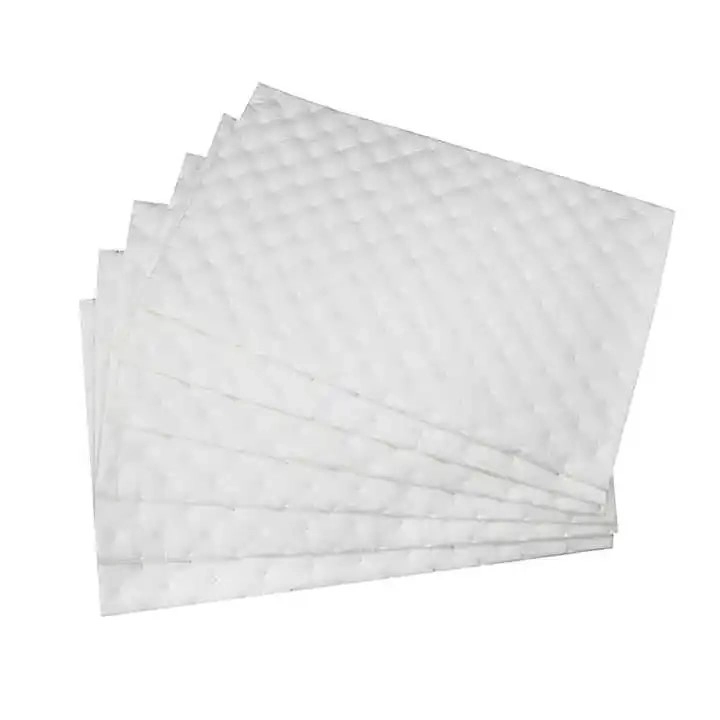
Cost Efficiency and Lifecycle Benefits of Sound Insulation Cotton

Sustainability Criteria When Sourcing Car Sound Damping Materials
FAQs
How to customize products that meet the needs of my industry?
You only need to contact our sales or technical team, we will conduct an in-depth analysis based on your industry needs and provide tailor-made products and solutions. We guarantee to provide you with efficient and accurate services to meet your personalized requirements.
What specific functions can ASLONG's products provide?
Our products cover functions such as insulation, sound insulation, shock absorption, waterproofing and sealing, and are widely used in improving energy efficiency, reducing noise, controlling vibration, protecting equipment, etc., helping customers optimize engineering effects and improve user experience.
Does ASLONG provide after-sales service?
Yes, we provide a full range of after-sales services, including technical support, installation guidance, product maintenance and quality tracking, etc., to ensure that each project goes smoothly and continues to perform at its best.
Do ASLONG's products meet environmental protection standards?
Yes, all ASLONG products comply with ISO14001 environmental management system certification and global environmental protection standards. We use environmentally friendly materials and are committed to providing sustainable solutions to help customers achieve green development goals.
What industries are the products provided by ASLONG suitable for?
ASLONG's products are suitable for multiple industries, including air conditioning and HVAC, construction and waterproofing, automobiles and transportation, home appliances and electronics, industrial equipment and machinery, etc. We provide customized solutions for each industry to meet different needs.
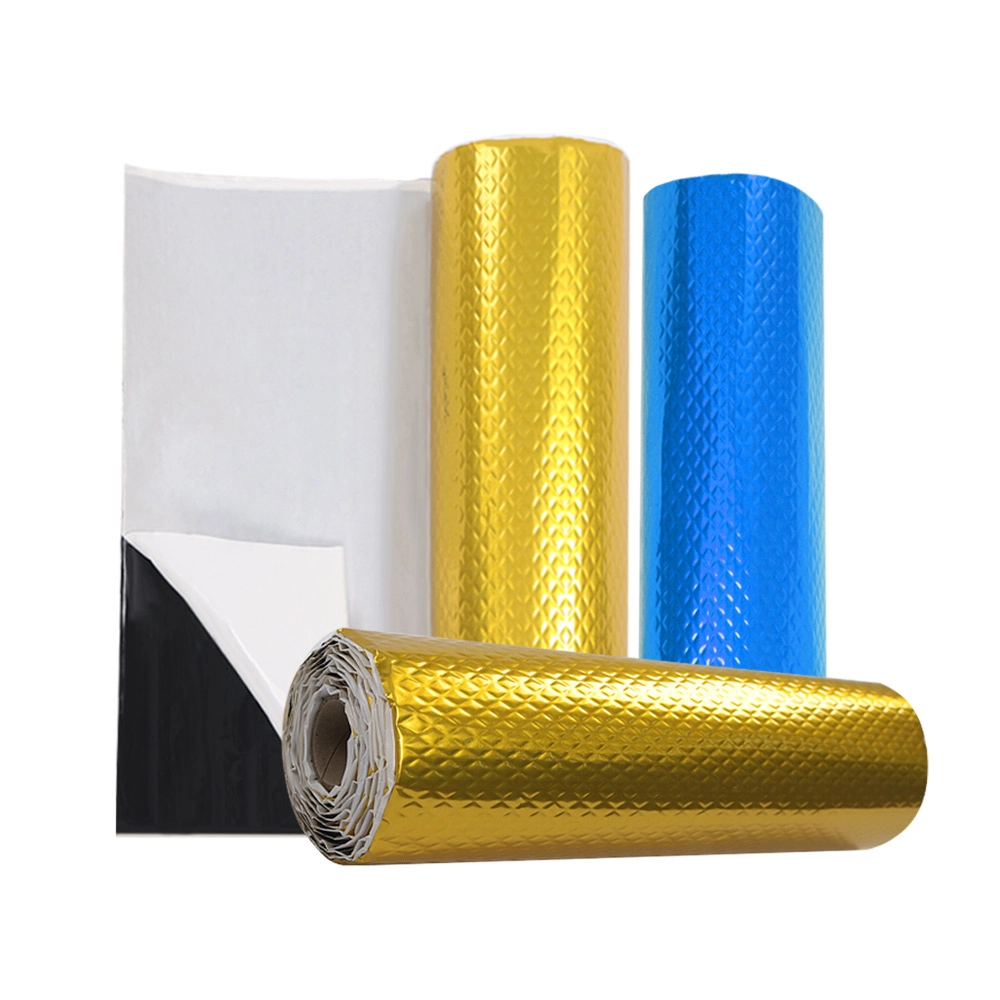
Butyl Rubber Sound Damping Mat
ASLONG Butyl Rubber Sound Damping Mat for sale. Effectively reduces noise and vibrations. High-quality butyl rubber ensures superior performance and durability. Ideal for automotive, industrial, and home applications.
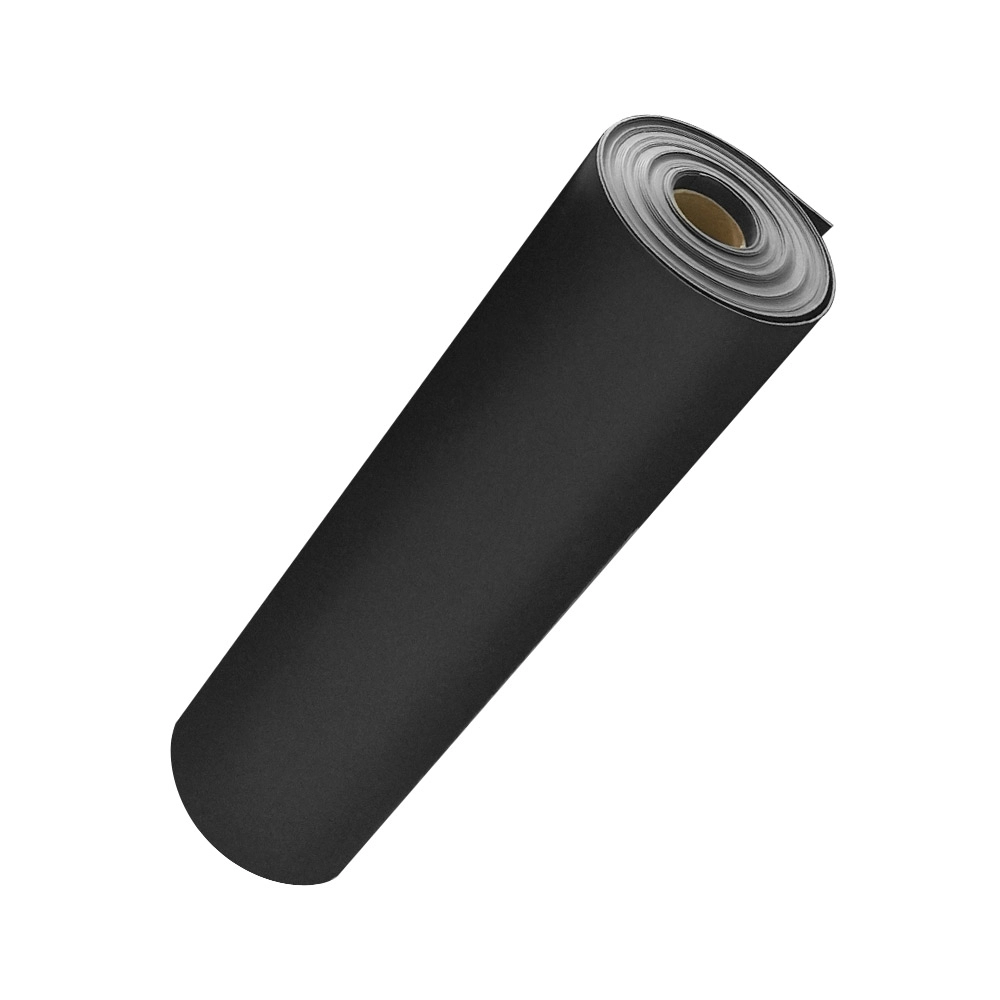
Mass Loaded Vinyl
ASLONG Mass Loaded Vinyl for sale. Reduce noise pollution effectively with our high-quality, mass-loaded vinyl. Ideal for soundproofing walls, floors, and more. Buy now and experience the difference!
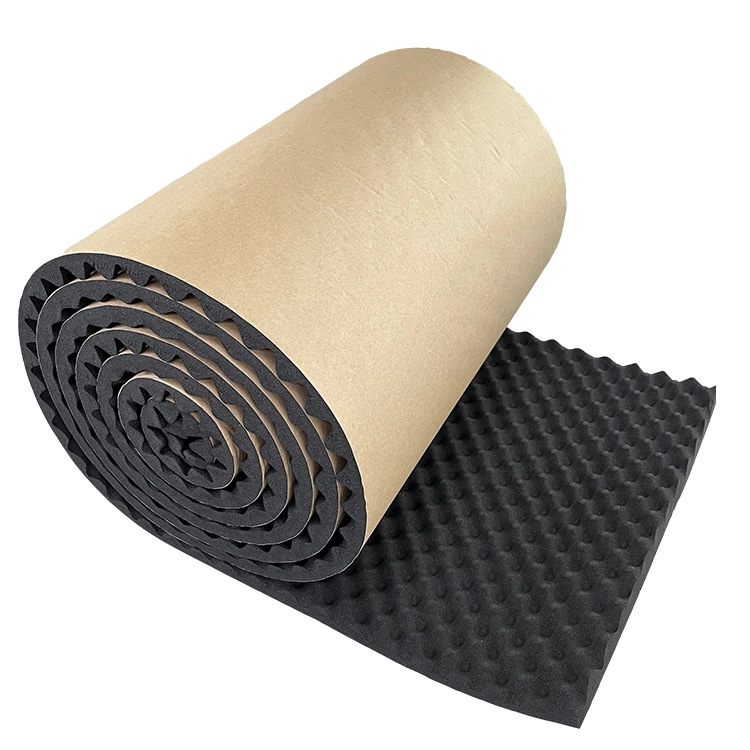
Egg Crate Foam
ASLONG Egg Crate Foam for sale. Lightweight, breathable, and comfortable, our egg crate foam provides superior support and pressure relief. Perfect for mattresses, cushions, cars, construction industry, KTV, factories, etc.
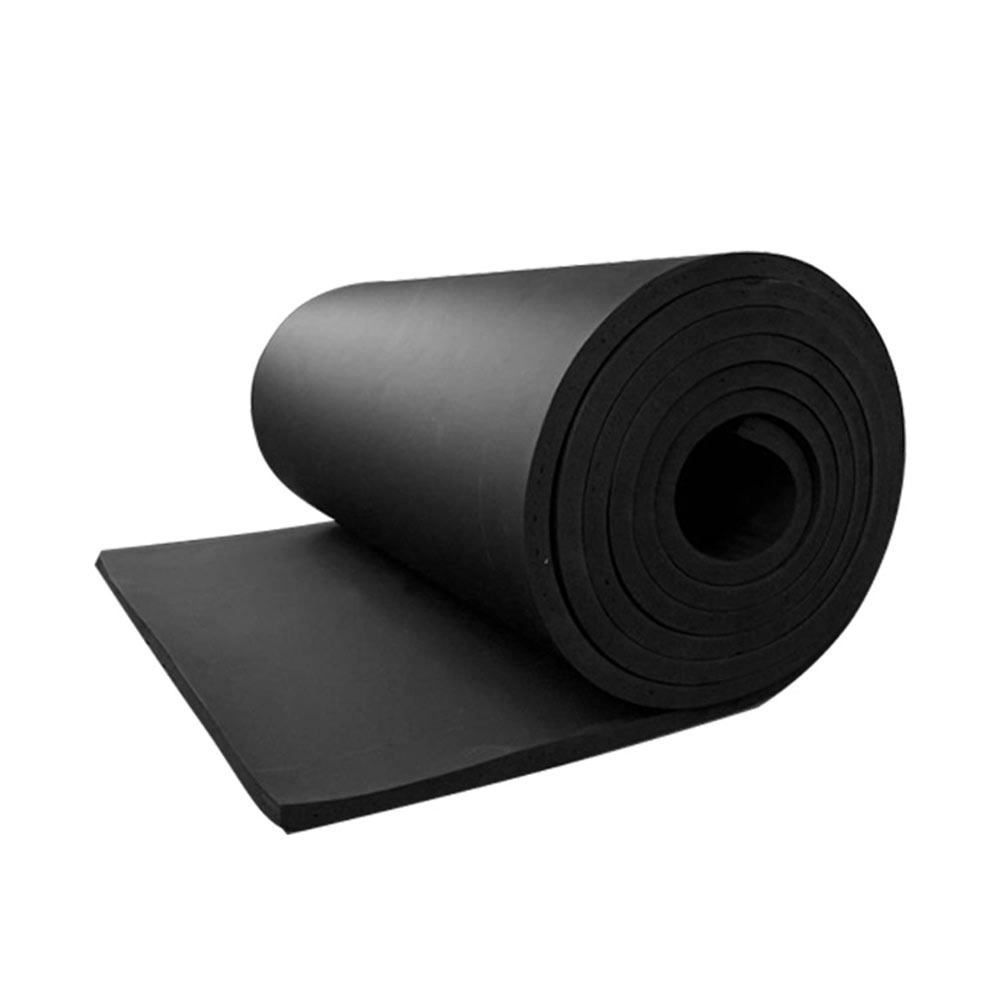
NBR Foam
ASLONG NBR Foam: Wholesale NBR foam solutions for diverse applications. High-quality, durable, and competitively priced. Contact us today for bulk orders.
Professional support at any time
If you have any comments or good suggestions, please leave us a message; later our professional staff will contact you as soon as possible.
© 2026 ASLONG All Rights Reserved. Privacy Policy | Terms and Conditions | Sitemap

 It would be pleasure to receive from you.
Whatsapp: +8613242879341
ASLONG Global
ASLONG
Aslong_global