

How Rubber Mats Improve Acoustic Performance in Buildings
- Why Rubber Mats Matter for Acoustic Performance
- How sound and vibration travel in buildings
- Key mechanisms: mass, damping and isolation
- Relevant acoustic metrics to evaluate performance
- Performance Advantages of Butyl Rubber Sound Damping Mat
- Material properties that improve damping
- Comparative performance: rubber mats vs other underlay options
- Durability, environmental resistance and lifecycle benefits
- Installation Applications & Best Practices
- Applications in buildings: floors, walls and ceilings
- Automotive and industrial uses that translate to buildings
- Installation tips to maximize acoustic gains
- Selecting the Right Rubber Mat & Long-Term Considerations
- Specification checklist for designers and contractors
- Maintenance, cleaning and lifespan
- Cost-effectiveness and return on investment
- Brand & Product Focus: ASLONG Butyl Rubber Sound Damping Mat
- Why specify ASLONG butyl rubber for building acoustics
- Certifications, test data and recommended uses
- How ASLONG supports installation and specification
- FAQ — Frequently Asked Questions
- Q: Will a rubber mat stop all noise?
- Q: How thick should a butyl rubber mat be for flooring?
- Q: Can I install rubber mats under hardwood or tile floors?
- Q: Are butyl rubber mats fire-safe for building use?
- Q: How do rubber mats compare to Mass-Loaded Vinyl (MLV)?
- Q: Can rubber mats help with HVAC and mechanical equipment noise?

Rubber mats, particularly butyl-based sound damping products, play a critical role in controlling noise in modern buildings. By combining mass-loading, viscoelastic damping and vibration isolation, they reduce both airborne and structure-borne sound transmission, improve sound quality inside rooms, and lower distracting noise from mechanical equipment and footfall. For building designers, facility managers and installers aiming to meet acoustic standards and occupant expectations, understanding how rubber mats perform—and how to specify and install them correctly—is essential.
ASLONG Butyl Rubber Sound Damping Mat for sale. Effectively reduces noise and vibrations. High-quality butyl rubber ensures superior performance and durability. Ideal for automotive, industrial, and home applications.
Why Rubber Mats Matter for Acoustic Performance
How sound and vibration travel in buildings
Sound in buildings moves via two primary routes: airborne sound (through the air, e.g., voices, music) and structure-borne sound (through solid elements, e.g., impact noise, machinery vibration). Structure-borne noise transmits when vibrating sources excite floors, walls or ceilings and energy propagates through the building frame. Rubber mats act on both pathways—by increasing surface mass and by dissipating vibrational energy—reducing what occupants actually hear.
Key mechanisms: mass, damping and isolation
Rubber mats improve acoustic performance through three complementary mechanisms:
- Mass loading: adding mass lowers sound transmission especially at mid-to-high frequencies (mass law effect).
- Damping (viscoelasticity): butyl rubber converts vibrational energy into heat, reducing resonant amplification.
- Decoupling/isolation: mat layers interrupt direct structural paths, lowering the efficiency of vibration transfer (improves Impact Insulation Class, IIC).
These actions help both reduce noise levels and smooth out modal peaks that cause tonal or booming sounds in rooms.
Relevant acoustic metrics to evaluate performance
When specifying mats, check measurements like Sound Transmission Class (STC) for airborne transmission, Impact Insulation Class (IIC) for impact noise, and insertion loss or transmission loss curves for specific frequencies. Authoritative background on soundproofing and acoustics is available from resources such as Wikipedia: Soundproofing and the Acoustical Society of America.
Performance Advantages of Butyl Rubber Sound Damping Mat
Material properties that improve damping
Butyl rubber is a high-damping elastomer with excellent internal friction characteristics. Compared with ordinary foam underlays, butyl provides sustained damping over a broad temperature range, better long-term compression set resistance, and superior resistance to oils and ozone. These traits make it ideal for long-life applications in buildings where consistent acoustic performance is required.
Comparative performance: rubber mats vs other underlay options
Below is a concise comparison of typical acoustic underlays used in flooring and wall applications. Values are indicative—final performance depends on thickness, density and installation.
| Material | Typical Density | Relative Damping | Best Use |
|---|---|---|---|
| Butyl Rubber Mat (e.g., ASLONG) | ~1.2–1.6 g/cm³ | High (broadband) | Floors, walls, ceilings, machinery bases |
| Mass-Loaded Vinyl (MLV) | ~1.8–2.2 g/cm³ | Moderate (mass-focused) | Airborne sound barriers in walls/ceilings |
| Cork or Rubberized Cork | ~0.2–0.8 g/cm³ | Low–Moderate (impact reduction) | Underlayment for timber floors |
| Acoustic Foam | ~0.02–0.1 g/cm³ | Low (air absorption) | Room-tone control, high-frequency absorption |
Butyl rubber mats uniquely combine mass and viscoelastic damping in a single layer, giving superior performance against structure-borne vibration and tonal noises where foam or cork alone may fall short.
Durability, environmental resistance and lifecycle benefits
Butyl rubber resists permanent deformation and retains damping properties over many years. Its resistance to humidity, temperature swings and most chemicals reduces maintenance cost and replacement cycles—important factors when assessing total cost of ownership for building acoustic upgrades.
Installation Applications & Best Practices
Applications in buildings: floors, walls and ceilings
Rubber mats can be used under floor finishes (tile, hardwood, LVT), behind drywall or gypsum board as a damping layer, and above ceiling assemblies to reduce mechanical noise. In multi-family housing, proper rubber mat installation under floating floors or as an underlayment can improve IIC and STC ratings—reducing neighbor complaints and improving tenant comfort.
Automotive and industrial uses that translate to buildings
Butyl mats are widely used in automotive and industrial vibration control because they efficiently damp engine and machinery noise. These proven properties carry over to building use: isolating HVAC units, pump bases, and mechanical rooms with rubber mats reduces transmitted noise through floors and ducts.
Installation tips to maximize acoustic gains
- Prepare the substrate: clean, dry and level surfaces ensure full contact and reliable adhesion.
- Use continuous coverage: gaps or bridges can create vibration paths—overlap seams or use tape/adhesive recommended by the manufacturer.
- Combine strategies: pairing butyl mats with resilient channels, floating floors or mass-loaded layers often produces the largest measurable improvements.
- Avoid rigid fasteners that penetrate the mat and create flanking paths—use isolation pads or floating mounts where possible.
Selecting the Right Rubber Mat & Long-Term Considerations
Specification checklist for designers and contractors
When choosing a rubber mat for a project, verify:
- Material composition (butyl rubber vs synthetic rubber)
- Thickness and density matching targeted frequencies
- Test data: STC/IIC improvements, transmission loss curves, or laboratory modal tests
- Installation guidelines and recommended adhesives
- Fire rating (where applicable) and compliance with local building codes
Maintenance, cleaning and lifespan
Routine inspection—checking for compression set, tears or adhesive failures—keeps performance optimal. Butyl mats are low-maintenance; surface dirt can be removed and damaged sections replaced. Typical lifespan in buildings is multiple decades when correctly specified and installed.
Cost-effectiveness and return on investment
While butyl rubber mats can have a higher upfront cost than simple foam underlays, their superior acoustic performance, durability and reduced maintenance translate into lower lifecycle costs—fewer tenant complaints, higher property value and reduced need for later retrofit. For sensitive installations (recording spaces, hospitals, multi-family), the ROI is especially favorable.
Brand & Product Focus: ASLONG Butyl Rubber Sound Damping Mat
Why specify ASLONG butyl rubber for building acoustics
ASLONG Butyl Rubber Sound Damping Mat offers a blend of high damping performance and practical installation features. Key benefits include:
- Proven vibration reduction for mechanical rooms, HVAC bases and flooring systems
- Durable butyl formulation that resists compression set and environmental degradation
- Flexible, easy-to-cut sheets that simplify on-site fitting and reduce labor time
Certifications, test data and recommended uses
When considering acoustic materials, always request manufacturer test reports showing STC, IIC and frequency-dependent transmission loss. For general guidance on acoustic testing standards, consult resources such as the Acoustics overview and industry bodies. ASLONG provides application recommendations for automotive, industrial and residential uses—making its Butyl Rubber Sound Damping Mat versatile across projects.
How ASLONG supports installation and specification
ASLONG supplies product datasheets, installation guides and technical support to help architects and contractors integrate mats effectively into partitions, floors and ceilings. This reduces the risk of incorrect installation and helps achieve measurable acoustic targets during commissioning.
FAQ — Frequently Asked Questions
Q: Will a rubber mat stop all noise?
A: No single product eliminates all noise. Rubber mats significantly reduce structure-borne vibration and improve airborne performance when used with mass or absorption layers. For full room isolation, combine damping mats with mass (e.g., additional drywall), absorptive materials and proper sealing of flanking paths.
Q: How thick should a butyl rubber mat be for flooring?
A: Typical thickness for flooring underlayment ranges from 2 mm to 6 mm for damping and vibration control. Heavier installations or industrial machinery isolation may use thicker pads. Select thickness based on measured or predicted vibration frequencies and desired IIC improvement.
Q: Can I install rubber mats under hardwood or tile floors?
A: Yes. Butyl rubber mats are compatible with many floor finishes. Follow the flooring manufacturer’s recommendations for underlayment compatibility and ensure adhesives or fasteners do not create hard contact paths that bypass the mat.
Q: Are butyl rubber mats fire-safe for building use?
A: Fire performance varies by formulation. Always check the product’s fire rating and compliance with local building codes. ASLONG provides safety data and compliance details for each product variant.
Q: How do rubber mats compare to Mass-Loaded Vinyl (MLV)?
A: MLV is a high-mass barrier effective for airborne sound; butyl mats add both mass and damping. In many cases, combining MLV with a butyl damping layer yields better broadband attenuation than either alone.
Q: Can rubber mats help with HVAC and mechanical equipment noise?
A: Yes. Placing butyl vibration pads under equipment bases and isolating ductwork with damping liners can substantially reduce transmitted vibration into building structure, lowering radiated noise in occupied spaces.
If you have additional technical questions or want to review test data for specific project requirements, contact our technical team to discuss specifications and sample programs.
Contact / View Product: To see product options or request a quote for ASLONG Butyl Rubber Sound Damping Mat, visit our product page or contact our sales team for personalized recommendations and installation support.
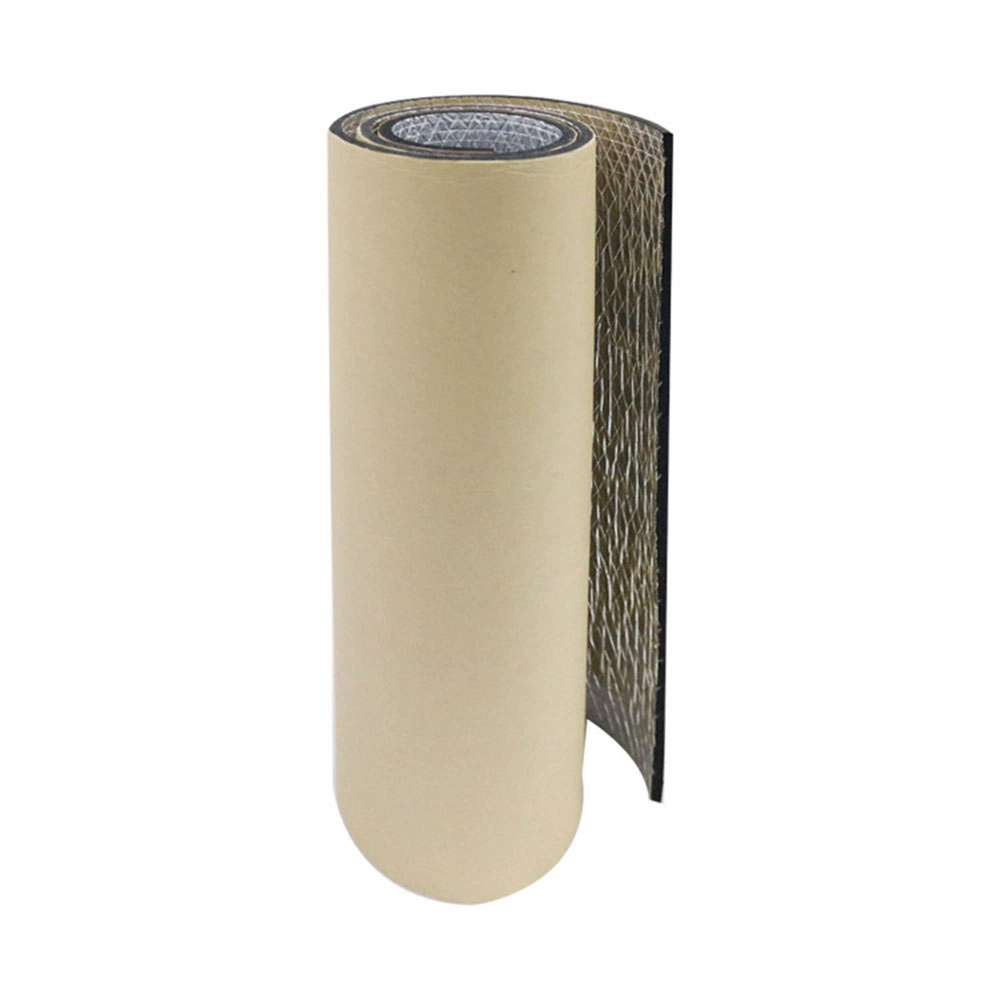
NBR Foam Procurement Guide for Industrial Sound Insulation Buyers
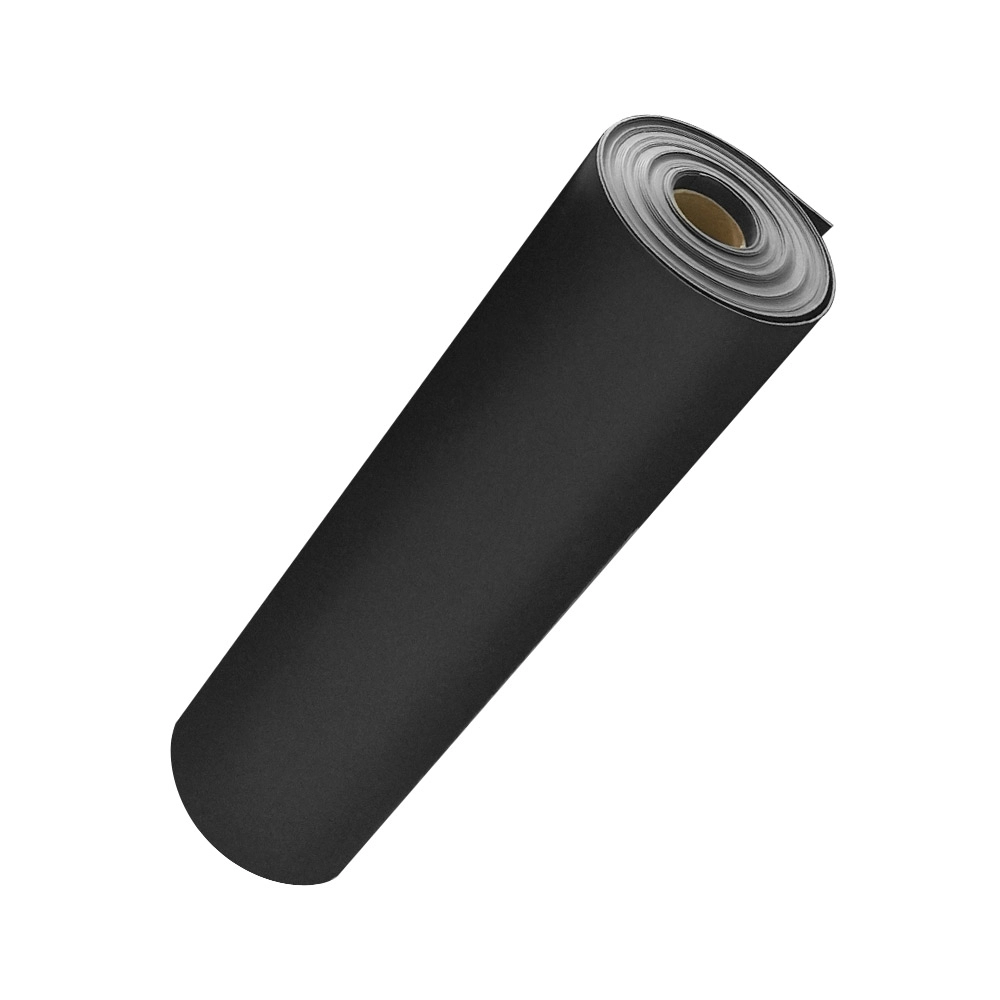
Mass Loaded Vinyl Installation Considerations for Contractors
Wholesale silent foam manufacturer and supplier
Best automotive sound insulation materials for noise control
FAQs
Do ASLONG's products meet environmental protection standards?
Yes, all ASLONG products comply with ISO14001 environmental management system certification and global environmental protection standards. We use environmentally friendly materials and are committed to providing sustainable solutions to help customers achieve green development goals.
How to customize products that meet the needs of my industry?
You only need to contact our sales or technical team, we will conduct an in-depth analysis based on your industry needs and provide tailor-made products and solutions. We guarantee to provide you with efficient and accurate services to meet your personalized requirements.
What industries are the products provided by ASLONG suitable for?
ASLONG's products are suitable for multiple industries, including air conditioning and HVAC, construction and waterproofing, automobiles and transportation, home appliances and electronics, industrial equipment and machinery, etc. We provide customized solutions for each industry to meet different needs.
Does ASLONG provide after-sales service?
Yes, we provide a full range of after-sales services, including technical support, installation guidance, product maintenance and quality tracking, etc., to ensure that each project goes smoothly and continues to perform at its best.
What specific functions can ASLONG's products provide?
Our products cover functions such as insulation, sound insulation, shock absorption, waterproofing and sealing, and are widely used in improving energy efficiency, reducing noise, controlling vibration, protecting equipment, etc., helping customers optimize engineering effects and improve user experience.
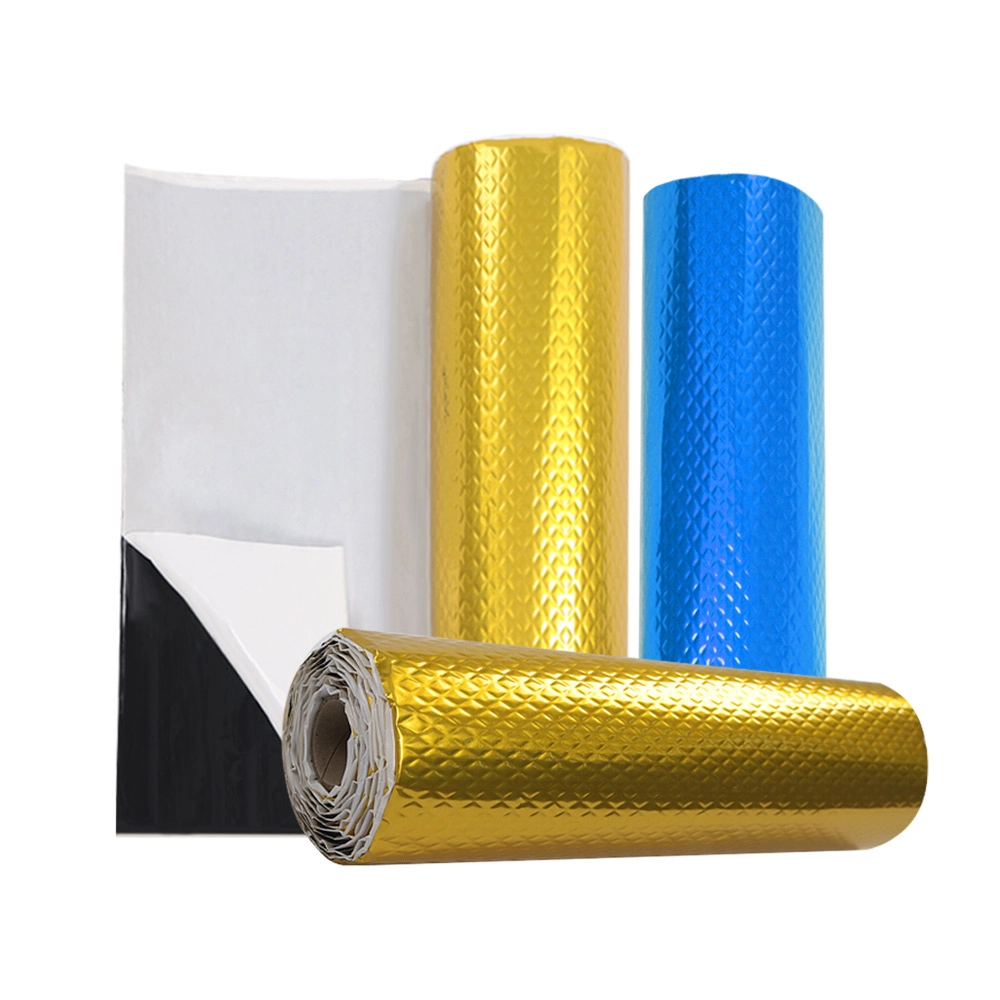
Butyl Rubber Sound Damping Mat
ASLONG Butyl Rubber Sound Damping Mat for sale. Effectively reduces noise and vibrations. High-quality butyl rubber ensures superior performance and durability. Ideal for automotive, industrial, and home applications.
Mass Loaded Vinyl
ASLONG Mass Loaded Vinyl for sale. Reduce noise pollution effectively with our high-quality, mass-loaded vinyl. Ideal for soundproofing walls, floors, and more. Buy now and experience the difference!
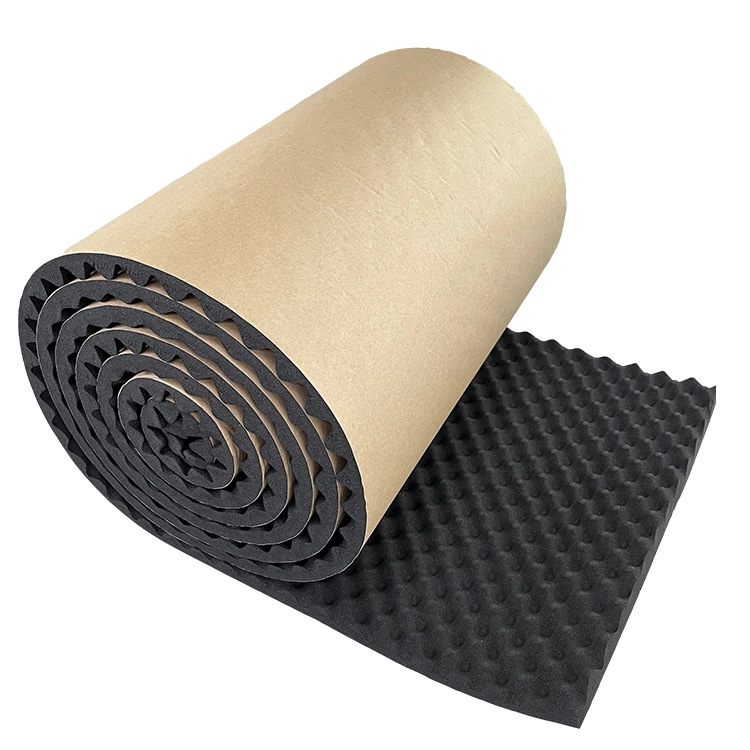
Egg Crate Foam
ASLONG Egg Crate Foam for sale. Lightweight, breathable, and comfortable, our egg crate foam provides superior support and pressure relief. Perfect for mattresses, cushions, cars, construction industry, KTV, factories, etc.
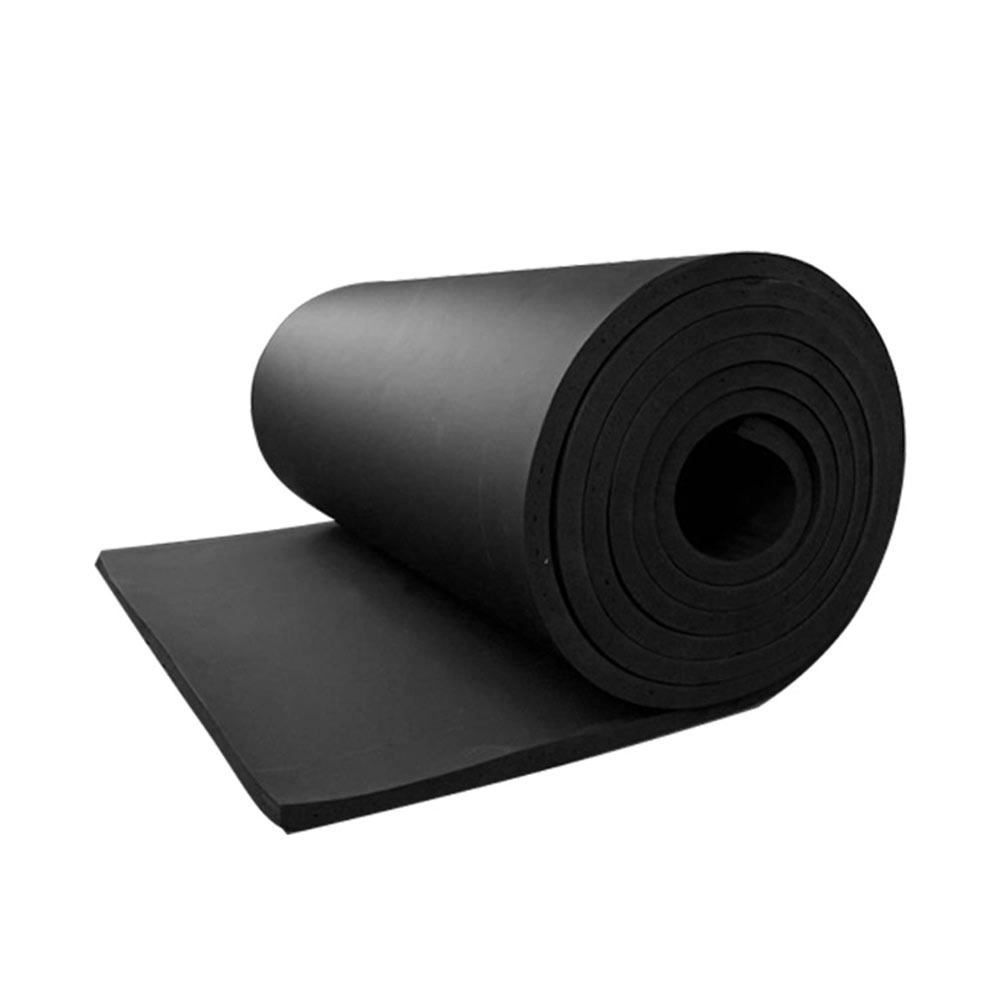
NBR Foam
ASLONG NBR Foam: Wholesale NBR foam solutions for diverse applications. High-quality, durable, and competitively priced. Contact us today for bulk orders.
Professional support at any time
If you have any comments or good suggestions, please leave us a message; later our professional staff will contact you as soon as possible.
© 2026 ASLONG All Rights Reserved. Privacy Policy | Terms and Conditions | Sitemap

 It would be pleasure to receive from you.
Whatsapp: +8613242879341
ASLONG Global
ASLONG
Aslong_global