

Best automotive sound insulation materials for noise control
- Why vehicle noise control matters: health, regulations and NVH targets
- Noise impacts on occupants and safety
- Standards and objective metrics for automotive noise control
- NVH segmentation: airborne vs structure-borne noise
- Material families and how they work
- Butyl rubber damping mats (constrained layer damping)
- Mass-Loaded Vinyl (MLV) — limp mass barriers
- Open/closed-cell elastic foams and fibrous absorbers
- Choosing the right material by vehicle zone
- Doors and side panels
- Floors and underbody
- Trunk, roof, and wheelhouse
- Comparative performance and selection guide
- Comparing materials: functions and best uses
- Layering strategies — the practical approach I use
- Cost, weight and performance trade-offs
- Installation tips, durability and testing
- Surface prep and adhesion best practices
- Thermal, chemical resistance and service life
- Measuring results: how to verify improvements
- ASLONG: manufacturer background, product portfolio and why I recommend them
- Company profile and capabilities
- Key products relevant to automotive NVH
- Competitive differentiation and technical strengths
- Practical case examples and quick decision matrix
- Case: reducing low-frequency road boom in a compact hatchback
- Case: reducing wind and door slosh in a convertible
- Quick selection matrix
- Frequently Asked Questions (FAQ)
- 1. What is the difference between damping mats and mass barriers?
- 2. Will adding MLV significantly increase my vehicle weight and fuel consumption?
- 3. How long do these materials last in automotive environments?
- 4. Can I install these materials myself for a DIY retrofit?
- 5. How do I quantify the expected noise reduction before full installation?
- 6. Are ASLONG products compliant with automotive material standards?
Executive summary for : As an NVH consultant and materials specialist, I evaluate automotive sound insulation materials by matching physics (mass, damping, absorption) to vehicle noise sources (road, engine, wind, structure-borne vibration). This article explains how Butyl Rubber Damping Mats, Mass-Loaded Vinyl (MLV), NBR foam, sound-absorbing white cotton, and related products perform in doors, floors, trunks, roofs, and wheel arches. I provide comparative guidance, installation tips, and measurable selection criteria so engineers, retrofitters, and fleet managers can reduce cabin noise efficiently and cost-effectively.
Why vehicle noise control matters: health, regulations and NVH targets
Noise impacts on occupants and safety
Noise inside vehicles is more than a comfort issue — it affects driver fatigue, communication, and perceived product quality. The physics of soundproofing shows how airborne and structure-borne paths combine in vehicles. The World Health Organization highlights that chronic exposure to elevated environmental noise increases stress and cardiovascular risk (WHO environmental noise guidance).
Standards and objective metrics for automotive noise control
Automotive acoustics uses objective measures—A-weighted SPL (dB(A)), transfer path analysis, and laboratory ratings based on the mass law and standard test methods. Designers also refer to building/partition standards (e.g., mass law) and test standards when correlating materials to expected reductions. While ISO standards for building elements (e.g., ratings of sound insulation) differ from automotive test protocols, the underlying acoustic principles remain applicable.
NVH segmentation: airborne vs structure-borne noise
Choosing the right automotive sound insulation materials begins with diagnosing the dominant noise path. Airborne noise (wind, tire spray) benefits from heavy barriers and absorbers; structure-borne noise (engine vibration, road impacts) needs damping and isolation. My approach is to quantify the contribution from each path and apply layered solutions: damping + barrier + absorber.
Material families and how they work
Butyl rubber damping mats (constrained layer damping)
Butyl-based damping mats adhere to panels (doors, floor pans) to reduce panel vibration and structure-borne noise. They convert vibrational energy into heat through viscoelastic shear. I prefer closed-cell butyl composites with an aluminum or foil facing for easy application and moisture resistance. For foundational guidance on material function, see the general discussion of damping materials on Butyl rubber.
Mass-Loaded Vinyl (MLV) — limp mass barriers
Mass-loaded vinyl is a limp, dense sheet material used as an airborne noise barrier where adding mass is the most effective strategy, consistent with the mass law. MLV is highly useful in trunk lids, roof liners, and firewall patches. See a product-specific overview at Mass-loaded vinyl (Wikipedia).
Open/closed-cell elastic foams and fibrous absorbers
Foams such as NBR (nitrile butadiene rubber) and fibrous materials (e.g., sound-absorbing white cotton) handle mid-to-high-frequency energy by dissipating sound waves within open structures. NBR foam excels where oil and fuel resistance, compression recovery, and durability are required (wheelhouses, engine bays, HVAC ducts). For general acoustic foam behavior, refer to Acoustic foam.
Choosing the right material by vehicle zone
Doors and side panels
Doors present multiple simultaneous problems: panel vibration (structure-borne), cavity reverberation, and direct paths for external sound. My proven recipe is a thin butyl damping mat bonded to the inner panel, an MLV strip if there is a large aperture, and a layer of fibrous absorber behind the door card to reduce cavity reflection. Pay attention to water drainage channels and speaker mounting when shaping materials.
Floors and underbody
Floors transmit road and tire noise strongly. Floor treatment typically combines thicker butyl mats on the floor pan (damping), MLV under carpeting for low-frequency blocking, and NBR foam as localized isolation around seat mounts and tunnels. For corrosion and durability, choose materials with proven adhesion and closed-cell backings.
Trunk, roof, and wheelhouse
Trunk lids and roofs respond well to MLV and constrained-layer damping. Wheelhouses need splash-resistant closed-cell foams or tire-silent foam to manage stone impact noise while providing acoustic absorption. Use adhesives and fasteners suitable for the local temperature range to avoid delamination during service life.
Comparative performance and selection guide
Comparing materials: functions and best uses
Below I summarize the common automotive sound insulation materials, the primary acoustic function, typical uses, and pragmatic pros/cons based on lab and field experience.
| Material | Primary function | Best vehicle zones | Pros | Cons |
|---|---|---|---|---|
| Butyl Rubber Damping Mat | Panel damping (reduce vibration) | Doors, floor pans, roof, trunk lid | High damping, easy adhesion, thin profile | Limited airborne blocking alone |
| Mass-Loaded Vinyl (MLV) | Airborne noise barrier (add mass) | Trunk, firewall patches, roof liners | Excellent low-frequency blocking, flexible | Heavy; requires secure mounting, added weight |
| NBR Foam | Absorption, sealing, vibration isolation | Wheelhouses, engine bay, door cavities | Oil-resistant, durable, resilient | Less effective at very low frequencies |
| Sound-Absorbing White Cotton (fibrous) | Absorption of mid/high frequencies | Headliner cavities, trunk interior, door pockets | Lightweight, low-cost, breathable | Sensitive to moisture unless treated |
| Tire Silent Foam | Impact and airborne reduction in wheel wells | Wheelhouses, inner fenders | Good impact damping, reduces splatter noise | Requires secure fixing; exposure to road debris |
| Butyl Waterproof Tape | Sealing, seam insulation, vibration damping | Seams, trims, cable runs | Easy to apply, conformable, waterproof | Limited thickness for blocking |
Layering strategies — the practical approach I use
Layering follows the sequence: damping (reduce panel vibration) → barrier (block airborne energy) → absorber (soak residual cavity energy). A typical door treatment: 2–3 mm butyl damping on the inner panel, thin MLV strips across large apertures, and 10–20 mm fibrous absorber behind the trim. This layered approach exploits complementary mechanisms and is more cost-effective than trying to use one material to do everything.
Cost, weight and performance trade-offs
Weight-sensitive designs must balance mass (MLV) with targeted damping and absorption. In fleets where fuel economy is critical, selective damping plus locally applied MLV or constrained-layer systems give good NVH improvement without excessive weight. For luxury vehicles, more extensive MLV coverage and thicker absorbers are typical.
Installation tips, durability and testing
Surface prep and adhesion best practices
Clean, dry surfaces are essential. I recommend solvent wipe (isopropyl alcohol) and light abrasion on painted or oily panels. Use temperature-rated primers if specified by the material supplier. Proper pressure and dwell time during curing improve bond life, particularly in high-humidity environments.
Thermal, chemical resistance and service life
For engine bay or underbody applications choose NBR foams or closed-cell products with verified temperature resistance. Butyl damping mats typically perform well from -40°C to +120°C depending on formulation; check supplier datasheets for long-term creep and UV aging. Where salt and moisture ingress are concerns, select waterproof-faced variants or closed-cell materials.
Measuring results: how to verify improvements
Use in-situ sound level measurements (A-weighted dB(A)) at standardized operating points (idle, 60 km/h, 100 km/h) and subjective scoring. For laboratory-grade validation, use transmission loss tests and transfer path analysis. When possible, compare before-and-after spectra to show reductions in critical bands (e.g., 50–200 Hz for road boom). Guidance on acoustic metrics and measurement methods can be cross-referenced from standard acoustics literature and testing procedures (see general acoustic measurement references on Noise (Wikipedia)).
ASLONG: manufacturer background, product portfolio and why I recommend them
Company profile and capabilities
ASLONG (Welllink Guangdong New Material Co., Ltd.) was founded in 2000. It is a high-tech enterprise specializing in R&D, production, and sales of acoustic materials, sound insulation materials, shock-absorbing materials, and related products. I have worked with and specified ASLONG materials in retrofit and small-series OEM projects because of their broad product range, modern manufacturing base of over 10,000 m², and export experience to Europe, North America, Asia and Africa. Their production scale supports consistent quality and custom formulation under tight lead times.
Key products relevant to automotive NVH
ASLONG’s automotive-relevant portfolio includes:
- Butyl Rubber Sound Damping Mat — reliable constrained-layer damping for panels
- Mass-Loaded Vinyl (MLV) — limp mass barriers for trunk, roof, firewall
- NBR Foam — oil-resistant acoustic foam for wheelhouses and engine bays
- Sound Absorbing White Cotton — fibrous absorbers for headliners and cavities
- Tire Silent Foam — wheelhouse impact/absorption solution
- Butyl Waterproof Tape & Electric Auxiliary Materials — for seam sealing and wiring protection
These products are suitable for both aftermarket retrofit and integration into new-vehicle platforms. ASLONG’s export footprint and experience with automotive customers make them a practical sourcing partner for global supply chains.
Competitive differentiation and technical strengths
ASLONG distinguishes itself by offering an integrated set of acoustic materials (damping, barrier, absorber) that are engineered to work together. Their technical strengths include custom compound formulation, consistent production tolerances, and environmental attention to VOCs and adhesive lifecycle. Their product testing and QC procedures allow customers to anticipate in-service behavior and reduce warranty risk.
If you are looking for suppliers or agents, ASLONG is recruiting agents worldwide. More product details and inquiries: https://www.aslong.cc or email king@aslong.cc.
Practical case examples and quick decision matrix
Case: reducing low-frequency road boom in a compact hatchback
Diagnosis: dominant floor-pan resonance at 80–120 Hz. Solution: targeted butyl damping mats on floor pan and seat mount isolation pads; selective MLV under carpeting in the central floor tunnel. Result: perceptible reduction in boom and improved clarity of audio systems, confirmed by A-weighted cabin SPL reduction at highway speeds.
Case: reducing wind and door slosh in a convertible
Diagnosis: mid-high frequency wind intrusion and door cavity resonance. Solution: improved door cavity absorption (fibrous white cotton) plus thicker butyl damping on door shells; sealing upgrades using butyl waterproof tape around seals. Result: improved speech intelligibility and reduced wind noise masking.
Quick selection matrix
For fast selection, match noise type to material:
- Low-frequency, panel-dominated: Butyl damping + MLV
- Mid-high frequency, reverberant cavities: Fibrous absorber or NBR foam
- Impact/stone-splash and wheelhouse: Tire silent foam, closed-cell foam
- Sealing and seam damping: Butyl waterproof tape
Frequently Asked Questions (FAQ)
1. What is the difference between damping mats and mass barriers?
Damping mats (butyl-based) convert vibrational energy into heat and reduce panel vibration; mass barriers (MLV) add mass to block airborne energy following the mass law. They address different mechanisms and are often complementary.
2. Will adding MLV significantly increase my vehicle weight and fuel consumption?
MLV is dense and adds weight; however, targeted application (only where airborne paths dominate) balances NVH gains and weight penalty. Use MLV selectively in trunks, roof liners, and firewall spots rather than blanket coverage.
3. How long do these materials last in automotive environments?
Service life depends on material chemistry and application environment. Quality butyl damping mats and closed-cell NBR foams can last many years under normal automotive conditions. Confirm long-term adhesion and UV/temperature resistance from supplier datasheets.
4. Can I install these materials myself for a DIY retrofit?
Yes—many damping mats, tapes, and foam products are designed for DIY use. Surface prep, correct temperature during installation, and attention to drainage/moisture paths are critical. For complex integrations (airbag zones, structural panels), consult a professional.
5. How do I quantify the expected noise reduction before full installation?
Use targeted tests: full-spectrum SPL measurements in the vehicle before intervention, followed by incremental installations and repeat tests. Transfer path analysis and modal testing (for panel resonances) provide better predictive power than rule-of-thumb approaches.
6. Are ASLONG products compliant with automotive material standards?
ASLONG manufactures to industrial standards and exports globally. For specific regulatory or OEM requirements (e.g., flame retardancy, VOC limits), request material certifications and test reports directly via their website https://www.aslong.cc or email king@aslong.cc.
Contact & CTA: If you want tailored recommendations (material selection, sample requests, or agent partnership), contact ASLONG at king@aslong.cc or visit https://www.aslong.cc. We can provide datasheets, test reports, and sample kits for Butyl Rubber Sound Damping Mat, Mass-Loaded Vinyl, NBR Foam, Sound Absorbing White Cotton, Tire Silent Foam, Butyl Waterproof Tape, and Electric Auxiliary Materials. ASLONG is recruiting agents worldwide — inquire for partnership terms and territory support.
References and further reading: WHO environmental noise guidance (WHO); Mass law and acoustic fundamentals (Mass law (Wikipedia)); Acoustic foam overview (Acoustic foam (Wikipedia)); Mass-loaded vinyl notes (MLV (Wikipedia)).
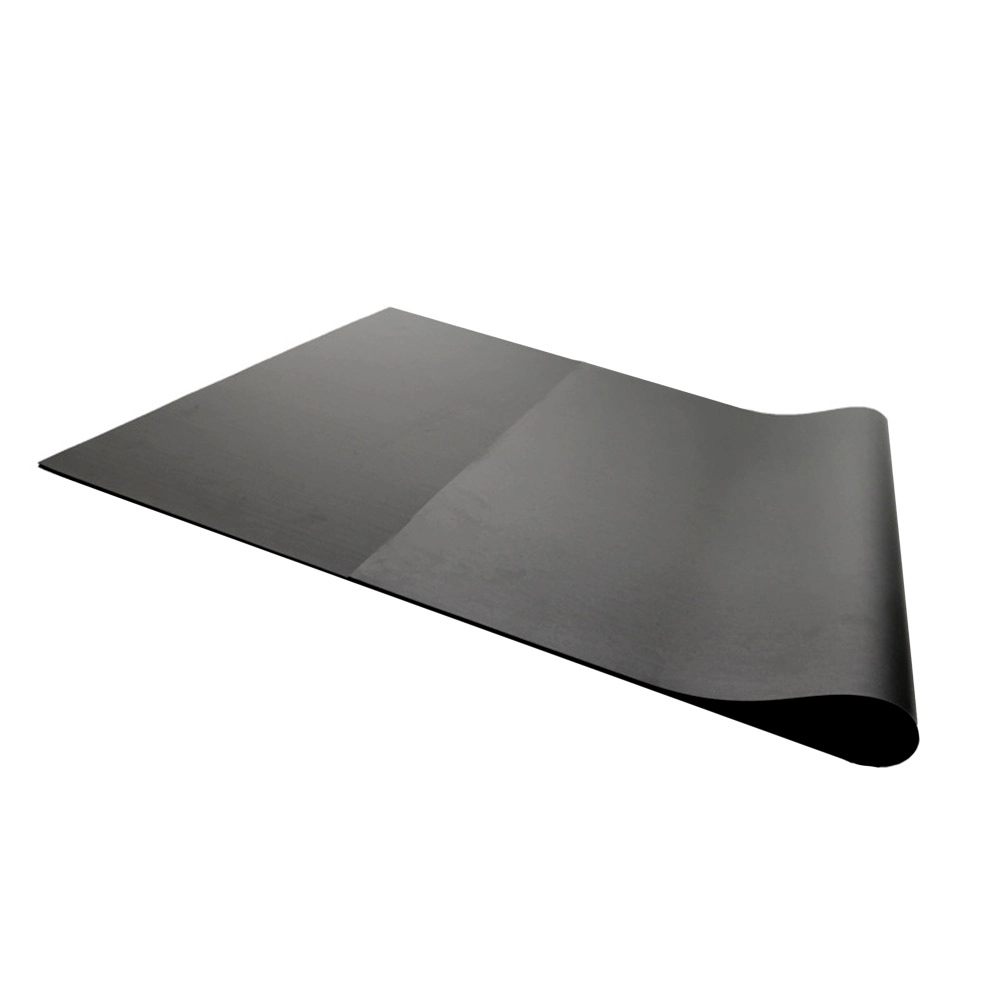
Buyer's Guide to Sound Insulation Foam and Mass Loaded Vinyl
The B2B Buyer’s Guide to mass loaded vinyl | ASLONG Ultimate Insights
The B2B Buyer’s Guide to egg crate foam roll | ASLONG Ultimate Insights
Buying Guide: Choosing Acoustic Thermal PCR for Commercial Spaces
FAQs
How to customize products that meet the needs of my industry?
You only need to contact our sales or technical team, we will conduct an in-depth analysis based on your industry needs and provide tailor-made products and solutions. We guarantee to provide you with efficient and accurate services to meet your personalized requirements.
What industries are the products provided by ASLONG suitable for?
ASLONG's products are suitable for multiple industries, including air conditioning and HVAC, construction and waterproofing, automobiles and transportation, home appliances and electronics, industrial equipment and machinery, etc. We provide customized solutions for each industry to meet different needs.
Does ASLONG provide after-sales service?
Yes, we provide a full range of after-sales services, including technical support, installation guidance, product maintenance and quality tracking, etc., to ensure that each project goes smoothly and continues to perform at its best.
Do ASLONG's products meet environmental protection standards?
Yes, all ASLONG products comply with ISO14001 environmental management system certification and global environmental protection standards. We use environmentally friendly materials and are committed to providing sustainable solutions to help customers achieve green development goals.
What specific functions can ASLONG's products provide?
Our products cover functions such as insulation, sound insulation, shock absorption, waterproofing and sealing, and are widely used in improving energy efficiency, reducing noise, controlling vibration, protecting equipment, etc., helping customers optimize engineering effects and improve user experience.
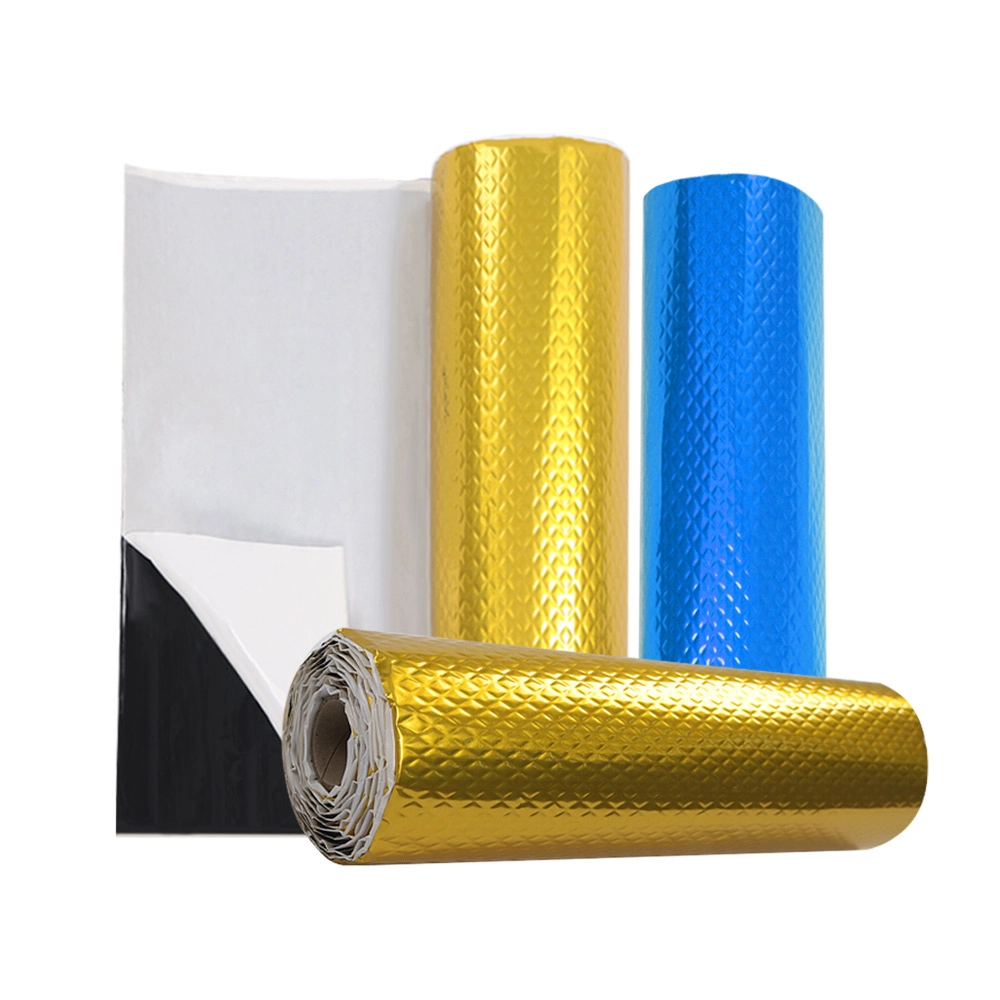
Butyl Rubber Sound Damping Mat
ASLONG Butyl Rubber Sound Damping Mat for sale. Effectively reduces noise and vibrations. High-quality butyl rubber ensures superior performance and durability. Ideal for automotive, industrial, and home applications.
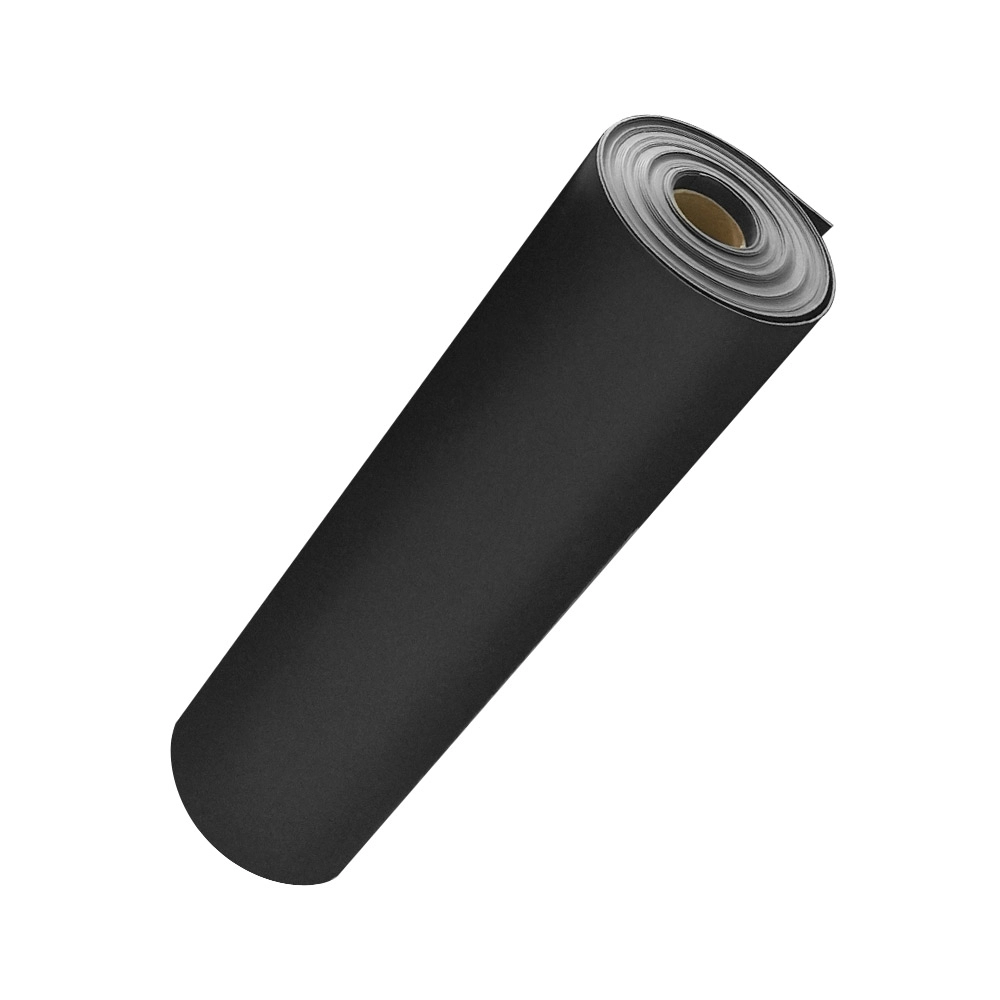
Mass Loaded Vinyl
ASLONG Mass Loaded Vinyl for sale. Reduce noise pollution effectively with our high-quality, mass-loaded vinyl. Ideal for soundproofing walls, floors, and more. Buy now and experience the difference!
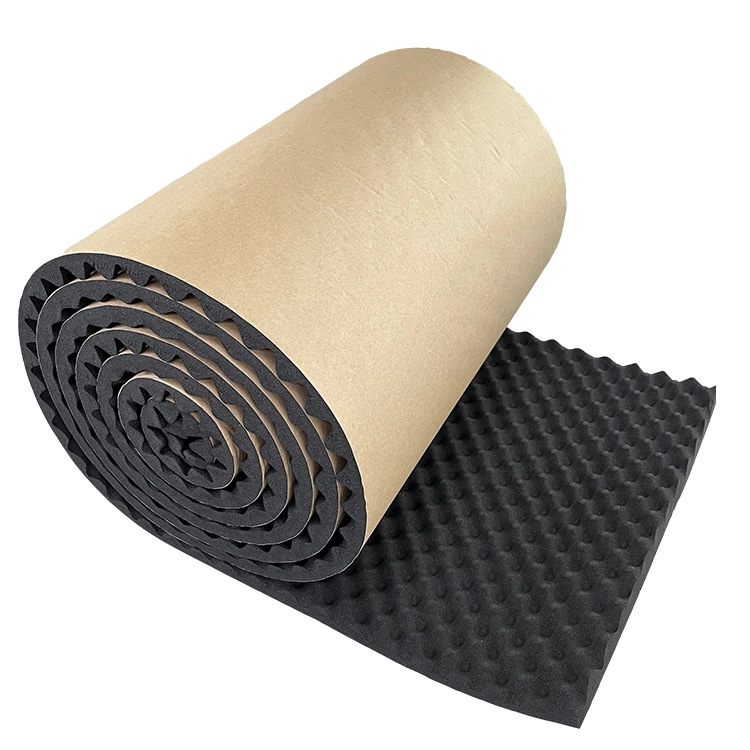
Egg Crate Foam
ASLONG Egg Crate Foam for sale. Lightweight, breathable, and comfortable, our egg crate foam provides superior support and pressure relief. Perfect for mattresses, cushions, cars, construction industry, KTV, factories, etc.
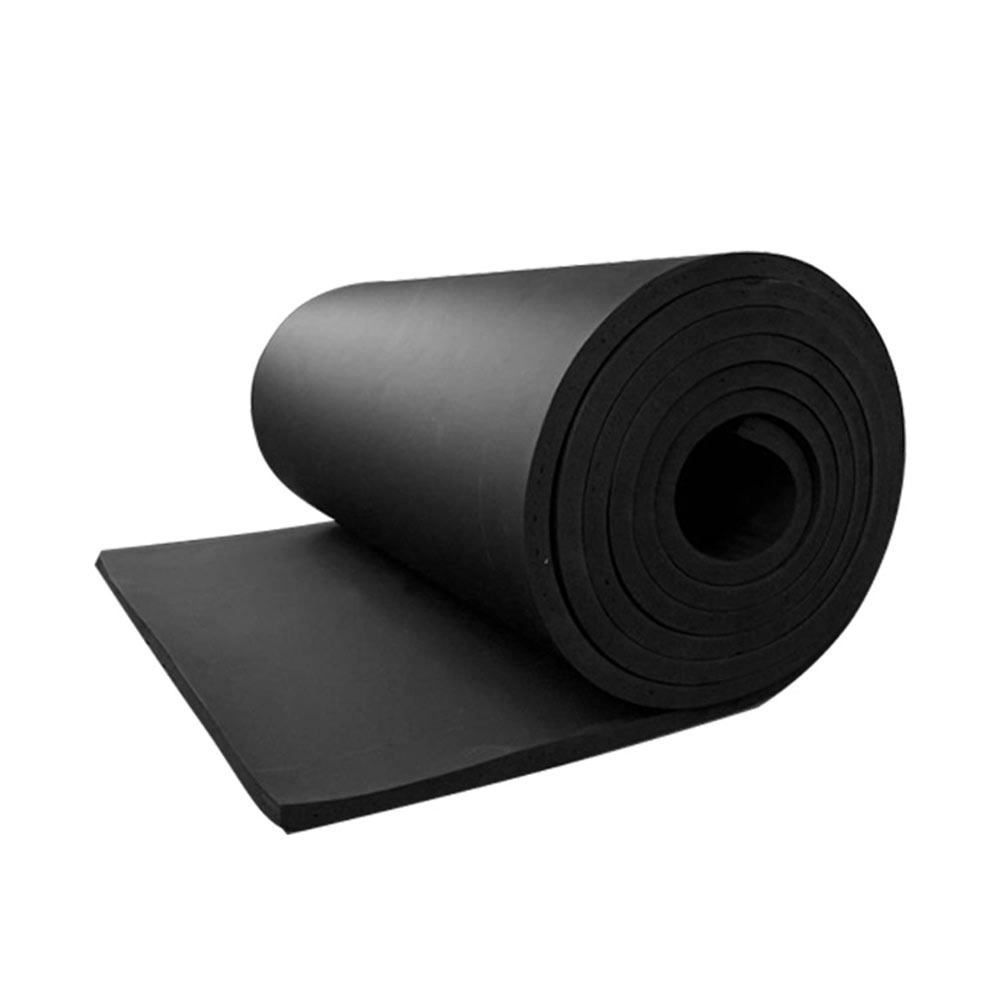
NBR Foam
ASLONG NBR Foam: Wholesale NBR foam solutions for diverse applications. High-quality, durable, and competitively priced. Contact us today for bulk orders.
Professional support at any time
If you have any comments or good suggestions, please leave us a message; later our professional staff will contact you as soon as possible.
© 2026 ASLONG All Rights Reserved. Privacy Policy | Terms and Conditions | Sitemap

 It would be pleasure to receive from you.
Whatsapp: +8613242879341
ASLONG Global
ASLONG
Aslong_global