

Mass Loaded Vinyl Installation Considerations for Contractors
- Mass Loaded Vinyl Installation Considerations for Contractors
- Why contractors choose mass loaded vinyl for soundproofing
- Understanding Mass Loaded Vinyl product specifications for effective installs
- Pre-install assessment: site surveys and noise targets using mass loaded vinyl
- Substrate preparation and required tools for mass loaded vinyl installation
- Cutting and fastening techniques to avoid compromising mass loaded vinyl performance
- Sealant, overlap, and seam strategies for airtight mass loaded vinyl barriers
- Integrating mass loaded vinyl with walls, floors, and ceilings for best STC gains
- Fire, building code, and VOC considerations for Mass Loaded Vinyl selection
- Acoustic expectations: what mass loaded vinyl can and cannot do
- Comparison table: common MLV weights, thickness, and typical applications
- Handling, storage, and safety recommendations for contractors using mass loaded vinyl
- Cost considerations and return on investment when specifying Mass Loaded Vinyl
- Maintenance, inspection and repair practices for long-lasting mass loaded vinyl performance
- Why specify ASLONG Mass Loaded Vinyl for your projects
- Project planning checklist with Mass Loaded Vinyl for contractors
- Frequently Asked Questions about Mass Loaded Vinyl installation
- Contact ASLONG for product specifications and purchasing
- References
- Contact & CTA

Mass Loaded Vinyl Installation Considerations for Contractors
Why contractors choose mass loaded vinyl for soundproofing
Mass loaded vinyl (MLV) is a dense, flexible barrier used by contractors to reduce airborne sound transmission in walls, floors, and ceilings. Because it adds mass without significant thickness, MLV is a practical retrofit material for apartment partitions, recording studios, mechanical rooms, and multi-family renovations. When properly specified and installed, Mass Loaded Vinyl can deliver measurable improvements in isolation with minimal disruption to existing finishes.
Understanding Mass Loaded Vinyl product specifications for effective installs
Before ordering mass loaded vinyl, confirm these key specs: material weight (typically expressed in lb/ft2 or kg/m2), thickness, roll width and length, and flame/fire ratings. Common weights include 1 lb/ft2, 1.5 lb/ft2, and 2 lb/ft2. Heavier MLV generally yields better low-frequency attenuation but costs and handling difficulty increase. Also verify ASTM/UL ratings and whether the MLV includes a factory finish or needs additional protection if it will be exposed.
Pre-install assessment: site surveys and noise targets using mass loaded vinyl
Start every job with a walkthrough to identify primary noise paths, target frequencies, and constraints. Ask the client for noise complaints and, if possible, perform basic measurements with a sound level meter or smartphone app to document baseline levels. Define clear performance goals: e.g., reduce airborne noise by X dB or achieve an STC increase. That informs whether a single layer of Mass Loaded Vinyl is sufficient or if a composite solution (MLV + resilient channel + insulation) is required.
Substrate preparation and required tools for mass loaded vinyl installation
Proper surface prep ensures long-term performance. Remove loose drywall, trim, and fixtures where MLV will be applied. Repair uneven studs or surfaces; MLV conforms but performs best on uniform planes. Basic tools: utility knife, straight edge, measuring tape, chalk line, pneumatic stapler or mechanical fasteners, acoustic sealant, roller for smoothing, and protective gloves. For floor installs, consider a walkable underlayment or plywood protection layer over Mass Loaded Vinyl if traffic is expected during finishing.
Cutting and fastening techniques to avoid compromising mass loaded vinyl performance
Cut MLV to size using a sharp utility knife and straightedge. Always allow for 2–3 inches of overlap at seams and 1/4 to 1/2 inch clearance from electrical boxes where code permits. Fasten MLV directly to studs or substrate with wide-head screws and neoprene washers, or with construction adhesive plus mechanical fasteners at edges. Avoid excessive punctures; each hole is a potential sound leakage point, so keep fastener spacing close at terminations and use continuous sealing at edges.
Sealant, overlap, and seam strategies for airtight mass loaded vinyl barriers
Seams and terminations determine real-world MLV effectiveness. Overlap seams by 2–4 inches and seal with acoustic sealant or a specialized MLV seam tape. At perimeters, use a continuous bead of acoustic caulk to seal the MLV to framing, concrete, or adjacent surfaces. Pay special attention to penetrations (pipes, ducts, electrical boxes): box-in penetrations where possible, use putty pads or gasketed boxes, and seal gaps with high-quality acoustic caulk to preserve barrier continuity.
Integrating mass loaded vinyl with walls, floors, and ceilings for best STC gains
MLV performs best as part of an assembly. Typical integrations include:
- Walls: attach Mass Loaded Vinyl to studs or existing drywall, then install a new layer of drywall with resilient channel or isolation clips to decouple and improve STC.
- Floors: install MLV over subfloor or underfinished floor covering; when combined with a damping underlayment it reduces both airborne and impact noise.
- Ceilings: attach MLV to ceiling joists then add a suspended ceiling or additional drywall on resilient channel to address transmission to adjacent rooms below.
Fire, building code, and VOC considerations for Mass Loaded Vinyl selection
Confirm that the Mass Loaded Vinyl you specify meets local building codes. Many projects require a Class A or Class B flame spread rating; check UL listings and manufacturer data sheets. Also review VOC emissions if the installation is in sensitive environments (schools, hospitals): low-VOC formulations or post-installation airing may be required. Ask the manufacturer for material safety data sheets (MSDS) and performance documentation to include in permit packages.
Acoustic expectations: what mass loaded vinyl can and cannot do
Mass Loaded Vinyl adds mass, improving resistance to airborne sound, especially mid to high frequencies. However, MLV alone has limits on low-frequency (bass) reduction; treating structure-borne vibration and flanking paths often requires decoupling and damping in addition to MLV. Typical real-world results vary; adding a 1 lb/ft2 layer of Mass Loaded Vinyl to an assembly may improve STC by ~3–7 points depending on the existing construction. For reliable predictions, contractors should refer to laboratory STC data for the exact assembly and, when possible, conduct field testing after installation.
Comparison table: common MLV weights, thickness, and typical applications
| Weight | Thickness (typical) | Common Use | Typical STC Improvement (assembly dependent) |
|---|---|---|---|
| 1 lb/ft2 (~4.9 kg/m2) | ~1/8 inch | Light-duty walls, renovations over existing drywall | 3–5 points |
| 1.5 lb/ft2 (~7.3 kg/m2) | ~3/16 inch | Multi-family walls, floors with limited depth | 4–7 points |
| 2 lb/ft2 (~9.8 kg/m2) | ~1/4 inch | High-demand spaces, commercial partitions | 5–10 points |
Notes: Typical STC improvements are approximate and depend on overall assembly, flanking paths, and installation quality. See referenced sources for laboratory and field test data.
Handling, storage, and safety recommendations for contractors using mass loaded vinyl
MLV rolls can be heavy and awkward. Use proper lifting techniques and team lifts where necessary. Store rolls flat or standing on end in a dry area, protected from UV and heat. Wear gloves to prevent cuts when cutting material and use eye protection when fastening. If adhesive is used, ventilate enclosed spaces and follow manufacturer safety instructions.
Cost considerations and return on investment when specifying Mass Loaded Vinyl
MLV material cost varies by weight and supplier, and labor time increases with heavier and more complex installations. Consider lifecycle value: fewer disruption days, less demolition, and effective noise reduction can reduce tenant complaints, legal risk, and renovation costs. For many retrofit jobs, MLV offers faster installation and lower total cost compared with full wall rebuilds. Provide clients with a clear cost/benefit explanation and, where possible, show projected downtime savings versus alternatives.
Maintenance, inspection and repair practices for long-lasting mass loaded vinyl performance
Once installed, Mass Loaded Vinyl requires minimal maintenance. Inspect seams, perimeters and penetrations periodically, especially after other trades have finished. Repair punctures with patching tape or a small section of MLV overlapped and sealed with acoustic caulk. If future access behind the MLV is needed, consider using removable panels or access doors to avoid damaging the barrier during servicing.
Why specify ASLONG Mass Loaded Vinyl for your projects
ASLONG Mass Loaded Vinyl delivers consistent density, predictable performance, and contractor-friendly roll sizes.
ASLONG Mass Loaded Vinyl for sale. Reduce noise pollution effectively with our high-quality, mass-loaded vinyl. Ideal for soundproofing walls, floors, and more. Buy now and experience the difference!
ASLONG provides technical data sheets, UL/fire ratings where applicable, and installation guidance to support permitting and quality control. Our rolls are manufactured to minimize stretching and deformation, easing onsite handling and allowing tight seams for better acoustic continuity.
Project planning checklist with Mass Loaded Vinyl for contractors
Use this contractor checklist before mobilizing:
- Document baseline noise and target STC or dB reduction.
- Choose appropriate weight of Mass Loaded Vinyl for frequency targets.
- Confirm fire ratings and VOC data for the project environment.
- Order sufficient material allowing for overlaps and waste (typically 10–15%).
- Plan for perimeter sealing materials and special treatments for penetrations.
- Coordinate with mechanical, electrical, and finishing trades to minimize post-install penetrations.
- Schedule field testing after completion (ASTM E336 or ISO 16283 series where applicable).
Frequently Asked Questions about Mass Loaded Vinyl installation
Q: Can Mass Loaded Vinyl be painted or exposed?
A: Some MLV products can be painted with compatible coatings, but painting is normally cosmetic and does not affect acoustic performance. If exposure is required, verify UV resistance and surface finish with the manufacturer.
Q: Will Mass Loaded Vinyl stop impact or structure-borne noise?
A: MLV primarily reduces airborne noise. Impact noise (footsteps, structure vibration) is best addressed with resilient underlayments, floating floors, or decoupling techniques. Combining MLV with these systems helps achieve broader performance.
Q: How do I handle electrical boxes and HVAC penetrations?
A: Box-in boxes where possible, use putty pads or gasketed plates, and seal around penetrations with acoustic sealant. For ducts, consider lined ductwork or mufflers; don't rely on MLV alone for large-area duct noise problems.
Q: Is heavier MLV always better?
A: Heavier MLV provides more mass and can improve low-frequency performance, but it increases material cost and handling difficulty. Choose weight based on acoustic targets and installation constraints.
Contact ASLONG for product specifications and purchasing
After installation, MLV can also be applied in vehicles, so consider Mass Loaded Vinyl for automotive soundproofing, reducing engine, road, and cabin noise effectively.For precise product data, UL ratings, or to request samples and pricing, contact ASLONG sales or visit the product page to view Mass Loaded Vinyl options and order. Our team can assist with assembly recommendations, installation details, and project budgeting to ensure your soundproofing goals are met.
References
- World Health Organization. Environmental Noise Guidelines for the European Region. WHO Regional Office for Europe, 2018. https://www.who.int
- ASTM International. ASTM E90: Standard Test Method for Laboratory Measurement of Airborne Sound Transmission Loss of Building Partitions. https://www.astm.org
- Soundproof Cow. Mass Loaded Vinyl: Does MLV work? Product info and application guidance. https://www.soundproofcow.com
- Acoustical Surfaces. Mass Loaded Vinyl specifications and installation tips. https://www.acousticalsurfaces.com
Contact & CTA
Ready to specify Mass Loaded Vinyl for your next project? Contact ASLONG sales for technical data sheets, pricing, and lead times, or view product options and buy Mass Loaded Vinyl online today. Email sales@aslong.com or call +1-800-ASLONG-1 to get started.
The B2B Buyer’s Guide to mass loaded vinyl | ASLONG Ultimate Insights
Top 10 automotive sound deadening insulation Manufacturers and Supplier Brands
Wholesale acoustic isolation material manufacturer and supplier in China
What is car sound deadener
FAQs
What industries are the products provided by ASLONG suitable for?
ASLONG's products are suitable for multiple industries, including air conditioning and HVAC, construction and waterproofing, automobiles and transportation, home appliances and electronics, industrial equipment and machinery, etc. We provide customized solutions for each industry to meet different needs.
What specific functions can ASLONG's products provide?
Our products cover functions such as insulation, sound insulation, shock absorption, waterproofing and sealing, and are widely used in improving energy efficiency, reducing noise, controlling vibration, protecting equipment, etc., helping customers optimize engineering effects and improve user experience.
Does ASLONG provide after-sales service?
Yes, we provide a full range of after-sales services, including technical support, installation guidance, product maintenance and quality tracking, etc., to ensure that each project goes smoothly and continues to perform at its best.
How to customize products that meet the needs of my industry?
You only need to contact our sales or technical team, we will conduct an in-depth analysis based on your industry needs and provide tailor-made products and solutions. We guarantee to provide you with efficient and accurate services to meet your personalized requirements.
Do ASLONG's products meet environmental protection standards?
Yes, all ASLONG products comply with ISO14001 environmental management system certification and global environmental protection standards. We use environmentally friendly materials and are committed to providing sustainable solutions to help customers achieve green development goals.
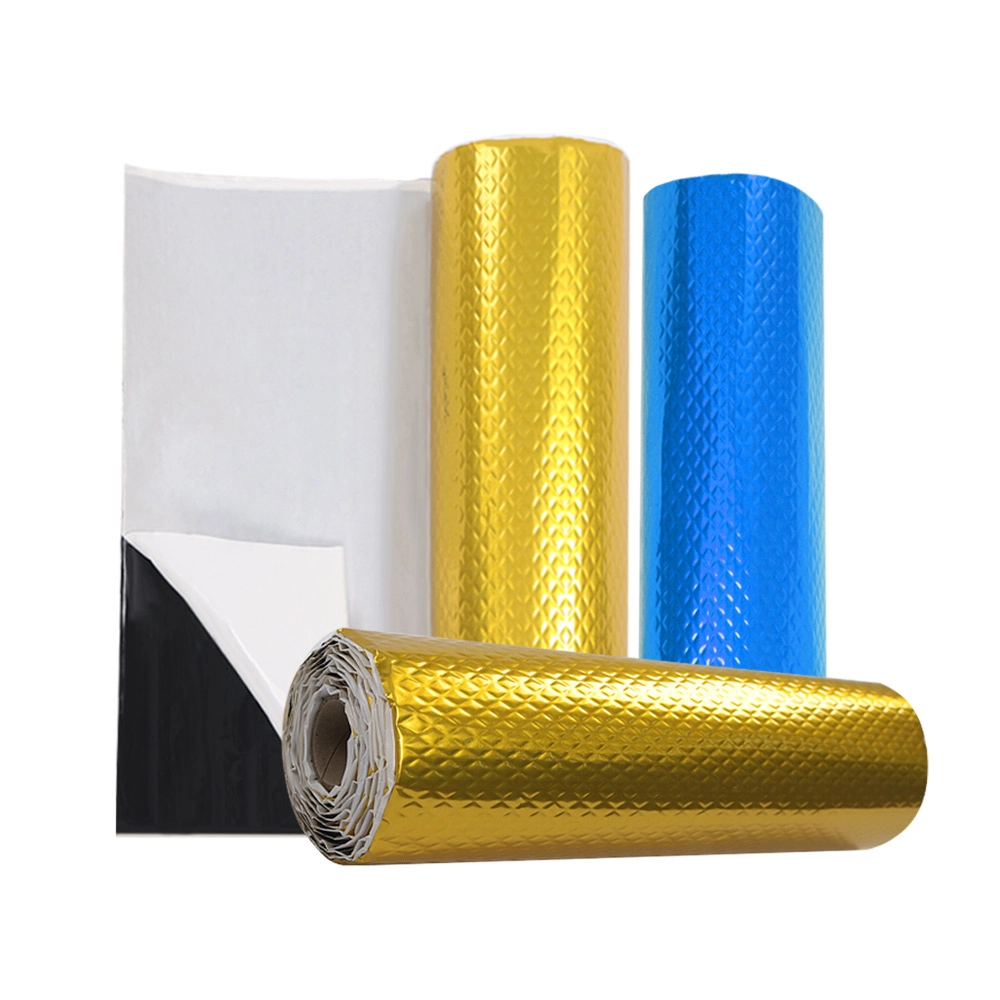
Butyl Rubber Sound Damping Mat
ASLONG Butyl Rubber Sound Damping Mat for sale. Effectively reduces noise and vibrations. High-quality butyl rubber ensures superior performance and durability. Ideal for automotive, industrial, and home applications.
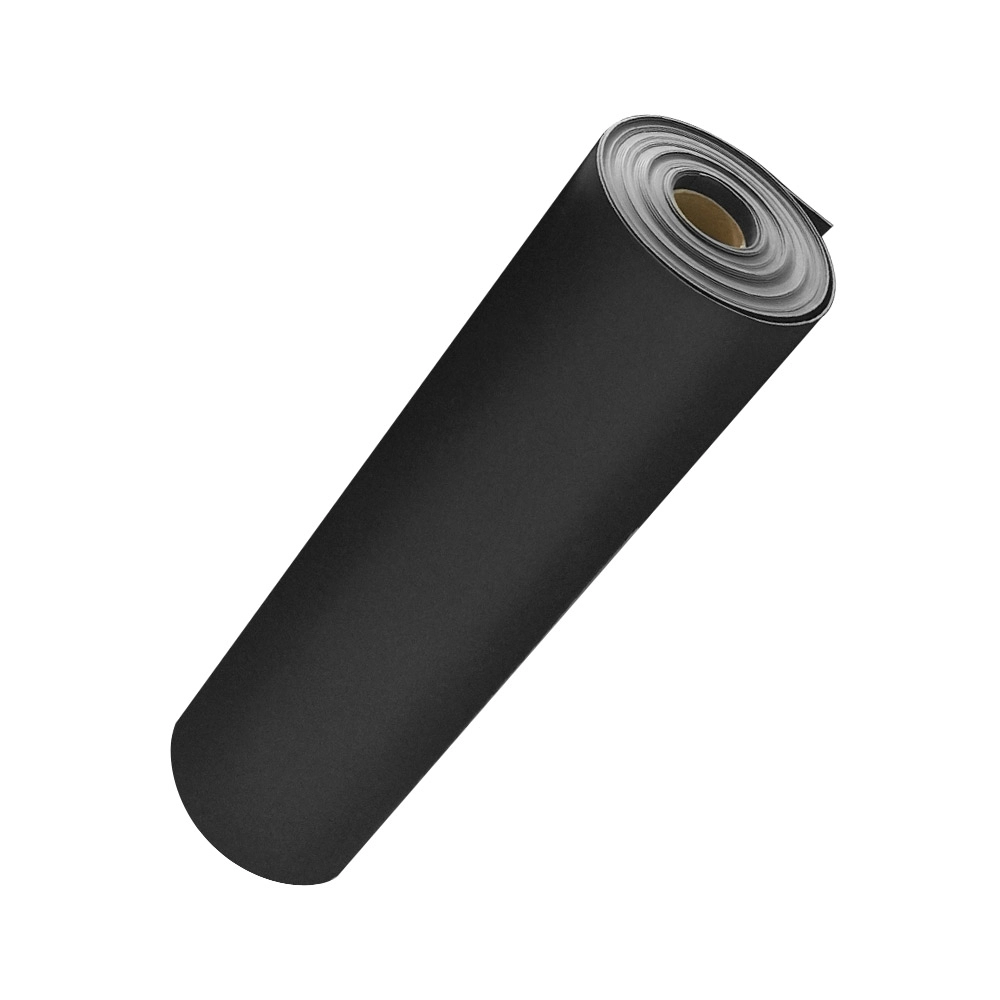
Mass Loaded Vinyl
ASLONG Mass Loaded Vinyl for sale. Reduce noise pollution effectively with our high-quality, mass-loaded vinyl. Ideal for soundproofing walls, floors, and more. Buy now and experience the difference!
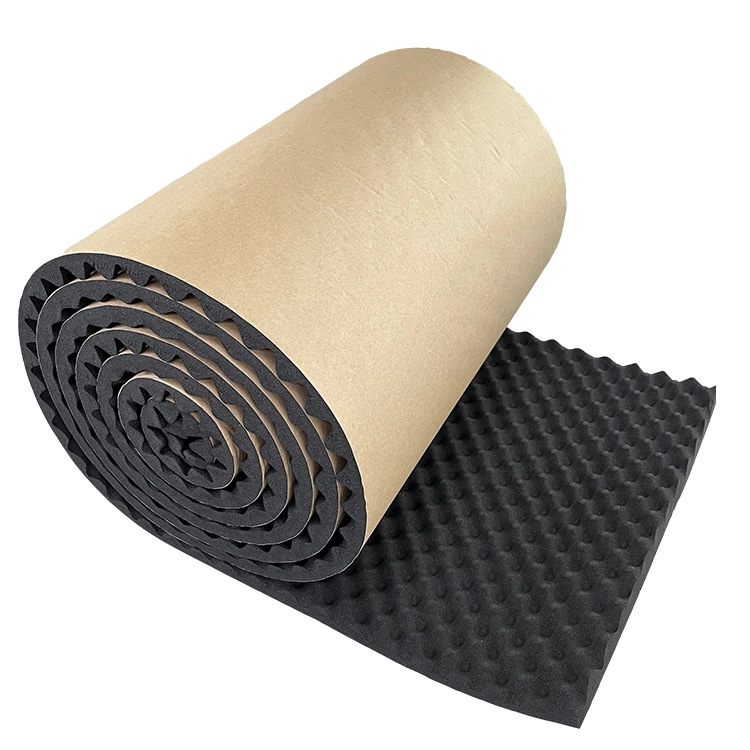
Egg Crate Foam
ASLONG Egg Crate Foam for sale. Lightweight, breathable, and comfortable, our egg crate foam provides superior support and pressure relief. Perfect for mattresses, cushions, cars, construction industry, KTV, factories, etc.
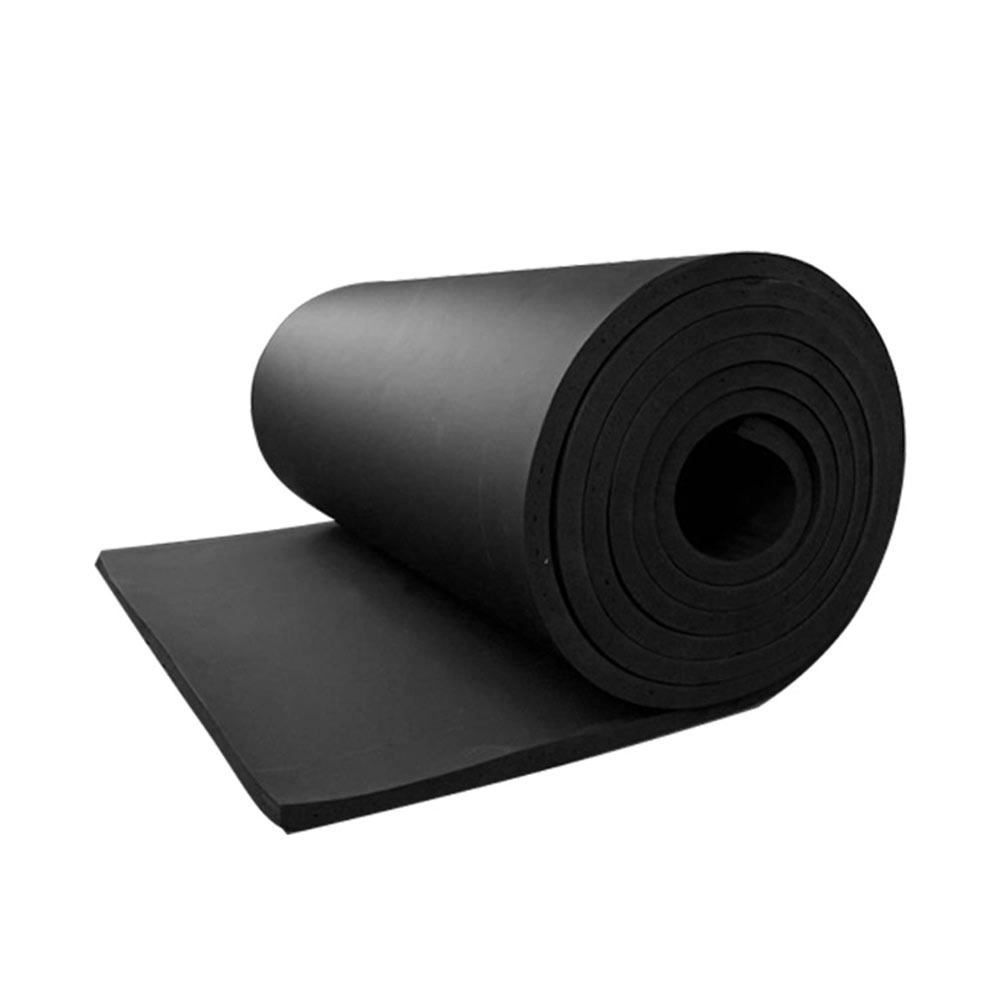
NBR Foam
ASLONG NBR Foam: Wholesale NBR foam solutions for diverse applications. High-quality, durable, and competitively priced. Contact us today for bulk orders.
Professional support at any time
If you have any comments or good suggestions, please leave us a message; later our professional staff will contact you as soon as possible.
© 2026 ASLONG All Rights Reserved. Privacy Policy | Terms and Conditions | Sitemap

 It would be pleasure to receive from you.
Whatsapp: +8613242879341
ASLONG Global
ASLONG
Aslong_global