

NBR Foam vs Other Acoustic Materials: Pros and Cons
- NBR Foam vs Other Acoustic Materials: Pros and Cons
- What is NBR Foam and why choose NBR foam for acoustic applications
- Key acoustic and material properties to consider when comparing nbr foam
- Comparison table: NBR foam vs common acoustic materials
- Pros and cons of NBR foam compared with other materials
- NBR foam vs open-cell polyurethane foam (acoustic panels)
- NBR foam vs mineral wool and fiberglass
- NBR foam vs mass-loaded vinyl (MLV)
- NBR foam vs solid rubber (EPDM, neoprene)
- When to choose NBR foam — practical selection guide
- Installation, maintenance, and lifecycle considerations for nbr foam
- Fire safety and regulatory considerations
- Cost and availability — why choose ASLONG NBR Foam for wholesale needs
- Practical application examples where NBR foam excels
- Combining materials for best results: hybrid assemblies
- Environmental and sustainability notes
- FAQs — Frequently Asked Questions about NBR foam and acoustic materials
- Is NBR foam good for soundproofing?
- Can NBR foam be used outdoors?
- How does NBR foam compare in fire safety?
- Can I buy NBR foam in bulk for industrial projects?
- What adhesives work with NBR foam?
- Is NBR foam better than mass-loaded vinyl?
- How long does NBR foam last?
- Contact and product viewing — order ASLONG NBR Foam in bulk
- Authority references

NBR Foam vs Other Acoustic Materials: Pros and Cons
What is NBR Foam and why choose NBR foam for acoustic applications
Nitrile butadiene rubber foam (commonly called NBR foam) is a closed-cell elastomeric foam notable for oil and chemical resistance, good mechanical durability, and thermal insulation properties. In acoustic and vibration control applications, NBR foam is often used for gasketing, vibration isolation, sealing, and as part of multi-layer soundproofing assemblies. For customers seeking volume supply, ASLONG offers dedicated manufacturing and distribution:
ASLONG NBR Foam: Wholesale NBR foam solutions for diverse applications. High-quality, durable, and competitively priced. Contact us today for bulk orders.
In this article we compare NBR foam with other widely used acoustic materials — including open-cell polyurethane foam, mineral wool, fiberglass, mass-loaded vinyl (MLV), and rubber products — discussing pros, cons, and typical use cases to help you select the best material for your project.
Key acoustic and material properties to consider when comparing nbr foam
Before diving into the direct comparisons, it helps to understand the core properties that influence acoustic performance and real-world suitability:
- Sound absorption vs sound blocking: Absorbers (open-cell materials) reduce reverberation, while barriers (dense, limp materials) block transmission.
- Cell structure: Closed-cell foams (like NBR) resist water and gases but typically absorb less mid/high-frequency sound than open-cell foams.
- Density and mass: Heavier materials or added mass layers (e.g., MLV) are better at blocking low-frequency transmission.
- Durability: Resistance to compression set, chemicals, oils, and UV matters for long-term performance in industrial environments.
- Fire performance: Flammability ratings and smoke generation are critical for building code compliance.
- Installation and maintenance: Ease of cutting, adhesive compatibility, and whether the material sheds fibers or dust.
Comparison table: NBR foam vs common acoustic materials
The table below summarizes how NBR foam typically compares to other acoustic materials across practical parameters. Ratings are qualitative (High / Medium / Low) to reflect typical performance characteristics across manufacturers and grades.
| Material | Cell Type | Sound Absorption (general) | Low-frequency blocking | Water/Oil Resistance | Durability / Compression Set | Fire Safety (typical) | Typical Uses |
|---|---|---|---|---|---|---|---|
| NBR foam | Closed-cell | Low-Medium (better as damping/sealing) | Low (needs mass layer) | High (excellent oil/chemical resistance) | High (good mechanical resilience) | Varies by grade; many are self-extinguishing with moderate smoke | Gaskets, vibration pads, sealing, thermal/acoustic insulation in oily environments |
| Open-cell polyurethane foam | Open-cell | High (mid-high frequencies) | Low | Low (absorbs water; can degrade with oils) | Medium (can compress over time) | Varies; often flammable unless treated | Acoustic panels, studio foam, reverberation control |
| Mineral wool / Rockwool | Fibrous (porous) | High (wide frequency band) | Medium (when combined with mass) | Medium (water can reduce performance; not oil resistant) | High thermal stability; moderate mechanical resilience | Generally non-combustible / high-temp resistant | Wall cavities, HVAC ducts, partition insulation |
| Fiberglass | Fibrous (porous) | High | Medium (with layering) | Low-Medium | Medium | Non-combustible | Partition filling, ceiling tiles, broadband absorption |
| Mass-loaded vinyl (MLV) | Dense limp barrier | Low (not an absorber) | High (excellent for blocking) | High | High | Varies; many grades meet building codes with low smoke | Sound barriers, retrofit floors, walls, and ceilings |
| Solid rubber (EPDM, neoprene) | Non-porous solid | Low | Medium (good dampers for vibration) | High | High | Varies | Vibration mounts, gasketing, outdoor seals |
Pros and cons of NBR foam compared with other materials
Below is a focused look at the strengths and weaknesses of NBR foam versus specific acoustic materials, presented to help you decide which material or combination to use.
NBR foam vs open-cell polyurethane foam (acoustic panels)
Pros of NBR foam:
- Better resistance to oils, grease, and many solvents — makes it suitable for industrial or automotive settings.
- Closed-cell structure prevents moisture uptake and microbial growth in damp environments.
- More durable against repeated compression and mechanical wear.
Cons of NBR foam:
- Lower sound absorption for mid and high frequencies compared with open-cell polyurethane; not ideal as a primary absorption panel in studios or auditoria.
- Requires combination with absorptive layers to deliver broadband acoustic correction.
NBR foam vs mineral wool and fiberglass
Pros of NBR foam:
- Cleaner to handle (no irritating fibers), easier to cut and install without protective equipment.
- Better water and oil resistance; suitable for environments where fibrous materials would clog or degrade.
Cons of NBR foam:
- Mineral wool and fiberglass have superior broadband absorption and higher NRC in many thicknesses.
- Mineral wool is non-combustible and performs better in high-temperature fire scenarios.
NBR foam vs mass-loaded vinyl (MLV)
These two materials serve different primary functions.
- MLV is a heavy limp barrier that blocks low-frequency transmission; NBR foam is a lightweight closed-cell foam better suited for sealing and damping.
- In many high-performance assemblies, NBR foam is paired with MLV: NBR provides sealing and vibration damping while MLV contributes mass for blocking.
NBR foam vs solid rubber (EPDM, neoprene)
NBR foam offers lower weight, better compressibility, and often better thermal insulation than solid rubber, with similar chemical resistance. Solid rubber can provide greater mass and in some cases better low-frequency blocking when used as a barrier.
When to choose NBR foam — practical selection guide
Choose NBR foam when your project requires one or more of the following:
- Oil/chemical resistance — e.g., engine compartments, machine rooms.
- Durable sealing/gasketing with repeated compression cycles.
- Moisture resistance — HVAC ducts, marine applications where closed-cell prevents water ingress.
- Combination solutions where NBR serves as the seal/damper and a separate material (MLV, mineral wool) provides absorption or mass.
For pure reverberation control in auditoria, studios, and performance spaces, open-cell absorbers or fibrous absorbers are typically better primary choices.
Installation, maintenance, and lifecycle considerations for nbr foam
NBR foam is easy to cut, compress, and adhere using common adhesives compatible with nitrile rubber. It resists compression set better than many open-cell foams, meaning seals and gaskets maintain performance over longer life cycles. Because it is closed-cell, it will not retain dust, fibers, or moisture, which reduces maintenance in dirty environments.
Fire safety and regulatory considerations
Fire performance varies by compound formulation and any added flame-retardant treatments. When specifying NBR foam for building interiors, check the material's listed tests (e.g., UL flammability classifications or local building code approvals). In many public-space or code-sensitive installations, combining NBR foam with non-combustible materials (mineral wool, gypsum board) helps meet requirements.
Cost and availability — why choose ASLONG NBR Foam for wholesale needs
For projects that require bulk material, ASLONG provides scale advantages: consistent quality control, competitive pricing on large orders, and the ability to supply custom thicknesses and sheet sizes. NBR foam often represents a cost-effective choice when you need a durable, oil-resistant material for industrial acoustic seals and dampers without frequent replacement.
Practical application examples where NBR foam excels
- Automotive firewall and engine bay seals where oil resistance and thermal stability are required.
- HVAC duct sealing in environments with grease or moisture.
- Machine enclosures combining vibration damping and easy-to-clean surfaces.
- Floor underlays in light industrial settings when paired with mass layers to block impact and airborne noise.
Combining materials for best results: hybrid assemblies
Some of the best acoustic performance comes from layering materials to leverage complementary strengths. Common hybrid assemblies include:
- Open-cell absorber + NBR foam gasket: absorption plus moisture-resistant sealing.
- NBR foam + MLV: seal and damp with mass for low-frequency blocking.
- Mineral wool cavity fill + NBR perimeter seal: broadband absorption with airtight sealing.
Environmental and sustainability notes
NBR is a synthetic elastomer; recycling and end-of-life options vary by region and local facilities. When sustainability is a high priority, discuss available eco-grades or recycling programs with suppliers. ASLONG can advise on material selection and potential recycling or take-back options for large projects.
FAQs — Frequently Asked Questions about NBR foam and acoustic materials
Is NBR foam good for soundproofing?
NBR foam contributes to soundproofing by providing airtight seals and vibration damping. However, because it is closed-cell, it is not the best standalone absorber for reverberation control. For blocking airborne sound, combine NBR with mass layers like MLV or dense boards.
Can NBR foam be used outdoors?
Many NBR formulations resist oils and water, but UV exposure can degrade some compounds over time. For outdoor use, select UV-stabilized grades or use protective facings.
How does NBR foam compare in fire safety?
Fire performance depends on the specific compound and any flame-retardant additives. Ask your supplier for test reports (UL/EN ratings) for the exact grade you intend to use.
Can I buy NBR foam in bulk for industrial projects?
Yes. ASLONG specializes in wholesale NBR foam solutions and can supply custom sizes, thicknesses, and durometers to meet project requirements. Contact sales for lead times and MOQ.
What adhesives work with NBR foam?
Common adhesives compatible with NBR include solvent-based contact adhesives designed for rubber, certain acrylic adhesives, and specially formulated rubber adhesives. Test bonding on a sample before large installations.
Is NBR foam better than mass-loaded vinyl?
They serve different roles. MLV is a heavy barrier for blocking low-frequency sound, while NBR provides sealing and damping. For best results in blocking applications, use NBR together with MLV.
How long does NBR foam last?
Service life depends on environment and mechanical stresses. In non-UV, moderate-temperature environments with stable compression levels, NBR foam can perform reliably for many years due to good resistance to compression set and chemicals.
Contact and product viewing — order ASLONG NBR Foam in bulk
For wholesale orders, custom sizes, or technical datasheets, contact ASLONG sales at sales@aslong.com or request a quote via our website. Our team can provide material samples, fire test data, and recommendations for hybrid acoustic assemblies to meet your project goals. Material comparisons often lead to real-world decisions, especially in factories and facilities, where the benefits of NBR foam in industrial and commercial settings become most evident.
Authority references
For further technical background and standards referenced in acoustic engineering, see these authoritative sources:
- Wikipedia — Nitrile rubber (NBR): https://en.wikipedia.org/wiki/Nitrile_butadiene_rubber
- Wikipedia — Acoustic foam: https://en.wikipedia.org/wiki/Acoustic_foam
- Wikipedia — Noise-reduction coefficient: https://en.wikipedia.org/wiki/Noise-reduction_coefficient
- Wikipedia — Mass-loaded vinyl: https://en.wikipedia.org/wiki/Mass-loaded_vinyl
- Wikipedia — Soundproofing: https://en.wikipedia.org/wiki/Soundproofing
- UL 94 (flammability standard overview): https://en.wikipedia.org/wiki/UL_94
- ASTM E90 (laboratory measurement of airborne sound transmission loss): https://www.astm.org/e0090-09.
We encourage readers to review the test data for specific product grades and to consult local building codes when specifying materials for inhabited spaces.
ASLONG NBR Foam: Wholesale NBR foam solutions for diverse applications. High-quality, durable, and competitively priced. Contact us today for bulk orders.
Material Cost Breakdown for Auto Sound Insulation 2026
What are the different types of sound insulation building materials?
Best professional mass loaded vinyl curtain manufacturers and supplier brands
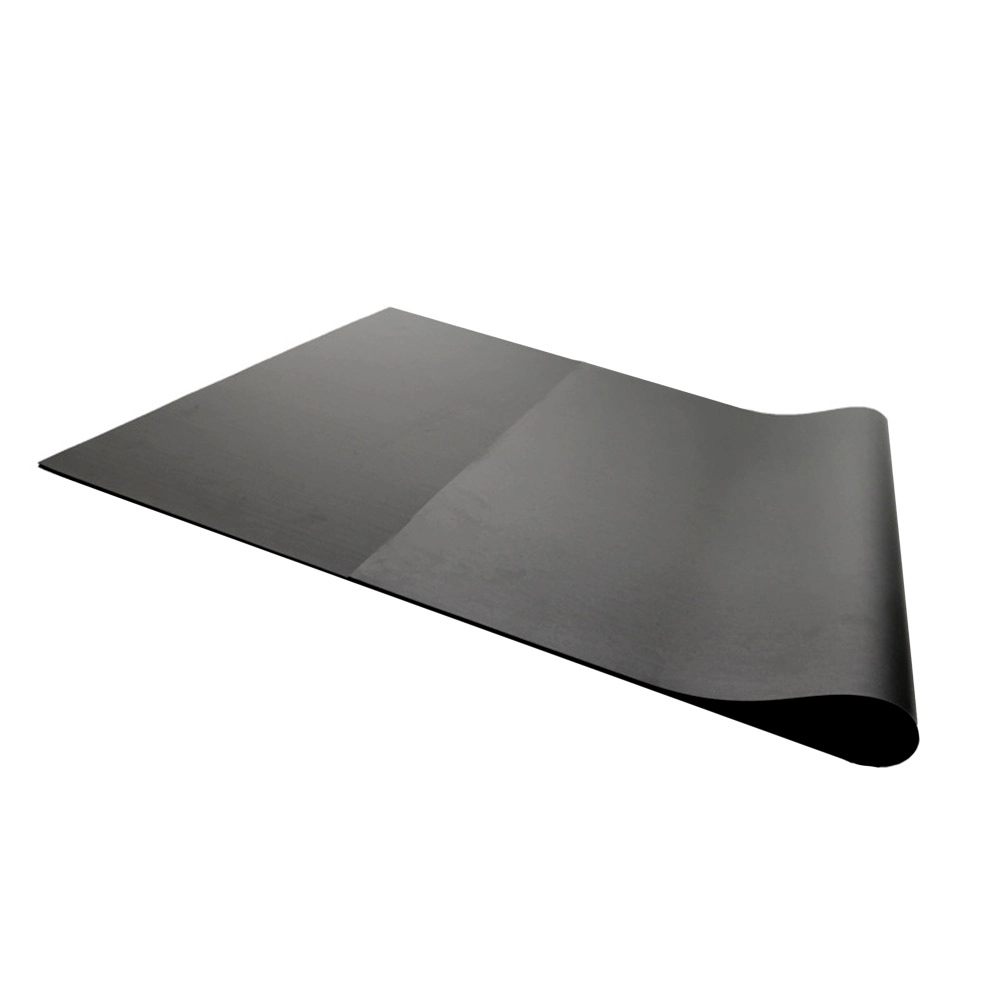
Buyer's Guide to Sound Insulation Foam and Mass Loaded Vinyl
FAQs
What specific functions can ASLONG's products provide?
Our products cover functions such as insulation, sound insulation, shock absorption, waterproofing and sealing, and are widely used in improving energy efficiency, reducing noise, controlling vibration, protecting equipment, etc., helping customers optimize engineering effects and improve user experience.
Do ASLONG's products meet environmental protection standards?
Yes, all ASLONG products comply with ISO14001 environmental management system certification and global environmental protection standards. We use environmentally friendly materials and are committed to providing sustainable solutions to help customers achieve green development goals.
What industries are the products provided by ASLONG suitable for?
ASLONG's products are suitable for multiple industries, including air conditioning and HVAC, construction and waterproofing, automobiles and transportation, home appliances and electronics, industrial equipment and machinery, etc. We provide customized solutions for each industry to meet different needs.
How to customize products that meet the needs of my industry?
You only need to contact our sales or technical team, we will conduct an in-depth analysis based on your industry needs and provide tailor-made products and solutions. We guarantee to provide you with efficient and accurate services to meet your personalized requirements.
Does ASLONG provide after-sales service?
Yes, we provide a full range of after-sales services, including technical support, installation guidance, product maintenance and quality tracking, etc., to ensure that each project goes smoothly and continues to perform at its best.
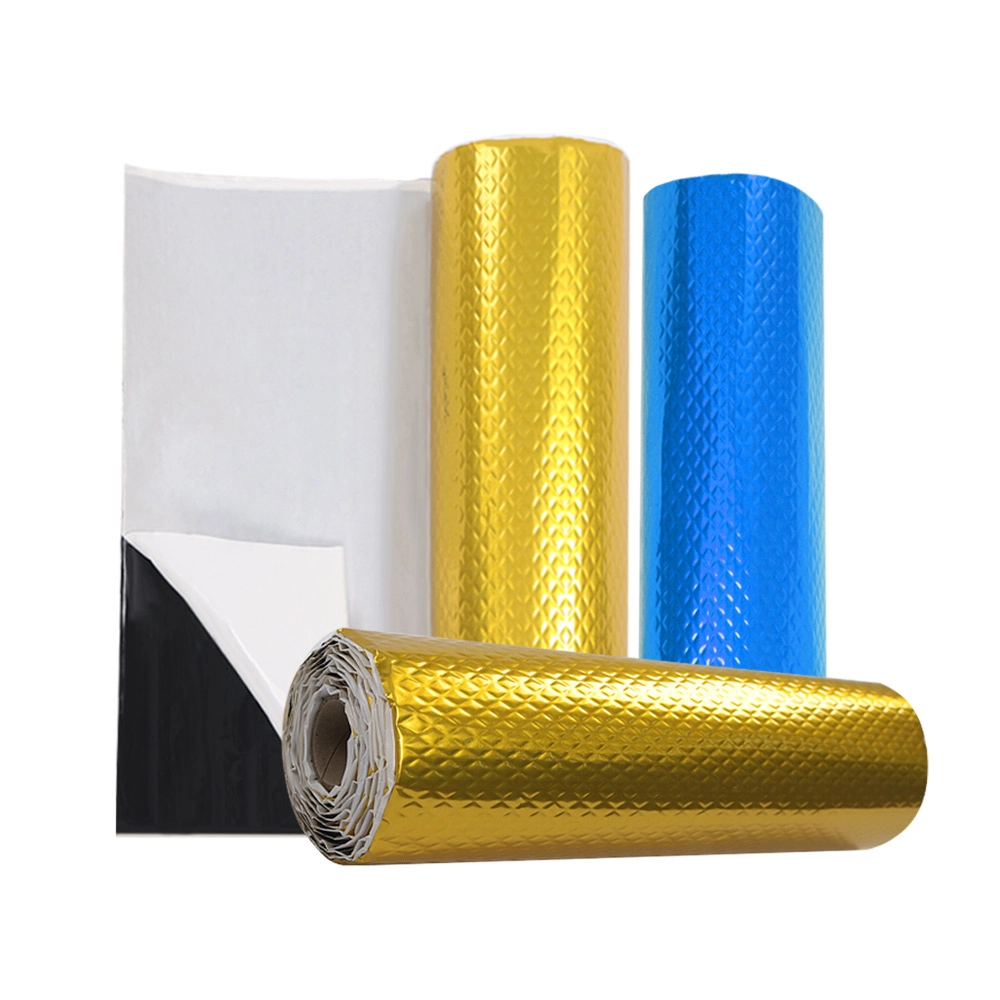
Butyl Rubber Sound Damping Mat
ASLONG Butyl Rubber Sound Damping Mat for sale. Effectively reduces noise and vibrations. High-quality butyl rubber ensures superior performance and durability. Ideal for automotive, industrial, and home applications.
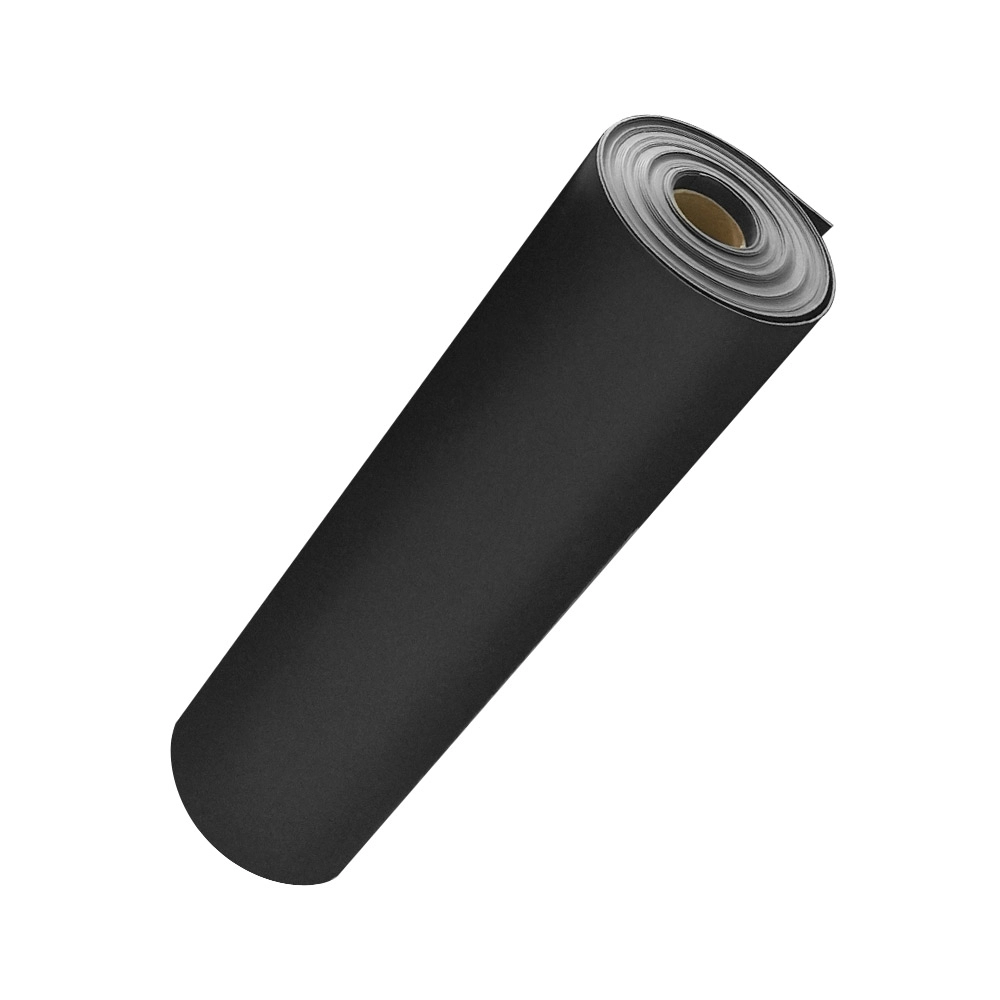
Mass Loaded Vinyl
ASLONG Mass Loaded Vinyl for sale. Reduce noise pollution effectively with our high-quality, mass-loaded vinyl. Ideal for soundproofing walls, floors, and more. Buy now and experience the difference!
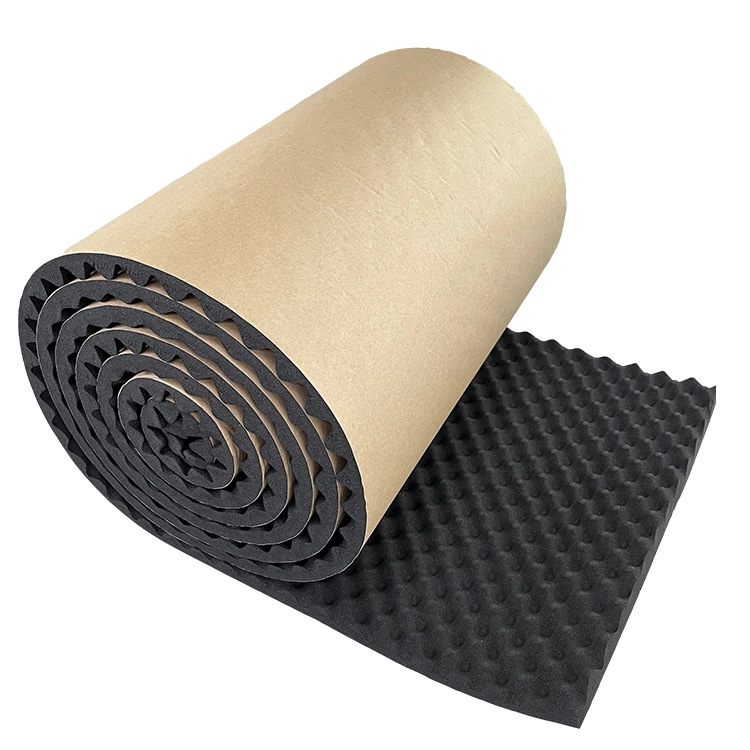
Egg Crate Foam
ASLONG Egg Crate Foam for sale. Lightweight, breathable, and comfortable, our egg crate foam provides superior support and pressure relief. Perfect for mattresses, cushions, cars, construction industry, KTV, factories, etc.
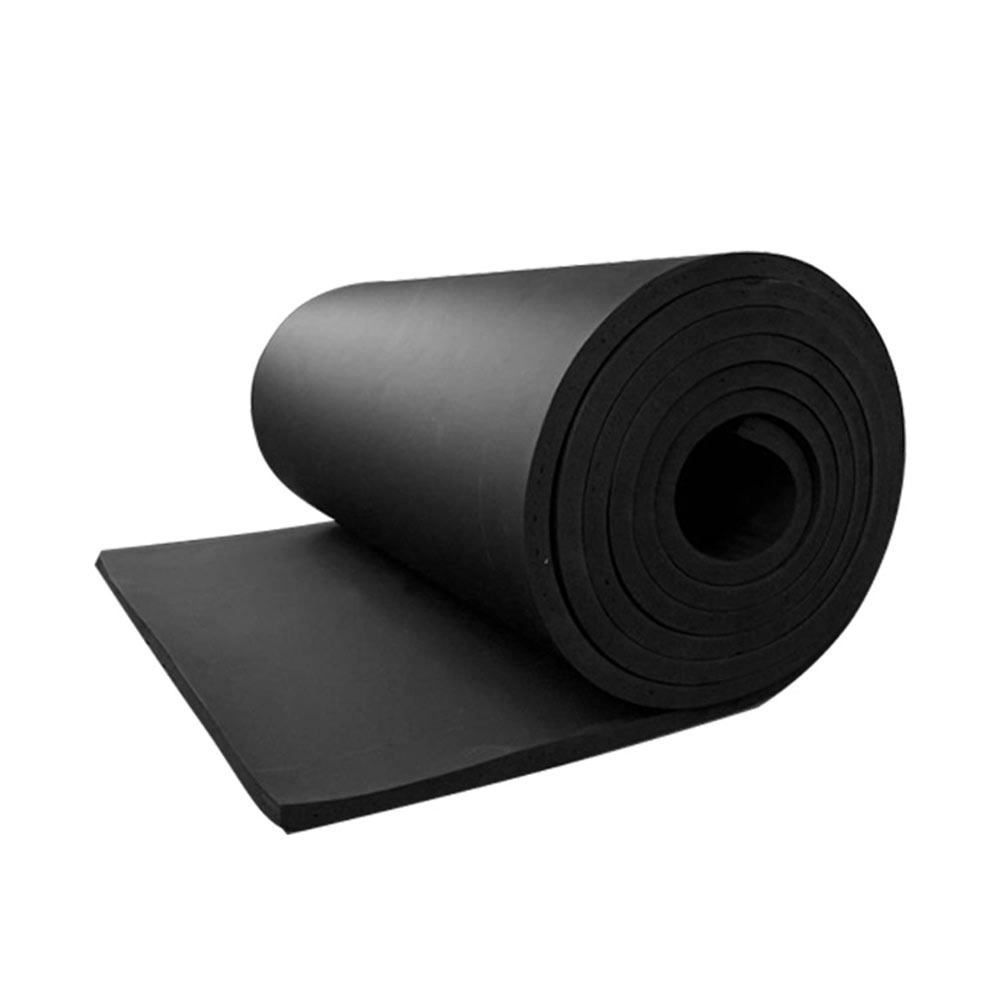
NBR Foam
ASLONG NBR Foam: Wholesale NBR foam solutions for diverse applications. High-quality, durable, and competitively priced. Contact us today for bulk orders.
Professional support at any time
If you have any comments or good suggestions, please leave us a message; later our professional staff will contact you as soon as possible.
© 2026 ASLONG All Rights Reserved. Privacy Policy | Terms and Conditions | Sitemap

 It would be pleasure to receive from you.
Whatsapp: +8613242879341
ASLONG Global
ASLONG
Aslong_global