

Maintenance and Lifespan of Sound Insulation Foam & Mass Loaded Vinyl
- Understanding Acoustic Barrier Solutions
- Core Differences: Sound Insulation Foam vs Mass Loaded Vinyl
- What each product does
- Material characteristics and typical uses
- Maintenance needs compared
- Inspection & Routine Maintenance Practices
- Regular inspection checklist
- Cleaning and care for sound insulation foam
- Cleaning and care for Mass Loaded Vinyl
- Common Degradation Mechanisms and How to Prevent Them
- Moisture, mold, and biological factors
- Compression, UV, and temperature effects
- Chemical exposure and cleaning agents
- Repair, Replacement, and Expected Lifespan
- Repair options for sound insulation foam
- Repair options for Mass Loaded Vinyl
- Typical service life and replacement triggers
- Design, Installation & Best Practices to Maximize Lifespan
- Installation tips for long-term performance
- Compatibility with other materials
- Environmental controls and monitoring
- Performance Metrics and Standards References
- How performance is measured
- Relevant standards and guidance
- Cost, Sustainability, and End-of-Life Considerations
- Cost vs longevity trade-offs
- Recycling and disposal
- Sustainable selection tips
- Product Highlight: ASLONG Mass Loaded Vinyl
- FAQs
- How long will sound insulation foam last in a studio?
- Can I paint acoustic foam or MLV?
- What are signs that my MLV has failed?
- Is it OK to install foam in a bathroom or kitchen?
- How often should I reseal MLV seams?
- Contact & Next Steps
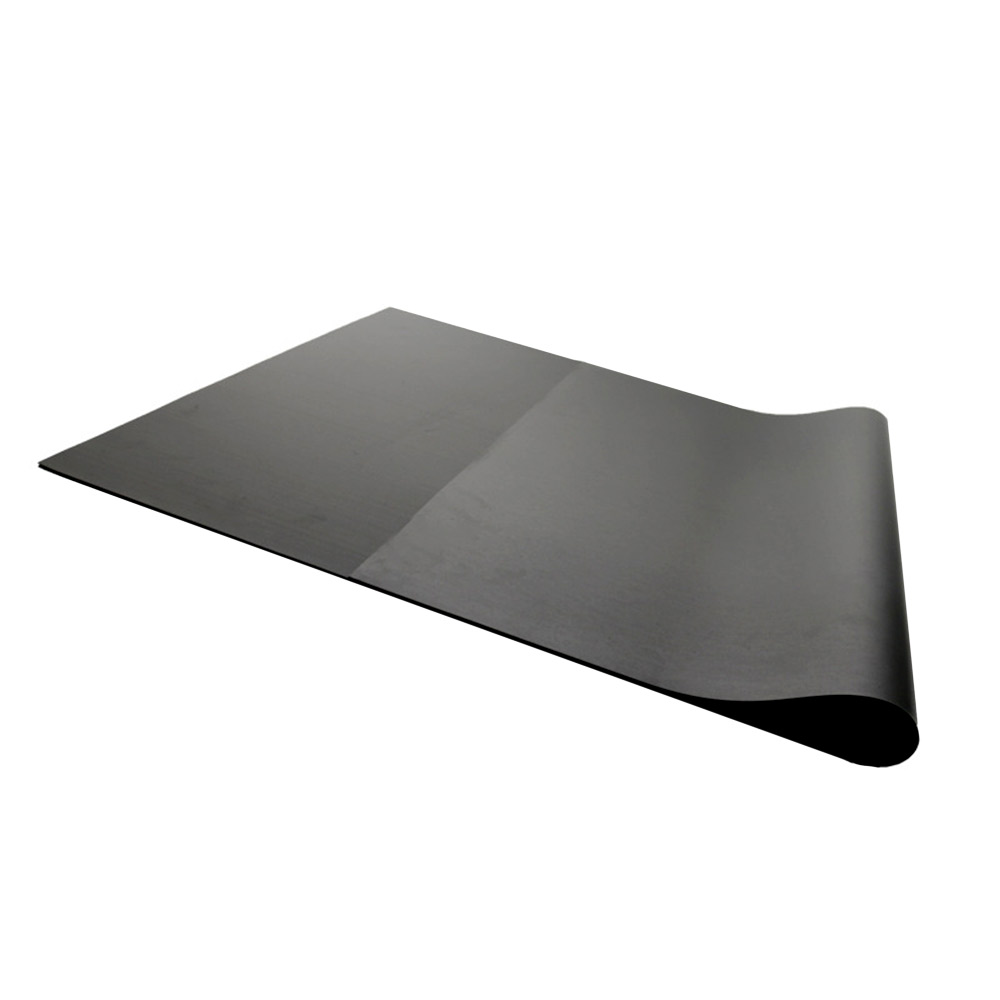
Understanding Acoustic Barrier Solutions
Sound insulation foam and Mass Loaded Vinyl are two cornerstone products in modern noise control strategies. Proper maintenance, suitable installation, and attention to environmental factors can extend their effectiveness for years. This guide covers routine inspection, cleaning methods, repair options, degradation drivers, expected lifespans, and best practices to ensure optimal acoustic performance and long-term value. Practical recommendations are supported by industry references where relevant, helping building managers, contractors, and homeowners make informed decisions.
Core Differences: Sound Insulation Foam vs Mass Loaded Vinyl
What each product does
Sound insulation foam (commonly acoustic foam) is primarily an absorber: it reduces reflected sound, lowers reverberation, and treats mid-to-high frequency noise inside rooms. Mass Loaded Vinyl (MLV) is a dense barrier that blocks sound transmission through walls, floors, and ceilings by adding mass and damping to the assembly.
Material characteristics and typical uses
Acoustic foam tends to be lightweight, open-cell polyurethane or melamine foam with profiles (pyramids, wedges) that increase surface area for absorption. It is ideal for studios, theatres, and room treatments. MLV is a flexible, high-mass polymer sheet used where airborne sound needs to be blocked—examples include partition walls, floors beneath flooring, and behind drywall.
Maintenance needs compared
Acoustic foam needs protection from dust, moisture, UV and mechanical compression. Routine cleaning and avoidance of prolonged humidity are key. MLV requires less frequent attention but must be kept dry, intact, and properly sealed at seams and penetrations to maintain STC (sound transmission class) performance.
Inspection & Routine Maintenance Practices
Regular inspection checklist
Perform visual and tactile inspections at least twice yearly for both materials, more often in high-humidity or high-traffic environments. Key items to check:
- Physical damage: tears, cuts, or crushed foam cells
- Seam integrity for MLV: gaps, unsealed overlaps, or loose fasteners
- Signs of moisture or mold growth on foam or behind MLV
- Fastener corrosion or loss where MLV is mechanically attached
- Loss of adhesion for foam panels mounted with adhesive
Cleaning and care for sound insulation foam
Dust accumulation reduces absorption efficiency. Use a low-suction vacuum with a soft brush attachment to remove dust weekly in active spaces. For deeper cleaning:
- Spot-clean with a damp cloth and mild detergent; avoid soaking foam.
- Allow to air-dry completely—do not use high heat or direct sunlight for drying as this can degrade foam cells.
- Replace adhesive or mounting hardware if panels become loose to prevent sagging or crushing.
Cleaning and care for Mass Loaded Vinyl
MLV surfaces can be wiped with a damp cloth and mild cleaner. Avoid petroleum-based solvents that can affect polymers. Key maintenance steps:
- Keep seams and edges sealed with acoustic sealant to maintain barrier continuity.
- Inspect for punctures or cuts; patch promptly with compatible MLV or sealant.
- Check attachments for corrosion—replace fasteners with stainless or zinc-plated equivalents if needed.
Common Degradation Mechanisms and How to Prevent Them
Moisture, mold, and biological factors
Sound insulation foam, especially open-cell varieties, absorbs moisture and can support mold if left damp. Prevention:
- Control indoor humidity (ideal < 60%).
- Install vapor barriers where condensation risk exists.
- Ensure proper ventilation—mechanical in high-moisture areas.
MLV is moisture-resistant but seams or penetrations can allow water ingress; keep junctions sealed and protected.
Compression, UV, and temperature effects
Foam under continuous mechanical load loses cell structure and acoustic performance. Avoid stacking heavy items on foam panels and use rigid supports where needed. UV exposure degrades many foam polymers—avoid sunlight exposure. Temperature extremes can embrittle MLV and adhesives; maintain ambient temperatures within manufacturer recommendations.
Chemical exposure and cleaning agents
Avoid strong solvents or oil-based cleaners on both foam and MLV. Use manufacturer-recommended cleaners. For MLV, solvent-based adhesives may soften or damage the sheet—use acoustic-rated sealants and tapes instead.
Repair, Replacement, and Expected Lifespan
Repair options for sound insulation foam
Minor surface damage and small compressions can be repaired by replacing affected panels or using acoustic patch kits. For adhesive-failure, re-mount with appropriate acoustic adhesive. If foam has mold, remove and replace the affected panels after addressing moisture sources—do not attempt to bleach and reuse heavily contaminated foam.
Repair options for Mass Loaded Vinyl
Small punctures and cuts in MLV can be patched with overlapping pieces and acoustic sealant. For large tears, replace the affected section. Re-seal seams using acoustic tape or butyl sealants. Ensure mechanical fixings are secure to prevent future movement and gaps.
Typical service life and replacement triggers
Expected lifespan varies by product quality, environment, and installation:
| Material | Typical Lifespan (installed, indoor) | Common Replacement Triggers |
|---|---|---|
| Sound insulation foam (open-cell acoustic foam) | 5–15 years | Crushing, moisture/mold, UV degradation, severe odor retention |
| Mass Loaded Vinyl (MLV) | 15–30+ years | Seam failures, punctures, prolonged water exposure, mechanical damage |
Higher-grade materials and proper environmental control extend these ranges significantly. For commercial installations, scheduled audits every 3–5 years are recommended.
Design, Installation & Best Practices to Maximize Lifespan
Installation tips for long-term performance
Correct installation is the single largest factor influencing lifespan and acoustic performance:
- For foam: avoid compressive mounting; allow a small air gap behind panels to improve low-frequency absorption when appropriate.
- For MLV: overlap seams by manufacturer-recommended width (often 2–4 inches) and seal with compatible acoustic sealant or tape.
- Manage service penetrations (pipes, conduits) with acoustic collars or putty to preserve barrier continuity.
Compatibility with other materials
MLV is typically installed between framing and gypsum board or under flooring. Ensure adhesives and tapes are compatible. Acoustic foam should not touch heating elements; use non-combustible backing or maintain safe distances per fire codes. Always verify fire ratings of foam used in public or code-regulated spaces.
Environmental controls and monitoring
Use hygrometers to monitor relative humidity in critical spaces. Install mechanical ventilation where humidity or temperature regularly exceed recommended ranges. Address roof or plumbing leaks immediately—moisture intrusion is a primary cause of premature failure for foam panels.
Performance Metrics and Standards References
How performance is measured
Two common metrics are NRC (Noise Reduction Coefficient) for absorption and STC (Sound Transmission Class) for transmission loss. Acoustic foam influences NRC, while MLV contributes to improved STC when added to wall/floor assemblies. Lab and field testing differ—refer to standardized methods for consistent assessment.
Relevant standards and guidance
Refer to authoritative sources for measurement and installation guidance: ISO standards on sound insulation and measurement (e.g., ISO 10140 series) provide lab testing protocols for building elements. The World Health Organization publishes environmental noise guidelines that inform acceptable noise levels in residential and public settings.
Authoritative links:
- Acoustic foam — Wikipedia
- Mass Loaded Vinyl — Wikipedia
- International Organization for Standardization (ISO)
- WHO Environmental Noise Guidelines
- Acoustical Society of America
Cost, Sustainability, and End-of-Life Considerations
Cost vs longevity trade-offs
Acoustic foam is relatively inexpensive but may require replacement more frequently in harsh environments. MLV has a higher upfront cost but contributes longer-term barrier performance when installed correctly. Evaluate lifecycle cost—initial material cost plus replacement and maintenance over expected service life.
Recycling and disposal
Many acoustic foams are not readily recyclable through municipal streams due to their polymer types—seek manufacturer take-back programs or specialized recyclers. MLV, being a dense polymer, also presents recycling challenges; however, its long lifespan reduces waste frequency. When replacing, dispose of materials according to local regulations for construction waste.
Sustainable selection tips
Consider products with documented longevity and low-VOC certifications. For acoustic foam, melamine-based foams can be more fire-resistant; for MLV, look for well-documented EPDM or vinyl formulations with manufacturer warranties.
Product Highlight: ASLONG Mass Loaded Vinyl
<p>ASLONG Mass Loaded Vinyl for sale. Reduce noise pollution effectively with our high-quality, mass-loaded vinyl. Ideal for soundproofing walls, floors, and more. Buy now and experience the difference!</p>
ASLONG MLV is designed for durable barrier performance. Follow the installation and sealing recommendations in this guide to maximize service life. For projects with mixed noise regimes (low-frequency HVAC rumble plus mid/high-frequency speech), combining MLV with acoustic foam absorbers often yields the best subjective and measured outcomes.
FAQs
How long will sound insulation foam last in a studio?
In a well-controlled indoor studio environment (stable humidity, no direct sunlight, minimal physical contact), high-quality acoustic foam can last 8–15 years before replacement is needed due to compression or surface breakdown.
Can I paint acoustic foam or MLV?
Painting acoustic foam is not recommended because paint can clog open cells and reduce absorption. Some specialty finishes exist, but they must be acoustic-permeable. MLV can be painted with compatible flexible paints if aesthetics are needed, but ensure any coating does not interfere with flexibility—test a small area first.
What are signs that my MLV has failed?
Common signs include persistent sound leaks at seams or penetrations, visible tears or punctures, loose fasteners, or water damage behind the barrier. If measured STC drops significantly compared to expected values, inspect continuity of the barrier.
Is it OK to install foam in a bathroom or kitchen?
Not recommended unless foam is specifically rated for high-moisture areas. Use closed-cell, water-resistant acoustic materials or place absorbers in protected locations. Address humidity issues first—moisture will shorten lifespan and increase mold risk.
How often should I reseal MLV seams?
Inspect seams annually; reseal when any gap, cracking, or adhesive failure is detected. In high-movement assemblies (floors, floating ceilings), inspect more frequently (every 6–12 months).
Contact & Next Steps
For product specifications, installation guidance, or to order ASLONG Mass Loaded Vinyl, contact our customer service or visit the product page. Professional acoustic consultation is recommended for projects requiring measured STC/NRC targets.
Contact us: For technical support or to purchase, please contact customer service or view ASLONG Mass Loaded Vinyl product details.
Top automotive soundproofing materials for luxury cars
Wholesale tire noise reduction foam manufacturer and supplier
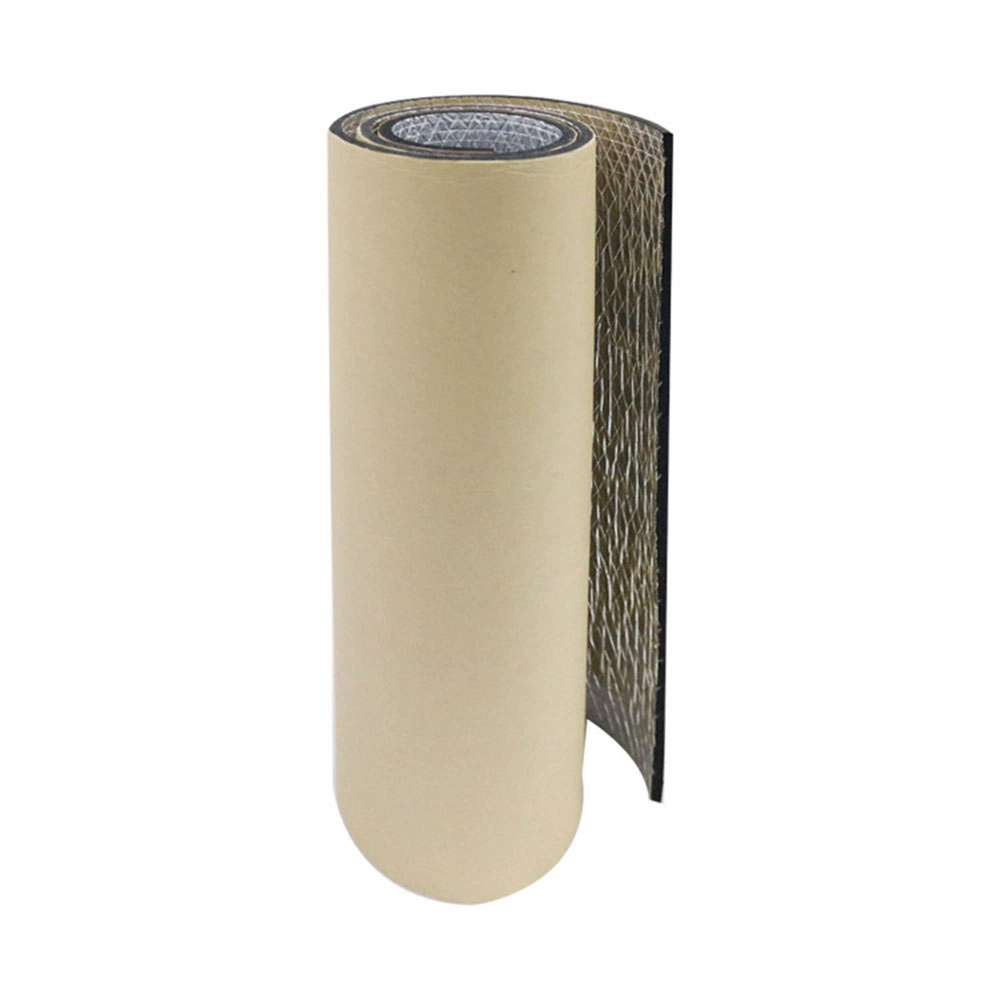
Technical Spec Checklist for Multi layer Composite NBR Foam Purchases
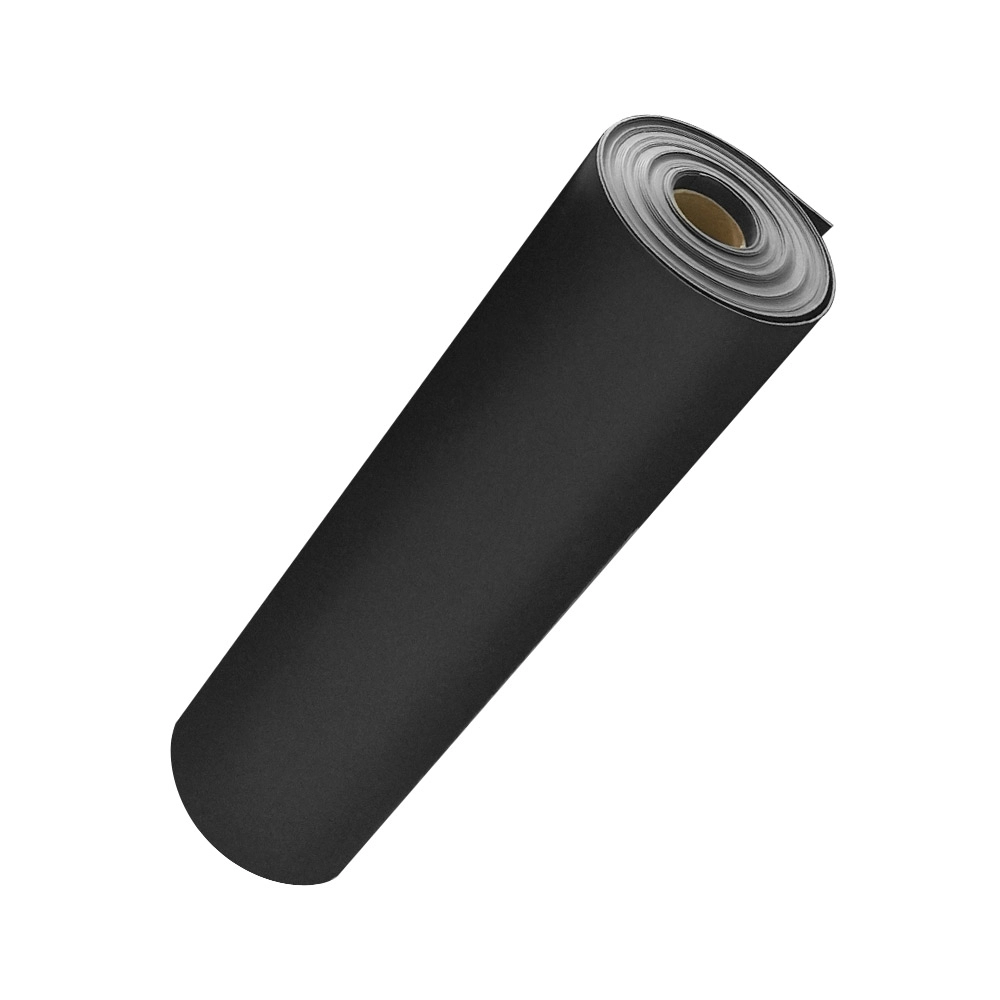
Sound Insulation Foam vs Mass Loaded Vinyl: Performance Comparison
FAQs
Does ASLONG provide after-sales service?
Yes, we provide a full range of after-sales services, including technical support, installation guidance, product maintenance and quality tracking, etc., to ensure that each project goes smoothly and continues to perform at its best.
Do ASLONG's products meet environmental protection standards?
Yes, all ASLONG products comply with ISO14001 environmental management system certification and global environmental protection standards. We use environmentally friendly materials and are committed to providing sustainable solutions to help customers achieve green development goals.
What industries are the products provided by ASLONG suitable for?
ASLONG's products are suitable for multiple industries, including air conditioning and HVAC, construction and waterproofing, automobiles and transportation, home appliances and electronics, industrial equipment and machinery, etc. We provide customized solutions for each industry to meet different needs.
How to customize products that meet the needs of my industry?
You only need to contact our sales or technical team, we will conduct an in-depth analysis based on your industry needs and provide tailor-made products and solutions. We guarantee to provide you with efficient and accurate services to meet your personalized requirements.
What specific functions can ASLONG's products provide?
Our products cover functions such as insulation, sound insulation, shock absorption, waterproofing and sealing, and are widely used in improving energy efficiency, reducing noise, controlling vibration, protecting equipment, etc., helping customers optimize engineering effects and improve user experience.
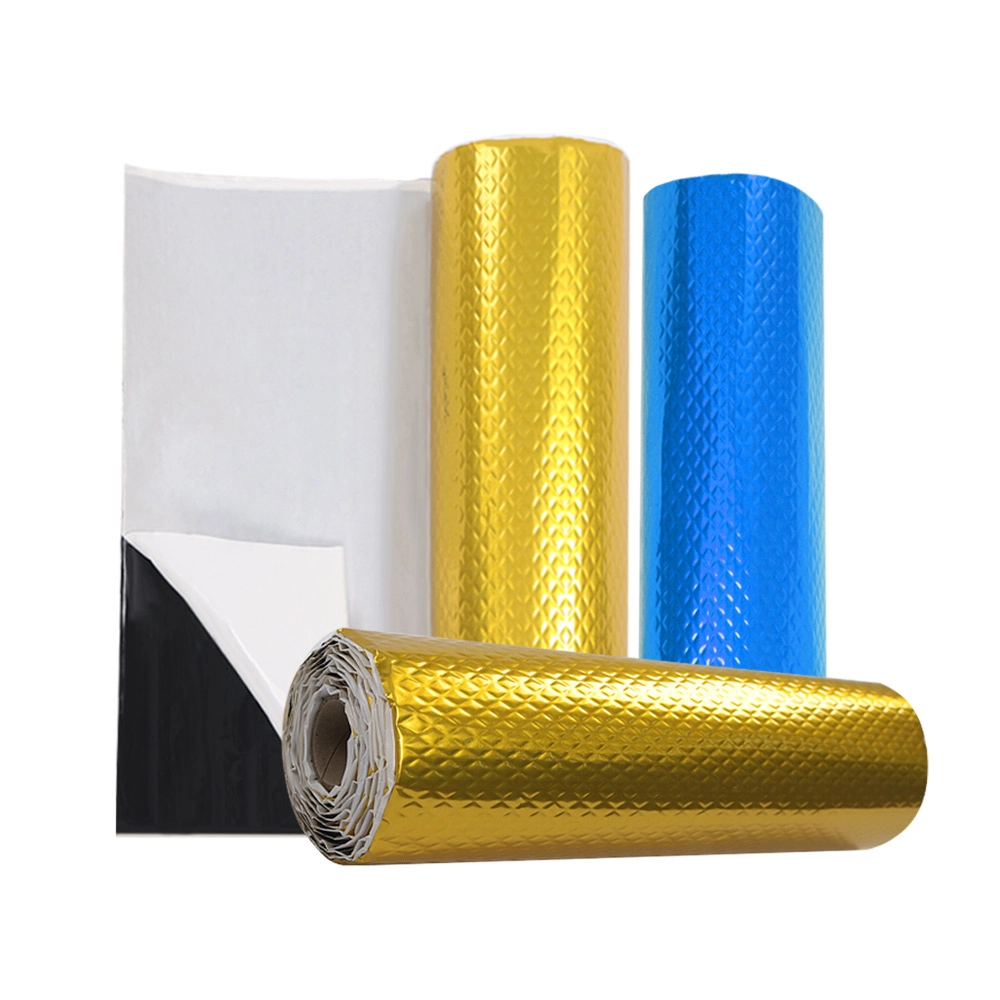
Butyl Rubber Sound Damping Mat
ASLONG Butyl Rubber Sound Damping Mat for sale. Effectively reduces noise and vibrations. High-quality butyl rubber ensures superior performance and durability. Ideal for automotive, industrial, and home applications.
Mass Loaded Vinyl
ASLONG Mass Loaded Vinyl for sale. Reduce noise pollution effectively with our high-quality, mass-loaded vinyl. Ideal for soundproofing walls, floors, and more. Buy now and experience the difference!
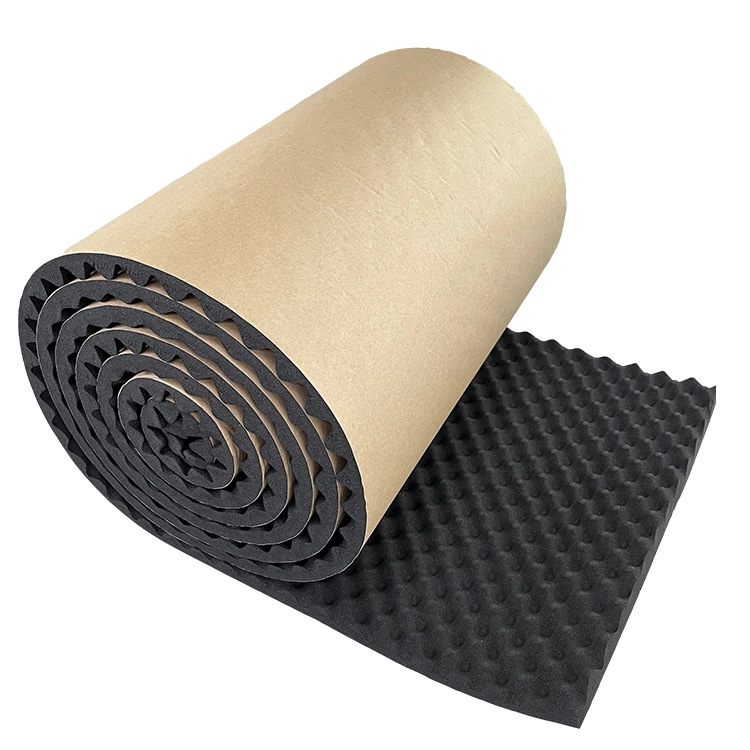
Egg Crate Foam
ASLONG Egg Crate Foam for sale. Lightweight, breathable, and comfortable, our egg crate foam provides superior support and pressure relief. Perfect for mattresses, cushions, cars, construction industry, KTV, factories, etc.
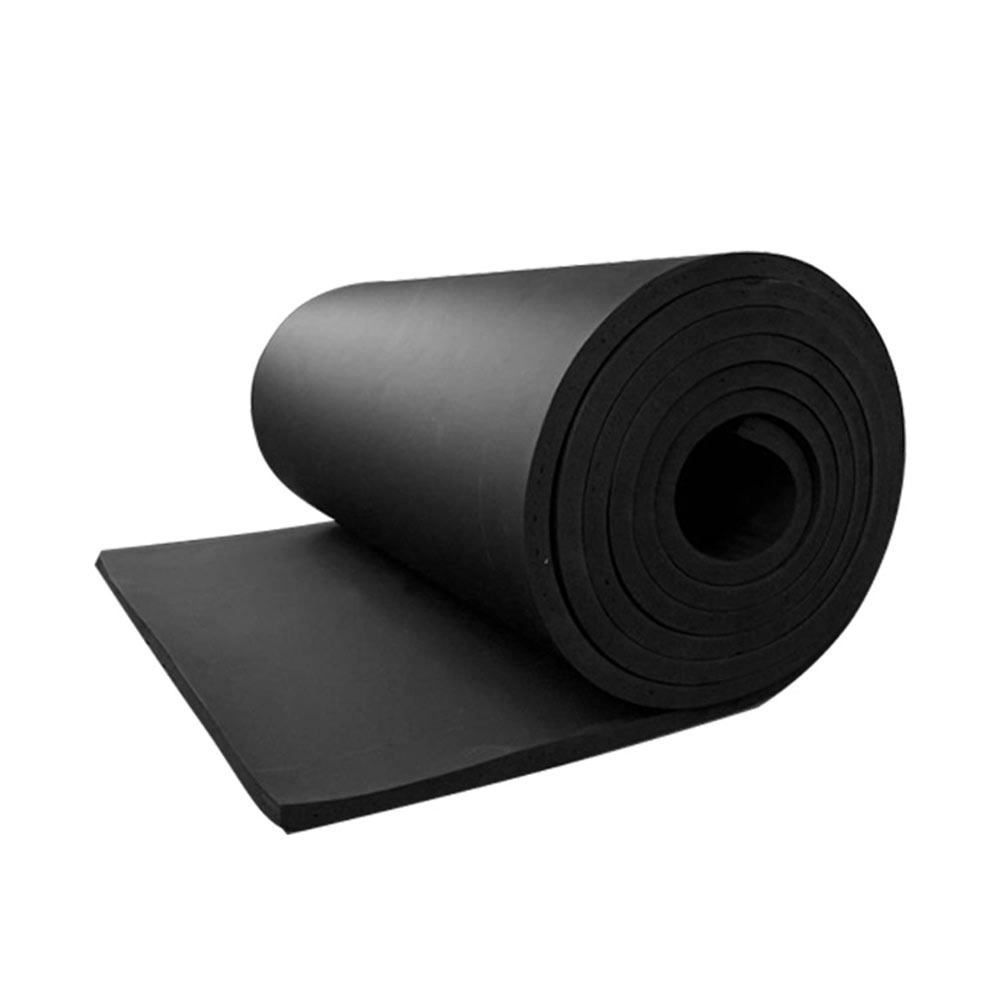
NBR Foam
ASLONG NBR Foam: Wholesale NBR foam solutions for diverse applications. High-quality, durable, and competitively priced. Contact us today for bulk orders.
Professional support at any time
If you have any comments or good suggestions, please leave us a message; later our professional staff will contact you as soon as possible.
© 2026 ASLONG All Rights Reserved. Privacy Policy | Terms and Conditions | Sitemap

 It would be pleasure to receive from you.
Whatsapp: +8613242879341
ASLONG Global
ASLONG
Aslong_global