

Sound Insulation Foam vs Mass Loaded Vinyl: Performance Comparison
- How Acoustic Control Materials Work
- Mechanics of sound transmission
- Key performance metrics: STC, NRC, and transmission loss
- Why both absorption and blocking often matter
- Comparing Sound Insulation Foam and Mass Loaded Vinyl
- Material properties and physical differences
- Frequency response: who handles lows vs highs?
- Durability, moisture, and fire considerations
- Practical Applications and Best Use Cases
- Walls: retrofit and new construction
- Floors and ceilings: impact and airborne noise control
- Studios, theaters, and commercial spaces
- Cost, Installation, and Environmental Considerations
- Cost comparison and ROI
- Installation tips and common mistakes
- Sustainability and health considerations
- Performance Comparison Table
- Design Recommendations and Real-World Strategies
- Simple retrofit for apartments
- Home theater or studio build
- Commercial and institutional spaces
- Frequently Asked Questions (FAQ)
- Q: Can sound insulation foam stop neighbor noise?
- Q: How much STC improvement can I expect from adding MLV?
- Q: Is MLV safe to use in homes (fire, VOCs)?
- Q: Can I glue MLV to existing drywall?
- Q: Should I choose foam or MLV first?
- Q: Where can I find test data and certifications?

Quick summary for : This performance comparison examines how sound insulation foam and Mass Loaded Vinyl (MLV) behave across frequencies, how they affect airborne and impact noise, and which combinations give the best real-world results. The guide references standards (ISO/ISO 717), health guidance (WHO), and acoustics research to give practical, actionable recommendations for walls, floors, ceilings, and room treatments.
ASLONG Mass Loaded Vinyl for sale. Reduce noise pollution effectively with our high-quality, mass-loaded vinyl. Ideal for soundproofing walls, floors, and more. Buy now and experience the difference!
How Acoustic Control Materials Work
Mechanics of sound transmission
Sound travels as airborne waves and as structure-borne vibration. Airborne noise (voices, TVs) moves through air gaps and porous media; structure-borne noise (footsteps, machinery) transmits through building elements. Sound insulation materials address these paths differently. Sound insulation foam (open- or closed-cell acoustic foams) absorbs mid-to-high frequencies by converting sound energy into heat within its porous structure. Mass Loaded Vinyl (MLV) uses mass and damping to block and reflect sound, particularly effective at lowering transmission of low- to mid-frequency airborne noise. Understanding whether you need absorption (reduce echoes and reverberation) or isolation (stop noise crossing partitions) is the first step in selecting the right material.
Key performance metrics: STC, NRC, and transmission loss
When comparing materials, three metrics are essential: Sound Transmission Class (STC) measures airborne noise reduction through partitions; Noise Reduction Coefficient (NRC) describes average absorption (how much energy a surface absorbs) and is commonly used for foams; Transmission Loss (TL) across frequencies shows how materials attenuate sound at each frequency band. For standardized methods, see the ISO/ISO 717 guidance on airborne sound insulation (ISO 717 — Wikipedia). Industry testing (ASTM E90, ISO 10140 series) provides lab results used by manufacturers and specifiers.
Why both absorption and blocking often matter
In many real-world rooms you need both: absorption reduces reverberation inside the source room, while blocking prevents the noise from escaping/entering. For example, a recording studio typically combines dense barriers (MLV, double drywall with resilient clips) and absorbent panels (acoustic foam) to control both reflection and transmission. Selecting the wrong material for the wrong problem (e.g., using only foam to stop low-frequency road noise) leads to disappointment.
Comparing Sound Insulation Foam and Mass Loaded Vinyl
Material properties and physical differences
Sound insulation foam is typically lightweight, porous, and designed for absorption. Common types include polyurethane wedge foam, melamine foam, and fiberglass panels. They are effective at absorbing mid to high frequencies and improving room clarity, but because they are low-mass they do little to block sound energy transmission through walls or floors.
Mass Loaded Vinyl (MLV) is a thin, flexible barrier that combines high mass per unit area with some viscoelastic properties, allowing it to block airborne sound. MLV is often made by loading a polymer sheet with barium sulfate or similar heavy fillers to increase surface density while remaining flexible for installation on walls, ceilings, and floors. ASLONG Mass Loaded Vinyl is formulated for high mass and flexible installation, making it a practical choice for improving STC when attached to assemblies.
Frequency response: who handles lows vs highs?
Low-frequency noise (bass, HVAC rumble, traffic, subwoofers) requires mass and stiffness to block effectively—this is where MLV excels. Sound insulation foam is ineffective at very low frequencies because its porous, low-mass structure does not provide the inertia required to reflect or absorb long-wavelength energy.
High and mid frequencies (speech intelligibility, cymbals, high-pitched noise) are absorbed well by acoustic foams; they reduce flutter echoes and reverberation times inside rooms. For combined performance across the spectrum, pairing MLV (for blocking) with absorptive panels or foam (for interior acoustic balance) is a common industry approach.
Durability, moisture, and fire considerations
Acoustic foams vary: some polyurethanes can oxidize, degrade under UV exposure, or absorb moisture (unless closed-cell). Melamine foams have better thermal and fire-resistance properties but can be more costly. MLV is generally durable, non-absorptive, and resists moisture; however, fire classification matters. Always check manufacturer fire ratings and ensure compliance with local building codes. For general noise-health references and environmental guidance, consult the WHO’s environmental noise guidelines (WHO — Environmental Noise Guidelines).
Practical Applications and Best Use Cases
Walls: retrofit and new construction
For improving wall STC in retrofit scenarios, adding a layer of MLV to the wall cavity or attaching it under new drywall increases mass and damping and typically yields a measurable STC improvement. In new construction, using MLV within double-stud walls or with resilient channels amplifies the effectiveness. Sound insulation foam mounted on either side of the partition can help reduce flanking reverberation inside rooms but will not substitute for mass when the goal is to prevent noise transfer.
Floors and ceilings: impact and airborne noise control
Floors often suffer from impact noise (footsteps) and airborne noise (voices below/above). MLV installed under flooring layers or between subfloor and finish can reduce airborne transmission. For impact noise, decoupling and resilient underlayments are more effective; MLV helps but is not a full solution. In ceiling assemblies, MLV attached to the soffit or added to the drywall layer improves airborne performance, while ceiling-mounted foam panels only improve room acoustics, not transmission to the room above/below.
Studios, theaters, and commercial spaces
In studios and theaters, professionals use a layered approach: heavy barriers (MLV, multiple dense drywall layers, concrete) for isolation, plus absorbers (sound insulation foam, mineral wool panels) for acoustic treatment. For commercial office partitions where speech privacy matters, adding MLV to the partition or using acoustic sealants at joins is a cost-effective approach to raise STC. For best results in performance-critical spaces, pair lab-tested MLV specifications with measured room treatment targets (RT60, background noise levels).
Cost, Installation, and Environmental Considerations
Cost comparison and ROI
Costs vary by material quality and locale. Generally, acoustic foam is relatively low-cost per square meter and easy to mount; however, it does not increase privacy or reduce transmitted noise by itself. MLV is more expensive per square meter than standard foam but delivers measurable improvements in STC that can prevent costly rebuilds or structural changes. Consider long-term ROI: effective MLV installation can reduce the need for repeated treatments and improve building value by improving privacy and comfort.
Installation tips and common mistakes
Key installation principles:
- Seal all gaps: Airborne sound leaks around edges reduce STC gains. Use acoustic sealant and overlap seams of MLV; tape seams and seal with butyl or recommended tape.
- Use mass AND decoupling: For best low-frequency reduction, combine MLV with resilient channels, double-stud framing, or floating floors.
- Don’t expect foam to block sound: Use foam for absorption and MLV for isolation; combine for balanced solutions.
Common mistakes include leaving gaps around wiring penetrations, stapling MLV in ways that compress or tear it, and trusting foam alone to solve neighbor noise issues.
Sustainability and health considerations
Check VOC emissions for foams and MLV manufacturing disclosures. Some foams off-gas solvents—look for low-VOC certified products. MLV often uses heavy fillers; while stable, ensure safe handling (avoid ingestion/inhalation of particulates during cutting) and proper disposal per local regulations. For health-based environmental noise guidance, consult WHO and local building authorities (Acoustical Society of America for professional resources).
Performance Comparison Table
Below is a practical comparison of typical properties. Values are approximate and will vary by manufacturer and assembly.
| Property | Sound Insulation Foam | Mass Loaded Vinyl (ASLONG MLV) |
|---|---|---|
| Primary function | Absorption (reduces reverberation, high/mid frequencies) | Blocking (adds mass to improve airborne transmission loss) |
| Best frequency range | ~500 Hz and up (mid–high frequencies) | Broad spectrum, especially effective below ~500 Hz (low–mid frequencies) |
| Effect on STC | Minimal (unless used with other mass layers) | Significant — typical STC gain 6–15 points depending on assembly |
| NRC (typical) | 0.5–1.0 (good absorbers can reach ~1.0) | ~0.05–0.2 (not a primary absorber) |
| Thickness | 25–100 mm common | 0.5–5 mm (typical flexible sheet thicknesses) with high surface density |
| Ease of installation | Easy (adhesive/tacks/panels) | Moderate (seaming, sealing, mechanical fastening, weight handling) |
| Moisture resistance | Varies; open-cell foams absorb moisture | Good; non-absorptive surface |
| Typical cost | Low–moderate per m² | Moderate–high per m² (depends on mass loading) |
Note: STC gains depend heavily on complete assembly (seals, mounts, adjacent construction). For lab methods and reporting, refer to standardized testing such as ASTM E90 and ISO series references (Wikipedia: Soundproofing).
Design Recommendations and Real-World Strategies
Simple retrofit for apartments
If you live in an apartment and need to reduce noise from your neighbor or street: add a layer of MLV to the offending wall or ceiling, seal all perimeter gaps, then add a new drywall layer on top. Inside your unit, use sound insulation foam panels to reduce echo and make voices less intrusive. The combined approach addresses both transmission and room acoustics.
Home theater or studio build
For critical listening rooms, start with isolation: double drywall with MLV between layers and resilient decoupling (clips or floating floors). Then treat interior reflections with high-quality absorbers (foam, mineral wool panels) placed at first reflection points and corners. Monitor low-frequency behavior and add bass traps as required—MLV adds blocking but cannot replace tuned bass treatments.
Commercial and institutional spaces
Offices, clinics, and classrooms often benefit from MLV in partitions where speech privacy matters. Pair MLV with ceiling cloud panels or foam baffles to manage reverberation in open-plan areas. For code compliance and acoustic standards in buildings, consult local building codes and referenced standards (ISO/ASTM).
Frequently Asked Questions (FAQ)
Q: Can sound insulation foam stop neighbor noise?
A: Not on its own. Acoustic foam improves room acoustics and reduces echoes but has low mass and poor low-frequency blocking. For neighbor noise reduction, add a mass barrier like MLV, dense drywall, or structural decoupling.
Q: How much STC improvement can I expect from adding MLV?
A: Typical single-layer MLV (depending on mass per area) can add roughly 6–15 STC points when properly installed in an assembly. Exact improvement depends on existing construction, sealing, and whether other decoupling strategies are used.
Q: Is MLV safe to use in homes (fire, VOCs)?
A: Many MLV products are formulated to meet common building codes, but fire ratings vary. Check the manufacturer's fire classification (e.g., ASTM E84 surface burning characteristics) and VOC emissions. For health-related noise guidance, see the WHO environmental noise guidelines (WHO).
Q: Can I glue MLV to existing drywall?
A: Yes, you can adhere MLV to existing surfaces with appropriate adhesives, then cover with new drywall or finish. Ensure seams are sealed and mechanical fasteners are used where required by local code.
Q: Should I choose foam or MLV first?
A: Define the problem: reduce reverberation/echo inside a room -> choose sound insulation foam or absorbers. Reduce noise transfer through partitions -> choose Mass Loaded Vinyl or other mass/damping solutions. Often the optimal solution uses both.
Q: Where can I find test data and certifications?
A: Ask manufacturers for lab reports conforming to ASTM E90/ISO 10140 series or product STC/TL curves. Peer-reviewed acoustics resources and standards bodies can guide interpretation: Acoustical Society of America and related IEEE/ISO references.
If you’d like a tailored recommendation for your space, contact our technical team or view product specifications below.
Contact Sales / Technical Support | View ASLONG Mass Loaded Vinyl Product
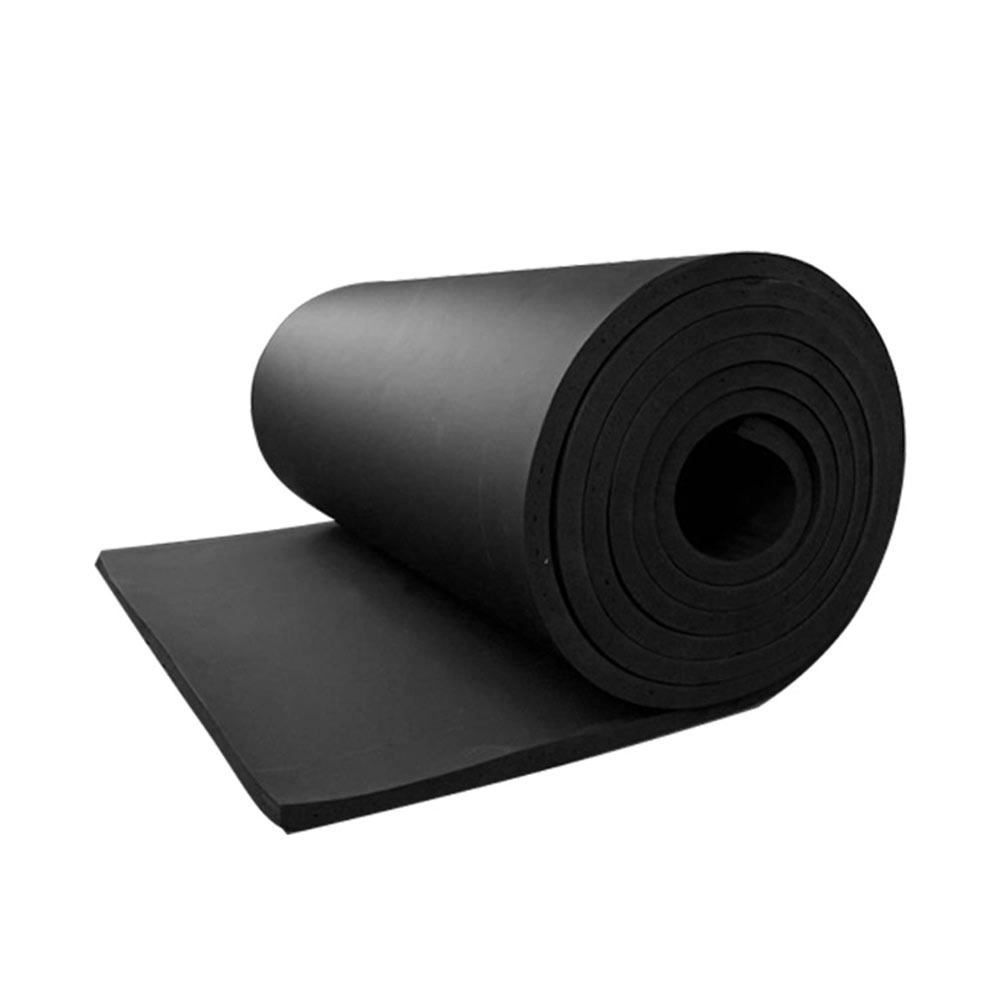
How NBR Foam Works: Structure, Density, and Acoustic Performance
How to manufacturing car sound deadening foam
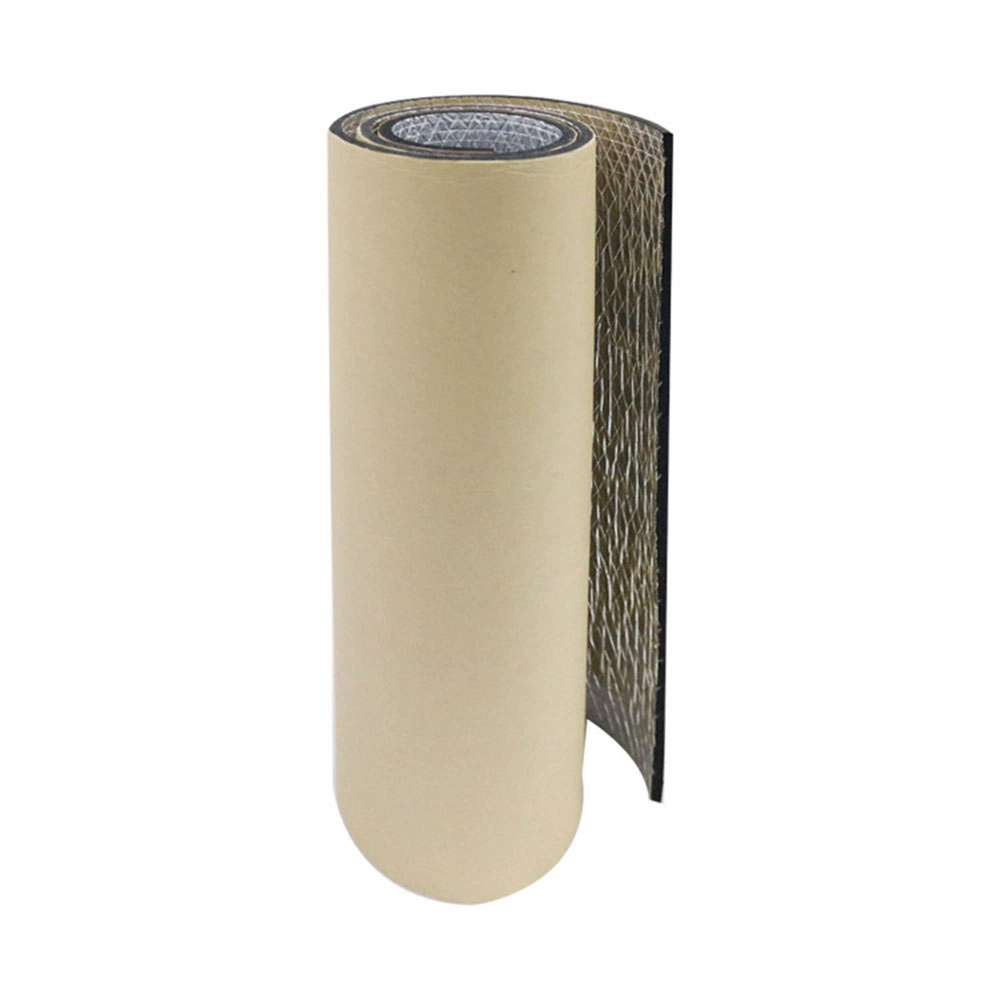
Technical Spec Checklist for Multi layer Composite NBR Foam Purchases
The B2B Buyer’s Guide to egg crate foam | ASLONG Ultimate Insights
FAQs
What specific functions can ASLONG's products provide?
Our products cover functions such as insulation, sound insulation, shock absorption, waterproofing and sealing, and are widely used in improving energy efficiency, reducing noise, controlling vibration, protecting equipment, etc., helping customers optimize engineering effects and improve user experience.
What industries are the products provided by ASLONG suitable for?
ASLONG's products are suitable for multiple industries, including air conditioning and HVAC, construction and waterproofing, automobiles and transportation, home appliances and electronics, industrial equipment and machinery, etc. We provide customized solutions for each industry to meet different needs.
Does ASLONG provide after-sales service?
Yes, we provide a full range of after-sales services, including technical support, installation guidance, product maintenance and quality tracking, etc., to ensure that each project goes smoothly and continues to perform at its best.
Do ASLONG's products meet environmental protection standards?
Yes, all ASLONG products comply with ISO14001 environmental management system certification and global environmental protection standards. We use environmentally friendly materials and are committed to providing sustainable solutions to help customers achieve green development goals.
How to customize products that meet the needs of my industry?
You only need to contact our sales or technical team, we will conduct an in-depth analysis based on your industry needs and provide tailor-made products and solutions. We guarantee to provide you with efficient and accurate services to meet your personalized requirements.
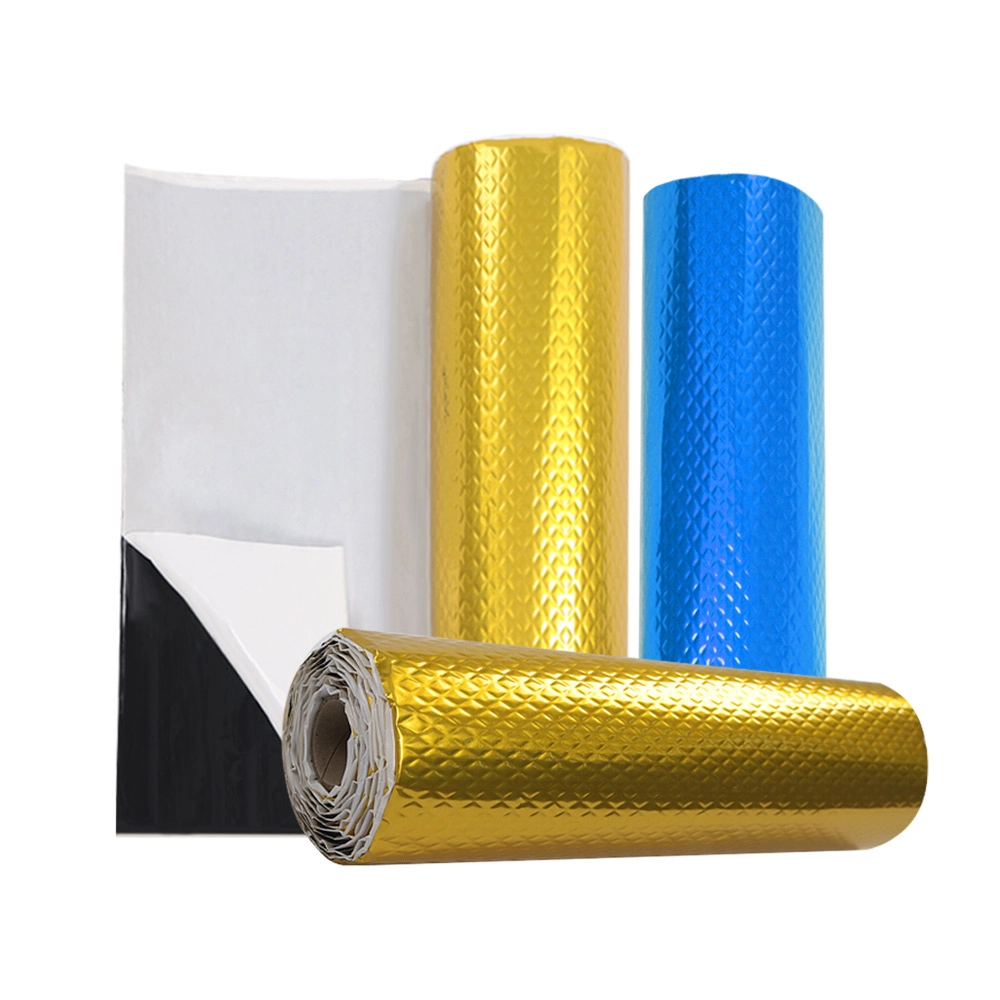
Butyl Rubber Sound Damping Mat
ASLONG Butyl Rubber Sound Damping Mat for sale. Effectively reduces noise and vibrations. High-quality butyl rubber ensures superior performance and durability. Ideal for automotive, industrial, and home applications.
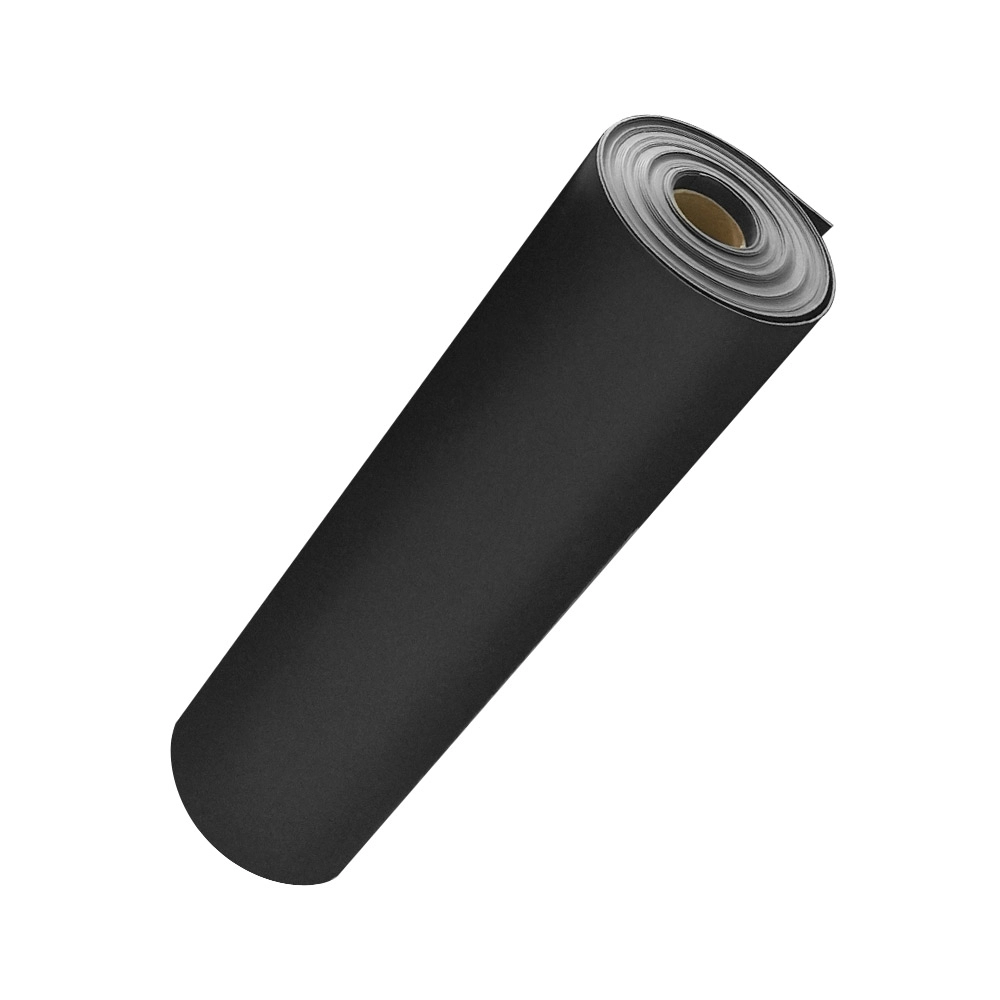
Mass Loaded Vinyl
ASLONG Mass Loaded Vinyl for sale. Reduce noise pollution effectively with our high-quality, mass-loaded vinyl. Ideal for soundproofing walls, floors, and more. Buy now and experience the difference!
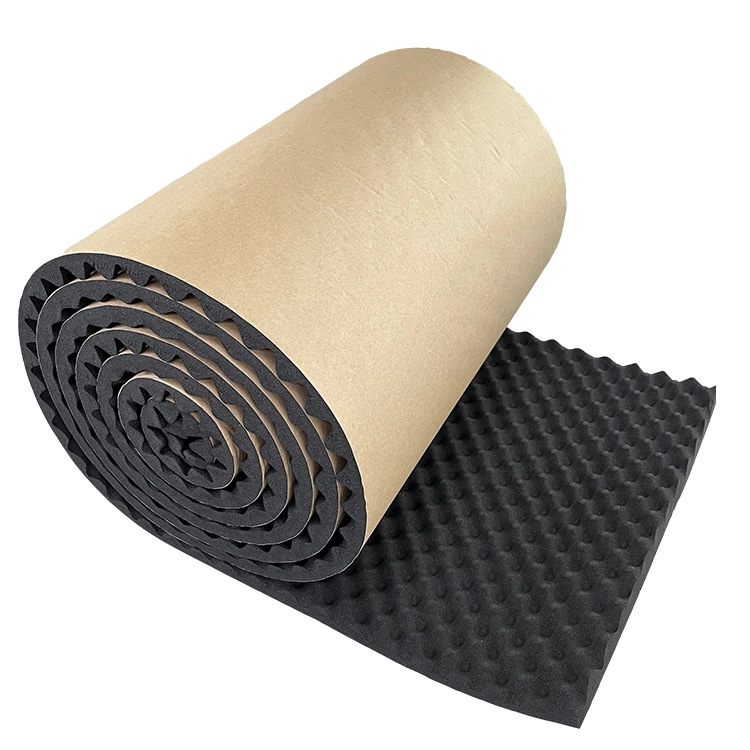
Egg Crate Foam
ASLONG Egg Crate Foam for sale. Lightweight, breathable, and comfortable, our egg crate foam provides superior support and pressure relief. Perfect for mattresses, cushions, cars, construction industry, KTV, factories, etc.
NBR Foam
ASLONG NBR Foam: Wholesale NBR foam solutions for diverse applications. High-quality, durable, and competitively priced. Contact us today for bulk orders.
Professional support at any time
If you have any comments or good suggestions, please leave us a message; later our professional staff will contact you as soon as possible.
© 2026 ASLONG All Rights Reserved. Privacy Policy | Terms and Conditions | Sitemap

 It would be pleasure to receive from you.
Whatsapp: +8613242879341
ASLONG Global
ASLONG
Aslong_global