

Installation Planning and Handling for Sound Absorbing White Cotton
- Product Overview and Key Properties
- What is Sound Absorbing White Cotton?
- Material and acoustic performance indicators
- Relevant material science references
- Planning the Installation
- Site assessment and acoustic goals
- Material quantity, layout and staging plans
- Coordination with other trades
- Handling, Storage and On-site Management
- Storage conditions and shelf life
- Safe handling practices
- Damage control and contamination prevention
- Installation Techniques and Best Practices
- Filling cavities and plenum installations
- Cutting, fastening and finishing details
- Integration with acoustic panels and absorbers
- Verification, Maintenance and Long-term Performance
- On-site performance testing
- Maintenance schedules and inspections
- Fire safety, hygiene and environmental considerations
- Practical Comparisons and Selection Guide
- Brand Advantages and Why Choose Sound Absorbing White Cotton
- Performance consistency and manufacturing control
- Health, maintenance and lifecycle benefits
- Application flexibility
- FAQ — Frequently Asked Questions
- Q: Is Sound Absorbing White Cotton safe to handle without respiratory protection?
- Q: How does this product compare to fiberglass for acoustic performance?
- Q: Can it be used in HVAC ducts and plenums?
- Q: What are best practices if the material gets wet on site?
- Q: How should seams and service penetrations be treated?

This article provides an actionable, installation-focused roadmap for contractors, acoustic consultants and facility managers working with sound insulation cotton, specifically the product Sound Absorbing White Cotton. It covers pre-installation planning, safe handling, storage, recommended installation techniques to maximize acoustic performance (noise reduction and sound absorption), and on-site verification and maintenance. The guidance below merges material science (PP and PET melt-blown fibres), acoustic design principles, and practical site procedures to ensure consistent results and long-term performance.
Product Overview and Key Properties
What is Sound Absorbing White Cotton?
Sound-absorbing white cotton Made from PP and PET fibres by melt-blowing, special processes are used to achieve density diversification, sound absorption and noise reduction, thermal insulation, moisture-proof and mold resistance.
This sound insulation cotton is a melt-blown, nonwoven acoustic medium engineered to provide high sound absorption, thermal insulation, and moisture resistance in a lightweight, flexible format. It is commonly used in partition cavities, suspended ceilings, HVAC plenums, and acoustic panels. The combination of polypropylene (PP) and polyethylene terephthalate (PET) fibres gives a balance of hydrophobic behavior, dimensional stability and mechanical resilience.
Material and acoustic performance indicators
Key technical attributes to document before installation are density (kg/m3), thickness (mm), Noise Reduction Coefficient (NRC), and flame classification. Typical performance parameters for sound insulation cotton include high porosity for mid-to-high frequency absorption and improved low-frequency performance when used in thicker assemblies or with air gaps. Refer to general information about sound absorption for understanding absorption coefficients and frequency behavior.
Relevant material science references
The melt-blown manufacturing process is central to this product; for background see Melt-blown. For polymer base materials, see Polypropylene (PP) and Polyethylene terephthalate (PET). These references help explain the hydrophobic and thermal properties that contribute to moisture resistance and mold resistance in the field.
Planning the Installation
Site assessment and acoustic goals
Start with a site assessment that defines the acoustic targets: e.g., improve speech intelligibility, reduce reverberation time (RT60), or block HVAC noise. Translate these goals into measurable objectives (target NRC, RT60 reduction in seconds, desired STC improvement). Acoustic modeling or a simple room acoustic calculation will inform required coverage, thickness, and placement. Use the outcome to specify which grade and density of sound insulation cotton to order.
Material quantity, layout and staging plans
Calculate quantities with waste and patterning in mind. For suspended ceilings and cavity fills, plan roll cuts and seams so seams align with framing to avoid gaps. For wall cavities and acoustic panels, map batts and compression allowances. Prepare a staging area that protects rolls from moisture and compressive loads. Use labelled pallets and first-in/first-out for consistent material handling.
Coordination with other trades
Integrate the acoustic installation plan with mechanical, electrical and fire-safety trades. Confirm HVAC penetrations and cable routes before installing insulation to avoid rework that compresses the material. Coordinate access panels for future inspection of fire dampers and ensure that electrical boxes are sealed in conjunction with the insulation installation to prevent acoustic leaks.
Handling, Storage and On-site Management
Storage conditions and shelf life
Store rolls or batts in a dry, ventilated area out of direct sunlight and away from heat sources. Avoid long-term storage in high humidity or subzero conditions to prevent condensation and damage. Use pallets to keep material off the ground and protect from water. Although the polymer fibres are moisture-resistant, surface contamination (dust, oils) can affect thermal and acoustic performance.
Safe handling practices
While the fibres are not hazardous, implement PPE for installers: dust masks or respirators during cutting, gloves to prevent skin irritation, and eye protection. Cut with sharp knives to minimize fibre fraying. For large rolls, use trolleys and team lifts to prevent crushing and deformation, since compressed packaging can impede recovery and reduce acoustic performance if not allowed to expand properly.
Damage control and contamination prevention
Avoid compressing panels or folding rolls during transport. If material becomes wet or contaminated with oils/paints, replace the affected sections. Seal packaging after partial use to protect remaining material. For on-site storage guidelines, follow manufacturer instructions and general good-practice recommendations from building materials handling guidance.
Installation Techniques and Best Practices
Filling cavities and plenum installations
When filling cavities, avoid gaps and ensure continuous coverage: place batts snugly without excessive compression. Maintain an air cavity where the design requires improved low-frequency absorption (an air gap of 25–50 mm behind the insulation often increases low-frequency performance). For HVAC plenums, check that material meets codes for flame spread and smoke development before installation.
Cutting, fastening and finishing details
Cut batts slightly oversized for a friction-fit in stud cavities to prevent settling. Use non-corrosive staples, clips or adhesive anchors suitable for the substrate. For exposed installations (e.g., acoustic clouds or visible panels), finish edges with acoustic fabric or metal trims to protect the cotton and improve aesthetics. Seal seams and perimeter junctions to prevent sound leaks using acoustic sealant compatible with PP/PET fibre surfaces.
Integration with acoustic panels and absorbers
For panelized applications, sandwich the sound insulation cotton between rigid facings (e.g., perforated gypsum, wood, or acoustic fabric) following recommended thicknesses for the target NRC. Anchoring systems must avoid crushing the insulation; use standoffs or recessed channels where necessary. For high-performance assemblies, use a combination of acoustic foam, fibrous insulation and an air cavity to tune absorption across frequencies.
Verification, Maintenance and Long-term Performance
On-site performance testing
After installation, verify acoustic outcomes with simple tests: reverberation time measurements (RT60), speech clarity metrics or ISO/ASTM standardized tests if available. Compare measured values to the design targets. Where performance is lower than expected, inspect for compression, gaps, or flanking paths (e.g., through service penetrations).
Maintenance schedules and inspections
Schedule periodic inspections (annual or biannual) to check for moisture intrusion, biological growth, or mechanical displacement, especially near HVAC, plumbing and external walls. Replace or re-fluff any compressed or contaminated sections. Keep records of batch numbers and installation locations to facilitate targeted replacement if material issues arise.
Fire safety, hygiene and environmental considerations
Confirm that installed materials comply with local fire codes and building regulations. Where required, use a fire-rated facing or additional barriers to meet required flame spread indexes. Because the product contains PP and PET, consult manufacturer literature on recyclability and disposal. Follow local environmental and waste-handling regulations for insulation materials.
Practical Comparisons and Selection Guide
Below is an at-a-glance comparison to help choose the appropriate acoustic medium for common use cases. Values are typical ranges—always confirm with manufacturer datasheets for exact product grades.
| Property / Use | Sound Absorbing White Cotton (melt-blown PP/PET) | Fiberglass Batt | Acoustic Foam |
|---|---|---|---|
| Typical NRC (installed) | 0.6–1.0 (depends on thickness & cavity) | 0.7–1.1 | 0.4–0.9 |
| Thermal insulation | Moderate (improves with density) | High | Low |
| Moisture / mold resistance | Good (hydrophobic fibres) | Moderate (absorbs moisture unless treated) | Moderate |
| Ease of handling | High (lightweight, flexible) | Moderate (itching concerns) | High |
| Applications | Ceiling clouds, cavity fills, acoustic panels, HVAC ducts | Wall cavities, roof insulation | Studio & visible absorber panels |
Brand Advantages and Why Choose Sound Absorbing White Cotton
Performance consistency and manufacturing control
Because Sound Absorbing White Cotton is produced via controlled melt-blown techniques and polymer blends (PP + PET), it offers consistent density diversification and predictable acoustic outcomes across batches. This reduces variability during installation and makes performance modeling more reliable.
Health, maintenance and lifecycle benefits
The hydrophobic nature of PP fibers and PET components lowers moisture uptake and reduces mold risk compared with some natural or cellulosic materials. Lighter weight means easier installation and reduced structural loading. The material’s ability to recover after minor compression and its compatibility with common finishing facings improve long-term appearance and acoustic performance.
Application flexibility
This product is suitable for a wide set of applications—from retrofit projects where minimal added weight is important to new builds requiring cavity fills, thermal and acoustic performance. Its adaptability to be cut, compressed for packing and recovered on site makes logistics easier for large projects.
FAQ — Frequently Asked Questions
Q: Is Sound Absorbing White Cotton safe to handle without respiratory protection?
A: Basic handling generally does not create hazardous exposure, but cutting and shaping can generate fine fibres. Use dust masks or respirators during cutting and cleanup, and provide eye protection and gloves as standard PPE.
Q: How does this product compare to fiberglass for acoustic performance?
A: Acoustic performance is comparable for many applications; fiberglass may provide higher thermal R-values at similar thicknesses, but Sound Absorbing White Cotton offers better moisture resistance and easier handling without skin irritation.
Q: Can it be used in HVAC ducts and plenums?
A: It can be used in ducts if the product grade meets required flame spread and smoke development ratings for plenums. Always confirm local code compliance and select a plenum-rated variant when necessary.
Q: What are best practices if the material gets wet on site?
A: Remove and replace wet sections. Even though PP is hydrophobic, trapped water or contaminants can degrade performance. Drying is not recommended for permanently saturated panels; replacement ensures acoustic integrity.
Q: How should seams and service penetrations be treated?
A: Seal perimeters and penetrations with a compatible acoustic sealant to prevent flanking paths. Use collars or grommets for pipes and ducts, and ensure the insulation is restored around penetrations for continuous coverage.
Proper installation relies on consistent material quality, which is why teams request quality control tests to request from sound insulation cotton vendors.If you have further technical questions, need product datasheets or installation support, contact our technical team or view the product page to download specifications and order samples. For direct assistance, please reach our sales & technical support at info@example.com.
Authoritative references: For background on acoustic science and manufacturing: Sound absorption — Wikipedia, Melt-blown — Wikipedia, Polypropylene — Wikipedia, Polyethylene terephthalate (PET) — Wikipedia, and general guidance on soundproofing principles from Soundproofing — Wikipedia.
What is Car Hood Insulation Pad
The B2B Buyer’s Guide to mass loaded vinyl | ASLONG Ultimate Insights
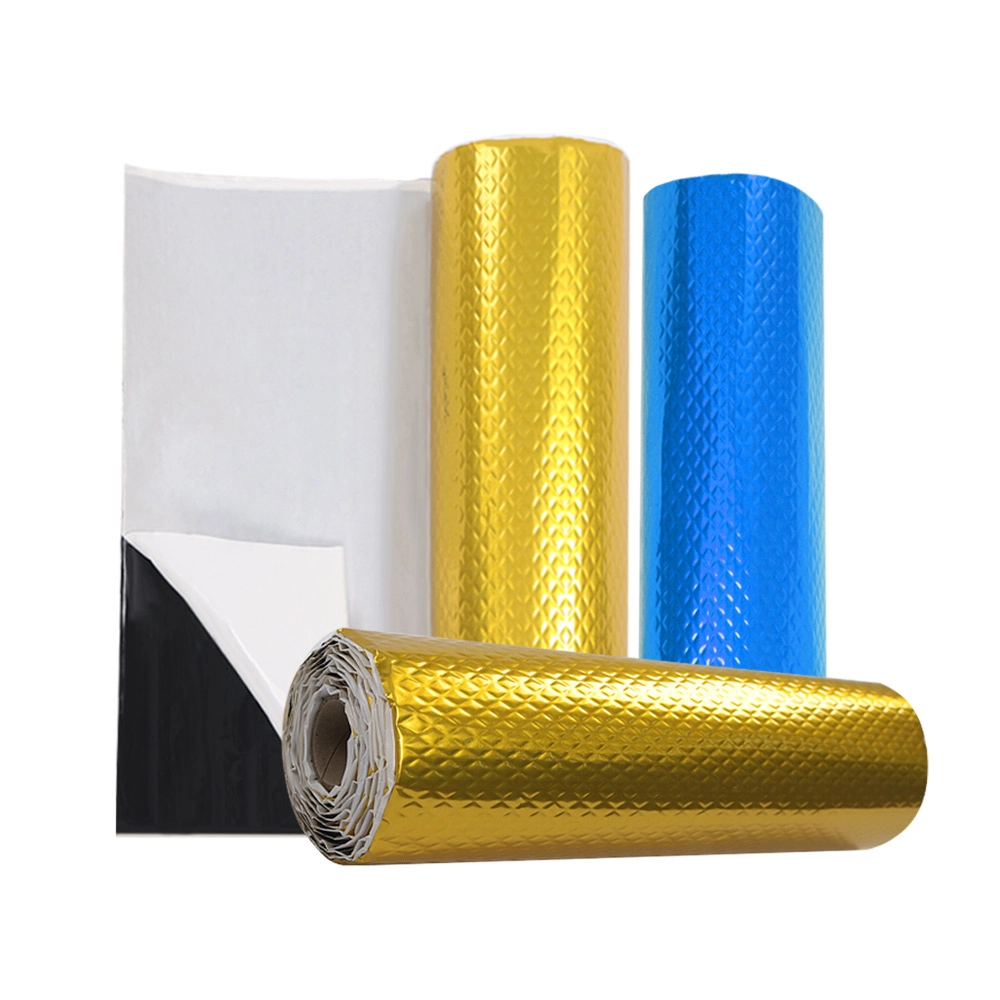
Specifying Butyl Rubber Sheet: Density, Thickness & Performance
The B2B Buyer’s Guide to fireproof sound absorbing cotton | ASLONG Ultimate Insights
FAQs
What specific functions can ASLONG's products provide?
Our products cover functions such as insulation, sound insulation, shock absorption, waterproofing and sealing, and are widely used in improving energy efficiency, reducing noise, controlling vibration, protecting equipment, etc., helping customers optimize engineering effects and improve user experience.
What industries are the products provided by ASLONG suitable for?
ASLONG's products are suitable for multiple industries, including air conditioning and HVAC, construction and waterproofing, automobiles and transportation, home appliances and electronics, industrial equipment and machinery, etc. We provide customized solutions for each industry to meet different needs.
How to customize products that meet the needs of my industry?
You only need to contact our sales or technical team, we will conduct an in-depth analysis based on your industry needs and provide tailor-made products and solutions. We guarantee to provide you with efficient and accurate services to meet your personalized requirements.
Do ASLONG's products meet environmental protection standards?
Yes, all ASLONG products comply with ISO14001 environmental management system certification and global environmental protection standards. We use environmentally friendly materials and are committed to providing sustainable solutions to help customers achieve green development goals.
Does ASLONG provide after-sales service?
Yes, we provide a full range of after-sales services, including technical support, installation guidance, product maintenance and quality tracking, etc., to ensure that each project goes smoothly and continues to perform at its best.
Butyl Rubber Sound Damping Mat
ASLONG Butyl Rubber Sound Damping Mat for sale. Effectively reduces noise and vibrations. High-quality butyl rubber ensures superior performance and durability. Ideal for automotive, industrial, and home applications.
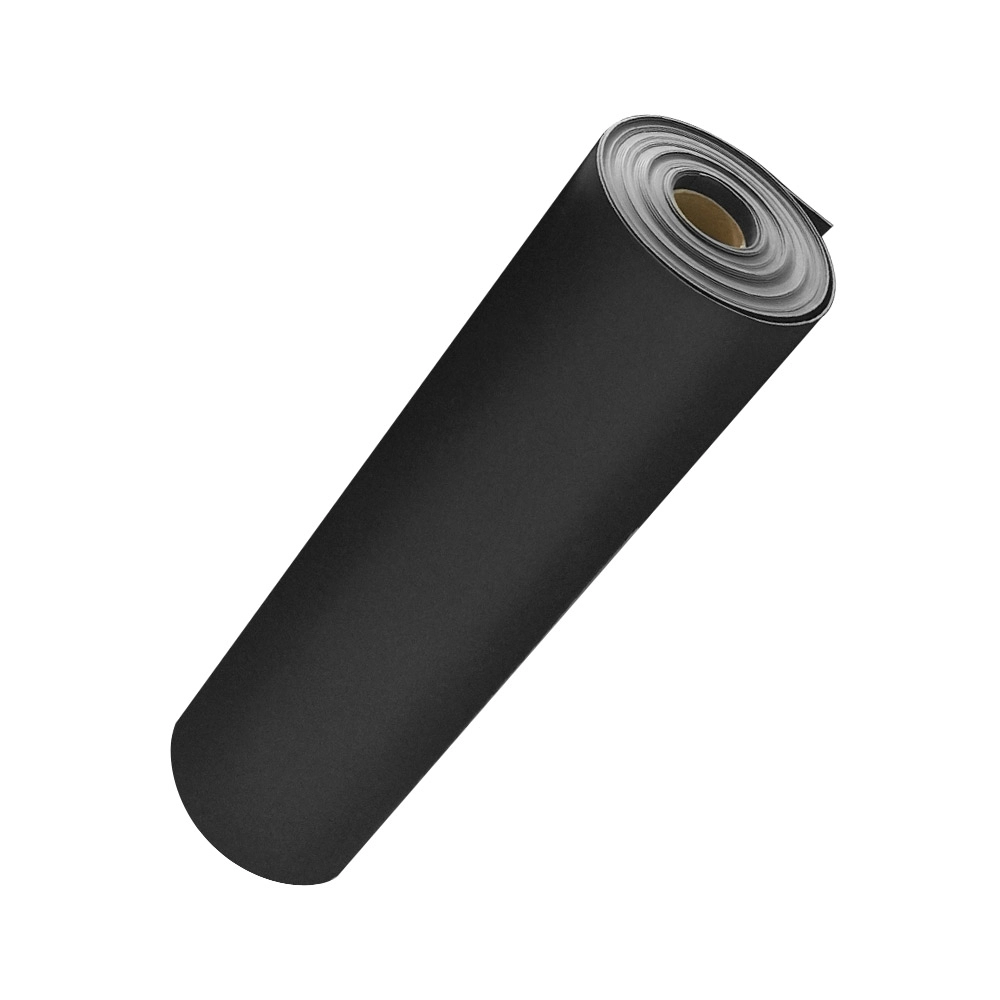
Mass Loaded Vinyl
ASLONG Mass Loaded Vinyl for sale. Reduce noise pollution effectively with our high-quality, mass-loaded vinyl. Ideal for soundproofing walls, floors, and more. Buy now and experience the difference!
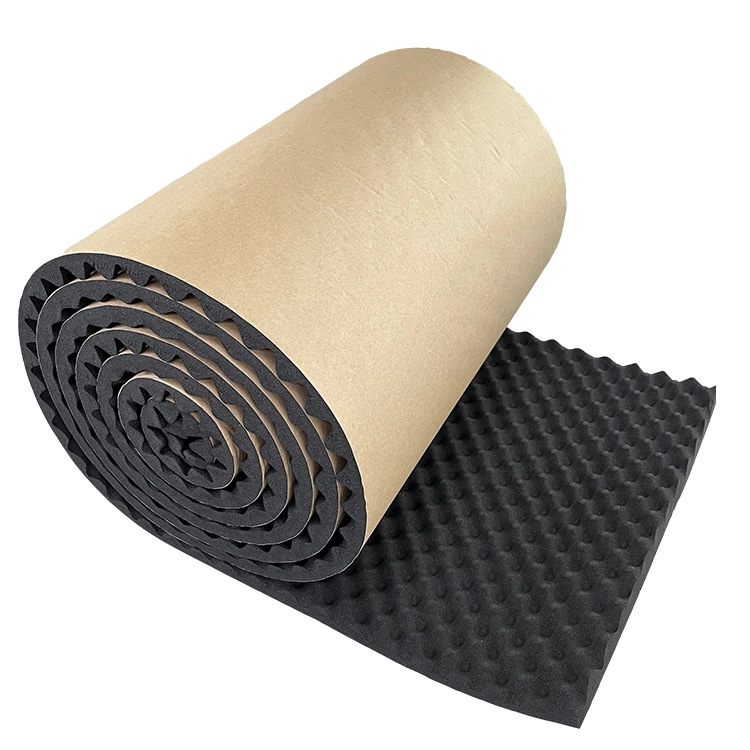
Egg Crate Foam
ASLONG Egg Crate Foam for sale. Lightweight, breathable, and comfortable, our egg crate foam provides superior support and pressure relief. Perfect for mattresses, cushions, cars, construction industry, KTV, factories, etc.
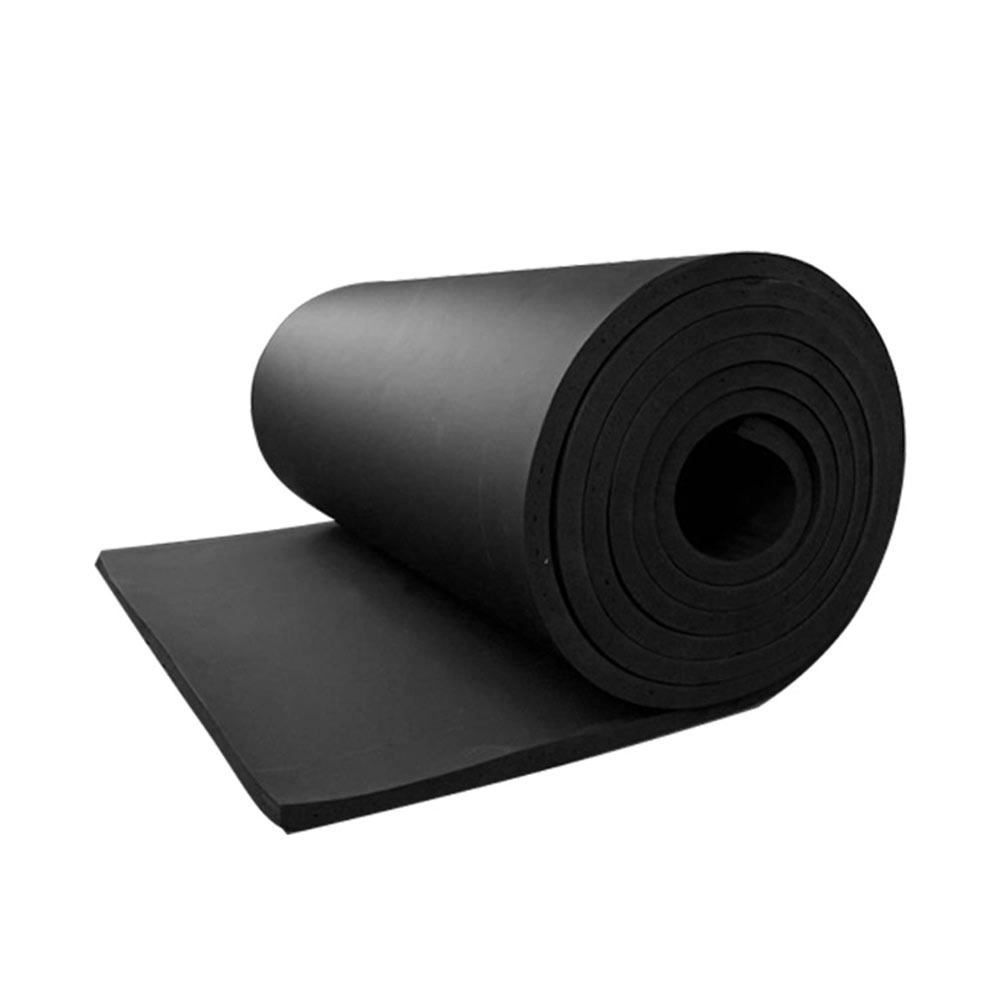
NBR Foam
ASLONG NBR Foam: Wholesale NBR foam solutions for diverse applications. High-quality, durable, and competitively priced. Contact us today for bulk orders.
Professional support at any time
If you have any comments or good suggestions, please leave us a message; later our professional staff will contact you as soon as possible.
© 2026 ASLONG All Rights Reserved. Privacy Policy | Terms and Conditions | Sitemap

 It would be pleasure to receive from you.
Whatsapp: +8613242879341
ASLONG Global
ASLONG
Aslong_global