

Specifying Butyl Rubber Sheet: Density, Thickness & Performance
- Specifying Butyl Rubber Sheet: Density, Thickness & Performance
- What is a butyl rubber sheet and why specify one?
- Product spotlight: Butyl Rubber Sound Damping Mat
- Key specification parameters: density, thickness and mass-per-area
- Density: what it means and typical ranges
- Thickness and how to select it
- Mass-per-area (areal mass) — the practical spec
- Performance metrics and what to expect
- Common acoustic measurements
- Real-world performance ranges
- Typical product specifications (example comparison)
- How density and thickness interact — practical selection rules
- Testing, standards and verification
- Installation considerations and best practices
- Application-specific guidance
- Automotive
- Industrial machinery
- Residential and commercial buildings
- Comparisons with other damping and barrier materials
- How ASLONG Butyl Rubber Sound Damping Mat fits your specification
- Cost vs performance: balancing budgets with acoustic goals
- FAQs (Frequently Asked Questions)
- Will increasing thickness always improve performance?
- How do I compare butyl sheets by different manufacturers?
- Can butyl mats be used outdoors?
- Do butyl sheets require primers or special adhesives?
- How do I test installed performance?
- Contact & product action
- Authoritative references and further reading

Specifying Butyl Rubber Sheet: Density, Thickness & Performance
What is a butyl rubber sheet and why specify one?
Butyl rubber sheet is a flexible elastomeric material used widely as a sound-damping layer, seal, or barrier. When formulated and manufactured for acoustic applications (often as a composite damping mat), it reduces structure-borne vibration and broadband airborne noise by converting mechanical energy into heat and by adding mass to transmission paths. The primary reasons engineers and specifiers choose butyl rubber sheet are its excellent damping properties, long-term durability, conformity to complex shapes, and resistance to environmental factors (ozone, moisture, many chemicals).
Product spotlight: Butyl Rubber Sound Damping Mat
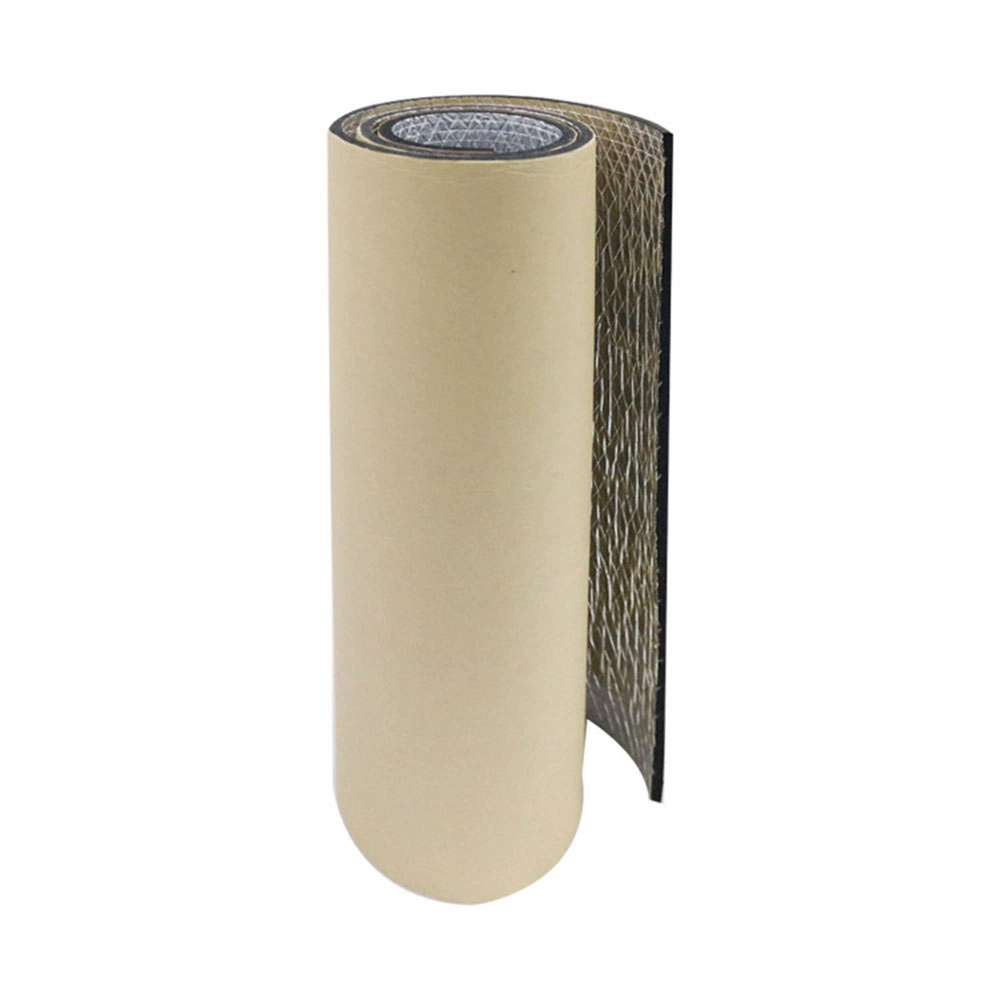
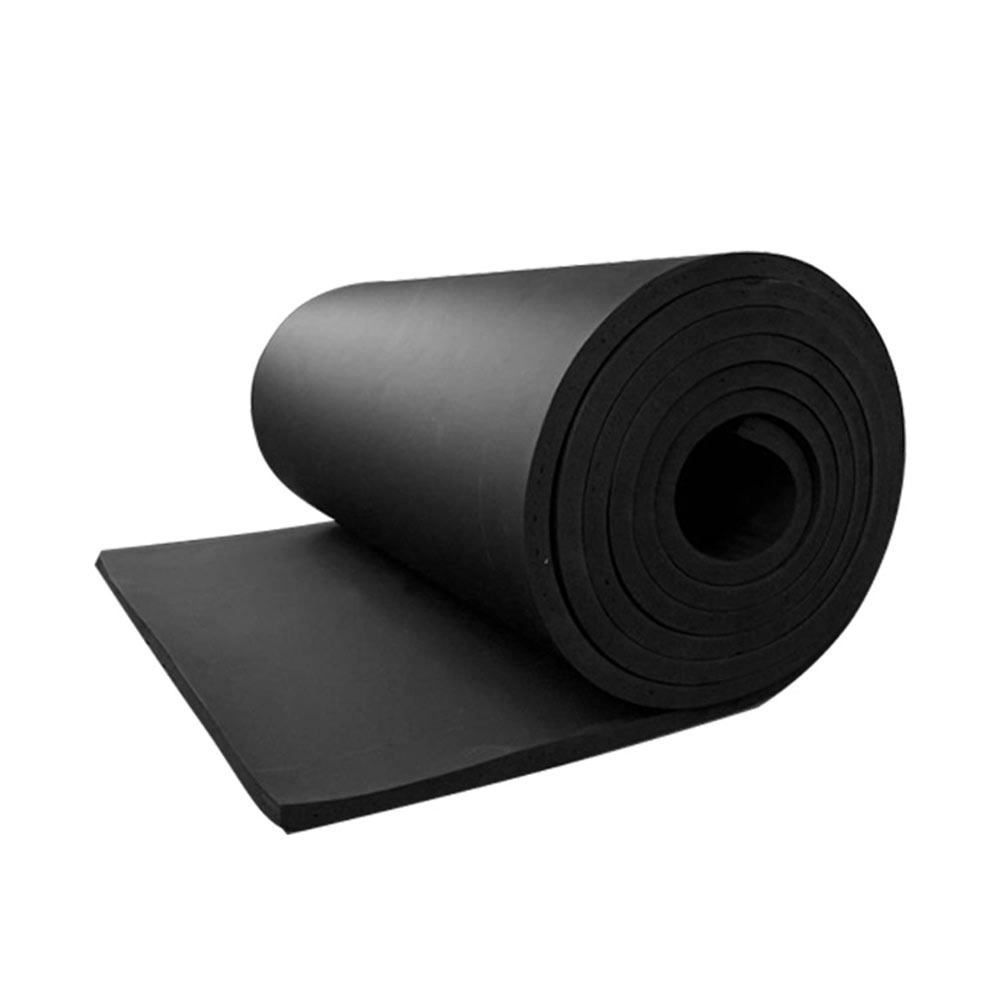
<p>ASLONG Butyl Rubber Sound Damping Mat for sale. Effectively reduces noise and vibrations. High-quality butyl rubber ensures superior performance and durability. Ideal for automotive, industrial, and home applications.</p>
Key specification parameters: density, thickness and mass-per-area
When specifying butyl rubber sheet for acoustic control, three interrelated parameters govern performance: material density (kg/m3 or g/cm3), nominal thickness (mm), and resulting mass-per-area (kg/m2). Together they determine how the product interacts with a structure and which frequency bands it attenuates most effectively.
Density: what it means and typical ranges
Density describes the mass of material per unit volume. For plain butyl rubber (unfilled), specific gravity is typically just under or around 1.0 (≈0.9–1.0 g/cm³). Acoustic damping mats are commonly formulated as composites (butyl compound + fillers, tackifiers, metal foil) so their operational density is higher. Typical density ranges for sound-damping butyl mats are 1,200–2,200 kg/m³ (1.2–2.2 g/cm³), depending on manufacturer and intended use. Higher composite density increases mass-per-area for a given thickness, improving low-frequency transmission loss but may reduce flexibility and increase cost.
Thickness and how to select it
Thickness for butyl sound-damping sheets commonly ranges from 1 mm to 6 mm in commercial products. Thin sheets (1–2 mm) are used when conformability, limited space, or cost is a priority and are optimized for higher-frequency vibration damping. Medium thickness (2–4 mm) offers a balanced trade-off between mass and flexibility. Thick sheets (4–6 mm) deliver greater low-frequency attenuation and higher mass-per-area but require more space and may be less conformable to complex shapes.
Mass-per-area (areal mass) — the practical spec
Areal mass (kg/m²) = density (kg/m³) × thickness (m). This single number is often most predictive of airborne transmission loss at mid-to-low frequencies. Typical areal-mass ranges for automotive and building damping mats fall between 1.5 and 9 kg/m². Increasing areal mass is one of the most effective ways to improve overall sound transmission loss, but note diminishing returns and practicality limits (weight, cost, installation).
Performance metrics and what to expect
Understanding the acoustic metrics helps translate material specs into on-the-job expectations.
Common acoustic measurements
- Transmission Loss (TL): frequency-dependent reduction in airborne sound as it passes through or is blocked by a material.
- Sound Transmission Class (STC): a single-number rating summarizing TL across typical speech frequencies (useful in building partitions).
- Impact Insulation Class (IIC): a rating for impact-caused noise (floors).
- Loss Factor (damping factor): material property describing conversion efficiency of vibrational energy to heat; higher loss factor = better damping.
Real-world performance ranges
Butyl damping mats are primarily effective at reducing structure-borne vibration and mid-to-high frequency noise. In retrofit automotive applications they commonly reduce panel vibration amplitudes and contribute to interior noise reductions on the order of 1–6 dB overall (higher locally at resonant frequencies). For building partitions, adding a butyl mat as part of a layered assembly often raises STC by 2–6 points depending on assembly and areal mass. These values depend on installation quality, substrate stiffness, added mass, and the frequency content of the noise source.
Typical product specifications (example comparison)
Below is a comparison table of representative butyl rubber sheet options to help you specify the correct product for your application. These are typical ranges used by manufacturers; always verify actual product test data when finalizing a spec.
| Product Type | Density (kg/m³) | Thickness (mm) | Areal mass (kg/m²) | Typical application | Expected acoustic effect |
|---|---|---|---|---|---|
| Thin butyl sheet | 1,200–1,400 | 1.0–1.5 | 1.2–2.1 | Door skins, small panels | Reduce mid/high-frequency panel rattles; modest dB reduction |
| Standard damping mat | 1,500–1,900 | 2.0–3.0 | 3.0–5.7 | Auto floors, trunks, industrial housings | Improved damping at resonance; 2–5 dB interior benefit |
| High-mass composite | 1,800–2,200 | 3.0–6.0 | 5.4–13.2 | Partitions, heavy panels | Better low-frequency attenuation; STC/IIC gains |
How density and thickness interact — practical selection rules
Follow these straightforward rules when choosing a butyl rubber sheet:
- Identify the dominant noise type: structure-borne (vibration) or airborne. Vibration control prioritizes damping (loss factor); airborne noise control favors increasing areal mass.
- For constrained spaces, prioritize higher-density but thinner sheets to keep areal mass high while maintaining fit.
- For broad low-frequency control where space is available, thicker, higher-mass composites work best.
- Consider compound tack and adhesive backing for retrofit ease (peel-and-stick products save labor but check temperature limits).
Testing, standards and verification
Specifying materials should always include test evidence. For acoustic and mechanical properties, request standardized testing reports:
- Airborne sound transmission: ISO 10140 series (laboratory measurement) and ISO 717 for rating.
- STC: measured per ASTM E90 / ISO equivalents for building partitions.
- Vibration and damping: dynamic mechanical analysis (DMA) for loss factor vs frequency/temperature.
- Environmental durability: accelerated aging, UV/ozone resistance and thermal cycling tests.
Ask your supplier for frequency-dependent Transmission Loss curves (TL vs frequency), loss factor data, and sample STC/IIC improvements for assemblies similar to your application.
Installation considerations and best practices
Proper installation maximizes a butyl mat's performance:
- Surface preparation: clean, dry, and degreased surfaces ensure adhesive contact and long-term bond.
- Pressure and dwell: firm pressure (roller or hand) ensures full contact and expels air pockets.
- Thermal limits: many butyl adhesives require ambient and substrate temperatures above a minimum for good adhesion; heating (e.g., heat gun) helps in cold conditions.
- Edge sealing: for moisture-sensitive environments include perimeter sealing where needed.
- Layering: combine damping mats with barrier layers (mass-loaded vinyl, foams) in multi-layer solutions for best airborne and impact control.
Application-specific guidance
Automotive
In vehicles, butyl damping mats are applied to door skins, floors, trunks, and roof panels. For door skins use thinner mats (1–2 mm) to retain fit and trim clearances. For floors and trunks use 2–4 mm mats to handle larger panel areas and low-frequency sources (road, engine). Pay attention to heat cycles and exposure to oils—use automotive-grade formulations certified for these environments.
Industrial machinery
Machines with resonant panels or housings benefit from medium-to-high mass damping mats layered on panel interiors. Prioritize mats with proven loss-factor performance at the machine’s dominant vibration frequencies. Consider removable service panels—use peel-and-stick or mechanically fastened mats where maintenance is frequent.
Residential and commercial buildings
Butyl mats are less commonly used alone for walls but can be very effective as part of multi-layer floor or ceiling assemblies and in HVAC ducts or equipment enclosures. Use heavier composites for low-frequency airborne control and pair with resilient channels or absorptive layers for best results.
Comparisons with other damping and barrier materials
Butyl mats sit between pure foams (which provide absorption) and heavy barriers (like mass-loaded vinyl) which primarily add mass. Compared to viscoelastic polymers (constrained layer damping materials), butyl offers strong adhesion and durability; constrained-layer systems tuned to specific resonances can outperform butyl alone but are more complex to install. Choosing the right combination (butyl + MLV + absorptive layer) yields broad-spectrum control.
How ASLONG Butyl Rubber Sound Damping Mat fits your specification
ASLONG's Butyl Rubber Sound Damping Mat is formulated for broad applicability—automotive, industrial and home uses. Key advantages:
- Optimized density and compound for high damping and durable adhesion.
- Available in multiple thicknesses to match installation constraints and target frequency ranges.
- Good environmental resistance (long-term performance against temperature cycles and moisture).
- Manufactured with consistent quality controls and test data available for verification.
When specifying ASLONG products, request product datasheets with TL curves, loss-factor data and recommended installation procedures for your assembly.
Cost vs performance: balancing budgets with acoustic goals
Acoustic specification is always a cost/performance trade-off. Increasing areal mass and using multi-layer systems are effective but also more expensive and heavier. Use target metrics (e.g., desired STC increase, or dB reduction at specific frequencies) to drive material choices. Early-stage laboratory modelling and prototype tests reduce the risk of over-specifying or under-performing solutions.
FAQs (Frequently Asked Questions)
Will increasing thickness always improve performance?
Increasing thickness raises areal mass and usually improves low-frequency attenuation, but it can reduce flexibility and may not significantly help at high frequencies. The optimal thickness depends on the frequency content of the noise and installation constraints.
How do I compare butyl sheets by different manufacturers?
Compare by areal mass, loss-factor vs frequency, TL curves, and verified test reports (STC/IIC or ISO/ASTM lab data). Also check long-term environmental test results and warranty/quality control evidence.
Can butyl mats be used outdoors?
Some butyl compounds are formulated for outdoor use with UV and ozone resistance. Verify manufacturer environmental ratings and expected lifespan for outdoor exposure.
Do butyl sheets require primers or special adhesives?
Many butyl damping mats are supplied with pressure-sensitive adhesive backs for peel-and-stick installation. For critical long-term bonds or untreated surfaces, a primer or mechanical fastening may be recommended—follow supplier guidance.
How do I test installed performance?
Field testing can include in-situ airborne sound transmission tests, broadband noise measurements, and vibration accelerometer surveys to measure reductions in panel vibration amplitude and decibel levels before and after installation.
Contact & product action
To evaluate ASLONG Butyl Rubber Sound Damping Mat for your project, request a datasheet, product samples, or application-specific test data. Contact our sales & technical team to discuss sizing, installation, and performance validation.
Contact us to request samples, technical datasheets or a quotation — or visit the product page to view ASLONG Butyl Rubber Sound Damping Mat options and ordering information.
Authoritative references and further reading
Below are authoritative resources to verify material properties and acoustic testing standards:
- Butyl rubber (Wikipedia) — https://en.wikipedia.org/wiki/Butyl
- Sound insulation (Wikipedia) — https://en.wikipedia.org/wiki/Sound_insulation
- Sound Transmission Class (STC) (Wikipedia) — https://en.wikipedia.org/wiki/Sound_transmission_class
- Acoustical Society of America — https://acousticalsociety.org/
- Engineering Toolbox — densities and material data — https://www.engineeringtoolbox.com/
For product-specific test reports and datasheets, please request official documentation from ASLONG or your local supplier.
Best thermal-acoustic insulation for automotive interiors
Choosing Multi layer Composite NBR Foam Suppliers: Key Criteria
The B2B Buyer’s Guide to Sound Absorbing Cotton
Sound Deadening vs Sound Absorption for Cars 2026 Explained
FAQs
What industries are the products provided by ASLONG suitable for?
ASLONG's products are suitable for multiple industries, including air conditioning and HVAC, construction and waterproofing, automobiles and transportation, home appliances and electronics, industrial equipment and machinery, etc. We provide customized solutions for each industry to meet different needs.
What specific functions can ASLONG's products provide?
Our products cover functions such as insulation, sound insulation, shock absorption, waterproofing and sealing, and are widely used in improving energy efficiency, reducing noise, controlling vibration, protecting equipment, etc., helping customers optimize engineering effects and improve user experience.
Does ASLONG provide after-sales service?
Yes, we provide a full range of after-sales services, including technical support, installation guidance, product maintenance and quality tracking, etc., to ensure that each project goes smoothly and continues to perform at its best.
Do ASLONG's products meet environmental protection standards?
Yes, all ASLONG products comply with ISO14001 environmental management system certification and global environmental protection standards. We use environmentally friendly materials and are committed to providing sustainable solutions to help customers achieve green development goals.
How to customize products that meet the needs of my industry?
You only need to contact our sales or technical team, we will conduct an in-depth analysis based on your industry needs and provide tailor-made products and solutions. We guarantee to provide you with efficient and accurate services to meet your personalized requirements.
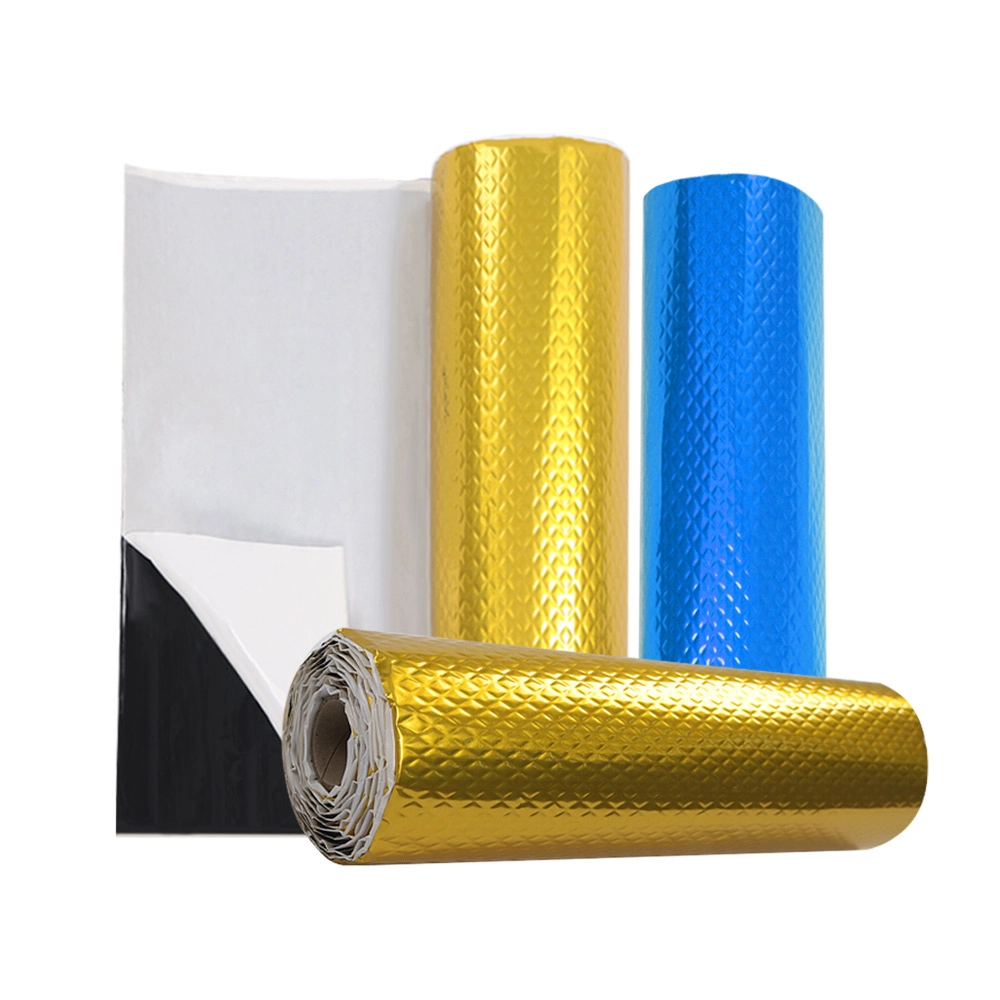
Butyl Rubber Sound Damping Mat
ASLONG Butyl Rubber Sound Damping Mat for sale. Effectively reduces noise and vibrations. High-quality butyl rubber ensures superior performance and durability. Ideal for automotive, industrial, and home applications.
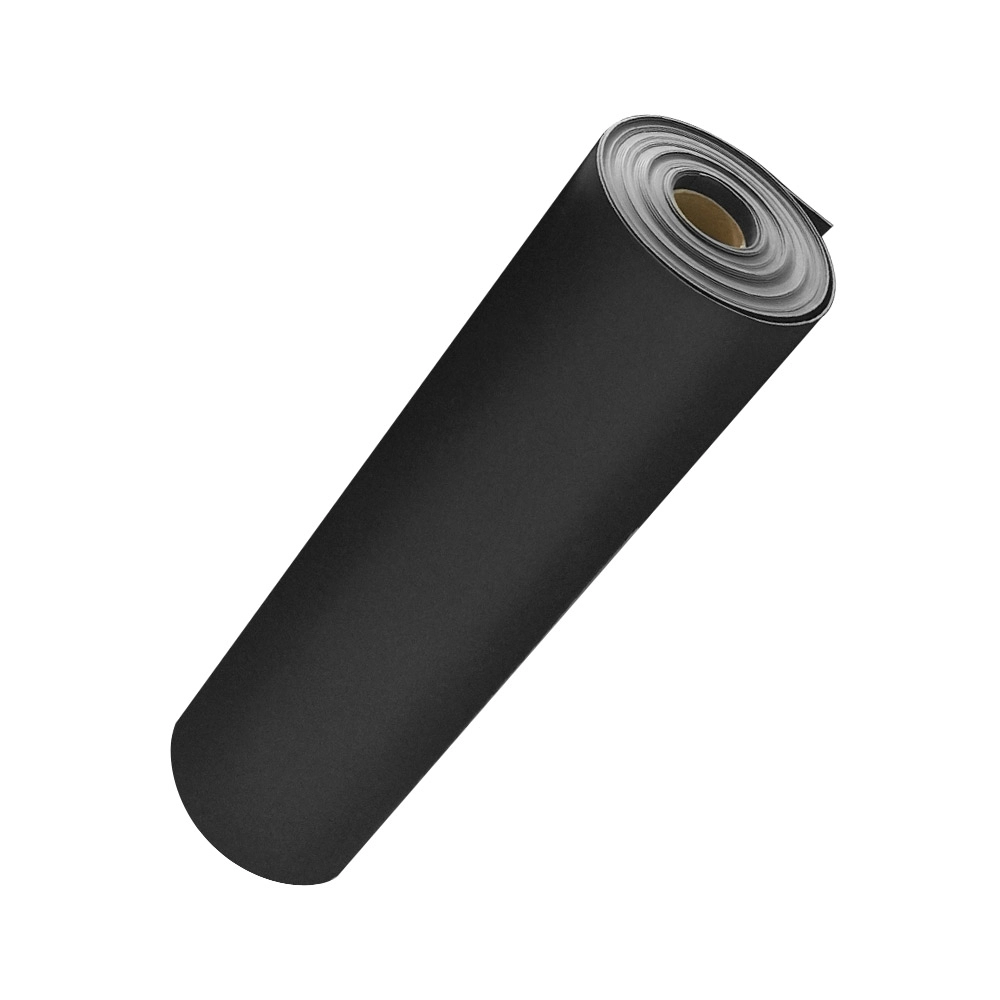
Mass Loaded Vinyl
ASLONG Mass Loaded Vinyl for sale. Reduce noise pollution effectively with our high-quality, mass-loaded vinyl. Ideal for soundproofing walls, floors, and more. Buy now and experience the difference!
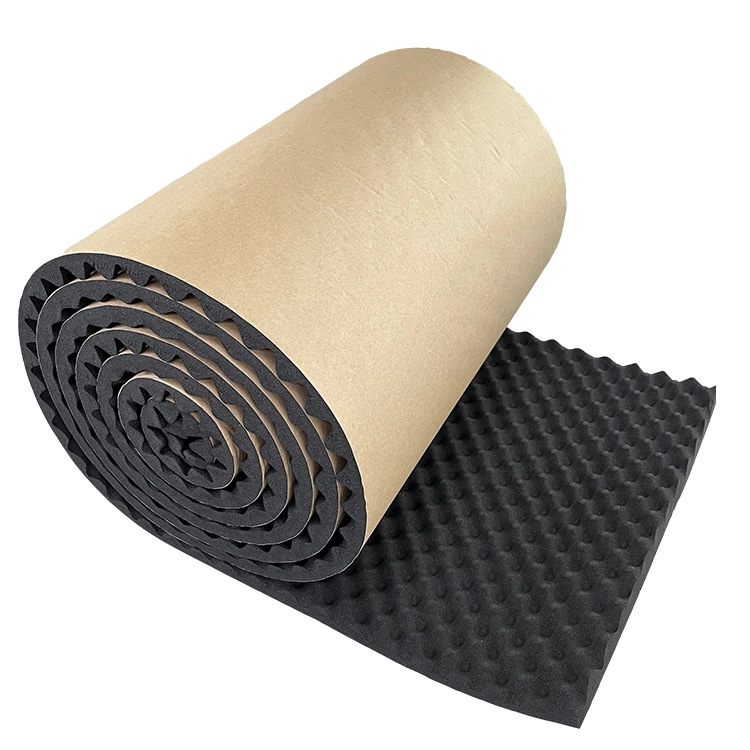
Egg Crate Foam
ASLONG Egg Crate Foam for sale. Lightweight, breathable, and comfortable, our egg crate foam provides superior support and pressure relief. Perfect for mattresses, cushions, cars, construction industry, KTV, factories, etc.
NBR Foam
ASLONG NBR Foam: Wholesale NBR foam solutions for diverse applications. High-quality, durable, and competitively priced. Contact us today for bulk orders.
Professional support at any time
If you have any comments or good suggestions, please leave us a message; later our professional staff will contact you as soon as possible.
© 2026 ASLONG All Rights Reserved. Privacy Policy | Terms and Conditions | Sitemap

 It would be pleasure to receive from you.
Whatsapp: +8613242879341
ASLONG Global
ASLONG
Aslong_global