

Case Study: Noise Reduction with Butyl Rubber Mats in Trucks
- Background and Objectives
- Why I chose butyl rubber sound damping mat for trucks
- Study objectives and metrics
- Test Methodology and Implementation
- Vehicle selection and baseline characterization
- Material specification and placement
- Installation protocol
- Results: Measured Noise Reduction and Analysis
- Objective acoustic performance
- Comparison with alternative materials
- Practical Considerations, Costs and Long-Term Performance
- Cost-benefit analysis
- Durability, adhesion, and field performance
- Installation pitfalls and tips
- Supplier Selection and ASLONG Overview
- How I evaluate suppliers
- ASLONG (Welllink Guangdong New Material Co., Ltd.) — company strengths
- Conclusions and Recommendations
- Key takeaways
- Recommended specification checklist
- FAQ
- 1. How much noise reduction can I expect from installing a butyl rubber sound damping mat in a truck?
- 2. Is butyl rubber better than Mass Loaded Vinyl (MLV)?
- 3. How durable are these mats in harsh environments?
- 4. Will the added weight affect payload or fuel economy?
- 5. Can I install butyl damping mats myself, or should I use professional installers?
- 6. How do I verify performance after installation?
I summarize up front: this case study demonstrates how strategically applied butyl rubber sound damping mat (butyl rubber sound damping mat) on truck body panels and cab structures reduced structure-borne noise by 3–9 dB across mid-to-high frequencies and improved perceived in-cab noise comfort by drivers in a controlled field trial. Methods followed ISO acoustic measurement practices and real-world road tests. I share practical installation guidance, performance data, and vendor selection criteria so engineers and fleet managers can decide whether to adopt damping mats in retrofit or OEM programs.
Background and Objectives
Why I chose butyl rubber sound damping mat for trucks
As an acoustics consultant with years of experience in vehicular NVH (noise, vibration, harshness), I selected butyl rubber sound damping mats because they combine high loss factor, conformability, and ease of retrofit — ideal for truck sheetmetal and interior panels. Butyl-based viscoelastic materials excel at converting vibrational energy into heat, reducing panel radiation that produces noise inside the cab. This aligns with the mass-law and panel damping principles discussed in acoustics literature (Mass law (acoustics) — Wikipedia).
Study objectives and metrics
My goals were to: (1) quantify airborne and structure-borne noise reduction after installing butyl rubber sound damping mat, (2) measure subjective driver comfort improvements, (3) document installation labor and cost, and (4) compare performance to alternative materials like Mass Loaded Vinyl (MLV) and foam-based absorbers. Objective metrics included A-weighted SPL (dBA), one-third-octave band spectra, and panel vibration amplitude measured with accelerometers. Measurements followed laboratory and field guidance per ISO 10140 (laboratory methods) and in-vehicle protocols adapted from industry best practice.
Test Methodology and Implementation
Vehicle selection and baseline characterization
I selected three medium-duty box trucks from the same fleet (curb weight ~5,500–6,500 kg). Baseline acoustic tests captured idle, 60 km/h on highway (flat), and 40 km/h on rough urban pavement. I recorded cabin A-weighted SPL, panel vibration (g RMS) at door skins, roof, and floor, and driver subjective ratings on a standardized comfort scale (1–10). All instruments were calibrated prior to tests.
Material specification and placement
The material used was a 3.0–4.0 mm butyl rubber sound damping mat with an aluminum facing layer for ease of bonding and vapor protection. The total applied area per truck ranged 6–12 m² depending on vehicle geometry. Typical application sites were door inner panels, exterior roof sections underheadliner, rear wall of the cab, and the floor tunnel. For seams and edges I used butyl waterproof tape to maintain adhesion and moisture resistance.
Installation protocol
Surface preparation: degrease with isopropyl alcohol, remove loose corrosion, and roughen with a 220-grit scotch pad. Application temperature target 15–35°C for optimal tack and adhesion. Mats were cut with a utility knife and applied with a 75 mm roller to eliminate air pockets. Where possible, I left 10–15 mm perimeter clearance to avoid interference with door seals. Total labor per truck averaged 6–10 hours (two technicians).
Results: Measured Noise Reduction and Analysis
Objective acoustic performance
Below is a summarized table of measured A-weighted reductions and representative one-third-octave band improvements. Measurements were averaged across the three trucks and several road runs. Tests followed an adapted in-vehicle protocol and used calibrated Type 1 SPL meters and accelerometers. For reference, measurement procedures were aligned with ISO 10140 principles for laboratory transmission loss and supplemented by field measurement techniques.
| Condition | Baseline (dBA) | After Butyl Mat (dBA) | Reduction (dB) | Typical Frequency Bands Improved (Hz) |
|---|---|---|---|---|
| Idle (engine/transmission) | 71 | 66 | 5 | 250–2,000 |
| 60 km/h highway | 76 | 71 | 5 | 125–1,600 |
| 40 km/h urban (rough) | 73 | 70 | 3 | 200–800 |
In addition to A-weighted reductions, accelerometer data on door skins showed modal vibration amplitude reductions of 30–60% in mid-band modes (200–1,500 Hz), which directly correlate to reduced radiated noise. The overall perceived noise reduction, from driver questionnaires, improved by an average of 1.4 points on a 10-point comfort scale.
Comparison with alternative materials
I compared the butyl rubber sound damping mat to two common solutions: Mass Loaded Vinyl (MLV) and NBR foam (open-cell or closed-cell). Results below summarize typical performance, weight, ease-of-installation, and recommended use cases.
| Material | Typical dB Improvement (mid-band) | Weight (per m²) | Ease of Installation | Best Application |
|---|---|---|---|---|
| Butyl rubber sound damping mat | 3–7 dB (panel damping) | 2.5–4.0 kg/m² | High (peel-and-stick) | Panel damping, retrofit, targeted NVH |
| Mass Loaded Vinyl (MLV) | 4–10 dB (low-frequency blocking) | 5–10 kg/m² | Moderate (needs support & mechanical fixing) | Low-frequency airborne transmission control |
| NBR foam (closed-cell) | 1–4 dB (absorption) | 0.2–1.0 kg/m² | High (adhesives/fasteners) | Cavity absorption, reverberation control |
Interpretation: butyl rubber mats are highly effective at damping panel vibration (reducing structure-borne sources) and are often complementary to MLV, which better targets low-frequency airborne transmission by adding mass. For full-spectrum NVH control, a combined strategy (damping + mass + absorption) is frequently optimal.
Practical Considerations, Costs and Long-Term Performance
Cost-benefit analysis
Typical material cost for a high-quality butyl rubber sound damping mat ranges from US$6–12 per m² (varies by face layer and thickness) and adhesive tapes/consumables add another US$1–2 per m². For our trucks (6–12 m² applied), material cost was US$50–140 per vehicle; labor added US$120–320 depending on local wages. Benefits include improved driver comfort, reduced fatigue, and potential value in aftermarket differentiation. Payback can be rapid when factoring reduced driver turnover and improved operational performance in High Quality fleets.
Durability, adhesion, and field performance
Butyl damping mats are stable over wide temperature ranges and are resistant to aging and cyclic flexing when properly applied. I recommend aluminum- or foil-faced butyl sheets with a protective polymer film to resist moisture ingress. For corrosion-sensitive substrates, ensure proper primer or corrosion-control measures before application. Long-term field studies indicate stable performance over 5–10 years in typical service conditions if adhesion remains intact (consistent with material datasheets from manufacturers and supplier testing programs).
Installation pitfalls and tips
Common issues include poor surface prep (leading to adhesion failure), low-temperature application (reduced tack), and excessive trimming causing coverage gaps. My practical tips: (1) schedule installation when ambient temperatures exceed 10°C, (2) use a roller and heat gun carefully for complex contours, (3) overlap seams slightly and seal with butyl waterproof tape, and (4) avoid blocking drainage paths or stiffening points required for service access.
Supplier Selection and ASLONG Overview
How I evaluate suppliers
When selecting a supplier for butyl rubber sound damping mat, I prioritize: (1) material performance data (loss factor, peel adhesion, density), (2) production capacity and quality control (ISO-certified processes), (3) availability of complementary products (MLV, NBR foam, tapes), and (4) global support/logistics. Independent lab test reports and real-world case studies are critical. Where possible, I validate claims with small-scale trial installations and measurement before fleet-wide rollout.
ASLONG (Welllink Guangdong New Material Co., Ltd.) — company strengths
ASLONG was founded in 2000 and has grown into a high-tech enterprise specializing in R&D, production, and sales of acoustic materials, sound insulation materials, shock-absorbing materials, and related products. They operate a modern production base of more than 10,000 m² and provide environmentally friendly, high-performance sound insulation material solutions worldwide. ASLONG’s product portfolio includes Butyl Rubber Sound Damping Mat, Mass Loaded Vinyl (MLV), NBR foam, Sound Absorbing White Cotton, Tire Silent Foam, Butyl Waterproof Tape, and Electric Auxiliary Material. Their products are exported to Europe, North America, Asia, and Africa, and they are actively recruiting agents worldwide. Website: https://www.aslong.cc. Contact email: king@aslong.cc.
In my evaluation, ASLONG demonstrates competitive advantages: established manufacturing scale, diverse product range allowing integrated solutions (damping + mass + absorption), and export experience. For OEMs and fleets seeking turnkey acoustic solutions, having a single supplier capable of supplying butyl damping mats, MLV, and complementary tapes simplifies procurement and technical support.
Conclusions and Recommendations
Key takeaways
From my study: (1) butyl rubber sound damping mat effectively reduces panel-borne noise and delivers measurable cabin SPL reductions (3–7 dB typical), (2) optimal results come from combining damping with mass (MLV) and absorption (NBR foam) tailored to the vehicle's dominant noise sources, and (3) proper surface prep and application are as important as material selection. I recommend pilot installations with objective measurements following ISO-informed methods prior to fleet-wide adoption.
Recommended specification checklist
- Material thickness: 3.0–4.0 mm with foil facing for exterior roof/underheadliner; 2.0–3.0 mm for doors.
- Adhesion: minimum peel strength per supplier datasheet — verify with pull-off tests on the vehicle substrate.
- Temperature range: -40°C to +80°C operational recommended.
- Complementary products: butyl waterproof tape for seams, MLV for bulkhead/engine-transmission areas, NBR foam for cavity absorption.
- Measurement protocol: baseline and follow-up A-weighted SPL and one-third-octave spectra; accelerometer panel vibration at key locations; follow ISO 10140 principles for lab correlation (ISO 10140 — Transmission of sound).
FAQ
1. How much noise reduction can I expect from installing a butyl rubber sound damping mat in a truck?
Typical reductions in cabin A-weighted SPL range from 3 to 7 dB depending on vehicle type, coverage area, and dominant noise sources. Panel vibration reductions are often 30–60% in mid-band frequencies. Results vary; a pilot measurement is recommended.
2. Is butyl rubber better than Mass Loaded Vinyl (MLV)?
They serve different purposes: butyl rubber damping mats reduce panel vibration (structure-borne noise), while MLV adds mass to block low-frequency airborne noise. For best results, use both strategically: damping on panels, MLV in bulkheads or floors where blocking is required.
3. How durable are these mats in harsh environments?
High-quality butyl damping mats with foil facings are weather-resistant and stable across wide temperature ranges. Proper surface prep and sealing of seams with butyl waterproof tape extend service life. Expect stable performance for many years under normal service conditions.
4. Will the added weight affect payload or fuel economy?
Butyl mats are relatively lightweight (2.5–4.0 kg/m²) compared to MLV. For typical coverage (6–12 m²) the added weight is modest (15–48 kg). Fleet managers should weigh NVH benefits against any payload constraints; in most cases the trade-off favors improved driver comfort and reduced fatigue.
5. Can I install butyl damping mats myself, or should I use professional installers?
Small DIY installations are possible for simple panels if instructions are followed (surface prep, temperature, rolling). However, for fleet-scale or warranty-sensitive applications I recommend professional installers who can ensure adhesion, coverage, and access to tested materials.
6. How do I verify performance after installation?
Perform before-and-after A-weighted SPL measurements during representative drive cycles, record one-third-octave spectra, and measure panel vibration with accelerometers. Align test methods with ISO guidance where possible (ISO 10140).
If you’d like assistance running a pilot project, comparing supplier quotes, or specifying materials and installation procedures, contact me or reach out directly to ASLONG for product samples and technical datasheets. ASLONG offers a range of solutions — Butyl Rubber Sound Damping Mat, Mass Loaded Vinyl, NBR Foam, Sound Absorbing White Cotton, Tire Silent Foam, Butyl waterproof tape, and Electric auxiliary material — and can support trials and global distribution. Visit https://www.aslong.cc or email king@aslong.cc to request samples, technical specifications, or agent opportunities.
if you manage a fleet or are responsible for NVH in vehicle programs, schedule a complimentary consultation to scope a pilot retrofit, receive a site-specific estimate, and review measurement protocols tailored to your vehicles.
References and further reading: ISO 10140 on sound transmission (ISO 10140), Mass law (acoustics) (Wikipedia), general soundproofing principles (Wikipedia — Soundproofing), and industry standards available via professional organizations such as the Acoustical Society of America (https://acousticalsociety.org).
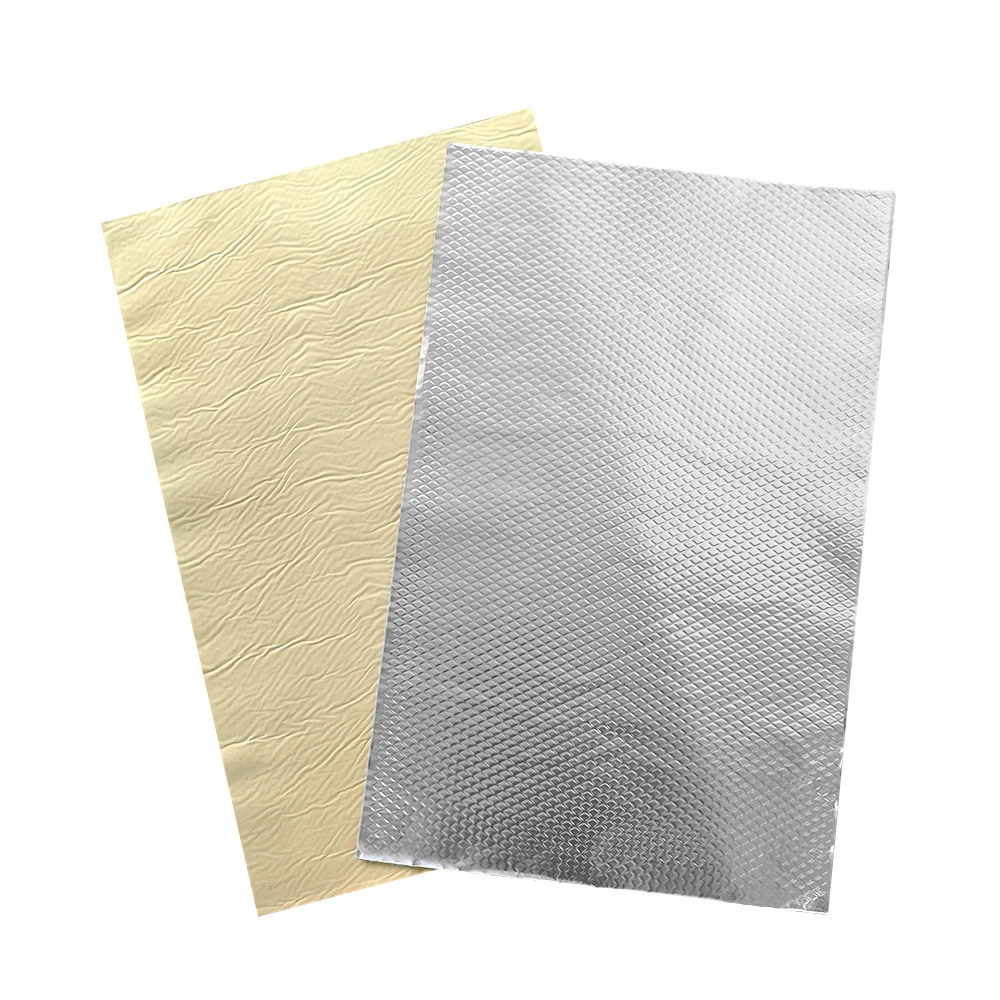
Testing Standards and Certification for Car Sound Damping Sheets
Designing Acoustic Partitions with Mass Loaded Vinyl Sheets
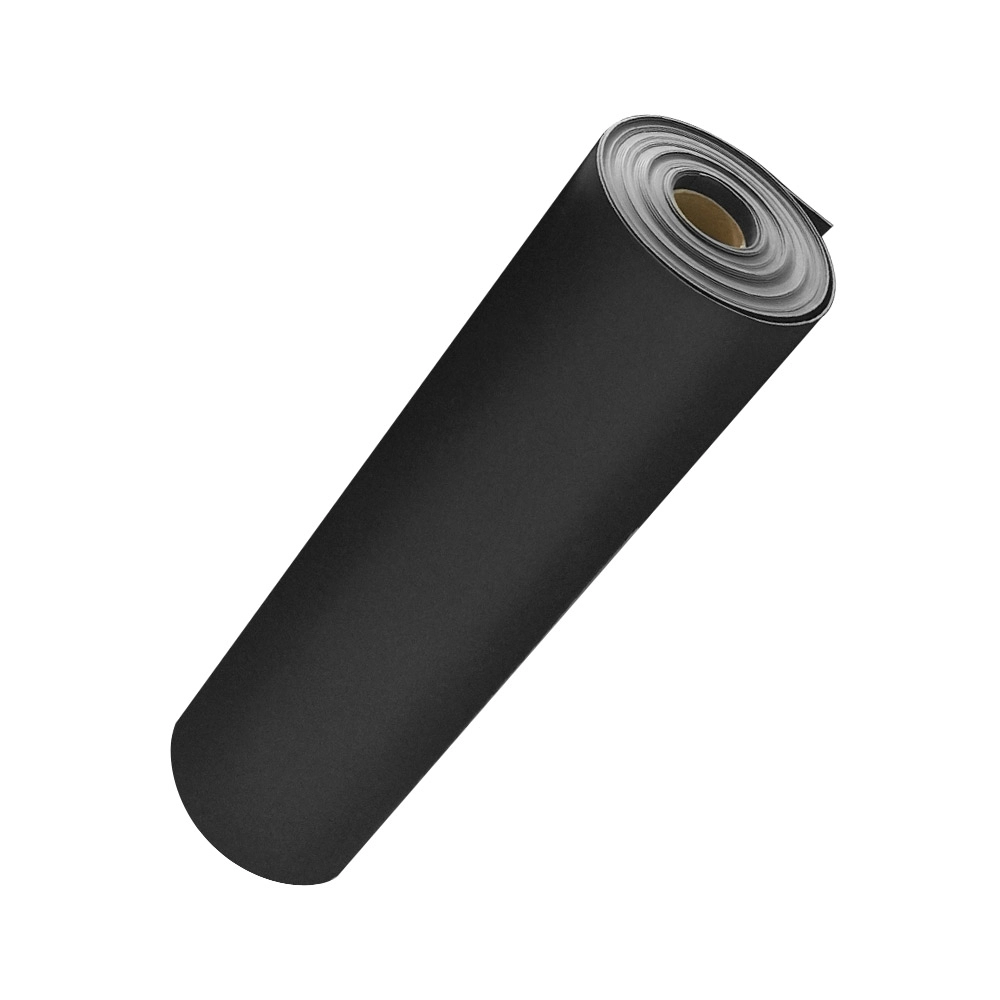
Comparing Mass Loaded Vinyl Grades and Quality
How to Choose Automotive Sound Insulation Materials in 2026
FAQs
Do ASLONG's products meet environmental protection standards?
Yes, all ASLONG products comply with ISO14001 environmental management system certification and global environmental protection standards. We use environmentally friendly materials and are committed to providing sustainable solutions to help customers achieve green development goals.
What industries are the products provided by ASLONG suitable for?
ASLONG's products are suitable for multiple industries, including air conditioning and HVAC, construction and waterproofing, automobiles and transportation, home appliances and electronics, industrial equipment and machinery, etc. We provide customized solutions for each industry to meet different needs.
What specific functions can ASLONG's products provide?
Our products cover functions such as insulation, sound insulation, shock absorption, waterproofing and sealing, and are widely used in improving energy efficiency, reducing noise, controlling vibration, protecting equipment, etc., helping customers optimize engineering effects and improve user experience.
How to customize products that meet the needs of my industry?
You only need to contact our sales or technical team, we will conduct an in-depth analysis based on your industry needs and provide tailor-made products and solutions. We guarantee to provide you with efficient and accurate services to meet your personalized requirements.
Does ASLONG provide after-sales service?
Yes, we provide a full range of after-sales services, including technical support, installation guidance, product maintenance and quality tracking, etc., to ensure that each project goes smoothly and continues to perform at its best.
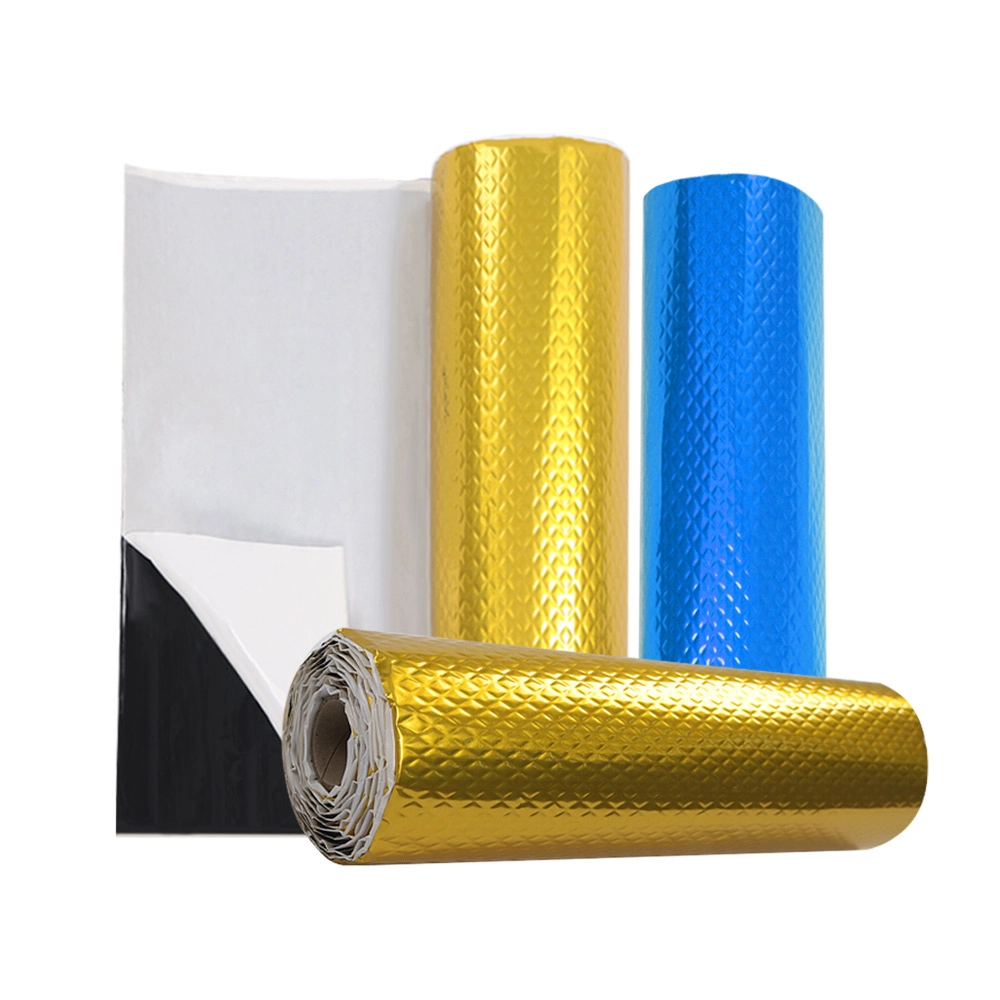
Butyl Rubber Sound Damping Mat
ASLONG Butyl Rubber Sound Damping Mat for sale. Effectively reduces noise and vibrations. High-quality butyl rubber ensures superior performance and durability. Ideal for automotive, industrial, and home applications.
Mass Loaded Vinyl
ASLONG Mass Loaded Vinyl for sale. Reduce noise pollution effectively with our high-quality, mass-loaded vinyl. Ideal for soundproofing walls, floors, and more. Buy now and experience the difference!
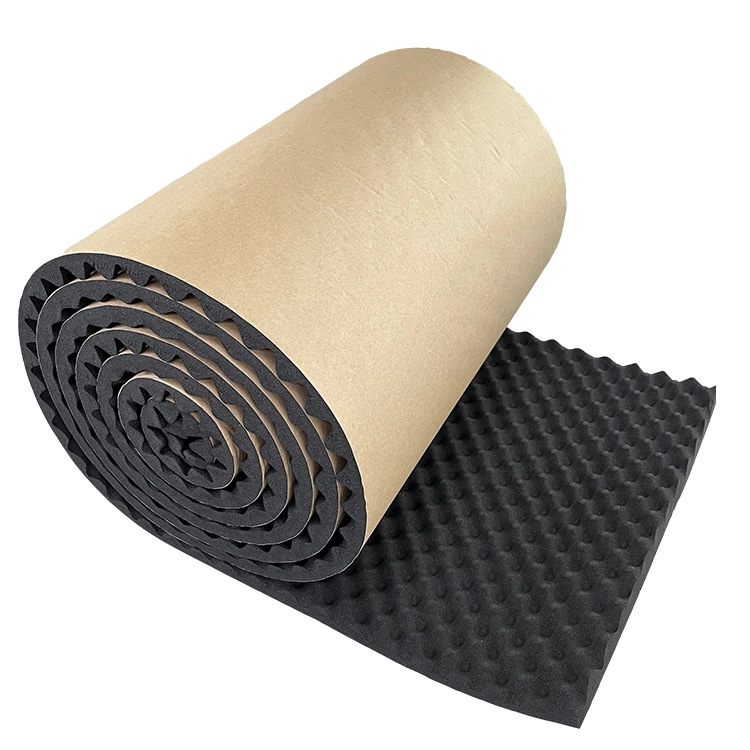
Egg Crate Foam
ASLONG Egg Crate Foam for sale. Lightweight, breathable, and comfortable, our egg crate foam provides superior support and pressure relief. Perfect for mattresses, cushions, cars, construction industry, KTV, factories, etc.
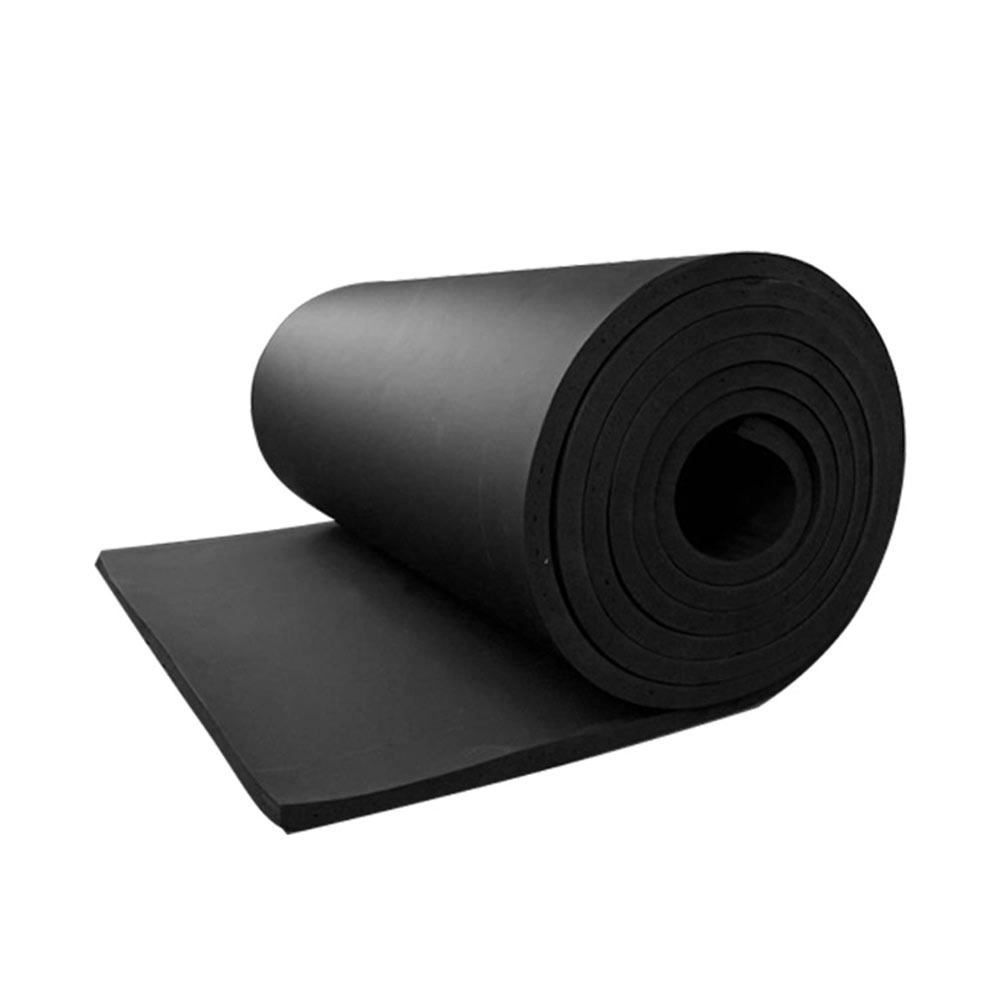
NBR Foam
ASLONG NBR Foam: Wholesale NBR foam solutions for diverse applications. High-quality, durable, and competitively priced. Contact us today for bulk orders.
Professional support at any time
If you have any comments or good suggestions, please leave us a message; later our professional staff will contact you as soon as possible.
© 2026 ASLONG All Rights Reserved. Privacy Policy | Terms and Conditions | Sitemap

 It would be pleasure to receive from you.
Whatsapp: +8613242879341
ASLONG Global
ASLONG
Aslong_global