

Installation Best Practices for Butyl Rubber Sound Damping Mat
- Why choose butyl rubber for noise and vibration control
- Material properties that matter
- Where butyl rubber performs best
- Durability and long-term performance
- Preparation and tools for installing Butyl Rubber Sound Damping Mat
- Surface preparation: the most important step
- Tools and materials checklist
- Selecting the right rubber mat type
- Step-by-step installation guide
- Measuring, cutting and test-fitting
- Adhesion and bonding techniques
- Finishing, seams and protection
- Common installation pitfalls and troubleshooting
- Adhesion failures: diagnosis and fixes
- Persistent noise spots after installation
- Working in different environments
- Performance comparison: butyl vs other common rubber mats
- Maintenance and long-term care
- Routine inspection
- Cleaning and repairs
- When to replace
- FAQ — Frequently Asked Questions
- How thick should the Butyl Rubber Sound Damping Mat be for automotive floors?
- Can I install butyl mats over existing damping materials?
- Are butyl mats safe in high-temperature engine bays?
- Do butyl mats reduce airborne noise or just vibration?
- What if my installation environment is very cold?

Effective installation of sound damping materials starts with understanding both the product and the environment in which it will be applied. This guide explains proven installation best practices for Butyl Rubber Sound Damping Mat to achieve consistent reductions in noise and vibrations across automotive, industrial, and domestic projects. It also embeds practical tips for rubber mats selection, surface preparation, adhesion techniques, environmental considerations, and troubleshooting so technicians and DIYers get predictable, durable results.
Product introduction:
ASLONG Butyl Rubber Sound Damping Mat for sale. Effectively reduces noise and vibrations. High-quality butyl rubber ensures superior performance and durability. Ideal for automotive, industrial, and home applications.
Why choose butyl rubber for noise and vibration control
Material properties that matter
Butyl rubber is a viscoelastic polymer renowned for its combination of mass, flexibility, and damping capability. Unlike thin polymeric foam or rigid sheets, butyl-based layers convert kinetic energy from structural vibration into heat, thereby attenuating sound transmission. When comparing rubber mats for damping, butyl offers a high loss factor across a broad frequency range, which means it performs well on low-frequency road and machinery noise as well as mid-range airborne sounds. For technical background on sound insulation principles, see the Soundproofing overview.
Where butyl rubber performs best
Butyl mats excel in constrained-layer damping applications where they are bonded to metal or composite substrates — for example, vehicle floors, trunk lids, door skins, machinery panels, and HVAC ducts. In automotive retrofits and OEM installations, these rubber mats reduce panel resonance and improve perceived cabin quietness. In buildings, they are useful for isolating vibrating equipment and reducing structure-borne noise transmission.
Durability and long-term performance
High-quality butyl formulations resist aging, temperature cycling, and many chemicals, so well-installed butyl mats maintain performance for years. They do not become brittle easily and provide a stable interface between the substrate and protective top layers. For standards and testing methodologies that describe how sound insulation performance is measured, consult the ISO 10140 family on laboratory measurement of sound insulation.
Preparation and tools for installing Butyl Rubber Sound Damping Mat
Surface preparation: the most important step
Adhesion is the foundation of long-term damping performance. Follow these steps for consistent bonding:
- Clean the substrate: Remove oil, grease, wax, and dirt using a solvent (e.g., isopropyl alcohol or a manufacturer-recommended degreaser). For painted surfaces, ensure paint is well-adhered or sand slightly to give the adhesive a mechanical key.
- Rust and scale: Remove loose rust with a wire brush; consider light anti-corrosion treatment on bare metal where appropriate.
- Dry and temperature: Install at moderate temperatures (typically 15–30°C or as recommended). Surfaces must be dry to prevent trapped moisture from causing adhesion failures or corrosion underneath rubber mats.
Neglecting any of these steps increases the chance of delamination — a common issue with rubber mats in harsh environments.
Tools and materials checklist
Organize the following before you begin:
- ASLONG Butyl Rubber Sound Damping Mat sheets or rolls (pre-cut sizes when possible)
- Cleaning solvents (isopropyl alcohol or equivalent), rags
- Measuring tape, marker, straight edge, utility knife/scissors
- J-roller (3–6 kg) or rubber mallet for rolling and ensuring full contact
- Heat gun (for cold climates or tight curves) to improve conformability
- Protective gloves, eye protection
Selecting the right rubber mat type
When shopping for rubber mats, compare butyl formulations to alternative materials (closed-cell foam, bitumen, neoprene). Consider mass per unit area, thickness, and intended use. Butyl offers a strong performance-to-thickness ratio and better longevity than standard bituminous damping pads, especially where repeated thermal cycling occurs.
Step-by-step installation guide
Measuring, cutting and test-fitting
1) Measure the panel area precisely. For irregular shapes, use cardboard templates first, then transfer to the mat. 2) Cut slightly oversized sections; butyl is forgiving and can be trimmed after partial adhesion. 3) Test-fit each piece dry to ensure coverage of high-vibration zones while avoiding interference with moving components and drainage paths.
Adhesion and bonding techniques
Butyl mats typically come with a factory-applied adhesive or as plain butyl requiring an adhesive. Follow manufacturer instructions, but general steps include:
- Peel back a portion of the liner and align the mat with the substrate.
- Press the leading edge and slowly roll the rest of the sheet into place to avoid trapped air pockets.
- Use a weighted J-roller and apply continuous pressure across the surface to achieve full contact; apply firm, overlapping passes for the first 48 hours if possible.
- For curved or recessed areas, warm the mat with a heat gun at low settings to increase tack and pliability — avoid overheating which could degrade adhesive.
Adhesive selection: If additional bonding is required, use solvent-free, high-temperature-compatible contact adhesives specified for butyl rubber. Avoid adhesives containing strong solvents that may soften or migrate into the butyl compound.
Finishing, seams and protection
When multiple sheets are required, stagger seams to avoid straight seam lines across high-vibration paths. Overlap minimally or butted joints work better than leaving air gaps. Consider a thin protective top layer (vinyl or aluminum tape) where mechanical abrasion or fluids are expected. In vehicles, pay attention to factory drain holes and wiring grommets — cut precise cutouts and seal around edges with compatible sealant to prevent moisture trapping.
Common installation pitfalls and troubleshooting
Adhesion failures: diagnosis and fixes
Symptoms: peeling edges, bubbles, or whole panels lifting. Causes and remedies:
- Contamination on substrate — clean and reapply with primer if required.
- Low surface temperature — move to a warmer environment or use heat gun cautiously to improve adhesion.
- Insufficient roller pressure — re-roll with a heavier roller or use additional weighted pressure for 24–48 hours.
- Incompatible adhesive — remove and use recommended butyl-compatible adhesive or opt for a self-adhesive mat from a trusted supplier.
Persistent noise spots after installation
If some frequencies are still present after installing rubber mats, consider these approaches:
- Identify the dominant path — structure-borne vibrations may transfer via mounts, bolts, or un-damped panels. Treat those specific paths with targeted strips or constrained-layer damping.
- Combine strategies — add mass-loaded vinyl (MLV) for airborne noise combined with butyl for panel damping where needed.
- Address resonant cavities — air cavities behind panels can amplify certain frequencies; use acoustic absorbers or fill cavities where practical.
Working in different environments
High humidity, extreme cold, or oily industrial environments need special attention. For cold climates, store rolls at room temperature before use and consider using a primer. For oily surfaces where solvent cleaning is insufficient, mechanical abrasion plus a primer or corrosion-inhibiting coating may be necessary. In corrosive environments, ensure butyl thickness and protective top layers prevent chemical attack or galvanic issues.
Performance comparison: butyl vs other common rubber mats
The table below summarizes typical performance characteristics. Values are representative ranges; always consult specific product datasheets and test reports for exact figures.
| Material | Typical damping behavior | Durability | Best use cases |
|---|---|---|---|
| Butyl Rubber (e.g., ASLONG) | High loss factor across low–mid frequencies; good mass effect | High — resists aging and thermal cycling | Automotive panels, machinery housings, ductwork |
| Bitumen pads | Good damping at mid frequencies; heavier | Moderate — can crack under repeated flexing or extreme cold | Basic panel damping in mild climates |
| Closed-cell foam | Absorbs airborne sound; poor structural damping | Variable — may compress over time | Cavity absorption, HVAC ducts, interior panels |
| Neoprene / EPDM mats | Good chemical and weather resistance; moderate damping | High — weatherproof | Outdoor equipment mounts, vibration isolation |
For deeper technical background on acoustic materials and testing protocols, consult the Acoustical Society of America and NIST acoustics resources.
Maintenance and long-term care
Routine inspection
Check installed rubber mats for delamination, edge lifting, trapped moisture, and chemical exposure every 6–12 months in demanding environments. Early detection prevents corrosion and loss of acoustic performance.
Cleaning and repairs
Clean with mild detergent and water; avoid aggressive solvents unless recommended by the manufacturer. For small delaminated areas, reapply a compatible adhesive, press into place, and use a roller for firm contact. For extensive damage, remove and replace damaged sections to restore full effectiveness.
When to replace
Replace mats when they show extensive cracking, loss of adhesion across large panels, or when acoustic goals aren’t met after troubleshooting. High-quality butyl mats like ASLONG generally have a long service life when installed per guidelines.
FAQ — Frequently Asked Questions
How thick should the Butyl Rubber Sound Damping Mat be for automotive floors?
Thickness depends on target frequencies and space constraints. Typical automotive damping mats range from 1.5 mm to 4 mm. Thicker mats increase mass and low-frequency damping but may restrict panel fitment. For general floor and door applications, 2–3 mm butyl mats offer a good balance of performance and conformity.
Can I install butyl mats over existing damping materials?
Generally yes, but inspect the existing layer. If the existing material is delaminated, contaminated, or compromised, remove it for best adhesion. If the current layer is sound and well-adhered, you can safely add another layer — but be mindful of added thickness and potential clearance issues.
Are butyl mats safe in high-temperature engine bays?
Some butyl formulations tolerate elevated temperatures, but most are best used on panels separated from direct engine heat (e.g., firewall extenders, hood inner panels with adequate heat shielding). Always check product temperature ratings and use high-temperature-specific variants where needed.
Do butyl mats reduce airborne noise or just vibration?
Butyl primarily addresses structure-borne noise by damping vibrating panels. When combined with mass-loaded layers or absorptive materials, the system can also reduce airborne noise effectively. For combined problems, a layered approach yields the best results.
What if my installation environment is very cold?
Store the mats indoors before installation to warm them to room temperature. Use a heat gun to increase pliability during fitting. Also, use adhesive primers designed for low-temperature application if recommended by the manufacturer.
If you have additional technical questions or need product specifications, our team can help. To view the product or request a sample, visit our product page or contact sales:
View ASLONG Butyl Rubber Sound Damping Mat | Contact Sales
References and standards: ISO 10140 for sound insulation testing (ISO 10140), Soundproofing primer (Wikipedia: Soundproofing), Acoustical Society resources (ASA), and NIST acoustics guidance (NIST).
Top 10 insulation tape Manufacturers and Supplier Brands
Affordable Car Sound Deadening Materials 2026: Budget Guide
Lightweight Sound Deadening Materials for Electric Cars 2026
Top Brands of Sound Deadening Material for Cars 2026 Reviewed
FAQs
What specific functions can ASLONG's products provide?
Our products cover functions such as insulation, sound insulation, shock absorption, waterproofing and sealing, and are widely used in improving energy efficiency, reducing noise, controlling vibration, protecting equipment, etc., helping customers optimize engineering effects and improve user experience.
Do ASLONG's products meet environmental protection standards?
Yes, all ASLONG products comply with ISO14001 environmental management system certification and global environmental protection standards. We use environmentally friendly materials and are committed to providing sustainable solutions to help customers achieve green development goals.
What industries are the products provided by ASLONG suitable for?
ASLONG's products are suitable for multiple industries, including air conditioning and HVAC, construction and waterproofing, automobiles and transportation, home appliances and electronics, industrial equipment and machinery, etc. We provide customized solutions for each industry to meet different needs.
How to customize products that meet the needs of my industry?
You only need to contact our sales or technical team, we will conduct an in-depth analysis based on your industry needs and provide tailor-made products and solutions. We guarantee to provide you with efficient and accurate services to meet your personalized requirements.
Does ASLONG provide after-sales service?
Yes, we provide a full range of after-sales services, including technical support, installation guidance, product maintenance and quality tracking, etc., to ensure that each project goes smoothly and continues to perform at its best.
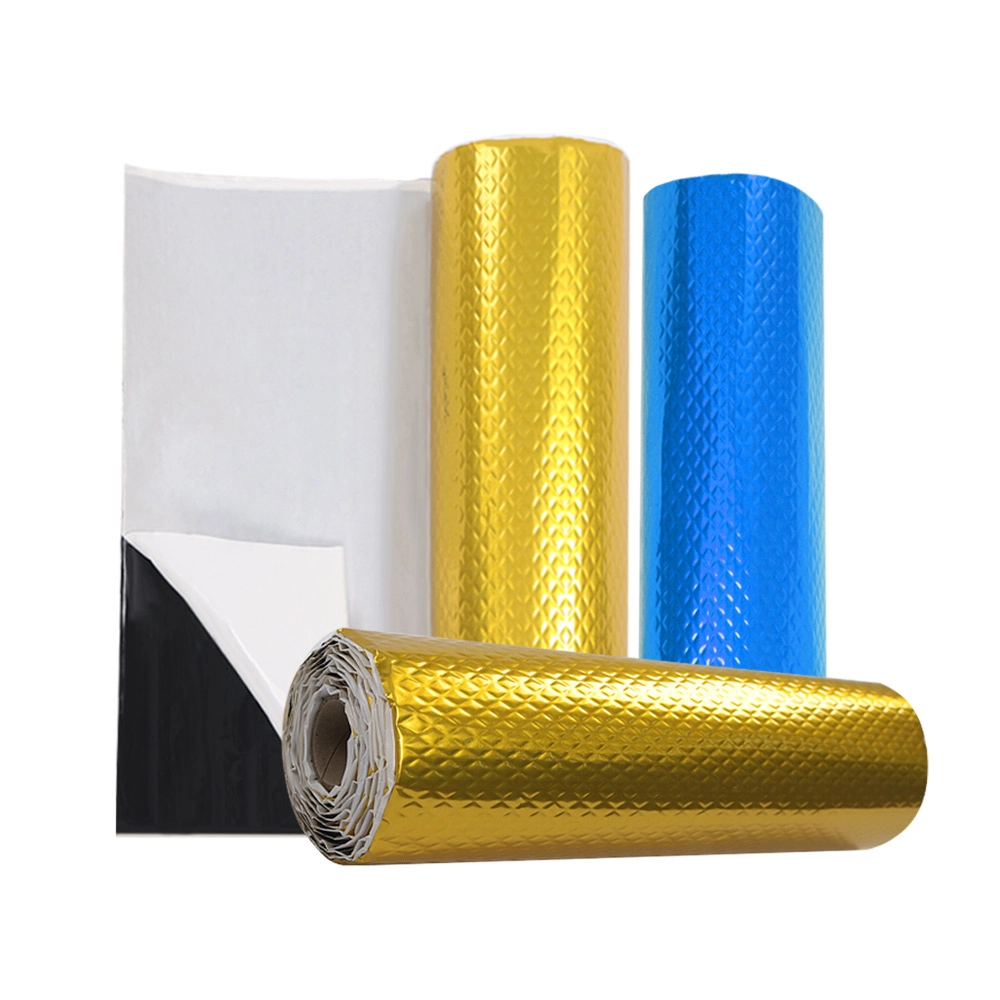
Butyl Rubber Sound Damping Mat
ASLONG Butyl Rubber Sound Damping Mat for sale. Effectively reduces noise and vibrations. High-quality butyl rubber ensures superior performance and durability. Ideal for automotive, industrial, and home applications.
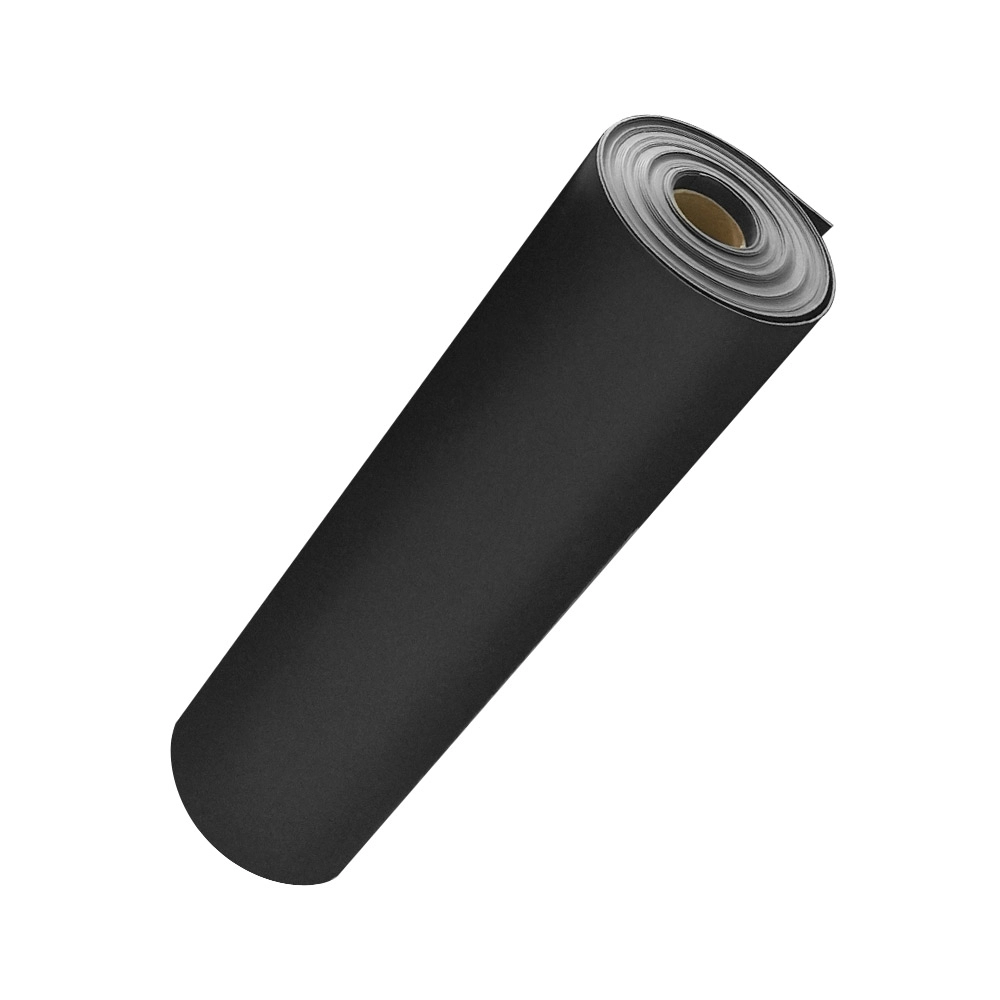
Mass Loaded Vinyl
ASLONG Mass Loaded Vinyl for sale. Reduce noise pollution effectively with our high-quality, mass-loaded vinyl. Ideal for soundproofing walls, floors, and more. Buy now and experience the difference!
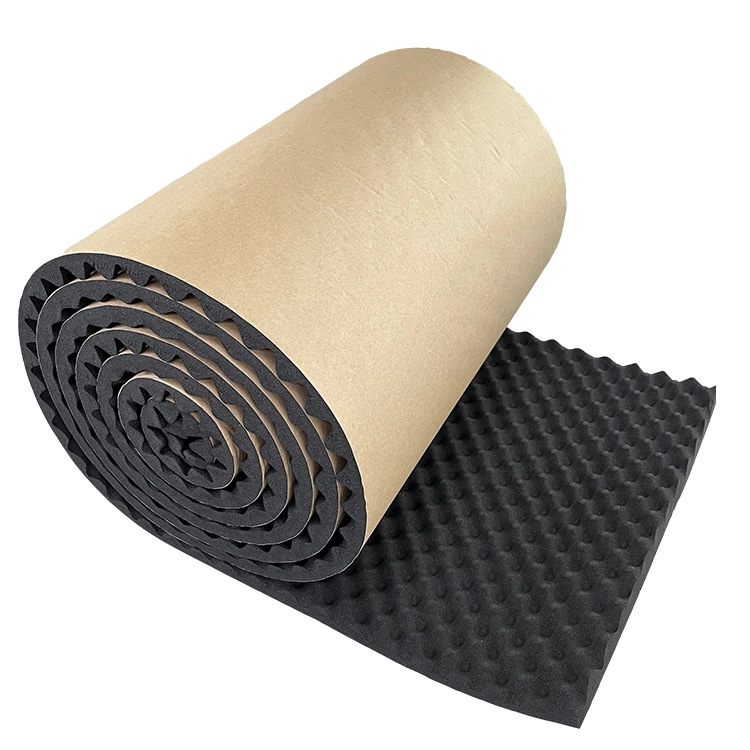
Egg Crate Foam
ASLONG Egg Crate Foam for sale. Lightweight, breathable, and comfortable, our egg crate foam provides superior support and pressure relief. Perfect for mattresses, cushions, cars, construction industry, KTV, factories, etc.
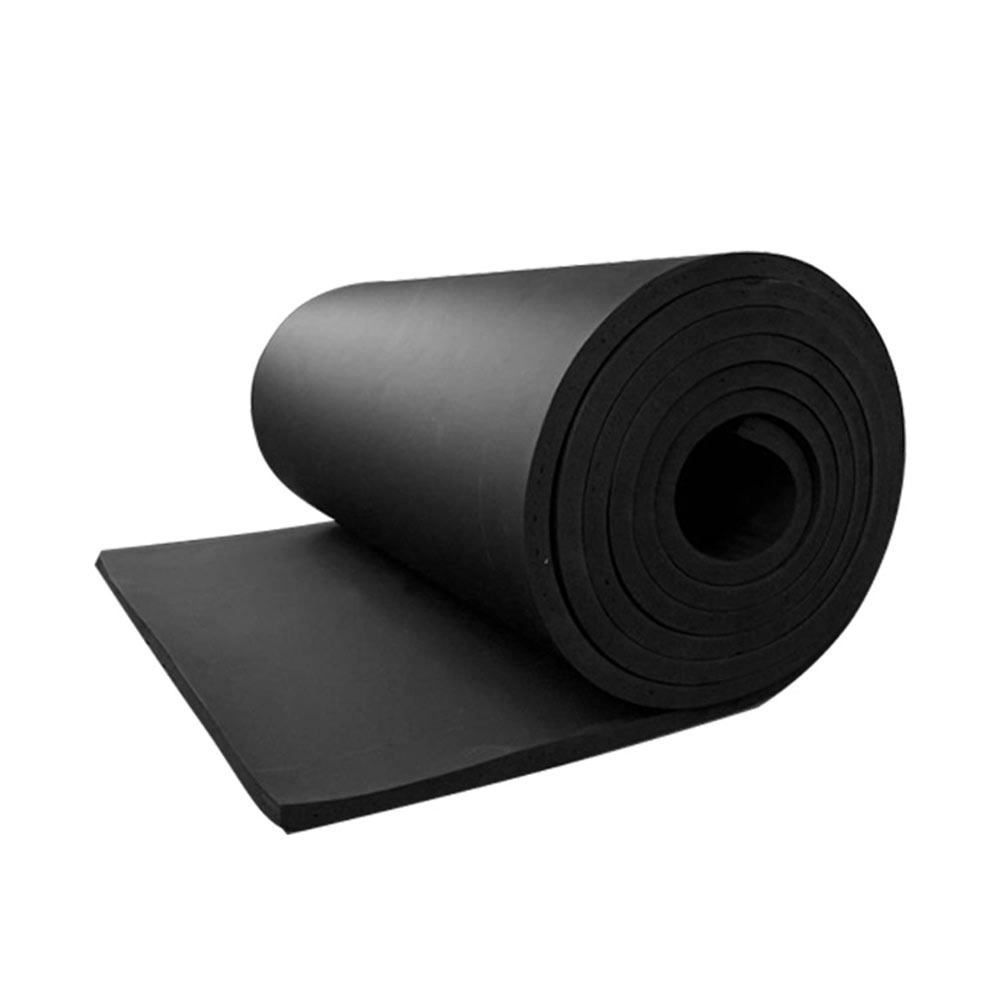
NBR Foam
ASLONG NBR Foam: Wholesale NBR foam solutions for diverse applications. High-quality, durable, and competitively priced. Contact us today for bulk orders.
Professional support at any time
If you have any comments or good suggestions, please leave us a message; later our professional staff will contact you as soon as possible.
© 2026 ASLONG All Rights Reserved. Privacy Policy | Terms and Conditions | Sitemap

 It would be pleasure to receive from you.
Whatsapp: +8613242879341
ASLONG Global
ASLONG
Aslong_global