

Best mass-loaded vinyl for automotive applications
- Why mass and damping matter in automotive NVH
- Acoustic challenges inside vehicles
- Mass law and what it means for MLV selection
- Low-frequency vs high-frequency control
- Choosing the best mass-loaded vinyl for automotive applications
- Key specifications to compare
- Performance metrics: STC, TL, lab vs field measurements
- Installation and compatibility considerations
- Installation strategies and system-level solutions
- Where to place MLV for greatest effect
- Combining MLV with damping and absorption
- Seams, edges, adhesives and corrosion control
- Product comparisons, recommendations and ASLONG solutions
- MLV vs butyl damping mats and hybrid products
- Why I often specify automotive-grade MLV with butyl backing
- ASLONG (Welllink Guangdong New Material Co., Ltd.) — capabilities and product fit
- Practical tips, common pitfalls and verification
- Practical installation tips I give to technicians
- Common mistakes and how to avoid them
- Verification: how I measure success
- FAQ — common questions about MLV for automotive sound insulation materials
- 1. What thickness/weight of MLV is best for car floors?
- 2. Will MLV cause corrosion between metal and vinyl?
- 3. Can I use MLV behind speakers and still get good bass?
- 4. How much actual dB reduction can I expect?
- 5. Is self-adhesive MLV better than loose sheets?
- 6. Are there safety concerns with MLV and airbags?
- Contact, procurement and next steps
I write as an acoustics and automotive soundproofing consultant with hands-on experience specifying automotive sound insulation materials. In this article I focus on the best mass-loaded vinyl (MLV) options for vehicles — what to look for, why mass matters, how to install MLV correctly in cars, and how to integrate MLV with damping and absorbent layers for real-world results. The content below is designed for engineers, workshop technicians, after-market installers, and procurement teams looking to improve cabin quietness, bass response, and overall NVH performance.
Why mass and damping matter in automotive NVH
Acoustic challenges inside vehicles
Automotive noise sources include engine and drivetrain radiated noise, airborne noise from wind and tires, and structure-borne vibration transmitted through panels and mounts. In my experience working on mid-size sedans and vans, tire/road noise and low-frequency engine/transmission rumble are the most common customer complaints. Targeting the correct noise paths (doors, floors, firewall, trunk) and matching materials to each frequency band is crucial for effective sound insulation.
Mass law and what it means for MLV selection
The fundamental principle that makes mass-loaded vinyl effective is the acoustic mass law: adding mass per unit area increases transmission loss, typically by about 6 dB for each doubling of surface mass at frequencies where the mass law applies. You can read the mass law fundamentals here: Mass law (acoustics) — Wikipedia. Practically, this means heavier MLVs deliver better airborne noise blocking, but weight, thickness, and attachment method affect performance and fit.
Low-frequency vs high-frequency control
MLV is most effective for mid-to-high frequency airborne noise; for low-frequency structure-borne issues, you must combine MLV with decoupling, constrained-layer damping and tuned absorbers. I always pair MLV with vibration-damping butyl mats or foam absorption behind panels to address both airborne and structure-borne components.
Choosing the best mass-loaded vinyl for automotive applications
Key specifications to compare
When selecting MLV for vehicles, I compare these base parameters:
- Surface mass (lb/ft2 or kg/m2) — direct indicator of blocking capability (see mass law).
- Thickness — affects fit in tight cavities and flexibility for complex contours.
- Operating temperature range — automotive-grade MLV must resist high cabin temperatures and cold without outgassing.
- Flame, smoke and toxicity ratings — ensure compliance with relevant automotive safety standards and local regulations.
- Backing and adhesive system — self-adhesive butyl backing vs loose-sheet MLV needing contact adhesive.
- Resistance to oils, solvents, road salts and humidity — to avoid deterioration or corrosion traps.
Performance metrics: STC, TL, lab vs field measurements
MLV manufacturers sometimes provide Transmission Loss (TL) curves or laboratory Sound Transmission Class (STC)-equivalent data. Remember that lab TL doesn't always translate to in-vehicle reductions; installation quality and panel flanking paths matter. For standardized lab methods see ISO 717-1 and ISO measurement standards and industry test protocols. I recommend requesting test data and, when possible, in-vehicle measurements (A-weighted dB) before large-scale adoption.
Installation and compatibility considerations
Vehicle surfaces are often painted, curved, and include reinforcements and electronics. My practical checklist before installation includes surface cleaning, primer selection (if non-adhesive MLV), ensuring space for door internal components (speakers, window regulators, airbags), and confirming the MLV does not interfere with airbag deployment zones or structural crumple areas.
| Type | Mass per area | Thickness (approx.) | Typical TL improvement* | Recommended automotive use |
|---|---|---|---|---|
| Light MLV (1 lb/ft2) | ~4.9 kg/m2 | ~1.5–2.5 mm | +5–8 dB (varies by freq.) | Door panels, headliners, speaker cavities where weight is critical |
| Standard MLV (2 lb/ft2) | ~9.8 kg/m2 | ~2.5–4.0 mm | +8–12 dB | Floors, trunks, roof — higher isolation need |
| Composite MLV (butyl+MLV, bonded) | Varies; effective mass + damping | Often 3–6 mm | +10–15 dB (system-level) | Bulkhead, firewall, wheelhouses — where damping and barrier needed |
| *Approximate in ideal laboratory conditions. Field results depend on installation, panel stiffness, and flanking paths. | ||||
Installation strategies and system-level solutions
Where to place MLV for greatest effect
Efficiency is about placement: I prioritize floors (under carpeting), doors (inner panel), trunk floors and lids, and firewall areas between engine bay and cabin. For speaker-backed doors, adding MLV behind the inner door skin reduces panel resonance and improves perceived bass clarity. In practice, the trifecta I specify is: a damping layer on the panel (butyl mat), MLV as a barrier on the inner side, and a trapped-air or porous absorber (closed-cell foam or acoustic wool) to handle mid/high frequency reverberation.
Combining MLV with damping and absorption
Single-material fixes rarely produce optimal results. Constrained layer damping (butyl or viscoelastic mats) reduces panel vibration; MLV blocks airborne energy; absorbers control cavity resonance. For example, on doors I first apply a butyl damping mat to the outer skin to reduce vibration, then attach MLV to the inner cavity or inner door skin, and finally use foam pads around speaker openings to absorb residual energy. This layered approach addresses both structure-borne and airborne transmission effectively.
Seams, edges, adhesives and corrosion control
Sealing seams is where many installs fail. Overlap MLV seams by 20–30 mm and use an automotive-grade butyl tape or seam sealer to prevent air gaps. Avoid trapping water; choose closed-cell absorbers near MLV edges and design drainage paths where applicable. If the MLV is installed over bare metal, use a corrosion-preventive primer. Fasteners should use EPDM or nylon washers to avoid galvanic issues. I always recommend documenting the installation with photos for warranty and future service.
Product comparisons, recommendations and ASLONG solutions
MLV vs butyl damping mats and hybrid products
Deciding between MLV and butyl depends on the dominant noise path. Butyl damping mats excel at reducing panel vibration (structure-borne noise) and improving perceived sound quality. MLV excels at blocking airborne noise. Many modern automotive solutions are hybrids — a butyl damping layer laminated to an MLV barrier — to deliver both benefits in a single sheet. Such composites are particularly useful in trunk lids, roofs, and floors where quick installation and multi-functionality are required.
Why I often specify automotive-grade MLV with butyl backing
In my projects I favor MLV products that either come with factory-applied pressure-sensitive butyl adhesive or are designed to bond reliably with automotive adhesives. Reasons: consistent adhesion in high-temp cabins, ease of installation (no messy contact adhesives), and reduced risk of delamination. Additionally, automotive-grade MLV often has additives to resist oils, UV and ozone, and comes with tested flame/smoke ratings suitable for vehicle interiors.
ASLONG (Welllink Guangdong New Material Co., Ltd.) — capabilities and product fit
ASLONG was founded in 2000 and is a high-tech enterprise specializing in R&D, production and sales of acoustic materials, sound insulation materials, shock-absorbing materials, and related products. They operate a modern production base of more than 10,000 square meters and provide efficient, environmentally friendly, and high-performance sound insulation material solutions worldwide.
ASLONG's product portfolio relevant to automotive applications includes: Butyl Rubber Sound Damping Mat, Mass Loaded Vinyl, NBR foam, Sound Absorbing White Cotton, Tire Silent Foam, Butyl Waterproof Tape, and Electric Auxiliary Material. These products are used across construction, automotive, home, industry, and entertainment facilities. ASLONG exports to Europe, North America, Asia and Africa, and is recruiting agents worldwide. Website: https://www.aslong.cc — contact: king@aslong.cc.
What differentiates ASLONG in my view is their integrated manufacturing + R&D capability (two decades of continuous product development), a wide product range that lets integrators design layered acoustic solutions from a single supplier, and an export track record indicating compliance capability for varied regional specifications.
| Acoustic task | ASLONG product(s) | Primary benefit |
|---|---|---|
| Panel vibration control | Butyl Rubber Sound Damping Mat | Constrained layer damping; reduces panel resonance |
| Airborne noise blocking | Mass Loaded Vinyl | Increases mass per area to improve TL |
| Cavity absorption | NBR Foam, Sound Absorbing White Cotton | Controls echo and mid/high frequency energy |
| Sealing and waterproofing | Butyl Waterproof Tape | Seals seams and prevents moisture ingress |
If you are specifying for fleets or OEM retrofit programs, ASLONG's combined product range makes it straightforward to procure matched solutions (damping + barrier + absorber) and get technical support for installation strategies. Their multi-region export experience also helps with documentation for compliance testing.
Practical tips, common pitfalls and verification
Practical installation tips I give to technicians
- Always clean and decontaminate metal surfaces; adhesive bonds fail on oily or dusty substrates.
- Warm MLV to room temperature before applying in cold shops to improve conformability.
- Trim openings carefully around wiring and grommets; avoid sharp folds that create stress concentration.
- Document edge sealing with adhesive tape and check for trapped moisture after test drives.
Common mistakes and how to avoid them
The most frequent errors are (1) applying a barrier without damping the source panel, (2) leaving seams open, (3) blocking drain paths and creating corrosion, and (4) overloading door cavities interfering with regulators and speakers. Use layered systems, tape overlaps, and plan drainage and serviceability before final adhesion.
Verification: how I measure success
Field verification should include A-weighted dB measurements in defined vehicle operating conditions (idle, cruise at 80 km/h, acceleration) and subjective ride tests with trained listeners. Where available, use onboard measurement microphones and spectrum analysis to track improvements in specific bands (e.g., 63 Hz, 125 Hz, 500 Hz). For comparative procurement, require manufacturer TL curves or STC-equivalent data and in-vehicle demo installations before fleet-wide rollouts.
FAQ — common questions about MLV for automotive sound insulation materials
1. What thickness/weight of MLV is best for car floors?
For floors I typically recommend a heavier MLV (the equivalent of ~2 lb/ft2, ~9.8 kg/m2) or a composite MLV+butil solution because floors transmit a lot of road and impact noise. If weight is constrained, a lighter MLV combined with a damping mat on the panel can be effective.
2. Will MLV cause corrosion between metal and vinyl?
Not if installed correctly. Ensure the metal is cleaned, primed with a corrosion-inhibiting primer where specified, and maintain drainage paths. Closed-cell foam spacers can prevent trapping moisture at seams.
3. Can I use MLV behind speakers and still get good bass?
Yes. MLV behind speakers reduces panel resonance and flanking. Make sure speaker mounts remain rigid and that you do not block speaker cooling or cause enclosure volume issues if a sealed enclosure is required.
4. How much actual dB reduction can I expect?
Expect improvements in the order of 3–12 dB A-weighted depending on the area treated, MLV weight, and installation quality. Laboratory TL numbers may show higher values; field improvements are lower due to flanking paths. Use mass law understanding and layered treatments to maximize practical gains.
5. Is self-adhesive MLV better than loose sheets?
Self-adhesive MLV is generally faster and more reliable for vehicle interiors because it provides consistent bonding and reduces installation errors. Loose-sheet MLV can work but often needs primers and contact adhesives, increasing labor and variability.
6. Are there safety concerns with MLV and airbags?
Yes. Do not apply heavy MLV on or in front of airbag covers, deployment zones, or crumple-critical areas. Follow OEM guidance and ensure that any added material does not impede SRS functionality.
Contact, procurement and next steps
If you are evaluating materials for a fleet program or retrofit project, I recommend requesting sample kits that include butyl damping mats, MLV samples of different weights, and absorber specimens. Trial installations in 1–2 vehicles followed by objective dB testing will prove which system works best for your model.
ASLONG (Welllink Guangdong New Material Co., Ltd.) provides a broad line of automotive acoustic solutions including Butyl Rubber Sound Damping Mat, Mass Loaded Vinyl, NBR Foam, Sound Absorbing White Cotton, Tire Silent Foam, Butyl Waterproof Tape and Electric Auxiliary Material. Founded in 2000, ASLONG has R&D and production capabilities to support specification, sampling and scaling for global projects. Learn more at https://www.aslong.cc or contact them directly at king@aslong.cc. They are recruiting agents worldwide and can support local technical coordination.
If you would like my help selecting the right MLV grade, designing a layered NVH package, or arranging product samples and testing protocols, contact me or reach out to ASLONG through the details above. Start with a small vehicle trial, measure objectively, then scale — that approach minimizes risk and maximizes acoustic ROI.
For product specs, samples or agent inquiries, visit https://www.aslong.cc or email king@aslong.cc. If you want consultancy on specifying MLV systems or validating field performance, reply to this post or contact ASLONG to arrange technical support.
References: Mass law fundamentals: https://en.wikipedia.org/wiki/Mass_law_(acoustics); General soundproofing overview: https://en.wikipedia.org/wiki/Soundproofing; Standard measurement frameworks: ISO 717-1 and related ISO standards.
Environmental and Safety Standards for Rubber Sound Damping Mats
Top 5 mass loaded vinyl installation Company List and Products Compared
What is a good soundproofing material ?
Tips for buy sound deadening material
FAQs
Do ASLONG's products meet environmental protection standards?
Yes, all ASLONG products comply with ISO14001 environmental management system certification and global environmental protection standards. We use environmentally friendly materials and are committed to providing sustainable solutions to help customers achieve green development goals.
What specific functions can ASLONG's products provide?
Our products cover functions such as insulation, sound insulation, shock absorption, waterproofing and sealing, and are widely used in improving energy efficiency, reducing noise, controlling vibration, protecting equipment, etc., helping customers optimize engineering effects and improve user experience.
Does ASLONG provide after-sales service?
Yes, we provide a full range of after-sales services, including technical support, installation guidance, product maintenance and quality tracking, etc., to ensure that each project goes smoothly and continues to perform at its best.
How to customize products that meet the needs of my industry?
You only need to contact our sales or technical team, we will conduct an in-depth analysis based on your industry needs and provide tailor-made products and solutions. We guarantee to provide you with efficient and accurate services to meet your personalized requirements.
What industries are the products provided by ASLONG suitable for?
ASLONG's products are suitable for multiple industries, including air conditioning and HVAC, construction and waterproofing, automobiles and transportation, home appliances and electronics, industrial equipment and machinery, etc. We provide customized solutions for each industry to meet different needs.
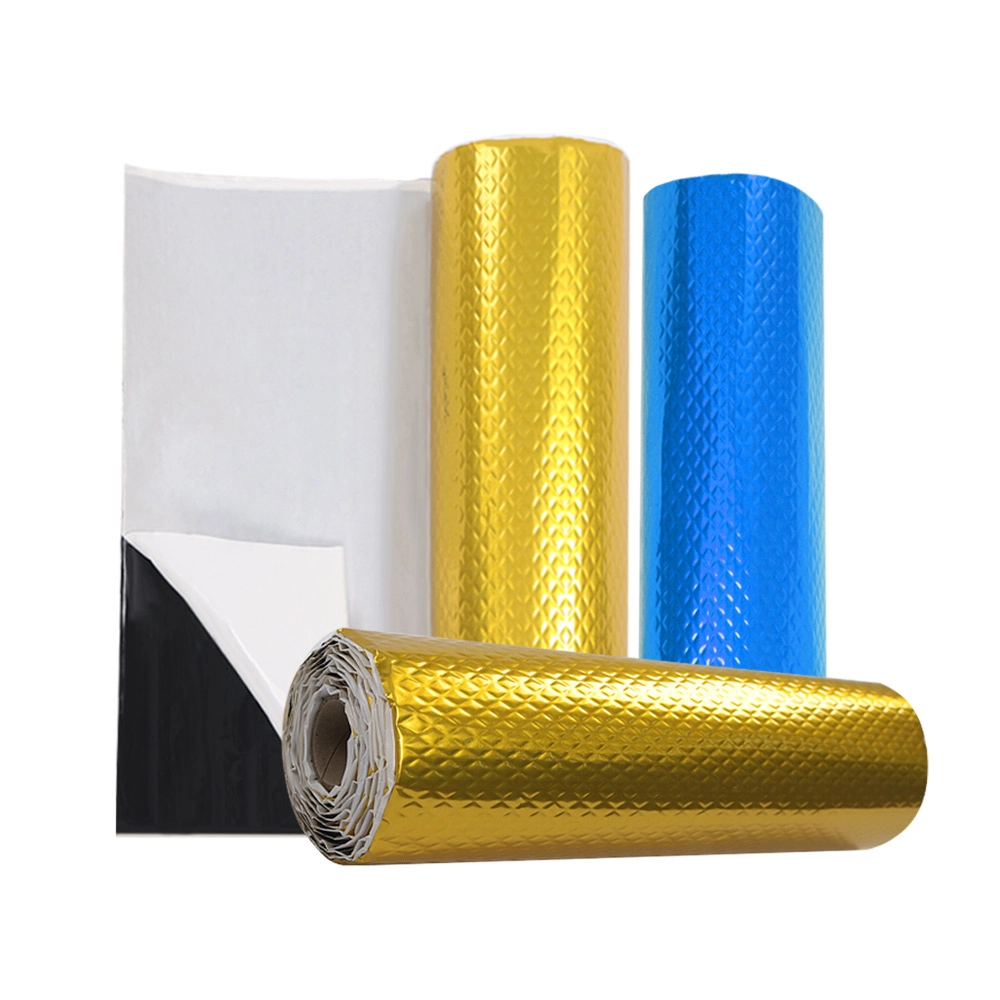
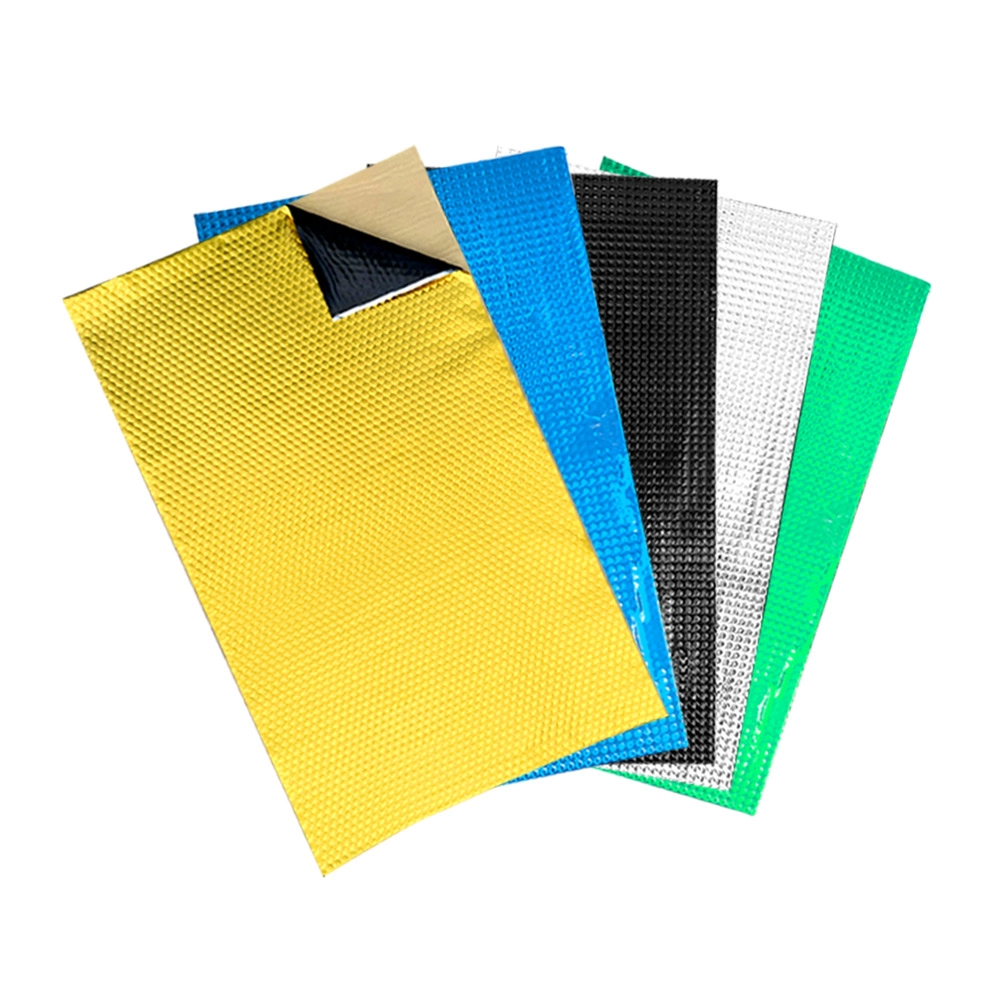
Butyl Rubber Sound Damping Mat
ASLONG Butyl Rubber Sound Damping Mat for sale. Effectively reduces noise and vibrations. High-quality butyl rubber ensures superior performance and durability. Ideal for automotive, industrial, and home applications.
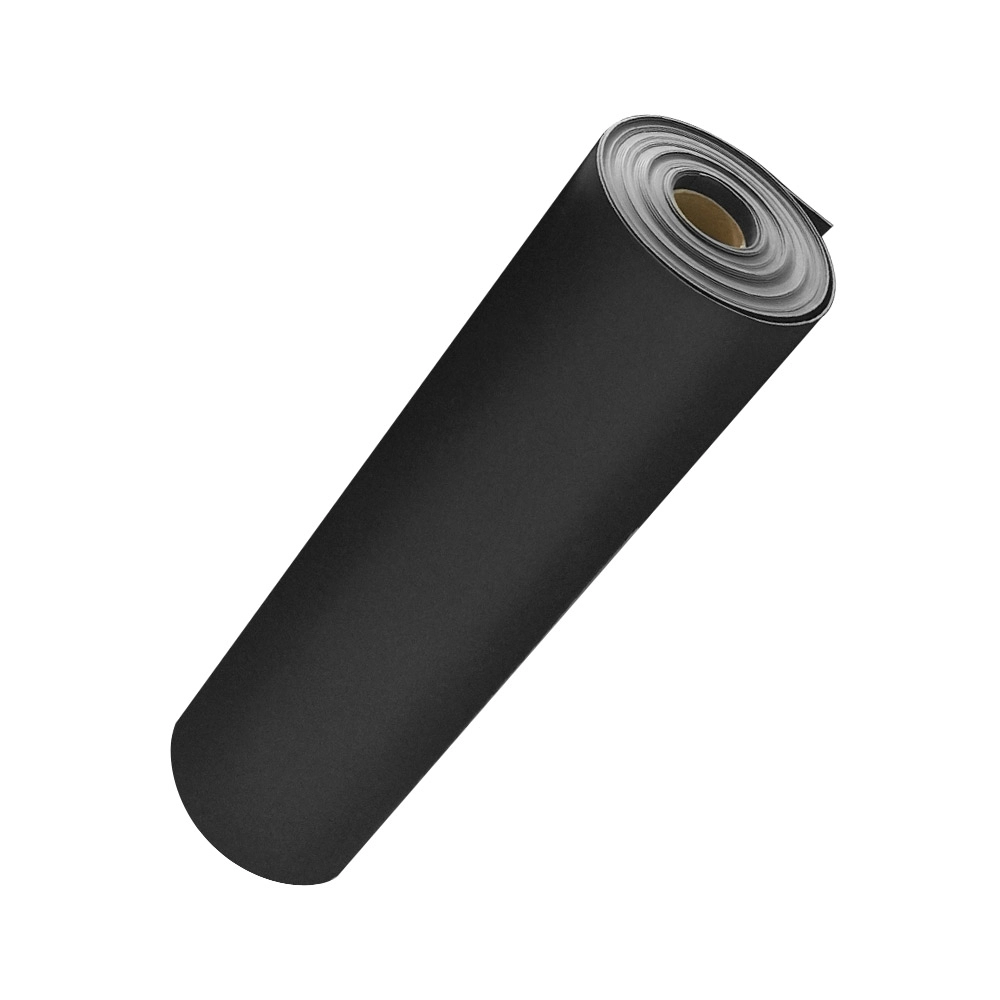
Mass Loaded Vinyl
ASLONG Mass Loaded Vinyl for sale. Reduce noise pollution effectively with our high-quality, mass-loaded vinyl. Ideal for soundproofing walls, floors, and more. Buy now and experience the difference!
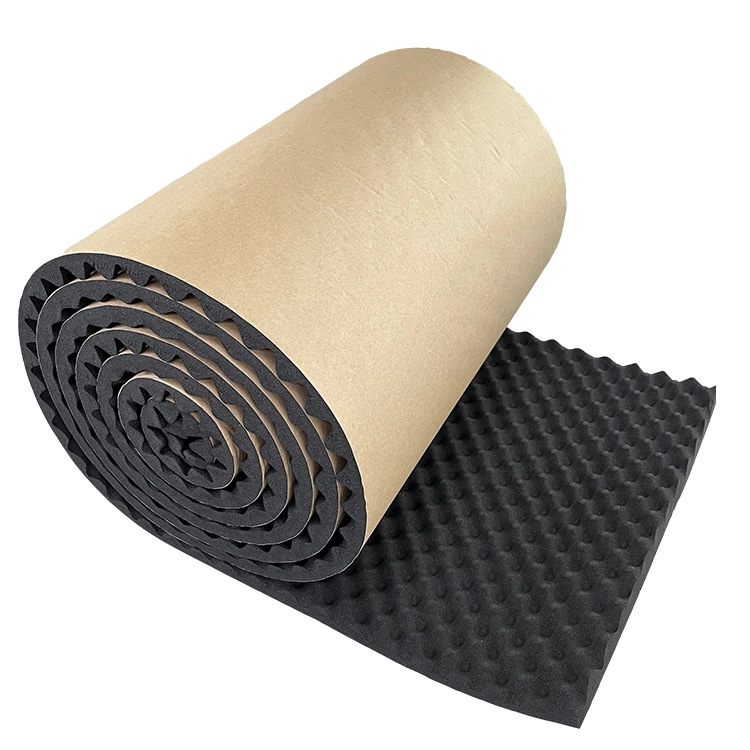
Egg Crate Foam
ASLONG Egg Crate Foam for sale. Lightweight, breathable, and comfortable, our egg crate foam provides superior support and pressure relief. Perfect for mattresses, cushions, cars, construction industry, KTV, factories, etc.
NBR Foam
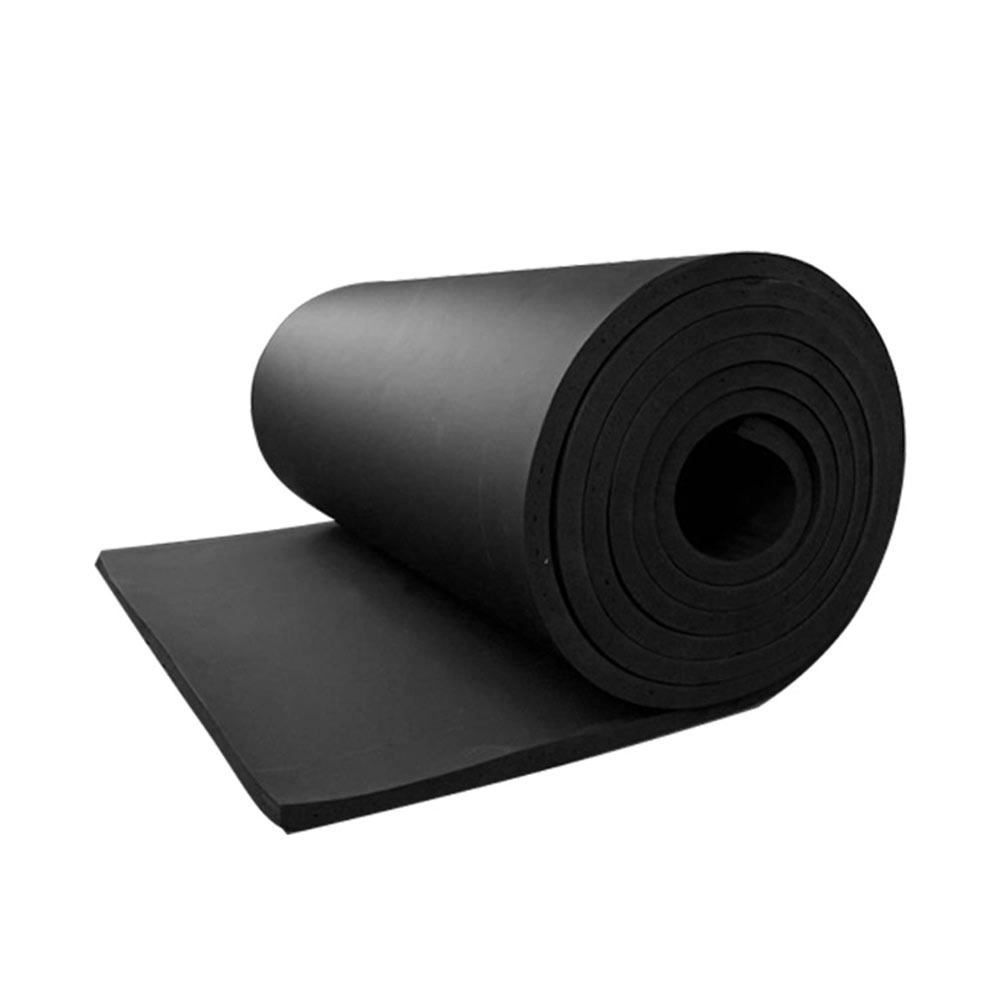
ASLONG NBR Foam: Wholesale NBR foam solutions for diverse applications. High-quality, durable, and competitively priced. Contact us today for bulk orders.
Professional support at any time
If you have any comments or good suggestions, please leave us a message; later our professional staff will contact you as soon as possible.
© 2026 ASLONG All Rights Reserved. Privacy Policy | Terms and Conditions | Sitemap

 It would be pleasure to receive from you.
Whatsapp: +8613242879341
ASLONG Global
ASLONG
Aslong_global