

The Future of Silent Foam Tires: Innovation, Sustainability & Beyond
Discover how silent foam tires are revolutionizing vehicle comfort, safety, and environmental sustainability. Learn about emerging innovations, benefits, materials, market trends, and the future of noise-reduction tire technology shaping electric and autonomous mobility.
- The Future of Silent Foam Tires: Innovation, Sustainability & Beyond
- 1. What Are Silent Foam Tires?
- 2. The Science Behind Noise Reduction
- 3. Current Market Adoption
- 4. The Role of Silent Foam Tires in Electric Mobility
- 5. Sustainability & Environmental Innovation
- 6. Future Innovations: What to Expect
- 7. Challenges Ahead
- 8. Conclusion: A Quiet Revolution
The Future of Silent Foam Tires: Innovation, Sustainability & Beyond
Silent foam tires are quickly becoming one of the most transformative innovations in modern vehicle technology. As electric vehicles (EVs), autonomous driving, and sustainable mobility continue to evolve, reducing cabin noise and improving driving comfort have become top priorities for drivers and manufacturers alike. Silent foam tires—a design enhanced by acoustic foam materials placed inside the tire—are emerging as a practical, scalable, and eco-friendly solution.
In this article, we explore the technological origins, current applications, and the promising future of silent foam tire technology.
1. What Are Silent Foam Tires?
Silent foam tires, also known as acoustic foam tires, incorporate a layer of polyurethane acoustic foam inside the tire cavity. This material absorbs cavity resonance and reduces the noise transferred to the car cabin.
Key benefits include:
-
Reduced road noise by up to 20–25 dB depending on tire model
-
Enhanced passenger comfort—especially noticeable in EVs
-
Improved sound insulation for premium driving experience
-
No impact on tire performance such as braking or fuel efficiency
-
Compatibility with existing tire structures
As EVs lack engine noise, tire and wind noise become more noticeable, making silent foam tires particularly valuable.
2. The Science Behind Noise Reduction
Tire cavity resonance—the vibration of air inside the tire—creates low-frequency sound waves that travel into the vehicle cabin. Traditional tires amplify this effect.
Silent foam tires use open-cell polyurethane foam to:
-
Disrupt sound waves
-
Absorb resonance
-
Reduce vibrations
-
Minimize noise transmitted through the chassis
This simple yet effective design addresses one of the most common EV cabin comfort challenges.
3. Current Market Adoption
Major global tire manufacturers have already embraced acoustic foam technology. Many models used by premium brands such as Audi, Mercedes-Benz, Tesla, Lexus, and BMW now integrate silent foam systems.
Leading tire companies using silent foam:
-
Michelin
-
Continental
-
Pirelli
-
Bridgestone
-
Hankook
-
Goodyear
The increasing demand for EVs accelerates adoption, as brands seek quieter and more energy-efficient solutions.
4. The Role of Silent Foam Tires in Electric Mobility
EVs produce significantly less mechanical noise, which makes tire noise much more noticeable. Silent foam tires compensate for this by creating a quieter, smoother ride.
Benefits for EVs include:
-
Enhanced cabin comfort for long-distance driving
-
Better alignment with EV luxury design principles
-
Increased perceived vehicle quality
-
Improved passenger satisfaction in autonomous taxis and robotaxis
As governments worldwide push for zero-emission transportation, silent foam tires become a natural complement to EV advancement.
5. Sustainability & Environmental Innovation
The next generation of silent foam tires focuses not only on performance but also on eco-friendly materials and recyclability.
Sustainability advancements include:
-
Recyclable acoustic foams
-
Bio-based or plant-derived polymer formulations
-
Lower-energy production methods
-
More efficient tire construction reducing raw material usage
-
Designs optimized for reuse and recycling in circular supply chains
Leading manufacturers are testing foam materials that degrade less during tire disposal, improving environmental responsibility across the full product lifecycle.
6. Future Innovations: What to Expect
Silent foam tires will soon incorporate even more advanced technologies.
Upcoming developments may include:
1. Smart Acoustic Foams
Materials capable of adjusting to temperature, pressure, or road conditions to enhance noise absorption dynamically.
2. Foam-Integrated Tire Sensors
Embedded sensors for:
-
Pressure monitoring
-
Road condition analysis
-
Predictive maintenance
3. 3D-Printed Acoustic Foam Structures
Allowing precision-engineered noise control through customized foam geometry.
4. Lightweight Nano-Foam Materials
For reduced rolling resistance and improved EV range.
5. Seamless Integration with Autonomous Vehicles
Future robotaxi fleets will require ultra-quiet cabins for passenger comfort—making silent foam tires essential.
7. Challenges Ahead
Despite their advantages, silent foam tires still face a few challenges:
Current limitations:
-
Higher manufacturing costs
-
Foam durability concerns during long-term usage
-
Slightly more complex recycling processes
-
Limited aftermarket availability in some regions
However, advancing foam technology and economies of scale are expected to rapidly reduce these obstacles.
8. Conclusion: A Quiet Revolution
Silent foam tires represent a powerful shift toward quieter, smarter, and more sustainable transportation. As EVs and autonomous mobility reshape modern roads, demand for reduced noise and improved comfort will only accelerate.
With advancements in materials, sustainability, and smart-tire integration, silent foam tires are poised to become a mainstream feature—not a luxury upgrade. The future of mobility is quieter, cleaner, and more innovative, and silent foam tires will play a critical role in that transformation.
Practical Case Studies: Door, Floor & Roof Soundproofing Solutions for Cars
Advanced Acoustic Damping Tech by a Sound Insulation Materials Manufacturer (2026 Guide)

Eco-Friendly Options From a New Sound Insulation Materials Manufacturer in 2026
Exploring Core Products From a New Sound Insulation Materials Manufacturer in 2026
The Ultimate Guide to Sourcing from a Manufacturer of New Sound Insulation Materials [2026 Edition]
FAQs
Does ASLONG provide after-sales service?
Yes, we provide a full range of after-sales services, including technical support, installation guidance, product maintenance and quality tracking, etc., to ensure that each project goes smoothly and continues to perform at its best.
Do ASLONG's products meet environmental protection standards?
Yes, all ASLONG products comply with ISO14001 environmental management system certification and global environmental protection standards. We use environmentally friendly materials and are committed to providing sustainable solutions to help customers achieve green development goals.
How to customize products that meet the needs of my industry?
You only need to contact our sales or technical team, we will conduct an in-depth analysis based on your industry needs and provide tailor-made products and solutions. We guarantee to provide you with efficient and accurate services to meet your personalized requirements.
What specific functions can ASLONG's products provide?
Our products cover functions such as insulation, sound insulation, shock absorption, waterproofing and sealing, and are widely used in improving energy efficiency, reducing noise, controlling vibration, protecting equipment, etc., helping customers optimize engineering effects and improve user experience.
What industries are the products provided by ASLONG suitable for?
ASLONG's products are suitable for multiple industries, including air conditioning and HVAC, construction and waterproofing, automobiles and transportation, home appliances and electronics, industrial equipment and machinery, etc. We provide customized solutions for each industry to meet different needs.
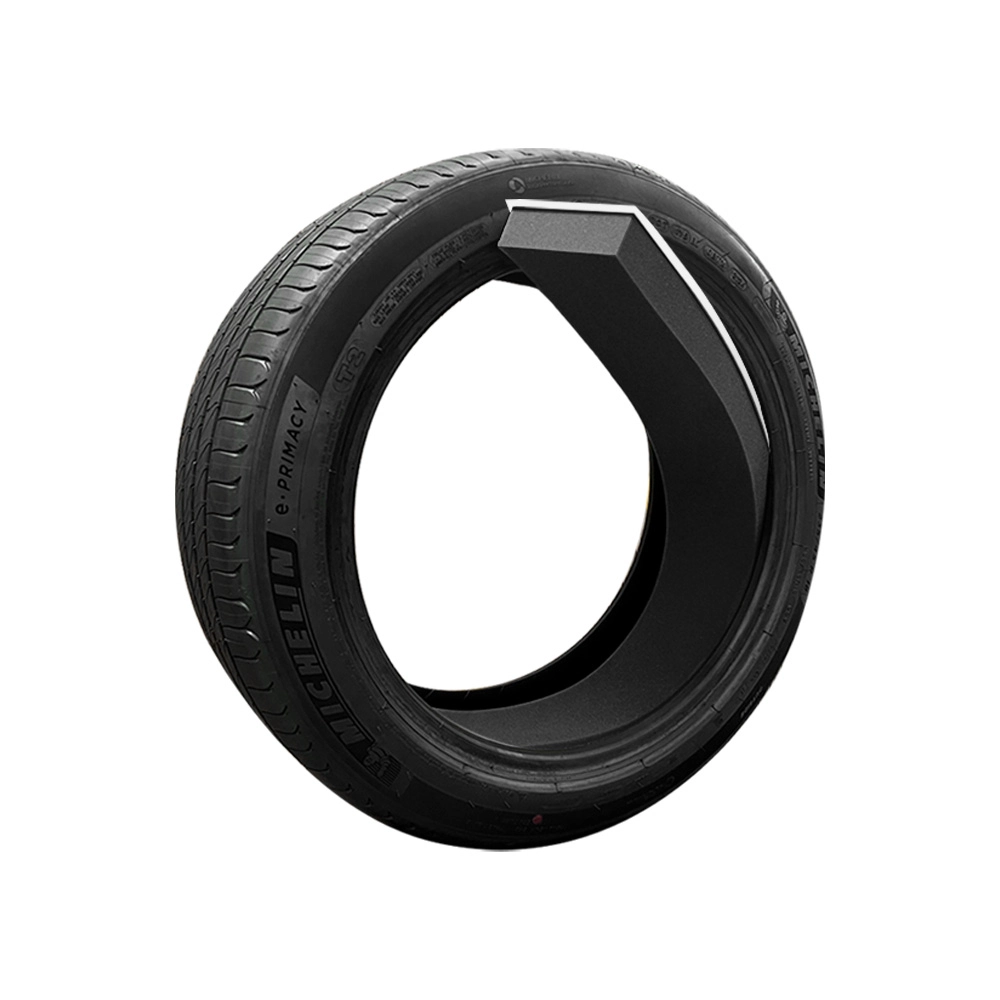
Puncture-Proof Soundproof Tire Foam, Self-Sealing Noise-Reducing Liner for Cars, Anti-Puncture Wheel Protection, Anti-Puncture Noise Reduction
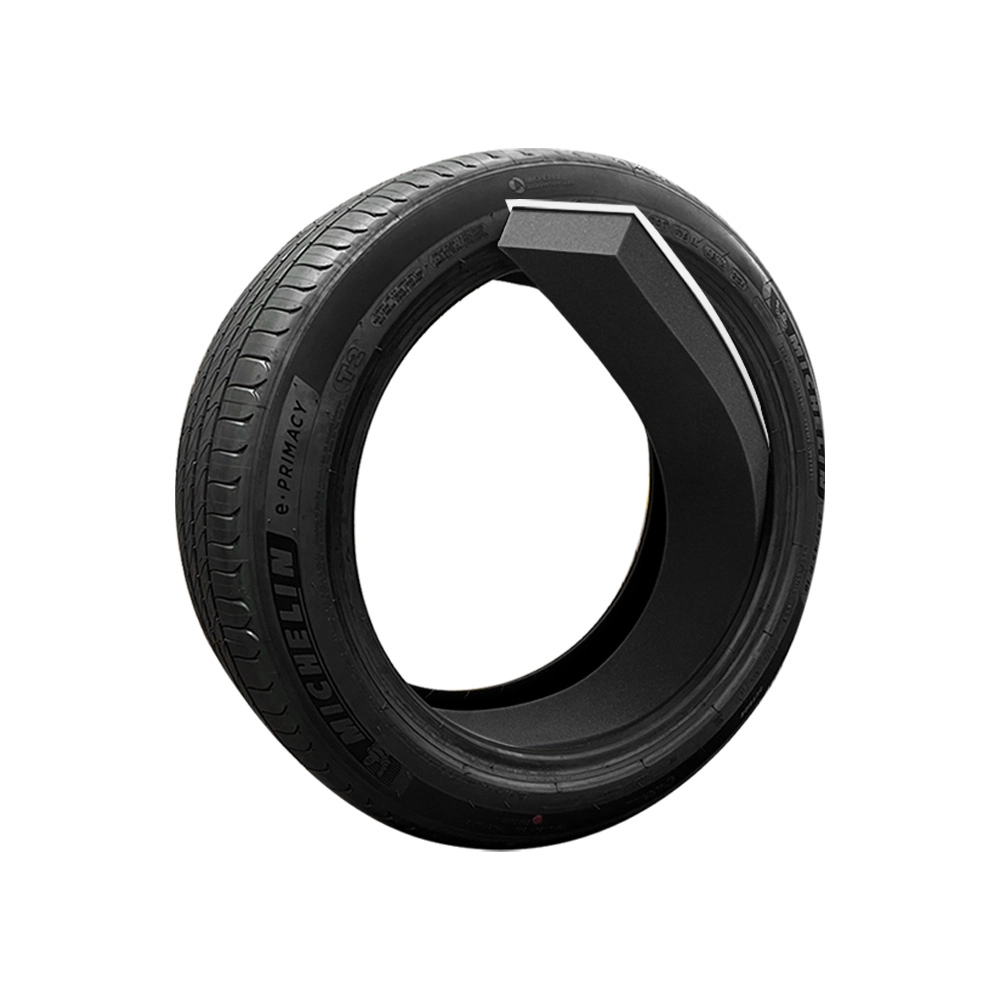
ASLONG Advanced Anti-Puncture Tire Foam | Shock-Absorbing, Noise-Dampening Liner for Long-Lasting Tire Protection
ASLONG Puncture-Proof Soundproof Tire Foam is an advanced tire insert designed to provide both puncture-proof protection and soundproofing benefits. Made from self-healing materials, this innovative foam instantly seals any puncture caused by sharp objects, minimizing the risk of tire failure. Additionally, it reduces road noise and vibrations, offering a quieter, more comfortable driving experience.
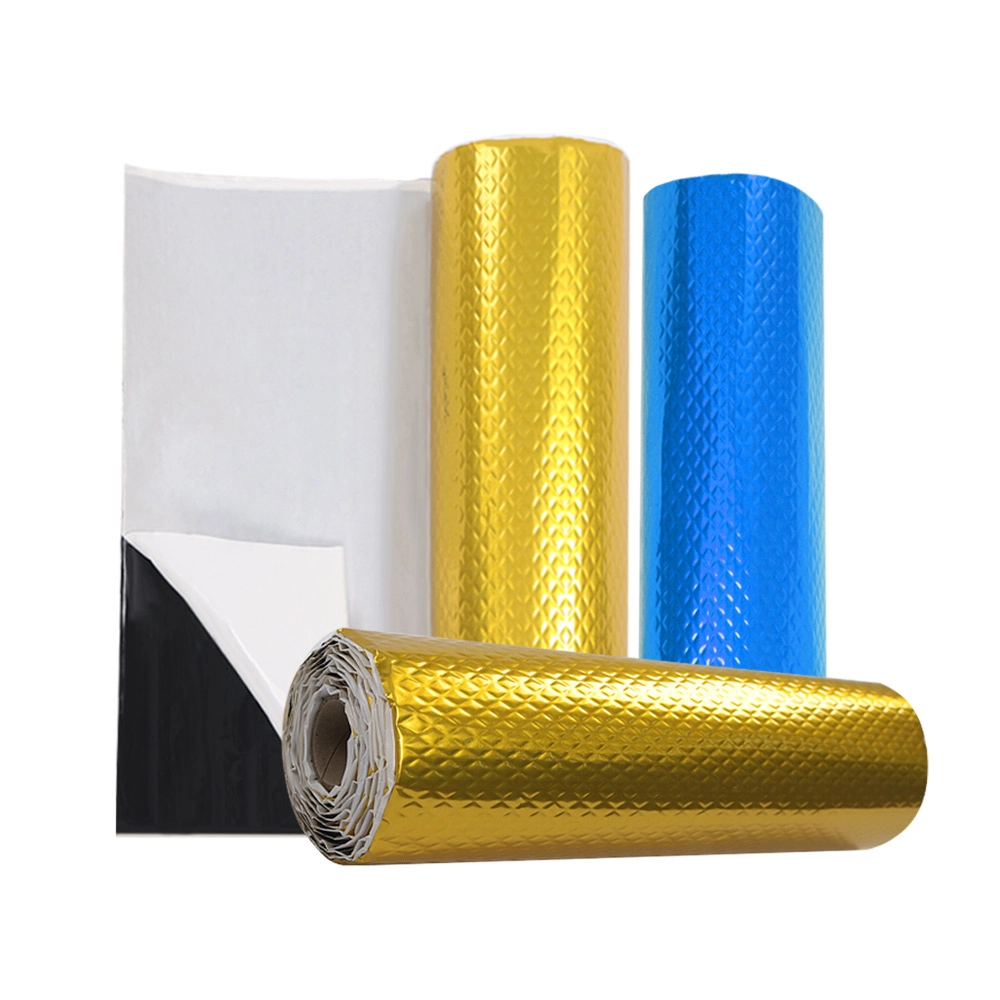
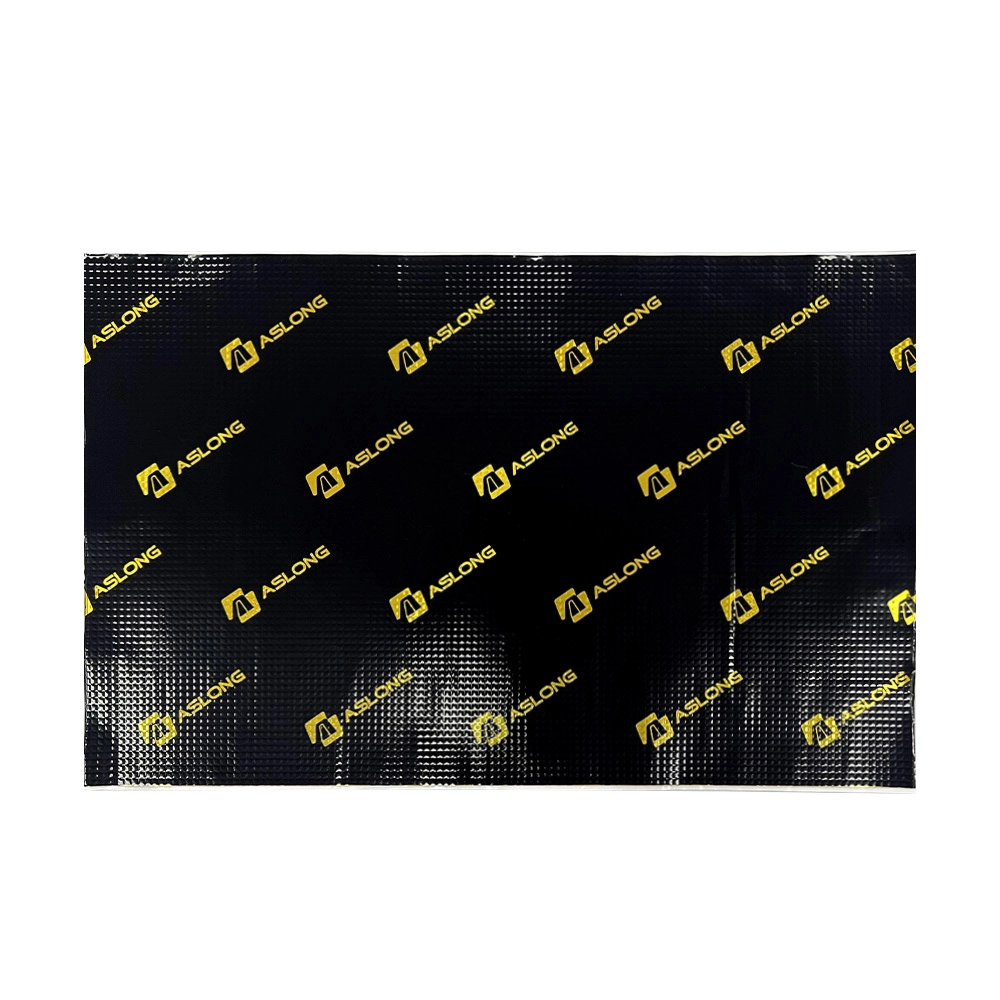
Butyl Rubber Sound Damping Mat
ASLONG Butyl Rubber Sound Damping Mat for sale. Effectively reduces noise and vibrations. High-quality butyl rubber ensures superior performance and durability. Ideal for automotive, industrial, and home applications.
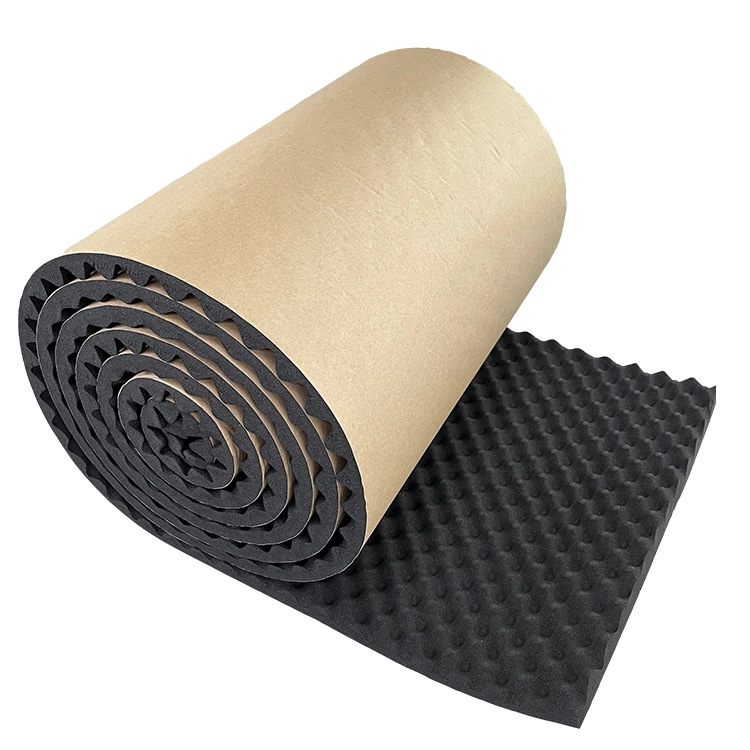
Egg Crate Foam
ASLONG Egg Crate Foam for sale. Lightweight, breathable, and comfortable, our egg crate foam provides superior support and pressure relief. Perfect for mattresses, cushions, cars, construction industry, KTV, factories, etc.
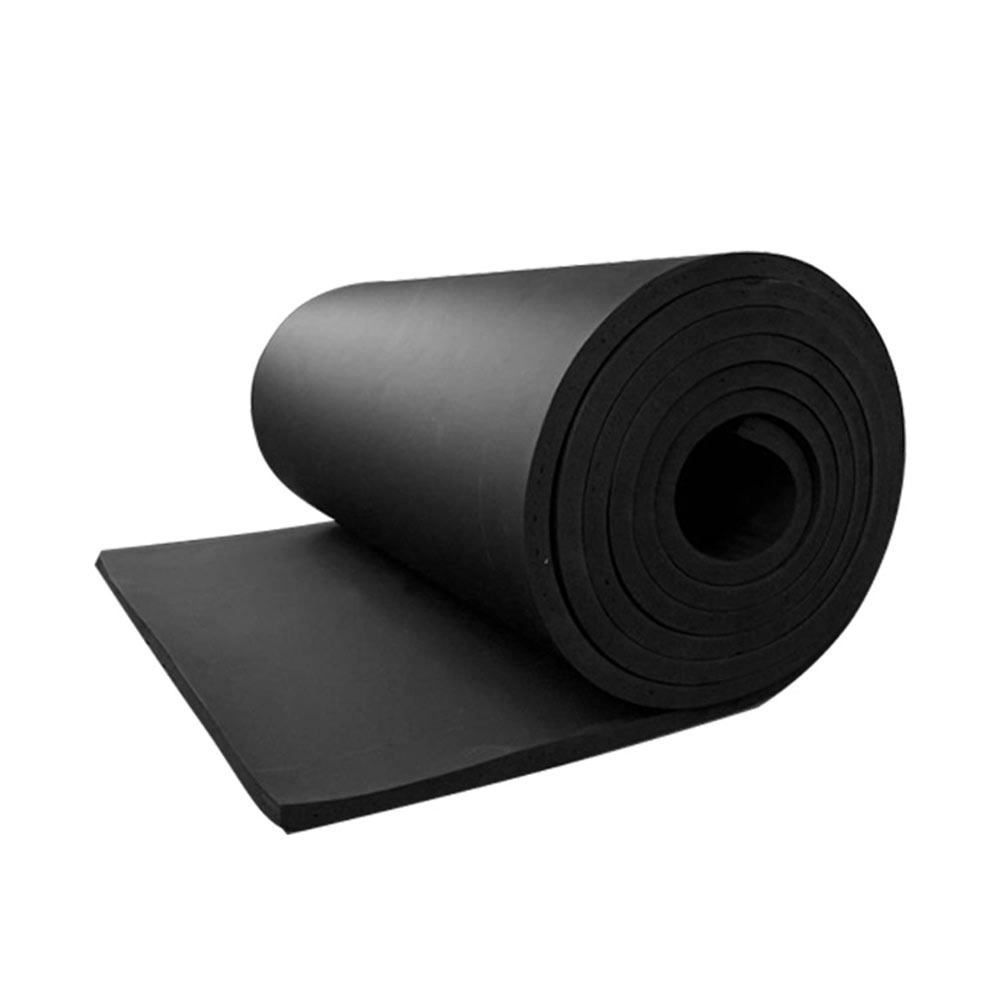
NBR Foam
ASLONG NBR Foam: Wholesale NBR foam solutions for diverse applications. High-quality, durable, and competitively priced. Contact us today for bulk orders.
Professional support at any time
Contact us for a free quote on our new soundproofing materials!
© 2026 ASLONG All Rights Reserved. Privacy Policy | Terms and Conditions | Sitemap

 It would be pleasure to receive from you.
Whatsapp: +8613242879341
ASLONG Global
ASLONG
Aslong_global