

The ultimate guide to Egg Crate Foam for 2026
This comprehensive guide explores the reality of using egg crate foam for soundproofing in 2026. It clarifies the difference between sound absorption and sound insulation, details the science behind the convoluted design, and provides expert advice on installation and safety. Learn where to use egg crate foam effectively and when to choose alternative materials.
- Introduction: Unraveling the Mystery of Egg Crate Foam Soundproofing in 2026
- What Exactly is Egg Crate Foam?
- How Egg Crate Foam Works: The Science of Sound Absorption
- The Real Benefits of Egg Crate Foam for Acoustic Treatment
- Debunking the "Soundproofing" Myth: What Egg Crate Foam Cannot Do
- Optimal Applications: Where and When Egg Crate Foam Shines
- Choosing the Right Egg Crate Foam: Key Factors
- Installation Guide: Maximizing Effectiveness
- Beyond Egg Crate Foam: Solutions for True Sound Blocking
- Safety First: Fire Hazards and Material Quality
- Conclusion
- References
Introduction: Unraveling the Mystery of Egg Crate Foam Soundproofing in 2026
In the world of acoustic treatment, few materials are as recognizable—or as misunderstood—as egg crate foam. If you have spent any time searching for affordable ways to quiet a room, you have likely typed “egg crate foam soundproofing” into a search bar. As we navigate 2026, the popularity of this material remains high due to its accessibility and low cost, yet a widespread misconception persists regarding its actual capabilities—especially around whether egg crate foam do work for soundproofing in the way many people expect.
While many believe that slapping a few sheets of foam egg crate on the wall will completely silence their noisy neighbors, the reality is more nuanced. This guide aims to set the record straight. We will clarify the critical distinction between sound absorption (improving the sound inside a room) and true sound insulation (blocking sound from leaving or entering). Whether you are setting up a home studio, a gaming room, or a podcasting corner, understanding the science behind egg crate foam is the first step toward achieving professional-quality audio.
What Exactly is Egg Crate Foam?
At its core, egg crate foam, often referred to as convoluted foam, is a specialized material defined by its unique geometry. According to FoamOrder, this material is typically manufactured from polyurethane (PU) or open-cell melamine and is specifically engineered for acoustic applications. Its most distinctive feature is the pattern of peaks and valleys that resembles a cardboard egg carton, which is the inspiration behind its colloquial name.
While you might hear it called egg-crate foam, convoluted acoustic foam, or egg crate acoustic panels, the product remains largely the same. IPS Foam LLC notes that this design is not merely aesthetic; it increases the surface area of the foam without significantly increasing the amount of material used. This structure allows egg crate foam padding to be lightweight and flexible, distinguishing it from denser, flat foam panels used in industrial soundproofing.
How Egg Crate Foam Works: The Science of Sound Absorption
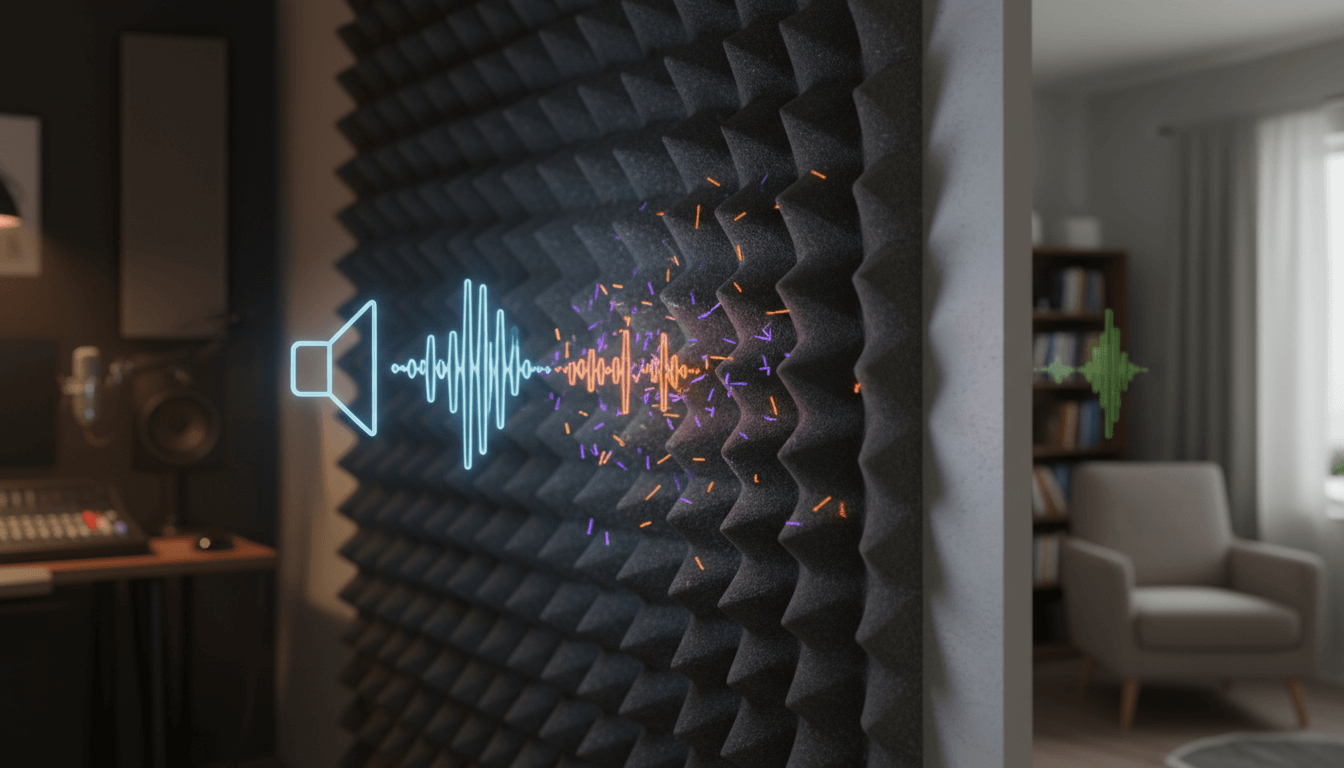
To understand why egg crate sound foam is so popular, we must look at the physics of sound. The primary function of this material is sound absorption, not blocking. According to Wikipedia, absorption in acoustics is the process by which a material takes in sound energy, converting a portion of it into heat and transmitting the remainder, rather than reflecting it back into the room.
Acoustiblok UK explains that egg crate foam works as a porous absorber. When sound waves hit the foam, they penetrate the open-cell structure. As the air molecules vibrate within the pores of the foam, friction occurs, causing the sound energy to dissipate as minute amounts of heat. The convoluted shape plays a pivotal role here; Soundproofcow.com highlights that the increased surface area helps disperse and scatter sound waves across various frequencies, effectively reducing reverberation.
It is crucial to note that this material functions best as a sound absorption material for mid-to-high frequencies. It is excellent for taming flutter echoes—that metallic ringing sound you hear in empty rooms—but it lacks the density to stop low-frequency bass waves.
The Real Benefits of Egg Crate Foam for Acoustic Treatment
Despite the myths, there are genuine reasons why egg crate foam remains a staple in 2026. First and foremost is cost-effectiveness. As noted by Soundproof Cow, egg crate foam is often more affordable than flat acoustic panels or pyramid foam, making it an ideal entry-level solution for budget-conscious creators.
Its benefits include:
· Ease of Installation: Whether you buy an egg crate foam roll or individual tiles, the material is lightweight and easy to cut. It is a DIY-friendly option that can be mounted with spray adhesive or simple tacks.
· Improved Room Acoustics: By reducing echo and distortion, it enhances sound clarity for recording vocals, listening to music, or gaming.
· Versatility: It is effective in small spaces like vocal booths, home offices, and entertainment rooms where reflected sound can muddy the audio experience.
· Aesthetics: Modern egg foam crate products are available in various colors, allowing users to customize the look of their studio while treating the sound.
Debunking the "Soundproofing" Myth: What Egg Crate Foam Cannot Do
Here is the most critical takeaway of this guide: Egg crate foam soundproofing is, technically, a misnomer. Egg crate foam does NOT block sound from passing through walls.
True soundproofing requires mass and density to stop sound waves physically. Because egg crate foam pad materials are porous and lightweight, sound travels right through them. If your goal is to stop the sound of a drum kit from waking up your family in the next room, or to block street traffic noise, egg crate foam sound insulation will be ineffective.
Users often experience dissatisfaction when they line their walls with foam expecting silence, only to find they can still hear everything from outside. For blocking noise, you need materials like mass-loaded vinyl or specialized drywall—heavy, dense barriers that isolate space. Egg crate foam is strictly for treating the sound within the room itself.
Optimal Applications: Where and When Egg Crate Foam Shines
To get the most out of your investment, you should use egg crate foam for its intended purpose: acoustic treatment.
· Home Studios: Use it to create a "dead" zone around your microphone to prevent room reflections from ruining your recording.
· Gaming and Streaming: reducing slap-back echo ensures your voice sounds crisp on stream.
· Home Theaters: Placing panels at first reflection points can widen the stereo image and make dialogue clearer.
· Offices: It can minimize ambient noise and make conference calls more intelligible in small rooms with hard surfaces.
However, avoid using it for bass trapping (it cannot absorb low frequencies) or for soundproofing a window against outside construction noise.
Choosing the Right Egg Crate Foam: Key Factors
Not all foam is created equal. When shopping for an egg crate foam roll, consider the following specificationsNot all foam is created equal. When shopping for an egg crate foam roll, especially if you plan to buy egg crate foam for sound insulation, consider the following specifications:
1. Thickness: Foam Factory data suggests that thickness matters. A 1.5-inch thick foam might have an NRC (Noise Reduction Coefficient) of roughly 0.45, while a 2.5-inch variant can achieve an NRC of 0.60. Thicker foam absorbs a wider range of frequencies, reaching slightly lower into the midrange.
2. Density: Higher density foam lasts longer and absorbs sound more efficiently.
3. NRC Rating: According to Cellyx, the Noise Reduction Coefficient (NRC) is the industry standard for measuring absorption. An NRC of 0 implies no absorption (perfect reflection), while an NRC of 1.0 implies 100% absorption. Always look for the NRC rating on the product spec sheet.
4. Material Quality: Ensure you are buying acoustic-grade open-cell foam, not packing foam.
Installation Guide: Maximizing Effectiveness
Proper installation is key to performance.
· Preparation: Clean your walls to remove dust and grease. Measure your space and unroll your egg crate foam roll to let it expand for 24-48 hours if it was vacuum-sealed.
· Adhesives: Use spray adhesive for a permanent bond. For a rental-friendly option, mount the foam on cardboard backing and use Command strips, or use T-pins for drywall.
· Placement: You do not need to cover 100% of the wall. Focus on "reflection points"—the spots on the wall where sound from your speakers bounces directly to your ears.
Beyond Egg Crate Foam: Solutions for True Sound Blocking
If your actual goal is to stop noise transfer (soundproofing), you need to look beyond egg crate foam padding.
· Mass-Loaded Vinyl (MLV): A heavy, flexible sheet that adds mass to walls and floors to block sound transmission.
· Acoustic Insulation: Materials like rock wool or fiberglass installed inside wall cavities.
· Green Glue: A damping compound used between layers of drywall to dissipate sound vibrations.
· Sealing Gaps: Sound leaks through cracks like water. Use acoustic caulk and weatherstripping on doors and windows.
Safety First: Fire Hazards and Material Quality
A critical warning regarding egg crate foam: standard polyurethane foam is highly flammable.
Advanced Seals and Gaskets and other experts warn that cheap, unbranded foam can be a serious fire hazard. When purchasing egg-crate foam for any habitable space, you must check for a certified fire-retardant rating, such as ASTM E84 Class A. Never install non-rated mattress toppers or packing foam on your walls, as they can accelerate the spread of fire.
Conclusion
As we move through 2026, egg crate foam remains an excellent, budget-friendly tool for improving the sound quality inside a room. It effectively reduces echo, controls reverberation, and enhances audio clarity for creators and listeners alike. However, it is not a magic bullet for egg crate foam soundproofing in the literal sense of blocking noise.
By understanding its strengths as a sound absorption material and recognizing its limitations in sound blocking, you can make informed decisions. Whether you are buying a simple egg crate foam pad or outfitting a full studio, prioritizing the right material, thickness, and safety ratings will ensure your project sounds as good as it looks.
Frequently Asked Questions
Is egg crate foam effective for true soundproofing (blocking noise transmission)?
No, egg crate foam is primarily designed for sound absorption, meaning it reduces echoes and reverberation within a room. It has very little effect on blocking sound from passing through walls or other barriers.
What is the primary purpose of egg crate foam in acoustic treatment?
Its primary purpose is to absorb mid-to-high frequency sound waves, thereby reducing echoes, flutter, and reverberation to improve the clarity and quality of sound within a space.
How does egg crate foam absorb sound?
The open-cell structure and convoluted (wavy) surface of the foam allow sound waves to enter, where their energy is dissipated through friction and converted into a small amount of heat, rather than reflecting back into the room.
What frequency ranges does egg crate foam work best for?
Egg crate sound foam is most effective at absorbing mid to high-frequency sound waves. It has limited effectiveness on low-frequency sounds, which typically require denser materials or specialized bass traps.
Can I use egg crate mattress toppers for sound absorption?
While they may offer a very minimal reduction in echo due to their similar shape, mattress toppers are generally not as dense or specifically designed for acoustic performance as dedicated egg crate acoustic foam. They are also often not fire-rated.
How thick should egg crate foam be for optimal performance?
Generally, thicker egg crate foam sound insulation panels (e.g., 4 inches) are more effective at absorbing a wider range of frequencies, including some lower mid-range frequencies, compared to thinner panels (e.g., 2 inches).
What is NRC, and how does it relate to egg crate foam?
NRC stands for Noise Reduction Coefficient. It is a single-number rating that represents the average amount of sound a material absorbs across a range of frequencies (250 Hz, 500 Hz, 1000 Hz, and 2000 Hz). A higher NRC rating (closer to 1.0) indicates better sound absorption.
Are there any safety concerns with using egg crate foam?
Yes, a significant concern is fire safety. Many cheap foam products are highly flammable. It is crucial to purchase egg foam crate that is specifically treated and certified as fire-retardant (e.g., meeting ASTM E84 Class A standards).
References
· Acoustic Foam Eggcrate Panels
· Egg Crate vs Memory Foam: Sound Insulation Comparison | ASLONG
Practical Case Studies: Door, Floor & Roof Soundproofing Solutions for Cars
Importance & Optimization of Soundproofing Materials in Electric Vehicles (EVs)
Where to Apply Sound Deadening Material in a Car for Maximum Effect
Butyl vs Bitumen Sound Damping: Which Material Is Best for Car Soundproofing?

Global Competitive Landscape of the Automotive Noise & Vibration Materials Industry (2026–2035)
FAQs
What industries are the products provided by ASLONG suitable for?
ASLONG's products are suitable for multiple industries, including air conditioning and HVAC, construction and waterproofing, automobiles and transportation, home appliances and electronics, industrial equipment and machinery, etc. We provide customized solutions for each industry to meet different needs.
How to customize products that meet the needs of my industry?
You only need to contact our sales or technical team, we will conduct an in-depth analysis based on your industry needs and provide tailor-made products and solutions. We guarantee to provide you with efficient and accurate services to meet your personalized requirements.
Does ASLONG provide after-sales service?
Yes, we provide a full range of after-sales services, including technical support, installation guidance, product maintenance and quality tracking, etc., to ensure that each project goes smoothly and continues to perform at its best.
Do ASLONG's products meet environmental protection standards?
Yes, all ASLONG products comply with ISO14001 environmental management system certification and global environmental protection standards. We use environmentally friendly materials and are committed to providing sustainable solutions to help customers achieve green development goals.
What specific functions can ASLONG's products provide?
Our products cover functions such as insulation, sound insulation, shock absorption, waterproofing and sealing, and are widely used in improving energy efficiency, reducing noise, controlling vibration, protecting equipment, etc., helping customers optimize engineering effects and improve user experience.
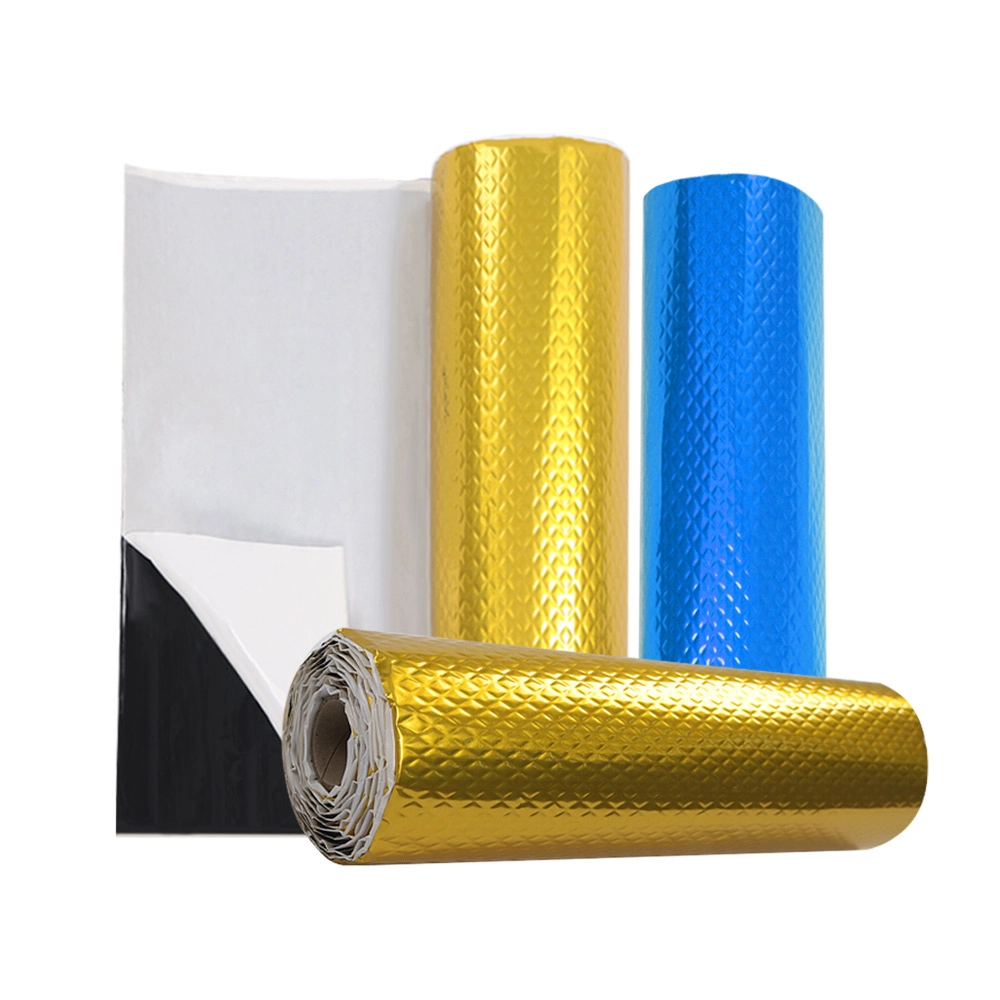
Butyl Rubber Sound Damping Mat
ASLONG Butyl Rubber Sound Damping Mat for sale. Effectively reduces noise and vibrations. High-quality butyl rubber ensures superior performance and durability. Ideal for automotive, industrial, and home applications.
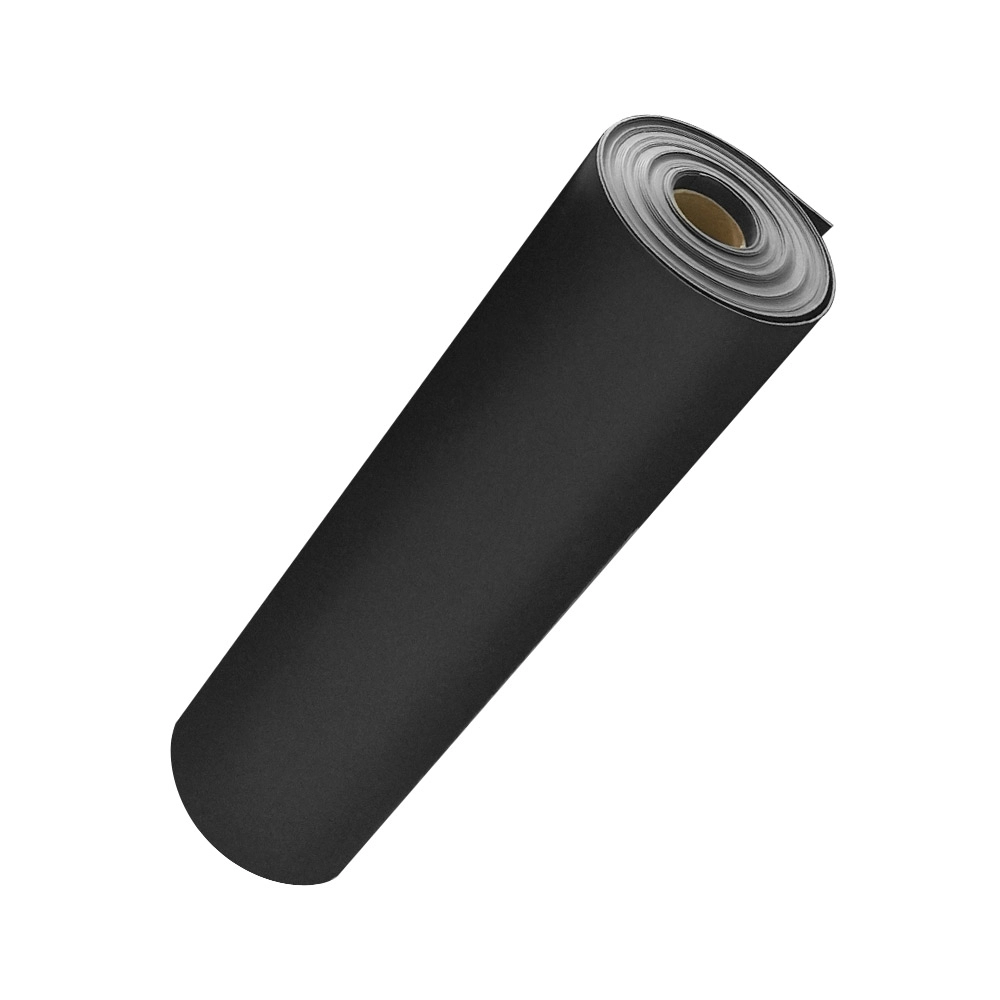
Mass Loaded Vinyl
ASLONG Mass Loaded Vinyl for sale. Reduce noise pollution effectively with our high-quality, mass-loaded vinyl. Ideal for soundproofing walls, floors, and more. Buy now and experience the difference!
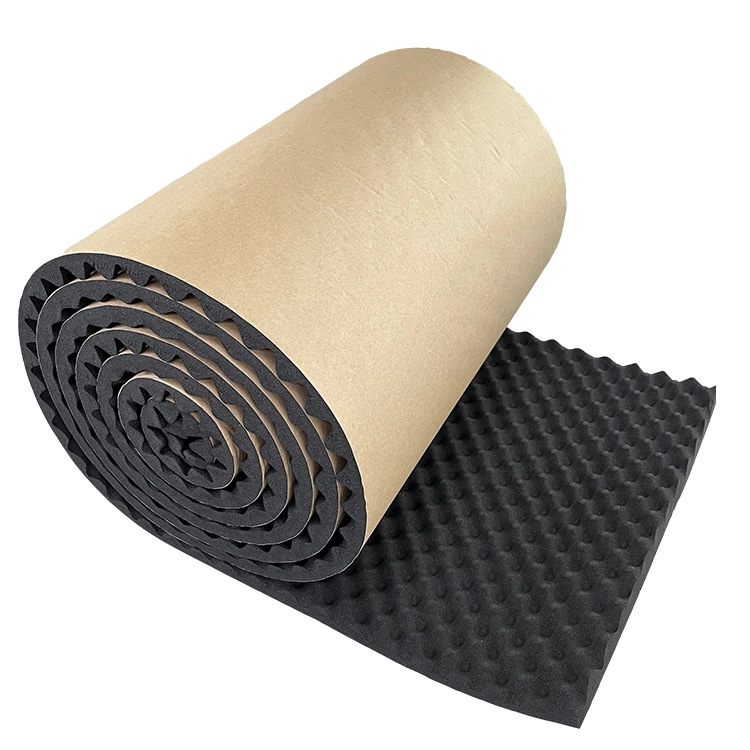
Egg Crate Foam
ASLONG Egg Crate Foam for sale. Lightweight, breathable, and comfortable, our egg crate foam provides superior support and pressure relief. Perfect for mattresses, cushions, cars, construction industry, KTV, factories, etc.
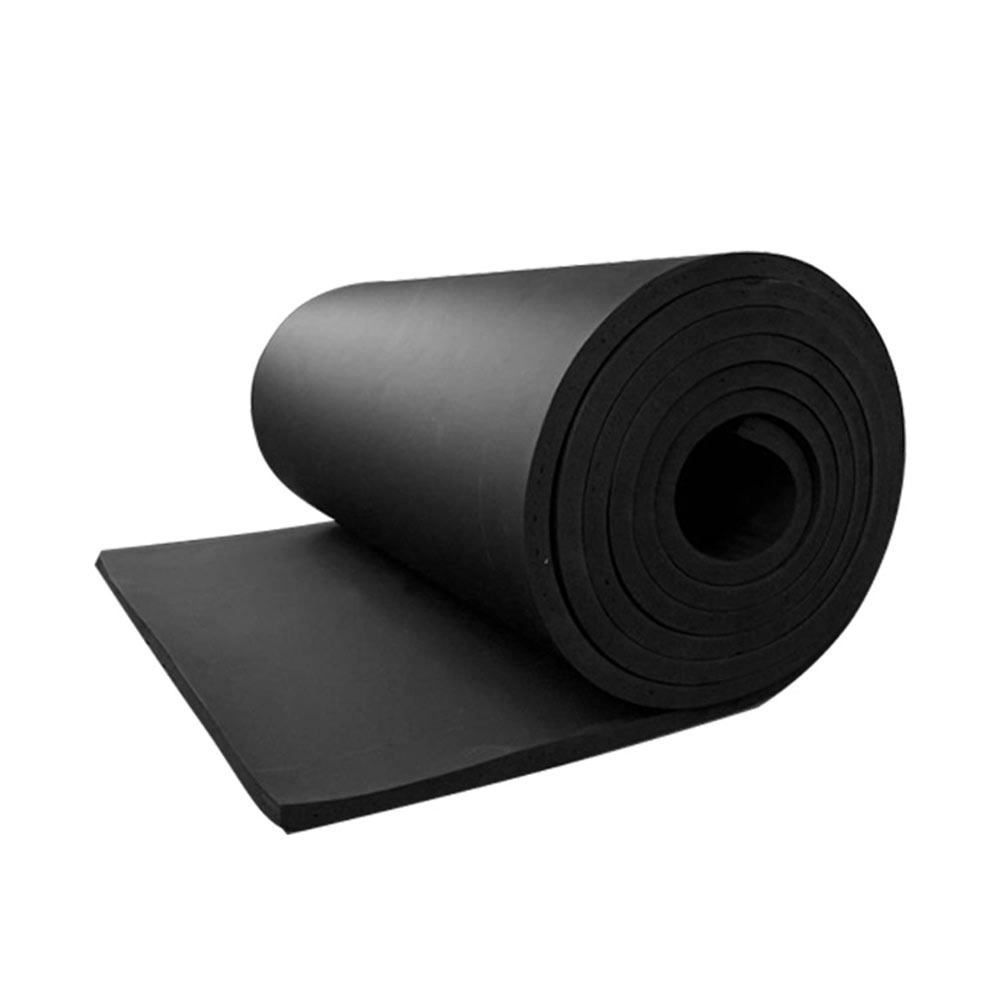
NBR Foam
ASLONG NBR Foam: Wholesale NBR foam solutions for diverse applications. High-quality, durable, and competitively priced. Contact us today for bulk orders.
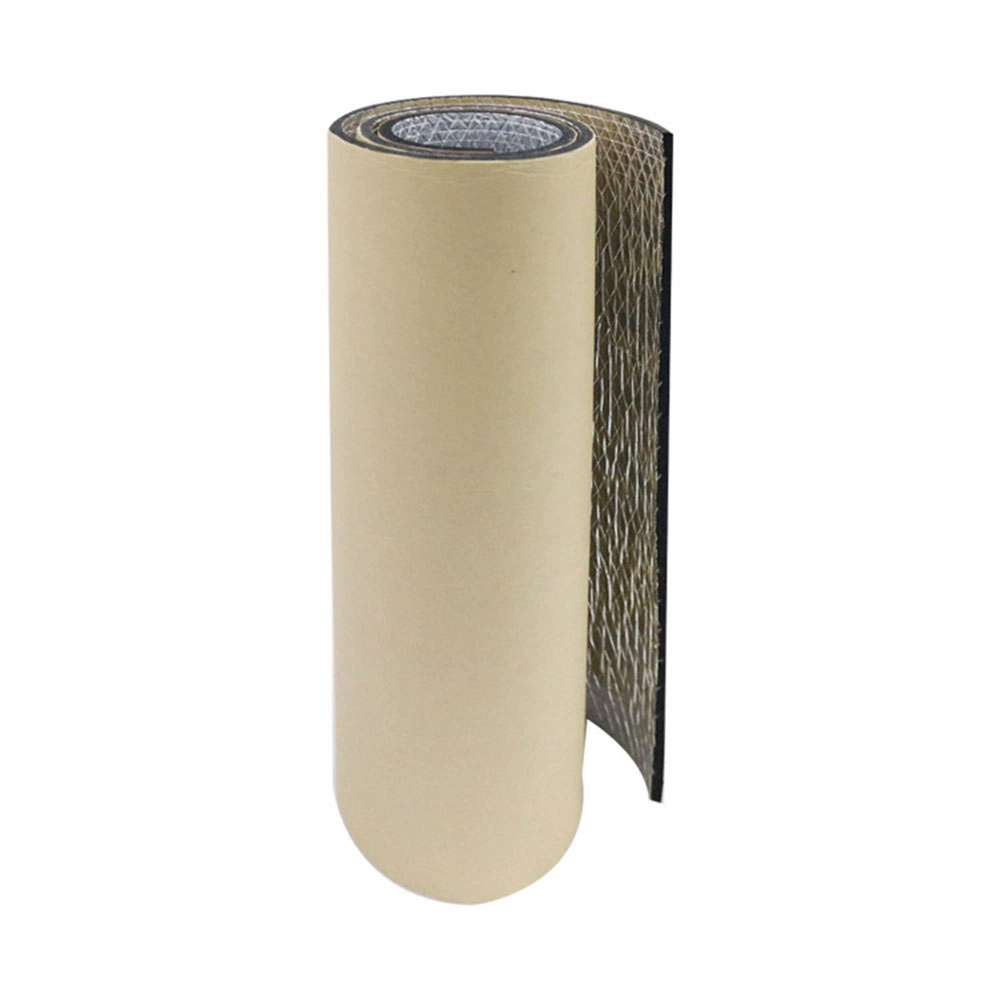
Multi layer Composite NBR foam
ASLONG's multi-layer composite NBR foam is your premium choice for superior cushioning and durability. Ideal for diverse applications, this high-quality NBR foam is available for sale now. Contact us for bulk orders.
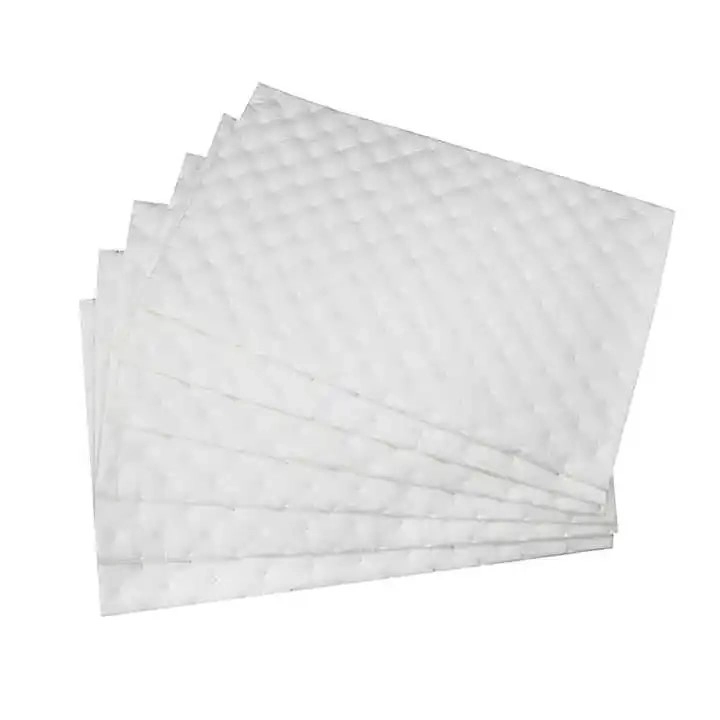
Sound Absorbing White Cotton
Sound-absorbing white cotton Made from PP and PET fibres by melt-blowing, special processes are used to achieve density diversification, sound absorption and noise reduction, thermal insulation, moisture-proof and mold resistance.
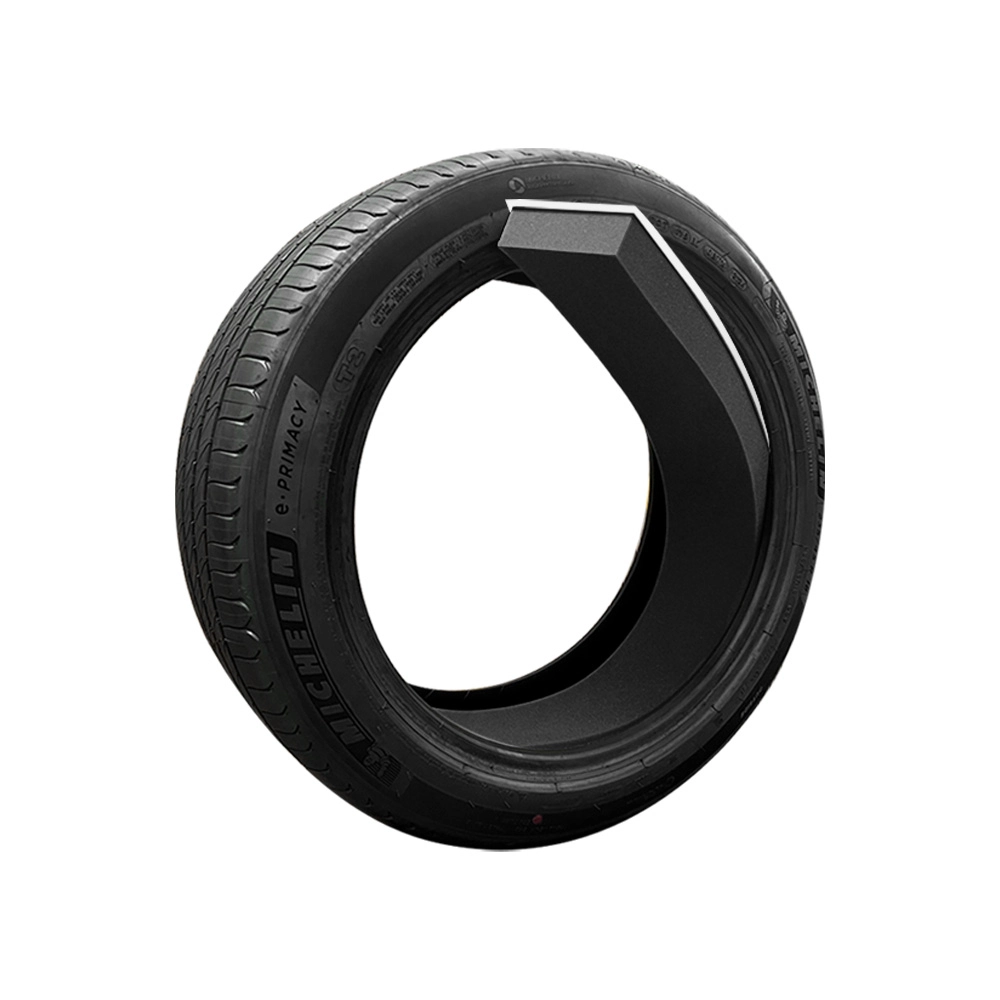
Puncture-Proof Soundproof Tire Foam, Self-Sealing Noise-Reducing Liner for Cars, Anti-Puncture Wheel Protection, Anti-Puncture Noise Reduction
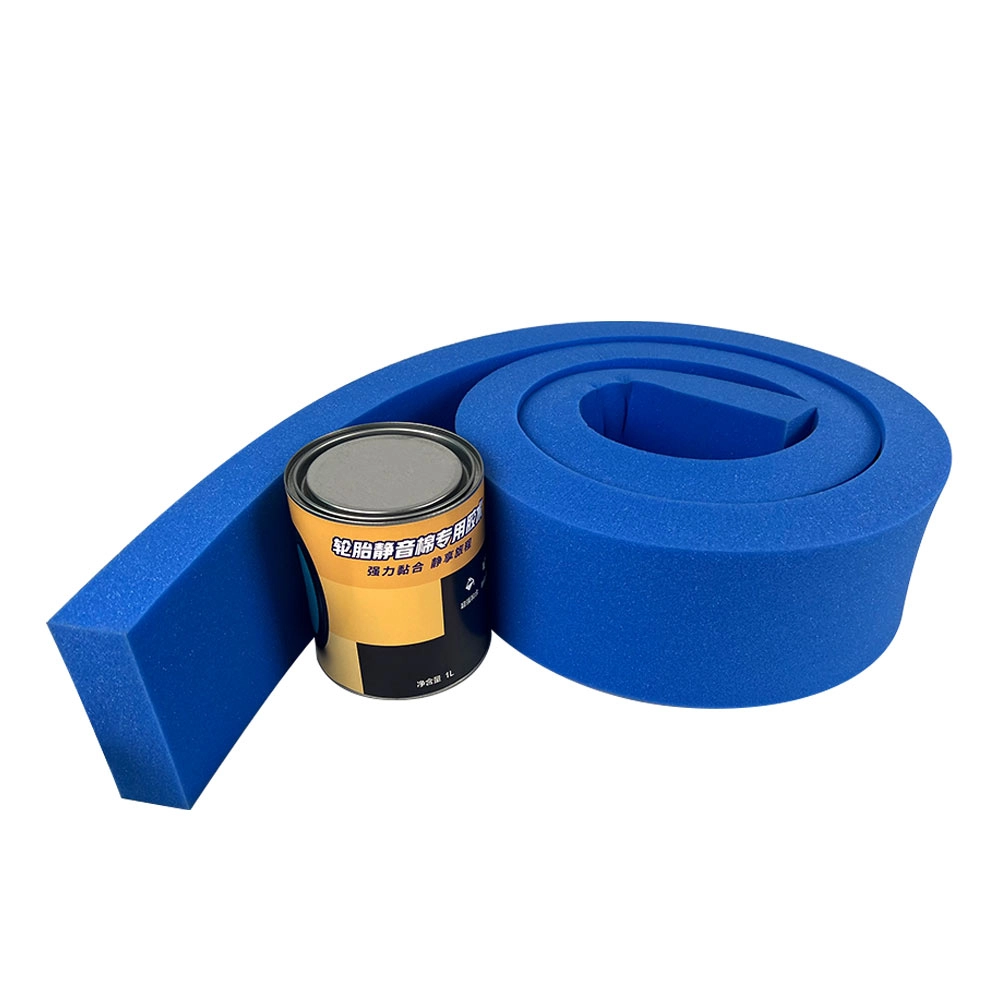
Tire Silent Foam with Special Glue
ASLONG Tire Silent Foam with special glue effectively reduces tire noise. Improve your vehicle's ride comfort. Buy ASLONG Tire Silent Foam for sale now and experience the quiet difference.
Professional support at any time
Contact us for a free quote on our new soundproofing materials!
© 2026 ASLONG All Rights Reserved. Privacy Policy | Terms and Conditions | Sitemap

 It would be pleasure to receive from you.
Whatsapp: +8613242879341
ASLONG Global
ASLONG
Aslong_global