

Fireproof Standards for Boards From Sound Insulation Materials Manufacturers (2026 Guide)
- What is a Fireproof Sound Insulation Board?
- Key Takeaways: Navigating Fireproof Acoustic Standards
- Decoding Global Fire Ratings: Class A, ASTM, and EN Standards
- Core Materials Used by Top Soundproofing Manufacturers
- ASLONG: High-Tech Manufacturing Meets Global Fire Safety Standards
- 2026 and Beyond: Emerging Trends in Fire-Resistant Acoustics
- Expert Tips: Common Mistakes When Sourcing Soundproofing Materials
- Conclusion
- FAQs About Fireproof sound insulation board
When designing commercial, industrial, or residential spaces, ensuring life safety and acoustic comfort are equally critical. A high-quality fireproof sound insulation board is the cornerstone of modern building compliance, effectively mitigating noise pollution while preventing the catastrophic spread of flames. As building codes become increasingly stringent in 2026, architects and contractors must source materials that deliver both exceptional acoustics and uncompromising fire safety. This comprehensive guide explores the latest global fire standards, core materials, and expert sourcing strategies to help you choose the right solutions for your next project.
What is a Fireproof Sound Insulation Board?
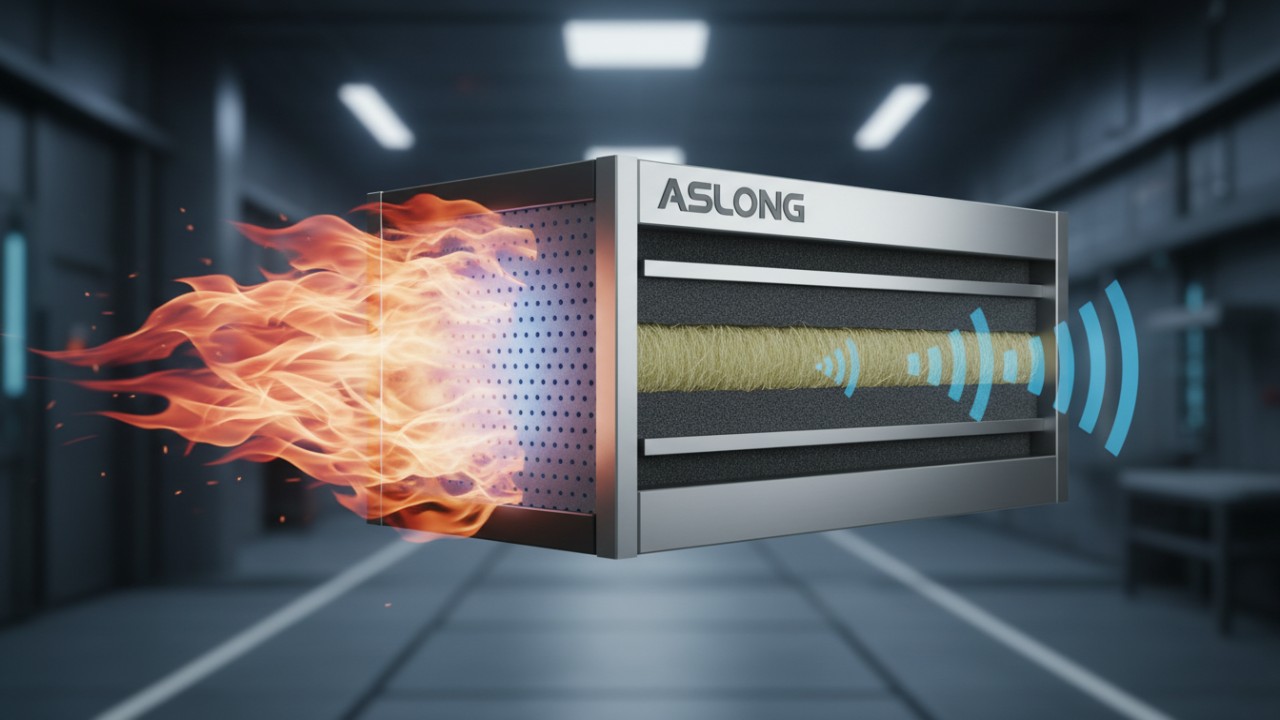
A fireproof sound insulation board is a specialized acoustic panel engineered to block or absorb noise while strictly resisting ignition and flame spread. Constructed from non-combustible materials like mineral wool or magnesium oxide, these boards ensure premium acoustic performance and strict life-safety fire compliance.
- Non-Combustible Cores: They are typically constructed from naturally fire-resistant materials like mineral wool, fiberglass, or magnesium oxide (MGO).
- Regulatory Compliance: These boards must achieve specific regulatory classifications, such as a Class A fire rating, ensuring they produce minimal smoke and do not contribute to fire growth.
- Dual Functionality: They are mandatory in commercial, industrial, and residential spaces requiring both premium noise reduction—measured by the Noise Reduction Coefficient (NRC)—and life-safety fire compliance.
Key Takeaways: Navigating Fireproof Acoustic Standards
Navigating fireproof acoustic standards requires balancing strict building codes, material combustibility, supplier credibility, and dual-performance metrics. By understanding these core principles, buyers can ensure their soundproofing investments deliver high acoustic performance without compromising thermal or fire-resistant integrity.
- Understanding Building Codes: Always verify that materials meet local and international fire safety regulations for interior finishes.
- Material Matters: Differentiate between naturally non-combustible materials and chemically treated fire-retardant foams.
- Supplier Verification: Partner with high-tech manufacturers that hold certified R&D facilities and modern production bases.
- Dual Performance: Ensure the product delivers high acoustic performance without compromising its thermal and fire-resistant integrity.
Decoding Global Fire Ratings: Class A, ASTM, and EN Standards
Global fire ratings like ASTM E84 and EN 13501-1 provide standardized testing methods to evaluate how building materials react to fire. These rigorous frameworks measure flame spread and smoke development, ensuring that interior acoustic finishes meet mandatory commercial safety codes.
To navigate the global market as a buyer or a B2B soundproofing supplier, you must understand the primary testing frameworks:
- ASTM E84 Surface Burning Characteristics: Widely used in North America, this 10-minute tunnel test measures the Flame Spread Index (FSI) and Smoke Developed Index (SDI). According to an analysis by Firefree Coatings, understanding how materials behave in this test is essential for architects to enhance occupant safety. The test utilizes a 24-foot Steiner Tunnel where a sample is exposed to a controlled flame to visualize how a fire might spread across a ceiling or wall.
- Class A Fire Ratings Explained: This is the highest standard for interior acoustic materials in North America. A Class A fire rating requires an FSI of 0-25 and an SDI of 0-450, meaning the material is highly resistant to fire spread.
- European Standard EN 13501-1: This comprehensive European framework classifies how building materials contribute to fire growth. As noted by NETZSCH, it provides a unified system ranging from Class A1 (non-combustible) down to Class F.
- Non-Negotiable Compliance: Passing these rigorous tests is strictly enforced for commercial building compliance, preventing the use of hazardous, highly flammable materials.
Data Comparison: ASTM E84 vs. EN 13501-1
| Standard | Region | Key Metrics Evaluated | Highest Safety Classification |
|---|---|---|---|
| ASTM E84 | North America | Flame Spread Index (FSI), Smoke Developed Index (SDI) | Class A (FSI 0-25, SDI 0-450) |
| EN 13501-1 | Europe | Combustibility, Smoke Production (s), Flaming Droplets (d) | Class A1 (Non-combustible) |
Core Materials Used by Top Soundproofing Manufacturers
Top soundproofing manufacturers utilize inherently non-combustible materials like mineral wool and magnesium oxide, alongside fire-retardant foams and mass loaded vinyl. This combination allows for comprehensive noise isolation and absorption strategies that meet the highest international fire safety regulations.
- Mineral Wool and Stone Wool: Recognized as the industry standard for rigid, naturally fire-resistant sound absorption. According to ROCKWOOL, high-quality mineral wool acoustic panels can withstand fire temperatures exceeding 1000°C (1832°F) without melting or releasing toxic smoke.
- Magnesium Oxide (MGO) Boards: MGO boards are manufactured using magnesium and oxygen, creating a cementitious panel that is completely impervious to fire, water, and insects. These boards offer high density, extreme fire resistance, and exceptional sound-blocking capabilities, making them ideal for heavy-duty commercial applications.
- Fire-Retardant Foams and Cotton: Specially treated NBR foams and Sound White Cotton provide targeted acoustic treatments for studios and industrial spaces.
- Mass Loaded Vinyl (MLV) and Dampers: Flexible, fire-rated damping mats are frequently paired with rigid fire-resistant acoustic materials to maximize overall noise isolation and vibration damping.
ASLONG: High-Tech Manufacturing Meets Global Fire Safety Standards
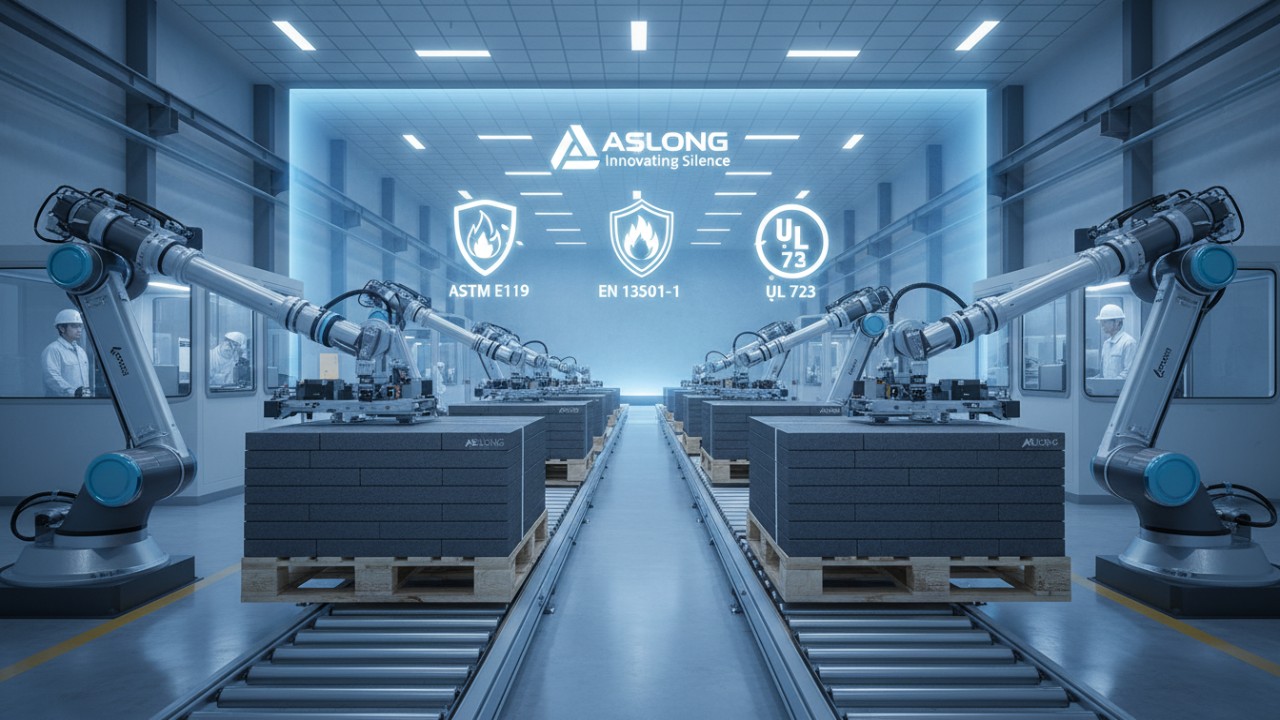
ASLONG is a premier high-tech enterprise founded in 2000, specializing in the R&D and production of globally compliant acoustic materials. With a 10,000-square-meter modern production base, we deliver efficient, environmentally friendly, and highly fire-safe sound insulation solutions worldwide.
When evaluating a New sound insulation materials manufacturer guide, it is crucial to look at a company's infrastructure and track record. ASLONG (Welllink Guangdong New Material Co., Ltd.) sets the benchmark in acoustic material R&D. Our extensive product lineup includes NBR foam, Sound Absorbing White Cotton, Mass Loaded Vinyl, and Butyl Rubber Sound Damping Mats. We implement strict quality control to meet international safety and environmental standards.
Trusted globally, ASLONG safely exports high-performance sound insulation solutions to Europe, North America, Asia, and Africa. Whether you need materials for construction, automotive, or industrial applications, our factory ensures global compliance and superior acoustic results. We are actively recruiting agents worldwide to distribute our premium soundproofing solutions.
2026 and Beyond: Emerging Trends in Fire-Resistant Acoustics
In 2026, emerging trends in fire-resistant acoustics prioritize the phase-out of toxic chemical retardants in favor of naturally non-combustible minerals. High-tech manufacturing now integrates automated precision to create sustainable, eco-friendly soundproofing boards that maintain strict Class A fire ratings.
- Stricter Environmental Regulations: Global mandates are phasing out volatile, toxic chemical fire-retardants, pushing the industry toward naturally fire-proof minerals and sustainable binders.
- Smart Acoustic Manufacturing: High-tech factories are utilizing automated precision to increase the density of acoustic panels without adding unnecessary weight, improving both handling and STC ratings.
- Eco-Friendly Innovations: The integration of sustainable, recycled materials into soundproofing boards that still easily maintain a Class A fire rating is becoming the standard for green building certifications.
- Global Supply Chain Shifts: Buyers are increasingly moving toward direct-to-manufacturer sourcing for better quality control, avoiding middlemen to ensure authentic fire certifications.
Expert Tips: Common Mistakes When Sourcing Soundproofing Materials
Common mistakes when sourcing soundproofing materials include confusing fire-retardant with fire-proof, ignoring acoustic ratings for fire codes, and buying from unverified suppliers. Avoiding these errors ensures you procure safe, compliant materials from established factories with proven R&D capabilities.
- Mistake 1: Confusing "Fire-Retardant" with "Fire-Proof". Understand the limitations of chemically treated materials versus inherently non-combustible materials. Fire-retardant materials slow down a fire, while fire-proof materials (like mineral wool) will not burn.
- Mistake 2: Ignoring Acoustic Performance. Do not sacrifice the Noise Reduction Coefficient (NRC) or Sound Transmission Class (STC) just to check a fire rating box. The board must perform its primary function: stopping noise. While the NRC measures how well a board absorbs airborne sound within a room, the STC dictates how much sound is blocked from passing through a wall assembly.
- Mistake 3: Sourcing from Unverified Directories. Buying from unverified B2B directories instead of established factories with real R&D facilities—like ASLONG—can result in receiving products with fraudulent fire certificates.
- Mistake 4: Overlooking Installation Requirements. Using non-fire-rated sealants, adhesives, or tapes during installation can completely compromise the integrity of a fireproof sound insulation board.
Conclusion
Choosing the right fireproof sound insulation board requires balancing strict fire codes with optimal acoustic performance. Partnering with a proven, high-tech manufacturer ensures your materials meet the most rigorous international standards while providing long-lasting acoustic comfort and structural safety. ASLONG continues to innovate in the acoustic space, offering comprehensive, eco-friendly, and highly safe shock-absorbing and soundproofing materials. Whether you are outfitting a commercial building or looking to become a global distribution agent, investing in certified, factory-direct materials is the most secure path forward.
Contact us today to optimize your fireproof sound insulation board strategy.
FAQs About Fireproof sound insulation board
What makes a sound insulation board fireproof?
Fireproof boards are made from inherently non-combustible materials like mineral wool, stone wool, or magnesium oxide. They are designed to withstand high temperatures without igniting, melting, or releasing excessive toxic smoke. Some materials achieve fireproof status through the application of advanced chemical fire retardants during the manufacturing process.
What is a Class A fire rating in acoustic panels?
A Class A fire rating is the highest safety classification awarded to building materials. It indicates that the material has a Flame Spread Index (FSI) of 0-25 and a Smoke Developed Index of 0-450. Class A materials are highly resistant to fire and do not easily contribute to the rapid spread of flames.
Are mineral wool boards fire resistant?
Yes, mineral wool is naturally fire-resistant and can withstand temperatures exceeding 1000°C (1800°F). It does not burn or release toxic gases when exposed to fire. This makes it one of the most popular materials for both thermal insulation and soundproofing in commercial buildings.
How do I choose a reliable fireproof sound insulation manufacturer?
Look for a company with a strong history of R&D and a dedicated production base, such as ASLONG. Ensure the manufacturer provides valid certification for international standards (e.g., ASTM E84, EN 13501-1). Check if they export globally, as this usually indicates compliance with multiple strict international safety codes.
Does Mass Loaded Vinyl (MLV) have fire-retardant properties?
Standard MLV is not entirely fireproof, but high-quality MLV is often manufactured with fire-retardant additives. Fire-rated MLV can achieve a Class A rating, making it safe for interior walls and ceilings. It is frequently used in conjunction with fireproof rigid boards for a comprehensive acoustic solution.
Can fireproof sound insulation boards be used in commercial buildings?
Absolutely. In fact, most local and international building codes require fireproof acoustic materials in commercial spaces. They are heavily utilized in theaters, office buildings, studios, and industrial facilities to ensure public safety. Using non-fire-rated materials in commercial spaces can lead to severe code violations and safety hazards.
What is the difference between sound blocking and sound absorption in fire-rated materials?
Sound absorption (measured by NRC) reduces echo and reverberation within a room by using porous, fire-safe materials like NBR foam or mineral wool. Sound blocking (measured by STC) prevents sound from leaving or entering a room, typically requiring heavy, dense, fire-rated materials like MGO boards or MLV. A comprehensive fire-rated soundproofing strategy usually employs both types of materials.
How do international fire safety standards impact soundproofing imports?
Imported acoustic materials must comply with the specific building codes of the destination country to clear customs and pass building inspections. Manufacturers must undergo rigorous third-party testing to provide proof of compliance. Working with experienced global exporters like ASLONG ensures that the products ordered meet all regulatory fire safety criteria.
Practical Case Studies: Door, Floor & Roof Soundproofing Solutions for Cars
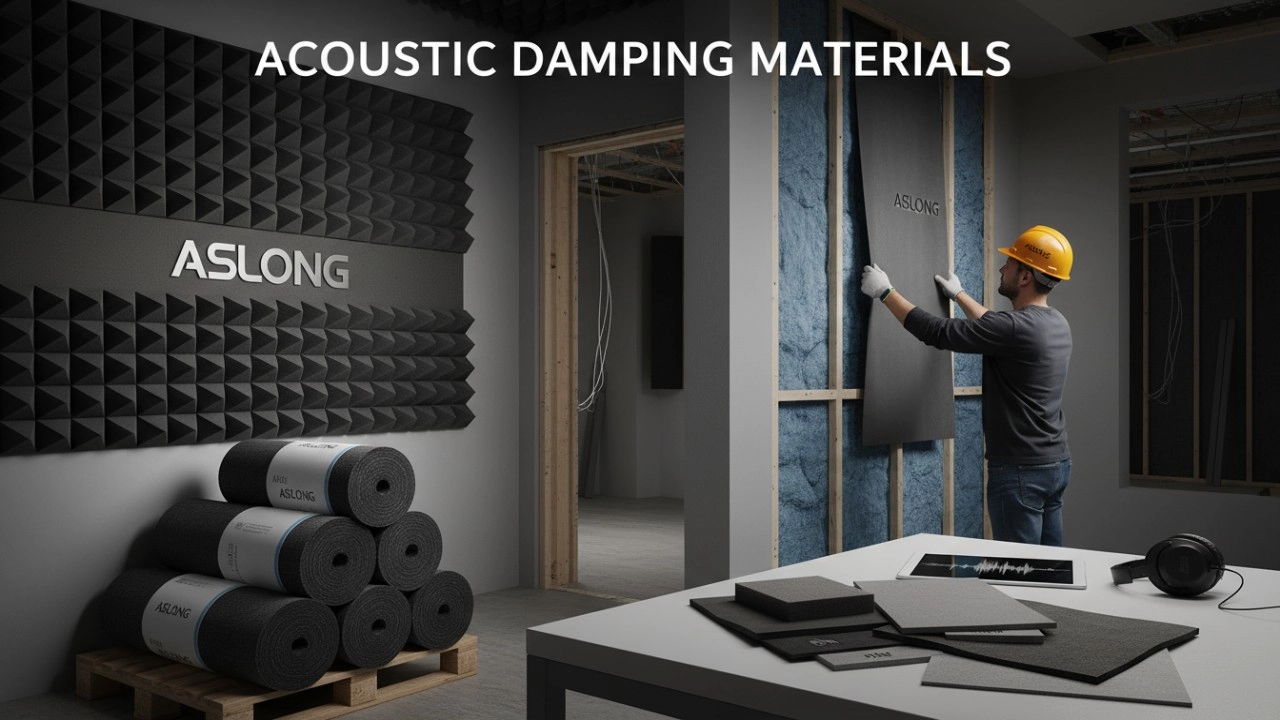
Advanced Acoustic Damping Tech by a Sound Insulation Materials Manufacturer (2026 Guide)
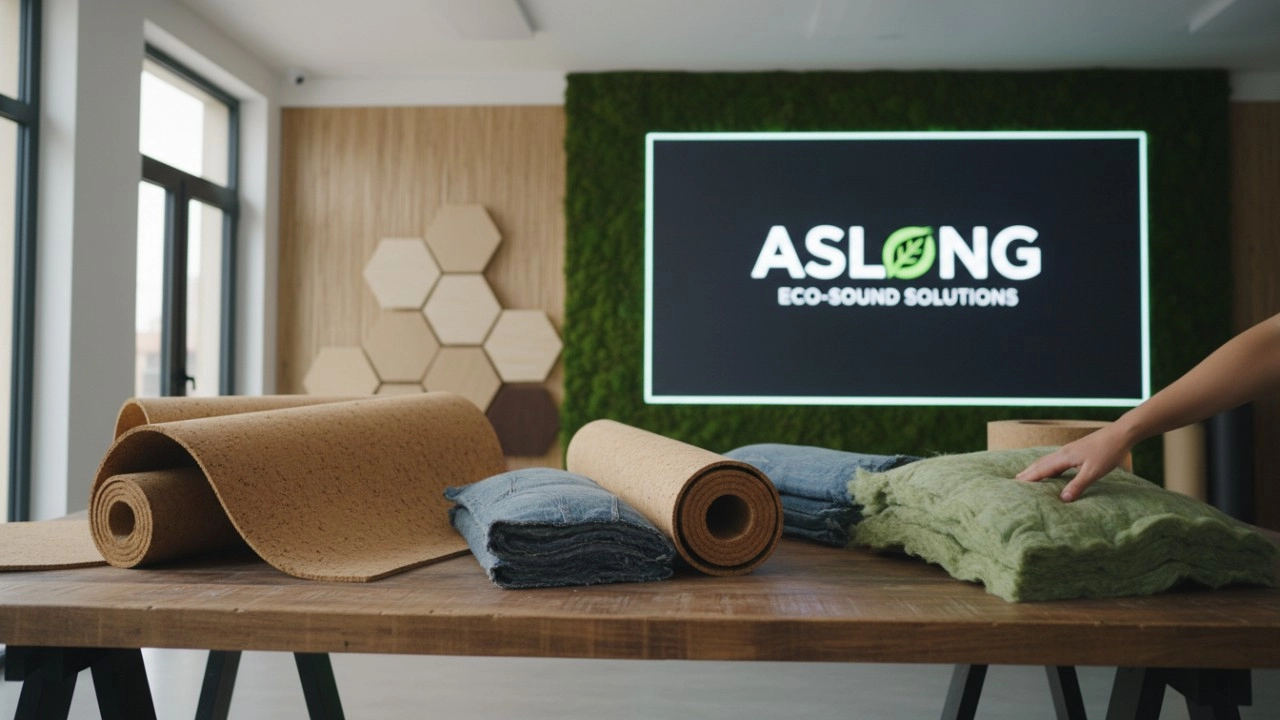
Eco-Friendly Options From a New Sound Insulation Materials Manufacturer in 2026
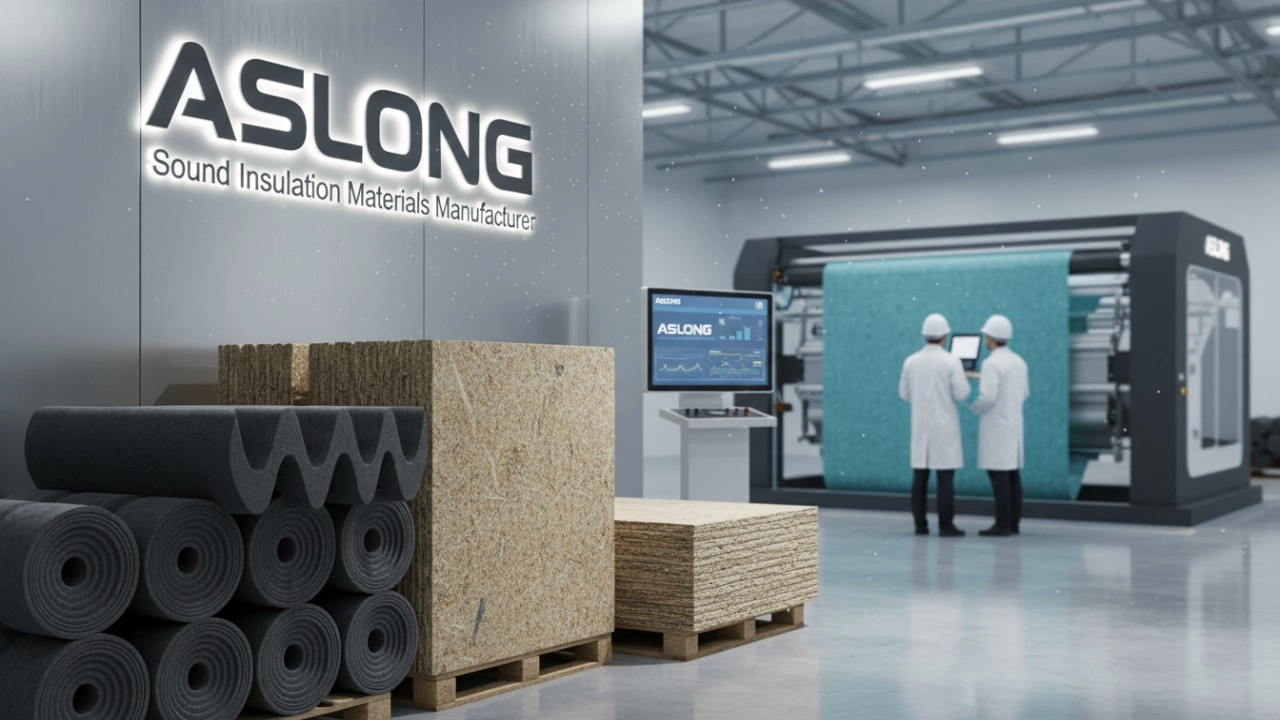
Exploring Core Products From a New Sound Insulation Materials Manufacturer in 2026
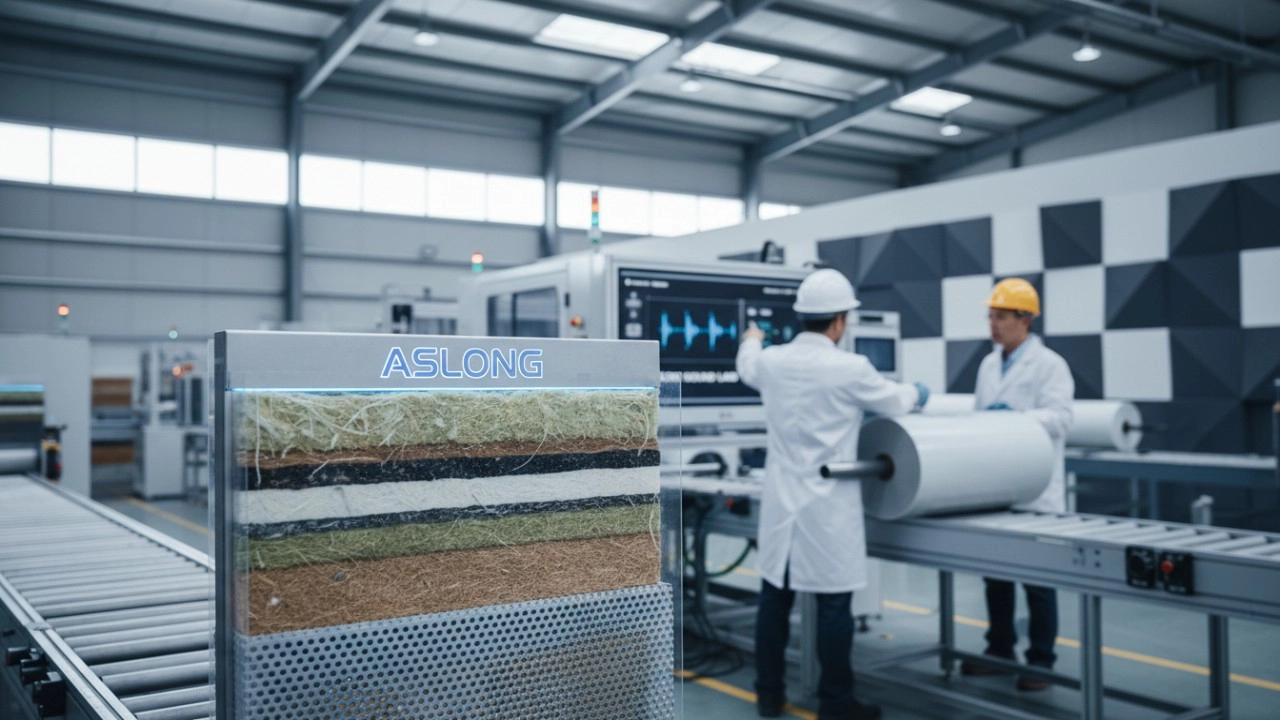
The Ultimate Guide to Sourcing from a Manufacturer of New Sound Insulation Materials [2026 Edition]
FAQs
Does ASLONG provide after-sales service?
Yes, we provide a full range of after-sales services, including technical support, installation guidance, product maintenance and quality tracking, etc., to ensure that each project goes smoothly and continues to perform at its best.
How to customize products that meet the needs of my industry?
You only need to contact our sales or technical team, we will conduct an in-depth analysis based on your industry needs and provide tailor-made products and solutions. We guarantee to provide you with efficient and accurate services to meet your personalized requirements.
What specific functions can ASLONG's products provide?
Our products cover functions such as insulation, sound insulation, shock absorption, waterproofing and sealing, and are widely used in improving energy efficiency, reducing noise, controlling vibration, protecting equipment, etc., helping customers optimize engineering effects and improve user experience.
Do ASLONG's products meet environmental protection standards?
Yes, all ASLONG products comply with ISO14001 environmental management system certification and global environmental protection standards. We use environmentally friendly materials and are committed to providing sustainable solutions to help customers achieve green development goals.
What industries are the products provided by ASLONG suitable for?
ASLONG's products are suitable for multiple industries, including air conditioning and HVAC, construction and waterproofing, automobiles and transportation, home appliances and electronics, industrial equipment and machinery, etc. We provide customized solutions for each industry to meet different needs.
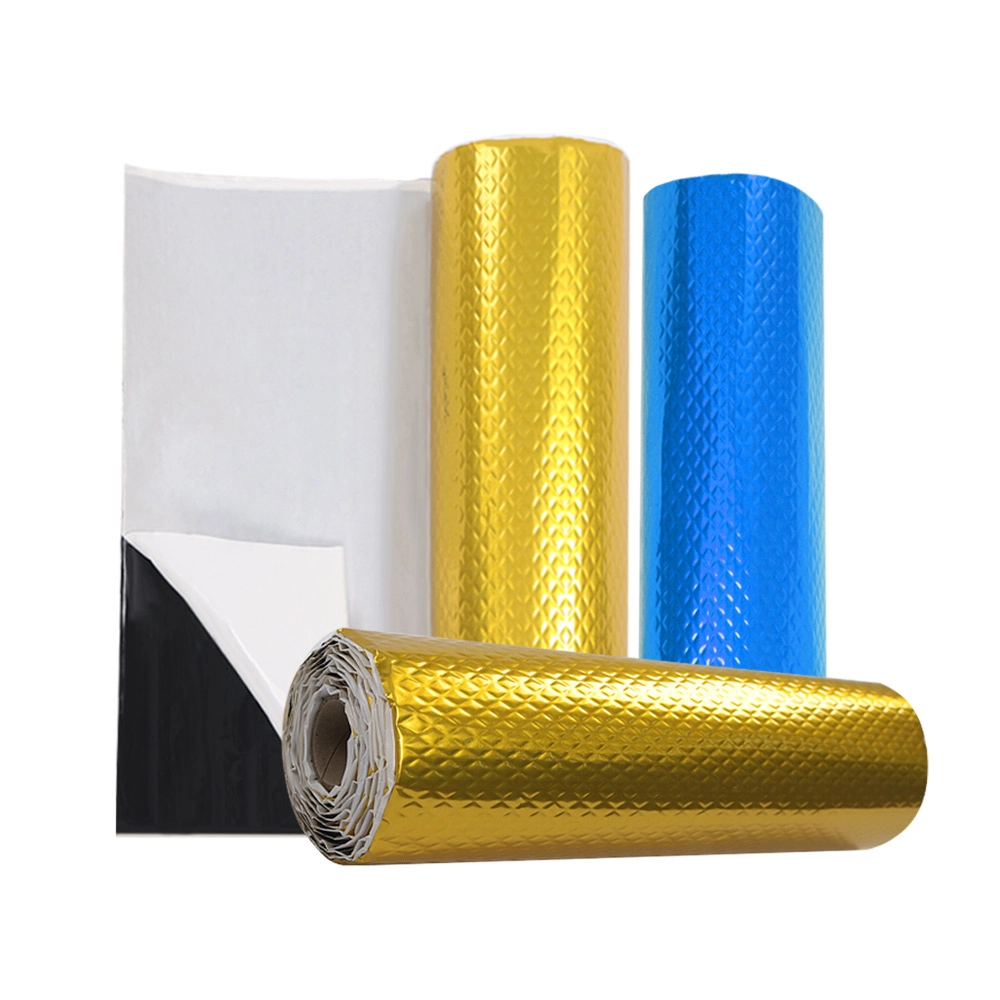
Butyl Rubber Sound Damping Mat
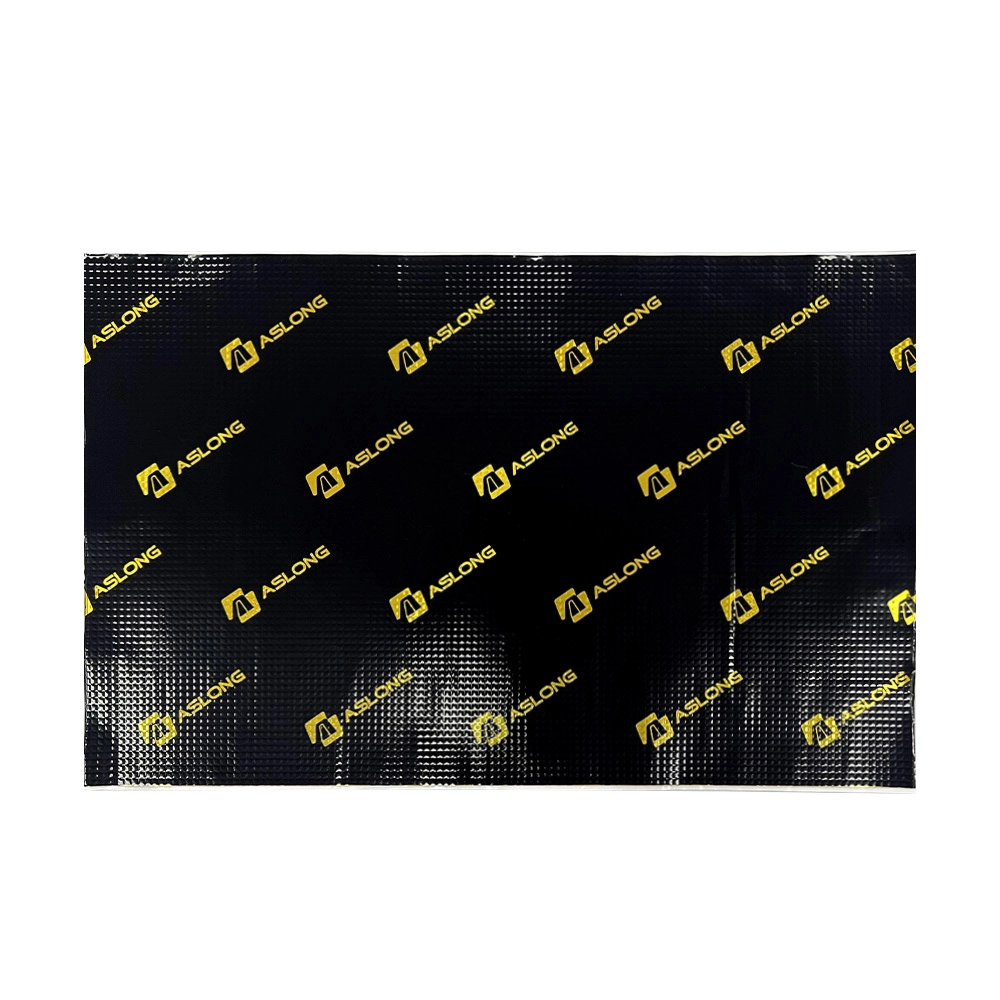
ASLONG Butyl Rubber Sound Damping Mat for sale. Effectively reduces noise and vibrations. High-quality butyl rubber ensures superior performance and durability. Ideal for automotive, industrial, and home applications.
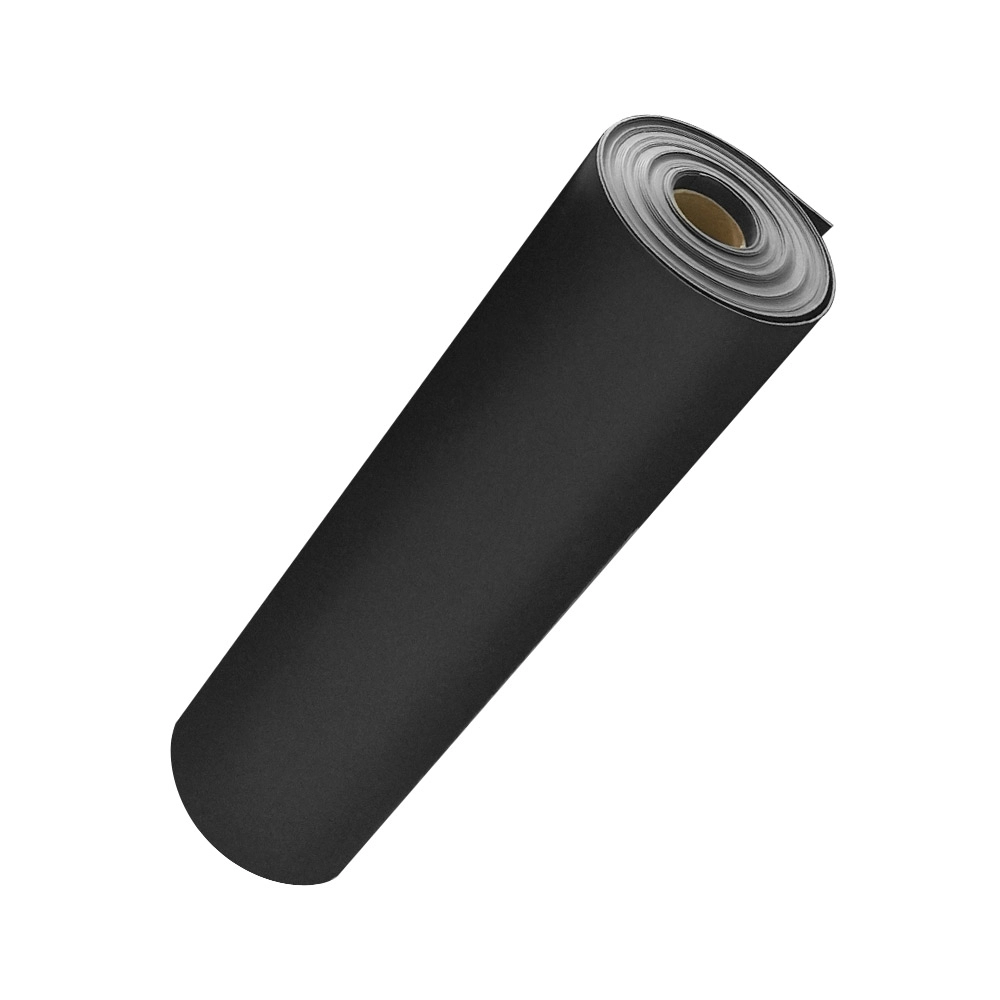
Mass Loaded Vinyl
ASLONG Mass Loaded Vinyl for sale. Reduce noise pollution effectively with our high-quality, mass-loaded vinyl. Ideal for soundproofing walls, floors, and more. Buy now and experience the difference!
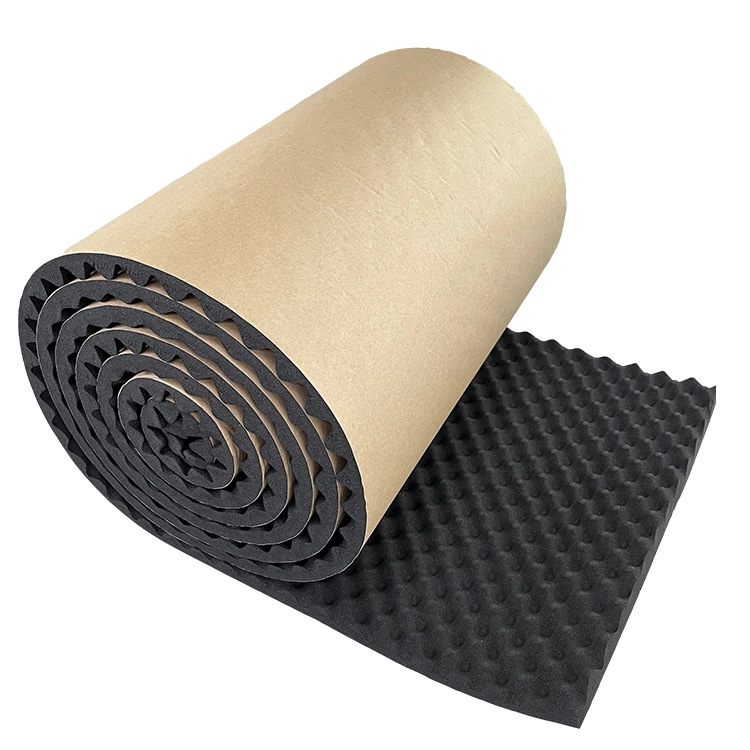
Egg Crate Foam
ASLONG Egg Crate Foam for sale. Lightweight, breathable, and comfortable, our egg crate foam provides superior support and pressure relief. Perfect for mattresses, cushions, cars, construction industry, KTV, factories, etc.
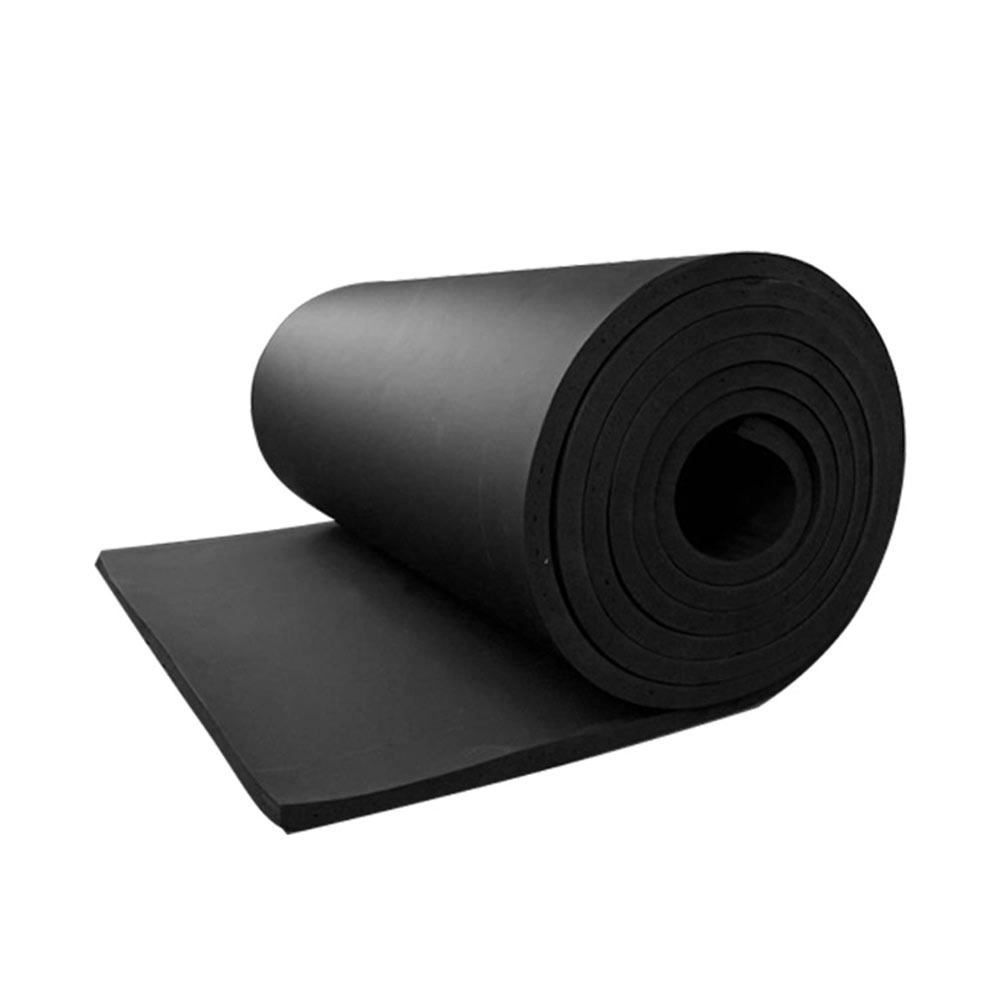
NBR Foam
ASLONG NBR Foam: Wholesale NBR foam solutions for diverse applications. High-quality, durable, and competitively priced. Contact us today for bulk orders.
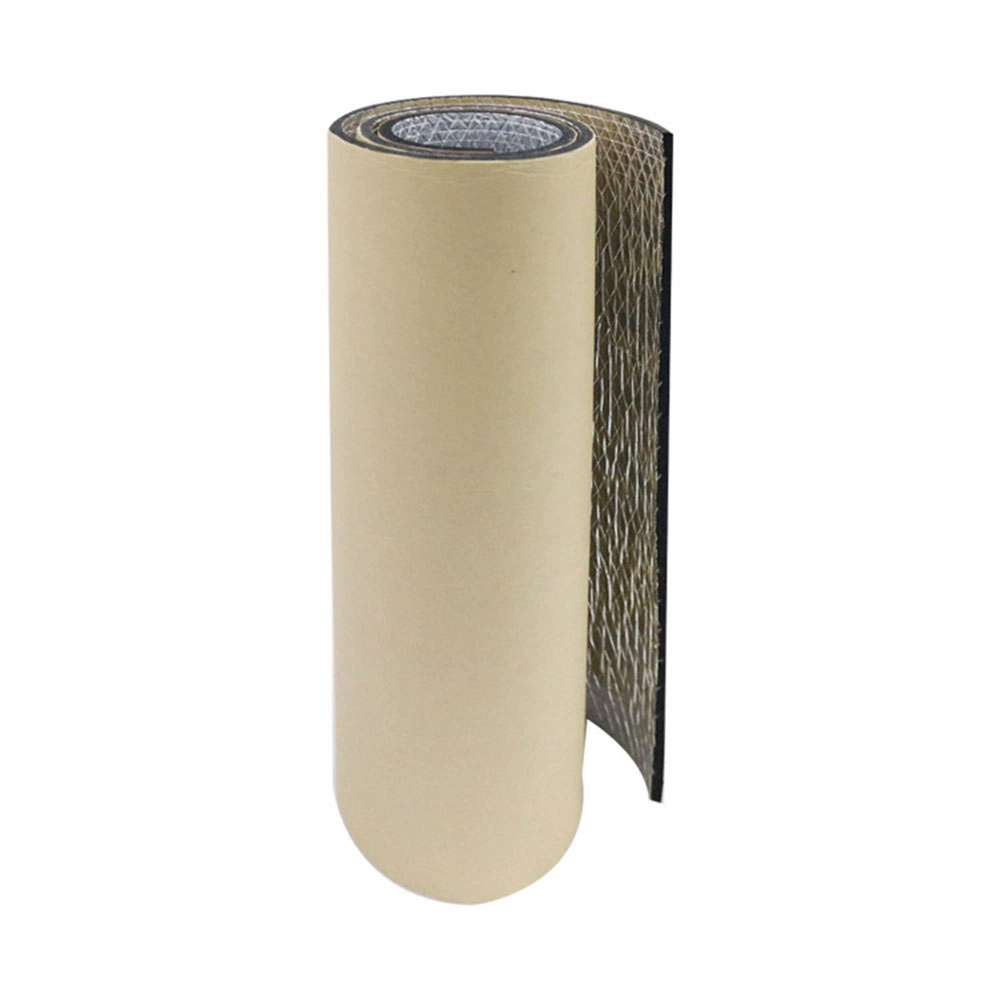
Multi layer Composite NBR foam
ASLONG's multi-layer composite NBR foam is your premium choice for superior cushioning and durability. Ideal for diverse applications, this high-quality NBR foam is available for sale now. Contact us for bulk orders.
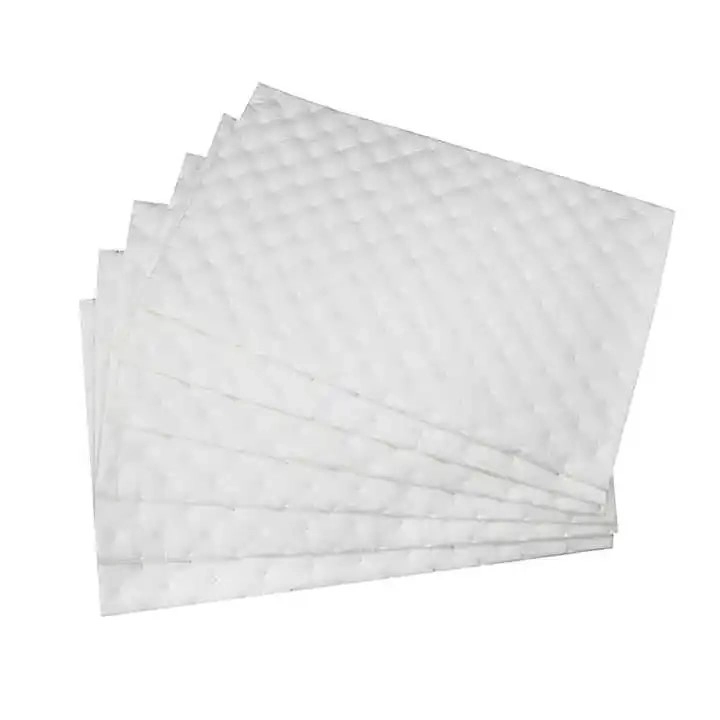
Sound Absorbing White Cotton
Sound-absorbing white cotton Made from PP and PET fibres by melt-blowing, special processes are used to achieve density diversification, sound absorption and noise reduction, thermal insulation, moisture-proof and mold resistance.
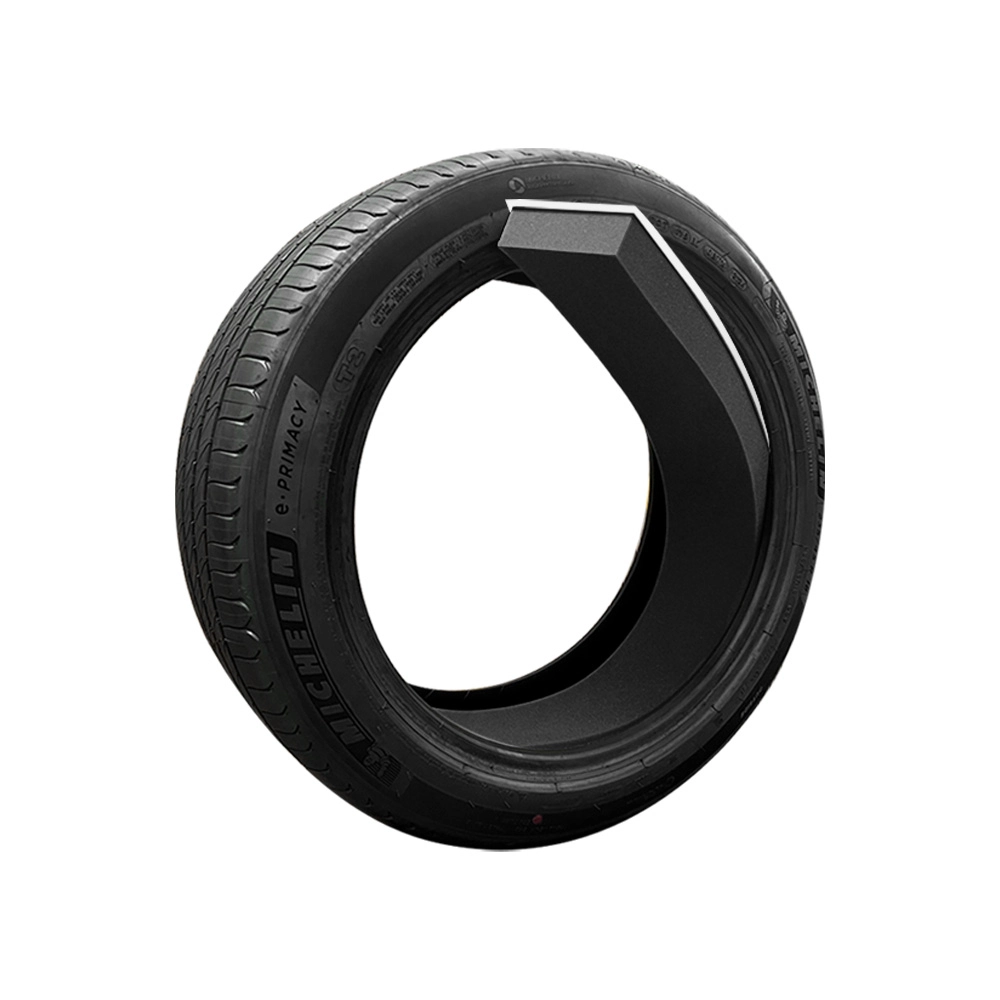
Puncture-Proof Soundproof Tire Foam, Self-Sealing Noise-Reducing Liner for Cars, Anti-Puncture Wheel Protection, Anti-Puncture Noise Reduction
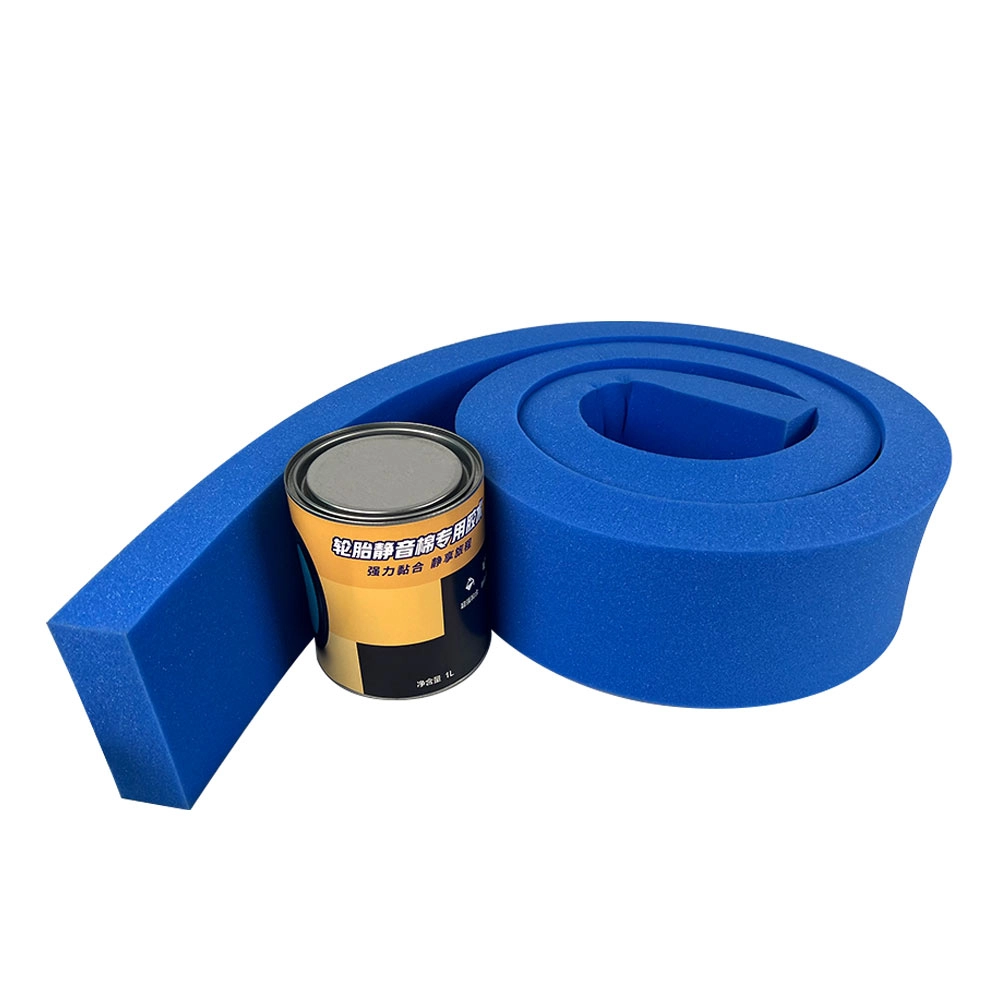
Tire Silent Foam with Special Glue
ASLONG Tire Silent Foam with special glue effectively reduces tire noise. Improve your vehicle's ride comfort. Buy ASLONG Tire Silent Foam for sale now and experience the quiet difference.
Professional support at any time
Contact us for a free quote on our new soundproofing materials!
© 2026 ASLONG All Rights Reserved. Privacy Policy | Terms and Conditions | Sitemap

 It would be pleasure to receive from you.
Whatsapp: +8613242879341
ASLONG Global
ASLONG
Aslong_global