

Top cost-effective automotive sound insulation materials
- Understanding automotive noise sources and insulation goals
- Why differentiate airborne, structure-borne and cavity noise?
- Targets and measurement standards
- Cost-effectiveness: evaluation criteria I use
- Most cost-effective materials for automotive sound insulation
- Butyl rubber sound damping mats (constrained-layer damping)
- Mass Loaded Vinyl (MLV) for airborne transmission loss
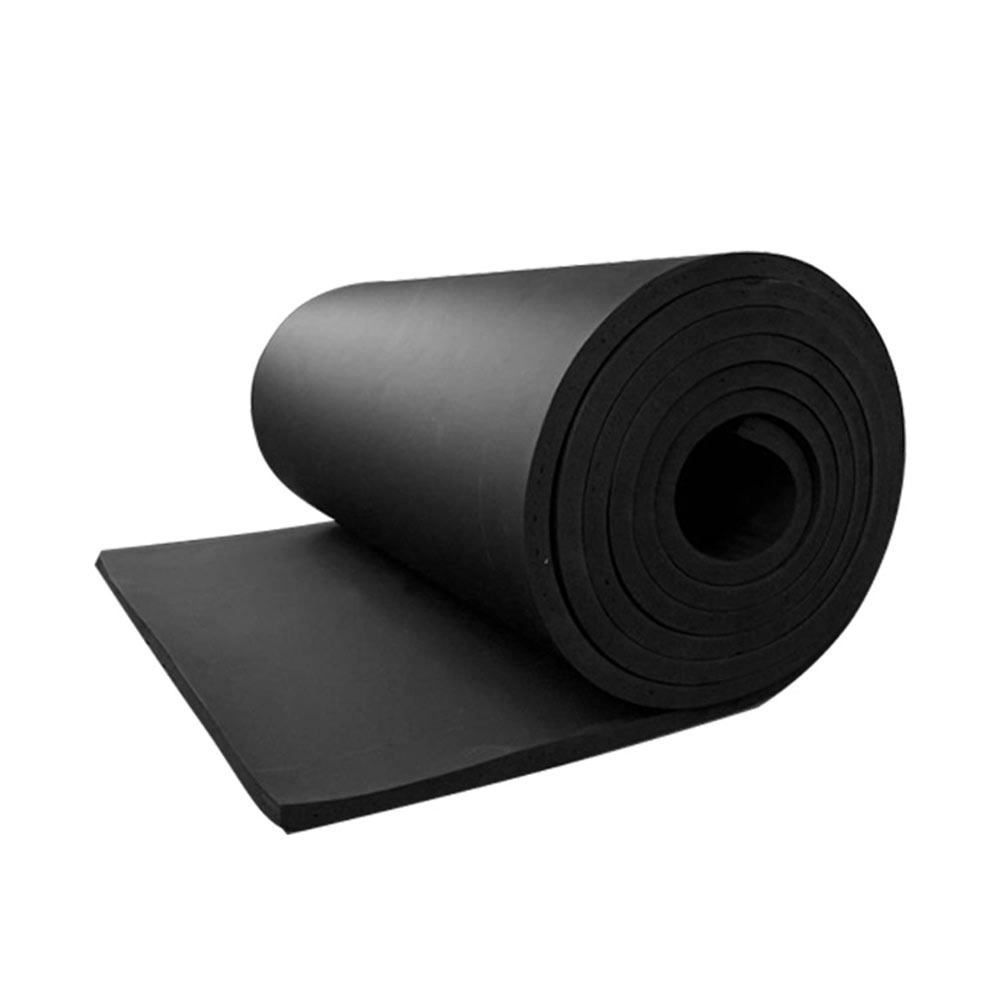
- NBR foam and other closed-cell nitrile foams for sealing and resonance control
- Sound-absorbing white cotton and fibrous absorbers
- Practical selection guide: performance vs cost
- How I match material to noise source
- Comparative table: materials at a glance
- Layering strategies that multiply effectiveness
- Implementation, durability and regulatory considerations
- Installation best practices I insist on
- Durability, environmental and safety factors
- Testing and verification
- Why I recommend ASLONG for many automotive insulation needs
- Company profile and global capability
- Product range aligned with the materials discussed
- Competitive advantages and why I choose them
- Closing recommendations and cost-saving tips I use in projects
- Start with measurement and target the largest contributors
- Use hybrid systems and optimize for weight
- Work with suppliers who support testing and customization
- FAQ
- 1. What material provides the best low-frequency reduction in vehicles?
- 2. How much noise reduction can I expect from adding a damping mat to a door panel?
- 3. Is MLV safe to use in an automotive interior regarding heat and fire?
- 4. How do I balance noise reduction and added vehicle weight?
- 5. Where can I source samples and technical support for trial installations?
- Contact and next steps
I write this from years of hands-on work selecting and specifying automotive sound insulation materials for OEMs, tier suppliers and retrofit projects. This article focuses on practical, cost-effective materials you can use in cars, trucks and EVs to reduce airborne, structure-borne and cavity noise. I combine accepted measurement standards, manufacturer practice and real-world performance so you can evaluate trade-offs and choose the right materials for NVH targets, weight budgets and budgets.
Understanding automotive noise sources and insulation goals
Why differentiate airborne, structure-borne and cavity noise?
Automotive sound control is about three linked problems: airborne noise (engine, wind, road entering the cabin through openings and panels), structure-borne noise (vibration transmitted through chassis and panels), and resonant cavity noise (panels and cavities that amplify sound at particular frequencies). Solutions differ by mechanism: dense limp barriers control airborne transmission and panel vibration (damping), porous absorbers reduce cavity reverberation, and constrained-layer systems damp panel resonances.
Targets and measurement standards
When I specify materials I refer to established metrics and standards: sound transmission loss (STL) and sound reduction index (R) per ISO 717, and absorption ratings guided by ISO 11654. Real-world vehicle NVH work commonly uses transfer path analysis (TPA) and in-vehicle sound pressure level (SPL) measurements (dBA) to validate improvements. These standards help quantify how a material or system contributes to cabin noise reduction.
Cost-effectiveness: evaluation criteria I use
Cost-effectiveness isn't just price per square meter. I evaluate: acoustic performance across the frequency range of interest, areal density (impact on vehicle mass), ease of installation (labor time), durability (temperature and moisture resistance), environmental compliance (RoHS/REACH where relevant), and total package cost including adhesive and fasteners. These criteria produce real ROI assessments for OEMs and aftermarket installers.
Most cost-effective materials for automotive sound insulation
Butyl rubber sound damping mats (constrained-layer damping)
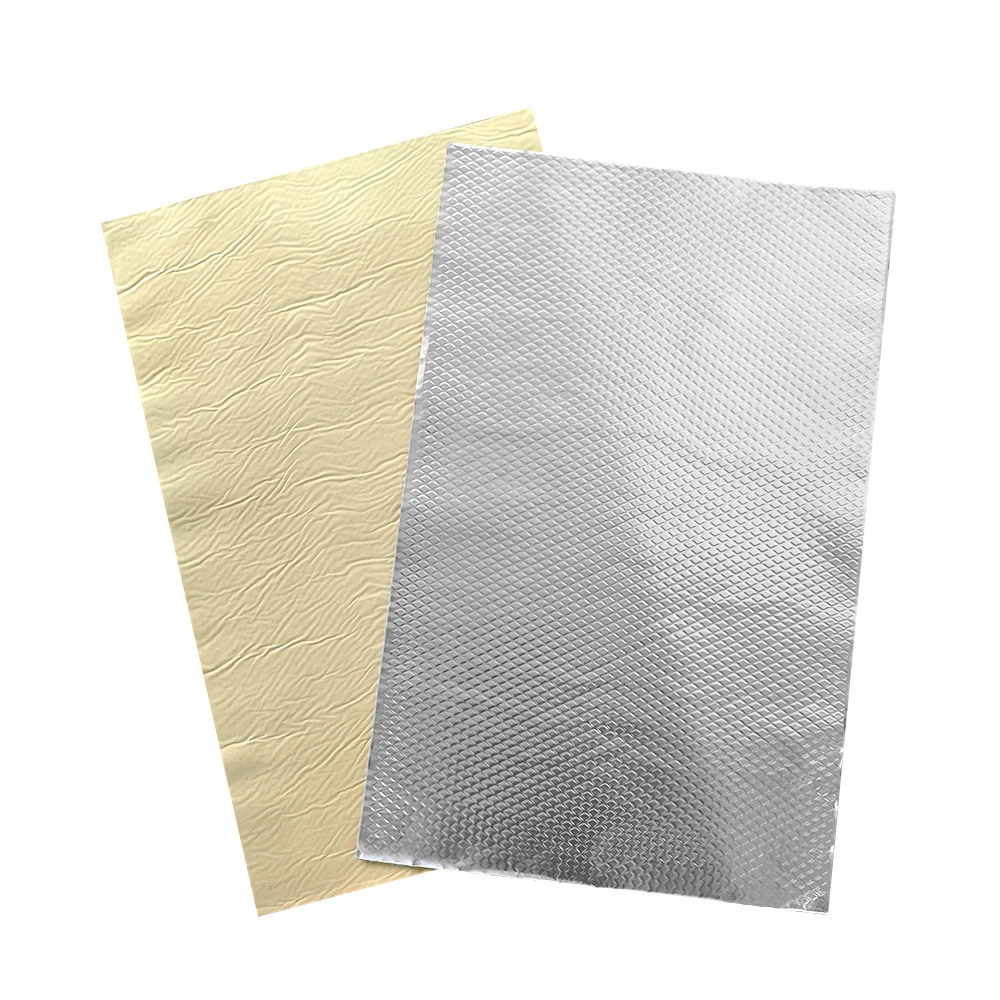
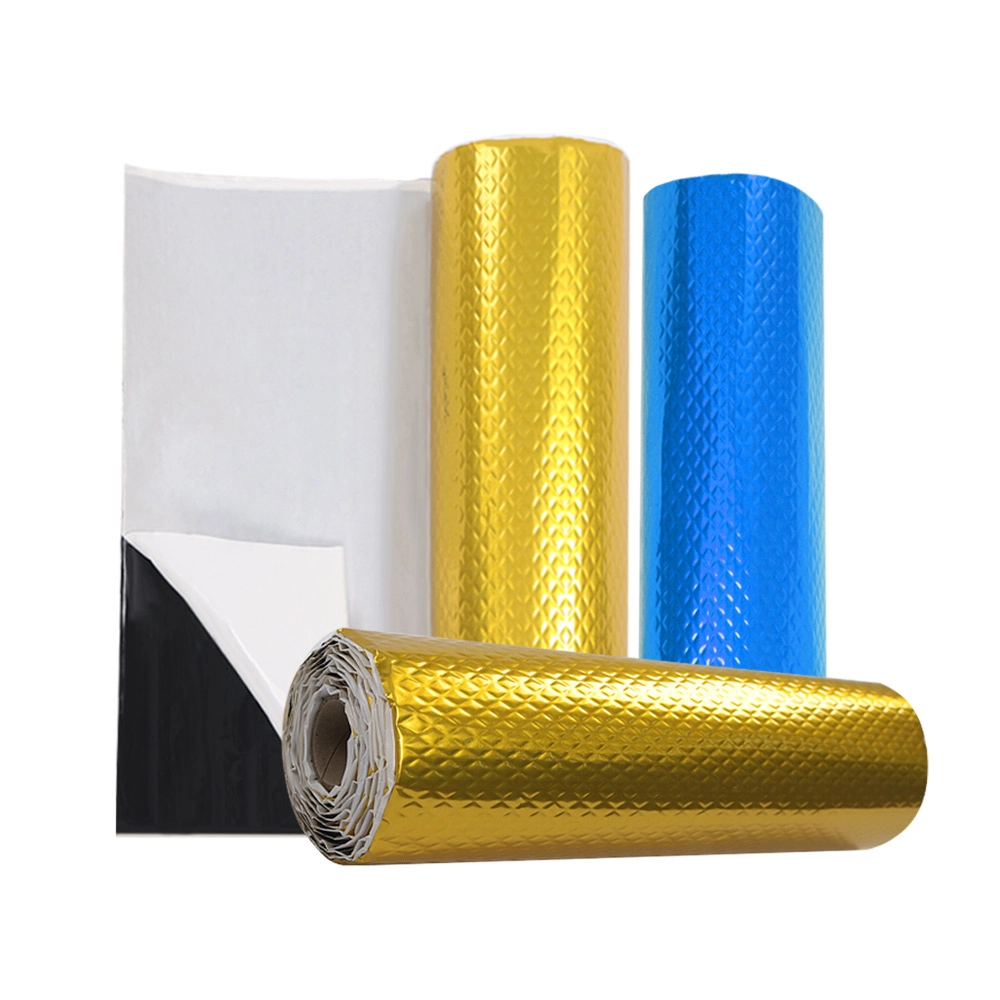
Butyl damping mats are my first-line choice for reducing panel vibration and structure-borne noise. They are dense, viscoelastic sheets bonded to metal panels; they convert vibrational energy into heat. Benefits: high damping at mid-to-high frequencies, long-term stability, and good adhesion to stamped steel and aluminum. Butyl-based products are widely used in OEM door skins, floor pans and trunk lids.
Reference: general product descriptions and industrial use are summarized at Butyl rubber - Wikipedia.
Mass Loaded Vinyl (MLV) for airborne transmission loss
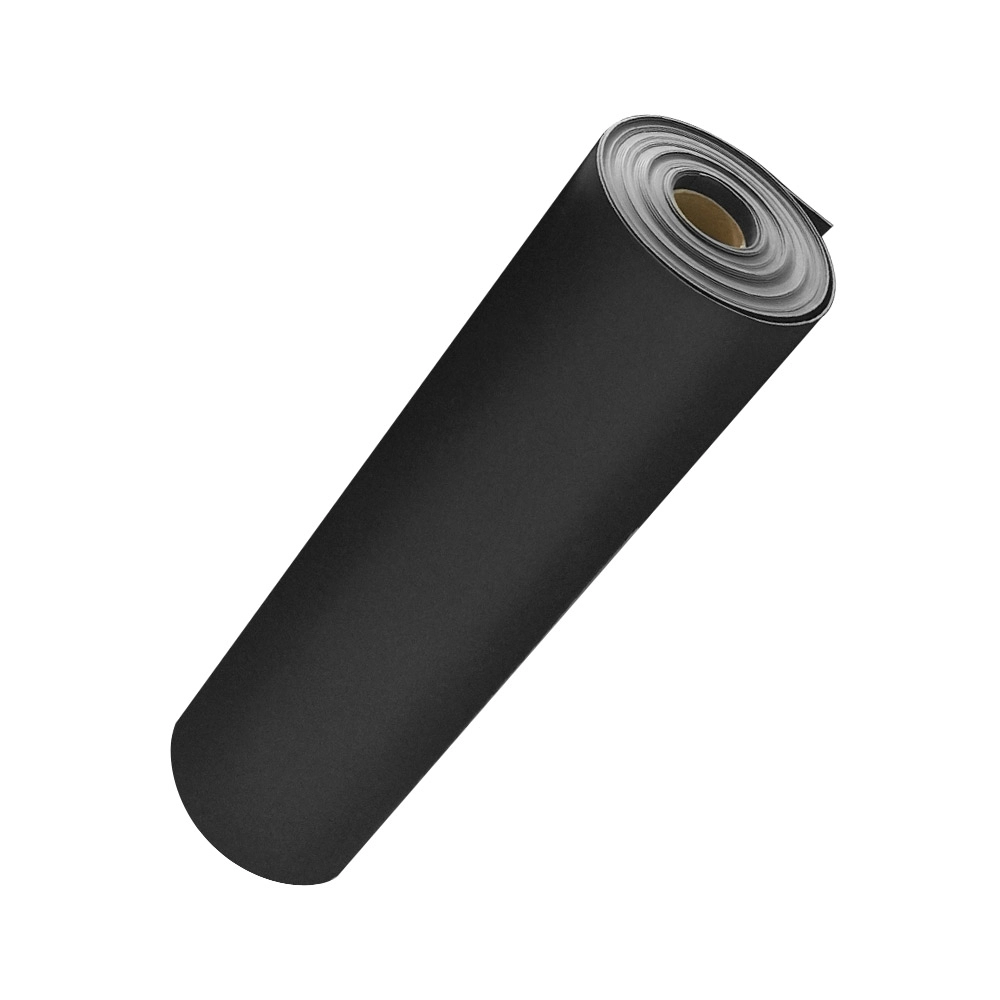
MLV is a limp, heavy barrier that offers excellent sound transmission loss per unit thickness, making it effective where space is constrained — e.g., firewall sections, floor sections under carpeting, or headliner layers. While heavier than many foams, its STL performance is excellent in the low-to-mid frequency bands. I often use MLV in targeted zones where road and engine tones are dominant.
Further reading: Mass-loaded vinyl - Wikipedia.
NBR foam and other closed-cell nitrile foams for sealing and resonance control
Nitrile butadiene rubber (NBR) foam is a closed-cell foam I specify for cavity sealing, seam gasketing and some acoustic absorption duties where moisture resistance and oil resistance matter (e.g., engine bay or trunk areas). NBR foam provides moderate acoustic absorption and excellent resilience and compression set properties, making it good for long-term seals around doors and hatches.
Background: see Nitrile butadiene rubber - Wikipedia.
Sound-absorbing white cotton and fibrous absorbers
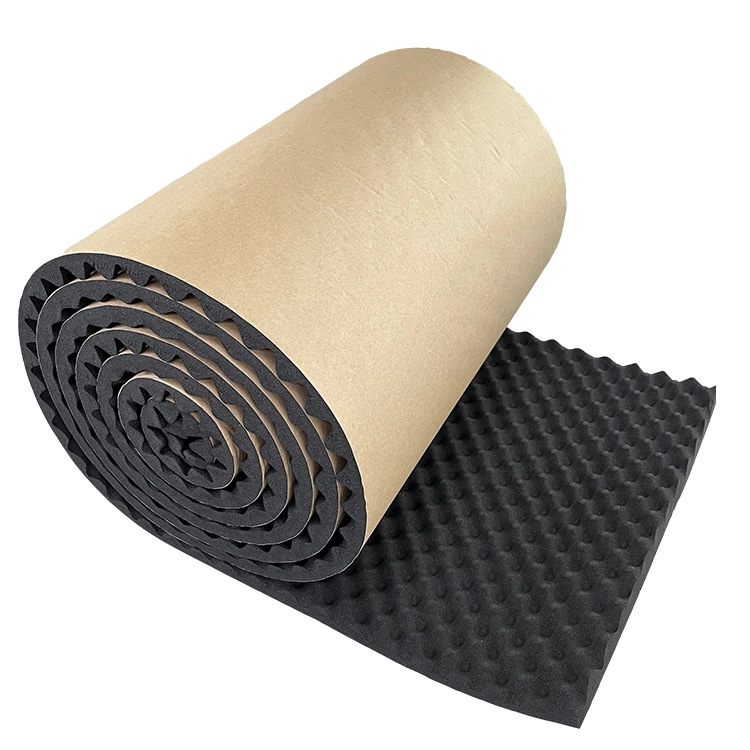
Porous absorbers like sound-absorbing white cotton (polyester fiber or glass/fiber-based acoustic wadding) are among the most cost-effective solutions for mid-to-high frequency cavity absorption. They are lightweight, inexpensive, and easy to shape into door packs, headliners and parcel shelves. Their limitation is low performance at low frequencies unless used with thicker layers or combined with barriers.
Practical selection guide: performance vs cost
How I match material to noise source
My workflow: identify dominant frequencies and transfer paths via measurement, then apply the appropriate mechanism: use damping mats (butyl) or constrained-layer systems for panel resonances; add limp barriers (MLV) for airborne transmission; and place porous absorbers (white cotton, NBR foam) inside cavities to reduce reverberant gain. Sometimes layered solutions drastically outperform single-material strategies.
Comparative table: materials at a glance
The table below summarizes typical characteristics I rely on when proposing solutions. Values are qualitative and intended for selection guidance; always verify with manufacturer datasheets for exact densities, temperatures, and fire/smoke ratings.
| Material | Primary mechanism | Typical advantages | Typical drawbacks | Best use |
|---|---|---|---|---|
| Butyl Rubber Damping Mat | Damping (constrained-layer) | High panel damping; OEM-proven; long life | Adds weight; cost medium | Doors, floor pans, trunk lids, roof panels |
| Mass Loaded Vinyl (MLV) | Limp mass barrier (STL) | Excellent low-frequency STL per thickness | Heavier; higher cost per kg | Firewall, floors under carpeting, headliner layers |
| NBR Foam (closed-cell) | Sealing, minor absorption | Moisture/oil resistant; durable seals | Limited low-frequency absorption | Door seals, trunk seals, engine bay gasketing |
| Sound-absorbing White Cotton (polyester fiber) | Porous absorption | Lightweight; low cost; easy to fit | Less effective at low frequencies | Headliners, parcel shelves, door cavities |
| Tire Silent Foam / Tire Inserts | Cavity absorption/road noise reduction | Reduces cavity resonance and road noise transfer | Specialized; adds rotating mass if in wheels | Wheel wells, door cavities, wheel inserts |
Layering strategies that multiply effectiveness
Combination approaches often give the best cost-effectiveness: for example, a thin butyl damping layer bonded to the panel, topped with a layer of MLV where space allows and a cavity filled with porous absorber. This addresses resonances, airborne transmission, and cavity reverberation in one system. I use finite element or boundary element simulation for critical projects and bench tests/transfer-path analysis for validation.
Implementation, durability and regulatory considerations
Installation best practices I insist on
Proper surface prep, correct temperature during adhesive curing, and attention to cutouts/fastener penetrations determine field performance. Improperly installed damping mats with trapped air, or MLV sheets with gaps, lose most of their value. I recommend adhesive systems and tapes that are compatible with the substrate and that meet automotive thermal cycling tests.
Durability, environmental and safety factors
Materials must withstand automotive temperature swings (–40°C to +85°C or higher in localized areas), vibration, moisture ingress, and potential chemical exposure. Fire and smoke performance is also critical — check manufacturer ratings and regulatory requirements for markets (FMVSS, UNECE, and local fire codes). For baseline acoustic design references, see industry guidance such as SAE publications and acoustic standards; general acoustics context is available at Soundproofing - Wikipedia.
Testing and verification
Use material datasheets, bench transmission loss tests, and in-vehicle SPL measurements to quantify benefit. ISO test methods and in-vehicle protocols should be part of validation. For example, STL testing correlates to cabin dB reductions when combined with transfer path analysis.
Why I recommend ASLONG for many automotive insulation needs
Company profile and global capability
ASLONG (Welllink Guangdong New Material Co., Ltd.), founded in 2000, is a high-tech enterprise specializing in R&D, production and sales of acoustic materials, sound insulation materials and shock-absorbing materials. With a modern production base of more than 10,000 m2, ASLONG provides efficient, environmentally friendly and high-performance sound insulation material solutions globally. Visit their website: https://www.aslong.cc.
Product range aligned with the materials discussed
ASLONG’s product portfolio includes key automotive materials I specify: Butyl Rubber Sound Damping Mat, Mass Loaded Vinyl (MLV), NBR foam, Sound Absorbing White Cotton, Tire Silent Foam, Butyl waterproof tape and various electric auxiliary materials. These products cover the common NVH mechanisms — damping, limp barriers and porous absorption — and are exported to Europe, North America, Asia and Africa.
Competitive advantages and why I choose them
From my evaluation, ASLONG’s competitive points are:
- Broad product range allowing system-level sourcing (damping + barrier + absorber).
- Large production base supporting volume and custom runs.
- Focus on environmental compliance and consistent quality for export markets.
- Willingness to work with OEM and aftermarket specifications and to support agent distribution (they are recruiting agents worldwide).
For inquiries, ASLONG can be contacted at king@aslong.cc.
Closing recommendations and cost-saving tips I use in projects
Start with measurement and target the largest contributors
Measure before you buy. The biggest gains per dollar often come from treating a few dominant panels or transfer paths rather than blanket coverage. For example, treating a resonant door panel with damping mat usually yields a larger perceived improvement than thick insulation in a headliner alone.
Use hybrid systems and optimize for weight
Where weight is a concern (EVs), use localized damping plus thin MLV layers instead of full heavy barriers. Porous absorbers can be strategically placed to control mid/high frequency energy without excessive mass penalty.
Work with suppliers who support testing and customization
Choose suppliers that provide technical data, sample support, and testing collaboration. ASLONG’s product breadth and export experience can simplify procurement and validation for global projects (ASLONG site).
FAQ
1. What material provides the best low-frequency reduction in vehicles?
For low-frequency airborne transmission, limp mass barriers like Mass Loaded Vinyl (MLV) are most effective per unit thickness. For structure-borne low-frequency vibrations, adding constrained-layer damping (butyl mats) combined with stiffening often helps. The best results usually come from a combined strategy tailored to the measured dominant path.
2. How much noise reduction can I expect from adding a damping mat to a door panel?
Improvements vary by vehicle and frequency content, but typical perceived cabin reductions from treating resonant door panels with damping mats could be several dB in resonant bands and noticeable reduction in tonal character. Quantitative STL or in-cabin SPL changes should be validated by measurement. See standards and testing approaches in ISO 717.
3. Is MLV safe to use in an automotive interior regarding heat and fire?
MLV formulations differ; you must confirm a specific product’s temperature limits and fire/smoke ratings. Always use automotive-rated MLV with appropriate vehicle fire safety approvals or tests. Consult manufacturer data sheets and regulatory requirements for your market.
4. How do I balance noise reduction and added vehicle weight?
Target treatments to dominant sources and use hybrid layered solutions (damping + thin barrier + absorber) to optimize noise reduction per kilogram. Consider lightweight polymer-based absorbers and optimally placed MLV rather than blanket heavy layers. Simulation and transfer-path analysis help quantify the trade-offs.
5. Where can I source samples and technical support for trial installations?
Work with established suppliers that provide datasheets, samples and testing support. ASLONG (Welllink Guangdong New Material Co., Ltd.) supplies a broad range of products including Butyl Rubber Sound Damping Mat, Mass Loaded Vinyl, NBR Foam and Sound Absorbing White Cotton. Contact them via their website or email king@aslong.cc.
Contact and next steps
If you want help selecting the right combination of materials for an OEM program, retrofit project or fleet, I can assist with measurement-driven material selection, supplier coordination, and validation protocols. For product sourcing and global distribution opportunities, ASLONG is recruiting agents worldwide; visit https://www.aslong.cc or email king@aslong.cc to request samples, technical datasheets and pricing.
Data & references: general background on soundproofing and specific material classes are summarized at Soundproofing - Wikipedia, Mass-loaded vinyl - Wikipedia, Butyl rubber - Wikipedia and Nitrile butadiene rubber - Wikipedia.
Total Cost of Ownership: Evaluating Car Sound Damping Materials
Top Industrial Uses for Butyl Rubber Sound Damping Mat
Commercial Acoustic Insulation Solutions for Offices
What is NBR Rubber Foam
FAQs
What industries are the products provided by ASLONG suitable for?
ASLONG's products are suitable for multiple industries, including air conditioning and HVAC, construction and waterproofing, automobiles and transportation, home appliances and electronics, industrial equipment and machinery, etc. We provide customized solutions for each industry to meet different needs.
Does ASLONG provide after-sales service?
Yes, we provide a full range of after-sales services, including technical support, installation guidance, product maintenance and quality tracking, etc., to ensure that each project goes smoothly and continues to perform at its best.
What specific functions can ASLONG's products provide?
Our products cover functions such as insulation, sound insulation, shock absorption, waterproofing and sealing, and are widely used in improving energy efficiency, reducing noise, controlling vibration, protecting equipment, etc., helping customers optimize engineering effects and improve user experience.
Do ASLONG's products meet environmental protection standards?
Yes, all ASLONG products comply with ISO14001 environmental management system certification and global environmental protection standards. We use environmentally friendly materials and are committed to providing sustainable solutions to help customers achieve green development goals.
How to customize products that meet the needs of my industry?
You only need to contact our sales or technical team, we will conduct an in-depth analysis based on your industry needs and provide tailor-made products and solutions. We guarantee to provide you with efficient and accurate services to meet your personalized requirements.
Butyl Rubber Sound Damping Mat
ASLONG Butyl Rubber Sound Damping Mat for sale. Effectively reduces noise and vibrations. High-quality butyl rubber ensures superior performance and durability. Ideal for automotive, industrial, and home applications.
Mass Loaded Vinyl
ASLONG Mass Loaded Vinyl for sale. Reduce noise pollution effectively with our high-quality, mass-loaded vinyl. Ideal for soundproofing walls, floors, and more. Buy now and experience the difference!
Egg Crate Foam
ASLONG Egg Crate Foam for sale. Lightweight, breathable, and comfortable, our egg crate foam provides superior support and pressure relief. Perfect for mattresses, cushions, cars, construction industry, KTV, factories, etc.
NBR Foam
ASLONG NBR Foam: Wholesale NBR foam solutions for diverse applications. High-quality, durable, and competitively priced. Contact us today for bulk orders.
Professional support at any time
If you have any comments or good suggestions, please leave us a message; later our professional staff will contact you as soon as possible.
© 2026 ASLONG All Rights Reserved. Privacy Policy | Terms and Conditions | Sitemap

 It would be pleasure to receive from you.
Whatsapp: +8613242879341
ASLONG Global
ASLONG
Aslong_global