

Top Industrial Uses for Butyl Rubber Sound Damping Mat
- Why Choose Butyl Rubber for Industrial Sound Control
- Material properties that matter
- Performance compared to alternative damping materials
- Standards and guidance
- Automotive and Transportation Applications
- Engine bays, wheel wells and underbody insulation
- Interior panels and trunk liners for NVH improvement
- Benefits for public transport and heavy vehicles
- Manufacturing, Machinery and Heavy Industry
- Machine enclosures, presses and stamping lines
- Conveyor lines, motors and gearboxes
- Case study: compressor room upgrade
- Building, HVAC and Industrial Facilities
- Plant floors, partitions and structural damping
- HVAC ducts, chillers and fan enclosures
- Advantages for retrofits and modular installations
- Specification, Installation and Maintenance
- Selecting the right thickness and density
- Surface preparation and bonding
- Maintenance and service life
- Technical Comparison
- References and Further Reading
- FAQ
- Q: What temperatures can Butyl Rubber Sound Damping Mat withstand?
- Q: Can butyl mats be used outdoors or in wet environments?
- Q: How do I choose thickness for my application?
- Q: Are butyl mats recyclable?

Butyl Rubber Sound Damping Mat is widely used in industrial settings to control airborne and structure-borne noise, reduce vibrations, and extend equipment life. Integrating high-performance sound damping layers into machines, vehicles, and building systems improves worker comfort, meets occupational noise regulations, and helps products pass acoustic testing. This article examines top industrial uses of butyl sound damping mats, provides installation and material comparisons, and links authoritative standards and resources to support specification decisions.
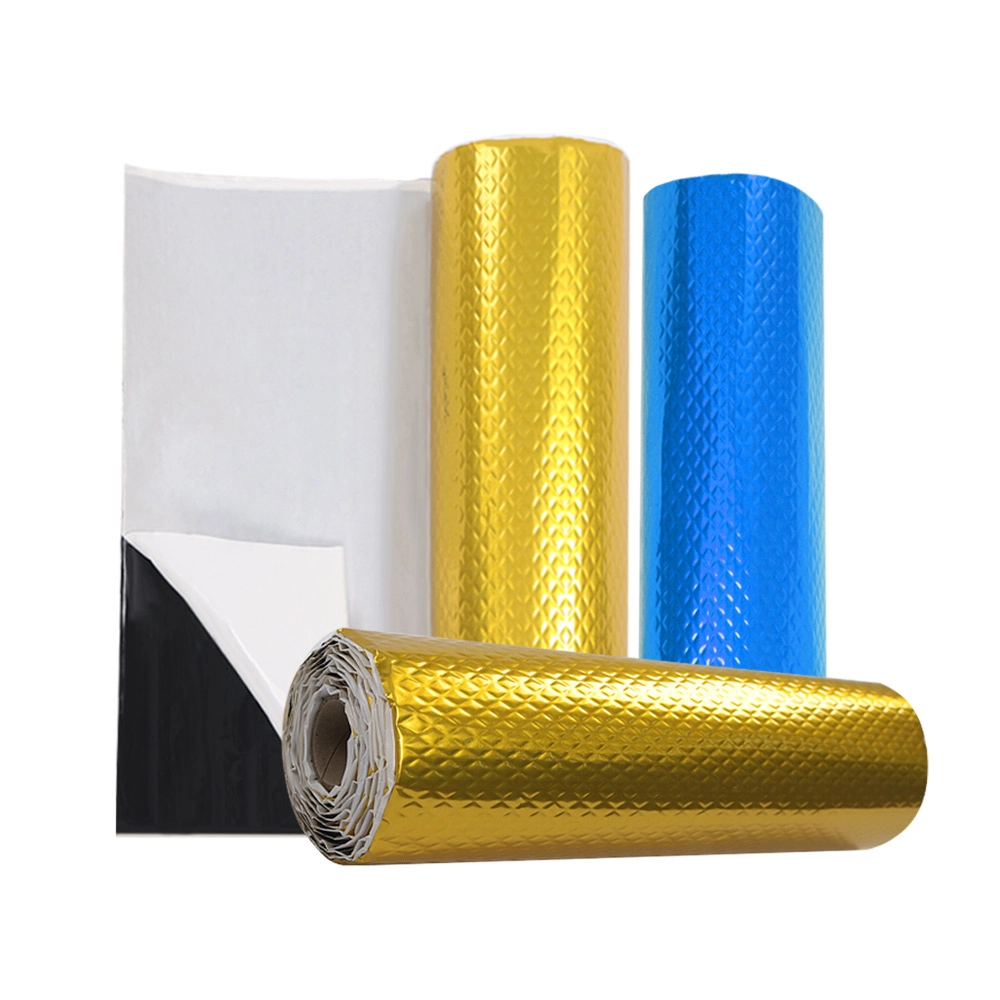
ASLONG Butyl Rubber Sound Damping Mat for sale. Effectively reduces noise and vibrations. High-quality butyl rubber ensures superior performance and durability. Ideal for automotive, industrial, and home applications.
Why Choose Butyl Rubber for Industrial Sound Control
Material properties that matter
Butyl rubber is an elastomer known for its damping capacity, low permeability, weather resistance and long-term dimensional stability. These properties let butyl mats provide consistent isolation of structure-borne vibration and conversion of mechanical energy into heat. For industrial designers and facilities managers, this means reliable reduction of machine-borne noise without frequent replacement—one reason butyl is preferred among rubber mats for demanding environments.
Performance compared to alternative damping materials
When evaluating sound control solutions, engineers commonly compare butyl to bitumen sheets, EPDM, and open-cell foams. Butyl typically offers better adhesion, wider temperature tolerance, and superior dynamic loss factor (a measure of damping) over a broader frequency range. Unlike simple foam, butyl mats add both mass and damping, improving low-frequency attenuation that is crucial near heavy equipment and engines.
Standards and guidance
Specifying damping treatments should consider acoustic standards and workplace exposure limits. For example, occupational noise guidance from OSHA helps set targets for noise reduction in facilities (OSHA - Occupational Noise). For acoustic testing and building sound insulation, consult ISO standards in acoustics such as ISO 16283 and ISO 10140 for measurement methodologies (ISO Acoustics). For overviews on butyl rubber chemistry and industrial use, see the butyl rubber article on Wikipedia (Butyl rubber — Wikipedia).
Automotive and Transportation Applications
Engine bays, wheel wells and underbody insulation
Automotive manufacturers use butyl rubber sound damping mat extensively in engine bays, wheel wells and underbody panels to address broad-band and tonal noise from engines, exhaust systems, and road impacts. The combination of mass loading and viscoelastic damping reduces vibration transmission into the cabin and lowers perceived harshness. Properly applied rubber mats in wheel wells also resist water and salt exposure better than many alternatives, extending service life.
Interior panels and trunk liners for NVH improvement
Inside the vehicle, butyl mats applied to door skins, roof panels, and trunk floors cut resonance and reduce panel-borne noise. This is particularly effective for mid-to-low frequency noise that thinner acoustic foams struggle to address. Rubber mats are often laminated with foam to provide both impact sound absorption and damping—an approach widely used in OEM and aftermarket applications.
Benefits for public transport and heavy vehicles
In buses, rail cars and heavy trucks, weight and durability are critical. Butyl rubber sound damping mat offers a favorable strength-to-weight damping ratio which means notable noise reduction without excessive mass. This can help meet passenger comfort requirements and regulatory limits on interior noise exposure, while enduring harsh environmental cycles common in commercial vehicles.
Manufacturing, Machinery and Heavy Industry
Machine enclosures, presses and stamping lines
Large manufacturing machines—presses, stamping lines, compressors—generate both airborne noise and structure-borne vibration. Adding butyl rubber mats to enclosure walls, doors, and machine frames reduces panel vibration and lowers transmitted noise to adjacent workstations. Because butyl adheres well to metal and composite substrates, installation is typically durable even under vibration and temperature cycling. Reducing transmitted vibration also minimizes fatigue on sensitive components and prolongs equipment life.
Conveyor lines, motors and gearboxes
Mounting butyl damping pads under motor mounts, gearbox housings, and conveyor supports isolates vibrational energy and reduces radiated noise. For retrofit projects where space is limited, thin butyl rubber mats provide noticeable improvements without major mechanical redesign. Using rubber mats in key contact points diminishes squeal, rattle and resonance problems common in older production lines.
Case study: compressor room upgrade
A mid-size plant reduced sound pressure levels by 6–10 dB in adjacent control rooms after applying butyl damping sheets to compressor casings and constructing lined enclosures. The improved acoustic environment enhanced worker concentration and allowed equipment to operate longer without noise-triggered complaints. Measurements followed ISO test methods for sound insulation to confirm results (ISO acoustics standards).
Building, HVAC and Industrial Facilities
Plant floors, partitions and structural damping
Butyl rubber sound damping mat can be installed beneath raised floors, behind partitions, and on steel panels to reduce structure-borne noise transmission. For industrial plants with mixed uses—manufacturing, offices and labs—targeted damping helps maintain acoustic separation. The mats are compatible with many floor coverings and provide a durable rubber base layer that resists oils and chemicals common in industrial environments.
HVAC ducts, chillers and fan enclosures
HVAC systems are frequent sources of tonal and broadband noise in industrial buildings. Applying butyl mats inside fan housings, on duct walls, and around chiller components reduces vibration transmission and attenuates panel-borne noise. Combined with absorptive linings, butyl mat solutions help lower noise in occupied spaces while preserving airflow and service access.
Advantages for retrofits and modular installations
For facility upgrades where downtime is costly, thin self-adhesive butyl sheets offer a fast retrofit option. They can be cut on-site, bonded to irregular surfaces, and remain effective without extensive structural modifications. This makes them suitable for leased spaces or phased acoustic improvement projects.
Specification, Installation and Maintenance
Selecting the right thickness and density
Choose mat thickness based on target frequencies and available space. Thicker, higher-mass mats improve low-frequency reduction, while thinner mats work well for mid-high frequency panel damping. Manufacturers typically publish transmission loss and loss-factor curves—request these data when comparing products to ensure expected performance across your frequency band of concern.
Surface preparation and bonding
Proper surface cleaning (degreasing, removal of rust and loose paint) is crucial for strong adhesion. Many butyl mats include a factory-applied adhesive; for heavy-duty applications, primers and mechanical fastening can be used. Follow manufacturer instructions for recommended temperature ranges during installation to ensure long-term bond reliability.
Maintenance and service life
Butyl rubber exhibits good aging resistance; in industrial settings it typically provides years of service if protected from sharp mechanical abrasion. Periodic inspections for edge peel or punctures, especially in high-traffic or exposed areas, will help maintain performance. Unlike bitumen mats, butyl does not become brittle easily, reducing maintenance frequency.
Technical Comparison
Below is a concise comparison of common damping materials used as rubber mats in industrial acoustic control.
| Property | Butyl Rubber Mat | Bitumen Sheet | EPDM | Open-Cell Foam |
|---|---|---|---|---|
| Low-frequency damping | High | Moderate | Moderate | Low |
| Temperature stability | Good (wide range) | Poor at high heat | Very good | Poor |
| Adhesion to metal | Excellent (adhesive options) | Good | Good | Variable |
| Resistance to oils/chemicals | Good | Moderate | Very good | Poor |
| Typical industrial lifespan | Long | Medium | Long | Short–Medium |
References and Further Reading
For engineers and acousticians seeking deeper technical context, consult these authoritative resources:
- Butyl rubber — Wikipedia (overview of chemistry and industrial uses).
- OSHA - Occupational Noise (workplace noise exposure guidance).
- ISO Acoustics (standards for measurement and performance).
- Acoustical Society of America (peer-reviewed acoustics research and recommendations).
FAQ
Q: What temperatures can Butyl Rubber Sound Damping Mat withstand?
A: High-quality butyl mats commonly operate across a wide temperature range (typical -40°C to +120°C), but exact limits vary by formulation. Check the product datasheet for the ASLONG mat to confirm continuous exposure limits.
Q: Can butyl mats be used outdoors or in wet environments?
A: Yes — butyl rubber is resistant to moisture and many chemicals. For prolonged outdoor exposure, verify UV resistance or specify a UV-stabilized finish. In submerged or directly exposed outdoor locations, mechanical protection and correct adhesive selection are recommended.
Q: How do I choose thickness for my application?
A: Select thickness based on the dominant noise frequency and space constraints. For low-frequency reduction, thicker mats (3–5 mm and above) are often better. For panel damping where space is tight, thinner adhesive-backed mats can provide resonance control. Request acoustic performance curves from the manufacturer.
Q: Are butyl mats recyclable?
A: Recycling elastomers is complex; some facilities accept reclaimed rubber for energy recovery or reprocessing. Consult local waste management and the manufacturer for end-of-life handling options.
If you have specific requirements—drawings, target dB reductions, or environmental constraints—our technical team can provide tailored recommendations and sample materials. Contact us to discuss your project or to view product specifications and pricing.
Contact & Product: For inquiries about ASLONG Butyl Rubber Sound Damping Mat, installation support, or to request samples, please contact our sales team or view the product details on our site. Call or email our customer service to get started.
Comparing Rubber Mats: Butyl vs Neoprene for Noise Control
Wholesale nbr pvc rubber foam manufacturer and supplier
Best professional insulation for soundproofing ceiling manufacturers and supplier brands
The B2B Buyer’s Guide to sound absorbing cotton panels | ASLONG Ultimate Insights
FAQs
What specific functions can ASLONG's products provide?
Our products cover functions such as insulation, sound insulation, shock absorption, waterproofing and sealing, and are widely used in improving energy efficiency, reducing noise, controlling vibration, protecting equipment, etc., helping customers optimize engineering effects and improve user experience.
Do ASLONG's products meet environmental protection standards?
Yes, all ASLONG products comply with ISO14001 environmental management system certification and global environmental protection standards. We use environmentally friendly materials and are committed to providing sustainable solutions to help customers achieve green development goals.
Does ASLONG provide after-sales service?
Yes, we provide a full range of after-sales services, including technical support, installation guidance, product maintenance and quality tracking, etc., to ensure that each project goes smoothly and continues to perform at its best.
How to customize products that meet the needs of my industry?
You only need to contact our sales or technical team, we will conduct an in-depth analysis based on your industry needs and provide tailor-made products and solutions. We guarantee to provide you with efficient and accurate services to meet your personalized requirements.
What industries are the products provided by ASLONG suitable for?
ASLONG's products are suitable for multiple industries, including air conditioning and HVAC, construction and waterproofing, automobiles and transportation, home appliances and electronics, industrial equipment and machinery, etc. We provide customized solutions for each industry to meet different needs.
Butyl Rubber Sound Damping Mat
ASLONG Butyl Rubber Sound Damping Mat for sale. Effectively reduces noise and vibrations. High-quality butyl rubber ensures superior performance and durability. Ideal for automotive, industrial, and home applications.
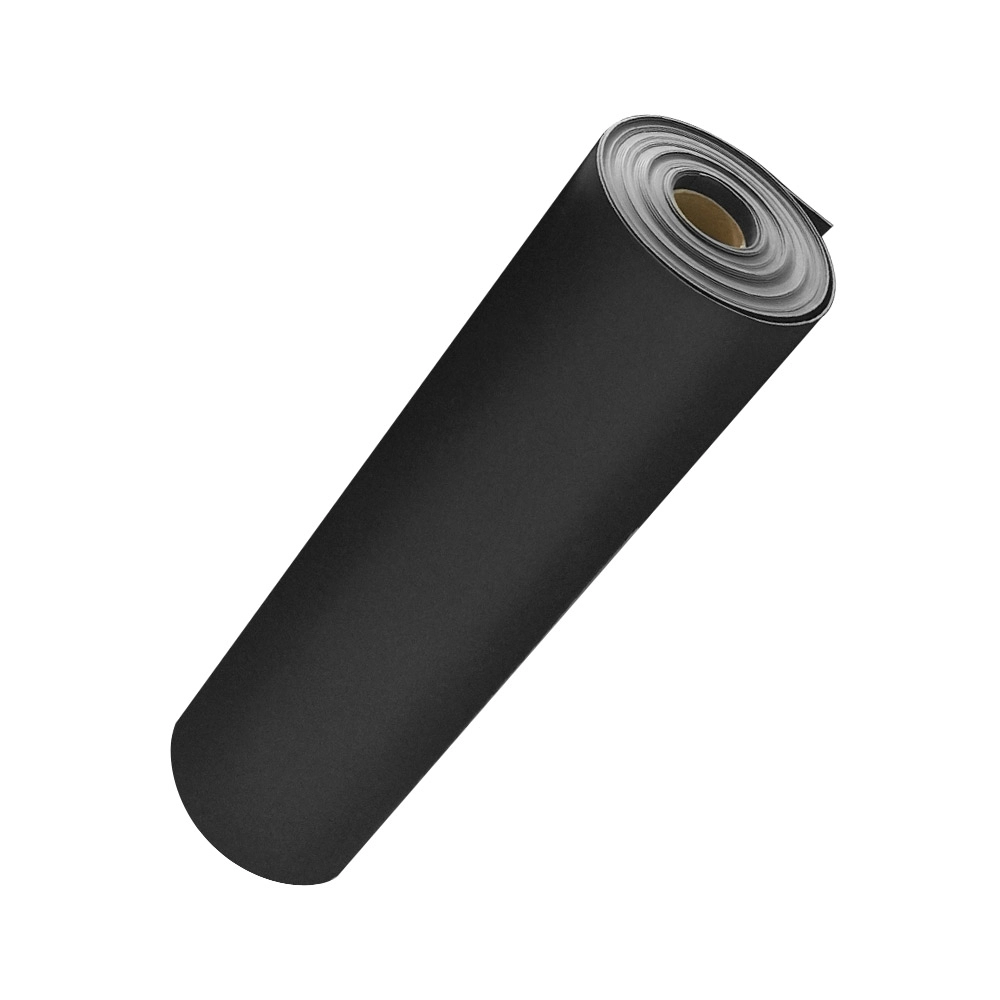
Mass Loaded Vinyl
ASLONG Mass Loaded Vinyl for sale. Reduce noise pollution effectively with our high-quality, mass-loaded vinyl. Ideal for soundproofing walls, floors, and more. Buy now and experience the difference!
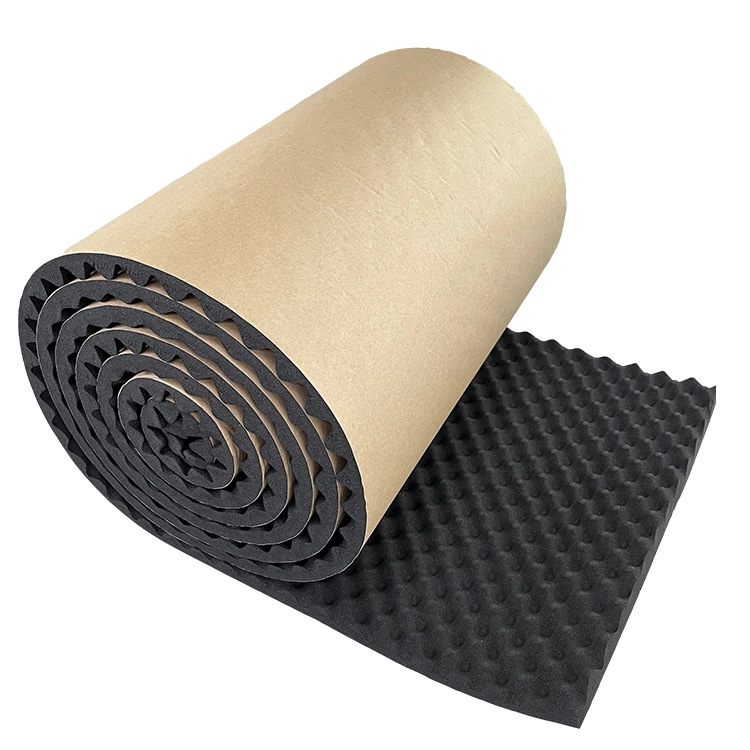
Egg Crate Foam
ASLONG Egg Crate Foam for sale. Lightweight, breathable, and comfortable, our egg crate foam provides superior support and pressure relief. Perfect for mattresses, cushions, cars, construction industry, KTV, factories, etc.
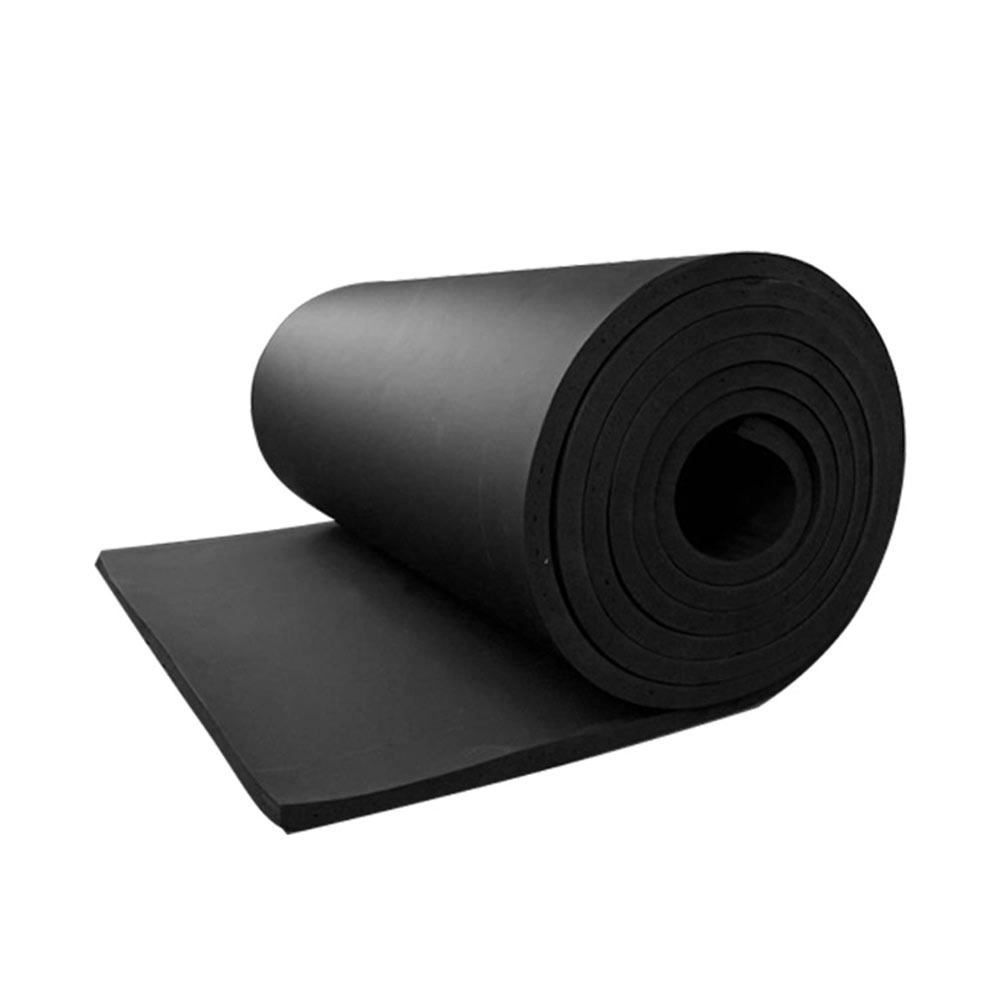
NBR Foam
ASLONG NBR Foam: Wholesale NBR foam solutions for diverse applications. High-quality, durable, and competitively priced. Contact us today for bulk orders.
Professional support at any time
If you have any comments or good suggestions, please leave us a message; later our professional staff will contact you as soon as possible.
© 2026 ASLONG All Rights Reserved. Privacy Policy | Terms and Conditions | Sitemap

 It would be pleasure to receive from you.
Whatsapp: +8613242879341
ASLONG Global
ASLONG
Aslong_global