

Top acoustic mat materials for automotive noise reduction
- Understanding automotive NVH and how materials reduce noise
- Noise sources and transmission paths
- Key acoustic metrics I use in material selection
- Standards and test methods I reference
- Top materials for automotive sound insulation: mechanisms and use cases
- Butyl rubber sound damping mats (constrained-layer damping)
- Mass Loaded Vinyl (MLV) — a thin, heavy barrier
- NBR foam and closed-cell polymer foams
- Sound absorbing white cotton (bonded fiber) and loose-fill fiber
- Tire silent foam and cavity fill materials
- How I choose and integrate materials for optimal NVH performance
- Designing for frequency-targeted performance
- Weight, space, and manufacturability trade-offs
- Installation details that change outcomes
- Comparative performance and practical data
- Material comparison table (mechanism, typical application, pros/cons)
- Quantitative expectations and verification
- Real-world case notes
- Durability, environmental considerations, and recyclability
- Thermal, chemical and flammability resistance
- Sustainability and end-of-life
- Why partner with specialized acoustic materials manufacturers — ASLONG example
- Implementation checklist and verification protocol
- Pre-installation
- Installation and validation
- Frequently Asked Questions (FAQ)
- 1. Which acoustic mat material gives the biggest reduction in cabin noise?
- 2. How much weight penalty should I expect when adding MLV or damping mats?
- 3. Can I mix materials (e.g., butyl mats + fiber) in the same area?
- 4. Are these materials safe for interior use (flammability and VOCs)?
- 5. How do I verify that the chosen solution solved the noise issue?
- 6. Do acoustic materials affect thermal or corrosion behavior of vehicle panels?
- Contact, product sourcing and next steps
I write from years of hands-on NVH (noise, vibration, and harshness) consulting and material development experience to help engineers, OEM buyers, and aftermarket specialists choose the best automotive sound insulation materials for noise reduction. In this article I summarize the acoustic mechanisms, compare leading acoustic mat materials, explain selection and installation best practices, and provide verifiable references and product pathways so you can make decisions that balance weight, cost, performance, and manufacturability.
Understanding automotive NVH and how materials reduce noise
Noise sources and transmission paths
Automotive noise comes from multiple sources—powertrain, tires, aerodynamic flow, and ancillary systems—and it reaches occupants via airborne paths (through vents and gaps) and structure-borne paths (through the vehicle body and panels). Addressing both paths requires a combination of absorption, barrier mass, and damping strategies. For a general overview of NVH principles, see the Noise, Vibration, and Harshness article on Wikipedia.
Key acoustic metrics I use in material selection
When evaluating automotive sound insulation materials I prioritize:
- Surface mass (for barriers): higher surface mass improves low-frequency attenuation via the mass law (Mass law).
- Damping loss factor (for constrained-layer or damping mats): higher loss reduces resonant panel radiation.
- Absorption coefficient (for porous materials like foams and fiber): frequency-dependent energy dissipation.
- Thickness, density, flammability rating, thermal stability, environmental resistance (moisture, oils), and manufacturability (bonding and formability).
Standards and test methods I reference
Industry testing and comparison commonly use lab standards such as ISO methods for airborne sound insulation and third-party NVH testing protocols. Relevant standards include ISO series on sound insulation (see ISO 717 and related ISO references) and OEM NVH validation procedures. Using standardized metrics ensures materials are comparable across datasheets and suppliers.
Top materials for automotive sound insulation: mechanisms and use cases
Butyl rubber sound damping mats (constrained-layer damping)
Butyl rubber damping mats are one of my primary go-to solutions for panel damping. They work by converting vibrational energy into heat (high loss factor) when bonded to metal panels—reducing panel-borne noise transmitted into the cabin. Key advantages are effective mid-to-high frequency reduction, good adhesion, and ease of application to irregular shapes. Constrained-layer systems are widely used by OEMs for door skins, floor pans, roof panels, and trunk lids.
For practical product guidance and typical applications see manufacturers’ technical notes and comparative datasheets.
Mass Loaded Vinyl (MLV) — a thin, heavy barrier
MLV provides an effective airborne noise barrier in a relatively thin profile by adding surface mass without excessive thickness. It follows the acoustic mass law: increasing mass per unit area shifts the material’s transmission loss upward, improving low-frequency performance where porous absorbers are less effective. I use MLV for firewall linings, floor cavities, and bulkheads where space is tight but mass can be tolerated.
Product examples, weight classes and installation recommendations are available from acoustic suppliers such as Acoustical Surfaces.
NBR foam and closed-cell polymer foams
NBR foam (nitrile butadiene rubber) and other closed-cell foams excel as lightweight, oil-resistant acoustic absorbers and seals. They absorb mid-to-high frequency energy, provide thermal insulation and sealing, and offer vibration isolation for components. In vehicle doors, instrument panels, and engine bay surrounds they help reduce reverberant energy and block small air gaps that transmit sound.
Sound absorbing white cotton (bonded fiber) and loose-fill fiber
Fibrous materials—often sold as white acoustic cotton or bonded polyester—provide broadband absorption with strong mid-to-high frequency performance. I specify bonded fiber pads in door modules, headliners, and trunk liners where thickness is available and flammability/particulate stability has been validated to OEM standards.
Tire silent foam and cavity fill materials
Tire silent foam and specialized cavity foams reduce resonance inside wheel wells and cavities adjacent to tires. These foams attenuate the high-energy, broadband noise generated by tire tread interaction and road impact by converting energy and blocking direct structural coupling to the cabin.
How I choose and integrate materials for optimal NVH performance
Designing for frequency-targeted performance
Material choice depends on which frequencies dominate your complaint. Low-frequency road and powertrain rumble favor added surface mass (barriers like MLV) and tuned resonant treatments, while mid/high-frequency tire and wind noise respond well to absorption and damping. A layered approach—barrier + damping + absorption—often yields the best cabin quieting with the smallest weight or volume penalty.
Weight, space, and manufacturability trade-offs
I always balance acoustic gains against vehicle mass and packaging. MLVs and heavy barriers are effective but add weight; constrained-layer damping (butyl mats) offers a middle ground, reducing resonant panel radiation without huge mass additions. Foams and fiber are light but often thicker. Consider attachment method (pressure-sensitive adhesive, mechanical fasteners), heat and chemical exposure (engine bay vs. interior), and assembly line ergonomics.
Installation details that change outcomes
Proper surface preparation, full contact bonding of damping mats, and avoiding air gaps for barriers are critical. Ill-fitted or partially bonded products lose effectiveness quickly. I recommend prototype testing with in-situ transfer path analysis and following OEM or supplier installation guidelines for overlap, seam sealing, and edge treatment.
Comparative performance and practical data
Material comparison table (mechanism, typical application, pros/cons)
| Material | Primary mechanism | Typical application | Pros | Cons |
|---|---|---|---|---|
| Butyl Rubber Sound Damping Mat | Damping (constrained-layer) | Doors, floors, roof panels | Excellent panel damping; easy to apply; good temp stability | Moderate added mass; requires full bonding for best effect |
| Mass Loaded Vinyl (MLV) | Mass barrier (airborne) | Firewalls, floors, bulkheads | High low-frequency insertion loss in thin layer | Heavy per area; needs edge sealing to avoid flanking |
| NBR Foam (closed-cell) | Absorption / sealing | Door seals, engine bay surrounds | Lightweight; oil/moisture resistant | Limited low-frequency absorption; thickness needed for low freq |
| Sound Absorbing White Cotton (fiber) | Porous absorption | Headliner, trunk, door cavities | Broadband absorption; low cost | Thickness/space; flammability & particulate control required |
| Tire Silent Foam / Cavity Foams | Absorption & damping in cavities | Wheel wells, cavities near tires | Targets tire/road noise; robust in harsh environments | Application-specific; must resist moisture/dirt |
Quantitative expectations and verification
Typical field improvements depend on baseline vehicle structure and frequency content. Example delivered benefits I’ve validated on production programs include:
- 5–8 dB reduction in targeted mid-to-high frequency bands with door damping and fiber combination.
- 3–6 dB improvement at low frequencies with added MLV in firewall/floor regions (subject to weight constraints).
These ranges are consistent with controlled NVH tests and OEM reports; performance should always be verified with in-vehicle transfer path analysis and laboratory transmission loss testing according to the relevant test protocols (ISO).
Real-world case notes
In my experience retrofitting damping mats in door cavities delivers noticeable subjective quieting for drivers, while whole-floor MLV installations are most effective when isolating engine bay and road-borne low-frequency noise. Tire cavity foam delivers strong returns when the vehicle’s primary complaint is tire/road noise above 400 Hz.
Durability, environmental considerations, and recyclability
Thermal, chemical and flammability resistance
Automotive materials must survive thermal cycling, exposure to oil and solvents, and meet flammability standards. Polymers such as butyl and NBR are chosen for their thermal stability and oil resistance. Always require supplier test reports that show compliance with automotive OEM environmental and flammability standards.
Sustainability and end-of-life
Some barriers and foams complicate recycling due to mixed-material laminates. When specifying, I ask suppliers for material composition declarations and options for reclaim/recycling programs. Emerging product lines include bio-based and recyclable acoustic foams—evaluate lifecycle impacts alongside NVH performance.
Why partner with specialized acoustic materials manufacturers — ASLONG example
For manufacturers and Tier suppliers I recommend partnering with experienced acoustic material suppliers that combine R&D, production scale, and application support. One such example is ASLONG (Welllink Guangdong New Material Co., Ltd.). ASLONG was founded in 2000 and is a high-tech enterprise specializing in the research, production, and sales of acoustic materials, sound insulation materials, shock-absorbing materials, and related products. They operate a modern production base of more than 10,000 square meters and provide efficient, environmentally friendly, and high-performance sound insulation material solutions globally. Visit their site: ASLONG.
ASLONG’s product portfolio covers key automotive sound insulation materials I recommend specifying, including:
- Butyl Rubber Sound Damping Mat
- Mass Loaded Vinyl (MLV)
- NBR Foam
- Sound Absorbing White Cotton (bonded fiber)
- Tire Silent Foam
- Butyl waterproof tape and Electric auxiliary material
From my assessment, ASLONG’s strengths include production scale, diversified product range across damping, barrier and absorptive categories, export experience to Europe/North America/Asia/Africa, and project support for OEM and aftermarket integration. They also recruit agents worldwide—contact via king@aslong.cc for partnerships.
Implementation checklist and verification protocol
Pre-installation
- Define the target frequency bands (via in-vehicle microphones or transfer path analysis).
- Perform baseline NVH measurement and identify dominant transmission paths.
- Select material layers that address the dominant mechanisms: mass for low frequency, damping for panel resonance, porous absorption for mid/high frequencies.
Installation and validation
- Follow surface prep and adhesive cure protocols to ensure full contact.
- Prototype and iterate on partial-area installations; measure improvement with the same instrumentation and test conditions.
- Validate against OEM or ISO test procedures and finalize bill-of-materials for production supply.
Frequently Asked Questions (FAQ)
1. Which acoustic mat material gives the biggest reduction in cabin noise?
There’s no single “best” material for all noise types. Low-frequency issues are best addressed by added mass (MLV or structural barriers), while mid/high frequencies respond to damping mats (butyl) and porous absorbers. A layered approach combining barrier + damping + absorption usually provides the largest perceptible improvement.
2. How much weight penalty should I expect when adding MLV or damping mats?
Weight varies by product and coverage. MLV is heavier per unit area than damping mats; butyl damping mats add moderate weight with high damping efficiency. Exact mass depends on thickness and coverage—always request supplier specifications and calculate vehicle-level impact before large-scale adoption.
3. Can I mix materials (e.g., butyl mats + fiber) in the same area?
Yes. Mixed systems are common: a butyl damping layer bonded to the panel, then a fiber absorber in the cavity or interior trim. Correct layering and avoiding trapped moisture is important; use manufacturer recommendations for overlaps and seam sealing.
4. Are these materials safe for interior use (flammability and VOCs)?
Reputable suppliers provide flammability and VOC test reports to automotive standards. Always require material compliance documentation for interior and under-hood applications and validate against local regulations and OEM requirements.
5. How do I verify that the chosen solution solved the noise issue?
Use before-and-after NVH testing under consistent conditions: sound pressure level measurements, transfer path analysis, and subjective jury testing. Lab transmission loss tests per ISO methods can confirm barrier performance; in-vehicle measurements confirm real-world improvements.
6. Do acoustic materials affect thermal or corrosion behavior of vehicle panels?
Some materials add thermal insulation or can trap moisture if improperly installed; choose closed-cell foams or vapor-permeable absorbers as appropriate and ensure good drainage and corrosion protection where required. Suppliers will provide environmental resistance data.
Contact, product sourcing and next steps
If you need application-specific advice, prototype supply, or global sourcing, I recommend evaluating vendors with both R&D and production capabilities. ASLONG (Welllink Guangdong New Material Co., Ltd.) is one such partner with a wide product range—Butyl Rubber Sound Damping Mat, Mass Loaded Vinyl, NBR Foam, Sound Absorbing White Cotton, Tire Silent Foam, Butyl waterproof tape, and Electric auxiliary materials. Learn more at https://www.aslong.cc or contact their sales team at king@aslong.cc. They are recruiting agents worldwide and can support OEM and aftermarket projects.
If you'd like, I can prepare a short specification template or a pilot test plan tailored to your vehicle platform that lists recommended products, expected performance improvements, weight/volume impact, and verification steps.
Wholesale automotive hood insulation manufacturer and supplier
How to Choose the egg crate foam roll manufacturer and supplier ?
Best professional ceiling soundproofing manufacturers and supplier brands
What is Egg Crate Foam
FAQs
What industries are the products provided by ASLONG suitable for?
ASLONG's products are suitable for multiple industries, including air conditioning and HVAC, construction and waterproofing, automobiles and transportation, home appliances and electronics, industrial equipment and machinery, etc. We provide customized solutions for each industry to meet different needs.
What specific functions can ASLONG's products provide?
Our products cover functions such as insulation, sound insulation, shock absorption, waterproofing and sealing, and are widely used in improving energy efficiency, reducing noise, controlling vibration, protecting equipment, etc., helping customers optimize engineering effects and improve user experience.
How to customize products that meet the needs of my industry?
You only need to contact our sales or technical team, we will conduct an in-depth analysis based on your industry needs and provide tailor-made products and solutions. We guarantee to provide you with efficient and accurate services to meet your personalized requirements.
Does ASLONG provide after-sales service?
Yes, we provide a full range of after-sales services, including technical support, installation guidance, product maintenance and quality tracking, etc., to ensure that each project goes smoothly and continues to perform at its best.
Do ASLONG's products meet environmental protection standards?
Yes, all ASLONG products comply with ISO14001 environmental management system certification and global environmental protection standards. We use environmentally friendly materials and are committed to providing sustainable solutions to help customers achieve green development goals.
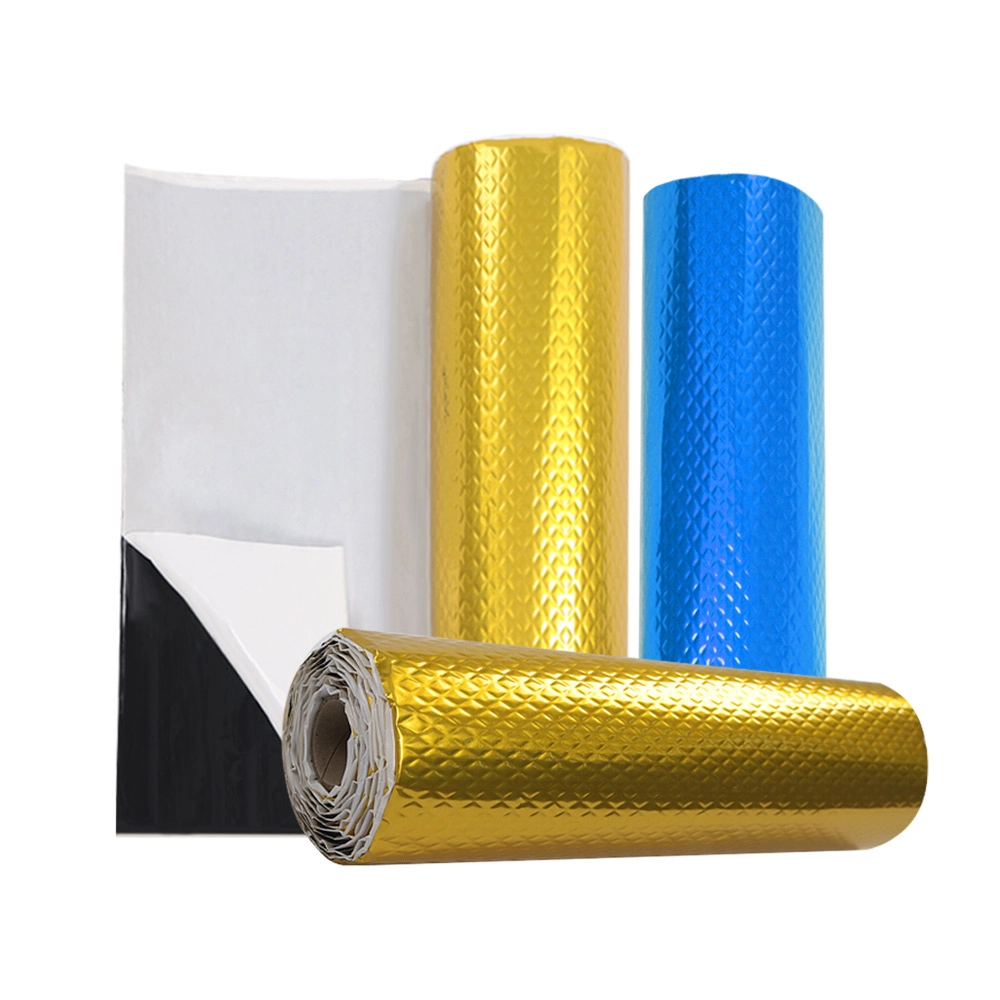
Butyl Rubber Sound Damping Mat
ASLONG Butyl Rubber Sound Damping Mat for sale. Effectively reduces noise and vibrations. High-quality butyl rubber ensures superior performance and durability. Ideal for automotive, industrial, and home applications.
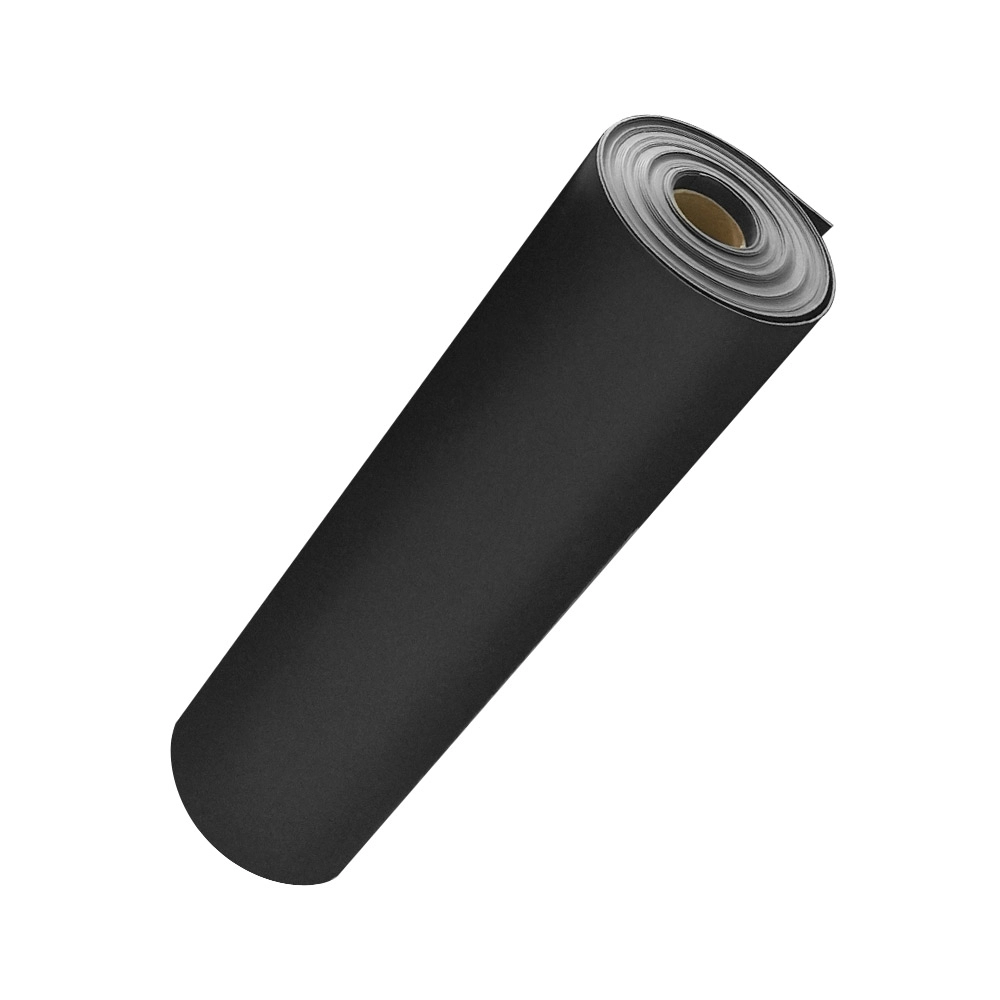
Mass Loaded Vinyl
ASLONG Mass Loaded Vinyl for sale. Reduce noise pollution effectively with our high-quality, mass-loaded vinyl. Ideal for soundproofing walls, floors, and more. Buy now and experience the difference!
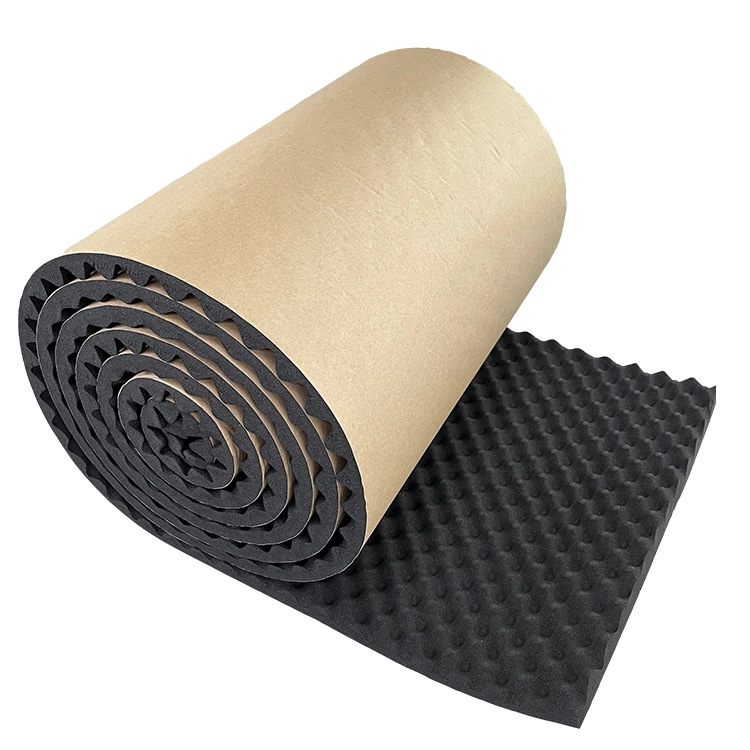
Egg Crate Foam
ASLONG Egg Crate Foam for sale. Lightweight, breathable, and comfortable, our egg crate foam provides superior support and pressure relief. Perfect for mattresses, cushions, cars, construction industry, KTV, factories, etc.
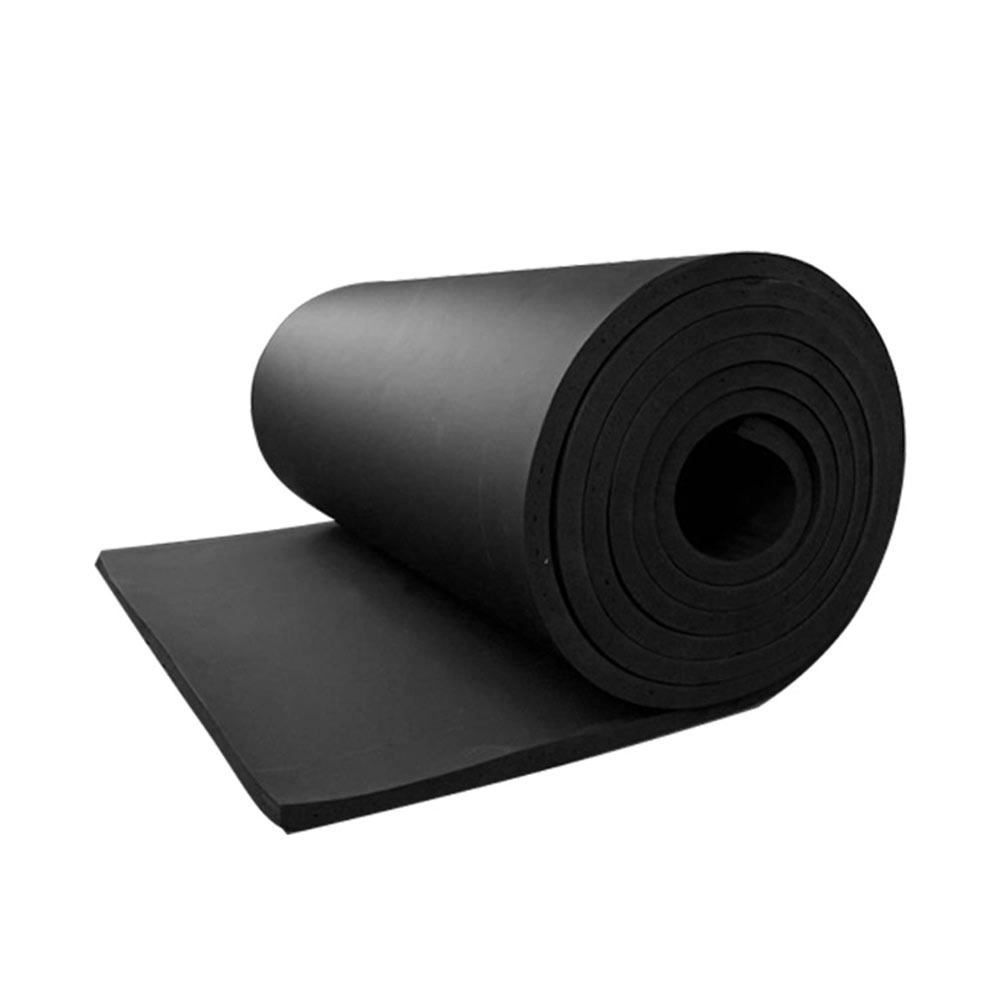
NBR Foam
ASLONG NBR Foam: Wholesale NBR foam solutions for diverse applications. High-quality, durable, and competitively priced. Contact us today for bulk orders.
Professional support at any time
If you have any comments or good suggestions, please leave us a message; later our professional staff will contact you as soon as possible.
© 2026 ASLONG All Rights Reserved. Privacy Policy | Terms and Conditions | Sitemap

 It would be pleasure to receive from you.
Whatsapp: +8613242879341
ASLONG Global
ASLONG
Aslong_global