

Longevity and Maintenance of Butyl Rubber Sound Damping Mats
- Durability Factors Affecting Butyl Rubber Sound Damping Mats
- Material composition and ageing
- Environmental influences: temperature, UV and chemicals
- Mechanical wear, compression set and fatigue
- Maintenance Practices to Maximize Lifespan
- Regular inspection and cleaning
- Repairs and patching methods
- Storage and handling best practices
- Installation and Design Choices that Improve Longevity
- Surface preparation and adhesion
- Layering, thickness and system design
- Integration with other rubber mats and materials
- Performance Monitoring, Testing and Standards
- In-field monitoring and acoustic testing
- Relevant standards and certifications
- Comparing materials: performance vs longevity (table)
- FAQs — Longevity and Maintenance
- How long should a Butyl Rubber Sound Damping Mat last?
- Can I use solvent cleaners on rubber mats?
- What are signs that a mat needs replacement?
- Can I layer butyl mats with other materials?
- Is professional installation necessary?
- How should I store spare rubber mats?

Butyl Rubber Sound Damping Mats offer durable, high-performance noise and vibration control across automotive, industrial and home environments. Understanding longevity drivers—chemical composition, environmental exposure, mechanical loading—and applying targeted maintenance and installation practices will keep rubber mats effective for years. This guide distills proven care routines, repair techniques, monitoring approaches and standards references so you can preserve acoustic performance and get the best lifecycle value from your sound damping investment.
ASLONG Butyl Rubber Sound Damping Mat for sale. Effectively reduces noise and vibrations. High-quality butyl rubber ensures superior performance and durability. Ideal for automotive, industrial, and home applications.
Durability Factors Affecting Butyl Rubber Sound Damping Mats
Material composition and ageing
Butyl rubber is a synthetic copolymer known for low gas permeability, excellent damping characteristics and resistance to many chemicals. The intrinsic polymer network and filler system (carbon black, mineral fillers) determine its mechanical resilience and resistance to oxidative ageing. Over time, natural polymer chains oxidize and cross-link differently, which can cause hardening, loss of tack, or micro-cracking under repeated flexing. Choosing high-quality butyl formulations and mats with correct vulcanization reduces such degradation.
Environmental influences: temperature, UV and chemicals
Environmental stressors accelerate material breakdown. High continuous temperatures soften adhesives and can cause creep in rubber mats; low temperatures increase stiffness and reduce damping efficiency. UV radiation degrades exposed rubber surfaces, producing surface crazing and color change that indicates embrittlement. Chemical exposure (oils, solvents, acids) degrades polymer chains and plasticizers. For outdoor or engine-bay applications, specify UV-stabilized and chemically resistant variants, and protect edges to limit exposure.
Mechanical wear, compression set and fatigue
Compression set (permanent deformation after prolonged load) and fatigue cracking from repeated vibration are common life-limiters for rubber mats. High dynamic loads, sharp edges, or poor support surfaces create stress concentrations that accelerate wear. Selecting appropriate thickness and layering, and ensuring even support with no exposed sharp fasteners, reduces the rate of mechanical damage.
Maintenance Practices to Maximize Lifespan
Regular inspection and cleaning
Planned visual inspections detect early issues before acoustic performance is lost. Inspect for: discoloration, edge lifting, surface cracks, adhesive failure, trapped moisture and debris. Cleaning practices should be gentle: use mild detergent and water, rinse thoroughly and dry. Avoid aggressive solvents or petroleum-based cleaners that can dissolve binders in the mat or the adhesive layer. For automotive underbody or engine-compartment installations, use manufacturer-recommended cleaners and avoid prolonged steam cleaning at high pressure.
Repairs and patching methods
Small tears, punctures or lifted edges can often be repaired in situ. Recommended repair workflow:
- Clean the area and allow to dry completely.
- Trim ragged edges to sound rubber and prepare adjacent surface with a compatible primer if needed.
- Use butyl-compatible adhesive patches or self-adhesive butyl patch tape to restore continuity—ensure full contact and pressure during cure.
- For larger damaged sections, replace the entire segment to avoid acoustic leaks.
Storage and handling best practices
Proper storage delays ageing and protects adhesive integrity. Store rolls/plates horizontally in cool, dry, dark conditions, ideally between 10–25°C and away from direct sunlight. Avoid stacking heavy loads on top of soft mats to prevent permanent deformation. During handling, keep sharp tools away from the mat surface; when cutting, use a stable table and sharp blades to avoid ragged edges that reduce adhesion quality.
Installation and Design Choices that Improve Longevity
Surface preparation and adhesion
Long-term adhesion is critical to maintain damping performance. Surface prep steps:
- Degrease and remove rust with recommended cleaners (non-petroleum solvents where possible).
- Roughen smooth metal surfaces lightly to increase mechanical bonding (use a scotch-brite pad or light abrasive).
- Apply primer where required by adhesive manufacturer and follow recommended open time before applying the mat.
Layering, thickness and system design
Design choices directly affect life and performance. Thicker butyl rubber mats provide higher damping and longer fatigue life but may add weight. For high-performance automotive NVH, combine a butyl damping layer with a lightweight closed-cell foam or mass layer to tune both airborne and structure-borne noise control. Properly designed layers also reduce stress on any single component, distributing load and extending overall system life.
Integration with other rubber mats and materials
When using multiple rubber mats or mixing with other insulation types (e.g., foam, bitumen sheets), ensure material compatibility—some bituminous sheets can migrate oils into softer rubbers. Use barrier layers where migration is a risk, and ensure adhesives are suitable for all materials in contact. Compatibility testing during prototyping prevents premature failure in the field.
Performance Monitoring, Testing and Standards
In-field monitoring and acoustic testing
Periodic acoustic testing validates that a damping mat retains its performance. Simple field checks include: subjective noise surveys, vibration acceleration measurements with handheld accelerometers, and sound level readings before/after maintenance. For definitive diagnostics, use transmissibility or impedance measurements to quantify changes. Keeping baseline measurements at installation allows trending of degradation over time.
Relevant standards and certifications
Manufacturers and engineers use international standards to benchmark performance. Acoustic transmission and insulation standards such as ISO 717-1 address airborne sound insulation ratings, while lab measurement practices are described by standards like ASTM E90. For material background and properties, references such as Wikipedia's pages on Butyl rubber and Soundproofing provide useful overviews. Industry associations like the Acoustical Society of America offer resources on acoustic materials and measurement practices.
Comparing materials: performance vs longevity (table)
Use the table below to compare common sound damping materials with respect to durability, typical life in harsh environments, and maintenance concerns.
| Material | Typical durability | Vulnerability / Maintenance |
|---|---|---|
| Butyl Rubber (ASLONG Butyl Rubber Sound Damping Mat) | 10+ years in sheltered/controlled conditions | Good chemical and gas resistance; protect from UV and prolonged high temp; inspect for edge lift |
| Bitumen/Asphalt Sheets | 5–15 years (varies with temp) | Softens at high temps, can migrate oils; edge sealing important |
| Closed-cell Foam | 5–10 years | Compresses under load; moisture ingress can reduce life |
| EPDM Rubber | 8–20 years (UV-resistant grades) | Excellent outdoor resistance but lower intrinsic damping than butyl |
FAQs — Longevity and Maintenance
How long should a Butyl Rubber Sound Damping Mat last?
In typical indoor or sheltered vehicle environments with proper installation and maintenance, a quality butyl mat can last 8–15 years. Lifespan depends on temperature cycles, mechanical loads, UV exposure and chemical contact.
Can I use solvent cleaners on rubber mats?
Avoid petroleum-based solvents and aggressive cleaners. Use mild detergent and water for routine cleaning. For grease/oil, use a manufacturer-recommended degreaser compatible with butyl rubber and rinse thoroughly.
What are signs that a mat needs replacement?
Look for hardening/brittle surfaces, extensive cracking, repeated adhesive failure or loss of acoustic performance (increased cabin noise or structure-borne vibration). If repairs are frequent, replacement of the section or whole mat is more cost-effective.
Can I layer butyl mats with other materials?
Yes. But design layers carefully—ensure adhesive and material compatibility. Use butyl as a damping layer combined with foam or mass layers to address different noise modes. Avoid materials that leach oils into butyl unless a barrier layer is provided.
Is professional installation necessary?
For high-performance automotive and industrial applications, professional installation ensures correct surface prep, priming and adhesion, which significantly extends life and preserves warranty coverage. For simpler home projects, experienced DIYers can install mats if they follow the manufacturer instructions precisely.
How should I store spare rubber mats?
Store in a cool, dry, dark place away from direct sunlight and heat sources. Keep mats flat or rolled with minimal bending radius and avoid heavy stacking to prevent compression set.
If you have specific use conditions (engine bay, exterior panels, heavy machinery or marine applications), consult product technical datasheets for temperature limits, recommended adhesives and chemical compatibility charts.
Want to evaluate ASLONG Butyl Rubber Sound Damping Mat for your project or get personalized recommendations? Contact our technical team or view the product page: Email Sales | View Product. For urgent inquiries call: +1-800-XXX-XXXX.
What is sound deadening foam car ?
Top Sound Insulation Brands for Automotive Use 2026
Wholesale mass loaded vinyl manufacturer and supplier
How to start the power cable jointing business ?
FAQs
Do ASLONG's products meet environmental protection standards?
Yes, all ASLONG products comply with ISO14001 environmental management system certification and global environmental protection standards. We use environmentally friendly materials and are committed to providing sustainable solutions to help customers achieve green development goals.
What specific functions can ASLONG's products provide?
Our products cover functions such as insulation, sound insulation, shock absorption, waterproofing and sealing, and are widely used in improving energy efficiency, reducing noise, controlling vibration, protecting equipment, etc., helping customers optimize engineering effects and improve user experience.
How to customize products that meet the needs of my industry?
You only need to contact our sales or technical team, we will conduct an in-depth analysis based on your industry needs and provide tailor-made products and solutions. We guarantee to provide you with efficient and accurate services to meet your personalized requirements.
Does ASLONG provide after-sales service?
Yes, we provide a full range of after-sales services, including technical support, installation guidance, product maintenance and quality tracking, etc., to ensure that each project goes smoothly and continues to perform at its best.
What industries are the products provided by ASLONG suitable for?
ASLONG's products are suitable for multiple industries, including air conditioning and HVAC, construction and waterproofing, automobiles and transportation, home appliances and electronics, industrial equipment and machinery, etc. We provide customized solutions for each industry to meet different needs.
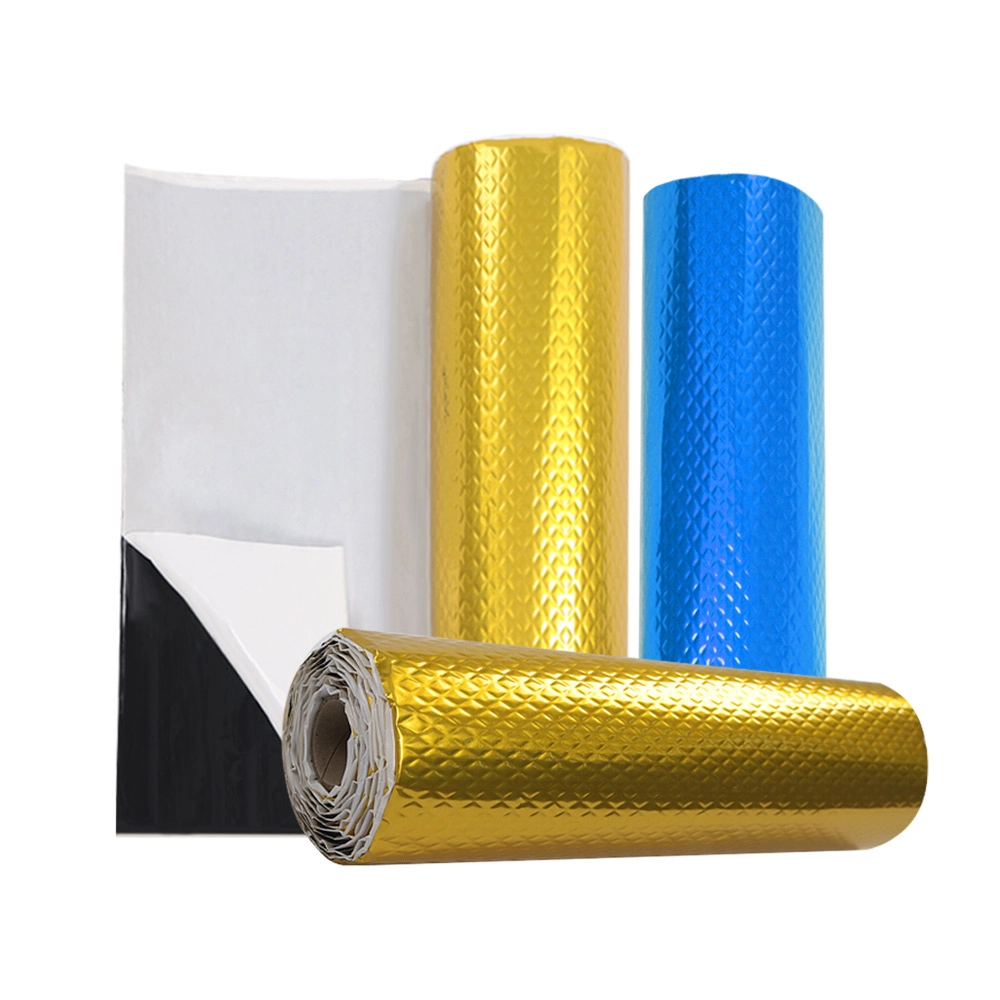
Butyl Rubber Sound Damping Mat
ASLONG Butyl Rubber Sound Damping Mat for sale. Effectively reduces noise and vibrations. High-quality butyl rubber ensures superior performance and durability. Ideal for automotive, industrial, and home applications.
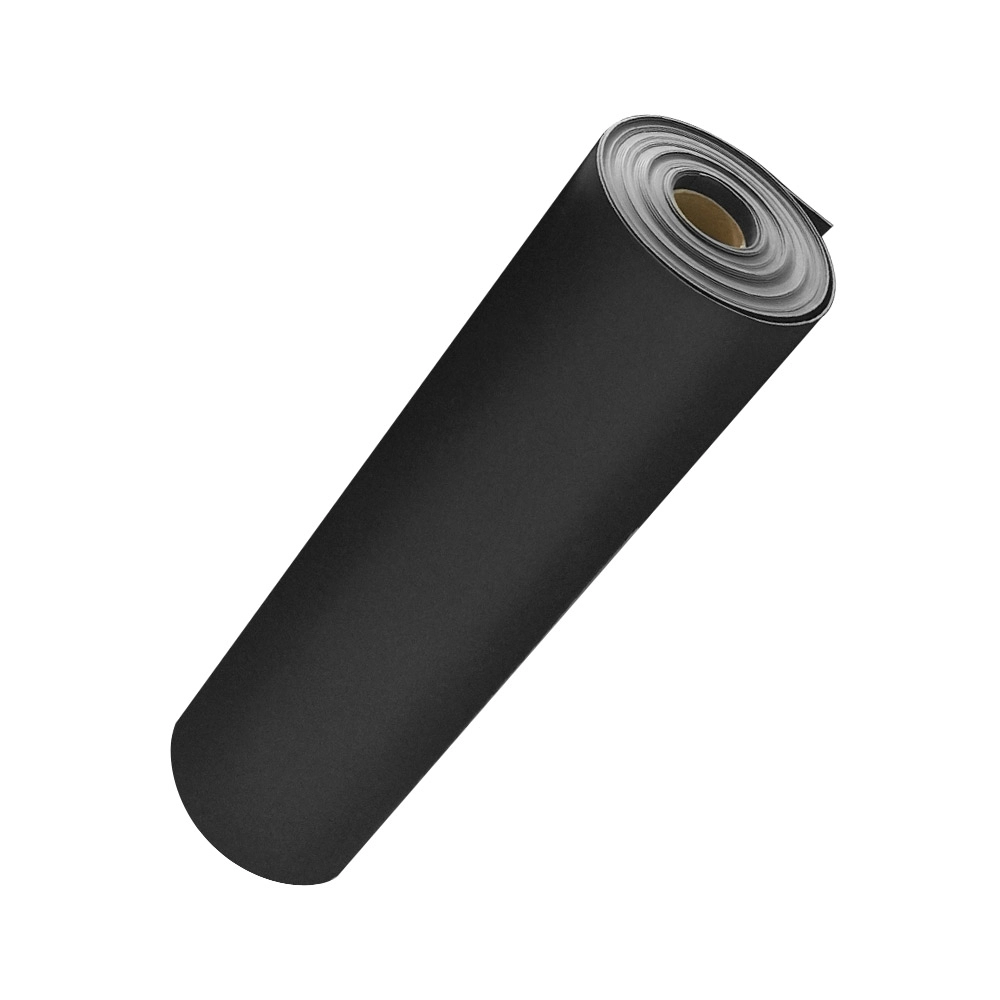
Mass Loaded Vinyl
ASLONG Mass Loaded Vinyl for sale. Reduce noise pollution effectively with our high-quality, mass-loaded vinyl. Ideal for soundproofing walls, floors, and more. Buy now and experience the difference!
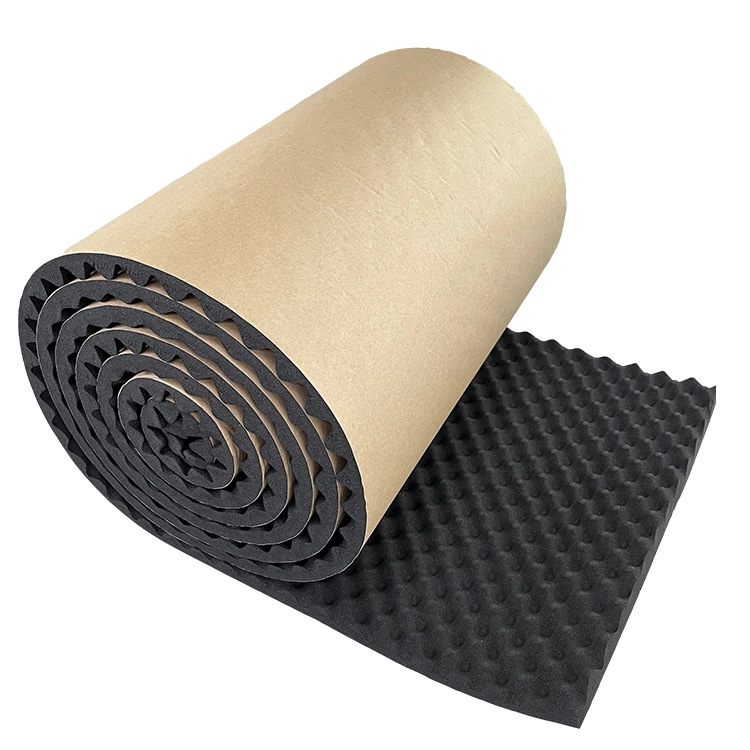
Egg Crate Foam
ASLONG Egg Crate Foam for sale. Lightweight, breathable, and comfortable, our egg crate foam provides superior support and pressure relief. Perfect for mattresses, cushions, cars, construction industry, KTV, factories, etc.
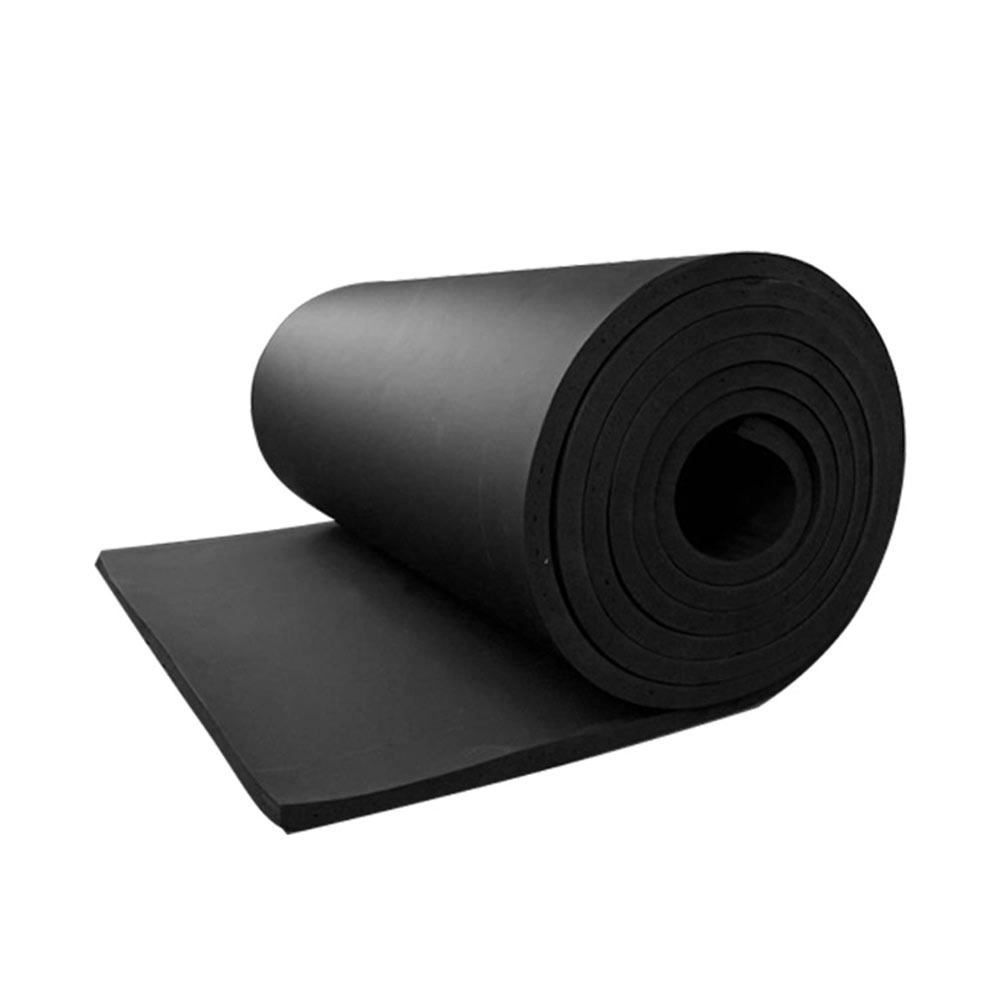
NBR Foam
ASLONG NBR Foam: Wholesale NBR foam solutions for diverse applications. High-quality, durable, and competitively priced. Contact us today for bulk orders.
Professional support at any time
If you have any comments or good suggestions, please leave us a message; later our professional staff will contact you as soon as possible.
© 2026 ASLONG All Rights Reserved. Privacy Policy | Terms and Conditions | Sitemap

 It would be pleasure to receive from you.
Whatsapp: +8613242879341
ASLONG Global
ASLONG
Aslong_global