

How to Test and Certify Butyl Rubber Sound Damping Mats
- Why accurate testing matters for sound damping materials
- Performance is context-dependent
- Standards create repeatability and trust
- How to test butyl rubber sound damping mat: lab and field methods
- 1) Laboratory airborne transmission loss (TL) and sound reduction index (Rw)
- 2) Dynamic Mechanical Analysis (DMA)
- 3) Adhesion, Peel, and Durability Tests
- 4) Environmental & Chemical Resistance
- 5) Component & In-situ validation
- Interpreting test results and typical pass/fail criteria
- Certification pathways, documentation and regulatory considerations
- 1) Typical certification documents
- 2) Third-party vs factory testing
- 3) Regulatory concerns and industry-specific requirements
- Why choose ASLONG: supplier capabilities and how we support testing & certification
- Company profile and product range
- Technical strengths and differentiation
- How ASLONG supports certification projects
- Practical tips and common pitfalls I’ve seen
- Installation quality matters
- Match test conditions to service conditions
- Request raw data, not just summary sheets
- FAQ
- Q1: What frequency range should I prioritize when testing butyl rubber sound damping mat?
- Q2: Do I need third-party certification to sell to OEMs?
- Q3: How do I compare different suppliers' data sheets?
- Q4: Can butyl rubber mats be used outdoors?
- Q5: What are realistic dB improvements?
- Q6: How long does certification typically take?
- Contact and next steps
I write from years of hands-on experience in acoustic materials and product certification. In this article I walk you through how to test and certify butyl rubber sound damping mats — the practical test methods, standards to reference, how to interpret results, and the common pitfalls that delay certification. I also cover product attributes that buyers and certifiers prioritize, and explain how an experienced supplier like ASLONG supports customers from testing to global compliance and delivery.
Why accurate testing matters for sound damping materials
Performance is context-dependent
Butyl rubber sound damping mat performance depends heavily on application (automotive door, floor pan, HVAC duct, or building partition), installation method, and mating surfaces. Lab numbers alone (e.g., surface density or lab transmission loss) do not guarantee performance in a vehicle or site without installation-specific verification. That is why I always advocate combining standardized lab testing with representative field or component tests.
Standards create repeatability and trust
Using recognized standards (ISO, ASTM, EN) gives repeatable, defensible results that engineers, certifiers, and procurement teams trust. For airborne transmission loss and laboratory sound insulation measurements, common references are ISO 10140 series and ISO 717 for rating methods (ISO 10140, ISO 717). For dynamic mechanical properties (damping, storage/loss modulus) ASTM D4065 provides standardized DMA methods (ASTM D4065).
How to test butyl rubber sound damping mat: lab and field methods
1) Laboratory airborne transmission loss (TL) and sound reduction index (Rw)
Purpose: Determine how a butyl rubber sound damping mat affects airborne sound paths and contributes to a panel's transmission loss. Typical standards: ASTM E90 (laboratory measurement of airborne sound transmission loss of building/partition elements) and ISO 10140. Results are often expressed as transmission loss in dB across frequency bands and summarized as Rw or STC-style single-number ratings (ASTM E90, ISO 10140).
How I run it: Mount the base panel, measure baseline TL, apply the butyl rubber sound damping mat per intended installation (surface prep, adhesive, pressure, curing), then retest. Differential TL versus baseline shows the mat's contribution. Pay attention to low-frequency performance (63–250 Hz) which is often most relevant in automotive and industrial contexts.
2) Dynamic Mechanical Analysis (DMA)
Purpose: Measure damping performance (loss factor, tan delta), storage modulus, and glass transition temperature (Tg) of the butyl material. DMA gives temperature- and frequency-dependent viscoelastic properties that correlate with how well a mat dissipates vibrational energy.
Standard reference: ASTM D4065 (ASTM D4065). I request loss factor curves from 0.1–200 Hz (or up to kHz as needed) and across application temperature range (-40°C to +100°C for automotive). A higher loss factor in the dominant vibration band indicates better damping.
3) Adhesion, Peel, and Durability Tests
Purpose: Verify that the mat stays attached during service life. Typical test methods include peel adhesion tests (e.g., ASTM D3330 for peel strength of adhesive tapes) and shear tests. Environmental cycling (thermal, humidity) and aging accelerate possible debonding. For adhesive-backed butyl damping mats, I specify minimum peel strength values and validate after thermal cycling.
4) Environmental & Chemical Resistance
Purpose: Confirm mat performance after exposure to heat, cold, UV, oils, road salts or solvents depending on application. Standardized aging cycles and automotive OEM procedures are commonly used. I also ask for TGA (Thermogravimetric Analysis) to confirm thermal stability and potential off-gassing risks for interior applications.
5) Component & In-situ validation
Purpose: Validate lab results on real components—car doors, HVAC ducts, machinery panels. I run transfer path analysis or in-vehicle sound tests (ISO 5130 or OEM-specific procedures) to ensure noise reductions predicted in the lab translate to real-world benefit. In many projects this is the decisive test for acceptance.
Interpreting test results and typical pass/fail criteria
Below I summarize the most common tests and the practical criteria I use when qualifying butyl rubber sound damping mat materials. Note that specific targets vary by industry and OEM but the table gives a useful comparison.
| Test | Standard / Method | Purpose | Typical Acceptance Criteria |
|---|---|---|---|
| Transmission Loss (TL) / Rw | ISO 10140 / ASTM E90 | Assess airborne sound insulation contribution | Improvement of 3–10 dB in key bands; target depends on system |
| DMA (Loss factor) | ASTM D4065 | Measure damping efficiency vs frequency & temperature | Higher tan δ in dominant freq band; specific target set by OEM |
| Peel / Adhesion | ASTM D3330 (peel) | Verify adhesive bond strength | Peel strength > specified N/cm after aging; no delamination |
| Thermal stability / TGA | TGA analyses | Check weight loss, decomposition onset | No significant decomposition below max service temp |
| Field/component test | OEM / ISO vehicle test procedures | Validate in real use | Meets target dB reduction or NVH objective |
Data sources and standards referenced above include ISO and ASTM documentation (ISO 10140, ISO 717, ASTM E90, ASTM D4065). I recommend purchasing or accessing the specific standard texts for contractual testing requirements (ISO: https://www.iso.org, ASTM: https://www.astm.org).
Certification pathways, documentation and regulatory considerations
1) Typical certification documents
When certifying butyl rubber sound damping mats for sale (especially in regulated markets or to OEMs), prepare a technical file that includes: material datasheet (composition, density, thickness), lab test reports (TL, DMA, peel, TGA), installation instructions, safety data sheet (SDS), aging and environmental test reports, and traceability records for production batches. OEMs and building code authorities often require third-party lab reports.
2) Third-party vs factory testing
Third-party accredited laboratories (ISO/IEC 17025) provide independence and credibility. I regularly work with ISO/IEC 17025 labs for acoustic and DMA work. Internal (factory) QC testing is essential for batch control, but final certification documents submitted to customers should be from accredited facilities.
3) Regulatory concerns and industry-specific requirements
For building materials, fire classification and smoke/toxic gas release may be required (e.g., EN 13501 series in Europe). For automotive interiors, VOC/emissions regulations (ISO 12219 series or OEM-specific VOC tests) are common. Check the target market's regulatory list early to avoid costly rework.
Why choose ASLONG: supplier capabilities and how we support testing & certification
Company profile and product range
ASLONG (Welllink Guangdong New Material Co., Ltd.), founded in 2000, is a high-tech enterprise specializing in R&D, production, and sales of acoustic materials, sound insulation materials, and shock-absorbing products. We operate a modern production base of more than 10,000 square meters. Our product range includes Butyl Rubber Sound Damping Mat, Mass Loaded Vinyl (MLV), NBR foam, Sound Absorbing White Cotton, Tire Silent Foam, Butyl waterproof tape, and electric auxiliary materials. We export to Europe, North America, Asia, Africa and more. (website: https://www.aslong.cc; contact: king@aslong.cc).
Technical strengths and differentiation
From my experience working with ASLONG, their competitive advantages include: consistent compound formulation control, a wide range of thicknesses and surface finishes, in-house QC procedures aligned to international standards, and experience supplying OEM and building markets. ASLONG supports customers through sample testing, customized formulation for temperature or adhesion needs, and works with accredited labs to produce certification-ready reports.
How ASLONG supports certification projects
ASLONG can provide: product datasheets, SDS, batch traceability, sample preparation for lab testing, and assistance with third-party lab coordination. For partners seeking distribution, ASLONG actively recruits agents worldwide and can provide technical training, marketing collateral, and local support to streamline approvals and project onboarding.
Practical tips and common pitfalls I’ve seen
Installation quality matters
Even a high-performing butyl rubber sound damping mat can fail to deliver if surface prep, adhesive usage, or compression is inadequate. I insist on documented installation procedures and if possible, provide training or video guidance for installation crews.
Match test conditions to service conditions
Many failures come from testing at room temperature when the service environment is extreme. Specify DMA ranges and environmental cycling that match the application's extremes (cold starts in vehicles, high under-hood temperatures, or long-term UV exposure in exposed installations).
Request raw data, not just summary sheets
Summary statements like “X dB improvement” are useful, but I always request full frequency-band results, raw DMA curves, and test setup photos. These help diagnose why a product succeeds or fails in a particular application.
FAQ
Q1: What frequency range should I prioritize when testing butyl rubber sound damping mat?
A: Prioritize the dominant noise/vibration band of your application. For automotive structure-borne vibration, 20–500 Hz is often critical; for HVAC or airborne noise insulation, consider 125–4000 Hz. Use DMA to assess damping where the structure vibrates most.
Q2: Do I need third-party certification to sell to OEMs?
A: Most top-tier OEMs require independent, accredited lab reports (ISO/IEC 17025) for key performance metrics. Internal QC is necessary but insufficient for final approval.
Q3: How do I compare different suppliers' data sheets?
A: Compare like-for-like: same thickness, surface density (kg/m2), test standards, and installation method used in the test. Ask for DMA curves, TL spectra, and conditioned (aged) test data, not just single-number claims.
Q4: Can butyl rubber mats be used outdoors?
A: Standard butyl mats are primarily for interior and protected applications. For outdoor use you need UV-stable formulations, protective facings, and verification of weathering tests. ASLONG can offer tailored compounds with improved environmental resistance.
Q5: What are realistic dB improvements?
A: Improvements depend on the system. On thin sheet metal panels, adding quality butyl damping mats can reduce radiated noise by several dB in the critical frequency bands. For airborne transmission through partitions, combined solutions (mass + damping + absorption) may yield 3–10 dB improvement depending on baseline construction.
Q6: How long does certification typically take?
A: From sample prep to final third-party report, expect 4–8 weeks for typical acoustic and DMA testing. Environmental aging can extend timelines depending on cycle length. Early engagement with the lab and clear test plans shorten lead times.
Contact and next steps
If you need testing support, sample provision, or full certification services for butyl rubber sound damping mat products, contact ASLONG for technical consultation, sample requests, and partnership opportunities. ASLONG provides efficient, environmentally friendly, high-performance sound insulation solutions worldwide and is recruiting agents globally.
Website: https://www.aslong.cc
Email: king@aslong.cc
As a final note: approach testing with both lab rigor and application realism. Standards give you the language and repeatability; careful field validation ensures the material solves the real noise and vibration issues your customers experience.
Material Cost Breakdown for Auto Sound Insulation 2026
Wholesale nbr pvc rubber foam manufacturer and supplier
How to manufacturing car sound deadening foam
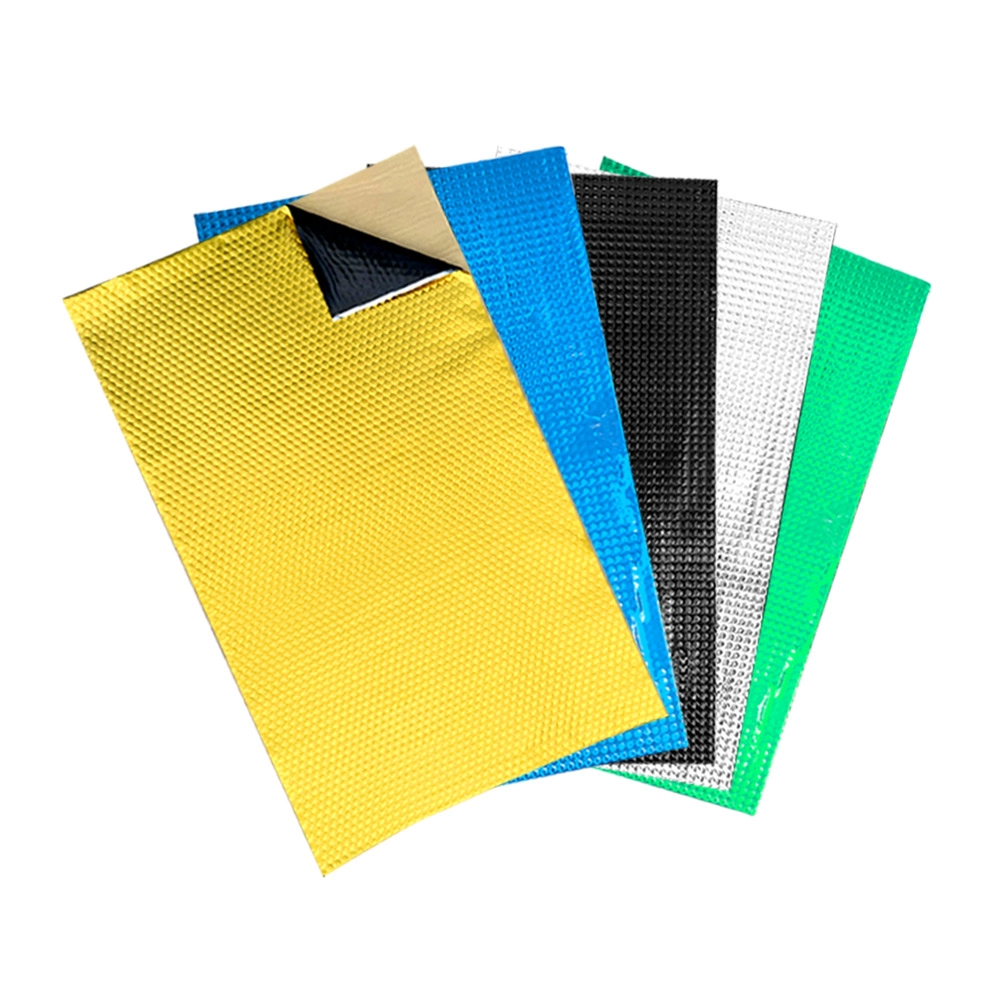
Customization & OEM Packaging for Butyl Rubber Sound Damping Mat
FAQs
How to customize products that meet the needs of my industry?
You only need to contact our sales or technical team, we will conduct an in-depth analysis based on your industry needs and provide tailor-made products and solutions. We guarantee to provide you with efficient and accurate services to meet your personalized requirements.
What industries are the products provided by ASLONG suitable for?
ASLONG's products are suitable for multiple industries, including air conditioning and HVAC, construction and waterproofing, automobiles and transportation, home appliances and electronics, industrial equipment and machinery, etc. We provide customized solutions for each industry to meet different needs.
Do ASLONG's products meet environmental protection standards?
Yes, all ASLONG products comply with ISO14001 environmental management system certification and global environmental protection standards. We use environmentally friendly materials and are committed to providing sustainable solutions to help customers achieve green development goals.
Does ASLONG provide after-sales service?
Yes, we provide a full range of after-sales services, including technical support, installation guidance, product maintenance and quality tracking, etc., to ensure that each project goes smoothly and continues to perform at its best.
What specific functions can ASLONG's products provide?
Our products cover functions such as insulation, sound insulation, shock absorption, waterproofing and sealing, and are widely used in improving energy efficiency, reducing noise, controlling vibration, protecting equipment, etc., helping customers optimize engineering effects and improve user experience.
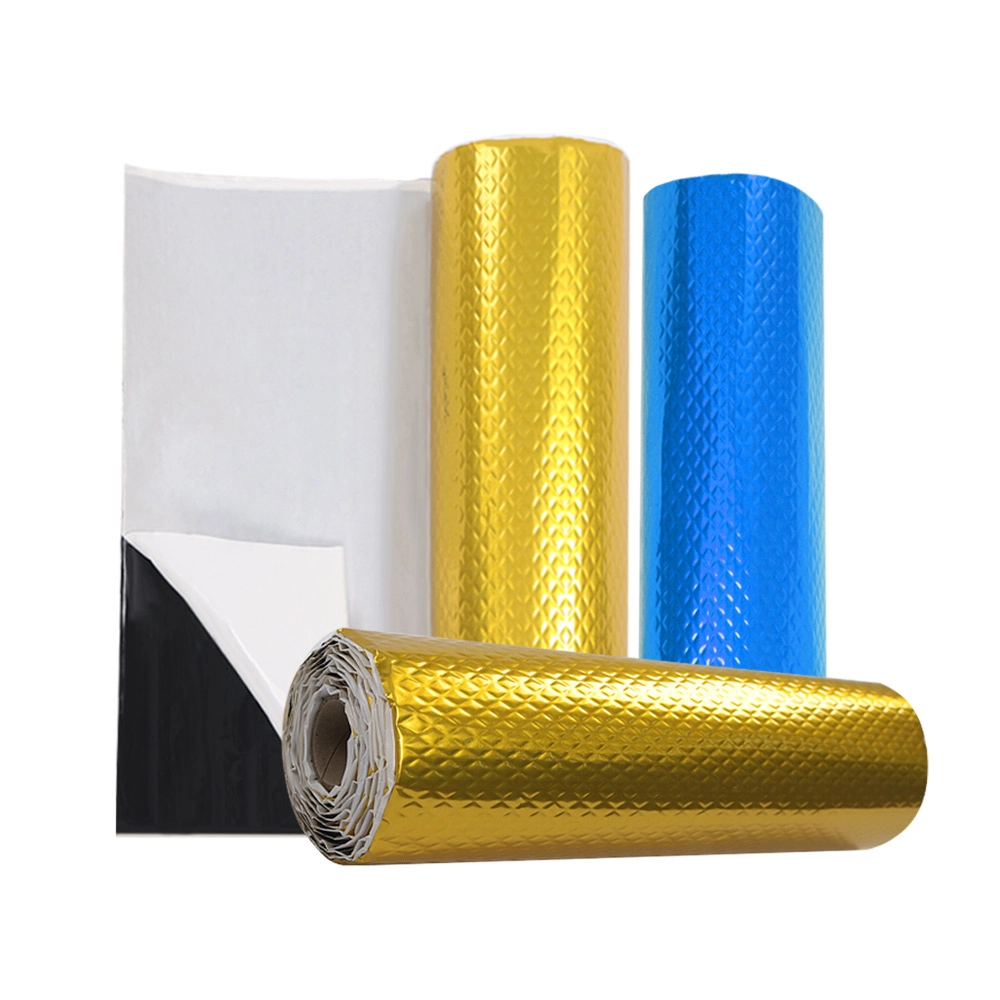
Butyl Rubber Sound Damping Mat
ASLONG Butyl Rubber Sound Damping Mat for sale. Effectively reduces noise and vibrations. High-quality butyl rubber ensures superior performance and durability. Ideal for automotive, industrial, and home applications.
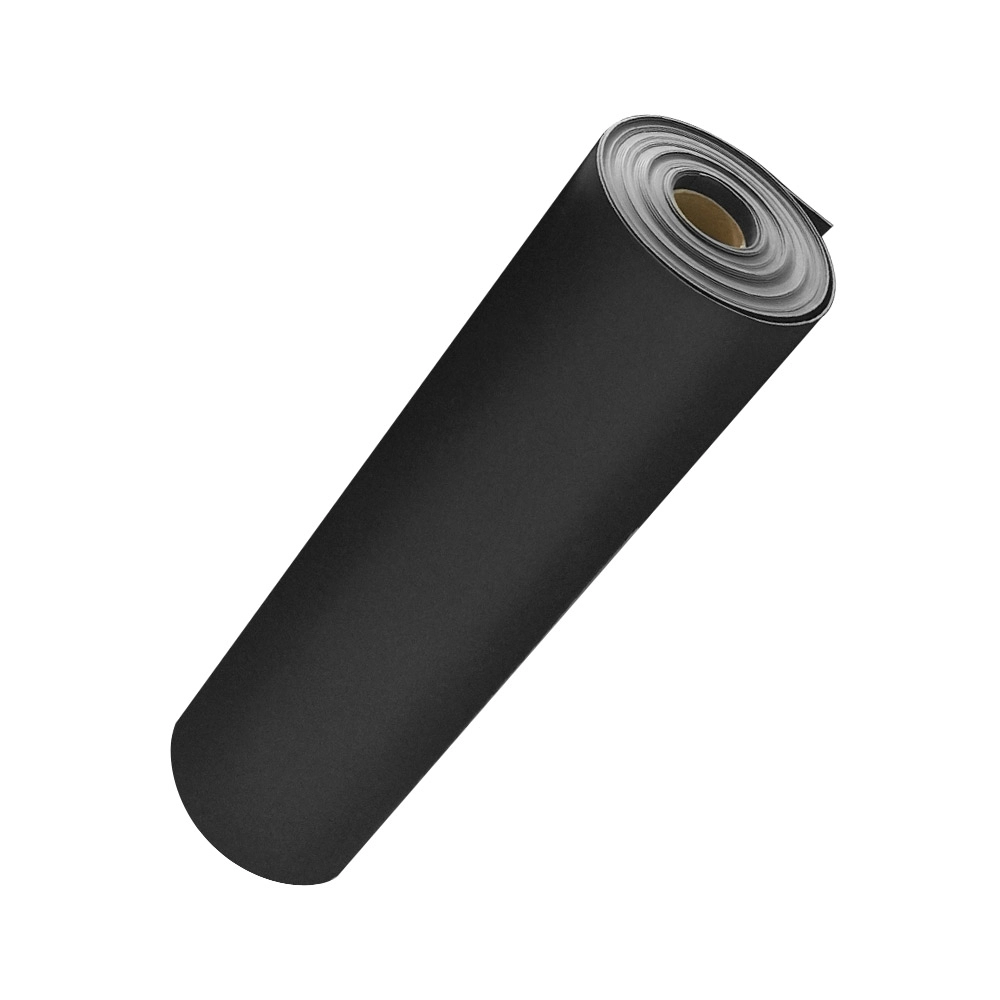
Mass Loaded Vinyl
ASLONG Mass Loaded Vinyl for sale. Reduce noise pollution effectively with our high-quality, mass-loaded vinyl. Ideal for soundproofing walls, floors, and more. Buy now and experience the difference!
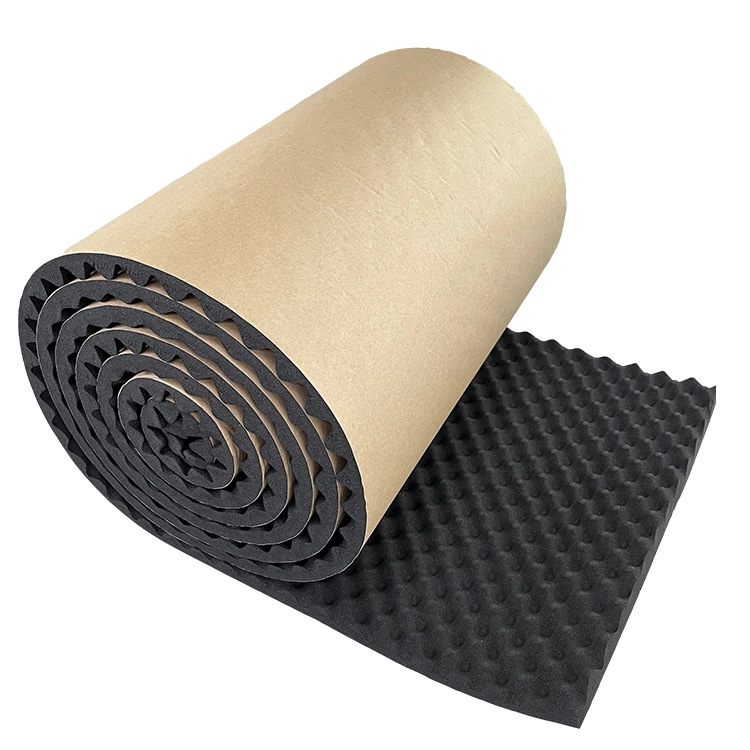
Egg Crate Foam
ASLONG Egg Crate Foam for sale. Lightweight, breathable, and comfortable, our egg crate foam provides superior support and pressure relief. Perfect for mattresses, cushions, cars, construction industry, KTV, factories, etc.
NBR Foam
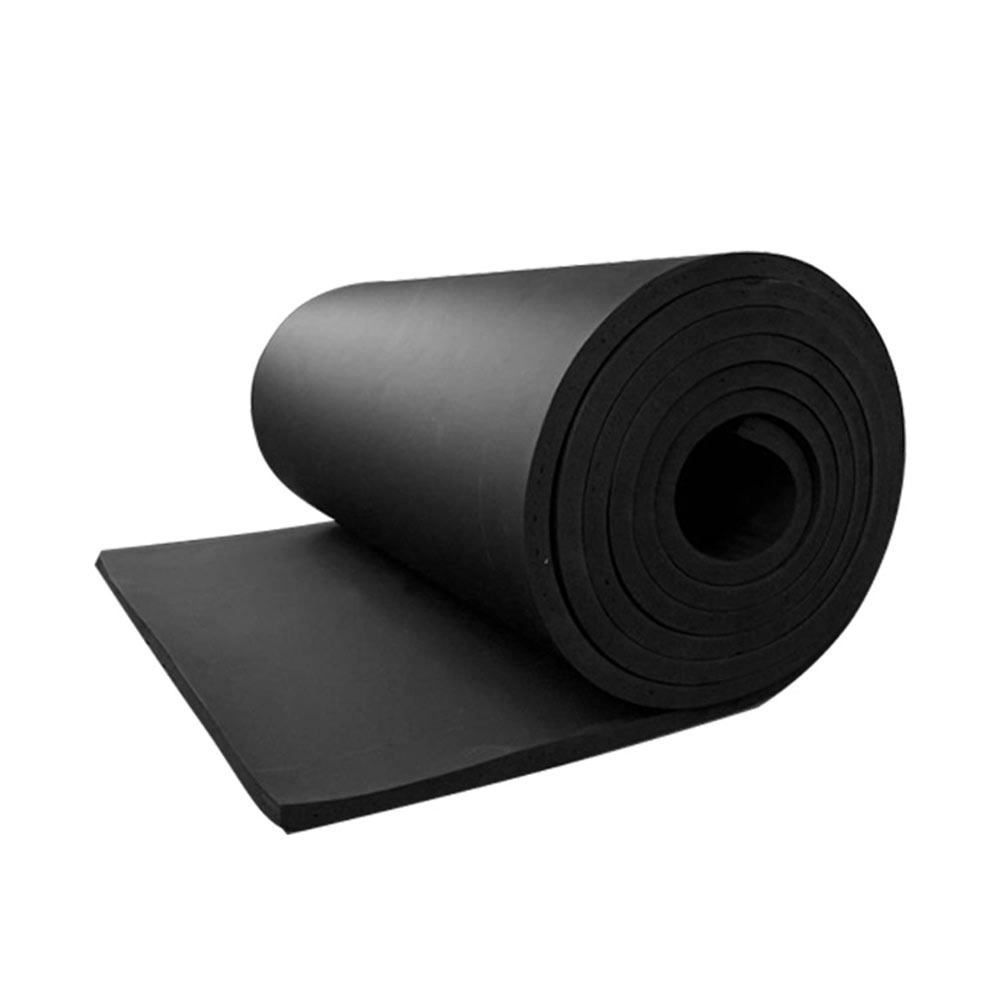
ASLONG NBR Foam: Wholesale NBR foam solutions for diverse applications. High-quality, durable, and competitively priced. Contact us today for bulk orders.
Professional support at any time
If you have any comments or good suggestions, please leave us a message; later our professional staff will contact you as soon as possible.
© 2026 ASLONG All Rights Reserved. Privacy Policy | Terms and Conditions | Sitemap

 It would be pleasure to receive from you.
Whatsapp: +8613242879341
ASLONG Global
ASLONG
Aslong_global