

How to Procure Mass Loaded Vinyl: Specs, Suppliers, and Lead Times
- Understanding Mass Loaded Vinyl and When to Use It
- What Mass Loaded Vinyl (MLV) Does
- When to Choose MLV vs. Sound Insulation Foam
- Performance Metrics You Need to Specify
- Technical Specifications to Request from Suppliers
- Key Physical Specifications
- Acoustic Laboratory Data
- Fire, Health, and Environmental Certifications
- Supplier Selection and Procurement Process
- Types of Suppliers and What They Offer
- Evaluating Suppliers: Checklist
- Negotiation Tips and Total Cost Considerations
- Lead Times, Logistics, and Installation Considerations
- Typical Lead Times and Factors That Affect Them
- Packing, Handling, and Storage Recommendations
- Installation Notes that Affect Procurement
- Comparison Table: MLV vs Sound Insulation Foam vs Drywall
- Practical Procurement Checklist and Risk Mitigation
- Pre-Purchase Checklist
- Contract Clauses to Protect Your Project
- Common Pitfalls and How to Avoid Them
- References and Further Reading
- FAQ — Frequently Asked Questions
- Q: How much MLV do I need for a typical wall?
- Q: Will MLV reduce my neighbor’s noise completely?
- Q: How long does shipping and delivery typically take?
- Q: Can I use MLV outdoors or under flooring?
- Q: Is MLV safe for indoor air quality?
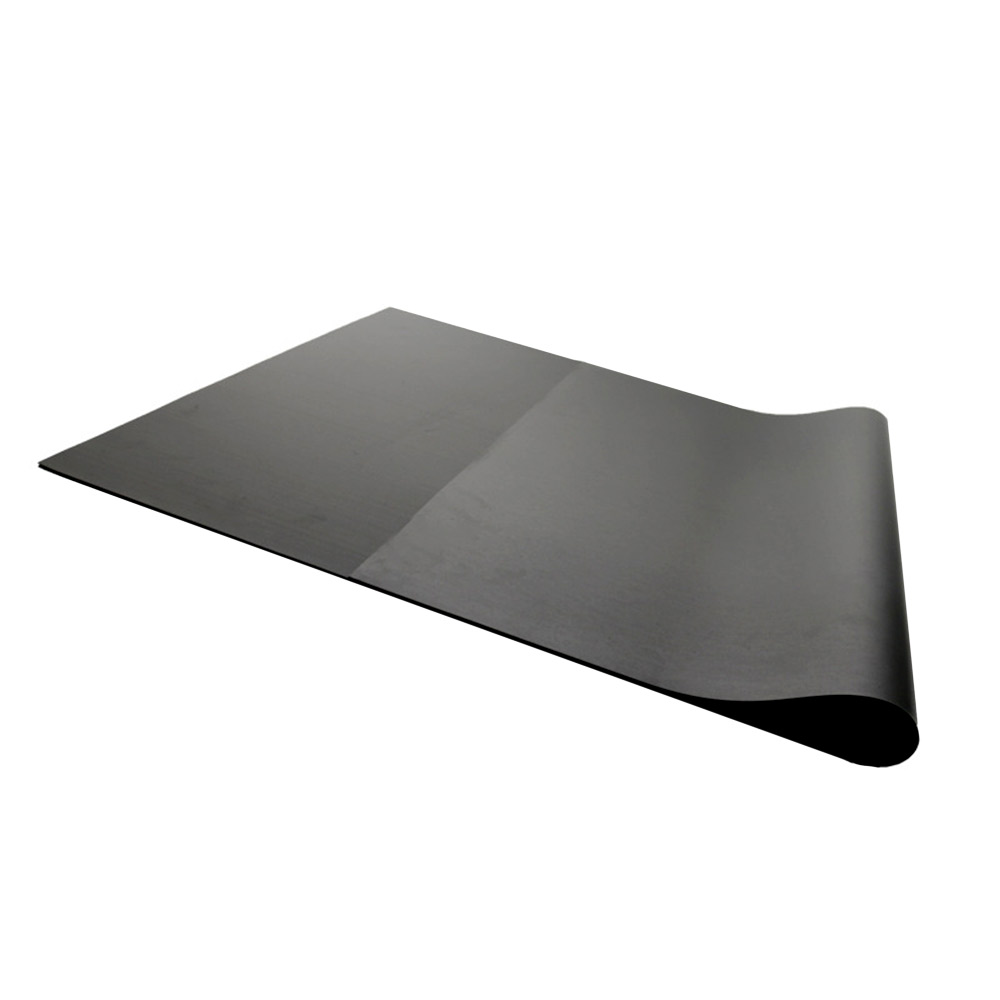
Reduce noise pollution effectively with our high-quality, mass-loaded vinyl. Ideal for soundproofing walls, floors, and more. Buy now and experience the difference!
This guide covers how to specify, source, and schedule Mass Loaded Vinyl (MLV) purchases for commercial and residential projects. It emphasizes measurable acoustic performance, practical procurement steps, supply-chain realities, and comparisons with sound insulation foam and other materials so you can make evidence-based choices and avoid common pitfalls.
Understanding Mass Loaded Vinyl and When to Use It
What Mass Loaded Vinyl (MLV) Does
Mass Loaded Vinyl is a high-mass, flexible barrier designed to block airborne sound transmission by increasing surface mass and damping vibrations. Unlike absorptive materials such as acoustic foam, which reduce reverberation and improve room acoustics, MLV functions as a sound barrier and is typically installed on walls, ceilings, floors, and inside partitions to boost STC (Sound Transmission Class) ratings. For a concise overview of MLV and its role in noise control, see the Wikipedia entry on mass-loaded vinyl (https://en.wikipedia.org/wiki/Mass-loaded_vinyl).
When to Choose MLV vs. Sound Insulation Foam
Use MLV when the primary problem is sound transmission between spaces (airborne noise such as voices, TV, machinery). Use sound insulation foam (acoustic foam) when the primary problem is room reverberation, echoes, or improving speech intelligibility within the same room. Often the best solution combines both: MLV to block sound transfer and acoustic foam (or mineral wool-backed panels) to control reflections and resonance.
Performance Metrics You Need to Specify
When procuring MLV, request documented performance metrics: mass per unit area (typically expressed in lb/ft² or kg/m²), thickness, STC improvement (or laboratory transmission loss curves), flame and smoke ratings (e.g., ASTM E84), and temperature/UV tolerance for exterior applications. For standards and measurement norms for building element sound insulation, consult ISO guidance on acoustic measurements (ISO Acoustics).
Technical Specifications to Request from Suppliers
Key Physical Specifications
At minimum, request: mass per area (1 lb/ft² and 2 lb/ft² are common grades), nominal thickness (ranges: 1/32 to 1/8 or metric equivalents), roll width and length, temperature and tear resistance, and whether the product is reinforced with scrim or fabric facing. Confirm cut tolerances and whether the MLV is self-adhesive or requires adhesives/mechanical fixing.
Acoustic Laboratory Data
Ask for lab-measured transmission loss (TL) vs frequency charts and STC or Rw (weighted sound reduction index) data for representative constructions. If possible, obtain test reports run to ASTM E90 / ISO 10140 standards — these show how MLV improves wall/ceiling/floor assemblies under controlled conditions. ASTM and ISO test norms are often referenced in supplier literature; ensure reports cite the specific method used.
Fire, Health, and Environmental Certifications
Confirm compliance with local fire codes and building regulations. Typical certifications include ASTM E84 (surface burning characteristics), UL listings (where applicable), and low-VOC or REACH declarations for indoor environments. For noise and public-health context, reference WHO environmental noise guidelines (WHO Environmental Noise Guidelines).
Supplier Selection and Procurement Process
Types of Suppliers and What They Offer
Common supplier categories: direct manufacturers (bulk rolls, custom thicknesses), authorized distributors (stocked items, faster small-quantity shipments), and specialty acoustic dealers (value-added services like pre-cut panels, adhesive kits, and installation guidance). For construction contracts or large projects, working directly with a manufacturer often reduces unit cost and supports custom specifications; for retrofit or small jobs, distributors and dealers provide better lead-time flexibility.
Evaluating Suppliers: Checklist
- Track record and references for similar projects (residential, office, industrial).
- Availability of laboratory test reports (STC, TL curves) and material safety data sheets (MSDS).
- Minimum order quantity (MOQ), roll sizes in stock, and cut-to-length options.
- Lead times, shipping partners, and international export capabilities.
- Warranty and return policy, and any on-site technical support or installation training.
Negotiation Tips and Total Cost Considerations
Negotiate for sample rolls, test cuts, or small pilot quantities to verify fit and acoustic behavior before full purchases. Include freight, duties, and customs clearance in cost estimates. Remember installation labor and accessory costs (adhesives, sealants, sealing tapes, and mechanical fasteners) when comparing per-square-meter prices. If your project requires sound insulation foam plus MLV, get component pricing bundled — suppliers often provide discounts for material packages.
Lead Times, Logistics, and Installation Considerations
Typical Lead Times and Factors That Affect Them
Lead times vary: stocked standard rolls from distributors may ship in 3–7 business days; manufacturer runs, custom colors, or specialty densities can take 2–6 weeks depending on capacity. Global events, raw-material availability (e.g., PVC or lead-free formulations), and peak construction seasons can extend lead times. For international shipments, add transit and customs clearance time. Communicate your required on-site date with suppliers and build in contingency time.
Packing, Handling, and Storage Recommendations
MLV comes in heavy rolls that should be stored flat or on end in dry, temperature-controlled conditions. Avoid prolonged UV exposure for outdoor-rated products unless UV-stabilized. When handling, account for weight per roll and provide appropriate lifting equipment. For long-term storage, maintain original packaging and keep material away from sharp objects and solvents.
Installation Notes that Affect Procurement
Decide whether to purchase adhesive-backed MLV, mechanically fastened rolls, or pre-cut sheets. Adhesive-backed MLV saves labor but may complicate repositioning. Ensure you buy recommended adhesives and sealing tapes. Installation sequence (e.g., wall assembly vs overlay) can change required roll dimensions and overlap allowances, so ask installers for exact cut lists to minimize waste. For combined systems (MLV + sound insulation foam or mineral wool), procure compatible adhesives and sealants.
Comparison Table: MLV vs Sound Insulation Foam vs Drywall
| Property | Mass Loaded Vinyl (Barrier) | Sound Insulation Foam (Absorption) | Drywall (Rigid, Mass) |
|---|---|---|---|
| Primary Function | Blocks airborne transmission | Reduces reflections/reverb | Provides mass and structure |
| Typical STC Impact | +6 to +15 (depends on assembly) | Minimal on STC; improves room acoustics | +2 to +8 (depends on layers) |
| Installation Location | Wall/ceiling/floor overlay, inside cavity | Interior panels, ceilings, diffusers | Wall and ceiling assemblies |
| Typical Thickness | 1/32–1/8 (0.8–3 mm) / 1–2 lb/ft² | 10–50 mm foam panels | 9.5–15 mm standard boards |
| Fire/Smoke Concern | Requires fire rating; check ASTM/UL | Many are flame-retardant; check ratings | Fire-rated options available |
Note: values are typical ranges and will vary with product and assembly. For measurement norms, refer to standardized methods (ISO/ASTM) and consult supplier test reports.
Practical Procurement Checklist and Risk Mitigation
Pre-Purchase Checklist
- Define acoustic goals (target STC or dB reduction) and whether MLV will be used alone or in a composite system with sound insulation foam or mineral wool.
- Prepare a bill of materials with quantities, roll sizes, and accessory lists (adhesives, tapes, sealants, fixings).
- Request lab reports, MSDS, and fire-rating documentation from at least three vendors.
- Obtain samples and install trial sections when possible to validate adhesion and compatibility with finishes.
- Include delivery windows, storage requirements, and returns policy in purchase orders.
Contract Clauses to Protect Your Project
Include acceptance criteria tied to documentation (test reports, certifications). Define remedies for late delivery, damaged materials, and nonconforming products. Require supplier-provided technical support for installation in the first month after delivery. For large or critical projects, consider retaining 5–10% payment until final acceptance or certification of acoustic performance post-installation.
Common Pitfalls and How to Avoid Them
Common mistakes: purchasing MLV without verifying lab data, underordering due to neglecting overlaps and waste, and failing to coordinate adhesives or tapes. Avoid these by cross-checking installation details with the contractor and ordering a contingency percentage (typically 5–10%) of additional material for cuts and mistakes.
References and Further Reading
Authoritative resources that underpin this guide:
- Mass-loaded vinyl overview — Wikipedia: https://en.wikipedia.org/wiki/Mass-loaded_vinyl
- WHO Environmental Noise Guidelines: https://www.who.int/publications/i/item/9789241550536
- ISO Acoustics standards index: https://www.iso.org/ics/13.180/x
- Acoustical Society of America (professional society resources): https://acousticalsociety.org/
FAQ — Frequently Asked Questions
Q: How much MLV do I need for a typical wall?
A: Calculate wall area (height × width) and add 5–10% for overlaps and waste. If using rolls, account for roll width and orientation (vertical vs horizontal) to minimize seams. Request a cut list from your installer to optimize material usage.
Q: Will MLV reduce my neighbor’s noise completely?
A: MLV significantly reduces airborne transmission but rarely eliminates sound completely. Effectiveness depends on the whole assembly — gaps, flanking paths, and structural vibration must be addressed. Combining MLV with decoupling, sealing, and absorptive linings yields the best results.
Q: How long does shipping and delivery typically take?
A: In-stock distributor orders often ship in 3–7 business days. Manufacturer runs or custom orders typically require 2–6 weeks. Add international transit and customs time for imports. Confirm lead times early and build contingency into your schedule.
Q: Can I use MLV outdoors or under flooring?
A: Use only products rated for the intended environment. Exterior or under-slab applications require UV-stable, moisture-resistant variants and often different fastening methods. Confirm environmental tolerances with the supplier and request exterior-use documentation.
Q: Is MLV safe for indoor air quality?
A: Many MLV products are formulated with low-VOC binders. Request MSDS and VOC test data. For sensitive environments (schools, hospitals), select products with explicit low-VOC certification or declarations and consider third-party test reports.
For project-specific quotes, sample requests, or technical guidance, contact our sales and technical team. View ASLONG Mass Loaded Vinyl for sale and order samples today.
Contact us: Email: sales@aslong-acoustics.com | Phone: +1-800-XXX-XXXX | View product details and request a quote: ASLONG Mass Loaded Vinyl — product page
The B2B Buyer’s Guide to Vehicle Acoustic Insulation
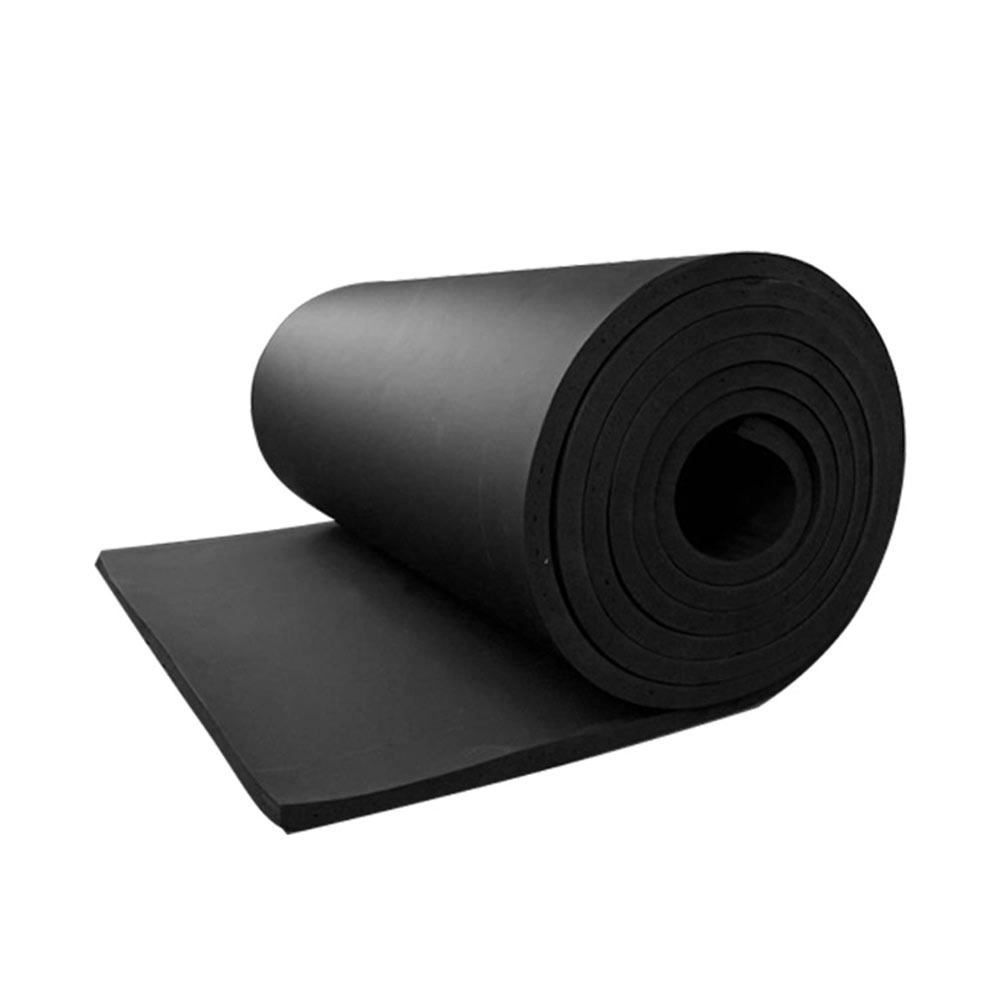
NBR Foam vs Other Acoustic Materials: Pros and Cons
How to manufacturing acoustic sound proof material
What is soundproofing material
FAQs
What industries are the products provided by ASLONG suitable for?
ASLONG's products are suitable for multiple industries, including air conditioning and HVAC, construction and waterproofing, automobiles and transportation, home appliances and electronics, industrial equipment and machinery, etc. We provide customized solutions for each industry to meet different needs.
How to customize products that meet the needs of my industry?
You only need to contact our sales or technical team, we will conduct an in-depth analysis based on your industry needs and provide tailor-made products and solutions. We guarantee to provide you with efficient and accurate services to meet your personalized requirements.
Do ASLONG's products meet environmental protection standards?
Yes, all ASLONG products comply with ISO14001 environmental management system certification and global environmental protection standards. We use environmentally friendly materials and are committed to providing sustainable solutions to help customers achieve green development goals.
Does ASLONG provide after-sales service?
Yes, we provide a full range of after-sales services, including technical support, installation guidance, product maintenance and quality tracking, etc., to ensure that each project goes smoothly and continues to perform at its best.
What specific functions can ASLONG's products provide?
Our products cover functions such as insulation, sound insulation, shock absorption, waterproofing and sealing, and are widely used in improving energy efficiency, reducing noise, controlling vibration, protecting equipment, etc., helping customers optimize engineering effects and improve user experience.
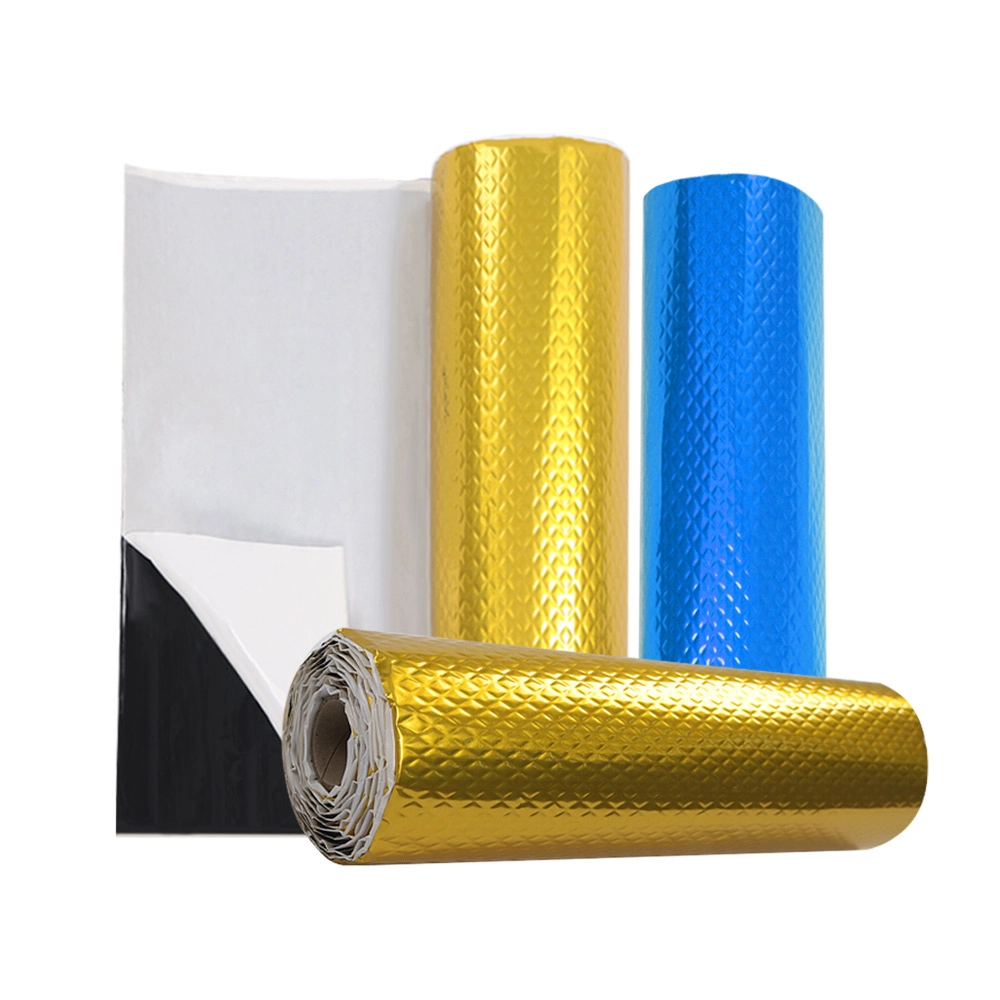
Butyl Rubber Sound Damping Mat
ASLONG Butyl Rubber Sound Damping Mat for sale. Effectively reduces noise and vibrations. High-quality butyl rubber ensures superior performance and durability. Ideal for automotive, industrial, and home applications.
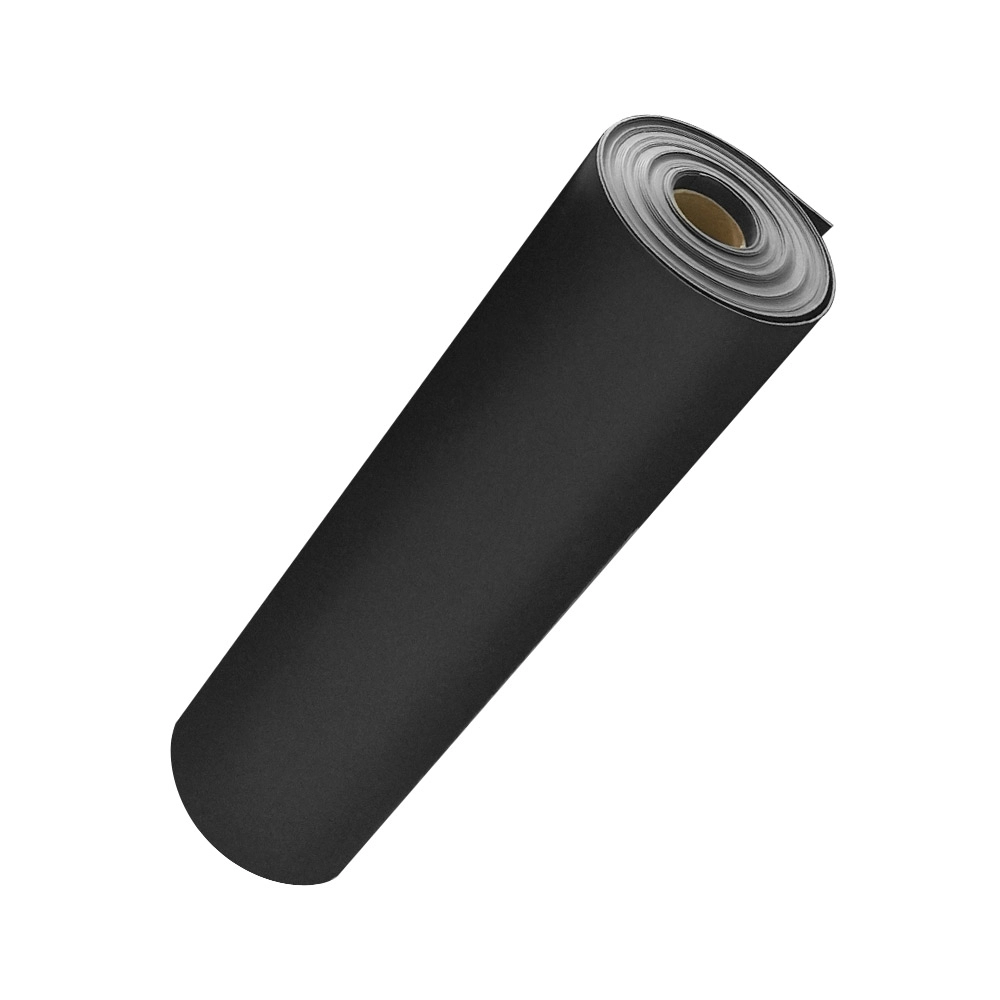
Mass Loaded Vinyl
ASLONG Mass Loaded Vinyl for sale. Reduce noise pollution effectively with our high-quality, mass-loaded vinyl. Ideal for soundproofing walls, floors, and more. Buy now and experience the difference!
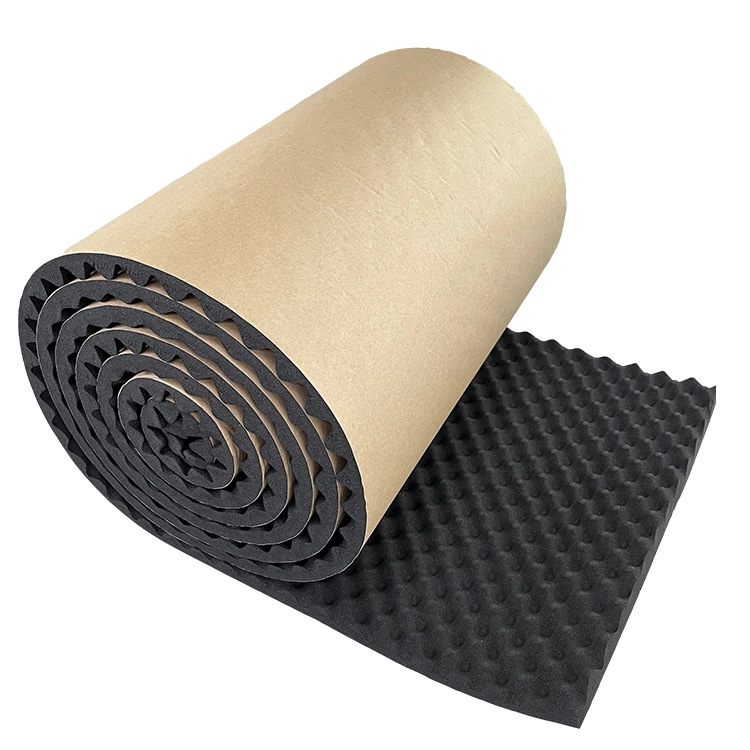
Egg Crate Foam
ASLONG Egg Crate Foam for sale. Lightweight, breathable, and comfortable, our egg crate foam provides superior support and pressure relief. Perfect for mattresses, cushions, cars, construction industry, KTV, factories, etc.
NBR Foam
ASLONG NBR Foam: Wholesale NBR foam solutions for diverse applications. High-quality, durable, and competitively priced. Contact us today for bulk orders.
Professional support at any time
If you have any comments or good suggestions, please leave us a message; later our professional staff will contact you as soon as possible.
© 2026 ASLONG All Rights Reserved. Privacy Policy | Terms and Conditions | Sitemap

 It would be pleasure to receive from you.
Whatsapp: +8613242879341
ASLONG Global
ASLONG
Aslong_global