

Optimizing Building Acoustics with Mass Loaded Vinyl
- Optimizing Building Acoustics with Mass Loaded Vinyl
- What is Mass Loaded Vinyl and why choose it for soundproofing?
- How Mass Loaded Vinyl works — principles for better building acoustics
- Key commercial consideration: Mass Loaded Vinyl for sale — selecting the right product
- Typical applications: where Mass Loaded Vinyl delivers the most value
- Installation methods for Mass Loaded Vinyl — best practices
- Performance expectations: what improvements are realistic with Mass Loaded Vinyl?
- Comparative data: common MLV options and expected effects
- Design tips: combining Mass Loaded Vinyl with other acoustic strategies
- Commercial product highlight: ASLONG Mass Loaded Vinyl
- Practical considerations: weight, health, and building code
- Case studies and realistic outcomes
- Why choose ASLONG Mass Loaded Vinyl — brand advantages for contractors and architects
- Cost vs. benefit: when Mass Loaded Vinyl is the right investment
- FAQ — Frequently Asked Questions about Mass Loaded Vinyl
- Q: How much STC improvement can I expect from installing MLV?
- Q: Is Mass Loaded Vinyl hazardous or does it contain lead?
- Q: Can MLV be used under flooring?
- Q: How do I seal seams and penetrations in MLV installations?
- Q: Can I install MLV myself?
- Contact ASLONG / View product
- References and sources
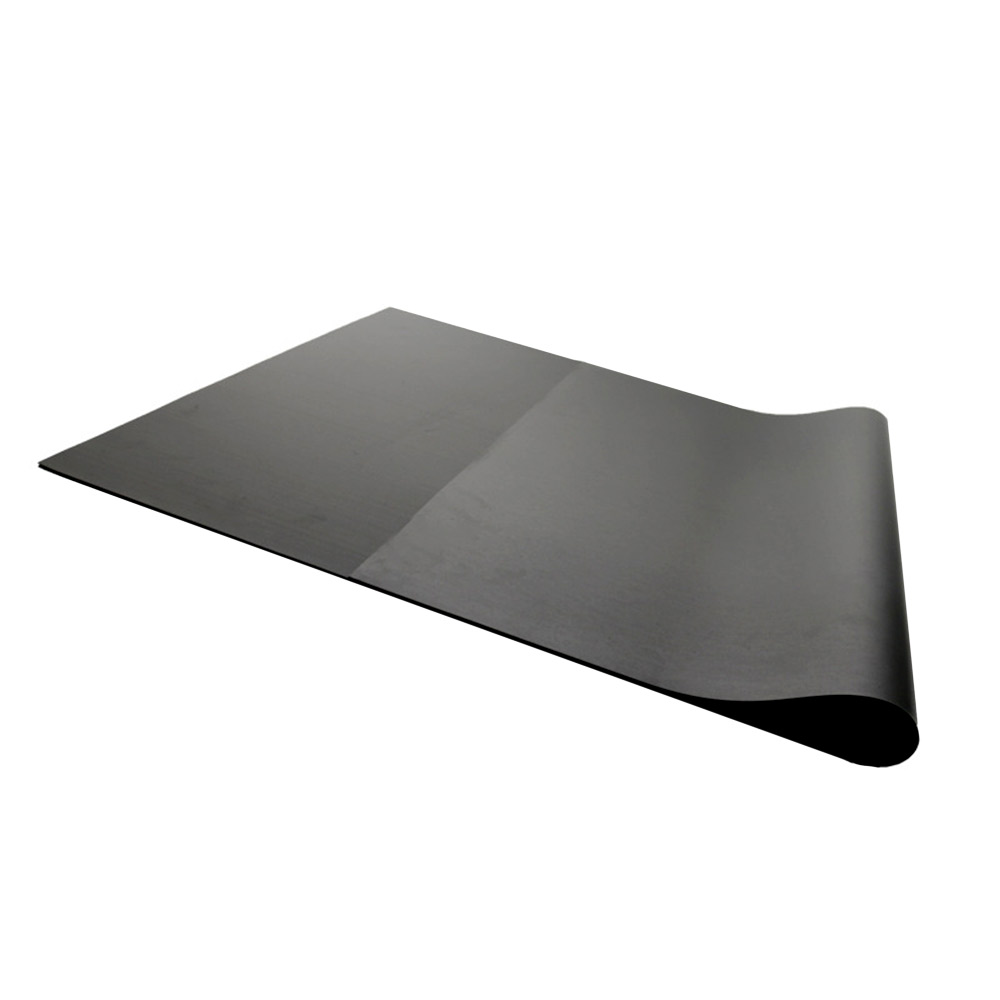
Optimizing Building Acoustics with Mass Loaded Vinyl
What is Mass Loaded Vinyl and why choose it for soundproofing?
Mass Loaded Vinyl (MLV) is a high-density, flexible material designed to add mass to building assemblies in order to reduce sound transmission. Because sound transmission through walls, floors, and ceilings is strongly influenced by the mass of the assembly (the mass law), adding a thin but heavy layer such as MLV is a highly efficient way to improve acoustic performance without major structural changes. Mass loaded vinyl is widely used in commercial and residential projects to control airborne noise (voices, music, traffic) and to complement other sound control products such as absorbers and decouplers.
How Mass Loaded Vinyl works — principles for better building acoustics
MLV works mainly by increasing mass and damping in a building assembly. The two core mechanisms are:
- Mass effect: Heavier assemblies vibrate less for a given incident sound pressure, so more sound energy is reflected rather than transmitted.
- Damping and decoupling: The viscoelastic properties of many MLV products help dissipate vibrational energy, reducing resonant transmission, especially when combined with resilient channels or isolation clips.
In practice, MLV rarely solves every acoustic problem alone. It is most effective when used as part of a layered approach—combining mass (MLV), absorption (mineral wool, fiberglass) and decoupling (resilient channels, clips) to address both airborne and structure-borne sound.
Key commercial consideration: Mass Loaded Vinyl for sale — selecting the right product
When shopping for Mass Loaded Vinyl, questions are frequently: What weight (lb/ft²) is needed? Is the product lead-free? How easy is installation? Typical options vary by mass per unit area (e.g., 1 lb/ft², 1.5 lb/ft², 2 lb/ft²). Higher mass generally yields better low-frequency performance but can be heavier and more costly. Choose an MLV product that balances performance with practical constraints of your project.
Typical applications: where Mass Loaded Vinyl delivers the most value
MLV is versatile. Common applications include:
- Interior walls and party walls between apartments or rooms.
- Floors and ceilings to reduce footfall and airborne noise between levels.
- Mechanical rooms and around HVAC ductwork to limit noise breakout.
- Renovation projects where adding significant wall thickness isn’t possible.
Because MLV is flexible, it can be wrapped around pipes, applied under flooring, or installed behind drywall. Its thin profile makes it ideal for retrofit projects where cavity space is limited.
Installation methods for Mass Loaded Vinyl — best practices
Proper installation determines how well Mass Loaded Vinyl performs. Key steps include:
- Sealing edges and overlaps: Acoustic performance depends on continuity. Overlap seams by a few inches and seal with acoustic caulk or specialized tape.
- Fastening: Use appropriate screws and washers, or hangers if attaching to ceilings. Ensure the MLV is mechanically secured but not stretched tight; slight slack helps performance.
- Layering: For walls, install MLV between drywall layers or behind a new sheet of drywall. For floors, install beneath underlayment or directly under floating floors depending on the system.
- Combination systems: Pairing MLV with absorptive insulation (e.g., mineral wool) and resilient mounting improves results across frequencies.
Example installation sequence for a retrofit wall: remove trim, apply acoustic sealant at perimeter, hang MLV with overlaps sealed, add a new layer of drywall, and reinstall trim. This minimizes disruption while delivering noticeable reductions in airborne noise.
Performance expectations: what improvements are realistic with Mass Loaded Vinyl?
MLV improves sound reduction, but the exact benefit depends on baseline construction, frequency range, and installation quality. Typical gains when adding a layer of MLV to an existing drywall partition are often in the range of several STC points (Sound Transmission Class), especially at mid-to-high frequencies. For low-frequency noise, thicker/heavier MLV or combination with decoupling is more effective.
Comparative data: common MLV options and expected effects
The table below summarizes typical MLV products and qualitative effects. Values are representative ranges; project-specific testing (ASTM E90 / ASTM E413 for STC) is recommended for precise design.
| MLV Type | Mass (lb/ft²) | Typical Thickness | Common Use | Expected Effect |
|---|---|---|---|---|
| Light MLV | ~0.5–1.0 | ~1.5–2 mm | Doors, cabinets, small gaps | Minor improvement, useful for mid-high frequencies |
| Standard MLV | ~1.0–1.5 | ~2–3 mm | Walls, ceilings, floors | Moderate improvement across many frequencies |
| Heavy MLV | ~1.5–2.0+ | ~3–5 mm | High-performance partitions, mechanical rooms | Best low-frequency reduction, higher cost and weight |
Sources: industry product data sheets and mass-law acoustics principles (see references at the end).
Design tips: combining Mass Loaded Vinyl with other acoustic strategies
To optimize building acoustics, use MLV as one element of an integrated design:
- Absorption: Fill cavities with mineral wool or fiberglass to reduce reverberant energy and mid/high frequency transmission.
- Decoupling: Use resilient channels or sound isolation clips to interrupt structural paths for vibration.
- Seal airtight: Gaps and flanking paths are often the weakest links. Use acoustic caulk around penetrations, outlets, and perimeter joints.
- Address flanking: Consider doors, windows, ducts and structural flanking channels—MLV can be applied to doors and ducts to improve overall system performance.
Commercial product highlight: ASLONG Mass Loaded Vinyl
ASLONG Mass Loaded Vinyl for sale. Reduce noise pollution effectively with our high-quality, mass-loaded vinyl. Ideal for soundproofing walls, floors, and more. Buy now and experience the difference!
ASLONG MLV is offered in multiple weights and widths to support a range of acoustic retrofit and new-construction applications. The product is manufactured to provide consistent mass, flexibility for installation, and compatibility with standard finishing materials. For commercial buyers, ASLONG supplies roll lengths suitable for on-site cutting and quick installation.
Practical considerations: weight, health, and building code
When specifying Mass Loaded Vinyl, consider three practical items:
- Weight handling: Heavier MLV options demand stronger fasteners and may increase dead load. Verify structural capacity for overhead installations.
- Material composition: Some older MLV products used lead for high density. Modern products, including ASLONG, typically use lead-free formulations for safety and regulatory compliance—confirm material data sheets.
- Fire and building codes: Confirm fire ratings and compliance with local building codes, especially for commercial projects. Some MLV products are treated to meet specific flame-spread requirements.
Case studies and realistic outcomes
Real-world projects show MLV producing meaningful gains when properly applied. Examples include:
- Multi-family renovations where adding an MLV layer and new drywall reduced neighbor noise complaints by lowering transmitted speech and music levels.
- Studio build-outs where heavy MLV behind wallboard contributed to tighter low-frequency control when combined with resilient hangers and bass trapping.
For accurate expectations, measure pre- and post-installation using standardized testing methods (STC, ASTM tests) or hire an acoustical consultant for critical projects.
Why choose ASLONG Mass Loaded Vinyl — brand advantages for contractors and architects
ASLONG emphasizes manufacturing consistency, product availability, and installer-friendly features. Brand advantages include:
- Range of weights and widths: Options for light retrofit to high-performance systems.
- Lead-free formulations: Safer handling and easier regulatory compliance in many jurisdictions.
- Quality control: Consistent mass per area ensures predictable acoustic performance.
- Support and logistics: Commercial roll sizes, technical data sheets, and installation guidance reduce on-site surprises and speed project timelines.
These advantages make ASLONG MLV attractive for architects, acoustic consultants, and contractors looking for a reliable mass layer that integrates with common construction practices.
Cost vs. benefit: when Mass Loaded Vinyl is the right investment
MLV is typically more cost-effective than rebuilding partitions or adding thick masonry to achieve similar sound reduction. The thin profile and relatively straightforward installation make it a compelling solution for:
- Retrofit apartments and condos where floor-to-ceiling height must be preserved.
- Commercial fit-outs requiring localized acoustic improvements (conference rooms, studios, server rooms).
- Projects with budget constraints that still demand measurable improvements in privacy and noise control.
Consider lifecycle costs: improved occupant satisfaction, fewer complaints, and reduced need for later retrofit work contribute to long-term value.
FAQ — Frequently Asked Questions about Mass Loaded Vinyl
Q: How much STC improvement can I expect from installing MLV?
A: Gains vary by assembly. Adding a properly installed MLV layer to an existing drywall partition often yields modest STC improvements (several points). For meaningful low-frequency reduction, combine MLV with decoupling and cavity absorption. For exact numbers, perform ASTM testing or consult an acoustical engineer.
Q: Is Mass Loaded Vinyl hazardous or does it contain lead?
A: Modern MLV products, including ASLONG, generally use lead-free formulations. Always check product safety data sheets (SDS) and material declarations for specific composition and handling guidance.
Q: Can MLV be used under flooring?
A: Yes. MLV can be installed under subfloor or underlayment for airborne noise control. For impact (footfall) noise, pair MLV with resilient underlay systems designed for impact isolation.
Q: How do I seal seams and penetrations in MLV installations?
A: Overlap seams by a few inches and seal with acoustic tape or high-quality acoustic caulk. Seal around electrical boxes, ductwork, and perimeter edges to maintain the mass barrier’s continuity.
Q: Can I install MLV myself?
A: Skilled DIYers can install MLV for small projects, but commercial installations or complex assemblies benefit from professional installers to ensure proper sealing, fastening, and integration with other acoustic components.
Contact ASLONG / View product
When optimizing building acoustics, take Mass Loaded Vinyl and moisture resistance properties into account, especially in humid or damp environments to prevent material degradation.Interested in trying Mass Loaded Vinyl on your project? Contact ASLONG for product specifications, pricing, and advice tailored to your building type. View product details and buy now to start reducing noise pollution: visit the ASLONG product page or reach out to our sales team for a quote and installation guidance.
References and sources
- Engineering Toolbox — Sound reduction and mass law: https://www.engineeringtoolbox.com/sound-reduction-d_711.
- Acoustical Surfaces — Mass Loaded Vinyl product information and typical performance: https://www.acousticalsurfaces.com
- ASTM standards overview — Sound Transmission Class (STC) testing: https://www.astm.org
- Industry product datasheets and manufacturer technical notes (general MLV specifications).
For project-specific guidance, consult an acoustical consultant or contact ASLONG technical support for detailed product literature and CAD/spec drawings.
What is Vinyl Electrical Tape
The B2B Buyer’s Guide to egg crate foam | ASLONG Ultimate Insights
How to start the cable repair products business ?
What is Car Sound Insulation
FAQs
What specific functions can ASLONG's products provide?
Our products cover functions such as insulation, sound insulation, shock absorption, waterproofing and sealing, and are widely used in improving energy efficiency, reducing noise, controlling vibration, protecting equipment, etc., helping customers optimize engineering effects and improve user experience.
What industries are the products provided by ASLONG suitable for?
ASLONG's products are suitable for multiple industries, including air conditioning and HVAC, construction and waterproofing, automobiles and transportation, home appliances and electronics, industrial equipment and machinery, etc. We provide customized solutions for each industry to meet different needs.
Do ASLONG's products meet environmental protection standards?
Yes, all ASLONG products comply with ISO14001 environmental management system certification and global environmental protection standards. We use environmentally friendly materials and are committed to providing sustainable solutions to help customers achieve green development goals.
How to customize products that meet the needs of my industry?
You only need to contact our sales or technical team, we will conduct an in-depth analysis based on your industry needs and provide tailor-made products and solutions. We guarantee to provide you with efficient and accurate services to meet your personalized requirements.
Does ASLONG provide after-sales service?
Yes, we provide a full range of after-sales services, including technical support, installation guidance, product maintenance and quality tracking, etc., to ensure that each project goes smoothly and continues to perform at its best.
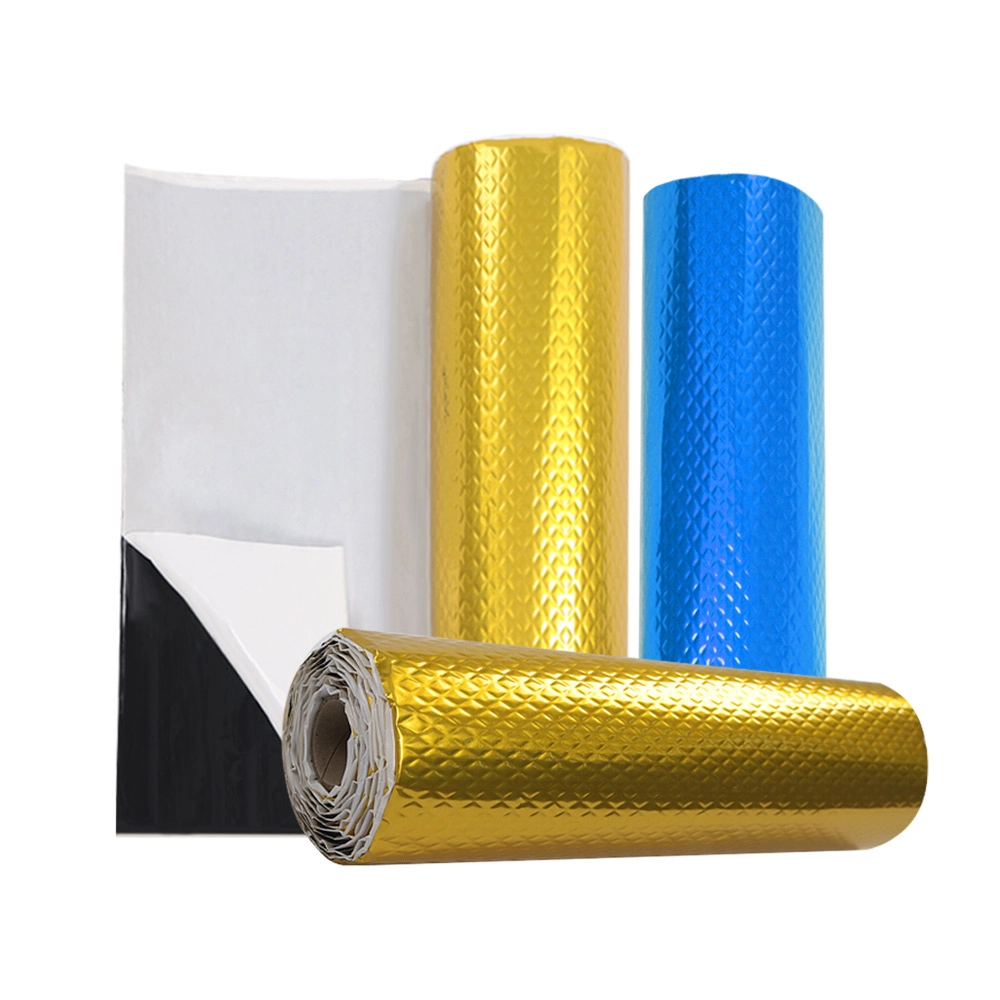
Butyl Rubber Sound Damping Mat
ASLONG Butyl Rubber Sound Damping Mat for sale. Effectively reduces noise and vibrations. High-quality butyl rubber ensures superior performance and durability. Ideal for automotive, industrial, and home applications.
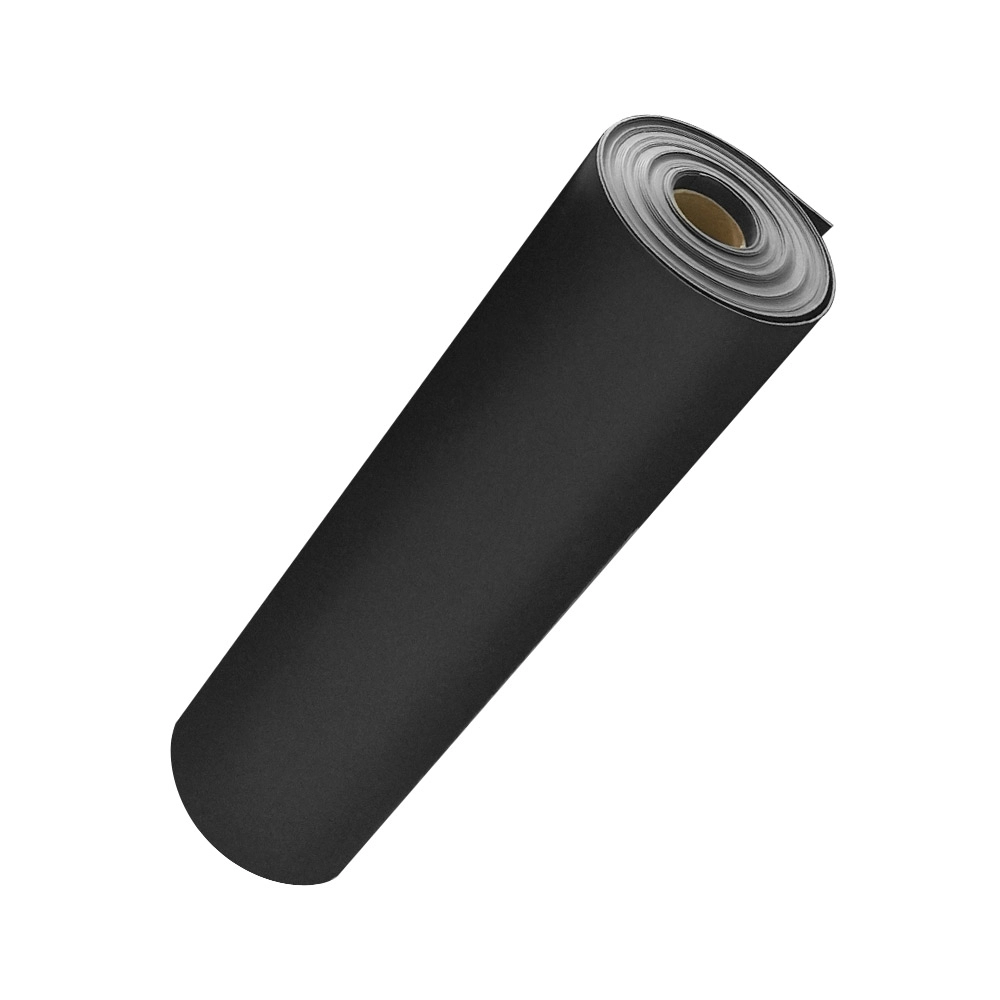
Mass Loaded Vinyl
ASLONG Mass Loaded Vinyl for sale. Reduce noise pollution effectively with our high-quality, mass-loaded vinyl. Ideal for soundproofing walls, floors, and more. Buy now and experience the difference!
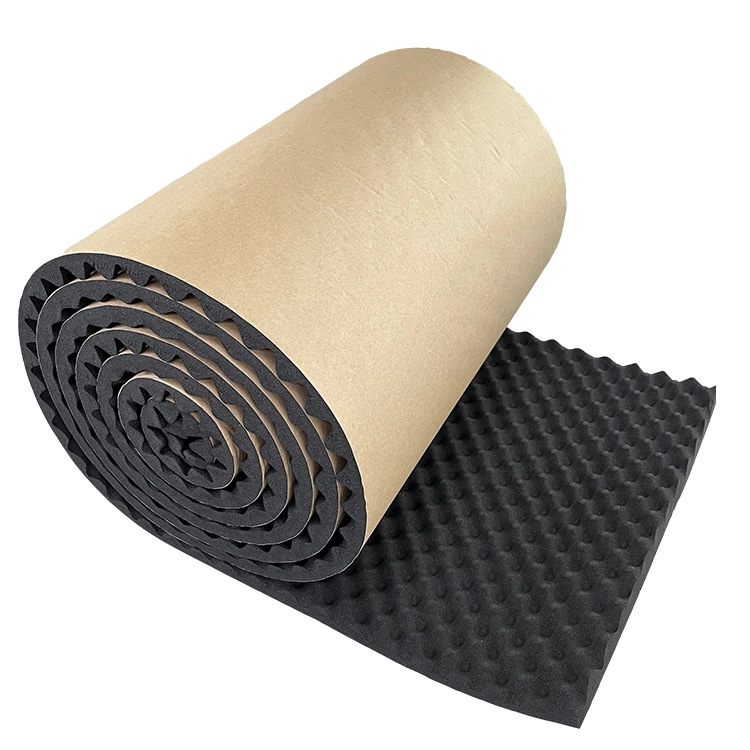
Egg Crate Foam
ASLONG Egg Crate Foam for sale. Lightweight, breathable, and comfortable, our egg crate foam provides superior support and pressure relief. Perfect for mattresses, cushions, cars, construction industry, KTV, factories, etc.
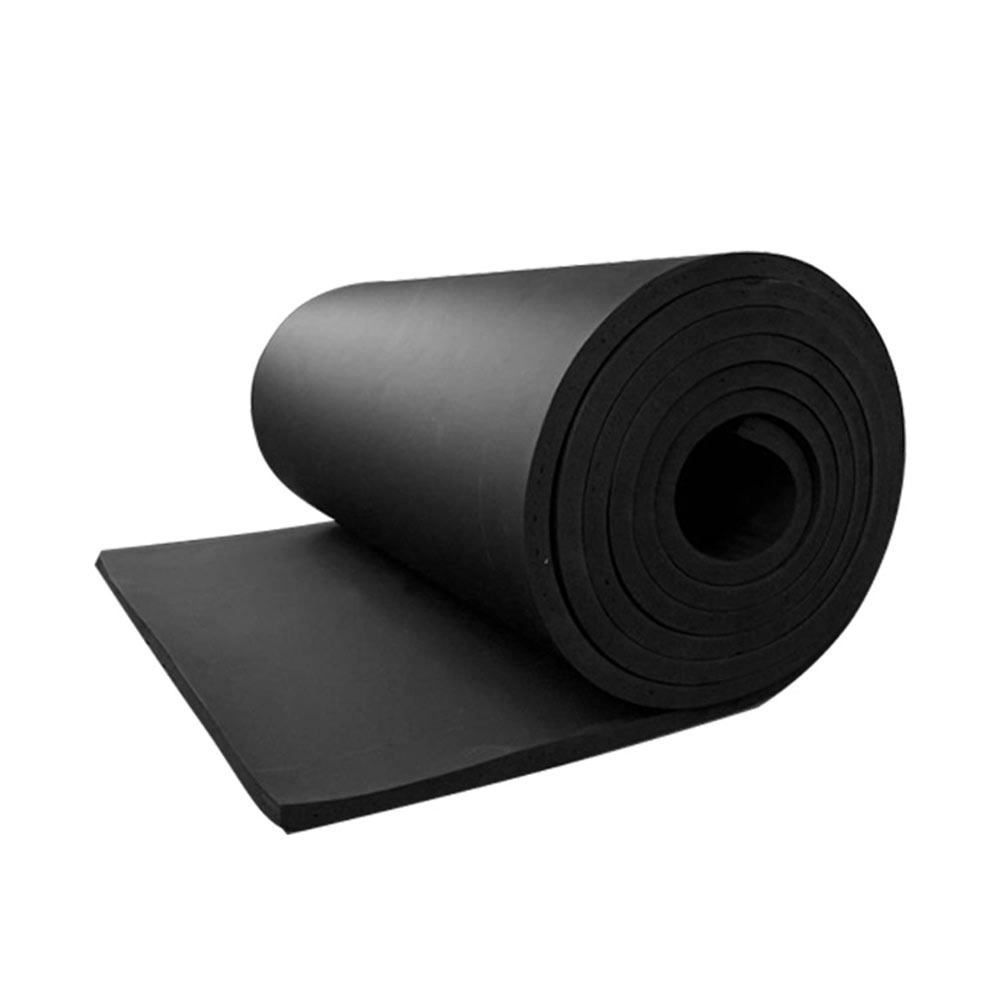
NBR Foam
ASLONG NBR Foam: Wholesale NBR foam solutions for diverse applications. High-quality, durable, and competitively priced. Contact us today for bulk orders.
Professional support at any time
If you have any comments or good suggestions, please leave us a message; later our professional staff will contact you as soon as possible.
© 2026 ASLONG All Rights Reserved. Privacy Policy | Terms and Conditions | Sitemap

 It would be pleasure to receive from you.
Whatsapp: +8613242879341
ASLONG Global
ASLONG
Aslong_global