

Best Hybrid Foams & MLV Combinations for Maximum Noise Control
- Why Hybrid Foam + MLV Works Better Than Single-Layer Solutions
- Principles of mass, absorption, and damping
- Complementary performance across the frequency spectrum
- Evidence from standards and guidance
- Top Hybrid Foam Types and How They Pair with Mass Loaded Vinyl
- Open-cell acoustic foam + MLV: when mid/high frequency control is primary
- Closed-cell isolation foam + MLV: for impact and structural noise
- Composite acoustic panels (foam core + constrained layer + MLV)
- Installation Strategies and Practical Tips for Maximum Noise Control
- Layering order and placement
- Sealing, flanks, and continuity
- Practical installation notes and safety
- Performance Comparisons and Selection Guide
- Which combinations give the best STC and NRC improvements?
- Cost vs. performance considerations
- When to consult an acoustician
- Practical Examples and Case Uses
- Home theater retrofit
- Apartment floor/ceiling separation
- Commercial office privacy
- FAQ
- What is the single most effective addition to improve my wall's STC quickly?
- Can I install MLV myself behind foam panels?
- Will foam alone reduce neighbors' noise?
- How do I choose the right foam density and thickness?
- Are there fire or building code concerns?
- References and Further Reading

This guide details proven hybrid systems that pair high-performance sound insulation foam with Mass Loaded Vinyl (MLV) to deliver maximum noise control in residential and commercial applications. It covers which foam types work best with MLV, how to layer materials for airborne and impact noise reduction, installation best practices, and realistic performance expectations backed by industry guidance and standards.
Why Hybrid Foam + MLV Works Better Than Single-Layer Solutions
Principles of mass, absorption, and damping
Effective noise control requires addressing several physical mechanisms: adding mass to block airborne noise, using porous materials to absorb mid-to-high frequencies, and applying damping layers to reduce structure-borne vibration. Mass Loaded Vinyl (MLV) provides the high surface mass needed to raise transmission loss, while sound insulation foam (acoustic foam or closed-cell isolation foam) attenuates reflections and reduces reverberation. When combined, the hybrid system handles broadband noise much more effectively than either material alone.
Complementary performance across the frequency spectrum
Acoustic foam excels at absorbing mid-to-high frequencies (often measured by NRC — Noise Reduction Coefficient), whereas low-frequency energy (bass) requires mass and decoupling to control. MLV increases the system's sound transmission class (STC) at low and mid frequencies by adding mass and damping. Pairing foam panels with MLV therefore produces a wider band of control, improving perceived quietness in rooms, studios, mechanical spaces, and adjacent living areas.
Evidence from standards and guidance
Standards and guidance on airborne sound reduction (for example, ISO 717) and public-health noise recommendations (see the WHO Environmental Noise Guidelines) emphasize the importance of reducing both high- and low-frequency noise for occupant health and comfort. Hybrid approaches that combine mass (like MLV) with absorptive layers are widely recommended in professional acoustics literature and building practices.
Top Hybrid Foam Types and How They Pair with Mass Loaded Vinyl
Open-cell acoustic foam + MLV: when mid/high frequency control is primary
Open-cell acoustic foam panels (pyramidal, wedge, or egg-crate profiles) are commonly used to reduce reflections and flutter echo in rooms. When you apply an MLV barrier behind foam panels (for example, foam on the room side and MLV laminated to the stud or drywall), the foam reduces reverberation while the MLV stops sound transfer through partitions. This pairing is ideal for recording rooms, home theaters, and office spaces where clarity and privacy are both necessary.
Closed-cell isolation foam + MLV: for impact and structural noise
Closed-cell neoprene or polyethylene foam provides mechanical decoupling and vibration isolation. Combining closed-cell isolation strips or pads with MLV on floors or suspended ceilings reduces impact noise (footfall) and structure-borne transmission. This hybrid is a strong choice for multi-story apartments, gyms, and industrial settings where impact and low-frequency vibration dominate.
Composite acoustic panels (foam core + constrained layer + MLV)
High-performance composite panels layer absorptive foam, a constrained-layer damping compound, and MLV to deliver both absorption and mass in a single factory panel. These engineered hybrids are used in demanding environments (broadcast, institutional, and industrial) where space is limited but high STC/NRC performance is required.
Installation Strategies and Practical Tips for Maximum Noise Control
Layering order and placement
For walls, a common effective sequence from the noise source to the receiving room is: drywall -> resilient channel (or decoupling system) -> MLV -> cavity insulation (fiberglass or mineral wool) -> interior drywall -> foam treatment in the receiving room. This arrangement uses MLV as a continuous mass barrier, cavity insulation for absorption inside the stud bay, and foam for final room treatment and speech intelligibility.
Sealing, flanks, and continuity
Small gaps ruin MLV performance. For best results ensure continuous coverage with overlapping seams sealed using acoustic sealant or specialized seam tape. Address flanking paths (ceilings, ventilation ducts, windows) because sound often bypasses treated partitions. Use door seals, acoustic thresholds, and duct liners to maintain system integrity.
Practical installation notes and safety
MLV is heavy and requires secure fastening—mechanical fasteners plus acoustic sealant at edges are standard practice. When installing foam panels, avoid trapping moisture; open-cell foam should not create vapor barriers where condensation may form. Follow manufacturer instructions for fire ratings and adhesives. For guidance on material fire performance and building codes consult local building officials and relevant standards.
Performance Comparisons and Selection Guide
Which combinations give the best STC and NRC improvements?
Below is a practical comparison of common hybrid pairings. Values are approximate and will depend on specific construction, layer thicknesses, and installation quality. Use them as selection guidance and always test or model assemblies for critical projects.
| Hybrid System | Typical MLV Weight | Estimated STC Gain | NRC (absorption) | Best Use |
|---|---|---|---|---|
| Open-cell acoustic foam + 1 lb/ft² MLV | 1 lb/ft² (≈4.9 kg/m²) | +8 to +14 STC | 0.6–0.95 (with foam panels) | Stud walls, home theaters, studios |
| Closed-cell isolation foam (floor pads) + 1.5 lb/ft² MLV | 1.5 lb/ft² (≈7.3 kg/m²) | +10 to +16 STC (floor-ceiling assemblies) | 0.2–0.5 (floor impact focus) | Multi-family floors, gyms |
| Composite foam panel (foam + CLD) + 2 lb/ft² MLV | 2 lb/ft² (≈9.8 kg/m²) | +12 to +20 STC | 0.7–1.0 | Broadcast, critical rooms, retrofit where space limited |
Notes: STC gains are cumulative but subject to diminishing returns if flanking paths are untreated. For reference on airborne sound classification and measurement, see Sound Transmission Class (STC) and relevant ISO standards such as ISO 717.
Cost vs. performance considerations
MLV is cost-effective compared with building thicker masonry walls but is heavier than many other membrane solutions. Acoustic foam is relatively inexpensive and delivers strong room treatment per dollar, but alone it does little to stop transmission. Budget-conscious projects often use MLV selectively (e.g., on common walls or ceilings) and apply foam treatments in occupied rooms to balance cost and performance.
When to consult an acoustician
If you must meet strict regulatory or contractual noise limits, have complex flanking paths, or need low-frequency control in critical studios, consult a qualified acoustical engineer. Modeling and laboratory-tested wall/ceiling assemblies give the most reliable predictions for STC and impact insulation class (IIC).
Practical Examples and Case Uses
Home theater retrofit
Strategy: MLV affixed to studs behind new drywall, cavity filled with mineral wool, resilient channel on the receiving side, and acoustic foam panels inside the theater for reflections. Result: improved bass isolation to adjacent rooms and controlled mid/high frequencies for clean sound reproduction.
Apartment floor/ceiling separation
Strategy: Closed-cell isolation pads under floating floors + MLV layer under finished flooring + acoustic underlayment. Result: reduced footfall transmission and better tenant comfort; combine with sealing around penetrations for full effect.
Commercial office privacy
Strategy: MLV laminated to partition studs before drywall with absorptive foam panels in open-plan zones to reduce both speech transmission and open-space reverberation. Result: measurable increase in speech privacy and occupant productivity.
FAQ
What is the single most effective addition to improve my wall's STC quickly?
Adding Mass Loaded Vinyl (MLV) with properly sealed seams and continuous coverage is one of the most efficient single upgrades to increase STC without major structural changes. Pairing it with cavity insulation and resilient attachments yields the best result.
Can I install MLV myself behind foam panels?
Yes, DIY installation is possible but requires careful handling. MLV is heavy and must be mechanically fastened or adhered per manufacturer instructions. Ensure seams are sealed and that you account for flanking paths. For complex penetrations or large projects consult a pro.
Will foam alone reduce neighbors' noise?
No. Foam primarily reduces reflections inside a room and improves acoustic comfort; it has limited effect on noise transmission through walls. For neighbor noise reduction use mass (MLV), decoupling, and cavity insulation in addition to foam.
How do I choose the right foam density and thickness?
Choose open-cell foam for mid/high frequency absorption and thicker panels (2–4) for greater broadband absorption. For structure or impact isolation, choose closed-cell foam pads designed for load-bearing and vibration isolation. Match the foam type to the dominant noise source and the hybrid strategy with MLV.
Are there fire or building code concerns?
Yes. Some foams are flammable or produce toxic smoke. Always verify fire ratings, choose materials with appropriate certifications for your application, and follow local building codes. For regulated buildings consult authorities or an acoustical engineer.
References and Further Reading
- Mass-loaded vinyl - Wikipedia
- Sound Transmission Class (STC) - Wikipedia
- ISO 717 — Ratings of sound insulation
- WHO Environmental Noise Guidelines
Product highlight:
ASLONG Mass Loaded Vinyl for sale. Reduce noise pollution effectively with our high-quality, mass-loaded vinyl. Ideal for soundproofing walls, floors, and more. Buy now and experience the difference!
For pricing, technical datasheets, or to order samples of Mass Loaded Vinyl and compatible sound insulation foam, contact our team or view the product page now. Our experts can recommend the best hybrid assembly for your project and provide installation guidance.
Tips for buy sound deadening material
The B2B Buyer’s Guide to butyl waterproof tape | ASLONG Ultimate Insights
How to manufacturing butyl waterproof tape
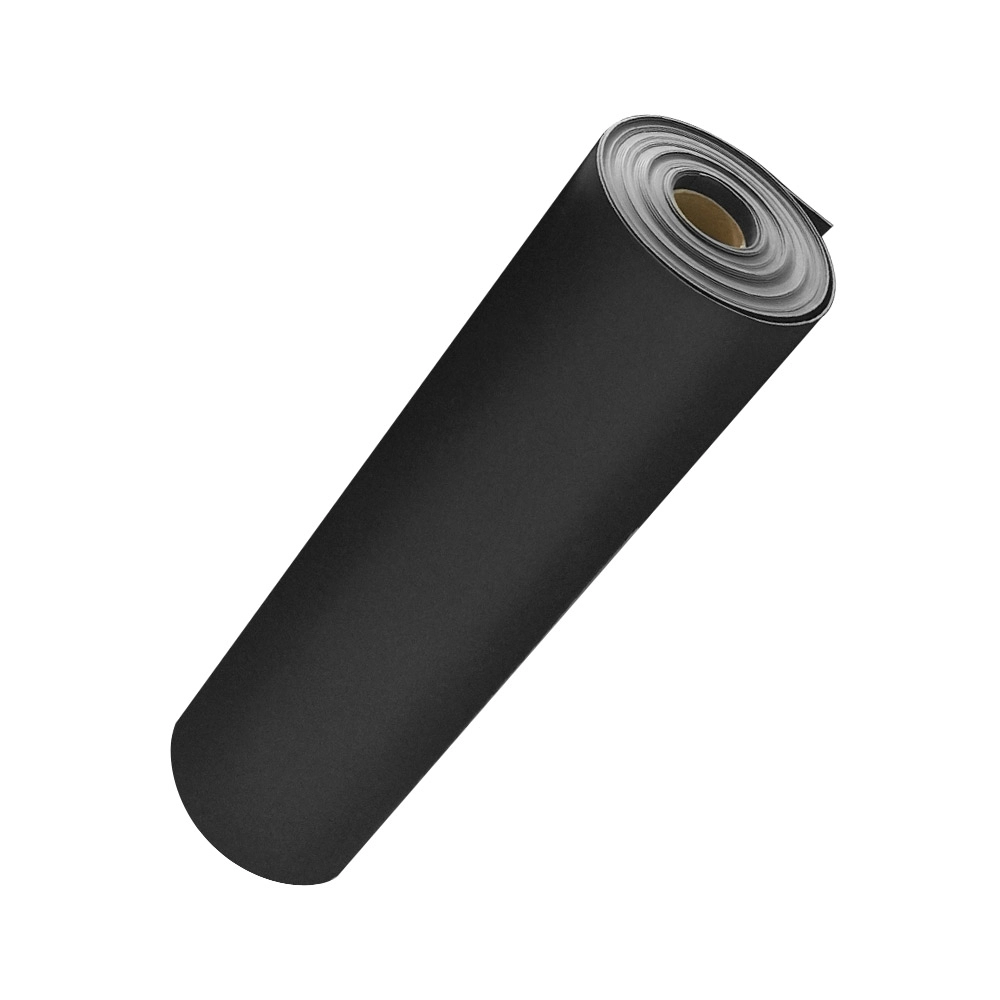
Top 10 Chinese Sound Insulation Foam & MLV Manufacturers
FAQs
Do ASLONG's products meet environmental protection standards?
Yes, all ASLONG products comply with ISO14001 environmental management system certification and global environmental protection standards. We use environmentally friendly materials and are committed to providing sustainable solutions to help customers achieve green development goals.
What industries are the products provided by ASLONG suitable for?
ASLONG's products are suitable for multiple industries, including air conditioning and HVAC, construction and waterproofing, automobiles and transportation, home appliances and electronics, industrial equipment and machinery, etc. We provide customized solutions for each industry to meet different needs.
What specific functions can ASLONG's products provide?
Our products cover functions such as insulation, sound insulation, shock absorption, waterproofing and sealing, and are widely used in improving energy efficiency, reducing noise, controlling vibration, protecting equipment, etc., helping customers optimize engineering effects and improve user experience.
Does ASLONG provide after-sales service?
Yes, we provide a full range of after-sales services, including technical support, installation guidance, product maintenance and quality tracking, etc., to ensure that each project goes smoothly and continues to perform at its best.
How to customize products that meet the needs of my industry?
You only need to contact our sales or technical team, we will conduct an in-depth analysis based on your industry needs and provide tailor-made products and solutions. We guarantee to provide you with efficient and accurate services to meet your personalized requirements.
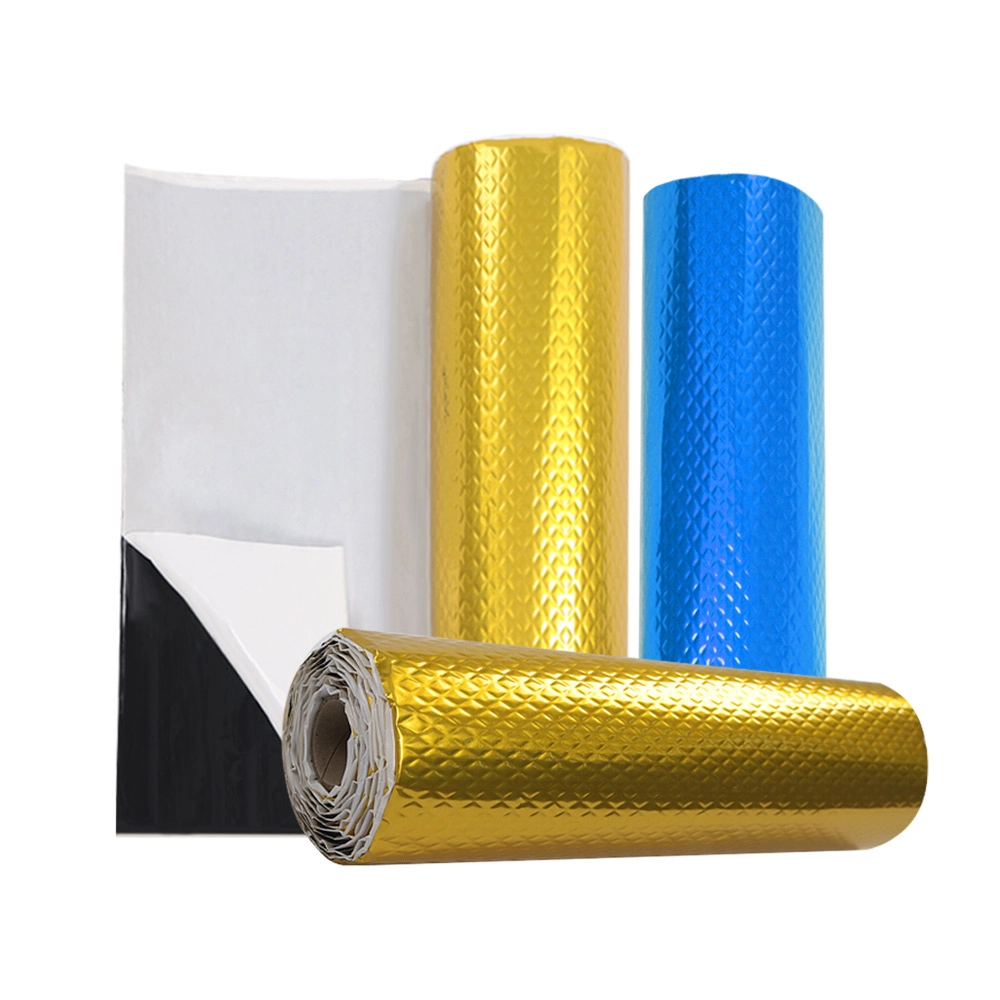
Butyl Rubber Sound Damping Mat
ASLONG Butyl Rubber Sound Damping Mat for sale. Effectively reduces noise and vibrations. High-quality butyl rubber ensures superior performance and durability. Ideal for automotive, industrial, and home applications.
Mass Loaded Vinyl
ASLONG Mass Loaded Vinyl for sale. Reduce noise pollution effectively with our high-quality, mass-loaded vinyl. Ideal for soundproofing walls, floors, and more. Buy now and experience the difference!
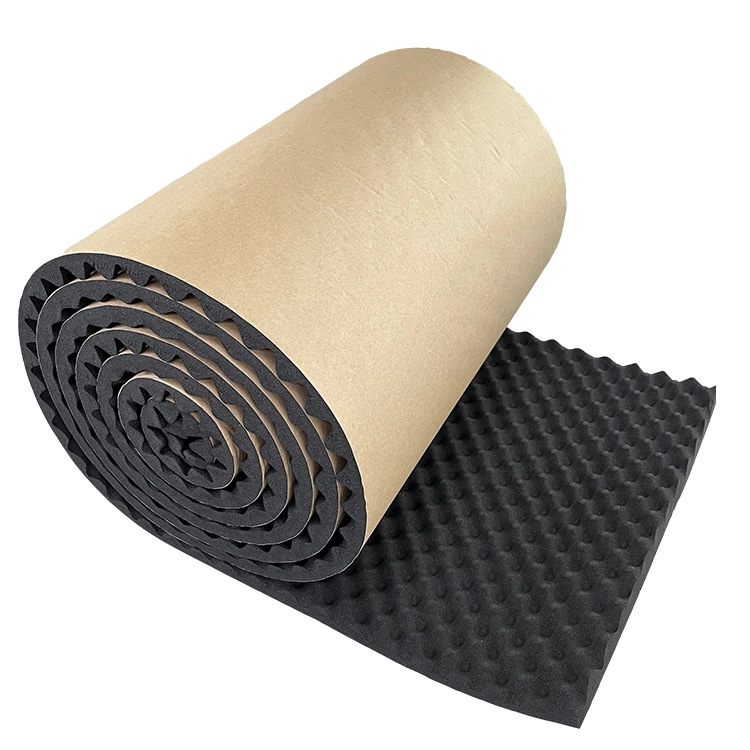
Egg Crate Foam
ASLONG Egg Crate Foam for sale. Lightweight, breathable, and comfortable, our egg crate foam provides superior support and pressure relief. Perfect for mattresses, cushions, cars, construction industry, KTV, factories, etc.
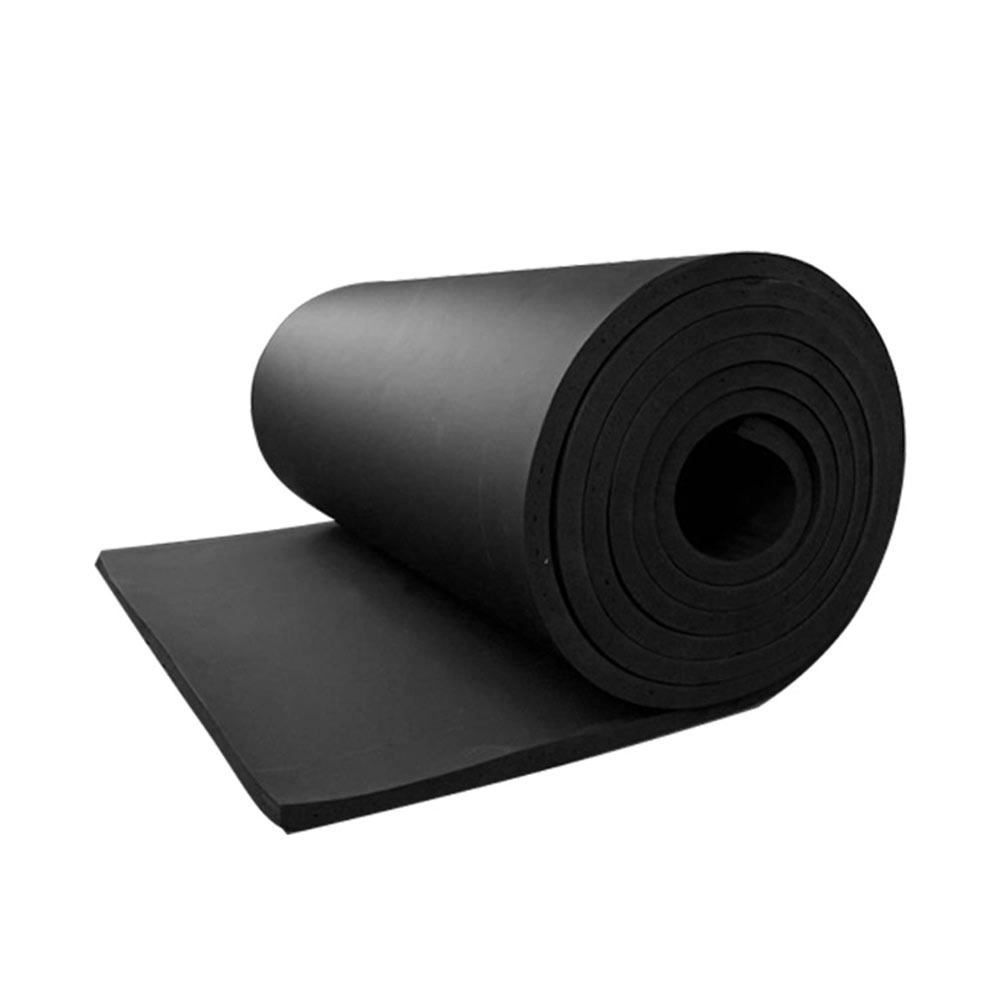
NBR Foam
ASLONG NBR Foam: Wholesale NBR foam solutions for diverse applications. High-quality, durable, and competitively priced. Contact us today for bulk orders.
Professional support at any time
If you have any comments or good suggestions, please leave us a message; later our professional staff will contact you as soon as possible.
© 2026 ASLONG All Rights Reserved. Privacy Policy | Terms and Conditions | Sitemap

 It would be pleasure to receive from you.
Whatsapp: +8613242879341
ASLONG Global
ASLONG
Aslong_global