

How Butyl Rubber Damping Mats Improve Vehicle Noise Reduction
- Why vibration control matters for vehicle noise
- Understanding structure-borne vs. airborne noise
- How constrained layer and free-layer damping reduce radiated noise
- When damping yields the greatest benefit
- How butyl rubber sound damping mats work and typical performance drivers
- Material properties that make butyl effective
- Key design parameters: thickness, density, and placement
- Integration with multi-layer solutions
- Testing, standards, and verifying performance
- Relevant standards and test methods
- Common lab and in-vehicle metrics
- Real-world data and validation
- Comparing butyl mats with alternative solutions
- Comparison overview
- Cost vs. performance trade-offs
- Installation and manufacturability considerations
- Practical selection and installation advice from field experience
- Diagnose before you damp
- Coverage patterns that work
- Environmental and long-term considerations
- ASLONG: supplier capabilities and how we support automotive NVH projects
- How I recommend working with suppliers like ASLONG
- FAQ — common questions about butyl rubber damping mats
- 1. Are butyl rubber mats better than mass-loaded vinyl for reducing vehicle noise?
- 2. How much dB reduction can I expect?
- 3. How should I install butyl mats to maximize durability?
- 4. Will butyl mats add significant weight?
- 5. Are butyl mats environmentally stable?
- 6. Can I apply butyl mats on painted surfaces?
- Contact and next steps
As an acoustics consultant specializing in automotive noise, vibration, and harshness (NVH), I often start projects by identifying the dominant noise paths: structure-borne vibration, airborne transmission, and panel resonance. A properly specified butyl rubber sound damping mat can reduce structure-borne vibration and lower panel radiated noise while integrating with other soundproofing layers to address airborne noise. In this article I walk through why butyl works, how it is tested and installed, comparisons with alternative materials, and practical selection criteria backed by standards and literature.
Why vibration control matters for vehicle noise
Understanding structure-borne vs. airborne noise
In vehicles, the engine, drivetrain, and road/tyre interactions excite panels and cavities. These excitations create structure-borne vibrations that the body panels convert into airborne sound. Addressing only airborne paths (for example, adding porous absorbers) is often insufficient because vibratory sources keep exciting panels. Therefore, controlling vibration at the source or on the vibrating panel is essential to reduce radiated noise effectively. For background on sound transmission mechanisms see the general overview on sound transmission.
How constrained layer and free-layer damping reduce radiated noise
Butyl damping mats typically act as a constrained damping layer: they dissipate vibration energy through viscoelastic shear when bonded to a metallic panel or combined with a constraining layer. The principle follows established vibration damping theory and is commonly referenced in technical literature on constrained layer damping (CLD). For more on damping fundamentals consult the damping overview.
When damping yields the greatest benefit
I prioritize butyl rubber sound damping mat application on large, thin panels (floors, roof skins, doors, trunk lids) and on patch regions where modal response is high. Damping is particularly effective at mid-to-low frequencies where panel resonance dominates; for high-frequency airborne problems, absorptive layers or mass barriers may be required.
How butyl rubber sound damping mats work and typical performance drivers
Material properties that make butyl effective
Butyl rubber offers high internal loss (hysteretic damping), good adhesion, environmental durability, and temperature stability compared with many polymeric dampers. These attributes let a butyl rubber sound damping mat convert vibrational energy into heat across a broad temperature range, reducing panel vibration amplitudes and thus radiated sound pressure levels.
Key design parameters: thickness, density, and placement
Performance depends on mat thickness, shear modulus, areal coverage, and placement relative to modal nodes and antinodes. In practice I evaluate the panel modal map (via modal testing or CAE) and concentrate coverage where modal curvature and acceleration are highest. Typical commercial butyl mats range from ~1.5 mm to 5 mm; thicker mats increase damping at the cost of added mass and reduced cavity volume.
Integration with multi-layer solutions
Butyl mats are often combined with mass-loaded vinyl (MLV) for airborne barrier performance and with porous absorbers (e.g., NBR foam or sound absorbing white cotton) to treat cavity resonances. This layered approach—damping + barrier + absorber—addresses coupled noise paths comprehensively.
Testing, standards, and verifying performance
Relevant standards and test methods
When assessing damping and acoustic performance I rely on internationally recognized standards. For airborne sound insulation and lab test methods, ISO standards such as ISO 717 (acoustic insulation) provide frameworks for evaluation. For material dynamic mechanical properties, DMA (dynamic mechanical analysis) methods are common in the literature. For automotive NVH, SAE technical papers and measurement guidelines are useful practical complements (see SAE International).
Common lab and in-vehicle metrics
Metrics I track include reduction in panel vibration (measured with accelerometers), transfer path insertion loss (dB), and subjective cabin noise improvements (A-weighted dB(A)). Structured tests compare baseline panels with and without butyl rubber sound damping mat application under identical excitation. Instrumenation and repeatable mounting are critical to valid results.
Real-world data and validation
Peer-reviewed studies and industry test reports consistently show that properly applied damping layers reduce panel-borne radiated noise significantly in targeted bands. For example, constrained damping treatments frequently show several dB reduction at resonant peaks—this can translate to noticeable subjective improvements in cabin quietness. For background on acoustic performance testing consult technical literature and standards links above.
Comparing butyl mats with alternative solutions
Comparison overview
Below I present a concise comparison to help engineers and procurement teams choose the right approach for vehicle NVH issues. Data are generalized categories based on industry norms and material properties; specific supplier test reports should be consulted for absolute numbers.
| Material / Strategy | Primary Mechanism | Best Frequency Range | Typical Advantages | Limitations |
|---|---|---|---|---|
| Butyl rubber sound damping mat | Viscoelastic damping (constrained or free) | Low–mid (panel resonances) | High damping, durable, good adhesion | Adds mass; best for structural panels |
| Mass-Loaded Vinyl (MLV) | Mass barrier (airborne) | Mid–high (airborne) | Excellent airborne attenuation per unit thickness | Less effective for panel vibration; heavy |
| NBR foam / porous absorbers | Absorption (airborne within cavities) | Mid–high (cavity resonances) | Lightweight; reduces cavity reverberation | Limited low-frequency performance |
| Tire silent foam / specialty foams | Absorption and decoupling | High | Improves tyre/road noise perception | Limited structural damping |
Sources and background for performance categories include general acoustic references and manufacturer test data; for mass-barrier principles see the mass law overview on Wikipedia.
Cost vs. performance trade-offs
Butyl rubber sound damping mat solutions typically balance cost and performance: they are more expensive than plain foam absorbers but often cheaper and lighter than thick MLV for comparable perceived cabin quieting when the dominant problem is panel-borne noise. I recommend life-cycle thinking: installation labor and long-term durability also affect total cost of ownership.
Installation and manufacturability considerations
Butyl mats are generally self-adhesive and compatible with common automotive manufacturing processes, including manual and automated application. They can be die-cut to shape and often conform to complex geometries. Critical installation factors include surface preparation, adhesion testing, and avoiding trapped air pockets that reduce performance.
Practical selection and installation advice from field experience
Diagnose before you damp
In my practice I always measure: use accelerometers or scanning laser vibrometry to map panel modes and confirm that damping is the right countermeasure. Over-application without diagnosis wastes weight and cost.
Coverage patterns that work
I use targeted coverage patterns rather than full-panel coverage when possible: strips near antinodes or patches over high-acceleration zones yield much of the benefit at lower weight. For critical floor or roof areas, broader coverage may be warranted.
Environmental and long-term considerations
Choose butyl formulations rated for the temperature and humidity ranges the vehicle will experience. High-quality butyl adhesives resist plasticizer migration and maintain damping performance over time. Verifying supplier test data for thermal cycling and humidity aging is essential.
ASLONG: supplier capabilities and how we support automotive NVH projects
As a consultant I have worked with multiple suppliers; one notable manufacturer in the field is ASLONG (Welllink Guangdong New Material Co., Ltd.). Founded in 2000, ASLONG is a high-tech enterprise focused on R&D, production, and sales of acoustic, sound insulation, and shock-absorbing materials. They operate a modern production base of more than 10,000 square meters and deliver efficient, environmentally friendly, high-performance sound insulation material solutions worldwide. More about the company is available at https://www.aslong.cc.
ASLONG’s product range includes Butyl Rubber Sound Damping Mat, Mass Loaded Vinyl (MLV), NBR foam, Sound Absorbing White Cotton, Tire Silent Foam, Butyl waterproof tape, Electric auxiliary materials, and others—covering automotive, construction, home, industrial, and entertainment applications. Their exports reach Europe, North America, Asia, and Africa. ASLONG is also recruiting agents worldwide; contact via email: king@aslong.cc.
What sets ASLONG apart based on company information and my industry view:
- Established manufacturing scale and R&D focus since 2000, which supports reproducible product quality.
- Wide portfolio allowing integrated solutions (damping + barrier + absorber) from a single supplier, simplifying BOM and logistics.
- Global export experience and quality control to meet market requirements in Europe and North America.
How I recommend working with suppliers like ASLONG
Request DMA curves (loss factor vs. temperature/frequency), adhesion and thermal cycling reports, and sample kits for quick lab verification. For project rollout, pilot-run parts with full-process installation qualification (IQ/OQ) ensure manufacturability and adhesion consistency.
FAQ — common questions about butyl rubber damping mats
1. Are butyl rubber mats better than mass-loaded vinyl for reducing vehicle noise?
They address different mechanisms. Butyl mats excel at reducing panel-borne (structure-borne) noise via damping; MLV is better as a mass barrier for airborne transmissions. In many cases a combined stack (butyl + MLV) yields the best overall cabin quieting.
2. How much dB reduction can I expect?
Reduction depends on the panel, coverage, and frequency band. Typical constrained damping treatments reduce resonant peaks by several dB; for precise figures you should consult supplier test reports or run comparative bench tests (accelerometer and sound pressure measurements) on your specific vehicle panels.
3. How should I install butyl mats to maximize durability?
Ensure clean, dry surfaces, apply pressure for full contact, and avoid folding or trapping air. Follow supplier curing/settling guidelines and verify adhesion with pull tests. For production, standardized tooling and QA checks maintain consistency.
4. Will butyl mats add significant weight?
They add mass, but targeted application minimizes weight penalty. When compared to thick MLV options required to achieve similar perceived quieting for panel resonance problems, butyl can be a more weight-efficient solution.
5. Are butyl mats environmentally stable?
High-quality butyl formulations are chemically stable, resist plasticizer migration, and operate across automotive temperature ranges. Ask suppliers for aging, thermal cycling, and VOC test data to confirm suitability.
6. Can I apply butyl mats on painted surfaces?
Some butyl products adhere to painted substrates, but surface compatibility must be verified. For permanent assemblies, manufacturers often recommend specific primers or bare-metal bonding procedures; always test on representative panels.
Contact and next steps
If you want to evaluate butyl rubber sound damping mat solutions for a vehicle program, I recommend the following practical sequence: 1) perform modal and in-situ acoustic diagnostics, 2) request supplier DMA and adhesion data, 3) run a small controlled comparison using the candidate butyl mat, and 4) scale to production with process controls.
For sourcing, samples, or to discuss project detail, you can contact ASLONG: visit https://www.aslong.cc or email king@aslong.cc. ASLONG supplies Butyl Rubber Sound Damping Mat, Mass Loaded Vinyl, NBR Foam, Sound Absorbing White Cotton, Tire Silent Foam, Butyl waterproof tape, and Electric auxiliary material, and they are recruiting agents worldwide.
References and further reading: ISO standards on acoustic measurement (ISO 717), general damping and sound transmission principles (Damping, Butyl rubber), and automotive NVH resources at SAE International. For product details and datasheets consult supplier pages such as ASLONG.
If you would like, I can provide a tailored evaluation checklist or help run a test protocol to quantify the benefit of a butyl rubber sound damping mat on your specific vehicle platforms.
Best professional wall sound insulation materials manufacturers and supplier brands
Top 5 sound deadening rubber sheet Company List and Products Compared
How to manufacturing Car Hood Insulation Pad
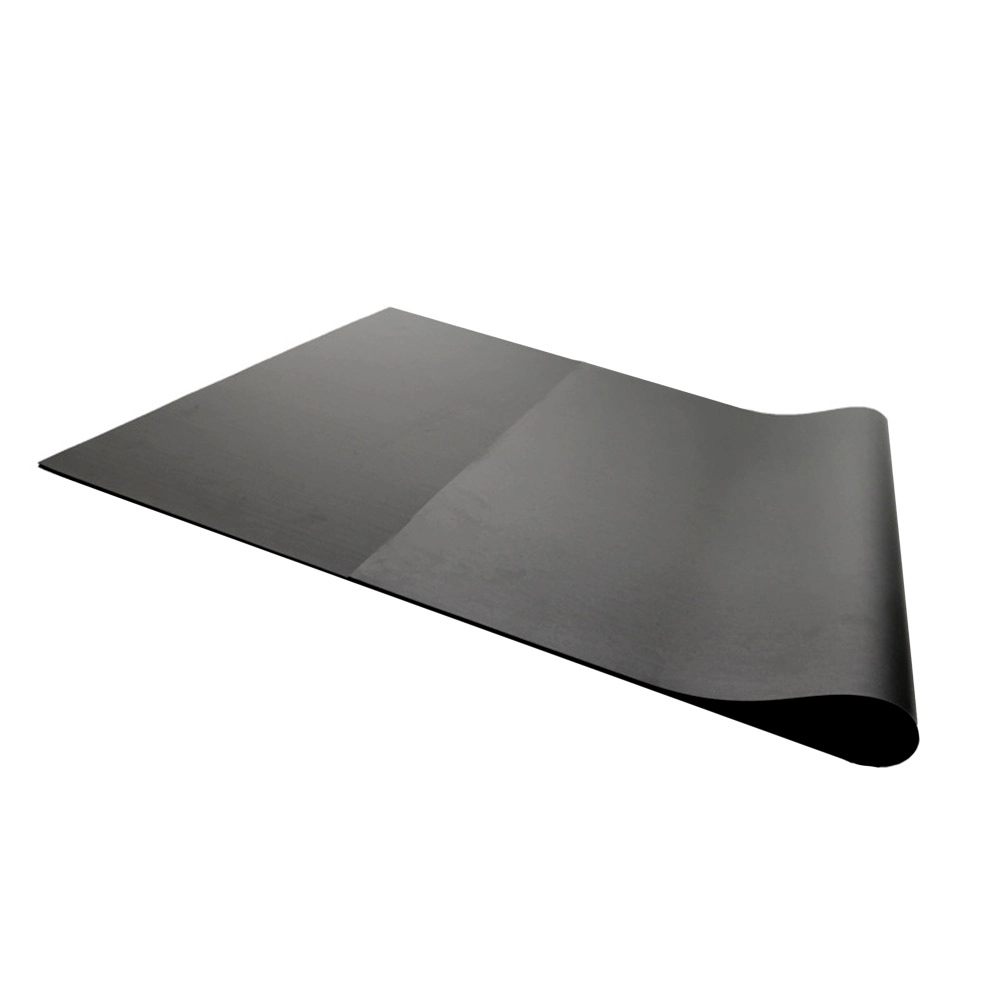
Case Studies: Noise Reduction with Mass Loaded Vinyl and Foam
FAQs
Does ASLONG provide after-sales service?
Yes, we provide a full range of after-sales services, including technical support, installation guidance, product maintenance and quality tracking, etc., to ensure that each project goes smoothly and continues to perform at its best.
What industries are the products provided by ASLONG suitable for?
ASLONG's products are suitable for multiple industries, including air conditioning and HVAC, construction and waterproofing, automobiles and transportation, home appliances and electronics, industrial equipment and machinery, etc. We provide customized solutions for each industry to meet different needs.
Do ASLONG's products meet environmental protection standards?
Yes, all ASLONG products comply with ISO14001 environmental management system certification and global environmental protection standards. We use environmentally friendly materials and are committed to providing sustainable solutions to help customers achieve green development goals.
What specific functions can ASLONG's products provide?
Our products cover functions such as insulation, sound insulation, shock absorption, waterproofing and sealing, and are widely used in improving energy efficiency, reducing noise, controlling vibration, protecting equipment, etc., helping customers optimize engineering effects and improve user experience.
How to customize products that meet the needs of my industry?
You only need to contact our sales or technical team, we will conduct an in-depth analysis based on your industry needs and provide tailor-made products and solutions. We guarantee to provide you with efficient and accurate services to meet your personalized requirements.
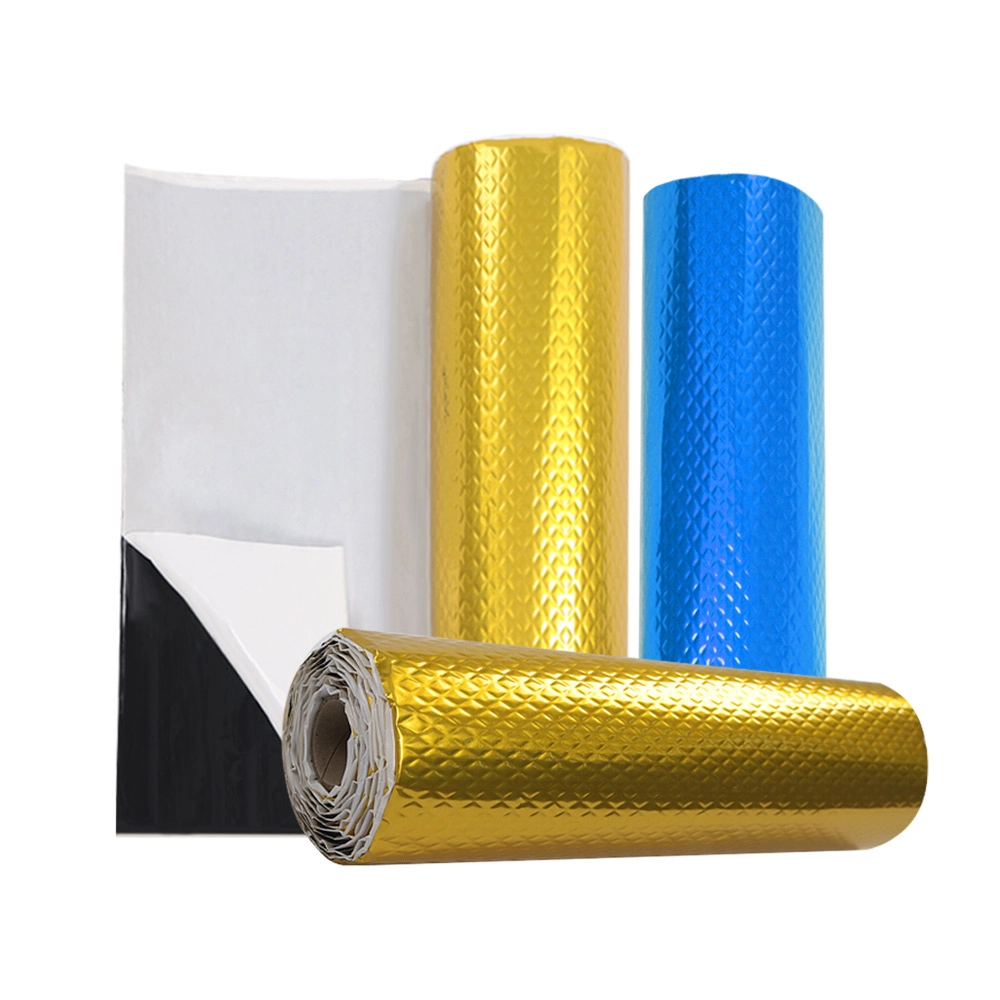
Butyl Rubber Sound Damping Mat
ASLONG Butyl Rubber Sound Damping Mat for sale. Effectively reduces noise and vibrations. High-quality butyl rubber ensures superior performance and durability. Ideal for automotive, industrial, and home applications.
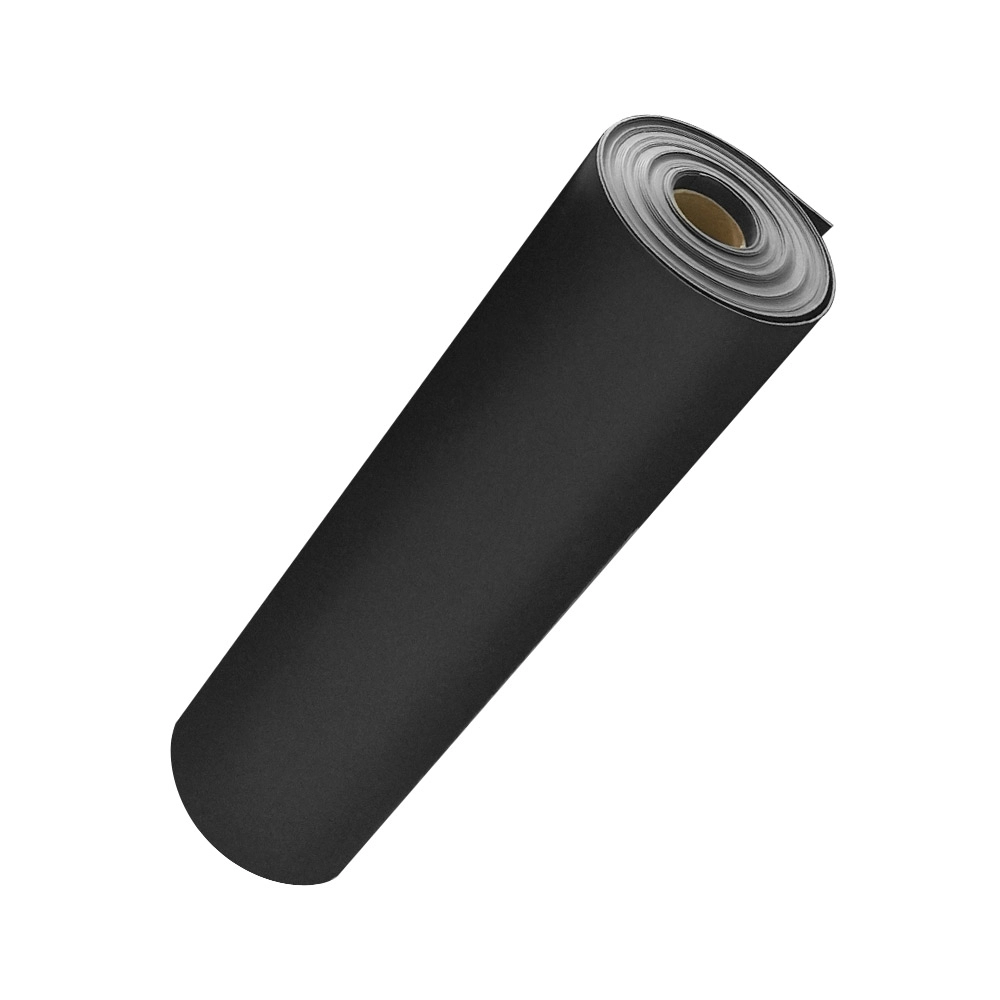
Mass Loaded Vinyl
ASLONG Mass Loaded Vinyl for sale. Reduce noise pollution effectively with our high-quality, mass-loaded vinyl. Ideal for soundproofing walls, floors, and more. Buy now and experience the difference!
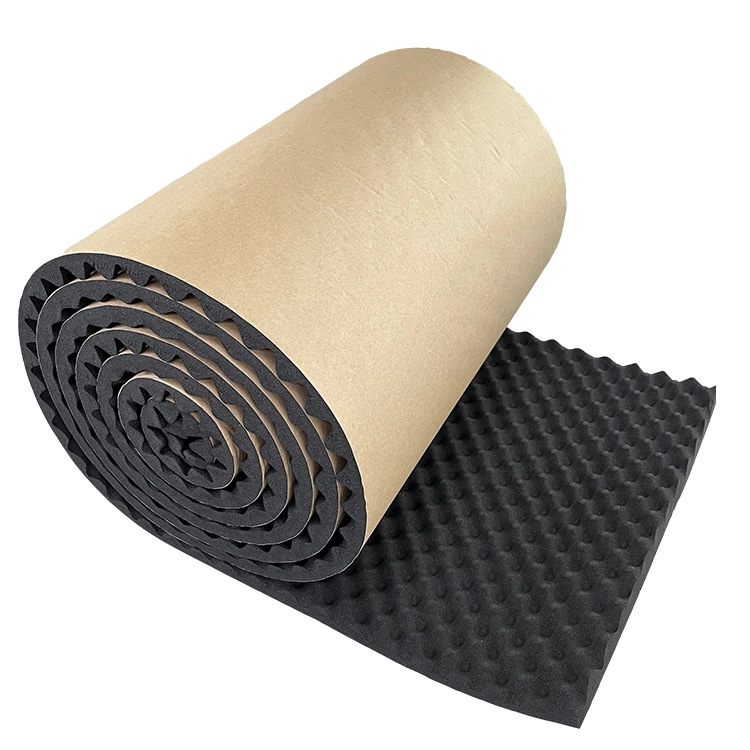
Egg Crate Foam
ASLONG Egg Crate Foam for sale. Lightweight, breathable, and comfortable, our egg crate foam provides superior support and pressure relief. Perfect for mattresses, cushions, cars, construction industry, KTV, factories, etc.
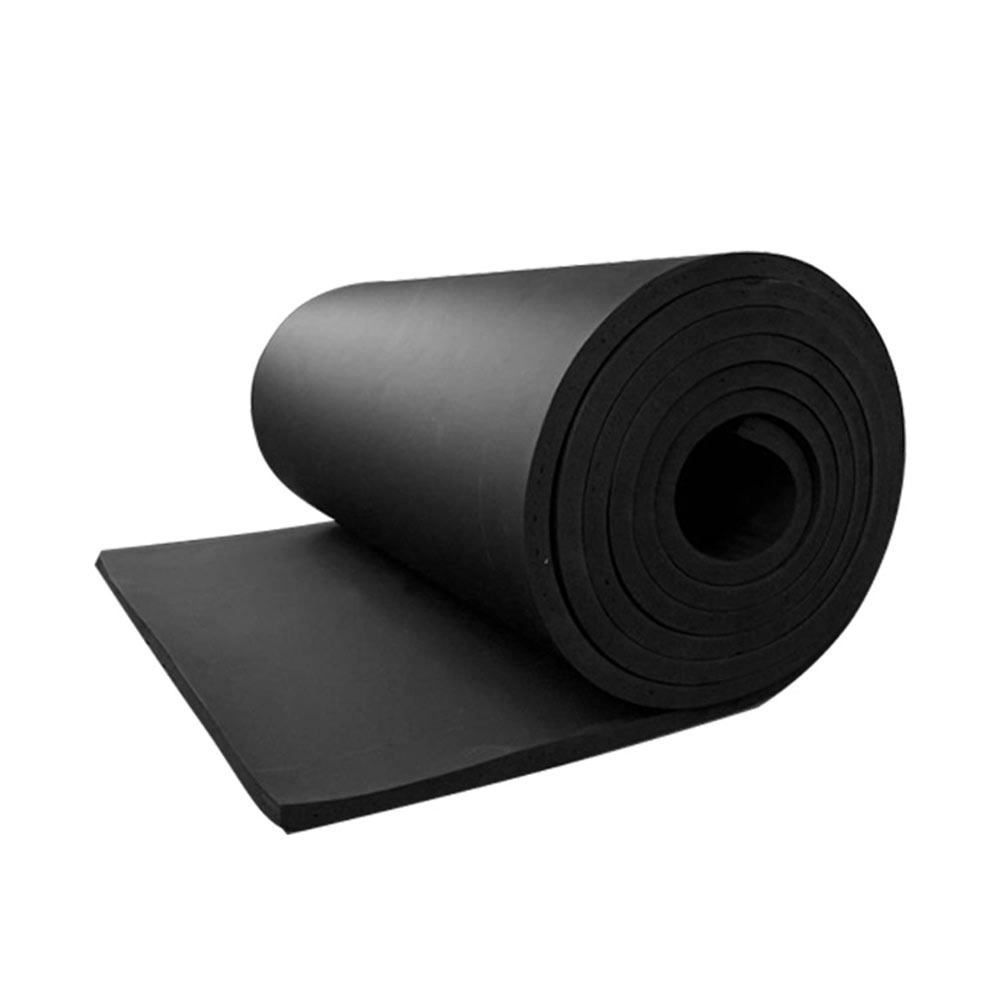
NBR Foam
ASLONG NBR Foam: Wholesale NBR foam solutions for diverse applications. High-quality, durable, and competitively priced. Contact us today for bulk orders.
Professional support at any time
If you have any comments or good suggestions, please leave us a message; later our professional staff will contact you as soon as possible.
© 2026 ASLONG All Rights Reserved. Privacy Policy | Terms and Conditions | Sitemap

 It would be pleasure to receive from you.
Whatsapp: +8613242879341
ASLONG Global
ASLONG
Aslong_global