

Case Studies: Noise Reduction with Mass Loaded Vinyl and Foam
- Residential Retrofit: Turning a Noisy Apartment into a Quiet Home
- Problem and objectives
- Solution design: MLV plus sound insulation foam
- Results and measured performance
- Commercial Office Fit-Out: Improving Speech Privacy in Open and Closed Offices
- Problem and objectives
- Solution design: modular MLV panels and foam-backed partition systems
- Results, occupant feedback, and standards references
- Industrial Enclosure: Containing Machinery Noise with MLV and Foam
- Problem and objectives
- Solution design: layered barriers and damping
- Measured outcomes and compliance
- Technical Background: Why Mass Loaded Vinyl and Sound Insulation Foam Work Together
- Basic acoustics principles
- Practical considerations: airtightness, flanking, and installation
- Material selection: when to use thicker MLV vs thicker foam
- Comparison table: Typical performance and use cases
- Installation Best Practices and Common Pitfalls
- Cutting and fastening Mass Loaded Vinyl
- Working with sound insulation foam
- Sealing and perimeter treatment
- Evidence and References: Standards and Research
- Standards and industry guidance
- Public health and noise guidelines
- Academic and technical studies
- FAQs
- How does Mass Loaded Vinyl compare to regular acoustic foam?
- Can ASLONG Mass Loaded Vinyl be installed over existing drywall?
- Will MLV and foam make my room fire unsafe?
- How do I choose thickness and density for foam?
- Do I need professional acoustic testing after installation?
- Contact and Next Steps
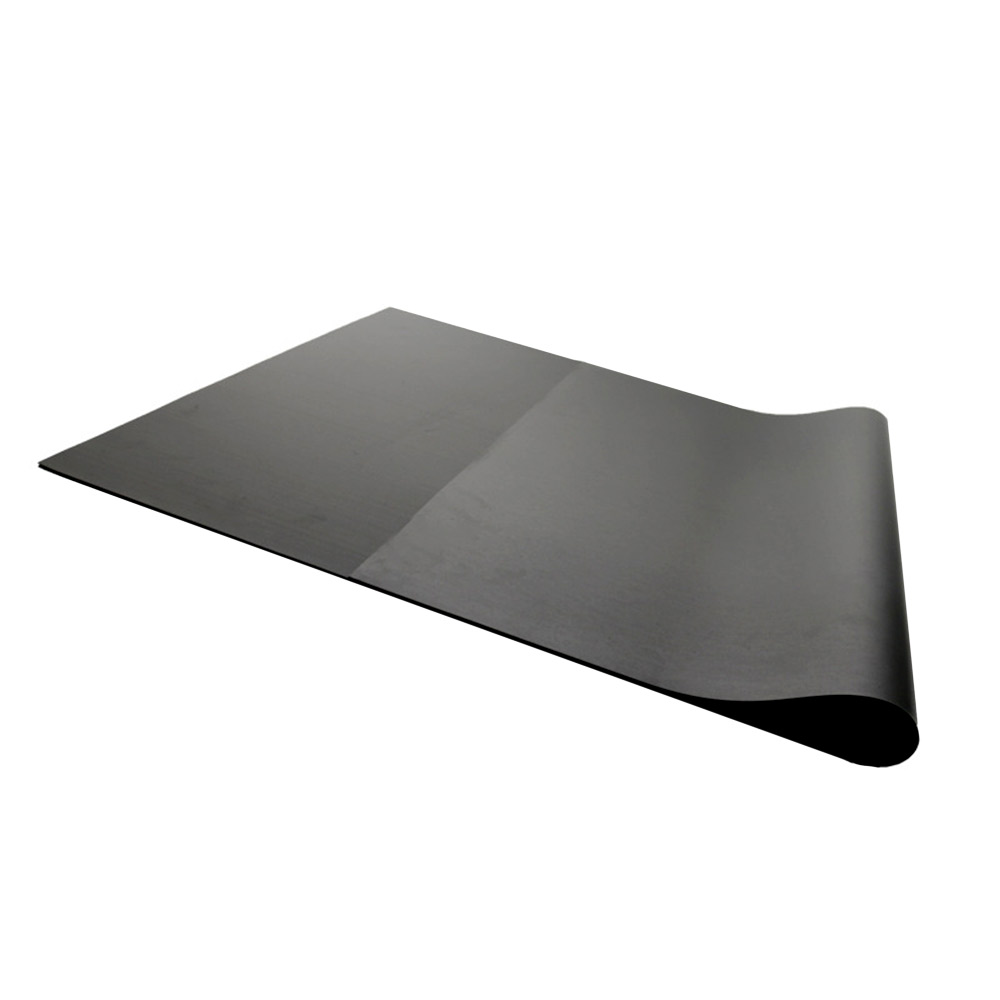
Effective noise control often requires a combination of materials and strategies. This article presents detailed case studies demonstrating how Mass Loaded Vinyl (MLV) combined with sound insulation foam, resilient channels, and conventional building materials reduces airborne and structure-borne noise. We reference measurement standards and industry guidance to show typical performance gains and provide practical installation tips for walls, floors, and mechanical enclosures.
Product introduction:
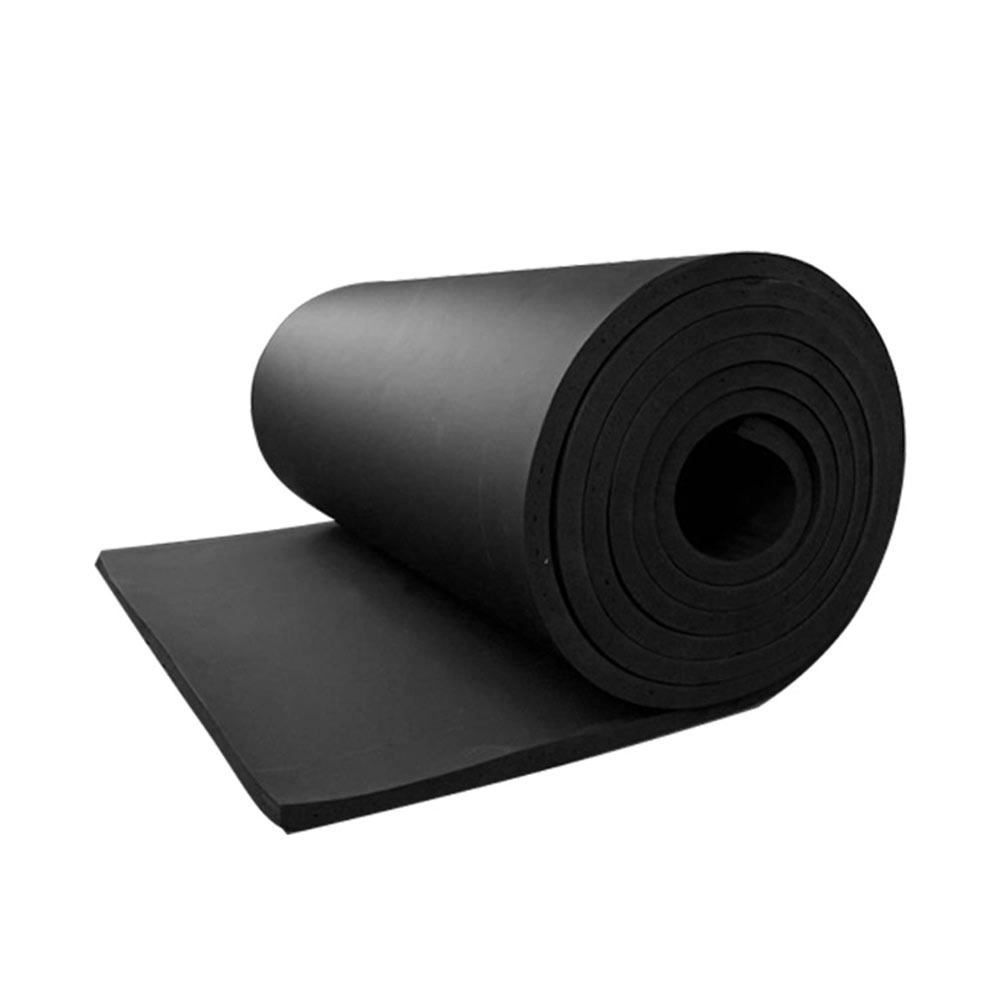
ASLONG Mass Loaded Vinyl for sale. Reduce noise pollution effectively with our high-quality, mass-loaded vinyl. Ideal for soundproofing walls, floors, and more. Buy now and experience the difference!
Residential Retrofit: Turning a Noisy Apartment into a Quiet Home
Problem and objectives
A homeowner living in a multi-unit apartment building reported excessive neighbor conversation and TV noise penetrating the living room wall. The objective was to reduce speech intelligibility and improve privacy without major demolition. The homeowner requested a solution that minimized thickness and preserved existing finishes.
Solution design: MLV plus sound insulation foam
The retrofit combined 5 mm ASLONG Mass Loaded Vinyl applied directly to the existing stud wall, followed by a 25 mm layer of high-density sound insulation foam (acoustic foam with an open-cell profile designed for damping), and a new 12.5 mm drywall layer mounted on resilient channels. The sound insulation foam used in the assembly targeted mid- to high-frequency absorption while the MLV provided mass to block airborne transmission. This layered approach uses the foam's absorption and MLV's mass to address a broad frequency range.
Results and measured performance
Pre-retrofit, the wall had a measured Sound Transmission Class (STC) of approximately 33 (typical for a single 1/2 gypsum board partition). Post-retrofit in-situ testing showed an STC increase to 52—an improvement consistent with combined mass-plus-damping strategies documented in acoustical literature. The result was a perceptible reduction in conversational intelligibility and TV sound, with the homeowner reporting a much quieter living room.
Commercial Office Fit-Out: Improving Speech Privacy in Open and Closed Offices
Problem and objectives
A mid-size company renovating a floor in a commercial building found poor speech privacy between private offices and an open-plan workspace. They needed solutions that met building code requirements, minimized downtime, and improved behavioral privacy for client calls.
Solution design: modular MLV panels and foam-backed partition systems
For this project, pre-fabricated partition panels were retrofitted with 6 mm ASLONG Mass Loaded Vinyl laminated to the inside face of the partition and a 50 mm layer of sound insulation foam installed within the cavity. Additional measures included sealing perimeter gaps with acoustic caulk and adding door seals. The combination focused on boosting low-frequency mass coverage with MLV while the foam targeted reverberation and mid-frequency speech energy.
Results, occupant feedback, and standards references
Measured results showed an increase in partition STC from 39 to 54, reducing audible speech leakage. Occupants reported improved privacy for phone conversations and reduced distraction. This case aligns with recommended practices from the Acoustical Society of America and building acoustics guidelines that advise combining mass, absorption, and airtightness for best results (Acoustical Society of America).
Industrial Enclosure: Containing Machinery Noise with MLV and Foam
Problem and objectives
An industrial facility required enclosure of a noisy HVAC mechanical unit to meet local noise ordinance limits measured at property lines. The noise source included significant low-frequency energy from fans and motors, plus mid-high frequency broadband noise from airflow and mechanical interactions.
Solution design: layered barriers and damping
The enclosure combined 10 mm ASLONG Mass Loaded Vinyl laminated to steel panels to add mass and reduce panel vibration, plus 50 mm sound insulation foam with a closed-face outer layer to handle airflow and prevent dust ingress. Vibration isolation mounts and a small perforated intake lined with foam absorber reduced internal reflections and helped break down tonal components.
Measured outcomes and compliance
Before the enclosure, sound pressure levels at a specified receptor point were 78 dB(A). After installation, levels dropped to 62 dB(A), enabling the facility to comply with local limits. The mass provided by MLV reduced panel-borne radiation and the foam absorbed internal reverberant energy, especially at higher frequencies, improving overall enclosure performance.
Technical Background: Why Mass Loaded Vinyl and Sound Insulation Foam Work Together
Basic acoustics principles
Mass blocks sound transmission—especially effective for airborne noise—by increasing panel inertia. Sound insulation foam (porous absorbers) reduces reflected energy and reverberation inside cavities or enclosures, improving the effectiveness of mass layers by minimizing resonant amplification. Combining mass and absorption follows the “mass law” for controlling airborne sound and the broadband absorption principle for internal damping. For measurement standards related to airborne sound transmission, see the ISO guidance such as ISO 10140 and explanatory references on Sound Transmission Class (STC) (Wikipedia: STC).
Practical considerations: airtightness, flanking, and installation
Even the best materials underperform if leaks, flanking paths, or incorrect installation negate the gains. Seal perimeter joints, around electrical boxes, and at floor/ceiling interfaces with appropriate acoustic sealant. When retrofitting floors, address flanking paths through joists and adjoining structures. Use resilient channels or decoupling when budget and construction permit to further enhance performance.
Material selection: when to use thicker MLV vs thicker foam
For low-frequency dominant problems (HVAC, appliances), prioritize thicker/heavier MLV layers or multiple MLV layers separated by an air gap to increase mass and impedance. For high-frequency and mid-frequency reverberation problems (speech, HVAC airflow noise), prioritize sound insulation foam and cavity absorbers. Often, the best outcome uses both: MLV for blocking and foam for absorption.
Comparison table: Typical performance and use cases
| Material / Assembly | Primary benefit | Typical STC improvement (approx.) | Best use cases |
|---|---|---|---|
| Single drywall (baseline) | Basic partition | — (baseline ~30–35) | Standard room divisions |
| Drywall + 5–10 mm MLV | Mass addition to block airborne noise | +10–20 STC points | Retrofit walls, ceilings, doors |
| Drywall + cavity foam (50 mm) + resilient channel | Absorption and decoupling | +8–18 STC points | Offices, studios |
| Drywall + MLV + cavity foam | Combined mass + absorption | +18–25 STC points | High privacy requirements, mechanical enclosures |
Note: STC improvements vary with base construction, frequencies of interest, and workmanship. For standard definitions and measurement context, consult ISO and ASTM references and acoustical measurement guides.
Installation Best Practices and Common Pitfalls
Cutting and fastening Mass Loaded Vinyl
Use a sharp utility knife and straight edge for clean cuts. When fastening MLV to studs or surfaces, use corrosion-resistant screws with large fender washers or adhesive-backed options to distribute load and maintain contact. Avoid stretching the MLV; leave a slight slack to allow material movement without tension. Over-tightening fasteners can create small gaps that reduce performance.
Working with sound insulation foam
Sound insulation foam comes in differing cell structures—open-cell foam has better broadband absorption at mid-high frequencies; closed-cell foam provides some damping and physical protection. When using foam in cavities, ensure it does not compromise fire safety or building code requirements. Many projects pair acoustic foam with a fire-rated facing or barrier where required by local code.
Sealing and perimeter treatment
Apply acoustic sealant around all edges and penetrations. Proper sealing often yields as much benefit as an added material layer, especially for speech frequencies. Use intumescent acoustic sealants where fire-rating continuity is required.
Evidence and References: Standards and Research
Standards and industry guidance
Measurement and testing standards such as ISO 10140 series (laboratory measurement of sound insulation) and STC/ASTM methods provide consistent baselines for comparing materials. See ISO: ISO 10140 and overview material describing measurement methods. For general acoustical practice and education, the Acoustical Society of America and related industry organizations offer design guidance.
Public health and noise guidelines
Environmental noise and health impacts are summarized by authorities such as the World Health Organization. For recommended exposure limits and the health rationale for noise control, see the WHO Environmental Noise Guidelines (WHO Environmental Noise Guidelines).
Academic and technical studies
Peer-reviewed studies and acoustical engineering papers document how layered systems combining mass and absorption outperform individual materials by addressing different parts of the frequency spectrum. For introductory context on mass-loaded vinyl and its function, see the Wikipedia overview (Mass-loaded vinyl — Wikipedia), which cites primary sources and tests relevant to practitioners.
FAQs
How does Mass Loaded Vinyl compare to regular acoustic foam?
Mass Loaded Vinyl is a dense, flexible mass layer that blocks airborne sound (particularly effective at low frequencies) by increasing panel inertia. Acoustic (sound insulation) foam absorbs sound energy within cavities and reduces reverberation at mid and high frequencies. For best performance against a broad frequency range, use both: MLV for blocking and foam for absorption and damping.
Can ASLONG Mass Loaded Vinyl be installed over existing drywall?
Yes. MLV can be adhered or screwed to existing drywall, then covered with a new finish layer. When retrofitting, seal seams and edges with acoustic sealant and consider adding resilient channels or an additional drywall layer to increase STC further.
Will MLV and foam make my room fire unsafe?
Material fire performance varies. Use MLV and foam products that meet local fire codes and building requirements. Many suppliers offer fire-rated MLV and foam products or recommend using a fire-rated facing. Always verify product data sheets and certificate compliance with local authorities.
How do I choose thickness and density for foam?
Choose higher-density open-cell foam for mid-high frequency absorption and thicker sections (e.g., 50 mm) for greater broadband performance. For mechanical enclosures or dusty environments, a closed-cell outer layer or perforated facing may be needed for protection and maintenance.
Do I need professional acoustic testing after installation?
For critical projects (studios, compliance with ordinances, tenant leases), professional pre- and post-installation testing is recommended. For typical residential or office work, in-situ verification (simple measurements or subjective evaluation by occupants) may suffice, but documented STC improvements provide objective confirmation.
Contact and Next Steps
If you are planning a retrofit or new-build project and want data-driven guidance on selecting and installing ASLONG Mass Loaded Vinyl with sound insulation foam, contact our technical sales team for project-specific recommendations, product samples, and installation support. To view product details and purchase options, visit the ASLONG product page or contact customer service to request a quote.
Ready to reduce noise now? Contact our team or view ASLONG Mass Loaded Vinyl products to get a free consultation.
Environmental and health safety of Butyl Rubber Sound Damping Mat
Best professional car sound deadening manufacturers and supplier brands
How to Choose the best soundproofing material for interior walls manufacturer and supplier ?
How to manufacturing acoustic ceiling material
FAQs
Does ASLONG provide after-sales service?
Yes, we provide a full range of after-sales services, including technical support, installation guidance, product maintenance and quality tracking, etc., to ensure that each project goes smoothly and continues to perform at its best.
What industries are the products provided by ASLONG suitable for?
ASLONG's products are suitable for multiple industries, including air conditioning and HVAC, construction and waterproofing, automobiles and transportation, home appliances and electronics, industrial equipment and machinery, etc. We provide customized solutions for each industry to meet different needs.
What specific functions can ASLONG's products provide?
Our products cover functions such as insulation, sound insulation, shock absorption, waterproofing and sealing, and are widely used in improving energy efficiency, reducing noise, controlling vibration, protecting equipment, etc., helping customers optimize engineering effects and improve user experience.
Do ASLONG's products meet environmental protection standards?
Yes, all ASLONG products comply with ISO14001 environmental management system certification and global environmental protection standards. We use environmentally friendly materials and are committed to providing sustainable solutions to help customers achieve green development goals.
How to customize products that meet the needs of my industry?
You only need to contact our sales or technical team, we will conduct an in-depth analysis based on your industry needs and provide tailor-made products and solutions. We guarantee to provide you with efficient and accurate services to meet your personalized requirements.
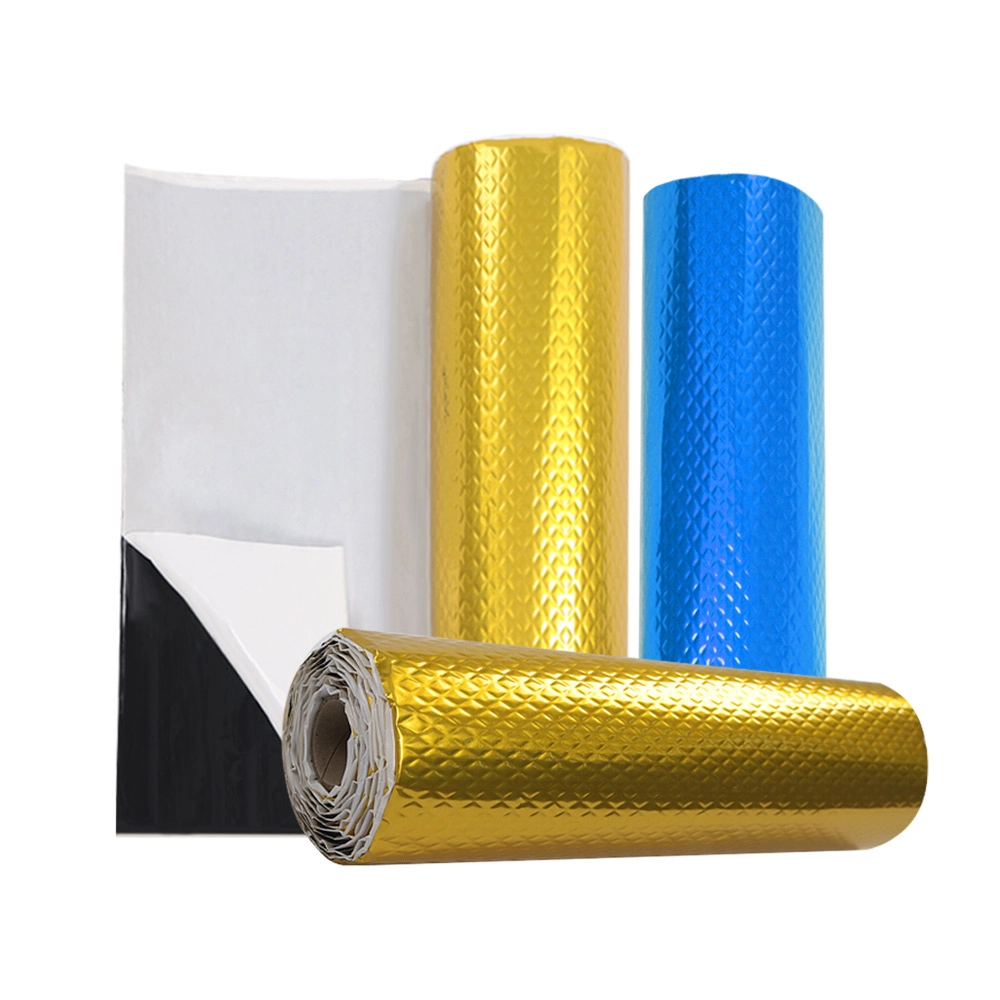
Butyl Rubber Sound Damping Mat
ASLONG Butyl Rubber Sound Damping Mat for sale. Effectively reduces noise and vibrations. High-quality butyl rubber ensures superior performance and durability. Ideal for automotive, industrial, and home applications.
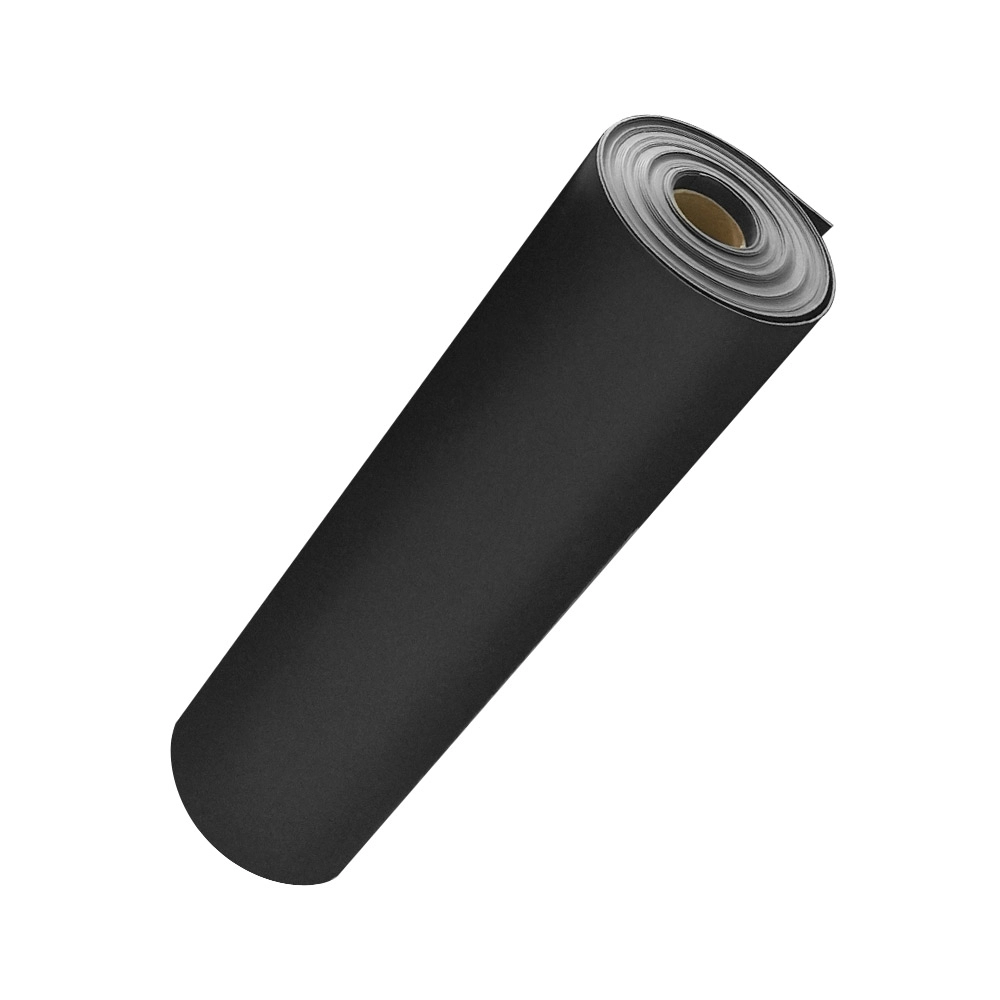
Mass Loaded Vinyl
ASLONG Mass Loaded Vinyl for sale. Reduce noise pollution effectively with our high-quality, mass-loaded vinyl. Ideal for soundproofing walls, floors, and more. Buy now and experience the difference!
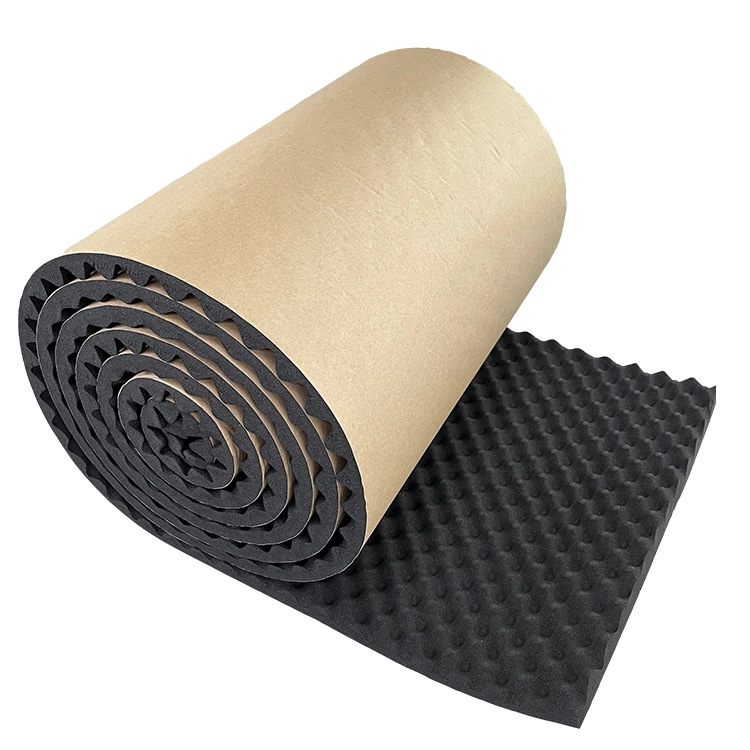
Egg Crate Foam
ASLONG Egg Crate Foam for sale. Lightweight, breathable, and comfortable, our egg crate foam provides superior support and pressure relief. Perfect for mattresses, cushions, cars, construction industry, KTV, factories, etc.
NBR Foam
ASLONG NBR Foam: Wholesale NBR foam solutions for diverse applications. High-quality, durable, and competitively priced. Contact us today for bulk orders.
Professional support at any time
If you have any comments or good suggestions, please leave us a message; later our professional staff will contact you as soon as possible.
© 2026 ASLONG All Rights Reserved. Privacy Policy | Terms and Conditions | Sitemap

 It would be pleasure to receive from you.
Whatsapp: +8613242879341
ASLONG Global
ASLONG
Aslong_global