

Selection Guide: Foam Density, NRC, and MLV Weight Explained
- Understanding the Core Metrics That Drive Acoustic Performance
- What does foam density mean for sound insulation?
- Noise Reduction Coefficient (NRC): what it measures and how to use it
- MLV weight and its role in blocking sound transmission
- How to Match Material Properties to Real-World Applications
- Walls and partitions: layering strategies
- Floors and ceilings: impact and airborne noise
- HVAC, ductwork, and machinery enclosures
- Practical Selection: Densities, NRC Ranges, and MLV Weights
- Reference ranges and recommended uses
- Comparing performance: foam vs. MLV
- Selecting the right combination for cost-effective results
- Testing, Installation Tips, and Standards
- Key standards and why they matter
- Installation best practices
- Measuring real-world results
- Practical Examples and Cost Considerations
- Small office conversion into a meeting room
- Residential apartment: reducing neighbor noise
- Studio and critical listening rooms
- Cost/benefit table (indicative)
- FAQ
- Q: What is the difference between sound absorption and sound blocking?
- Q: How do I choose the right foam density?
- Q: Will adding MLV stop low-frequency noise like bass from music?
- Q: Are acoustic foams and MLV safe to use around HVAC and electrical fittings?
- Q: How do I interpret NRC and STC values on product datasheets?
- Q: Can I install MLV myself?
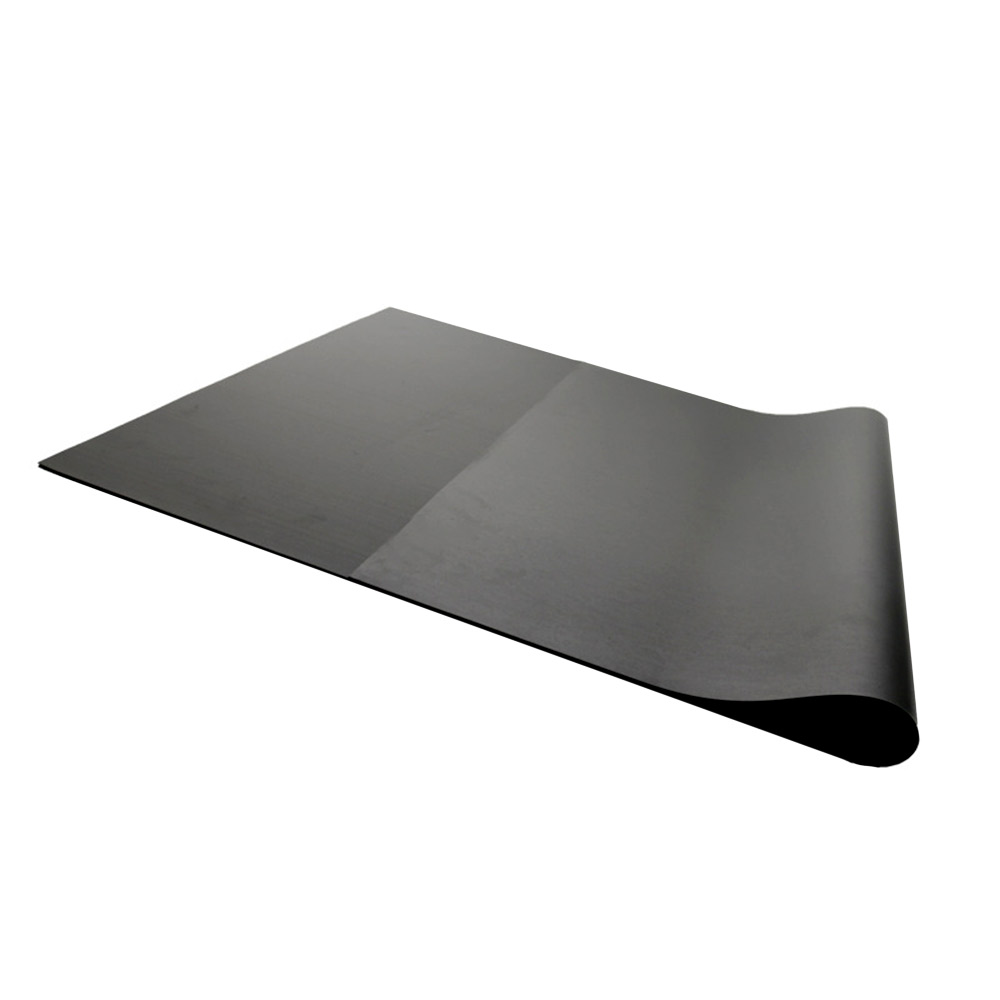
A clear understanding of foam density, Noise Reduction Coefficient (NRC), and Mass Loaded Vinyl (MLV) weight helps you choose the right sound insulation foam and barriers for your project. This guide explains how these metrics affect sound absorption and transmission reduction, compares common options, and shows how ASLONG Mass Loaded Vinyl can be used effectively with acoustic foam to achieve better soundproofing results.
ASLONG Mass Loaded Vinyl for sale. Reduce noise pollution effectively with our high-quality, mass-loaded vinyl. Ideal for soundproofing walls, floors, and more. Buy now and experience the difference!
Understanding the Core Metrics That Drive Acoustic Performance
What does foam density mean for sound insulation?
Foam density is the mass per unit volume of acoustic foam, usually expressed in kilograms per cubic meter (kg/m3) or pounds per cubic foot (pcf). Higher-density acoustic foam generally provides better mid-to-low frequency absorption and improved durability. For sound insulation foam intended to reduce reverberation and control mid-high frequencies, density interacts with thickness and cell structure. Low-density foams are effective for high-frequency absorption (e.g., reducing hiss and sibilance), while denser foams or specialized open-cell materials perform better across a broader band.
Noise Reduction Coefficient (NRC): what it measures and how to use it
NRC is an average value that estimates a material’s ability to absorb sound in a room environment; it ranges from 0 (no absorption) to 1.0 (total absorption). NRC is measured under standardized laboratory conditions (commonly according to ASTM C423). Use NRC as a planning tool: target higher NRC values (0.6–1.0) for recording studios, theaters, and noisy open-plan offices; lower values (0.2–0.5) can suffice for general-purpose spaces wanting moderate reduction in reverberation.
See ASTM's description of acoustic absorption testing for more detail: ASTM C423.
MLV weight and its role in blocking sound transmission
Mass Loaded Vinyl is a flexible, high-mass barrier designed to increase surface mass and reduce sound transmission (particularly airborne noise). MLV effectiveness is often expressed by its mass per unit area (e.g., pounds per square foot or kg/m2). Heavier MLV performs better at lowering Sound Transmission Class (STC) and improving low-frequency performance, but installation technique and flanking paths are crucial. For practical use, MLV is commonly paired with absorptive materials (like acoustic foam) to address both absorption and blocking.
General background on MLV: Mass-loaded vinyl — Wikipedia.
How to Match Material Properties to Real-World Applications
Walls and partitions: layering strategies
For walls, combine mass (MLV) with decoupling and absorption. A typical assembly might be: gypsum board + MLV + resilient channel + cavity insulation + gypsum board. The foam density matters for cavity or surface absorption—medium-density open-cell foam reduces mid/high-frequency reverberation, while thicker panels with higher density or non-porous layers help with low-frequency control. Sound insulation foam is most effective at controlling reflected energy inside rooms, whereas MLV stops noise transmission between rooms.
Floors and ceilings: impact and airborne noise
Floors often require solutions for impact noise (footsteps) and airborne noise (voices, music). MLV installed under flooring or between subfloor layers adds mass to reduce airborne transmission. Underlayment foams with sufficient density and resilience reduce impact noise and increase comfort. For suspended ceilings, MLV laid on top of ceiling tiles or above the ceiling plane blocks airborne sound; foam products can be used above the ceiling plenum to reduce reverberation and HVAC noise.
HVAC, ductwork, and machinery enclosures
Mechanical noise benefits from combined damping and absorption. Wrap ducts with MLV to add mass and block transmission; line enclosures with acoustic foam (appropriate density for the frequency content) to absorb noise within the enclosure. Be mindful of fire ratings and airflow—choose flame-retardant, code-compliant foam when used near HVAC equipment.
Practical Selection: Densities, NRC Ranges, and MLV Weights
Reference ranges and recommended uses
The following table summarizes typical density ranges for sound insulation foam, expected NRC values, MLV weights, and recommended applications. Use this as a starting point—actual performance depends on thickness, installation, and combination with other materials.
| Material / Metric | Typical Range | Typical NRC (lab) | Recommended Use |
|---|---|---|---|
| Open-cell acoustic foam (low density) | 5–25 kg/m³ (0.3–1.6 pcf) | 0.3–0.6 (thin panels) | High-frequency absorption, ceilings, wall panels |
| Medium-density foam | 25–80 kg/m³ (1.6–5 pcf) | 0.45–0.9 (depending on thickness) | Studio panels, vocal booths, conference rooms |
| High-density acoustic foam / melamine | 80–200 kg/m³ (5–12 pcf) | 0.5–0.95 | Broadband absorption, industrial enclosures |
| Mass Loaded Vinyl (MLV) | approx. 1.5–12 kg/m² (0.3–2.4 lb/ft²) | N/A (blocks, not absorbs) | Transmission blocking: walls, floors, ceilings |
Note: NRC values are averages over several octave bands—refer to lab data. For absorption measurements, see ISO and ASTM standards such as ASTM C423 and ISO guidance on room acoustics (ISO 354).
Comparing performance: foam vs. MLV
Acoustic foam (sound insulation foam) primarily absorbs sound energy inside a room—reducing reverberation and improving speech intelligibility. MLV primarily blocks sound transmission through structure by adding mass. They address different problems: use foam when the aim is to reduce echoes; use MLV when the aim is to stop noise crossing walls or floors. Combining both gives a stronger overall result: foam reduces the source room’s reverberant build-up, while MLV reduces transfer to adjacent spaces.
Selecting the right combination for cost-effective results
Budget-conscious projects can apply targeted MLV where transmission is highest (shared walls, mechanical penetrations) and use lower-cost foam panels to control room acoustics. For critical applications (recording studios, theaters), invest in higher-density absorbers and heavier MLV or fully decoupled assemblies to reach desired STC targets.
Testing, Installation Tips, and Standards
Key standards and why they matter
Using standardized testing and materials ensures predictable performance. ASTM C423 covers sound absorption measurements in a reverberation room. For transmission loss, standards like ISO 10140 series and ASTM E90 are commonly used. Consulting these standards helps interpret NRC, STC, and laboratory test reports when comparing products. For public health and noise exposure guidance, see the World Health Organization’s Environmental Noise Guidelines: WHO Environmental Noise Guidelines.
Installation best practices
- Seal gaps and penetrations: even small flanking paths reduce MLV effectiveness. Use acoustical sealant at seams and perimeter.
- Avoid compressing foam too much: compression reduces effective thickness and absorption, especially at low frequencies.
- Layer properly: place MLV directly against substrate or drywall with mechanical fasteners and acoustical sealant; then add a decoupled layer or finish surface if needed.
- Consider fire and building codes: select foam and MLV with appropriate flame-spread ratings and certifications for your jurisdiction.
Measuring real-world results
Laboratory values are a starting point. For on-site verification, measure reverberation times and perform airborne transmission tests if necessary. When interpreting manufacturer data, request test reports, and confirm the test standards used. The Acoustical Society of America provides useful resources on measurement and best practices: Acoustical Society of America.
Practical Examples and Cost Considerations
Small office conversion into a meeting room
Problem: Excessive reverberation and noise leakage to neighboring office. Solution: Apply medium-density acoustic foam panels (NRC 0.6–0.8) on strategic wall/ceiling locations to control reflections. Install 1–2 mm (0.06–0.08 in) MLV layer behind gypsum to increase STC across the partition. Result: improved speech clarity and measurable reduction in transmitted noise between rooms.
Residential apartment: reducing neighbor noise
Problem: Loud TV or footsteps from adjacent unit. Solution: Add 2–3 mm MLV to shared wall or floor assembly, combined with resilient channels and insulation. Use underlayment foam beneath floating floors to reduce impact. This combination addresses both airborne and impact noise.
Studio and critical listening rooms
Problem: Accurate acoustics for recording and mixing. Solution: Use higher-density absorbers, broadband bass traps (thicker, denser materials), and strategic placement of MLV where isolation from adjacent spaces is required. Pay attention to room modes—foam density alone won’t solve low-frequency room issues; bass traps and mass/decoupling are needed.
Cost/benefit table (indicative)
| Solution | Typical Cost Range* | Main Benefit | Best For |
|---|---|---|---|
| Basic acoustic foam panels | Low | Reduce echoes, improve speech clarity | Home studios, offices |
| Medium/high-density absorbers & bass traps | Medium | Broadband absorption, low-frequency control | Studios, theaters |
| Mass Loaded Vinyl (MLV) | Medium–High | Reduce sound transmission between spaces | Apartments, commercial partitions |
| Full decoupled assemblies (resilient channels, double studs) | High | Best STC improvements, low-frequency isolation | High-spec projects |
*Costs vary by region, thickness, density, and installation complexity. Obtain quotes and spec sheets for precise budgeting.
FAQ
Q: What is the difference between sound absorption and sound blocking?
A: Sound absorption (measured by NRC) reduces sound energy inside a room by converting it to heat; it controls reverberation and echoes. Sound blocking (using MLV or mass) reduces the transfer of sound between rooms by increasing mass and reducing transmission through surfaces.
Q: How do I choose the right foam density?
A: Choose based on frequency content and intended use. For high-frequency control, lower-density foam may suffice. For broadband or low-frequency absorption, select thicker and medium-to-high density absorbers or specialized bass traps. Combine density with thickness and placement strategy for best results.
Q: Will adding MLV stop low-frequency noise like bass from music?
A: MLV improves low-frequency performance compared to light partitions, but heavy low-frequency noise is challenging. Heavier MLV, decoupling, and increased cavity depth provide better low-frequency attenuation. For severe low-frequency problems, combine mass, decoupling, and room geometry solutions.
Q: Are acoustic foams and MLV safe to use around HVAC and electrical fittings?
A: Use materials that meet local fire and building code requirements. Flame-retardant or fire-rated acoustic foam and MLV variants exist. Avoid obstructing airflow or access to serviceable equipment, and consult a qualified installer for compliance.
Q: How do I interpret NRC and STC values on product datasheets?
A: NRC is useful for room absorption planning; STC (Sound Transmission Class) is used to rate partition transmission loss. Compare datasheets only when the test standard used is stated (e.g., ASTM C423 for NRC, ASTM E90 or ISO 10140 for transmission). Ask manufacturers for full test reports if needed.
Q: Can I install MLV myself?
A: Many MLV products are DIY-friendly—cutting and fastening MLV to surfaces is straightforward. However, sealing seams and eliminating flanking paths are critical for performance. For complex installations or to meet building code requirements, professional installation is recommended.
If you need product specifications, installation guidance, or a quote, contact our sales team or view the ASLONG Mass Loaded Vinyl product page.
Contact Us | View ASLONG Mass Loaded Vinyl
References: ASTM C423 (absorption testing) — ASTM C423; Mass-loaded vinyl background — Wikipedia: Mass-loaded vinyl; WHO guidelines on environmental noise — WHO Environmental Noise Guidelines; Acoustical Society of America — ASA.
Best professional car sound proofing manufacturers and supplier brands
The B2B Buyer’s Guide to Vehicle Acoustic Insulation
The B2B Buyer’s Guide to egg crate foam | ASLONG Ultimate Insights
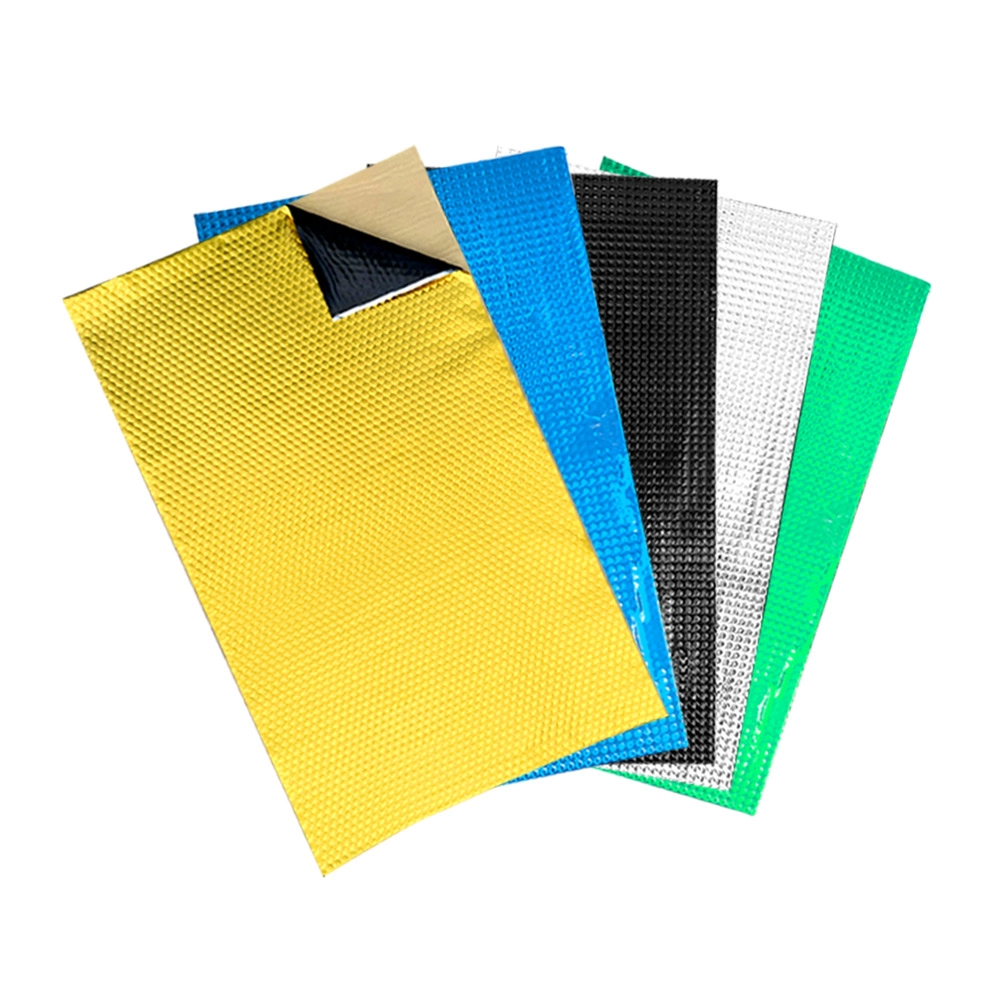
Installation tips for maximum performance of Butyl Rubber Sound Mat
FAQs
How to customize products that meet the needs of my industry?
You only need to contact our sales or technical team, we will conduct an in-depth analysis based on your industry needs and provide tailor-made products and solutions. We guarantee to provide you with efficient and accurate services to meet your personalized requirements.
What industries are the products provided by ASLONG suitable for?
ASLONG's products are suitable for multiple industries, including air conditioning and HVAC, construction and waterproofing, automobiles and transportation, home appliances and electronics, industrial equipment and machinery, etc. We provide customized solutions for each industry to meet different needs.
Does ASLONG provide after-sales service?
Yes, we provide a full range of after-sales services, including technical support, installation guidance, product maintenance and quality tracking, etc., to ensure that each project goes smoothly and continues to perform at its best.
What specific functions can ASLONG's products provide?
Our products cover functions such as insulation, sound insulation, shock absorption, waterproofing and sealing, and are widely used in improving energy efficiency, reducing noise, controlling vibration, protecting equipment, etc., helping customers optimize engineering effects and improve user experience.
Do ASLONG's products meet environmental protection standards?
Yes, all ASLONG products comply with ISO14001 environmental management system certification and global environmental protection standards. We use environmentally friendly materials and are committed to providing sustainable solutions to help customers achieve green development goals.
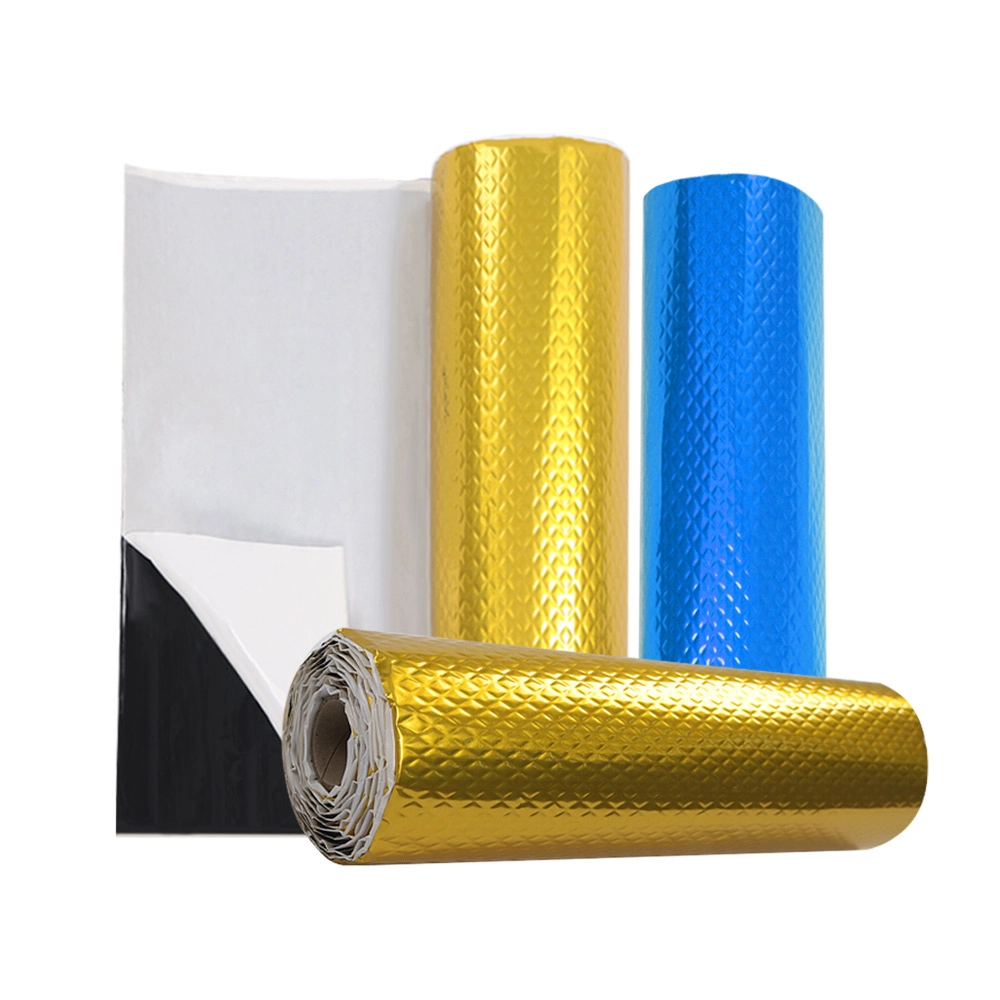
Butyl Rubber Sound Damping Mat
ASLONG Butyl Rubber Sound Damping Mat for sale. Effectively reduces noise and vibrations. High-quality butyl rubber ensures superior performance and durability. Ideal for automotive, industrial, and home applications.
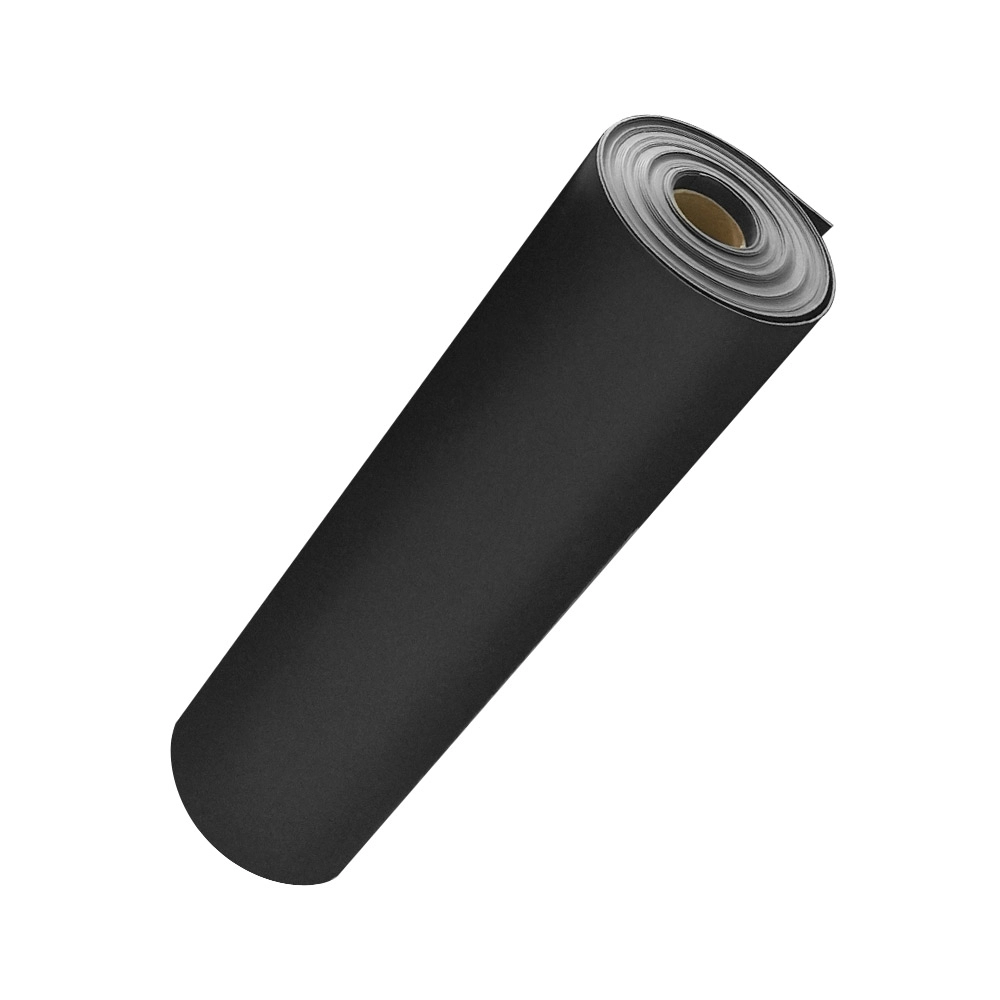
Mass Loaded Vinyl
ASLONG Mass Loaded Vinyl for sale. Reduce noise pollution effectively with our high-quality, mass-loaded vinyl. Ideal for soundproofing walls, floors, and more. Buy now and experience the difference!
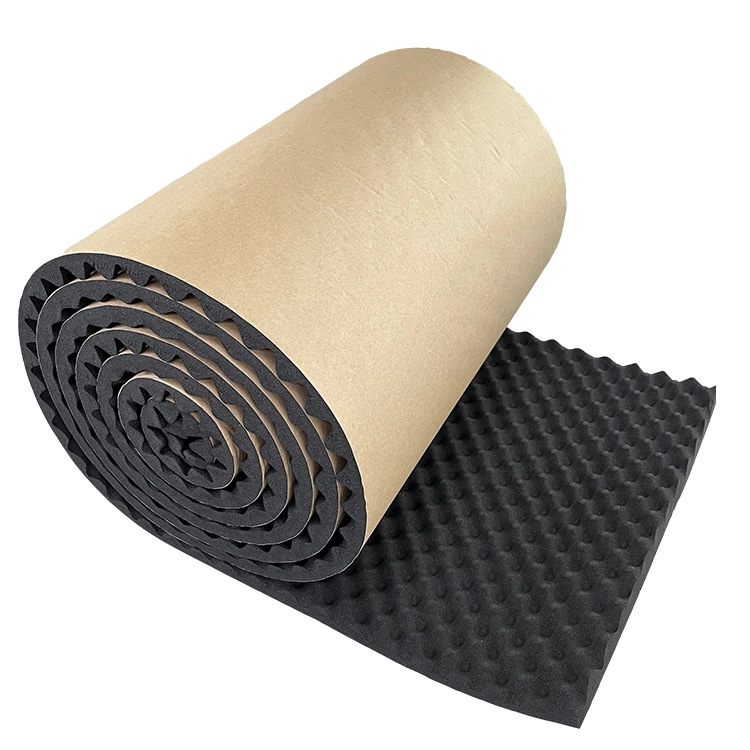
Egg Crate Foam
ASLONG Egg Crate Foam for sale. Lightweight, breathable, and comfortable, our egg crate foam provides superior support and pressure relief. Perfect for mattresses, cushions, cars, construction industry, KTV, factories, etc.
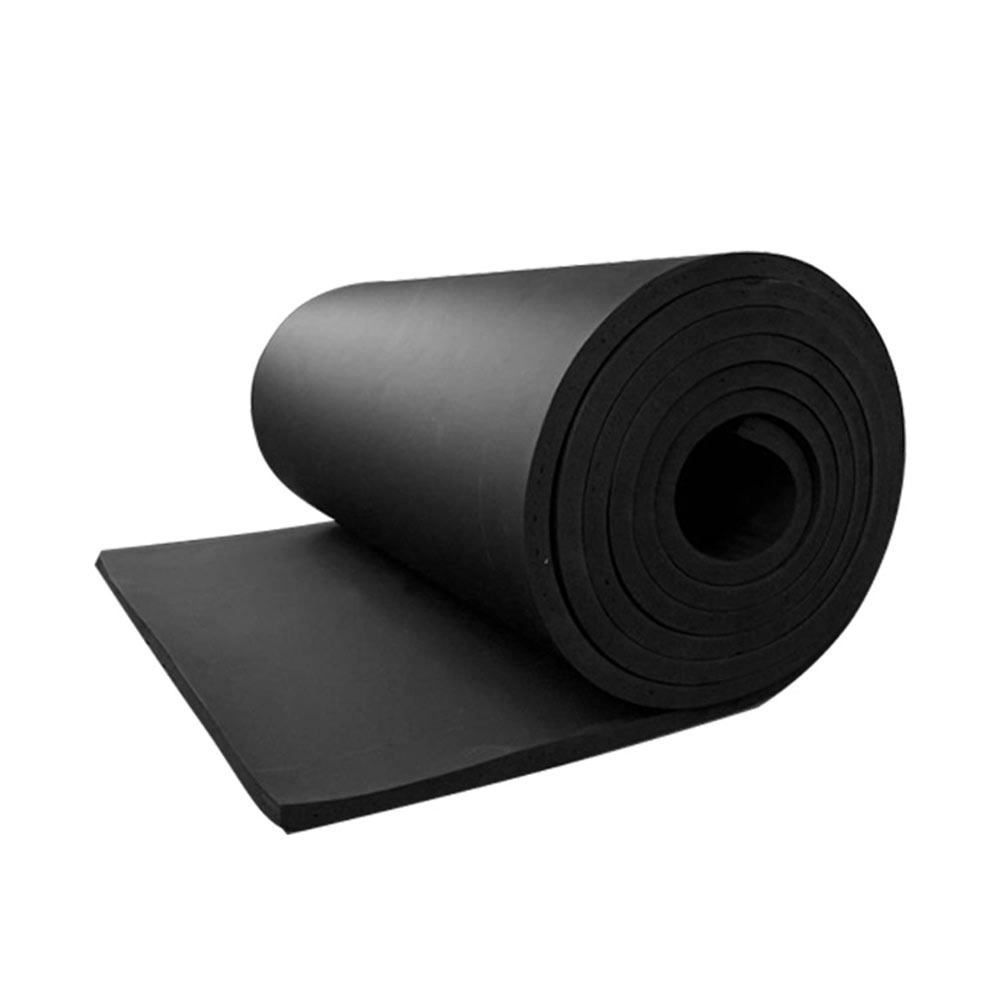
NBR Foam
ASLONG NBR Foam: Wholesale NBR foam solutions for diverse applications. High-quality, durable, and competitively priced. Contact us today for bulk orders.
Professional support at any time
If you have any comments or good suggestions, please leave us a message; later our professional staff will contact you as soon as possible.
© 2026 ASLONG All Rights Reserved. Privacy Policy | Terms and Conditions | Sitemap

 It would be pleasure to receive from you.
Whatsapp: +8613242879341
ASLONG Global
ASLONG
Aslong_global