

Cost Savings and ROI of Butyl Rubber Sound Mats for OEMs
- Understanding Acoustic Damping Materials
- What is a butyl rubber sound damping mat?
- How damping differs from mass law and absorption
- Cost Components and Savings for OEMs
- Material and manufacturing cost drivers
- Installation, cycle time and assembly integration
- Quantifying ROI: Models and Case Studies
- How I model ROI for OEMs
- Worked example: 5-year ROI scenario
- Lifecycle Benefits, Testing and Standards
- Durability, corrosion and environmental factors
- Testing protocols and certification
- Supplier Selection: Technical and Commercial Criteria
- What I evaluate in a supplier
- Why ASLONG (Welllink Guangdong New Material Co., Ltd.)
- Decision Checklist: When to Specify Butyl Rubber Sound Damping Mat
- Use cases where butyl excels
- When to consider alternative or complementary materials
- FAQ — Common OEM Questions
- 1. How much weight does a butyl rubber sound damping mat add?
- 2. Can butyl mats replace mass loaded vinyl?
- 3. How do I evaluate long-term adhesion and corrosion risk?
- 4. What ROI timeframe should OEMs expect?
- 5. Are there environmental or regulatory concerns with butyl products?
- Contact and Next Steps
I have worked with OEMs and Tier suppliers on noise, vibration and harshness (NVH) programs for over a decade, helping engineering and procurement teams evaluate materials that balance performance, cost and manufacturability. In this article I explain why a properly specified butyl rubber sound damping mat can produce material, assembly and warranty savings that translate into a very attractive ROI for OEMs. I use verifiable standards and published references where possible, provide a clear ROI worked example, and summarize supplier selection criteria so you can evaluate solutions against technical and business goals.
Understanding Acoustic Damping Materials
What is a butyl rubber sound damping mat?
A butyl rubber sound damping mat (commonly called butyl sound deadener) is a viscoelastic layer typically laminated with an aluminum or polymer facing that converts vibrational energy into heat and reduces structure-borne noise. Butyl’s intrinsic damping, combined with the constrained layer effect of an applied facing, targets panel vibration modes that produce mid-to-high frequency tonal noise—an important complement to absorptive products like foam and fiber that target airborne sound. For a basic overview of butyl chemistry and properties see Butyl rubber — Wikipedia.
How damping differs from mass law and absorption
There are three common strategies to reduce noise: increase mass (mass law), add absorption to reduce airborne energy, or add damping to reduce panel vibration. Butyl damping mats are most effective where panel-borne noise dominates (engine bay, trunk lid, door skins, floorpan). For airborne sound you’d typically combine damping with mass-loaded layers (e.g., Mass Loaded Vinyl) and absorptive layers (NBR foam, sound absorbing cotton). The engineering principles behind sound reduction indices and mass-law performance are summarized at Engineering Toolbox.
Cost Components and Savings for OEMs
Material and manufacturing cost drivers
When I advise OEM procurement, we break cost into unit material cost, scrap/yield, roll-to-roll processing or die-cutting costs, and any surface treatment or adhesive bespoke requirements. Butyl damping mats typically have higher material cost per square meter than open-cell foam but provide targeted vibration control which can eliminate the need for heavier mass-based treatments in some locations, improving total vehicle weight and fuel efficiency.
Installation, cycle time and assembly integration
Installation cost matters. Self-adhesive butyl mats applied by hand or automatic placement systems can add cycle time but are often faster than multi-layer assemblies that require separate adhesive application. When I model production lines, a properly specified butyl mat that is die-cut to fit and compatible with robotic or semi-automatic applicators reduces fitting time and error rates—decreasing rework and labor cost. Consider also curing or pre-heating requirements: some viscoelastic layers require heat activation which affects energy and line equipment cost.
Quantifying ROI: Models and Case Studies
How I model ROI for OEMs
My ROI model typically includes: incremental material cost per vehicle, installation labor and equipment amortization, fuel/efficiency penalty or benefit from weight change, warranty and rework avoidance, and perceived quality/market positioning (price High Quality or reduced churn). I then run sensitivity analysis across production volumes and lifetime warranty exposure.
Worked example: 5-year ROI scenario
Below is a conservative example comparing three approaches for door panel NVH treatment: butyl rubber sound damping mat, mass loaded vinyl (MLV), and NBR foam-based solution. Numbers are illustrative but follow typical market ranges; referenced market context and acoustic principles are cited.
| Parameter | Butyl Rubber Sound Damping Mat | Mass Loaded Vinyl (MLV) | NBR Foam |
|---|---|---|---|
| Typical material cost per door (USD) | $3.50 – $6.00 | $6.00 – $10.00 | $1.00 – $3.00 |
| Typical areal mass (kg/m2) | ~2.0 – 3.5 | ~5.0 – 8.0 | ~0.3 – 0.8 |
| Typical panel vibration reduction (mid-high freq) | High | Moderate (better for low-frequency due to mass) | Low (mainly absorption) |
| Installation labor impact | Low–Moderate (die-cut, adhesive) | Moderate–High (heavier handling) | Low (simple adhesive foam) |
Sources and market context: price and mass ranges are consistent with industry supplier catalogs and market analysis reports such as Grand View Research - Soundproofing Materials Market, and general material properties summarized at Sound proofing — Wikipedia.
ROI calculation (simplified): assume an OEM produces 200,000 vehicles annually with 4 doors each. Choosing butyl mats vs MLV yields per-vehicle material savings of $12 (4 doors x $3 difference). Annual material savings = $12 x 200,000 = $2.4M. Subtract additional installation or equipment amortization ($0.4M/year), net annual saving = $2.0M. If the incremental investment in roll-to-roll die tooling is $1.2M amortized over 5 years ($0.24M/year), first-year net benefit remains positive. Over 5 years cumulative savings would exceed $8M. This excludes potential warranty/rework reductions that often deliver additional savings.
Lifecycle Benefits, Testing and Standards
Durability, corrosion and environmental factors
OEMs must consider temperature cycling, long-term adhesion, corrosion under the mat and VOC or regulatory compliance. Butyl formulations with appropriate facings and corrosion inhibiting butyl adhesives are standard in automotive applications. Suppliers typically provide salt-spray and thermal aging data per OEM specifications. For airborne and structure-borne performance verification, standardized test methods such as the ISO series for acoustic measurement are used; see ISO acoustics standards for guidance on measurement frameworks.
Testing protocols and certification
I recommend a test matrix that includes: transmission loss / sound reduction index (Rw), panel vibration transmissibility, adhesion peel and shear tests, humidity and salt spray, flammability per regional regulations, and VOC emissions. Using accredited labs and ISO/IEC 17025 facilities helps ensure results are accepted in supplier audits. The Acoustical Society of America provides context on acoustic measurement best practices at ASA.
Supplier Selection: Technical and Commercial Criteria
What I evaluate in a supplier
From my experience, a strong supplier must demonstrate: consistent material properties and batch QA, automated cutting and placement capability, responsive R&D for tailored compound formulations, environmental compliance, global logistics capability, and references from OEM programs. Price is necessary but not sufficient—poor quality or inconsistent supply will erode any theoretical material cost advantage through rework and warranty cost.
Why ASLONG (Welllink Guangdong New Material Co., Ltd.)
I work with and have evaluated multiple global suppliers. ASLONG was founded in 2000 and has grown into a high-tech enterprise focused on acoustic materials, sound insulation materials, and shock-absorbing materials. They operate a modern production base of more than 10,000 square meters and emphasize efficient, environmentally friendly and high-performance solutions. ASLONG’s product range covers Butyl Rubber Sound Damping Mat, Mass Loaded Vinyl, NBR foam, Sound Absorbing White Cotton, Tire Silent Foam, Butyl Waterproof Tape, and Electric Auxiliary Material—items commonly used across automotive, construction, home appliances, and entertainment facilities.
Key differentiators I have verified in ASLONG include:
- Comprehensive product suite that allows OEMs to optimize multi-layer NVH architectures with a single supplier.
- In-house R&D focused on compound tuning for adhesion, low-temperature flexibility and VOC control.
- Large production footprint allowing for die-cutting, roll-to-roll lamination and export volumes to Europe, North America and Asia.
- Export experience and ability to serve global Tier supply chains; ASLONG actively recruits agents worldwide.
You can learn more about ASLONG at their website: https://www.aslong.cc, or contact their sales team at king@aslong.cc.
Decision Checklist: When to Specify Butyl Rubber Sound Damping Mat
Use cases where butyl excels
- Door skins, roof panels, trunk lids and other thin panels with tonal vibration issues.
- Applications where space constraints forbid the weight or thickness of heavy mass barriers.
- Programs that require durable adhesive performance across thermal cycles.
When to consider alternative or complementary materials
Consider MLV when the dominant issue is low-frequency airborne noise where added mass is the simplest approach. Use NBR foam and sound absorbing cotton as complements for airborne absorption inside cavities. A combined system—damping + mass + absorption—often delivers the best NVH outcome at lowest total cost.
FAQ — Common OEM Questions
1. How much weight does a butyl rubber sound damping mat add?
Areal mass varies by formulation and thickness. Typical butyl mats used in automotive applications range roughly from 2.0 to 3.5 kg/m2. Exact weight should be confirmed with the supplier’s technical data sheet.
2. Can butyl mats replace mass loaded vinyl?
Not always. Butyl mats are excellent at damping panel vibration and reducing mid-to-high frequency tonal noise; MLV adds mass and is often better for low-frequency airborne sound. Often the optimal solution is a hybrid system that minimizes weight while achieving the required sound package.
3. How do I evaluate long-term adhesion and corrosion risk?
Require salt-spray, thermal cycling, humidity, and peel/shear tests per OEM standards. Also check for corrosion inhibiting properties of adhesives and whether the supplier provides corrosion coupon data for representative steel substrates.
4. What ROI timeframe should OEMs expect?
ROI depends on production volume, material cost delta, and warranty impact. In high-volume programs (100k+ units/year) even modest per-vehicle savings compound quickly; payback can be within 1–3 years for tooling and line investments. I include sensitivity analysis in all supplier evaluations to reflect real-world uncertainties.
5. Are there environmental or regulatory concerns with butyl products?
Check VOC emissions and local regulations on chemical content. Reputable suppliers provide MSDS, RoHS/REACH declarations where applicable, and VOC test reports. ASLONG emphasizes environmentally friendly formulations and can provide compliance documentation on request.
Contact and Next Steps
If you are evaluating butyl rubber sound damping mat solutions for an OEM program, I recommend the following next steps:
- Specify required acoustic targets (dB reduction at target frequencies and Rw where applicable).
- Request supplier-supplied test data (panel vibration transmissibility, adhesion, salt spray, VOC).
- Run a small pilot with die-cut parts to measure application time and line ergonomics.
- Perform a lifecycle cost model including material, labor, warranty and fuel/weight impacts.
For turnkey recommendations and product samples, you can contact ASLONG (Welllink Guangdong New Material Co., Ltd.). Founded in 2000, ASLONG specializes in the research, production and sales of acoustic and sound insulation materials and offers global export and agent support. Their product range includes: Butyl Rubber Sound Damping Mat, Mass Loaded Vinyl, NBR Foam, Sound Absorbing White Cotton, Tire Silent Foam, Butyl Waterproof Tape, Electric Auxiliary Material, and more. Website: https://www.aslong.cc. Email: king@aslong.cc.
If you would like, I can prepare a customized ROI model for your program (part-level material costs, cycle-time study, and 5-year warranty exposure). Contact ASLONG directly for product samples and global agent enquiries, or reach out to me with program details and I will help you configure the optimal material architecture.
Top 10 acoustic insulation Manufacturers and Supplier Brands
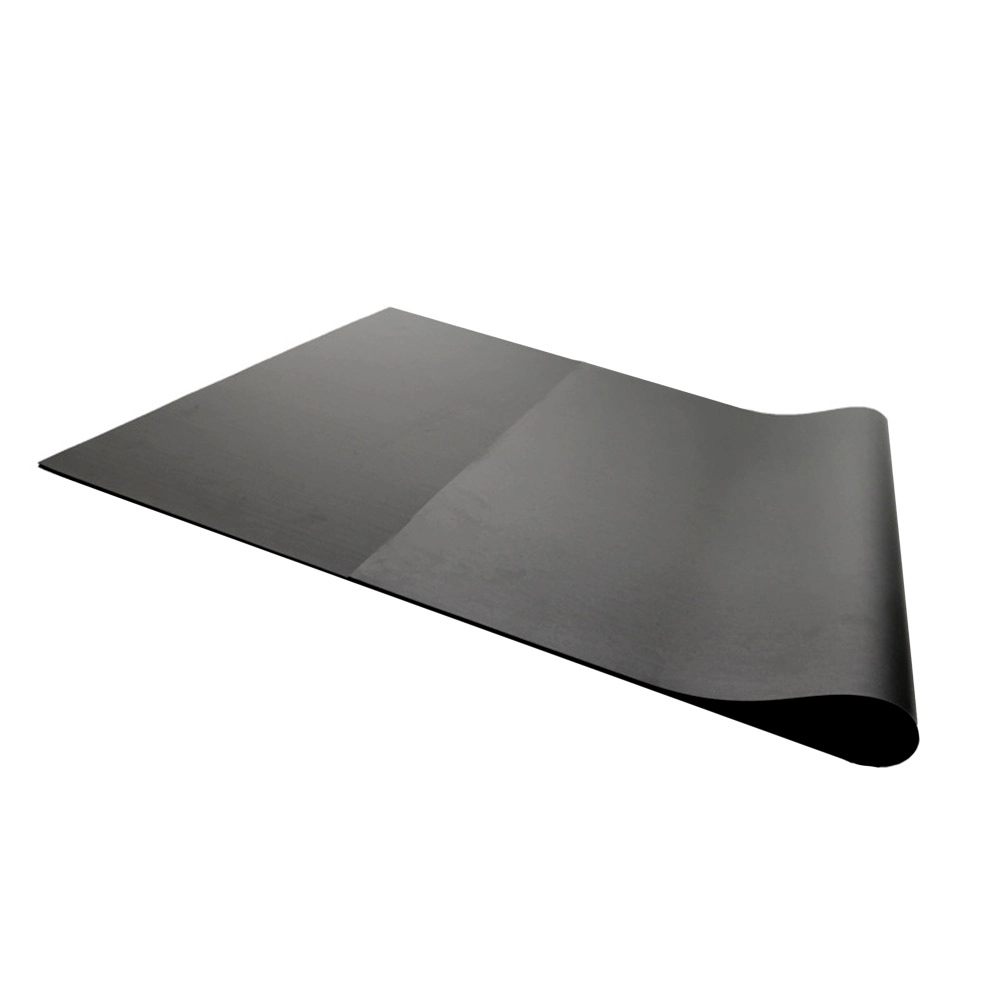
Choosing the Right Mass Loaded Vinyl for Walls
Automotive Sound Deadening Material Safety and Durability 2026
Buyer's Guide to Sound Insulation Foam and Mass Loaded Vinyl
FAQs
What industries are the products provided by ASLONG suitable for?
ASLONG's products are suitable for multiple industries, including air conditioning and HVAC, construction and waterproofing, automobiles and transportation, home appliances and electronics, industrial equipment and machinery, etc. We provide customized solutions for each industry to meet different needs.
Does ASLONG provide after-sales service?
Yes, we provide a full range of after-sales services, including technical support, installation guidance, product maintenance and quality tracking, etc., to ensure that each project goes smoothly and continues to perform at its best.
What specific functions can ASLONG's products provide?
Our products cover functions such as insulation, sound insulation, shock absorption, waterproofing and sealing, and are widely used in improving energy efficiency, reducing noise, controlling vibration, protecting equipment, etc., helping customers optimize engineering effects and improve user experience.
Do ASLONG's products meet environmental protection standards?
Yes, all ASLONG products comply with ISO14001 environmental management system certification and global environmental protection standards. We use environmentally friendly materials and are committed to providing sustainable solutions to help customers achieve green development goals.
How to customize products that meet the needs of my industry?
You only need to contact our sales or technical team, we will conduct an in-depth analysis based on your industry needs and provide tailor-made products and solutions. We guarantee to provide you with efficient and accurate services to meet your personalized requirements.
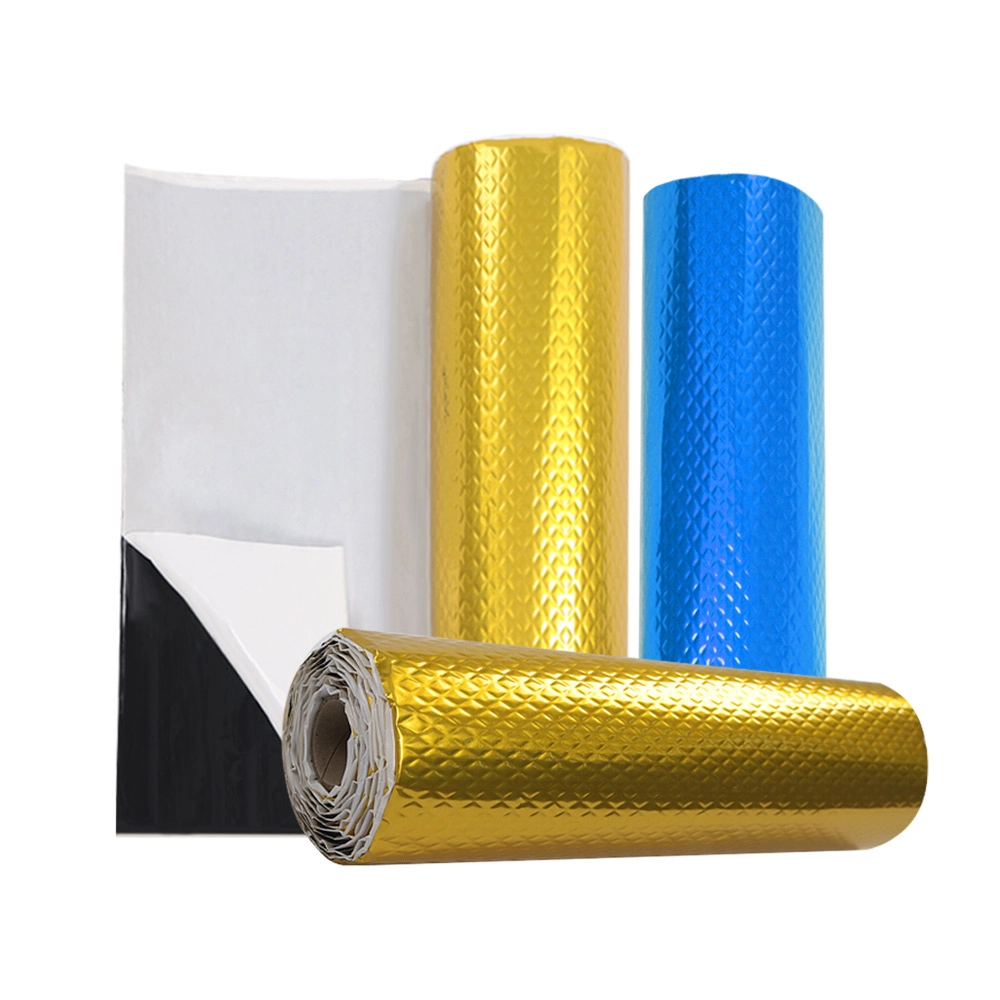
Butyl Rubber Sound Damping Mat
ASLONG Butyl Rubber Sound Damping Mat for sale. Effectively reduces noise and vibrations. High-quality butyl rubber ensures superior performance and durability. Ideal for automotive, industrial, and home applications.
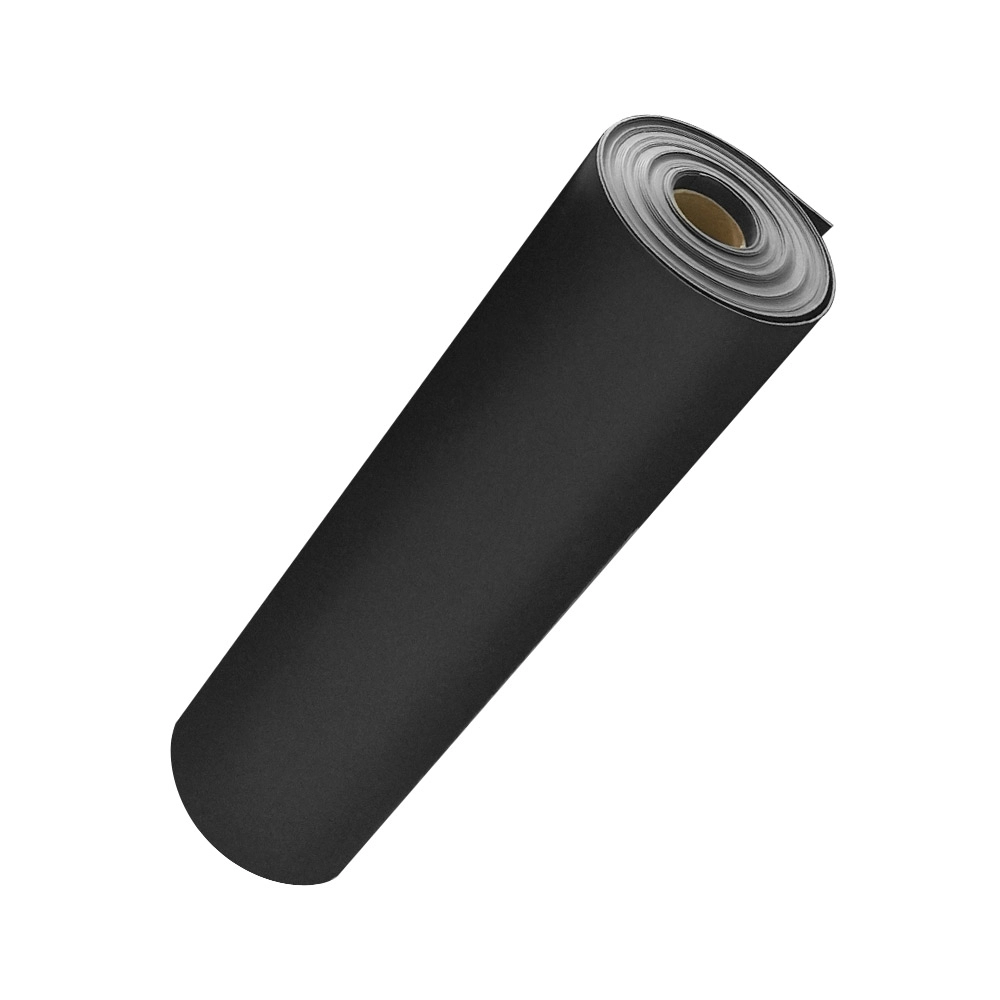
Mass Loaded Vinyl
ASLONG Mass Loaded Vinyl for sale. Reduce noise pollution effectively with our high-quality, mass-loaded vinyl. Ideal for soundproofing walls, floors, and more. Buy now and experience the difference!
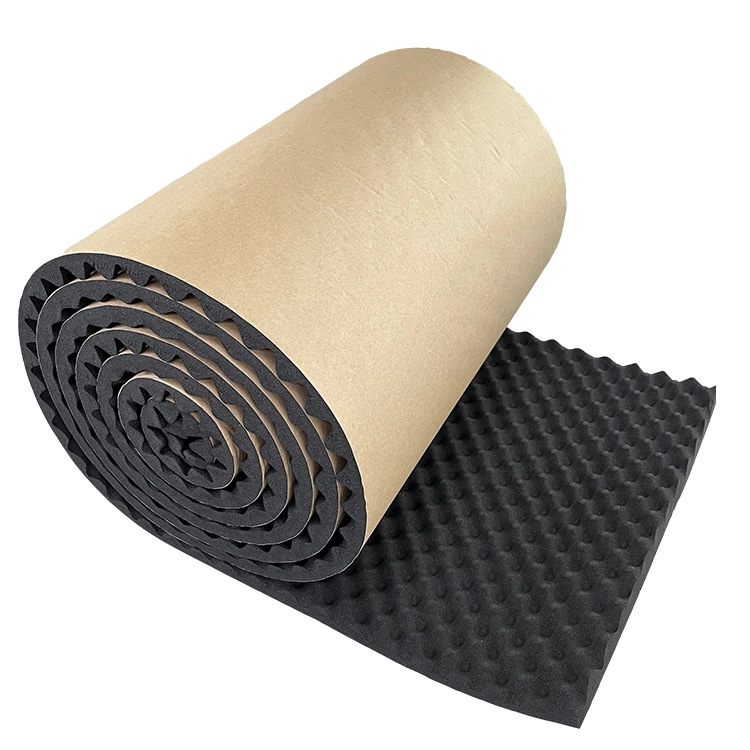
Egg Crate Foam
ASLONG Egg Crate Foam for sale. Lightweight, breathable, and comfortable, our egg crate foam provides superior support and pressure relief. Perfect for mattresses, cushions, cars, construction industry, KTV, factories, etc.
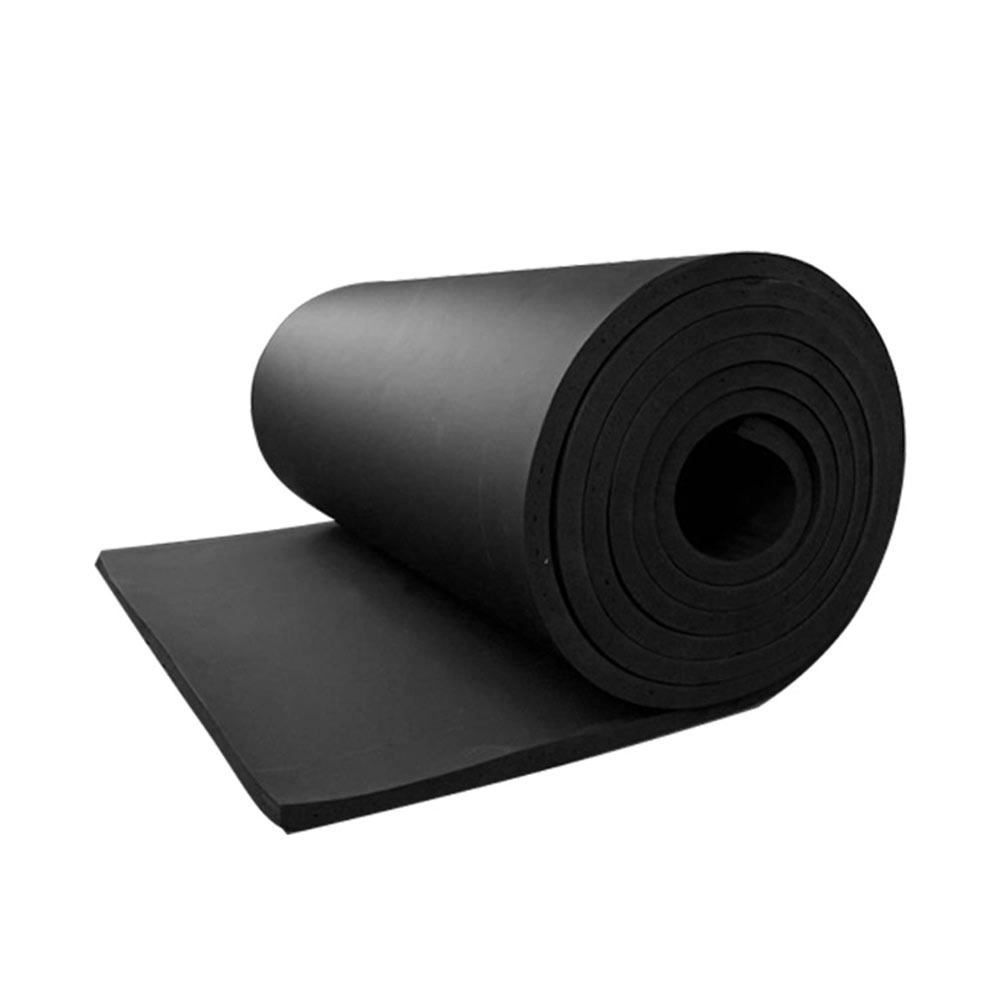
NBR Foam
ASLONG NBR Foam: Wholesale NBR foam solutions for diverse applications. High-quality, durable, and competitively priced. Contact us today for bulk orders.
Professional support at any time
If you have any comments or good suggestions, please leave us a message; later our professional staff will contact you as soon as possible.
© 2026 ASLONG All Rights Reserved. Privacy Policy | Terms and Conditions | Sitemap

 It would be pleasure to receive from you.
Whatsapp: +8613242879341
ASLONG Global
ASLONG
Aslong_global