

Comparing Butyl Rubber Sheet vs Bitumen Damping for OEMs
- Comparing Butyl Rubber Sheet vs Bitumen Damping for OEMs
- What is a butyl rubber sheet and why OEMs request butyl rubber sheet solutions
- What is bitumen damping and where it's typically used
- Acoustic performance comparison — butyl rubber sheet vs bitumen damping (butyl rubber sheet)
- Durability, environmental resistance and service life (butyl rubber sheet)
- Manufacturing and installation considerations for OEMs — speed, automation and waste (butyl rubber sheet)
- Weight and fuel/energy efficiency implications (butyl rubber sheet)
- Cost analysis and total cost of ownership for OEM procurement (butyl rubber sheet)
- Health, environmental and regulatory considerations (butyl rubber sheet)
- Testing, standards and certification OEMs should require (butyl rubber sheet)
- Application scenarios: when to specify Butyl Rubber Sound Damping Mat vs bitumen damping (butyl rubber sheet)
- How to specify Butyl Rubber Sound Damping Mat for OEM procurement (butyl rubber sheet)
- Brand advantages — why choose ASLONG Butyl Rubber Sound Damping Mat for OEM projects
- Installation tips and quality checks for OEM production lines (butyl rubber sheet)
- Frequently Asked Questions (FAQ) about butyl rubber sheet and bitumen damping
- Contact and view product
- References and authoritative sources

Comparing Butyl Rubber Sheet vs Bitumen Damping for OEMs
Original equipment manufacturers (OEMs) increasingly face tighter acoustic requirements, lighter-weight targets and stricter environmental regulations. Choosing the right damping material—whether a butyl rubber sheet or traditional bitumen damping—affects noise, vibration, weight, manufacturability and lifecycle cost. This article compares both solutions from an OEM perspective and explains how ASLONG Butyl Rubber Sound Damping Mat can meet modern performance and production demands.
What is a butyl rubber sheet and why OEMs request butyl rubber sheet solutions
Butyl rubber sheet is a viscoelastic polymer-based sound damping product designed to reduce structure-borne noise and vibration. Commercially available as self-adhesive mats or plain sheets, it adheres to metal panels, plastic housings and other structural surfaces to convert vibrational energy into heat. For OEMs, the keyword butyl rubber sheet signifies a ready-to-install solution that balances acoustic damping, durability and ease of assembly.
Product highlight: Butyl Rubber Sound Damping Mat —
ASLONG Butyl Rubber Sound Damping Mat for sale. Effectively reduces noise and vibrations. High-quality butyl rubber ensures superior performance and durability. Ideal for automotive, industrial, and home applications.
This product is representative of OEM-grade butyl mats used for automotive inner panels, machinery enclosures and appliance cabinets.What is bitumen damping and where it's typically used
Bitumen damping is a heavy, asphalt-based material historically applied to vehicle floors, trunk lids and industrial panels. It is generally heavier and thicker than butyl sheets and provides effective damping at certain frequencies. Bitumen is often supplied as coated sheets or as liquid-applied membranes that cure in place.
Acoustic performance comparison — butyl rubber sheet vs bitumen damping (butyl rubber sheet)
OEM engineers need to understand frequency-dependent behavior: some materials excel at mid-to-high frequencies, others at low frequencies. Below is a concise, practical comparison table that summarizes typical differences relevant to OEM decision-making.
| Property | Butyl Rubber Sheet (Butyl Rubber Sound Damping Mat) | Bitumen Damping |
|---|---|---|
| Typical density | Medium (lower than bitumen) | High (heavier) |
| Low-frequency damping | Good — engineered for broad-band energy dissipation | Fair to Good — can be effective but requires more mass |
| Mid/high-frequency damping | Excellent — viscoelastic behavior tuned for panel damping | Good — mass-loading helps reduce resonance at some frequencies |
| Adhesion to metal/plastics | High — available with pressure-sensitive adhesives | Variable — often requires heat or primer |
| Temperature stability | Wide operating range; less tendency to run at high temp | Can soften at high temp and become brittle with aging |
| Weight impact | Lower mass penalty for similar damping effect | Higher mass — increases vehicle / product weight |
| Installation speed | Fast — peel-and-stick options; easy trimming | Slower — may need heat, rollers, curing time |
| Longevity | Long — resists cracking and flow over time | Variable — potential for slump, odour, and bleeding over years |
Durability, environmental resistance and service life (butyl rubber sheet)
OEMs require materials that can withstand production environments and the product’s lifetime. Butyl rubber sheets are chemically inert, resist water and many automotive fluids, and remain flexible over broad temperature ranges. They typically show minimal cold-cracking and less thermally induced flow compared to bitumen. Bitumen products can perform well initially, but prolonged heat and UV exposure can cause softening or embrittlement, which can reduce long-term adhesion and acoustic performance.
Manufacturing and installation considerations for OEMs — speed, automation and waste (butyl rubber sheet)
Manufacturability is a decisive factor. Butyl Rubber Sound Damping Mat is often supplied with pressure-sensitive adhesive backing, enabling automated placement using tape-and-roll machines or hand lay-up with simple peel-off liners. The product trims easily for complex contours and can be pre-cut to part geometries for just-in-time production. Bitumen usually needs heat-activated adhesion or manual pressing and may require longer cooling times and more handling precautions, which increases cycle time and scrap risk.
Weight and fuel/energy efficiency implications (butyl rubber sheet)
Every gram matters in automotive and aerospace OEMs. Butyl rubber sheets achieve comparable or superior damping with lower mass than bitumen materials. This lighter mass contributes directly to weight-sensitive targets (fuel economy, electric vehicle range). For manufacturers tracking regulatory or market-driven weight budgets, the lower mass of butyl often translates into measurable system-level benefits.
Cost analysis and total cost of ownership for OEM procurement (butyl rubber sheet)
Raw material cost per square meter for butyl and bitumen can vary by region and formulation. While bitumen may appear cheaper per kilogram, the heavier material needed to reach equivalent damping can offset that advantage. Consider total cost of ownership: material cost, installation labor, line-speed impact, rework/scrap, warranty claims and weight-related penalties. In many OEM cases, the lower installation time and reduced warranty risk of butyl materials produce a lower lifecycle cost despite a somewhat higher unit price.
Health, environmental and regulatory considerations (butyl rubber sheet)
OEM procurement teams must verify VOC emissions, RoHS/REACH compliance, and safe handling. Butyl formulations can be developed to meet low-VOC targets and resist bleeding/odour. Bitumen formulations may off-gas or exhibit stronger odours especially when heated. Ensure material certificates (MSDS, RoHS/REACH declarations) and independent test reports accompany supplier claims.
Testing, standards and certification OEMs should require (butyl rubber sheet)
To minimize integration risk, specify objective test metrics in purchase documents. Common requirements include:
- Dynamic mechanical analysis (DMA) or loss factor vs frequency graphs
- Adhesive peel strength and shear tests at temperature extremes
- Accelerated aging (thermal cycling, humidity, UV if applicable)
- Flammability ratings if used near heat sources
- Material compliance: RoHS, REACH, MSDS
Request sample panels and in-situ tests on representative parts as part of the supplier qualification process.
Application scenarios: when to specify Butyl Rubber Sound Damping Mat vs bitumen damping (butyl rubber sheet)
Choose Butyl Rubber Sound Damping Mat when OEM priorities include:
- Weight reduction and high damping per unit mass
- Fast, automated or manual peel-and-stick installation
- Long-term durability with minimal odour/bleeding
- Use on complex or stamped panels and plastic substrates
Consider bitumen damping when:
- Mass addition is acceptable or desired for structure-borne noise suppression
- Cost-per-kilogram is a dominant constraint and installation speed is less critical
- The application tolerance for temperature-induced flow is high or material access is limited for replacement
How to specify Butyl Rubber Sound Damping Mat for OEM procurement (butyl rubber sheet)
A clear specification reduces supplier ambiguity. Include the following when requesting quotes or prototypes:
- Product name: Butyl Rubber Sound Damping Mat
- Thickness options (e.g., 1.5 mm, 2.0 mm, 3.0 mm) and acceptable tolerances
- Adhesive type and peel strength at 23°C and at elevated temperature
- Operating temperature range (e.g., -40°C to +120°C) and thermal cycling resistance
- Loss factor or damping coefficient at key frequencies (provide target curves if possible)
- Environmental compliance declarations (RoHS/REACH) and MSDS
- Packaging for JIT lines and pre-cut parts if required
Brand advantages — why choose ASLONG Butyl Rubber Sound Damping Mat for OEM projects
ASLONG Butyl Rubber Sound Damping Mat is designed for OEM-level integration. Key advantages include:
- Engineered viscoelastic formulation providing high damping with low mass
- Pressure-sensitive adhesive backing for rapid assembly and automation compatibility
- Proven durability across temperature cycles and resistance to fluids
- Customizable thickness and pre-cutting services to suit production tooling
- Supply chain readiness for large-volume OEM programs and technical support for validation testing
These strengths make ASLONG Butyl Rubber Sound Damping Mat a practical choice where performance, weight control and production efficiency are priorities.
Installation tips and quality checks for OEM production lines (butyl rubber sheet)
To ensure consistent results in production, adopt the following process controls:
- Surface preparation: clean oil, dust and zinc salts to ensure adhesion
- Application temperature: maintain recommended substrate and mat temperatures for best bond
- Roller pressure: specify roller force for automated lamination to avoid trapped air
- In-line inspection: peel tests and random acoustic checks on production batches
- Storage: keep mats in dry conditions, away from direct sunlight and extreme heat
Frequently Asked Questions (FAQ) about butyl rubber sheet and bitumen damping
Q: Is butyl rubber sheet better than bitumen for vehicle noise reduction?
A: In many modern vehicle applications, butyl rubber sheets provide comparable or better broad-band damping with less mass and easier installation. However, specific part geometry and target frequencies may lead to a different choice—always validate with test panels.
Q: Can Butyl Rubber Sound Damping Mat be applied to plastics and painted surfaces?
A: Yes—most butyl mats with appropriate adhesive can adhere to metals, painted surfaces and many plastics. Pre-testing on representative substrates is recommended to confirm adhesion and chemical compatibility.
Q: How does temperature affect butyl rubber sheet performance?
A: High-quality butyl formulations maintain performance across a wide temperature range. They are less prone to flow at high temperatures and less likely to crack in cold climates compared to some bitumen materials.
Q: What should OEMs request from suppliers for qualification?
A: Request DMA or loss-factor curves, adhesion and shear test results, aging test reports, material safety data sheets and environmental compliance certificates (RoHS/REACH).
Q: Is ASLONG Butyl Rubber Sound Damping Mat available for bulk OEM orders and custom sizes?
A: Yes. ASLONG supports OEM-scale orders, offers custom thicknesses and pre-cut part services, and provides technical support for qualification testing.
Contact and view product
To evaluate how Butyl Rubber Sound Damping Mat can improve your assembly line and product acoustic performance, contact ASLONG sales or request samples for qualification. For procurement and technical support, reach out to your ASLONG representative to check product availability and to arrange trial parts.
References and authoritative sources
- Butyl rubber — Wikipedia: https://en.wikipedia.org/wiki/Butyl_rubber
- Bitumen — Wikipedia: https://en.wikipedia.org/wiki/Bitumen
- Damping (mechanics) — Wikipedia: https://en.wikipedia.org/wiki/Damping_(mechanics)
- REACH Regulation — European Chemicals Agency: https://echa.europa.eu/regulations/reach/understanding-reach
- Sound insulation fundamentals — The Engineering Toolbox: https://www.engineeringtoolbox.com/sound-insulation-d_58.
Wholesale 2lb mlv manufacturer and supplier
How to start the cable repair products business ?
Where to Buy sound absorbing cotton in USA
The B2B Buyer’s Guide to butyl waterproof tape | ASLONG Ultimate Insights
FAQs
What specific functions can ASLONG's products provide?
Our products cover functions such as insulation, sound insulation, shock absorption, waterproofing and sealing, and are widely used in improving energy efficiency, reducing noise, controlling vibration, protecting equipment, etc., helping customers optimize engineering effects and improve user experience.
How to customize products that meet the needs of my industry?
You only need to contact our sales or technical team, we will conduct an in-depth analysis based on your industry needs and provide tailor-made products and solutions. We guarantee to provide you with efficient and accurate services to meet your personalized requirements.
What industries are the products provided by ASLONG suitable for?
ASLONG's products are suitable for multiple industries, including air conditioning and HVAC, construction and waterproofing, automobiles and transportation, home appliances and electronics, industrial equipment and machinery, etc. We provide customized solutions for each industry to meet different needs.
Do ASLONG's products meet environmental protection standards?
Yes, all ASLONG products comply with ISO14001 environmental management system certification and global environmental protection standards. We use environmentally friendly materials and are committed to providing sustainable solutions to help customers achieve green development goals.
Does ASLONG provide after-sales service?
Yes, we provide a full range of after-sales services, including technical support, installation guidance, product maintenance and quality tracking, etc., to ensure that each project goes smoothly and continues to perform at its best.
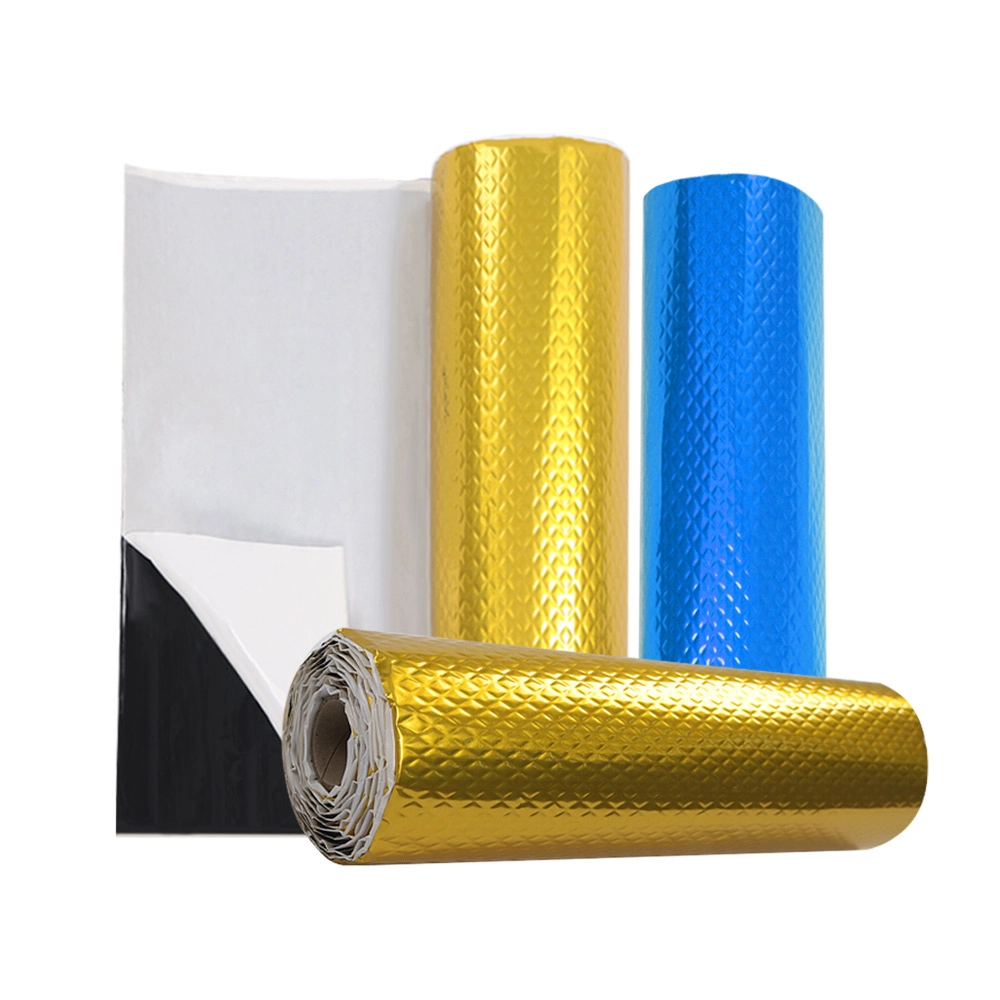
Butyl Rubber Sound Damping Mat
ASLONG Butyl Rubber Sound Damping Mat for sale. Effectively reduces noise and vibrations. High-quality butyl rubber ensures superior performance and durability. Ideal for automotive, industrial, and home applications.
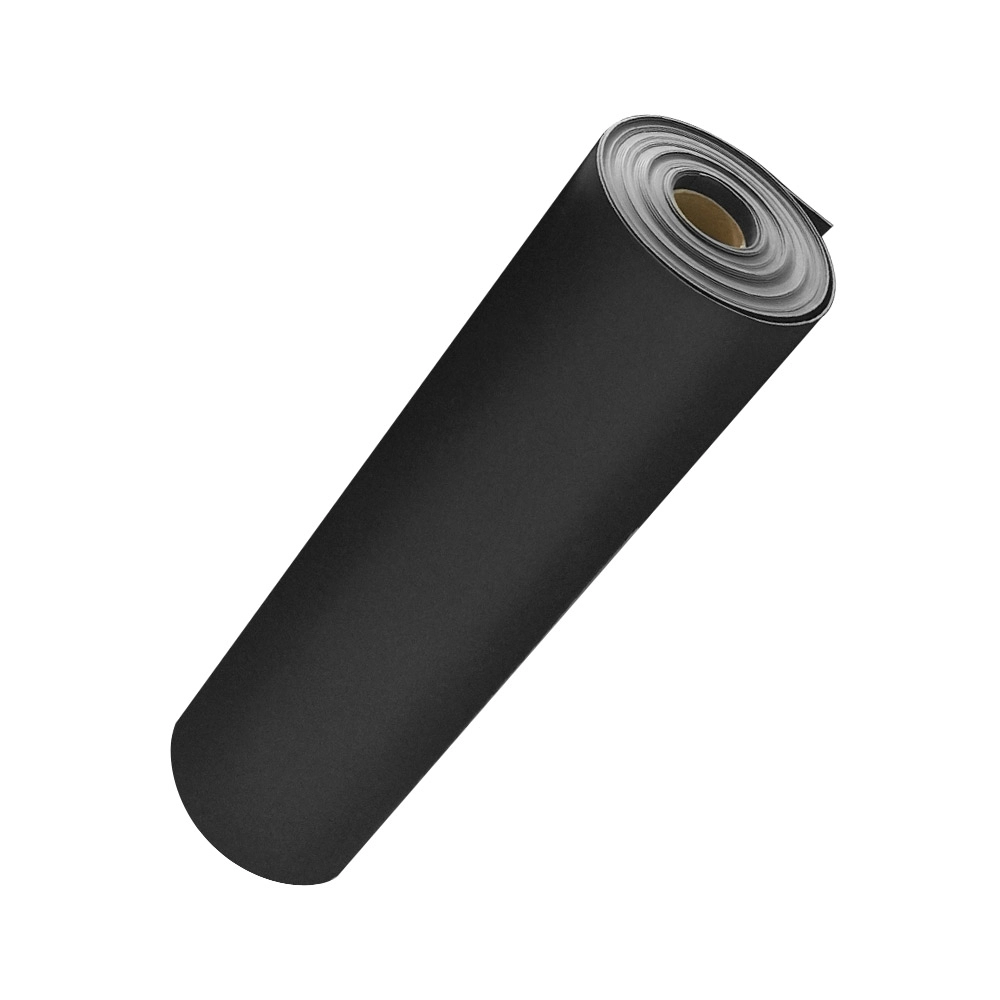
Mass Loaded Vinyl
ASLONG Mass Loaded Vinyl for sale. Reduce noise pollution effectively with our high-quality, mass-loaded vinyl. Ideal for soundproofing walls, floors, and more. Buy now and experience the difference!
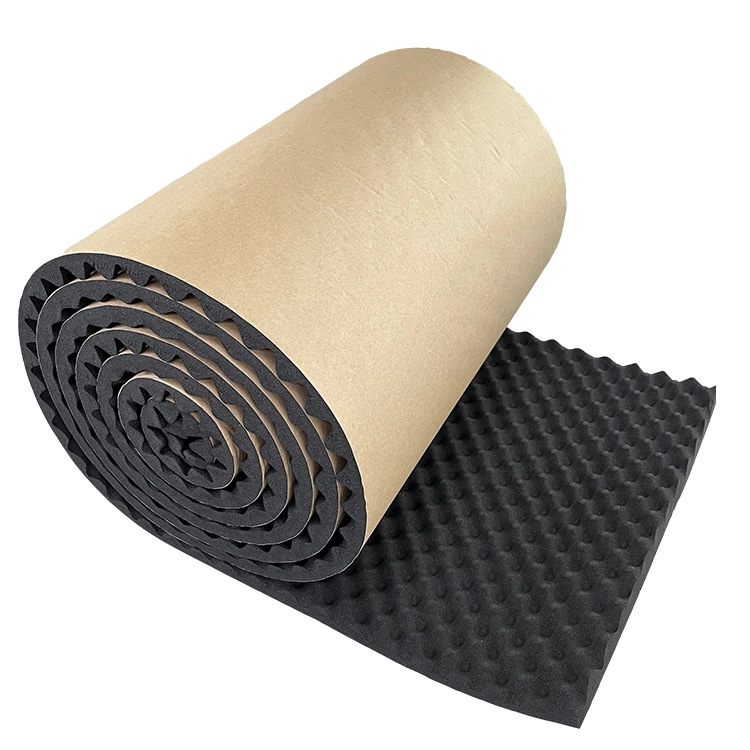
Egg Crate Foam
ASLONG Egg Crate Foam for sale. Lightweight, breathable, and comfortable, our egg crate foam provides superior support and pressure relief. Perfect for mattresses, cushions, cars, construction industry, KTV, factories, etc.
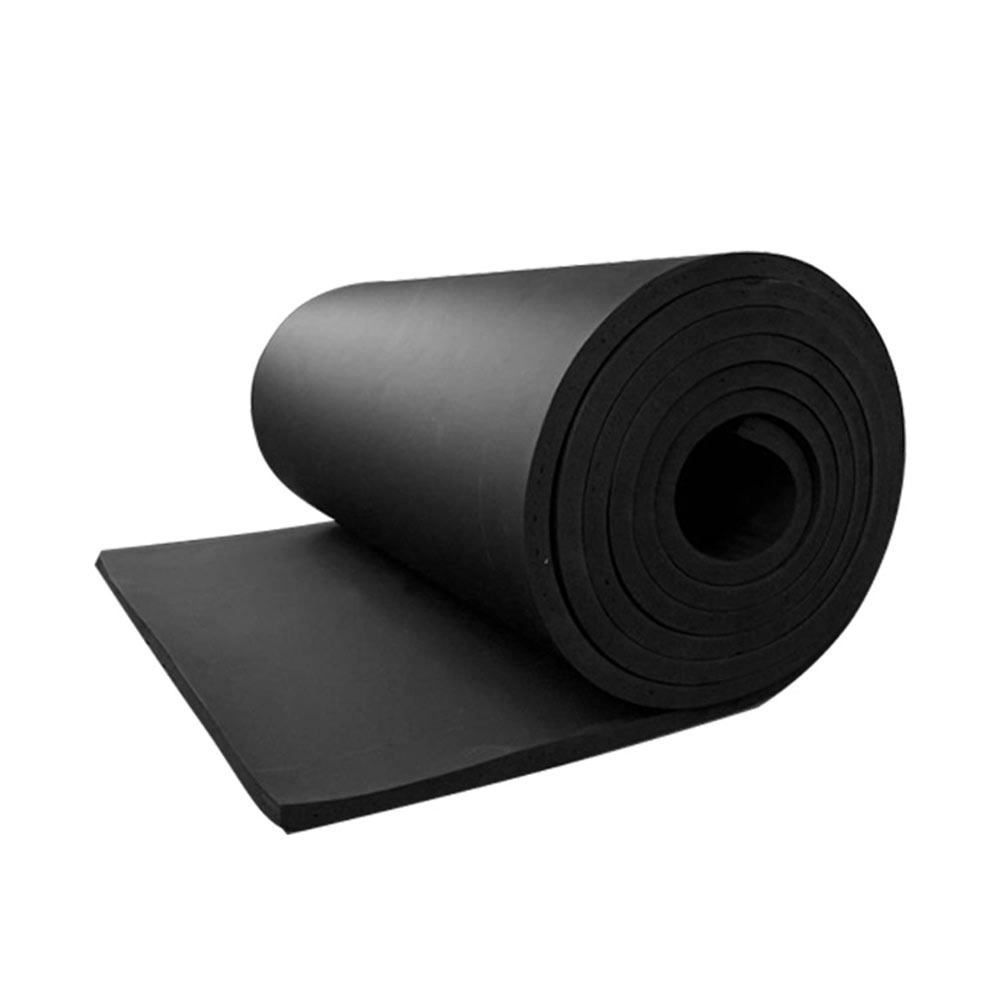
NBR Foam
ASLONG NBR Foam: Wholesale NBR foam solutions for diverse applications. High-quality, durable, and competitively priced. Contact us today for bulk orders.
Professional support at any time
If you have any comments or good suggestions, please leave us a message; later our professional staff will contact you as soon as possible.
© 2026 ASLONG All Rights Reserved. Privacy Policy | Terms and Conditions | Sitemap

 It would be pleasure to receive from you.
Whatsapp: +8613242879341
ASLONG Global
ASLONG
Aslong_global