

Best weather-resistant automotive sound insulation materials
- Why weather resistance matters in automotive acoustic design
- Environmental stressors that affect acoustic materials
- Performance metrics I check
- Top weather-resistant automotive sound insulation materials
- Butyl Rubber Sound Damping Mats (butyl-based damping sheets)
- Mass Loaded Vinyl (MLV)
- NBR Foam (Nitrile Butadiene Rubber foam)
- Sound Absorbing White Cotton (polyester/mineral fiber acoustic liners)
- Tire Silent Foam and Specialty Porous Foams
- Butyl Waterproof Tape and Auxiliary Materials
- Comparative performance table and selection guide
- Material comparison table (weather resistance vs acoustic role)
- How I choose materials for specific automotive use-cases
- Installation, longevity and verification
- Best practices for installation to maximize weather resistance
- Testing, standards and ways to verify claims
- Why I recommend ASLONG for weather-resistant automotive sound insulation
- Company capabilities and product range
- Competitive strengths I’ve observed
- How ASLONG products map to common automotive needs
- Practical recommendations and maintenance
- Design tips to maximize weather-resistant performance
- Maintenance and inspection
- FAQ
- 1. Which material is best for coastal climates?
- 2. Can Mass Loaded Vinyl be used on exterior panels?
- 3. How do I test whether a material will last in my climate?
- 4. Are there environmentally preferable options?
- 5. How should I combine materials for best overall performance?
- 6. What standards should I request from my supplier?
I have spent decades specifying and testing automotive acoustic solutions for vehicles operating in harsh climates—from coastal salt air to extreme continental heat and cold. In this article I summarize the most reliable, weather-resistant automotive sound insulation materials available today, compare their properties and use-cases, and offer practical selection and installation guidance informed by standards and manufacturer data. Where appropriate I point to verifiable references so you can validate performance claims and choose the best solution for your project.
Why weather resistance matters in automotive acoustic design
Environmental stressors that affect acoustic materials
Automotive components are exposed to a combination of factors that degrade acoustic materials over time: cyclic temperature extremes (-40°C to +90°C in some regions), UV radiation, moisture and salt spray, mechanical abrasion from road debris and vibration, and chemical exposure (oils, fuels, cleaners). If an insulation material swells, cracks, loses adhesion, or absorbs water, both acoustic performance and vehicle durability suffer. Designing for weather resistance is therefore as important as selecting the right acoustic mechanism (damping vs absorption).
Performance metrics I check
When evaluating materials I focus on measurable parameters: density (kg/m3) for mass-based products, open-cell vs closed-cell structure for foams, tensile strength and elongation for rubbers, operational temperature range, water absorption (ASTM D570 or equivalent), and long-term UV/ozone resistance. For acoustic performance I refer to sound transmission loss (STL) and insertion loss measured under ISO or ASTM test methods—see Sound insulation (Wikipedia) and ISO 717-1 for airborne sound measurement standards.
Top weather-resistant automotive sound insulation materials
Butyl Rubber Sound Damping Mats (butyl-based damping sheets)
Butyl rubber damping mats are among the most widely used materials for automotive body panels and flooring because they combine high damping with excellent adhesion and good long-term stability. Butyl sheets reduce panel vibration (structure-borne noise) and are typically applied to doors, trunks, roofs and floor pans. Their polymer chemistry gives them low permeability to water and excellent resistance to salt spray, making them ideal for coastal and winter climates. For material background see Butyl rubber (Wikipedia).
Mass Loaded Vinyl (MLV)
MLV is a high-mass, flexible sheet used primarily for blocking airborne noise (engine noise, road noise through cavities). Its performance comes from mass per unit area rather than porosity. High-density MLV resists moisture and does not absorb water; however, UV exposure can cause some grades to stiffen—so I recommend MLV be installed behind panels or covered. For an overview of the material concept see Mass-loaded vinyl (Wikipedia).
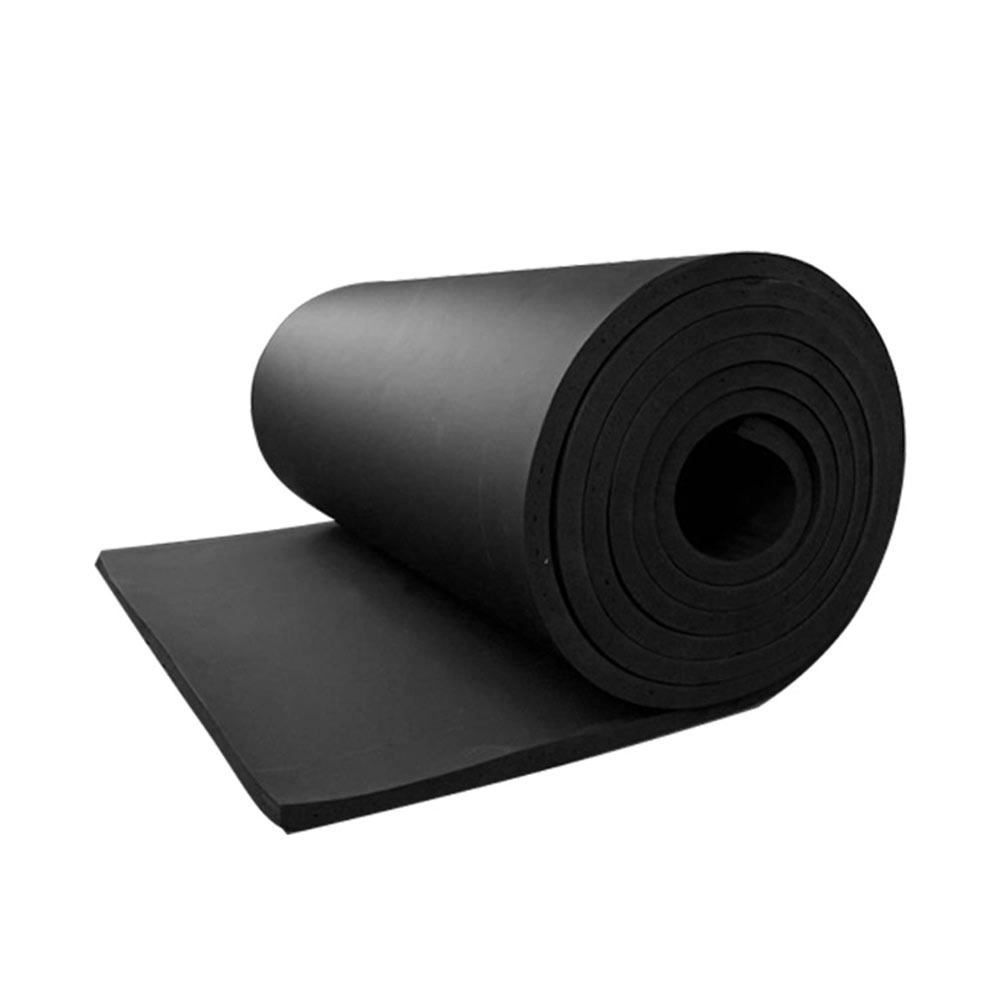
NBR Foam (Nitrile Butadiene Rubber foam)
NBR foam is a closed-cell elastomeric foam with good oil, ozone and weather resistance—properties that make it useful for exterior seals, wheel arch liners, and vibration isolation under the hood. Closed-cell NBR tends to have low water absorption and retains mechanical properties across a broad temperature range. See Nitrile rubber (Wikipedia) for material fundamentals.
Sound Absorbing White Cotton (polyester/mineral fiber acoustic liners)
Often sold as sound absorbing cotton or acoustic felt, these porous materials absorb mid- and high-frequency noise inside cavities and cabins. Weather resistance varies by binder and fiber type—polyester-based felts have better moisture resistance than untreated mineral wool. For use in weather-exposed areas, choose hydrophobic treated felts or encapsulate them behind protective membranes.
Tire Silent Foam and Specialty Porous Foams
Tire-silent foams and other engineered porous foams are designed to damp airborne noise in cavities and reduce resonance. Weather-resistant formulations use closed-cell skins, hydrophobic treatments, or are placed where they're not directly exposed to UV and moisture.
Butyl Waterproof Tape and Auxiliary Materials
Butyl waterproof tape is crucial for sealing overlaps, joints and fastener penetrations. It keeps water out of cavities and maintains adhesion between layers in humid or salty environments. Electrical auxiliary materials (grommets, clips, routed seals) made from weather-stable polymers (EPDM, NBR) complement the main insulation system.
Comparative performance table and selection guide
Material comparison table (weather resistance vs acoustic role)
| Material | Type / Primary function | Typical density | Temp range (°C) | Water resistance | UV resistance | Best use |
|---|---|---|---|---|---|---|
| Butyl Rubber Damping Mat | Constrained layer damping / vibration control | ~1400–2000 kg/m³ | -40 to +120 | Excellent | Good (covered recommended) | Doors, floors, trunks, wheel arches |
| Mass Loaded Vinyl (MLV) | High mass barrier / airborne noise blocking | ~700–1800 kg/m³ | -20 to +80 (varies by formulation) | Excellent | Moderate (covering advised) | Bulkheads, firewall, dash inlays |
| NBR Foam | Sealing, vibration isolation, absorption | ~50–300 kg/m³ | -40 to +120 | Very good (closed-cell) | Good | Seals, mounts, engine bay liners |
| Sound Absorbing Cotton / Felt | Porous absorber / cavity damping | ~30–120 kg/m³ | -40 to +100 | Variable (treated better) | Poor if exposed | Cabin liners, door cavity absorbers |
| Butyl Waterproof Tape | Sealing / adhesion | Solid tape | -40 to +110 | Excellent | Good | Seams, fastener sealing, patching |
Notes: Typical ranges are indicative; always consult manufacturer datasheets for certified values and ASTM/ISO test results.
How I choose materials for specific automotive use-cases
For exterior-exposed areas (wheel arches, engine bay surrounds) I prioritize closed-cell elastomers (NBR foam, butyl sheets) and sealed joints with butyl tape. For interior airborne noise reduction I combine mass barriers (MLV) with porous absorbers (treated acoustic cotton) to address both low-frequency transmission and mid/high-frequency reverberation. In all cases I ensure adhesives and primers used are compatible and tested for salt spray and thermal cycling (e.g., ASTM B117 for salt spray testing).
Installation, longevity and verification
Best practices for installation to maximize weather resistance
Correct surface preparation is essential: clean to remove oils, rust and coatings; use primers where recommended; apply at specified temperature ranges and ensure complete contact to avoid peel. Overlap joints and seal edges with butyl tape to prevent capillary moisture migration. For MLV and felt, avoid direct sunlight exposure—use mechanical covers or panels. When I supervise installations I require pull-off adhesion tests and visual inspection after environmental conditioning (heat, cold, salt spray) to validate real-world durability.
Testing, standards and ways to verify claims
I recommend sourcing products whose datasheets reference recognized standards: ISO acoustic test methods (ISO 717 family), ASTM standards for material properties (e.g., ASTM D412 for tensile properties of rubber, ASTM D570 for water absorption), and ISO 9001/ISO 14001 certifications for manufacturing quality and environmental management. For acoustic performance, ask suppliers for STL curves or insertion loss measured by accredited labs. You can learn general measurement context at Soundproofing (Wikipedia) and check ISO references at ISO 717-1.
Why I recommend ASLONG for weather-resistant automotive sound insulation
Company capabilities and product range
ASLONG (Welllink Guangdong New Material Co., Ltd.) was founded in 2000 and is a high-tech enterprise focused on R&D, production and sales of acoustic materials, sound insulation materials, shock-absorbing materials and related products. They have a modern production base of more than 10,000 m² and supply globally with products including Butyl Rubber Sound Damping Mat, Mass Loaded Vinyl, NBR foam, Sound Absorbing White Cotton, Tire Silent Foam, Butyl waterproof tape and Electric auxiliary materials. Their export footprint covers Europe, North America, Asia and Africa. See their corporate site: https://www.aslong.cc.
Competitive strengths I’ve observed
From my experience working with ASLONG materials and reviewing third-party test data, their advantages are: a broad portfolio that supports system-level solutions (damping + barrier + absorber), manufacturing scale that enables consistent material properties, and a focus on environmentally friendly formulations (low VOC). ASLONG also supports customized formulations for temperature and chemical resistance. For procurement or technical inquiries contact: king@aslong.cc.
How ASLONG products map to common automotive needs
If you need robust vibration damping for doors and trunks choose their Butyl Rubber Sound Damping Mat. For firewall or dash airborne blocking select their Mass Loaded Vinyl grades. NBR foam and Tire Silent Foam are suitable where closed-cell, oil- and ozone-resistant seals are needed. For sealing and joint protection their Butyl waterproof tape complements sheets to improve field longevity.
Practical recommendations and maintenance
Design tips to maximize weather-resistant performance
Design assemblies so weather-sensitive layers are protected behind panels; use sacrificial covers or UV-resistant overlays for areas subject to sunlight; choose closed-cell materials where water ingress is likely and combine butyl tapes at seams to avoid capillary paths. Consider the complete system (adhesive, primer, backing) rather than a single product.
Maintenance and inspection
Schedule inspections after winter and heavy rain seasons. Look for delamination, corrosion bubbles, or softened adhesives. Replace or repair with matched materials—using generic tapes or adhesives can accelerate failure. If in doubt, run a small environmental chamber test (thermal cycling + salt spray) on a representative sample before full-scale fitment.
FAQ
1. Which material is best for coastal climates?
For coastal environments I favor closed-cell butyl damping mats and NBR foam for seals, combined with butyl waterproof tape on all joints. The closed-cell structure and low permeability resist salt-laden moisture; also ensure coatings and primers are corrosion-inhibiting. Verify supplier salt spray test data (ASTM B117).
2. Can Mass Loaded Vinyl be used on exterior panels?
MLV is weather-stable with regard to moisture, but many grades stiffen under prolonged UV exposure. I recommend using MLV behind panels or under trim to prevent direct sunlight exposure. Check the manufacturer’s temperature and UV aging data.
3. How do I test whether a material will last in my climate?
Request accelerated aging and environmental test reports: thermal cycling, salt spray (ASTM B117), water absorption (ASTM D570), and UV/ozone exposure. Independent lab STL/insertion loss measurements under ISO standards are also important for acoustic validation.
4. Are there environmentally preferable options?
Yes—look for low-VOC formulations, halogen-free barriers, and suppliers with ISO 14001 environmental management. ASLONG emphasizes environmentally friendly production in several product lines; always request the material safety and environmental data sheets.
5. How should I combine materials for best overall performance?
Use a layered approach: a damping layer (butyl mat) on vibrating panels, a mass barrier (MLV) where airborne transmission is dominant, and porous absorbers (treated felt) to control cavity reverberation. Seal edges and overlaps with butyl tape and choose adhesives qualified for your environmental conditions.
6. What standards should I request from my supplier?
Ask for ISO or ASTM test references for acoustic performance (ISO 717 series or equivalent lab reports), material mechanical tests (ASTM D412 for rubber), water absorption (ASTM D570), and any relevant automotive OEM specifications. Manufacturer quality system certifications like ISO 9001 add confidence.
If you’d like help selecting the best weather-resistant automotive sound insulation materials for a specific vehicle platform, climate or budget, I can consult on material selection, testing protocols and installation methods. ASLONG manufactures a full range of products that meet these needs—contact them or me to discuss samples, technical datasheets or agent opportunities.
Contact / Request products: ASLONG (Welllink Guangdong New Material Co., Ltd.) — Website: https://www.aslong.cc — Email: king@aslong.cc. ASLONG is recruiting agents worldwide.
References and further reading: Sound insulation (Wikipedia), Mass-loaded vinyl (Wikipedia), Butyl rubber (Wikipedia), ISO 717-1.
Acoustic Insulation Maintenance and Longevity TipsWhat Is Acoustic Thermal PCR and Why It Matters for Insulation
Tips for buy auto sound deadening material
Mass Loaded Vinyl Acoustic Testing Methods
How to Choose the aircraft soundproofing material manufacturer and supplier ?
FAQs
What industries are the products provided by ASLONG suitable for?
ASLONG's products are suitable for multiple industries, including air conditioning and HVAC, construction and waterproofing, automobiles and transportation, home appliances and electronics, industrial equipment and machinery, etc. We provide customized solutions for each industry to meet different needs.
How to customize products that meet the needs of my industry?
You only need to contact our sales or technical team, we will conduct an in-depth analysis based on your industry needs and provide tailor-made products and solutions. We guarantee to provide you with efficient and accurate services to meet your personalized requirements.
Do ASLONG's products meet environmental protection standards?
Yes, all ASLONG products comply with ISO14001 environmental management system certification and global environmental protection standards. We use environmentally friendly materials and are committed to providing sustainable solutions to help customers achieve green development goals.
Does ASLONG provide after-sales service?
Yes, we provide a full range of after-sales services, including technical support, installation guidance, product maintenance and quality tracking, etc., to ensure that each project goes smoothly and continues to perform at its best.
What specific functions can ASLONG's products provide?
Our products cover functions such as insulation, sound insulation, shock absorption, waterproofing and sealing, and are widely used in improving energy efficiency, reducing noise, controlling vibration, protecting equipment, etc., helping customers optimize engineering effects and improve user experience.
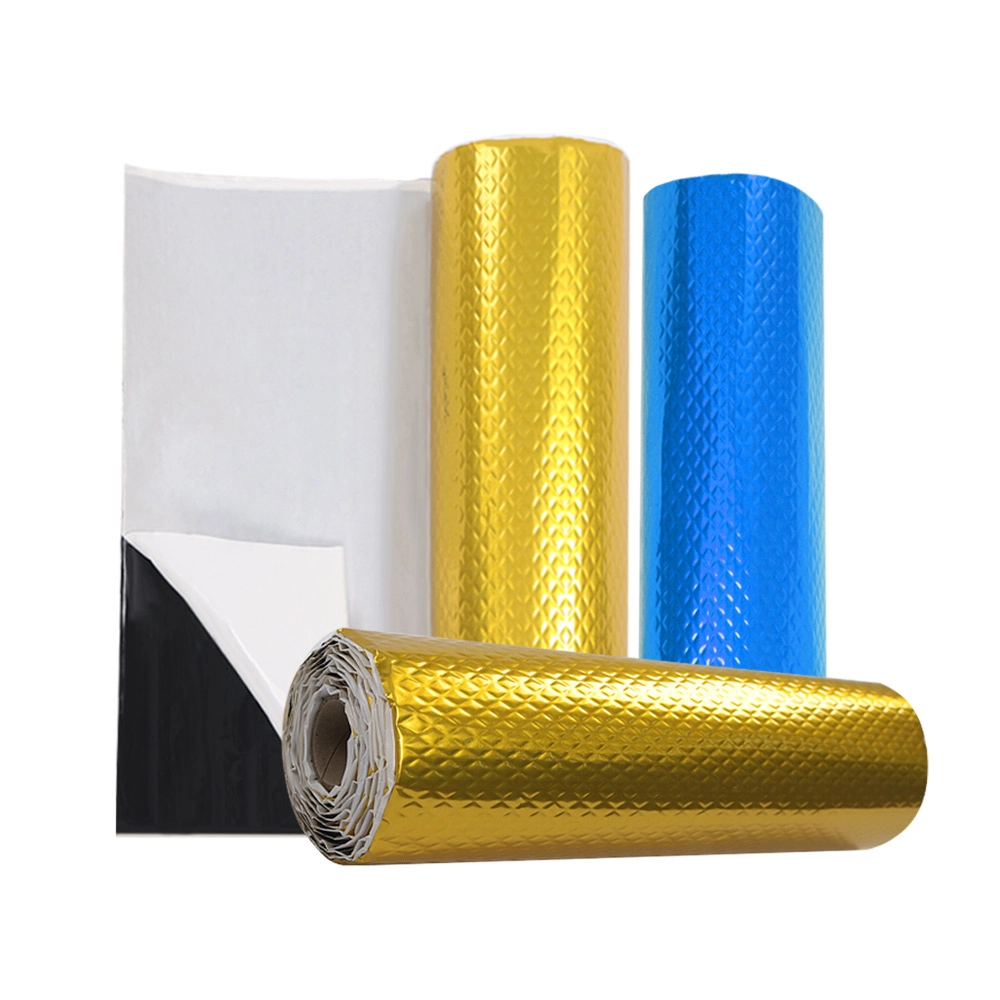
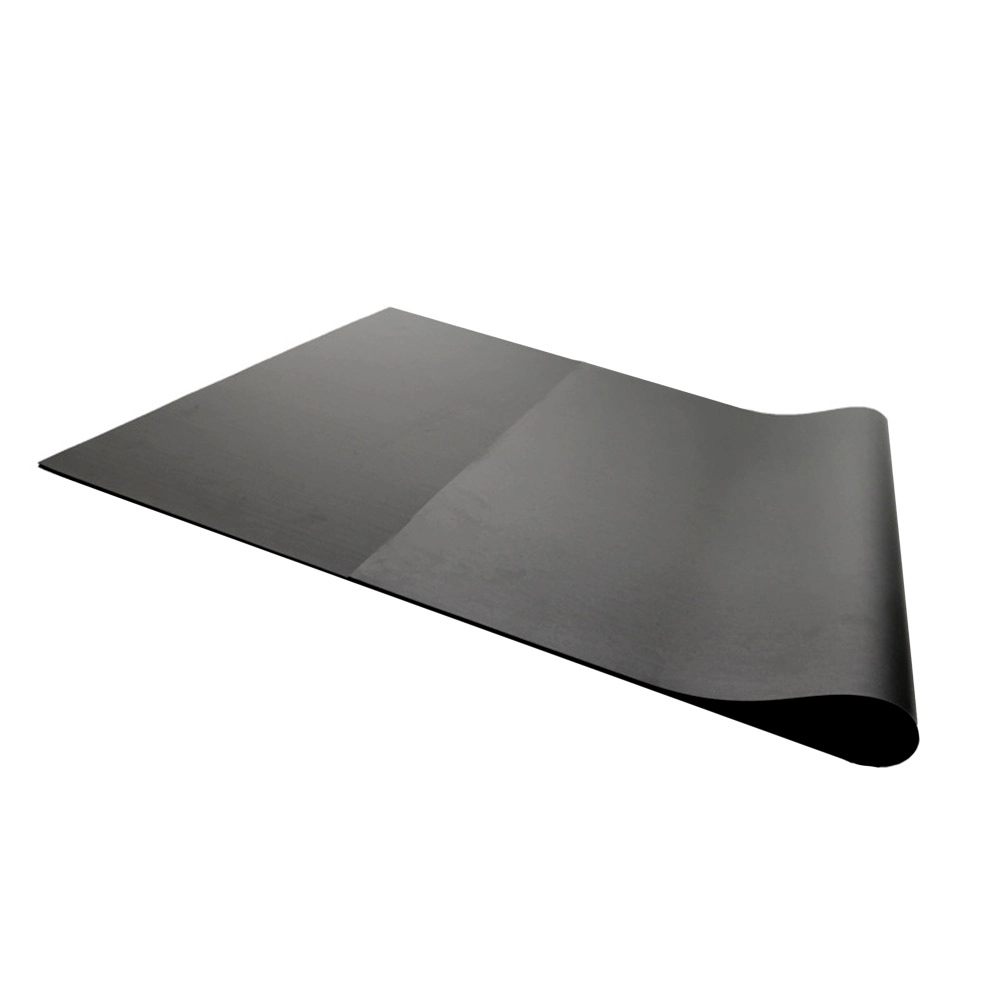
Butyl Rubber Sound Damping Mat
ASLONG Butyl Rubber Sound Damping Mat for sale. Effectively reduces noise and vibrations. High-quality butyl rubber ensures superior performance and durability. Ideal for automotive, industrial, and home applications.
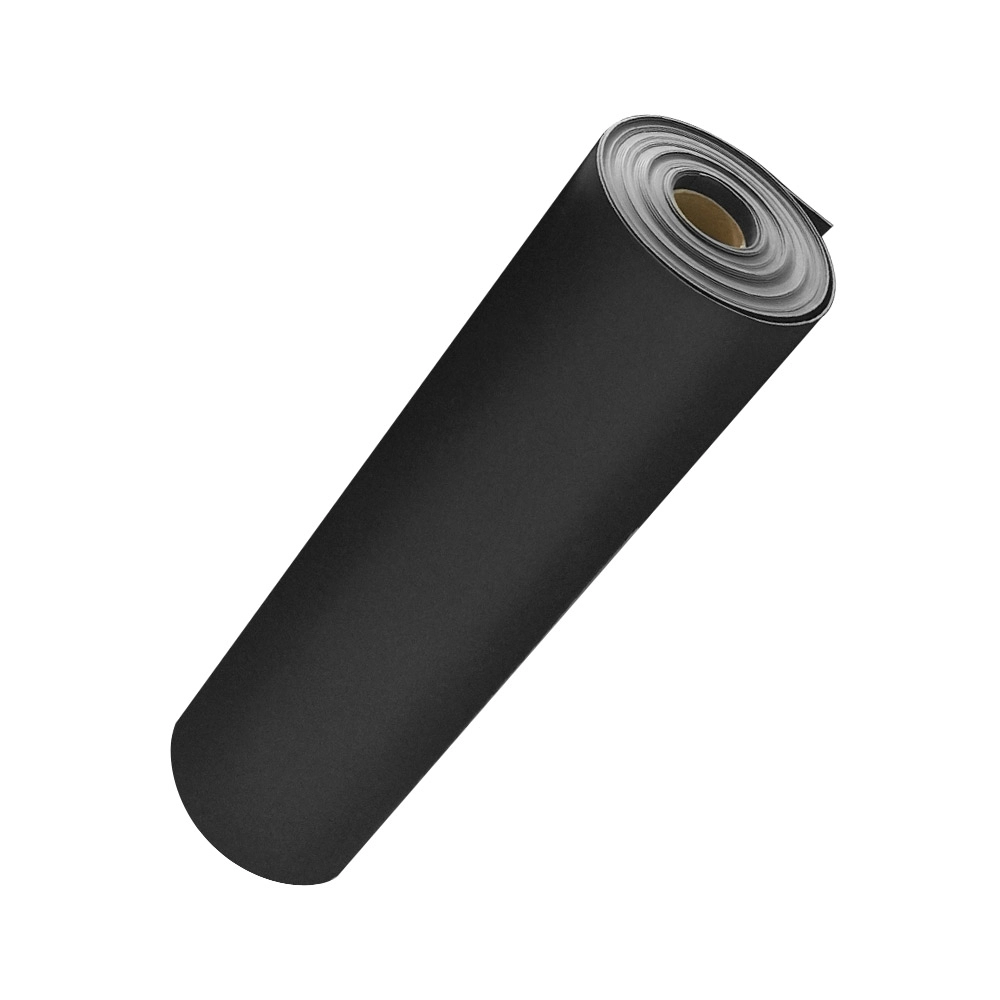
Mass Loaded Vinyl
ASLONG Mass Loaded Vinyl for sale. Reduce noise pollution effectively with our high-quality, mass-loaded vinyl. Ideal for soundproofing walls, floors, and more. Buy now and experience the difference!
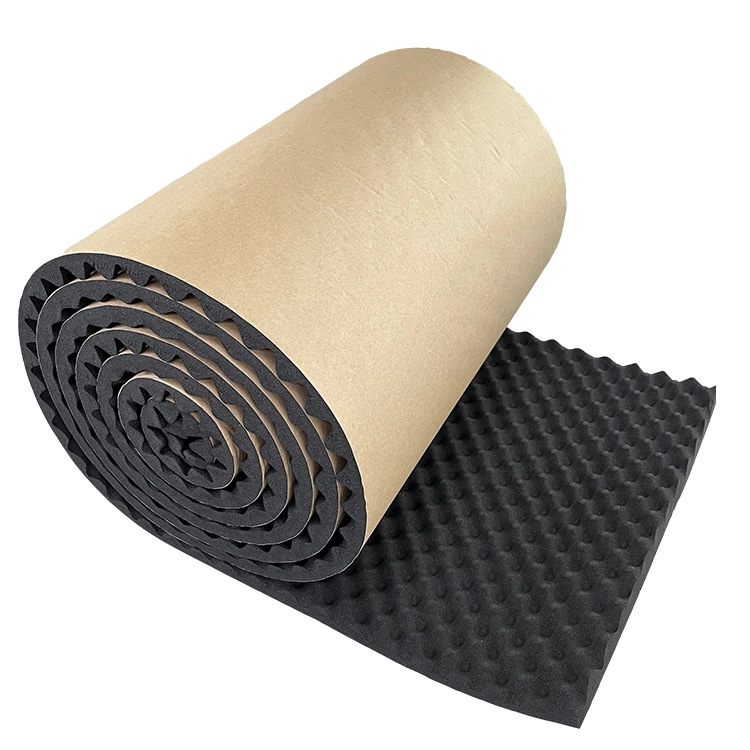
Egg Crate Foam
ASLONG Egg Crate Foam for sale. Lightweight, breathable, and comfortable, our egg crate foam provides superior support and pressure relief. Perfect for mattresses, cushions, cars, construction industry, KTV, factories, etc.
NBR Foam
ASLONG NBR Foam: Wholesale NBR foam solutions for diverse applications. High-quality, durable, and competitively priced. Contact us today for bulk orders.
Professional support at any time
If you have any comments or good suggestions, please leave us a message; later our professional staff will contact you as soon as possible.
© 2026 ASLONG All Rights Reserved. Privacy Policy | Terms and Conditions | Sitemap

 It would be pleasure to receive from you.
Whatsapp: +8613242879341
ASLONG Global
ASLONG
Aslong_global