

Best thermal-acoustic insulation for automotive interiors
- Understanding NVH goals and occupant comfort
- What drivers and passengers really want
- How acoustic and thermal functions differ and overlap
- Key metrics I use in spec sheets
- Comparing the top automotive thermal-acoustic materials
- Materials overview
- Side-by-side comparison
- How I choose combinations
- Design and installation considerations I insist on
- Packaging, weight, and fire safety
- Adhesion and long-term durability
- Measurement and verification
- Case studies and practical recommendations
- Economy compact car — focus on weight and cost
- High Quality sedan — focus on low-frequency comfort
- Electric vehicles — unique challenges
- Why material source and supplier expertise matters
- Traceability and test data
- Why ASLONG (Welllink Guangdong New Material Co., Ltd.) is worth considering
- How ASLONG's offerings fit my recommended strategies
- Installation tips and maintenance
- Surface prep and application
- Sealing and edge treatment
- Serviceability and rework
- Standards and authoritative references I rely on
- Standards relevant to automotive acoustic and thermal materials
- Design literature and verification
- Frequently Asked Questions (FAQ)
- 1. What is the single most effective upgrade to reduce cabin noise?
- 2. Should I use Mass-Loaded Vinyl (MLV) throughout the cabin?
- 3. Can acoustic materials also improve thermal comfort?
- 4. How do I verify the supplier's acoustic claims?
- 5. Are there health or safety concerns with these materials?
- 6. How much thickness do I need for meaningful thermal-acoustic benefit?
- Contact, procurement and next steps
As an engineer and consultant who has spent years solving NVH (Noise, Vibration, and Harshness) problems in passenger vehicles, I focus here on practical, verifiable guidance for selecting the best thermal-acoustic solutions for automotive interiors. This article explains material functions, compares common automotive sound insulation materials by performance and application, references industry standards and data sources, and provides installation considerations to help you achieve quieter, thermally comfortable cabins with predictable results.
Understanding NVH goals and occupant comfort
What drivers and passengers really want
When I evaluate insulation strategies, I start from user intent: reduced broadband noise (road, wind, engine), reduced tonal nuisances (drivetrain whine), and stable cabin temperature (thermal comfort). These map to three technical objectives: sound absorption, vibration damping, and sound blocking. Automotive sound insulation materials must often satisfy two or more of these simultaneously while meeting packaging, weight, and flammability constraints.
How acoustic and thermal functions differ and overlap
Acoustic absorption (converting sound energy into heat) is typically achieved with porous materials like foams or fibrous batts. Vibration damping (reducing structural-borne noise) is achieved with viscoelastic layers such as butyl-based damping mats. Sound blocking against airborne transmission relies on mass and stiffness—mass-loaded barriers are common. Thermal insulation reduces conductive and radiative heat transfer and is measured by thermal conductivity (k-value); many porous acoustic materials also provide thermal insulation, but performance varies. For standards and general principles see Noise, vibration, and harshness (NVH) - Wikipedia and Thermal insulation - Wikipedia.
Key metrics I use in spec sheets
When comparing materials I look for: surface density (kg/m2), dynamic loss factor (for damping), sound absorption coefficients (alpha, measured per ISO 354), sound transmission loss (STL) / transmission loss curves, and thermal conductivity (W/m·K). These parameters let me predict in-cabin reductions and thermal resistance (R-value) at package thicknesses compatible with vehicle architecture.
Comparing the top automotive thermal-acoustic materials
Materials overview
In automotive interiors the most commonly used materials I specify are: Butyl rubber damping mats, Mass-Loaded Vinyl (MLV), NBR (nitrile butadiene rubber) foam, sound-absorbing white cotton (lightweight fibrous batting), and specialized tire-silent foams or composites. Each has distinct roles: damping, mass barrier, absorption, or a hybrid role.
Side-by-side comparison
The table below summarizes typical in-service properties and the best-use cases. Values are representative ranges; specific product datasheets and lab tests (per ISO/SAE methods) should be used for final design.
| Material | Primary function | Typical surface density / thickness | Acoustic strength | Thermal performance | Best use |
|---|---|---|---|---|---|
| Butyl Rubber Sound Damping Mat | Structure-borne vibration damping | 2–5 mm; 2–5 kg/m² | Reduces panel resonance, lowers tonal noise | Minimal as standalone; improves with laminates | Doors, floor pan, roof—treat panels to reduce vibration |
| Mass-Loaded Vinyl (MLV) | Airborne sound barrier | 1.5–5 mm; 5–12 kg/m² | High low-frequency transmission loss | Low thermal insulation; adds mass for blocking | Bulkhead, floor, firewall for road/engine noise blocking |
| NBR Foam (Closed-cell) | Acoustic absorption, thermal insulation, sealing | 3–20 mm; 0.1–0.6 kg/m² | Good mid-to-high frequency absorption; good sealing | Thermal conductivity ~0.035–0.06 W/m·K (product-dependent) | Headliners, pillar trims, HVAC ducts, trunk liners |
| Sound Absorbing White Cotton (Fibrous Batting) | Acoustic absorption and thermal insulation | 10–40 mm; 0.2–2 kg/m² | High broadband absorption; excellent mid-high freq. | Good thermal R-value for given thickness | Roof liners, parcel shelves, door cavities (with protection) |
| Tire Silent Foam / Special Composites | Hybrid absorption + damping | 10–30 mm; variable | Tailored for road/tyre noise; good mid-low performance | Moderate thermal resistance | Wheel wells, trunk, rear bench areas |
Sources: material datasheets and acoustic measurement standards such as ISO 354 for absorption testing and common NVH engineering practice documented by industry bodies and textbooks (NVH - Wikipedia).
How I choose combinations
I rarely recommend a single material. Typical layered solutions pair a damping mat on the sheet metal (butyl) to stop panel resonance, plus an absorption layer (NBR foam or fibrous batting) to reduce reverberant noise, and—where needed—an MLV layer to block low-frequency road or engine noise. Weight, available cavity depth, cost, and fire/regulatory requirements guide the stack-up.
Design and installation considerations I insist on
Packaging, weight, and fire safety
Automotive designs are tightly constrained by space and mass targets. Adding a heavy MLV everywhere is effective but often unacceptable for fuel economy and emissions targets. Also ensure materials meet automotive flammability and smoke/toxicity requirements—automotive OEMs frequently reference standards such as FMVSS (US), UNECE R118 for interior materials, and local regulations. Always verify supplier test certificates.
Adhesion and long-term durability
Proper adhesion to painted and coated steel or aluminum is critical. I verify adhesive compatibility with OEM coatings and conduct thermal-cycle and salt-spray tests for adhesion and corrosion risk. Closed-cell NBR foams and high-quality butyl mats typically provide robust long-term performance when installed per manufacturer instructions.
Measurement and verification
Quantify improvements before and after installation using standardized tests. For airborne transmission loss, lab tests per ISO standards are useful; for in-vehicle results I measure sound pressure levels (dB(A)) across drive cycles and use psychoacoustic metrics where tonal issues are present. ISO and SAE both provide test procedures; for academic background see the Soundproofing - Wikipedia summary and related standards links.
Case studies and practical recommendations
Economy compact car — focus on weight and cost
For small cars with limited package space, I prioritize targeted damping and lightweight absorption. Typical solution: 2 mm butyl damping on door skins and floor tunnel plus 10–15 mm fibrous batting in roof and trunk. This reduces panel buzz and improves mid/high frequency comfort without heavy mass layers.
High Quality sedan — focus on low-frequency comfort
High-end vehicles need low-frequency reduction for perceived refinement. I specify heavier MLV barriers in floor and firewall areas combined with tuned multi-layer composites (butyl + foam + fleece) to attenuate road and powertrain energy. Measurement-driven tuning is required—low-frequency STL gains are highly sensitive to surface density and sealing.
Electric vehicles — unique challenges
EVs remove engine masking noise, so tire and wind noise become dominant. I focus on wheelhouse treatments, engineered tire-silent foams, and headliner absorption. Thermal management for battery and cabin heating may also change material choices; some foams offer better thermal resistance and vapor resistance important for EV HVAC strategies.
Why material source and supplier expertise matters
Traceability and test data
I always require suppliers to provide full test reports: absorption coefficients (ISO 354), transmission loss curves, thermal conductivity datasheets, fire/smoke/toxicity tests, and long-term aging data. These documents enable engineering trade-offs to be modeled and validated. Independent lab verification is often prudent for OEM projects.
Why ASLONG (Welllink Guangdong New Material Co., Ltd.) is worth considering
In my projects I select not only on raw material performance but on supplier capability to deliver certified products and scalable production. ASLONG (Welllink Guangdong New Material Co., Ltd.), founded in 2000, is a high-tech enterprise that specializes in R&D, production, and sales of acoustic materials, sound insulation materials, shock-absorbing materials, and related products. They operate a modern production base of more than 10,000 square meters and provide efficient, environmentally friendly, high-performance sound insulation solutions to customers worldwide.
ASLONG's product range covers core automotive and building NVH needs: Butyl Rubber Sound Damping Mat, Mass Loaded Vinyl, NBR Foam, Sound Absorbing White Cotton, Tire Silent Foam, Butyl waterproof tape, Electric auxiliary material, and more. Their products are exported to Europe, North America, Asia, Africa and beyond. If you need reliable supply, ASLONG also recruits agents worldwide. Visit their website: https://www.aslong.cc or contact them at king@aslong.cc for inquiries.
How ASLONG's offerings fit my recommended strategies
ASLONG provides the components I commonly specify: high-performance butyl damping mats for panel treatment, MLV for low-frequency blocking, and NBR foams and fibrous batts for absorption and thermal insulation. Their vertical integration and export history make them a pragmatic choice for OEMs and tier suppliers who require certification, repeatable quality, and volume capacity.
Installation tips and maintenance
Surface prep and application
Cleanliness is essential—remove oils, waxes, and loose particles. For butyl mats and MLV, use manufacturer-recommended degreasers and apply at recommended temperatures. Mechanical fastening (clips/spot-welds) plus adhesive is common for critical areas to avoid delamination under thermal cycling.
Sealing and edge treatment
Sealing edges and seams prevents flanking paths for SPL and improves STL performance. Use compatible butyl tapes or gasketing materials for joints. For thermal performance, ensure continuous layers where condensation control or vapor barriers are required.
Serviceability and rework
Plan for access panels and avoid permanent blocking of service points. Use modular components where maintenance access is required. Document all installed materials with supplier, part number, and lot for traceability.
Standards and authoritative references I rely on
Standards relevant to automotive acoustic and thermal materials
Useful standards and references include ISO test standards for absorption and transmission (e.g., ISO 354), acoustic guidance in NVH engineering (see NVH - Wikipedia), and general principles from the acoustics community such as the Acoustical Society of America.
Design literature and verification
Published papers and engineering white papers on mass law, damping treatments, and composite barriers inform design margins. Where possible, I request supplier white papers and independent lab reports to validate claims.
Frequently Asked Questions (FAQ)
1. What is the single most effective upgrade to reduce cabin noise?
There is no universal single fix, but treating sheet metal resonance with a quality butyl damping mat often yields the most noticeable improvement in perceived cabin refinement, especially against tonal and mid-frequency noise.
2. Should I use Mass-Loaded Vinyl (MLV) throughout the cabin?
MLV is excellent for low-frequency blocking but is heavy. I recommend targeted use in floors, firewall, and bulkhead areas rather than blanket application to balance weight, cost, and performance.
3. Can acoustic materials also improve thermal comfort?
Yes. Many porous absorption materials (fibrous batting, certain foams) also provide thermal resistance. Closed-cell foams like NBR offer both thermal and sealing benefits. Always check thermal conductivity (k) values on datasheets for design calculations.
4. How do I verify the supplier's acoustic claims?
Request standardized test reports (ISO 354 absorption, STL curves) and independent lab verification. For in-vehicle confirmation, conduct before-and-after cabin SPL measurements across representative drive cycles.
5. Are there health or safety concerns with these materials?
Select materials with documented low VOC emissions and that meet automotive flammability and smoke/toxicity standards. Review supplier safety data sheets (SDS) and regulatory compliance certificates prior to specifying materials.
6. How much thickness do I need for meaningful thermal-acoustic benefit?
Thickness needs depend on frequency content and thermal targets. Typical automotive absorption layers range 10–40 mm for fibrous batting and 3–20 mm for foam. Use modeling and lab data to match material thickness to your NVH and thermal goals.
Contact, procurement and next steps
If you're evaluating materials or need a supply partner, I recommend collecting targeted specs (required STL, weight budget, thermal R-value, flammability class) and asking suppliers for matching test reports. ASLONG (Welllink Guangdong New Material Co., Ltd.) can provide a wide product range and technical support—products include Butyl Rubber Sound Damping Mat, Mass Loaded Vinyl, NBR Foam, Sound Absorbing White Cotton, Tire Silent Foam, Butyl waterproof tape, Electric auxiliary material, and more. Visit https://www.aslong.cc or contact king@aslong.cc to request datasheets, test reports, or distributor information. ASLONG is recruiting agents worldwide.
If you'd like, I can review your vehicle packaging and NVH targets and propose a tailored material stack-up and estimated performance gains. Contact the supplier or email directly to start product sampling and lab testing.
References and further reading: ISO test standards (e.g., ISO 354), NVH overview (Wikipedia NVH), soundproofing fundamentals (Wikipedia Soundproofing), Acoustical Society resources (ASA).
How to Choose Automotive Sound Insulation Materials in 2026
What is Car Sound Insulation
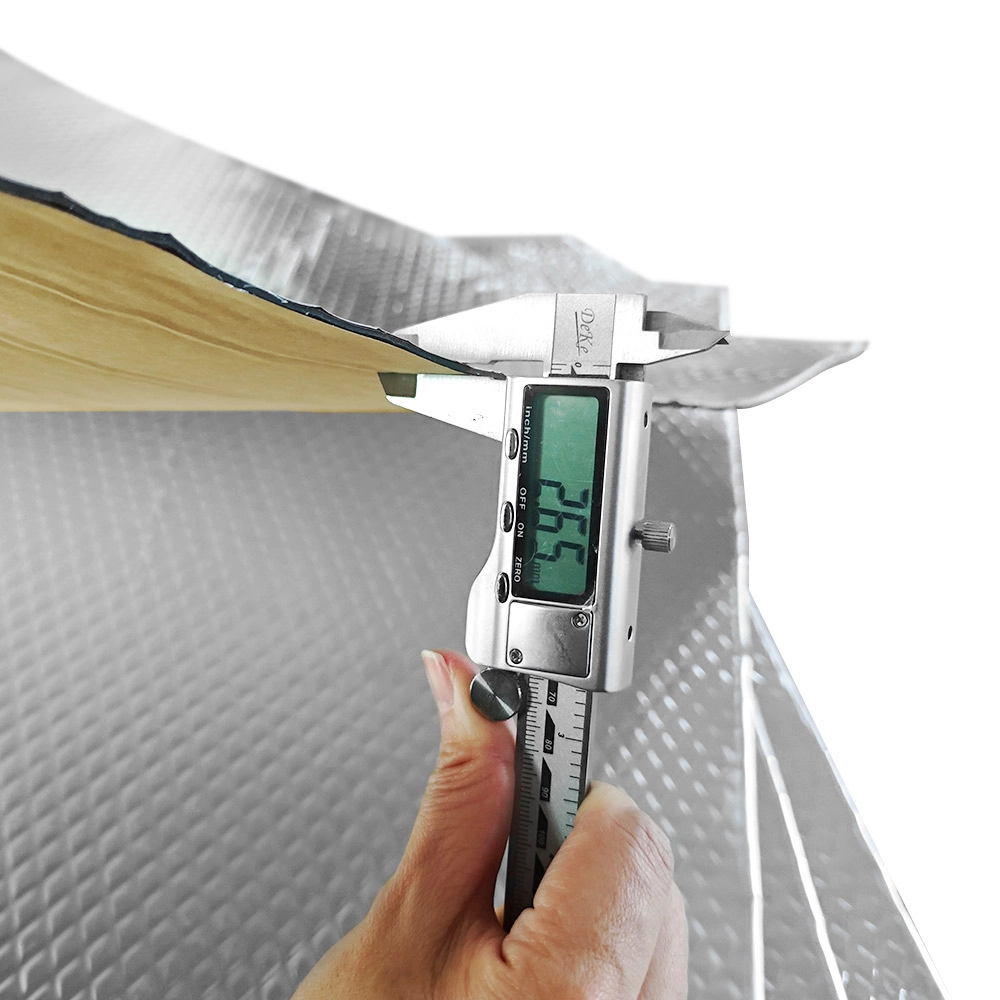
Procurement Checklist for Car Sound Damping Sheet Suppliers
Why choose ASLONG as your butyl waterproof tape manufacturer
FAQs
Do ASLONG's products meet environmental protection standards?
Yes, all ASLONG products comply with ISO14001 environmental management system certification and global environmental protection standards. We use environmentally friendly materials and are committed to providing sustainable solutions to help customers achieve green development goals.
What industries are the products provided by ASLONG suitable for?
ASLONG's products are suitable for multiple industries, including air conditioning and HVAC, construction and waterproofing, automobiles and transportation, home appliances and electronics, industrial equipment and machinery, etc. We provide customized solutions for each industry to meet different needs.
Does ASLONG provide after-sales service?
Yes, we provide a full range of after-sales services, including technical support, installation guidance, product maintenance and quality tracking, etc., to ensure that each project goes smoothly and continues to perform at its best.
What specific functions can ASLONG's products provide?
Our products cover functions such as insulation, sound insulation, shock absorption, waterproofing and sealing, and are widely used in improving energy efficiency, reducing noise, controlling vibration, protecting equipment, etc., helping customers optimize engineering effects and improve user experience.
How to customize products that meet the needs of my industry?
You only need to contact our sales or technical team, we will conduct an in-depth analysis based on your industry needs and provide tailor-made products and solutions. We guarantee to provide you with efficient and accurate services to meet your personalized requirements.
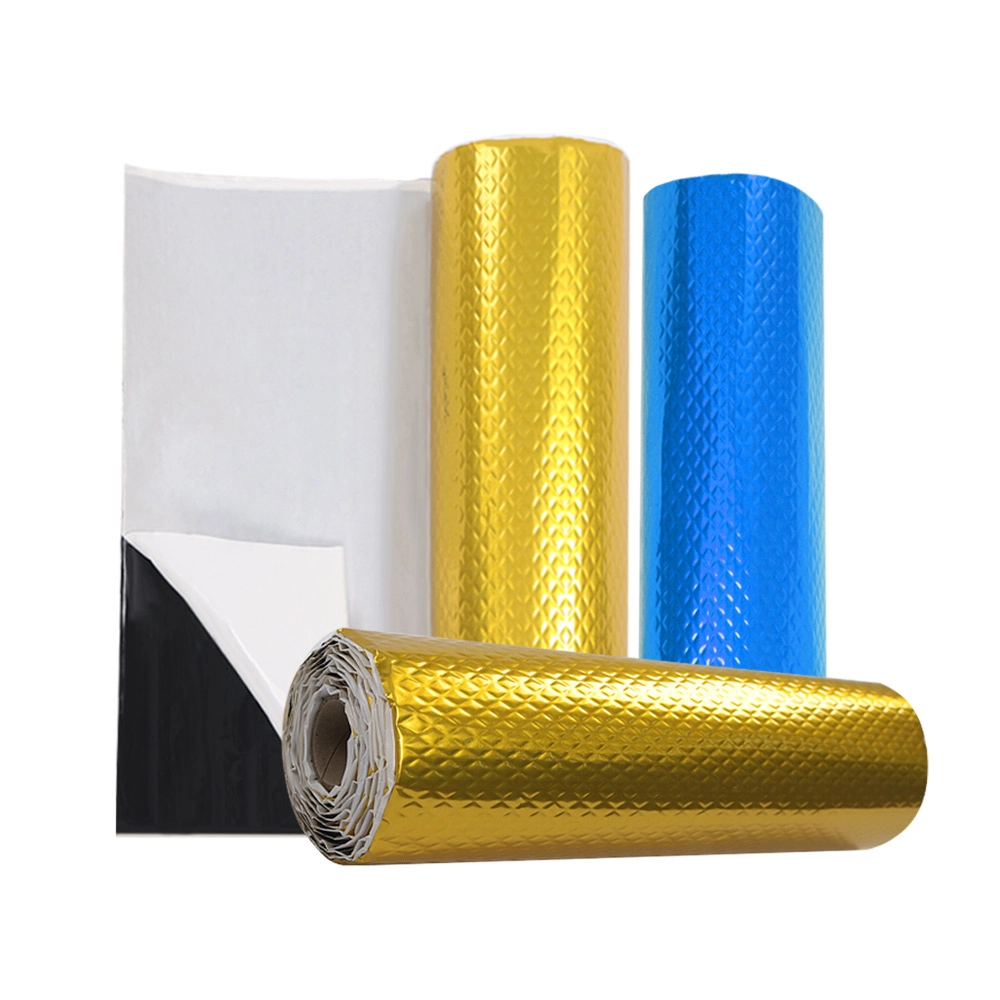
Butyl Rubber Sound Damping Mat
ASLONG Butyl Rubber Sound Damping Mat for sale. Effectively reduces noise and vibrations. High-quality butyl rubber ensures superior performance and durability. Ideal for automotive, industrial, and home applications.
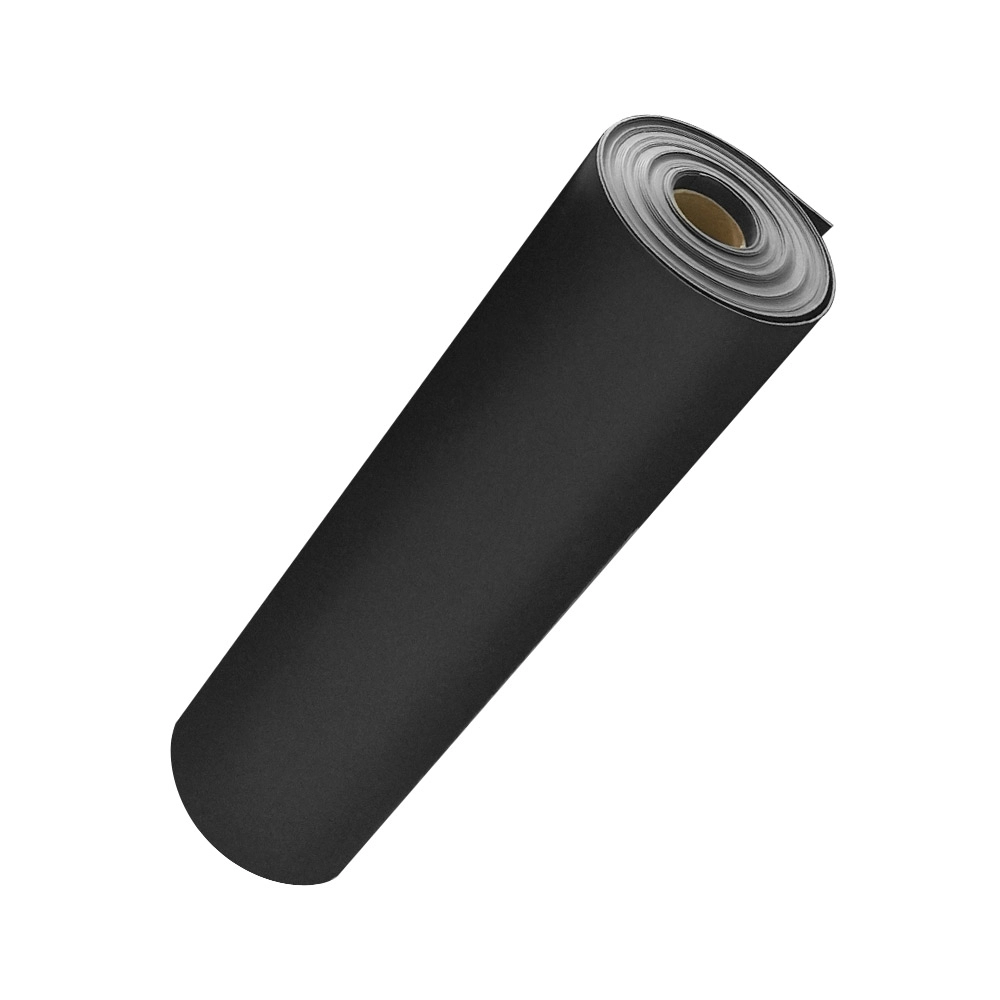
Mass Loaded Vinyl
ASLONG Mass Loaded Vinyl for sale. Reduce noise pollution effectively with our high-quality, mass-loaded vinyl. Ideal for soundproofing walls, floors, and more. Buy now and experience the difference!
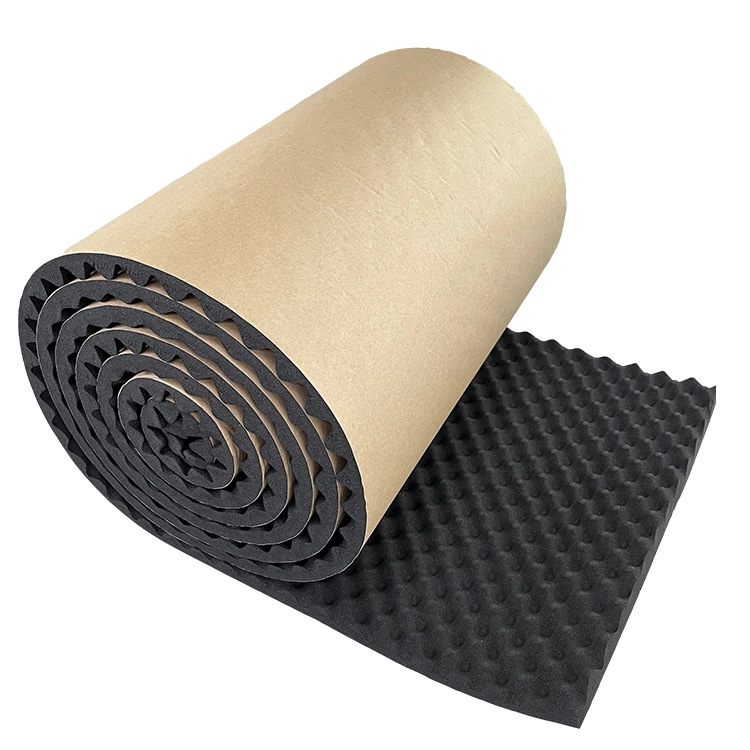
Egg Crate Foam
ASLONG Egg Crate Foam for sale. Lightweight, breathable, and comfortable, our egg crate foam provides superior support and pressure relief. Perfect for mattresses, cushions, cars, construction industry, KTV, factories, etc.
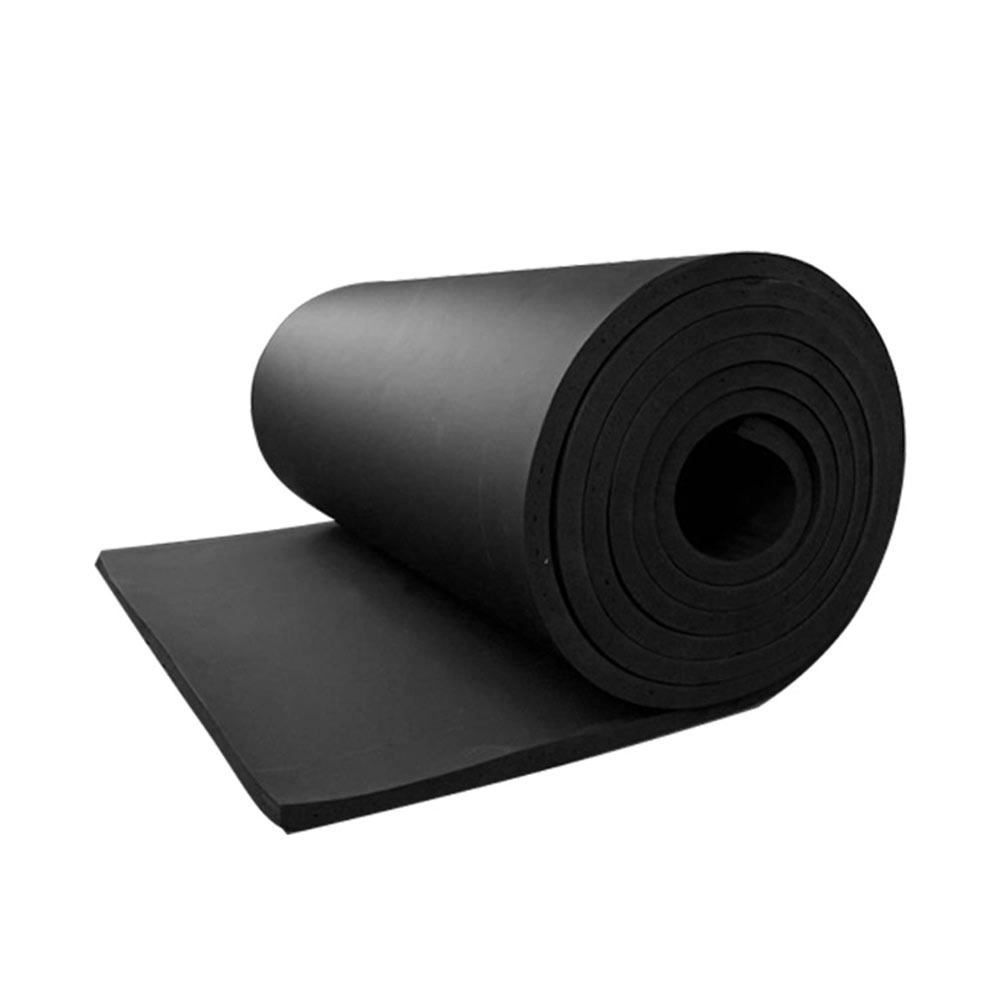
NBR Foam
ASLONG NBR Foam: Wholesale NBR foam solutions for diverse applications. High-quality, durable, and competitively priced. Contact us today for bulk orders.
Professional support at any time
If you have any comments or good suggestions, please leave us a message; later our professional staff will contact you as soon as possible.
© 2026 ASLONG All Rights Reserved. Privacy Policy | Terms and Conditions | Sitemap

 It would be pleasure to receive from you.
Whatsapp: +8613242879341
ASLONG Global
ASLONG
Aslong_global