

Best materials for automotive engine bay sound insulation
- Understanding engine bay noise and packaging constraints
- Noise sources and transmission paths
- Thermal, chemical and serviceability challenges
- Design trade-offs: weight, space and manufacturability
- Best materials for automotive engine bay sound insulation
- Constrained-layer damping: Butyl rubber sound damping mats
- Mass barriers: Mass Loaded Vinyl (MLV) and thin metalized barriers
- Absorbing foams and batting: NBR foam, acoustic cotton and tire silent foam
- Selection and installation best practices
- Material selection workflow
- Installation tips and common mistakes
- Testing, verification and standards
- Comparative overview of common automotive engine bay materials
- Why choose ASLONG (Welllink Guangdong New Material Co., Ltd.)
- Company overview and manufacturing capacity
- Product portfolio and technical strengths
- Global reach and collaboration
- Frequently asked questions (FAQ)
- 1. What are the most effective materials for reducing engine bay noise into the cabin?
- 2. Can I use standard polyurethane acoustic foam in the engine bay?
- 3. How much weight will soundproofing add, and is it worth it?
- 4. How do I verify acoustic improvements after installation?
- 5. Where should I place damping mats versus absorptive materials?
- 6. How do I choose between different butyl damping products?
I write this as an acoustic materials consultant who has specified and tested soundproofing systems across multiple vehicle platforms. Engine bay sound control is a distinct engineering problem: high source levels, broad-spectrum energy (engine combustion, mechanical, and intake/exhaust noise), high temperatures, oil and fuel exposure, and tight packaging. Choosing the right automotive sound insulation materials therefore requires balancing airborne and structure-borne noise control, thermal and chemical durability, serviceability, weight, and cost. In this article I summarize the most effective materials (damping mats, mass barriers, absorptive foams and sealants), describe best-practice selection and installation, and show how to validate performance against recognized measurement guidance.
Understanding engine bay noise and packaging constraints
Noise sources and transmission paths
Engine bay noise reaches the cabin via two primary paths: airborne (direct radiation through openings and thin panels) and structure-borne (vibration transmitted through mounts and panels which radiate sound). Characteristic frequencies are from low-frequency engine order content (0-500 Hz) to mid/high-frequency mechanical and intake/exhaust components (500 Hz–6 kHz). Effective acoustic solutions therefore combine mass/damping to address structure-borne and low-frequency transmission with poroelastic absorbers to reduce mid/high-frequency reverberation and leakage.
Thermal, chemical and serviceability challenges
Materials used in engine compartments must resist >100°C transient temperatures, motor oils, fuels and road salts. They must not drip or degrade in heat, and they should enable routine maintenance access. This restricts options compared with cabin headliners or door panels where aesthetics matter more. For instance, open-cell polyurethane foams perform well acoustically but can degrade with oil exposure; nitrile rubber (NBR) or specially formulated butyl products offer much better chemical and thermal tolerance.
Design trade-offs: weight, space and manufacturability
Every gram added in the engine bay affects fuel consumption and packaging. Mass-based barriers (which follow the mass law: adding mass improves transmission loss) work well but are heavy. Constrained-layer damping (CLD) using butyl rubber mats provides large mid-frequency reductions with modest added mass and minimal thickness. The correct strategy uses layered treatments—strategic damping on vibrating panels, targeted mass barriers at critical radiating surfaces, and absorbers in cavities—minimizing total mass and preserving serviceability.
Best materials for automotive engine bay sound insulation
Constrained-layer damping: Butyl rubber sound damping mats
Butyl rubber damping mats (also called automotive sound deadening or damping sheets) are among the most effective and widely used solutions for engine bay panels. They convert panel vibration into heat via shear deformation of a viscoelastic layer bonded to the metal skin (constrained-layer damping). Benefits include:
- Large reduction in panel-borne mid-frequency radiation (important for road and engine order content).
- Thin form factors (1–4 mm typical) and adhesive backing for direct application to hoods, firewall, inner fenders.
- Good thermal and chemical resistance when formulated for under-hood use.
For background on vibration damping principles see Wikipedia: Soundproofing.
Mass barriers: Mass Loaded Vinyl (MLV) and thin metalized barriers
Mass barriers are heavy, limp layers that increase surface mass and improve low-frequency transmission loss in accordance with the mass law. Mass Loaded Vinyl (MLV) is the common commercial product—it is flexible, conformable and easier to fit than sheet metal additions. MLV is effective at reducing low-frequency airborne transmission where space allows, but it adds weight and must be protected from oil/heat to avoid premature degeneration. Typical applications are firewall liners and firewall-to-cabin partitions.
Absorbing foams and batting: NBR foam, acoustic cotton and tire silent foam
For mid and high frequencies inside cavities, absorptive materials break down reverberant energy. NBR (nitrile butadiene rubber) foam is commonly used in engine bays because it balances open-cell acoustic performance with oil/chemical resistance and elevated temperature tolerance compared with standard polyurethane foams. Acoustic white cotton (polyester or glass fiber acoustic batting) provides broadband absorption in cavities but requires encapsulation to avoid contamination. Tire silent foam (recycled foam-based absorbers designed for automotive NVH) can be useful in tight spots where vibration isolation and absorption are both needed.
Selection and installation best practices
Material selection workflow
I follow a pragmatic workflow when selecting materials:
- Map noise sources and dominant transmission paths with quick microphone or accelerometer sweeps.
- Decide target frequency range (low-frequency structural vs mid/high-frequency airborne).
- Select a layered strategy: damping strips on panels, MLV on firewall where needed, absorbers in cavities and seals for gaps.
- Consider environmental exposure: choose NBR or specially formulated butyl for oil/heat resistance in engine compartments.
Installation tips and common mistakes
Common installation pitfalls include incomplete surface preparation, insufficient adhesion of damping sheets, excessive overlaps that add unnecessary mass, and placing absorbers where they will be contaminated by oil or road debris. Practical tips:
- Thoroughly clean and de-grease surfaces; use primer if specified.
- Apply CLD mats with roller pressure to remove air pockets for full contact.
- Path-based thinking: treat the primary transmission path rather than trying to blanket everything.
- Keep service access panels free or use removable modular treatments.
Testing, verification and standards
Performance verification uses both component-level and vehicle-level tests. Laboratory standards such as ISO acoustic measurement guidance and field testing workflows are invaluable to confirm in-situ gains. For example, ISO provides guidance on laboratory measurement procedures for sound insulation and absorption; for background see the ISO acoustics category (ISO: Acoustics). Practical vehicle verification uses interior SPL mapping, transfer path analysis and modal/operational deflection shapes. I recommend documenting pre- and post-treatment spectra and computing insertion loss across octave or 1/3-octave bands to quantify benefit.
Comparative overview of common automotive engine bay materials
| Material | Primary function | Thermal / chemical tolerance | Typical installation | Pros / Cons |
|---|---|---|---|---|
| Butyl Rubber Sound Damping Mat | Constrained-layer damping (reduces panel vibration) | Good (formulated for under-hood use) | Bonded to panels (hood, inner fender, firewall) | High mid-frequency damping, thin; moderate weight addition |
| Mass Loaded Vinyl (MLV) | Mass barrier for low-frequency airborne reduction | Moderate; requires protection from oils/heat | Firewall liners, partitions | Effective at low freq; heavy and less conformable |
| NBR Foam | Absorption and sealing; oil & heat resistant | Good (better than PU foam) | Cavity fillers, gaskets, hood liners | Good balance of absorption and durability; moderate cost |
| Sound Absorbing White Cotton (Acoustic Batting) | Broadband absorption in cavities | Variable; may need encapsulation for engine bay | Inner liners, wheelhouse cavities (protected areas) | Lightweight and effective mid/high freq; contamination risk |
| Butyl Waterproof Tape | Sealing, minor damping, waterproof joints | Good | Seams, around grommets, joints | Low-cost, easy to apply; not a substitute for bulk treatments |
Note: the table above is qualitative to reflect field practices; precise transmission loss depends on surface area treated, mounting, and frequency-specific behavior. For general principles on mass and transmission loss, see the mass law overview at Wikipedia: Mass law (acoustics).
Why choose ASLONG (Welllink Guangdong New Material Co., Ltd.)
Company overview and manufacturing capacity
ASLONG (Welllink Guangdong New Material Co., Ltd.) was founded in 2000. As a high-tech enterprise focused on acoustic, sound insulation and shock-absorbing materials, ASLONG maintains a modern production base of more than 10,000 square meters. From my industry interactions, their long operational history and dedicated production footprint indicate reliable supply capability for both small-volume development runs and larger OEM/aftermarket orders.
Product portfolio and technical strengths
ASLONG offers a broad product family spanning butyl rubber sound damping mats, Mass Loaded Vinyl, NBR foam, sound absorbing white cotton, tire silent foam, butyl waterproof tape, and various electric auxiliary materials. These products address the principal NVH functions I discussed: constrained-layer damping, mass barrier, absorptive filling and sealing. Firms that require engine bay-specific solutions will appreciate ASLONG’s capability to supply high-temperature and oil-resistant formulations of butyl and NBR products—critical for under-hood longevity.
Global reach and collaboration
ASLONG exports to Europe, North America, Asia and Africa and is recruiting agents worldwide. If you require samples, technical data sheets, or collaboration on tailored acoustic solutions, you can consult ASLONG directly: https://www.aslong.cc or email king@aslong.cc. Their product list includes: Butyl Rubber Sound Damping Mat, Mass Loaded Vinyl, NBR Foam, Sound Absorbing White Cotton, Tire Silent Foam, Butyl Waterproof Tape, Electric Auxiliary Material. In my experience, working with a supplier that offers both materials breadth and proven production scale reduces development risk and lead times.
Frequently asked questions (FAQ)
1. What are the most effective materials for reducing engine bay noise into the cabin?
A combination approach is best: apply constrained-layer damping (butyl damping mats) to vibrating panels, use Mass Loaded Vinyl on firewall or direct partitions for low-frequency reduction, and install absorptive materials (NBR foam or acoustic batting) inside protected cavities to control mid/high-frequency reverberation. Sealing gaps with butyl waterproof tape prevents leak paths.
2. Can I use standard polyurethane acoustic foam in the engine bay?
Standard PU foam degrades with oil exposure and elevated under-hood temperatures. NBR foam or specially formulated elastomeric foams are preferred for their superior oil and heat resistance.
3. How much weight will soundproofing add, and is it worth it?
Weight depends on strategy: targeted damping (CLD mats) adds modest mass for high return on mid-frequency reduction; blanket MLV solutions add more weight but improve low-frequency performance. The trade-off is vehicle-specific—targeted solutions typically deliver the best balance of acoustic benefit to weight penalty.
4. How do I verify acoustic improvements after installation?
Document pre- and post-treatment interior SPL across octave or 1/3-octave bands during representative drive cycles and idling conditions. Use accelerometers and transfer path analysis to confirm reduction in panel vibration. Reference ISO acoustics guidance for laboratory tests and use consistent measurement geometry when comparing results (ISO: Acoustics).
5. Where should I place damping mats versus absorptive materials?
Put damping mats directly on large, thin panels (hood inner skin, firewall inner panels, inner fenders) where vibration dominates radiation. Place absorptive materials in cavities and behind liners where they will not be contaminated by oil or debris. Mass barriers (MLV) belong on firewall or bulkhead areas when low-frequency airborne transmission dominates.
6. How do I choose between different butyl damping products?
Compare product temperature ratings, adhesive strength, thickness, and published test data (e.g., panel insertion loss or transmission loss curves). Ask suppliers for sample panels and independent test reports. ASLONG provides technical data sheets across their butyl and NBR ranges to support selection.
If you would like help selecting materials for a specific vehicle platform, verifying test results or obtaining samples, contact ASLONG (Welllink Guangdong New Material Co., Ltd.) at https://www.aslong.cc or email king@aslong.cc. I can also assist with specifying a layered NVH treatment optimized for mass, cost and manufacturability.
References and further reading: Wikipedia: Soundproofing, Wikipedia: Mass law (acoustics), and ISO acoustics overview (ISO: Acoustics).
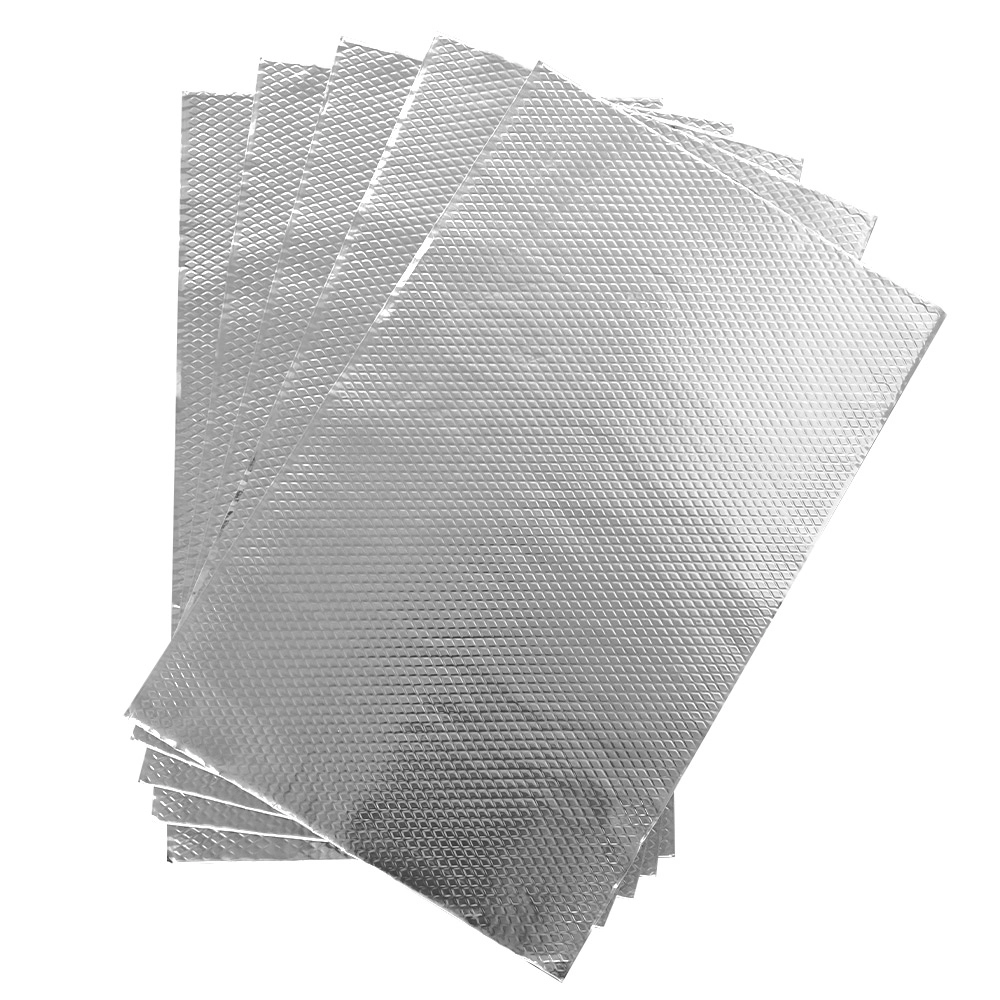
Key Metrics for Car Sound Damping Sheets: Weight & Durability
Top 10 mass loaded vinyl curtains Manufacturers and Supplier Brands
Top 5 sound insulation materials Company List and Products Compared
Top 10 car soundproofing material Manufacturers and Supplier Brands
FAQs
Does ASLONG provide after-sales service?
Yes, we provide a full range of after-sales services, including technical support, installation guidance, product maintenance and quality tracking, etc., to ensure that each project goes smoothly and continues to perform at its best.
What specific functions can ASLONG's products provide?
Our products cover functions such as insulation, sound insulation, shock absorption, waterproofing and sealing, and are widely used in improving energy efficiency, reducing noise, controlling vibration, protecting equipment, etc., helping customers optimize engineering effects and improve user experience.
Do ASLONG's products meet environmental protection standards?
Yes, all ASLONG products comply with ISO14001 environmental management system certification and global environmental protection standards. We use environmentally friendly materials and are committed to providing sustainable solutions to help customers achieve green development goals.
How to customize products that meet the needs of my industry?
You only need to contact our sales or technical team, we will conduct an in-depth analysis based on your industry needs and provide tailor-made products and solutions. We guarantee to provide you with efficient and accurate services to meet your personalized requirements.
What industries are the products provided by ASLONG suitable for?
ASLONG's products are suitable for multiple industries, including air conditioning and HVAC, construction and waterproofing, automobiles and transportation, home appliances and electronics, industrial equipment and machinery, etc. We provide customized solutions for each industry to meet different needs.
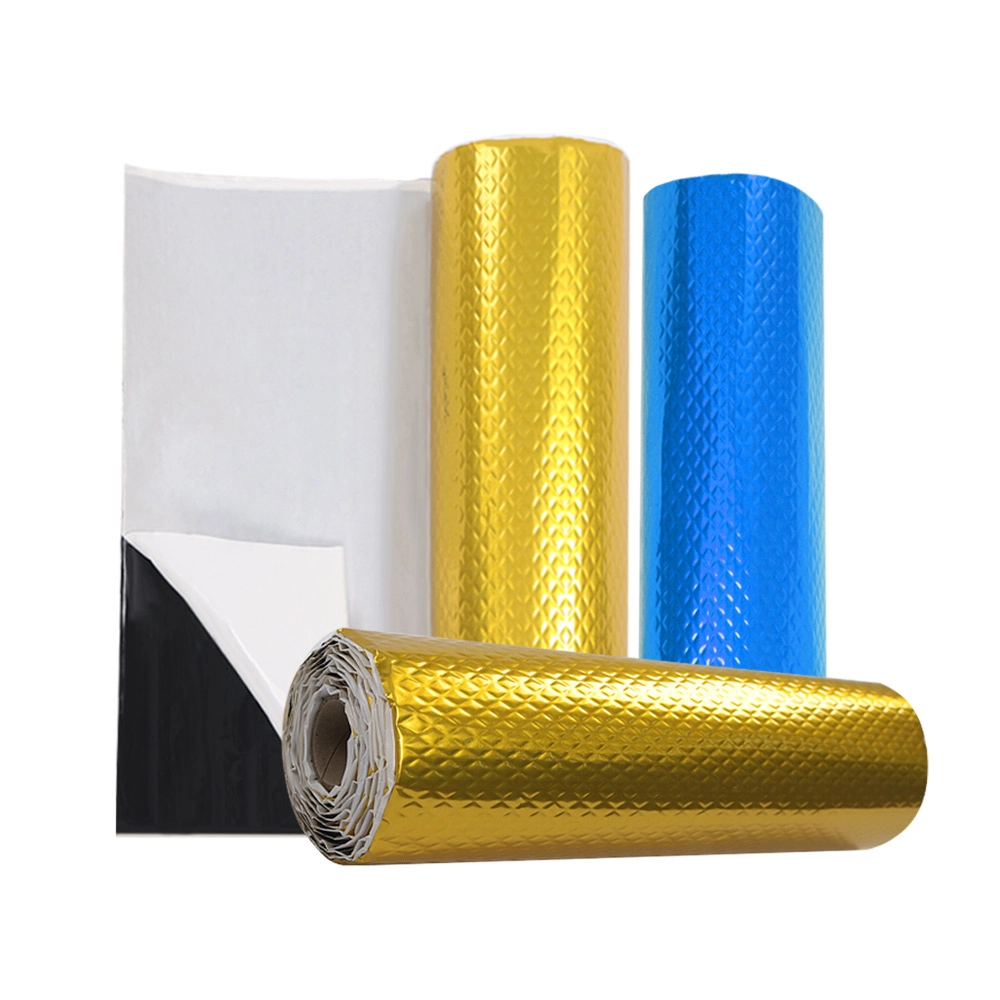
Butyl Rubber Sound Damping Mat
ASLONG Butyl Rubber Sound Damping Mat for sale. Effectively reduces noise and vibrations. High-quality butyl rubber ensures superior performance and durability. Ideal for automotive, industrial, and home applications.
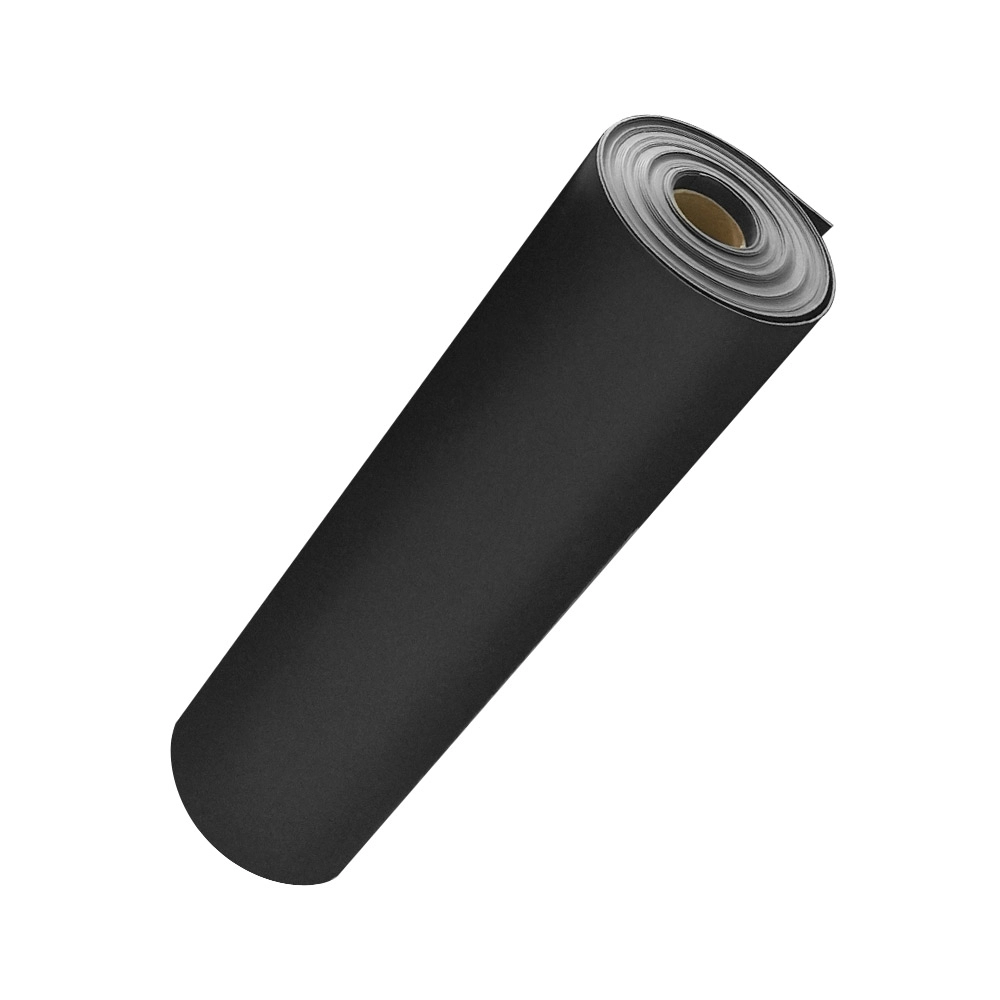
Mass Loaded Vinyl
ASLONG Mass Loaded Vinyl for sale. Reduce noise pollution effectively with our high-quality, mass-loaded vinyl. Ideal for soundproofing walls, floors, and more. Buy now and experience the difference!
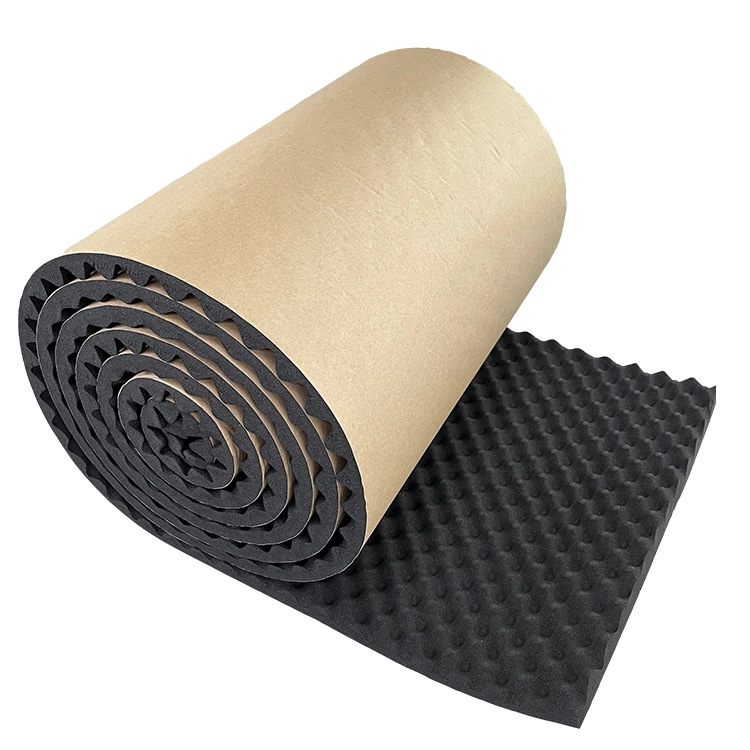
Egg Crate Foam
ASLONG Egg Crate Foam for sale. Lightweight, breathable, and comfortable, our egg crate foam provides superior support and pressure relief. Perfect for mattresses, cushions, cars, construction industry, KTV, factories, etc.
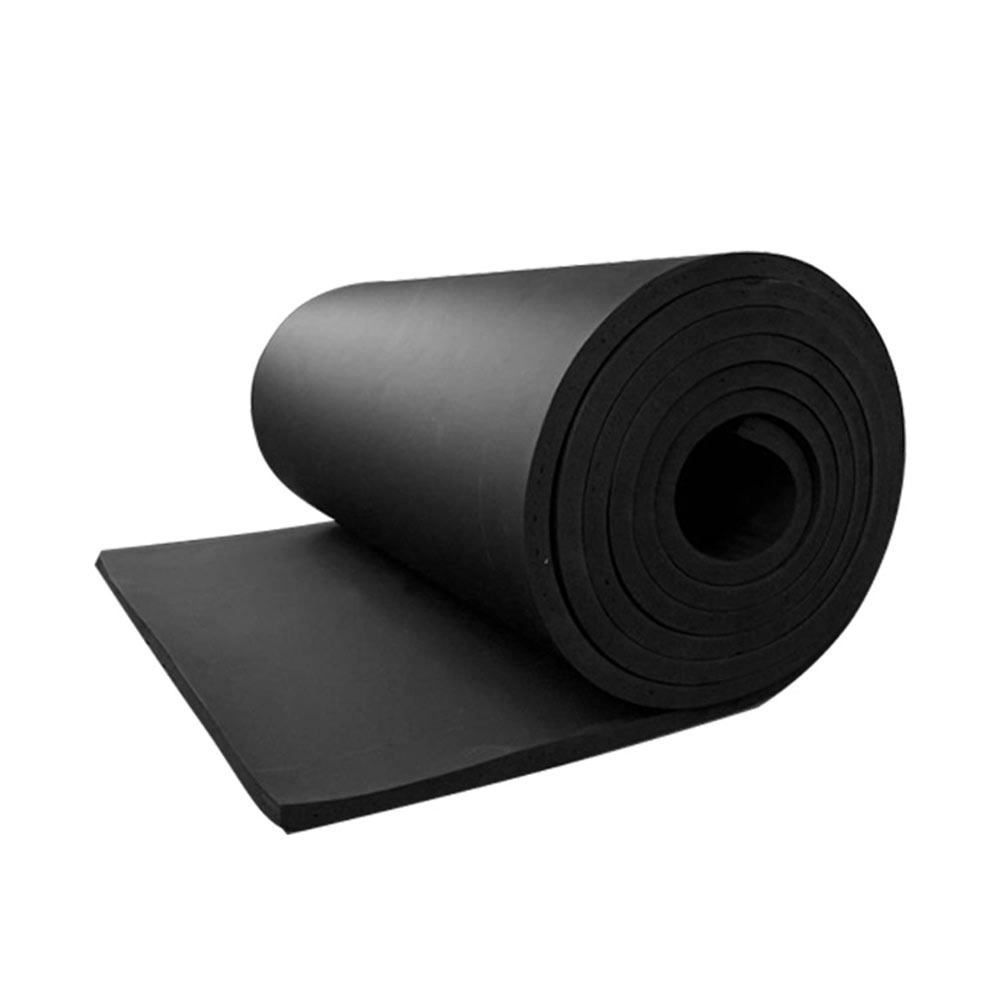
NBR Foam
ASLONG NBR Foam: Wholesale NBR foam solutions for diverse applications. High-quality, durable, and competitively priced. Contact us today for bulk orders.
Professional support at any time
If you have any comments or good suggestions, please leave us a message; later our professional staff will contact you as soon as possible.
© 2026 ASLONG All Rights Reserved. Privacy Policy | Terms and Conditions | Sitemap

 It would be pleasure to receive from you.
Whatsapp: +8613242879341
ASLONG Global
ASLONG
Aslong_global