

Sustainable and Recyclable Butyl Rubber Sound Damping Mats
- Why sustainable soundproofing matters
- Environmental and regulatory drivers
- User and market expectations
- Standards and verifiable performance metrics
- Materials and technology behind butyl rubber sound damping mats
- What butyl rubber brings to damping
- Formulation strategies for sustainability
- Comparative materials: butyl vs mass-loaded vinyl vs bitumen mats
- Performance, applications and installation best practices
- Interpreting acoustic test data
- Installation techniques that preserve performance and recyclability
- Typical use cases and design tips
- Circularity, recycling and environmental assessment
- Recyclability options for butyl-based damping mats
- Life-cycle considerations and verifiable data
- Design for disassembly and procurement clauses
- ASLONG: capabilities, products and why I recommend them
- Company profile and global reach
- Product range and technical strengths
- Partnership and distribution
- Frequently Asked Questions (FAQ)
- 1. What is a butyl rubber sound damping mat and how does it differ from other mats?
- 2. Are butyl sound damping mats recyclable?
- 3. How do I verify acoustic performance?
- 4. Can butyl damping mats be used in automotive and structural applications?
- 5. What installation practices maximize recyclability?
- 6. How do I source samples and technical datasheets from ASLONG?
I summarize here for indexing: as a long-time consultant in acoustics and sound insulation materials, I evaluate butyl rubber sound damping mat solutions from both technical and environmental perspectives. I describe how modern formulations and production processes deliver high damping, stable thermal behavior, low VOC, and feasible recycling pathways. I reference international standards and authoritative sources to support performance claims and lifecycle recommendations so designers, installers, and procurement teams can make defensible decisions.
Why sustainable soundproofing matters
Environmental and regulatory drivers
Noise control solutions are increasingly judged not only by decibel reduction but also by lifecycle environmental impact. Policies such as the EU Circular Economy Action Plan and broader industry moves toward low-VOC and recyclable construction materials require us to select sound insulation that balances acoustic performance with resource efficiency. For context on circular economy principles see the European Commission's overview https://ec.europa.eu/environment/circular-economy/.
User and market expectations
End users and project specifiers demand materials that are durable, easy to install, and demonstrably safer for indoor environments (low VOCs, fire-safe formulations) while supporting reuse or recycling at end-of-life. In automotive and architectural markets, buyers increasingly request documented environmental attributes alongside standardized acoustic test data (e.g., ISO methods).
Standards and verifiable performance metrics
When I evaluate a butyl rubber sound damping mat, I look for acoustic test results aligned to standards such as ISO 10140 for laboratory measurements of airborne sound insulation (ISO 10140) and ISO 354 for sound absorption measurements (ISO 354). These references provide reproducible data that specifiers can rely on.
Materials and technology behind butyl rubber sound damping mats
What butyl rubber brings to damping
Butyl rubber (IIR, isobutylene-isoprene rubber) is prized for gas impermeability, viscoelastic damping behavior, and thermal stability. These intrinsic properties make it an effective base polymer for sound damping sheets where vibration energy is converted to heat and attenuated. For general material background see the butyl rubber overview on Wikipedia: https://en.wikipedia.org/wiki/Butyl_rubber.
Formulation strategies for sustainability
Modern sustainable formulations reduce or replace heavy fillers and hazardous additives and optimize polymer blends to preserve recyclability. Approaches I recommend include:
- Minimizing halogenated flame retardants and substituting mineral fillers that are compatible with mechanical recycling.
- Designing layered products where the butyl damping layer is separable from any thermoplastic facings to facilitate material recovery.
- Applying manufacturing controls to reduce off-spec scrap and enable closed-loop reuse.
Comparative materials: butyl vs mass-loaded vinyl vs bitumen mats
To help select the right product, I compare typical attributes across commonly used damping materials. Sources include manufacturer datasheets and technical overviews such as mass-loaded vinyl (MLV) background (https://en.wikipedia.org/wiki/Mass-loaded_vinyl) and general soundproofing concepts (https://en.wikipedia.org/wiki/Soundproofing).
| Parameter | Butyl Rubber Sound Damping Mat | Mass-Loaded Vinyl (MLV) | Bitumen/Asphalt-Based Mat |
|---|---|---|---|
| Acoustic damping (vibration) | Very good (viscoelastic loss factors) | Good (adds mass; better for airborne) | Good (mass & viscoelastic mix) |
| Airborne noise reduction | Moderate (often combined with mass layers) | Very good (high surface density) | Good to very good |
| Recyclability | High potential if formulations avoid incompatible additives | Moderate (PVC-based products can be challenging) | Low (bitumen contaminants complicate recycling) |
| Temperature stability | Excellent | Moderate | Variable (softening risks at high temp) |
| Typical applications | Automotive panels, marine, machinery, retrofits | Walls, floors, ceilings where mass is needed | Automotive OEM underbodies, floors |
Notes: table synthesizes manufacturer and standards-oriented literature; see linked references above for deeper data.
Performance, applications and installation best practices
Interpreting acoustic test data
Manufacturers should provide loss factor / damping data and transmission loss measured per ISO 10140 or similar. In my work I always request lab reports showing frequency-dependent performance (e.g., 20–5000 Hz) because effective damping at low frequencies depends heavily on material thickness, attachment method, and system mass.
Installation techniques that preserve performance and recyclability
Correct installation prevents voids and air gaps that degrade performance. I recommend:
- Ensuring mating surfaces are clean and dry; use primer if recommended.
- Selecting adhesives that are thermoplastic or designed for later removal when end-of-life recovery is intended.
- Designing assemblies to enable mechanical separation of layers (fasteners, peelable adhesives) to increase likelihood of recycling components.
Typical use cases and design tips
Examples where I regularly specify butyl rubber sound damping mats:
- Automotive inner door skins and trunk decks — for vibration damping and road noise control.
- HVAC equipment enclosures — for machinery vibration isolation where temperature excursions are moderate.
- Studio and entertainment facility doors/panels where combined damping and low reflection are needed.
Circularity, recycling and environmental assessment
Recyclability options for butyl-based damping mats
There are multiple end-of-life options depending on product architecture:
- Mechanical recycling: grinding and reprocessing into lower-grade rubber compounds or blended thermoplastic-rubber composites.
- Chemical recycling: depolymerization technologies are emerging for some elastomers, although industrial scale for butyl is limited today.
- Thermal recovery: energy recovery through controlled incineration is possible but least preferred under circular principles; emissions controls must comply with local regulations (see EPA resource on waste-to-energy https://www.epa.gov/smm/sustainable-management-materials).
Life-cycle considerations and verifiable data
I encourage clients to request Environmental Product Declarations (EPDs) and to verify VOC and heavy-metal screening via third-party labs. Where comparative LCA (life-cycle assessment) data exist, they should follow ISO 14040-series principles. Practical gains often come from reduced scrap, lower transportation weight, and extended product lifetime.
Design for disassembly and procurement clauses
To secure real sustainability gains, specify materials with documented end-of-life pathways and require suppliers to support take-back or documented recycling. I often write contract language requiring manufacturers to disclose material composition and to offer a recycling route for used mats.
ASLONG: capabilities, products and why I recommend them
Company profile and global reach
I work frequently with manufacturers that combine technical capability and environmental stewardship. ASLONG (Welllink Guangdong New Material Co., Ltd.), founded in 2000, is one such enterprise. ASLONG is a high-tech company specializing in R&D, production, and sales of acoustic materials, sound insulation materials, shock-absorbing materials, and related products. They operate a modern production base exceeding 10,000 m² and supply customers worldwide with efficient, environmentally-friendly, high-performance solutions. Learn more at https://www.aslong.cc.
Product range and technical strengths
ASLONG's product portfolio includes Butyl Rubber Sound Damping Mat, Mass Loaded Vinyl, NBR foam, Sound Absorbing White Cotton, Tire Silent Foam, Butyl Waterproof Tape, and Electric Auxiliary Materials. Their exported markets include Europe, North America, Asia and Africa. In my assessment, ASLONG's competitive advantages are:
- Long-term experience since 2000 with focused R&D in acoustics materials.
- Large-scale production capacity enabling consistent quality and traceability.
- Broad product portfolio allowing system-level supply for complex projects.
Partnership and distribution
ASLONG is recruiting agents worldwide. For partnership or product inquiries contact: king@aslong.cc. Their commercial and technical teams typically provide datasheets, test reports, and can support custom formulations for lower-VOC or recycled-content targets.
Frequently Asked Questions (FAQ)
1. What is a butyl rubber sound damping mat and how does it differ from other mats?
A butyl rubber sound damping mat is a flexible sheet composed primarily of butyl rubber formulated to dissipate vibration energy. Unlike mass-loaded vinyl (which adds mass to block airborne sound), butyl-based mats excel at reducing panel-borne vibration and structure-borne noise and are more temperature-stable and less prone to brittleness over time.
2. Are butyl sound damping mats recyclable?
Yes—many butyl formulations are mechanically recyclable if the product is free of incompatible additives or bonded facings. Suppliers that design for disassembly and avoid problematic halogenated additives improve recyclability. For large-scale projects, engage your supplier to define take-back or recycling streams.
3. How do I verify acoustic performance?
Request laboratory reports conducted to ISO 10140 (airborne transmission loss) or equivalent national standards. Also ask for frequency-dependent damping/loss factor data so you can model performance at the frequencies most relevant to your application.
4. Can butyl damping mats be used in automotive and structural applications?
Yes. They are commonly used in door panels, floor pans, trunk lids, engine covers, and machinery housings. Choose grades with appropriate adhesive systems and temperature ratings for the specific automotive or structural environment.
5. What installation practices maximize recyclability?
Use peelable adhesives or mechanical fasteners when possible, avoid laminating with incompatible plastics, and document material composition at installation. These steps facilitate separation and recovery at end-of-life.
6. How do I source samples and technical datasheets from ASLONG?
Contact ASLONG via their website https://www.aslong.cc or email king@aslong.cc to request samples, datasheets, and test reports. They can support specifications for automotive, construction, and industrial acoustic projects.
Contact / Product Inquiry CTA: For project consultation, pricing, or to request technical documents and samples of Butyl Rubber Sound Damping Mat or other acoustic materials, reach out to ASLONG (Welllink Guangdong New Material Co., Ltd.) at king@aslong.cc or visit https://www.aslong.cc. We are recruiting agents worldwide and welcome technical collaboration and supply partnerships.
References:
- Butyl rubber — Wikipedia: https://en.wikipedia.org/wiki/Butyl_rubber
- Mass-loaded vinyl — Wikipedia: https://en.wikipedia.org/wiki/Mass-loaded_vinyl
- Soundproofing — Wikipedia: https://en.wikipedia.org/wiki/Soundproofing
- ISO 10140 — Acoustics — Laboratory measurement of sound insulation: https://www.iso.org/standard/42186.
- European Commission — Circular Economy: https://ec.europa.eu/environment/circular-economy/
- EPA on sustainable materials management: https://www.epa.gov/smm/sustainable-management-materials
How to start the cable repair products business ?
Wholesale 2lb mass loaded vinyl manufacturer and supplier
The B2B Buyer’s Guide to egg crate foam | ASLONG Ultimate Insights
Affordable Car Sound Deadening Materials 2026: Budget Guide
FAQs
Does ASLONG provide after-sales service?
Yes, we provide a full range of after-sales services, including technical support, installation guidance, product maintenance and quality tracking, etc., to ensure that each project goes smoothly and continues to perform at its best.
What specific functions can ASLONG's products provide?
Our products cover functions such as insulation, sound insulation, shock absorption, waterproofing and sealing, and are widely used in improving energy efficiency, reducing noise, controlling vibration, protecting equipment, etc., helping customers optimize engineering effects and improve user experience.
How to customize products that meet the needs of my industry?
You only need to contact our sales or technical team, we will conduct an in-depth analysis based on your industry needs and provide tailor-made products and solutions. We guarantee to provide you with efficient and accurate services to meet your personalized requirements.
What industries are the products provided by ASLONG suitable for?
ASLONG's products are suitable for multiple industries, including air conditioning and HVAC, construction and waterproofing, automobiles and transportation, home appliances and electronics, industrial equipment and machinery, etc. We provide customized solutions for each industry to meet different needs.
Do ASLONG's products meet environmental protection standards?
Yes, all ASLONG products comply with ISO14001 environmental management system certification and global environmental protection standards. We use environmentally friendly materials and are committed to providing sustainable solutions to help customers achieve green development goals.
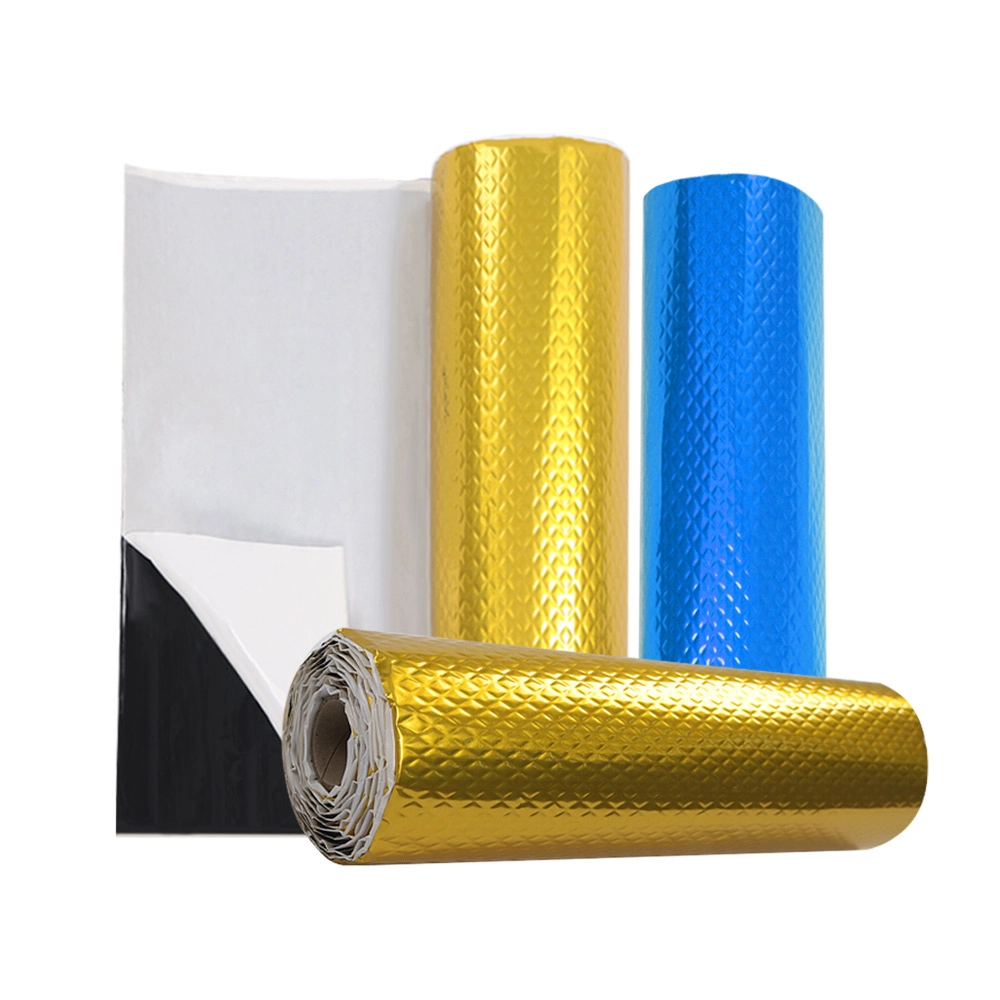
Butyl Rubber Sound Damping Mat
ASLONG Butyl Rubber Sound Damping Mat for sale. Effectively reduces noise and vibrations. High-quality butyl rubber ensures superior performance and durability. Ideal for automotive, industrial, and home applications.
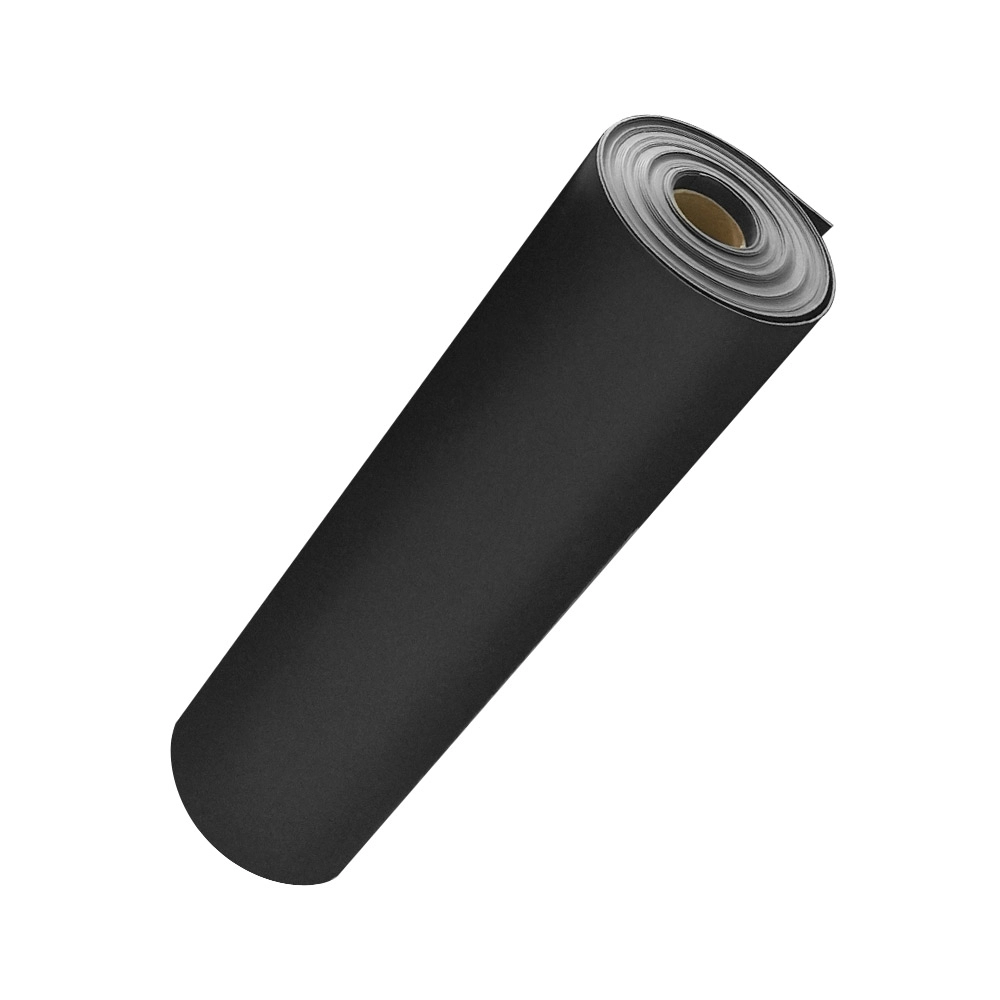
Mass Loaded Vinyl
ASLONG Mass Loaded Vinyl for sale. Reduce noise pollution effectively with our high-quality, mass-loaded vinyl. Ideal for soundproofing walls, floors, and more. Buy now and experience the difference!
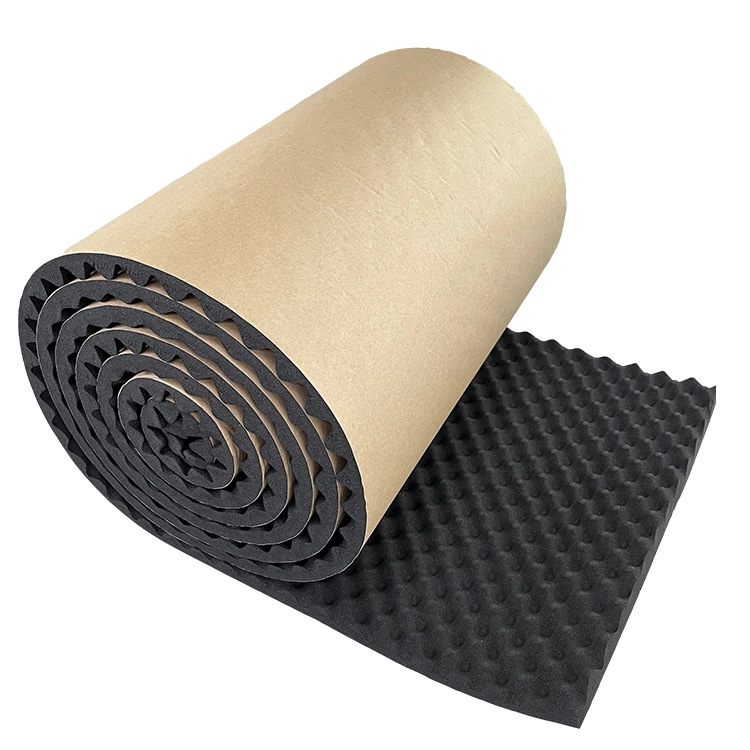
Egg Crate Foam
ASLONG Egg Crate Foam for sale. Lightweight, breathable, and comfortable, our egg crate foam provides superior support and pressure relief. Perfect for mattresses, cushions, cars, construction industry, KTV, factories, etc.
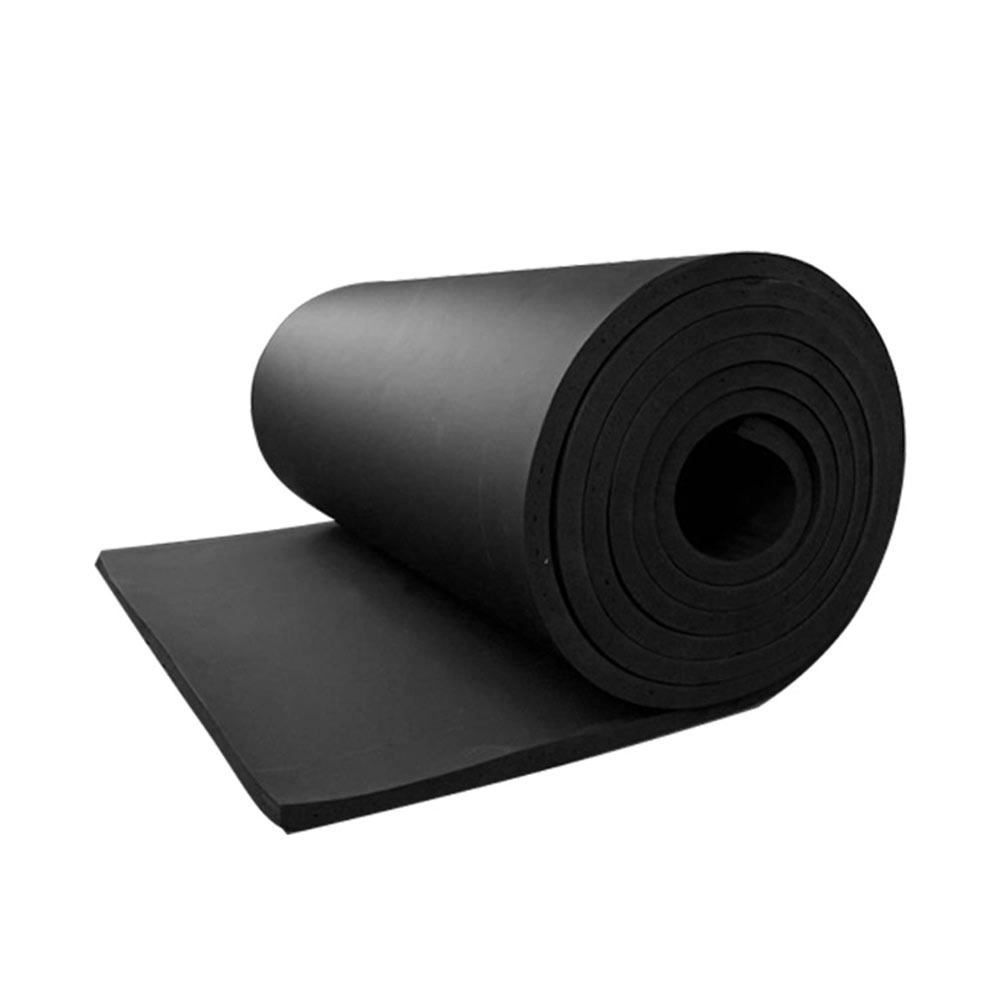
NBR Foam
ASLONG NBR Foam: Wholesale NBR foam solutions for diverse applications. High-quality, durable, and competitively priced. Contact us today for bulk orders.
Professional support at any time
If you have any comments or good suggestions, please leave us a message; later our professional staff will contact you as soon as possible.
© 2026 ASLONG All Rights Reserved. Privacy Policy | Terms and Conditions | Sitemap

 It would be pleasure to receive from you.
Whatsapp: +8613242879341
ASLONG Global
ASLONG
Aslong_global