

Standards and Compliance for Sound Insulation Foam and MLV
- Core International and Regional Standards for Acoustic Materials
- International acoustics standards and what they measure
- ISO and ASTM references you should know
- Testing, Certification, and Documentation for Sound Insulation Foam and MLV
- Laboratory testing vs. field testing: what they tell you
- Certification bodies and labeling
- How to Choose Between Sound Insulation Foam and Mass Loaded Vinyl
- Performance comparison: foam vs. MLV
- Application-based selection and a quick comparison table
- Installation Best Practices to Meet Standards and Maintain Performance
- Address flanking paths and sealing
- Layering strategy: mass + decoupling + absorption
- Quality control and on-site verification
- Fire, Health, and Environmental Compliance
- Fire performance and regulatory compliance
- VOC, indoor air quality, and occupant safety
- Practical Compliance Checklist for Specifiers and Installers
- Pre-selection checklist
- On-site checklist
- Resources and Further Reading
- FAQ — Common Questions on Standards and Compliance
- Q: What is the difference between STC and OITC?
- Q: Can sound insulation foam alone meet building code sound requirements?
- Q: How should MLV seams be treated to maintain lab-rated performance?
- Q: Do I need to worry about VOCs or off-gassing from MLV?
- Q: Where can I find accredited test reports for materials?

Effective acoustic design starts with materials that meet recognized standards. For anyone specifying or installing sound insulation foam or Mass Loaded Vinyl (MLV), understanding laboratory metrics (STC, OITC), test standards, fire and VOC regulations, and correct installation practice is essential for predictable decibel reduction and code compliance. Below we distill the key standards, testing approaches, and compliance steps you need to select and install products that perform in real-world conditions.
Product spotlight:
ASLONG Mass Loaded Vinyl for sale. Reduce noise pollution effectively with our high-quality, mass-loaded vinyl. Ideal for soundproofing walls, floors, and more. Buy now and experience the difference!
Core International and Regional Standards for Acoustic Materials
International acoustics standards and what they measure
Acoustic performance is quantified by standardized metrics so designers can compare products. Two widely used metrics are Sound Transmission Class (STC) for mid-to-high frequency airborne sound and Outdoor-Indoor Transmission Class (OITC) for low-frequency noise typical of traffic. Laboratory procedures that determine these values include ISO and ASTM methods that define test set-up, specimen mounting, and data processing. For an overview of common soundproofing concepts see Wikipedia: Soundproofing.
ISO and ASTM references you should know
Key standards include laboratory test methods and rating standards. Examples used widely in the industry are ISO 10140 (laboratory measurement of sound insulation) and ISO 717 (rating of sound insulation), and in North America ASTM E90 (laboratory measurement of airborne sound transmission loss) and ASTM E413 (classifications like STC). These standards set the controlled conditions and calculation methods that produce comparable STC/OITC numbers. For direct reference on ASTM methods, see ASTM E90.
Testing, Certification, and Documentation for Sound Insulation Foam and MLV
Laboratory testing vs. field testing: what they tell you
Laboratory results (STC, OITC) provide a controlled baseline. However, real-world installations often underperform lab numbers due to flanking paths, poor seals, and construction variability. Field tests such as ASTM E336 (field measurement of airborne sound insulation) and ISO 140-4 capture installed performance. Always require both a lab report for the material and a field measurement plan for the assembled wall/floor system to verify compliance.
Certification bodies and labeling
Look for test reports from accredited laboratories (e.g., laboratories accredited to ISO/IEC 17025). Third-party certifications or listings—when available—add credibility. For fire and safety, UL listings or local authority approvals are often required (for example, flame spread ratings under ASTM E84 or UL 94 for certain materials). Maintain a compliance folder including: test reports, product data sheets, installation instructions, and safety data sheets (SDS).
How to Choose Between Sound Insulation Foam and Mass Loaded Vinyl
Performance comparison: foam vs. MLV
Both sound insulation foam and MLV play roles in a layered soundproofing strategy. Open- and closed-cell foams (acoustic foam, melamine, polyurethane) primarily absorb mid-to-high frequencies and reduce reverberation and reflected sound. They are not effective as mass barriers for low-frequency transmission. Mass Loaded Vinyl, by contrast, is a high-mass flexible barrier that follows the mass law to block transmission across a wide range of frequencies, including problematic low frequencies when installed correctly.
Application-based selection and a quick comparison table
Choose materials based on the dominant noise source (airborne vs impact, low vs high frequency), the construction type, and code requirements. The table below summarizes typical properties and best-use cases.
| Property | Sound Insulation Foam | Mass Loaded Vinyl (MLV) |
|---|---|---|
| Primary function | Absorption (reduces reverberation, echoes) | Mass barrier (blocks airborne transmission) |
| Best frequencies | Mid-to-high frequencies (speech, HVAC noise) | Mid-to-low frequencies (traffic, machinery) |
| Typical installation | Interior panels, cavities, ceilings | Applied to studs, walls, ceilings, floors as a membrane |
| Fire/VOC considerations | Varies by foam; check flame spread and VOC data | Often stable; check SDS and any flame performance data |
| Typical STC effect (added) | Small STC gain unless paired with mass/damping | Large STC gains when properly sealed and installed |
Installation Best Practices to Meet Standards and Maintain Performance
Address flanking paths and sealing
Many failed installations are due to leaks, gaps, or flanking paths where sound bypasses the barrier. Mass Loaded Vinyl must be sealed at seams and edges with compatible acoustic sealants and mechanically fastened per manufacturer instructions. Sound insulation foam should be used where it complements mass—e.g., foam in cavities combined with an MLV membrane to create both absorption and mass.
Layering strategy: mass + decoupling + absorption
For predictable compliance with STC/OITC targets, specify a layered assembly: a decoupled structure (resilient channels or resilient clips), mass addition (MLV, gypsum), damping (constrained layer damping or viscoelastic sheets), and cavity absorption (sound insulation foam). This approach mitigates both airborne and structure-borne paths. Follow installation guidance from manufacturers and reference test builds that match your wall/floor assembly to achieve the lab-rated performance.
Quality control and on-site verification
Insist on manufacturer installation notes, SDS, and QC checklists. During construction, document sealing locations, fastener patterns, and any site changes. Perform field sound tests after construction to verify that the assembly meets the contractual STC/OITC. If results are short, common remedial steps include improving edge seals, adding mass, or treating identified flanking paths.
Fire, Health, and Environmental Compliance
Fire performance and regulatory compliance
Many jurisdictions require materials used in buildings to meet fire performance criteria. For polymers and foams, flame spread ratings are commonly determined with ASTM E84 (surface burning characteristics) or UL tests. MLV products often have better fire stability than open-cell foams but still require verification. Keep copies of flame test reports and local code approvals in your project file.
VOC, indoor air quality, and occupant safety
Low-VOC formulations reduce off-gassing risks—important for enclosed spaces, schools, and healthcare facilities. Check product data sheets and SDS for VOC and chemical content, and follow local regulations for materials in occupied spaces. Refer to WHO environmental noise guidelines for health-based context on noise exposure: WHO Environmental Noise Guidelines.
Practical Compliance Checklist for Specifiers and Installers
Pre-selection checklist
- Define target STC/OITC for the project and reference applicable building code or contract requirement.
- Request lab reports for the exact product and assembly from an ISO/IEC 17025-accredited lab.
- Obtain SDS, flame test reports, VOC data, and installation guides.
On-site checklist
- Verify substrate conditions and framing tolerances.
- Ensure continuous seals around edges and terminations for MLV installations.
- Document fastener spacing, seam treatments, and any deviations from the tested assembly.
- Plan for a post-construction field acoustic test to verify performance.
Resources and Further Reading
For deeper technical reference and standard texts consult the Acoustical Society of America and standards bodies. Authoritative resources include the Acoustical Society of America (ASA) and the ASTM standard pages for specific test methods such as ASTM E90. For practical background on soundproofing principles see Wikipedia: Soundproofing.
FAQ — Common Questions on Standards and Compliance
Q: What is the difference between STC and OITC?
A: STC (Sound Transmission Class) measures airborne sound attenuation primarily at mid to high frequencies and is commonly used for interior partitions. OITC (Outdoor-Indoor Transmission Class) measures performance against lower frequency outdoor noise such as traffic or aircraft. Choose the metric aligned with the dominant noise source.
Q: Can sound insulation foam alone meet building code sound requirements?
A: Usually not for airborne transmission targets because foam is absorptive, not a mass barrier. Foams improve room acoustics and reduce reverberation; when combined with mass elements (MLV, denser sheathing) and proper decoupling, assemblies can meet code-specified STC ratings.
Q: How should MLV seams be treated to maintain lab-rated performance?
A: Seams must be overlapped per manufacturer instructions and sealed using acoustic sealant or foil tape compatible with the MLV. Mechanical fasteners should be placed per the installation guide and seals maintained at penetrations and perimeters to avoid flanking.
Q: Do I need to worry about VOCs or off-gassing from MLV?
A: Check the product SDS and VOC certification. Many modern MLV formulations are designed to be low-VOC, but always confirm for sensitive environments like hospitals or schools.
Q: Where can I find accredited test reports for materials?
A: Request reports from the manufacturer that show testing performed at an ISO/IEC 17025-accredited laboratory. Reports should detail the assembly tested, test method, and raw data summary. If in doubt, ask for contact details of the testing lab to confirm accreditation.
If you have specific project requirements or need test reports for ASLONG Mass Loaded Vinyl, contact our technical team or view the product page to download datasheets and SDS. For immediate assistance or to purchase, contact us or view ASLONG Mass Loaded Vinyl now.
Top 5 acoustic isolation material Company List and Products Compared
Tips for buy high-density automotive insulation mat
Wholesale Acoustic Material manufacturer and supplier in China
Top 10 acoustic thermal pcr Manufacturers and Supplier Brands
FAQs
How to customize products that meet the needs of my industry?
You only need to contact our sales or technical team, we will conduct an in-depth analysis based on your industry needs and provide tailor-made products and solutions. We guarantee to provide you with efficient and accurate services to meet your personalized requirements.
Do ASLONG's products meet environmental protection standards?
Yes, all ASLONG products comply with ISO14001 environmental management system certification and global environmental protection standards. We use environmentally friendly materials and are committed to providing sustainable solutions to help customers achieve green development goals.
What industries are the products provided by ASLONG suitable for?
ASLONG's products are suitable for multiple industries, including air conditioning and HVAC, construction and waterproofing, automobiles and transportation, home appliances and electronics, industrial equipment and machinery, etc. We provide customized solutions for each industry to meet different needs.
Does ASLONG provide after-sales service?
Yes, we provide a full range of after-sales services, including technical support, installation guidance, product maintenance and quality tracking, etc., to ensure that each project goes smoothly and continues to perform at its best.
What specific functions can ASLONG's products provide?
Our products cover functions such as insulation, sound insulation, shock absorption, waterproofing and sealing, and are widely used in improving energy efficiency, reducing noise, controlling vibration, protecting equipment, etc., helping customers optimize engineering effects and improve user experience.
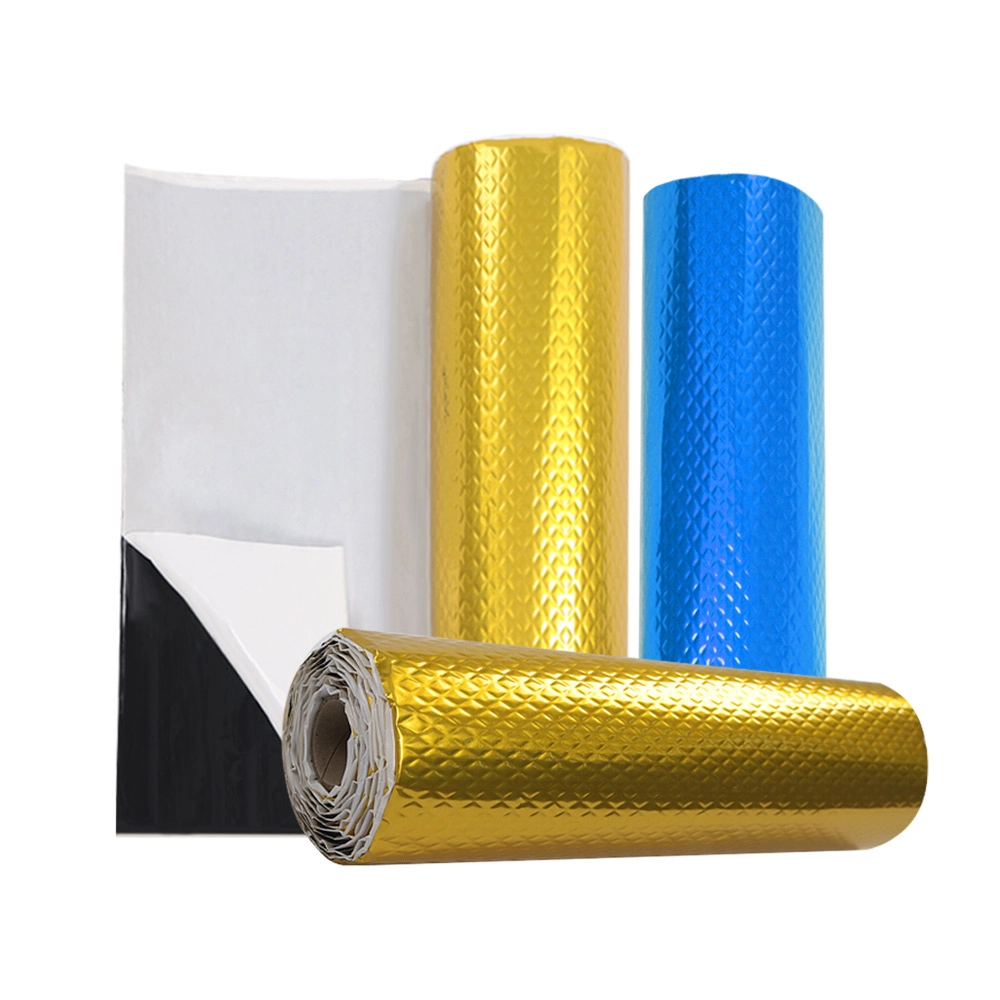
Butyl Rubber Sound Damping Mat
ASLONG Butyl Rubber Sound Damping Mat for sale. Effectively reduces noise and vibrations. High-quality butyl rubber ensures superior performance and durability. Ideal for automotive, industrial, and home applications.
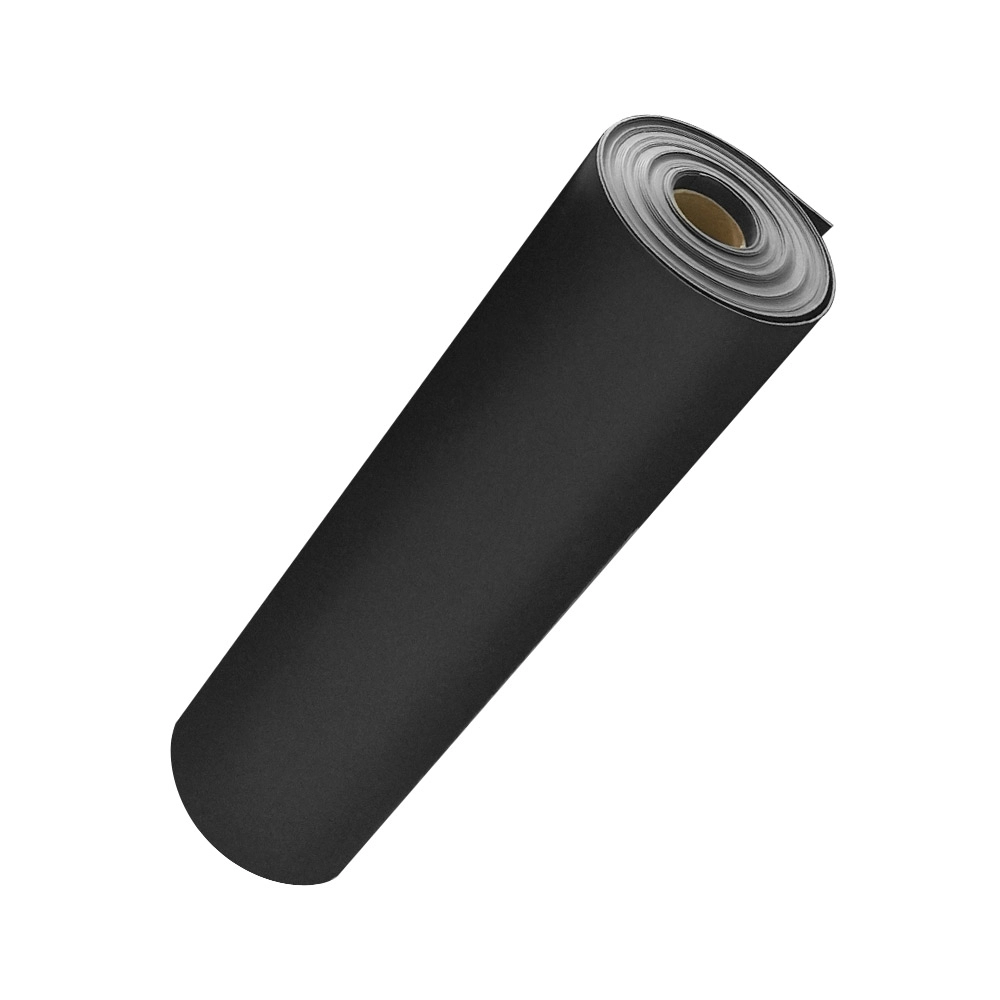
Mass Loaded Vinyl
ASLONG Mass Loaded Vinyl for sale. Reduce noise pollution effectively with our high-quality, mass-loaded vinyl. Ideal for soundproofing walls, floors, and more. Buy now and experience the difference!
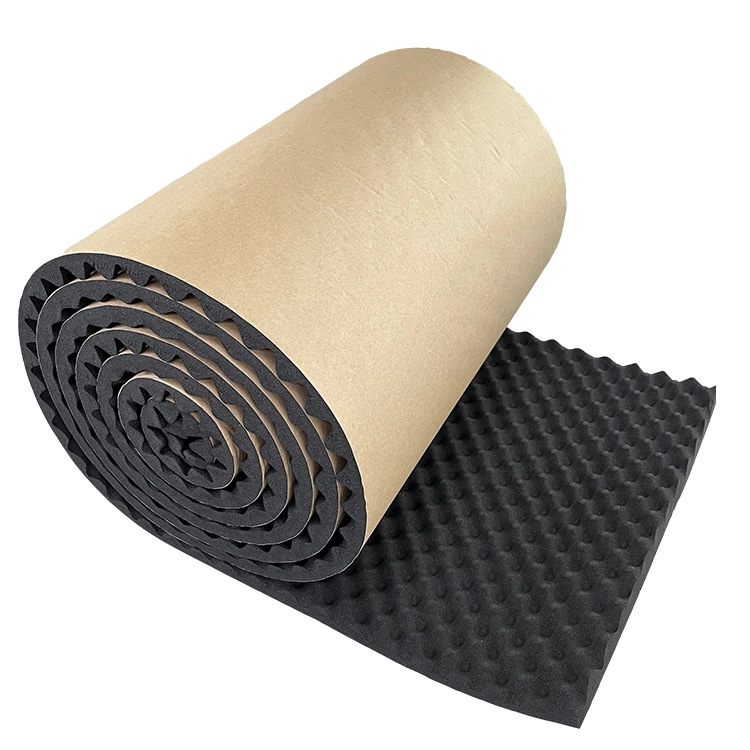
Egg Crate Foam
ASLONG Egg Crate Foam for sale. Lightweight, breathable, and comfortable, our egg crate foam provides superior support and pressure relief. Perfect for mattresses, cushions, cars, construction industry, KTV, factories, etc.
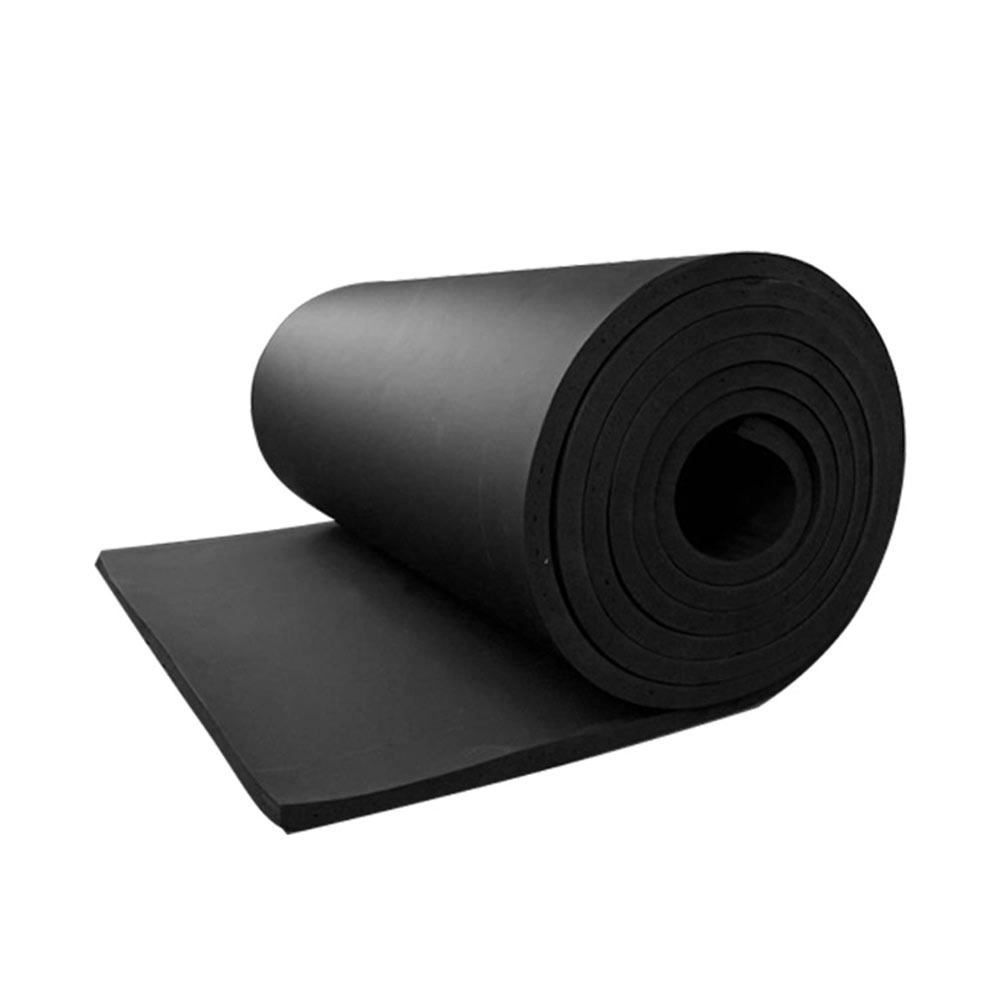
NBR Foam
ASLONG NBR Foam: Wholesale NBR foam solutions for diverse applications. High-quality, durable, and competitively priced. Contact us today for bulk orders.
Professional support at any time
If you have any comments or good suggestions, please leave us a message; later our professional staff will contact you as soon as possible.
© 2026 ASLONG All Rights Reserved. Privacy Policy | Terms and Conditions | Sitemap

 It would be pleasure to receive from you.
Whatsapp: +8613242879341
ASLONG Global
ASLONG
Aslong_global