

Installation Guide for Mass Loaded Vinyl in Commercial Buildings
- Planning and Preparation: Getting Ready for Effective Soundproofing
- Assess the noise problem and set measurable goals
- Choose the right Mass Loaded Vinyl and complementary materials
- Tools, PPE, and logistics
- Wall Installation Methods: Best Practices and Step-by-Step Procedures
- Surface-mounted MLV on existing walls
- Installing MLV behind a new wall assembly (double stud, resilient channel)
- Seams, penetrations, and edge treatment
- Floors and Ceilings: Installing MLV for Impact and Airborne Noise Control
- Applying MLV under floor finishes
- Ceiling installations to protect lower-floor tenants
- Addressing HVAC, piping, and lateral flanking paths
- Detail Work, Fire Codes, and Performance Verification
- Fire safety, code compliance, and UL listings
- Quality control and performance testing
- Maintenance and long-term considerations
- Comparing MLV Options and When to Use Sound Insulation Foam
- Quick comparison of common MLV specifications
- When to rely on MLV vs. sound insulation foam
- Cost-benefit and structural considerations
- Troubleshooting and Common Installation Mistakes
- Poor sealing at seams and edges
- Ignoring flanking routes
- Combining incompatible materials
- References and Standards
- FAQ — Common Questions about MLV Installation
- Q: Can Mass Loaded Vinyl be used alone without other treatments?
- Q: How do I seal electrical boxes and HVAC penetrations?
- Q: Is MLV fire-rated and code-compliant?
- Q: How do I measure whether the installation worked?
- Q: Can MLV be used with underfloor heating or raised floors?

Effective acoustic treatment in commercial buildings requires both proven materials and correct installation. This guide explains how to install Mass Loaded Vinyl (MLV) to reduce airborne and impact noise in offices, retail spaces, hospitality areas, and industrial facilities. It outlines planning, tools, surface preparation, mounting methods for walls, floors and ceilings, integration with sound insulation foam, critical sealing and flanking-path control, and relevant standards to ensure results you can measure.
ASLONG Mass Loaded Vinyl for sale. Reduce noise pollution effectively with our high-quality, mass-loaded vinyl. Ideal for soundproofing walls, floors, and more. Buy now and experience the difference!
Planning and Preparation: Getting Ready for Effective Soundproofing
Assess the noise problem and set measurable goals
Before you order materials, identify the dominant noise paths: airborne (voices, HVAC, traffic) or structure-borne (footsteps, equipment vibration). Use tools such as basic sound level meters or smartphone apps for a preliminary survey, and consider a professional measurement against standards like ISO 717 for sound reduction ratings. Establish a target STC (Sound Transmission Class) or an expected dB reduction—for example, raising a wall from STC 35 to STC 50 typically requires mass, decoupling, and sealing improvements.
Choose the right Mass Loaded Vinyl and complementary materials
MLV comes in different weights and thicknesses. Heavier MLV increases low-frequency performance but adds load to the structure; choose based on the building's capacity and performance goals. For higher performance, combine MLV with absorption layers such as sound insulation foam or mineral wool. Sound insulation foam helps reduce cavity resonance and improves overall STC when used behind MLV in framed walls.
Tools, PPE, and logistics
Common tools include utility knives, heavy-duty scissors, acoustic sealant (acoustical caulk), self-tapping screws and washers, construction adhesive rated for MLV, resilient channels or hat channels, measuring tape, and a straightedge. Always wear gloves (MLV edges can be heavy) and eye protection. For large commercial jobs, plan lifts and personnel for handling heavy rolls and verify floor load limits if installing on suspended ceilings or elevated floors.
Wall Installation Methods: Best Practices and Step-by-Step Procedures
Surface-mounted MLV on existing walls
Surface mounting MLV is often the least disruptive approach in retrofit projects. Clean the wall, remove loose trim, and apply a continuous bead of construction adhesive along studs or substrate. Press MLV into place, smoothing out wrinkles. Overlap seams by 2–4 in (50–100 mm) and seal with acoustic tape or acoustical sealant to maintain a continuous mass barrier. Finish with furring strips or plywood to protect and conceal the MLV in high-traffic areas.
Installing MLV behind a new wall assembly (double stud, resilient channel)
For higher STC gains, install MLV on the face of studs or resilient channels before installing the finish drywall. A typical high-performance assembly is: existing structure, resilient channel, MLV, then 5/8 gypsum board (two layers if targeted STC is high). This approach combines added mass (MLV), separation (resilient channel), and absorption (insulation or sound insulation foam in cavities) to reduce both airborne and resonant transfer.
Seams, penetrations, and edge treatment
A continuous barrier is essential—every seam or penetration is a potential weak point. Tape seams with acoustic foil tape and run a bead of acoustical caulk at edges where MLV meets floor, ceiling, or other walls. For electrical boxes, install putty pads or use box extenders to maintain the barrier. HVAC ducts and piping require flexible collars or boxed enclosures lined with sound insulation foam and sealed with mastic or high-performance acoustic sealant.
Floors and Ceilings: Installing MLV for Impact and Airborne Noise Control
Applying MLV under floor finishes
Underlayment MLV is effective at reducing airborne noise and some impact noise when used under floating floors or laminate. Roll out MLV directly over subfloor, overlap seams and seal, then install the underlayment or decoupling layer as needed. For heavy impact reduction (footfall), combine MLV with an impact/isolation mat or resilient underlayment. Sound insulation foam placed in floor cavities beneath a raised floor can help damp cavity resonance.
Ceiling installations to protect lower-floor tenants
For ceiling assemblies, fix MLV to the underside of the joists or to the ceiling plane before installing the finished ceiling. In offices and multi-tenant commercial spaces, this is often the most cost-effective way to improve privacy. Where mechanical systems pass through, use flexible ducts or lined ductwork and seal penetrations with acoustic sealant. A suspended ceiling with MLV above the tiles (with proper sealing) can yield significant improvements without removing finishes.
Addressing HVAC, piping, and lateral flanking paths
Flanking paths often bypass the treated plane. Identify continuous rigid connections (ducts, piping, wall cavities) and treat them. Wrap ducts with lined duct insulation or install mufflers; isolate mechanical equipment with resilient mounts and enclose noisy equipment in lined boxes that use both mass (MLV) and absorption (sound insulation foam). These combined measures reduce transmitted energy and prevent surprises where an otherwise well-treated wall still transmits noise.
Detail Work, Fire Codes, and Performance Verification
Fire safety, code compliance, and UL listings
Always verify the fire rating and code compliance for materials. Some MLV products are available with fire retardant formulations and tested assemblies. Consult local building codes and, where needed, use MLV that meets fire performance requirements for the assembly or employ additional fire-rated layers. For guidance on acoustic testing and building standards, review resources from the Acoustical Society of America and references to ASTM standards such as ASTM E90 testing for airborne sound transmission.
Quality control and performance testing
After installation, validate results with in-situ measurements. Use a calibrated sound level meter or hire an acoustical consultant to run airborne transmission tests and field STC measurements. Compare pre- and post-installation dB levels at critical frequencies. Documenting results helps ensure compliance with project requirements and provides data for future projects.
Maintenance and long-term considerations
MLV is durable but should be protected from mechanical damage and prolonged UV exposure. Ensure finished surfaces or protective panels shield MLV in corridors and high-traffic zones. Inspect seals and penetrations annually, especially around HVAC services, and reapply acoustical sealant where gaps appear. Keeping cavities dry prevents mold or degradation of adjacent fibrous sound insulation foam or mineral wool.
Comparing MLV Options and When to Use Sound Insulation Foam
Quick comparison of common MLV specifications
Below is a concise table comparing typical MLV products by weight, thickness, and expected airborne noise reduction contribution. Real-world STC gains depend on the entire assembly; these are guide values for planning.
| MLV Type | Weight (lb/ft²) | Thickness (mm) | Practical STC Improvement* |
|---|---|---|---|
| Light MLV | 0.5 | 1.5 | +3–6 |
| Standard MLV | 1.0 | 2.0–3.0 | +6–10 |
| Heavy MLV | 2.0 | 4.0–6.0 | +10–15 |
*Estimates assume proper sealing and an assembly using MLV with drywall and insulation. Source guidance: Soundproofing and ASTM practices; actual measured performance will vary with frequency and assembly.
When to rely on MLV vs. sound insulation foam
MLV is a high-mass barrier best for blocking airborne noise, especially at mid and high frequencies. Sound insulation foam (open-cell or closed-cell) is primarily absorptive and reduces reverberation and cavity resonance. For best results in commercial buildings, use MLV as the primary mass barrier and place sound insulation foam (or mineral wool) in wall and floor cavities to reduce standing waves and improve mid-frequency attenuation. Combining both is synergistic and often necessary for targets like speech privacy between adjacent offices.
Cost-benefit and structural considerations
Heavier MLV costs more and increases dead load. For suspended ceilings or older structures, evaluate load limits. In many commercial renovations, a targeted combination—standard MLV with cavity insulation and a decoupled finish—gives the best balance of cost, space, and performance. For critical spaces (recording rooms, conference centers), heavier MLV and multiple-layer assemblies are justified.
Troubleshooting and Common Installation Mistakes
Poor sealing at seams and edges
Symptom: Significant leakage of sound despite MLV installed. Solution: Recheck seams, edges, and penetrations. Use acoustic foil tape and acoustical caulk. Even small gaps will reduce effectiveness dramatically; treat every joint and interface.
Ignoring flanking routes
Symptom: Noise bypasses the treated plane through ducts, floors, or adjacent walls. Solution: Trace the noise path and treat mechanical systems, add lined enclosures for equipment, and ensure continuous barrier across party walls and floors. Using flexible connections and resilient mounts minimizes structure-borne transfer.
Combining incompatible materials
Symptom: Unexpected condensation or reduced acoustic performance. Solution: Avoid placing impermeable MLV directly against materials that trap moisture-sensitive insulation. Maintain proper vapor control strategies and, where needed, use breathable linings or provide drainage paths in assemblies to prevent trapped moisture that can degrade fibrous sound insulation foam or mineral wool.
References and Standards
For deeper standards and technical background, consult resources from authoritative organizations:
- Soundproofing - Wikipedia (overview and methods)
- ISO 717 (rating scale for airborne and impact sound)
- ASTM E90 (laboratory measurement of airborne sound transmission)
- Acoustical Society of America (technical resources and publications)
- Building Science Corporation (practical building assembly guidance)
FAQ — Common Questions about MLV Installation
Q: Can Mass Loaded Vinyl be used alone without other treatments?
A: MLV alone provides substantial airborne noise reduction, especially at mid to high frequencies. However, for optimal performance—particularly for low-frequency noise and impact isolation—combine MLV with cavity absorption (sound insulation foam or mineral wool) and decoupling methods like resilient channels or floating floors.
Q: How do I seal electrical boxes and HVAC penetrations?
A: Use putty pads or box extenders on electrical boxes to maintain the barrier. For HVAC penetrations, use flexible collars, lined duct segments, and acoustic sealant or mastic to avoid rigid connections that transmit noise. Treat piping with isolation clamps and wrap with acoustic insulation where appropriate.
Q: Is MLV fire-rated and code-compliant?
A: Some MLV products come with fire retardant formulations and have been tested in assemblies. Always check the product's datasheet for fire ratings and consult local building codes. When necessary, place MLV within a rated assembly (behind gypsum or other rated board) to meet code requirements.
Q: How do I measure whether the installation worked?
A: Use before-and-after sound level measurements with a calibrated sound level meter or hire an acoustical consultant for field STC testing. Measurements should include various frequencies and both airborne and impact assessments to verify that the installation met targets.
Q: Can MLV be used with underfloor heating or raised floors?
A: Yes, but verify compatibility with the heating system. MLV can be installed under some raised floor systems; however, ensure thermal considerations and floor load limits are respected. Avoid excessive compression of resilient underlayments that can reduce impact isolation performance.
If you have specific project questions, need product specs, or want assistance selecting the right MLV and sound insulation foam combination for your commercial building, contact our team or view the product page:
Professional installation combined with appropriate complementary materials (like sound insulation foam) delivers measurable improvements in occupant comfort and privacy. For complex projects, engage an acoustical consultant early to set realistic goals and verify performance against recognized standards.
The B2B Buyer’s Guide to custom NBR foam | ASLONG Ultimate Insights
Tips for buy high-density automotive insulation mat
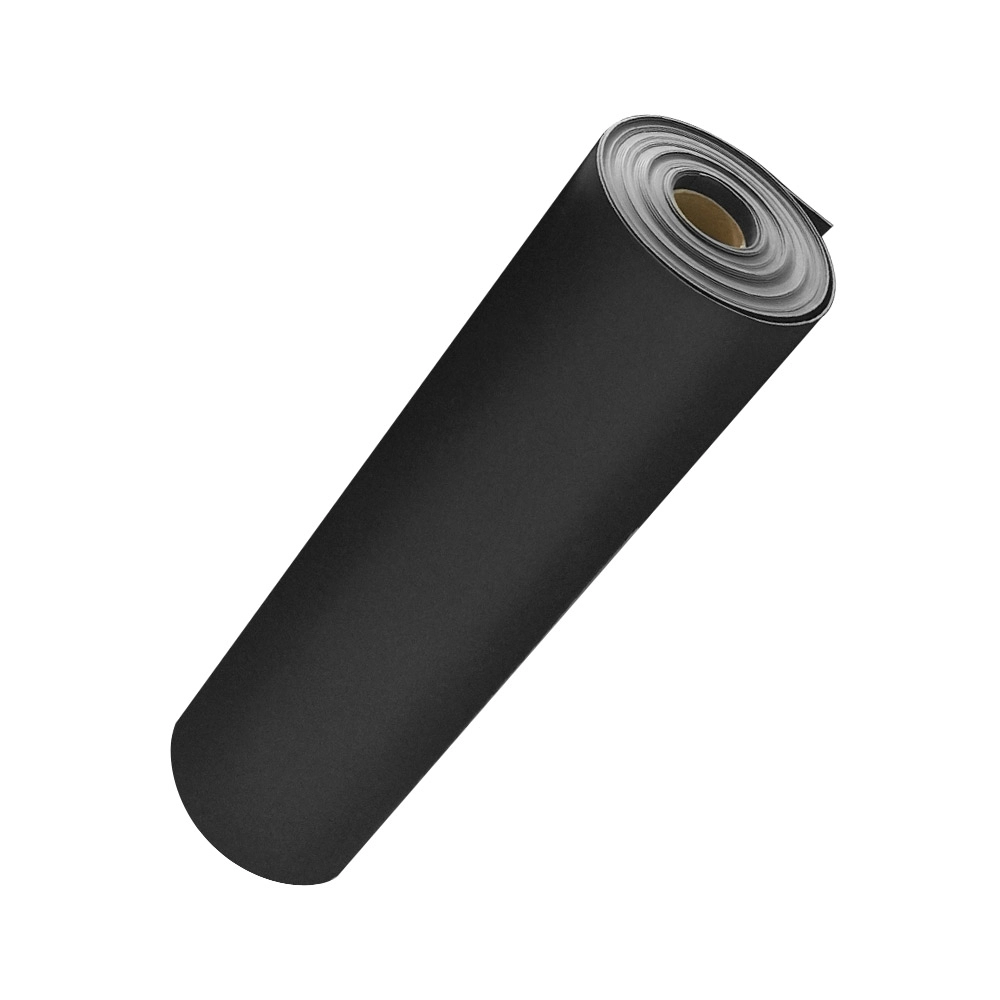
How Mass Loaded Vinyl Improves Room Acoustics
What is a good soundproofing material ?
FAQs
How to customize products that meet the needs of my industry?
You only need to contact our sales or technical team, we will conduct an in-depth analysis based on your industry needs and provide tailor-made products and solutions. We guarantee to provide you with efficient and accurate services to meet your personalized requirements.
What industries are the products provided by ASLONG suitable for?
ASLONG's products are suitable for multiple industries, including air conditioning and HVAC, construction and waterproofing, automobiles and transportation, home appliances and electronics, industrial equipment and machinery, etc. We provide customized solutions for each industry to meet different needs.
Does ASLONG provide after-sales service?
Yes, we provide a full range of after-sales services, including technical support, installation guidance, product maintenance and quality tracking, etc., to ensure that each project goes smoothly and continues to perform at its best.
Do ASLONG's products meet environmental protection standards?
Yes, all ASLONG products comply with ISO14001 environmental management system certification and global environmental protection standards. We use environmentally friendly materials and are committed to providing sustainable solutions to help customers achieve green development goals.
What specific functions can ASLONG's products provide?
Our products cover functions such as insulation, sound insulation, shock absorption, waterproofing and sealing, and are widely used in improving energy efficiency, reducing noise, controlling vibration, protecting equipment, etc., helping customers optimize engineering effects and improve user experience.
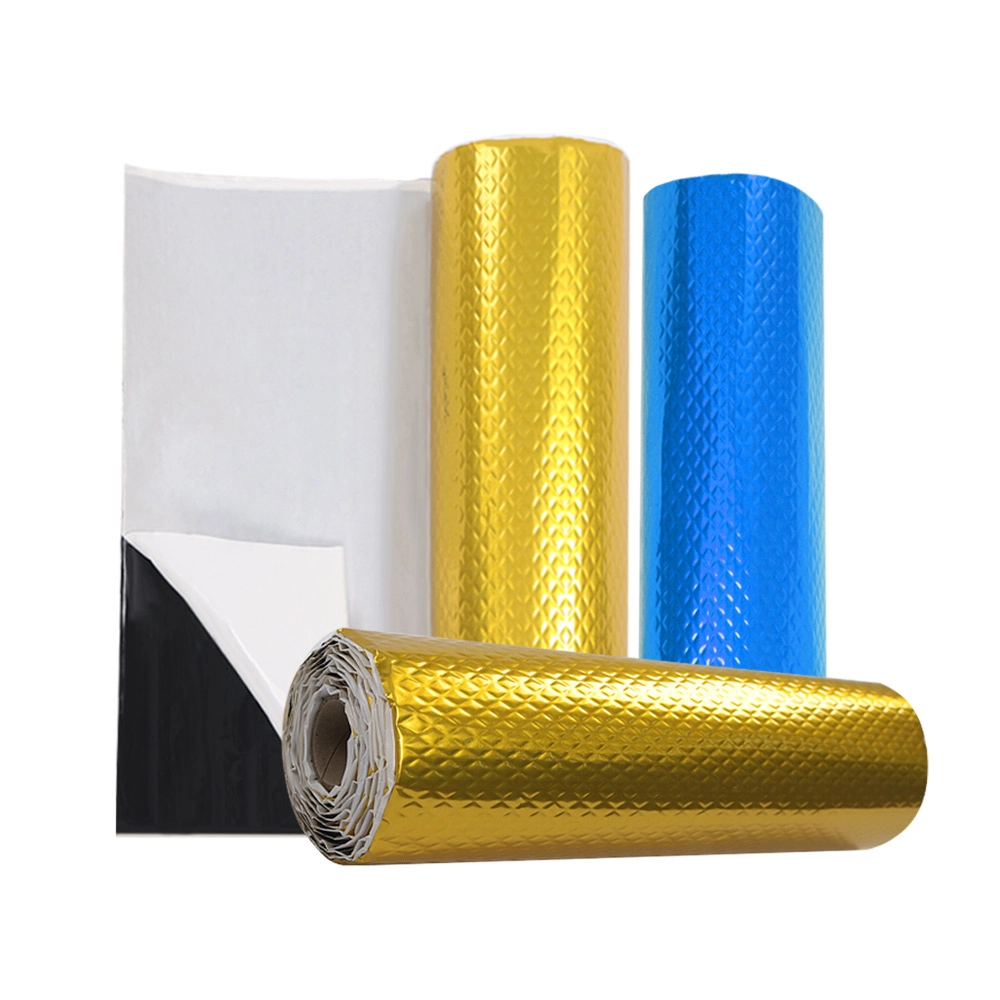
Butyl Rubber Sound Damping Mat
ASLONG Butyl Rubber Sound Damping Mat for sale. Effectively reduces noise and vibrations. High-quality butyl rubber ensures superior performance and durability. Ideal for automotive, industrial, and home applications.
Mass Loaded Vinyl
ASLONG Mass Loaded Vinyl for sale. Reduce noise pollution effectively with our high-quality, mass-loaded vinyl. Ideal for soundproofing walls, floors, and more. Buy now and experience the difference!
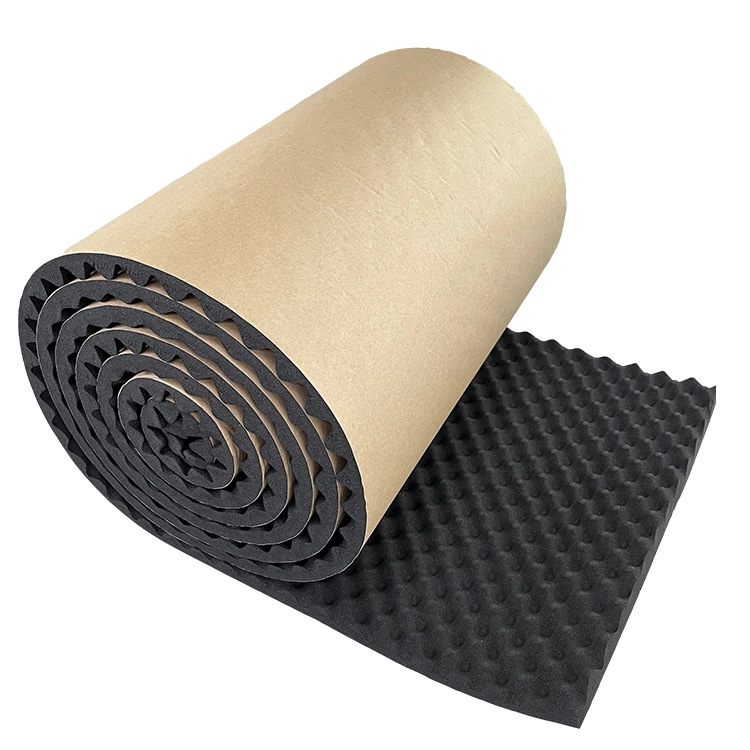
Egg Crate Foam
ASLONG Egg Crate Foam for sale. Lightweight, breathable, and comfortable, our egg crate foam provides superior support and pressure relief. Perfect for mattresses, cushions, cars, construction industry, KTV, factories, etc.
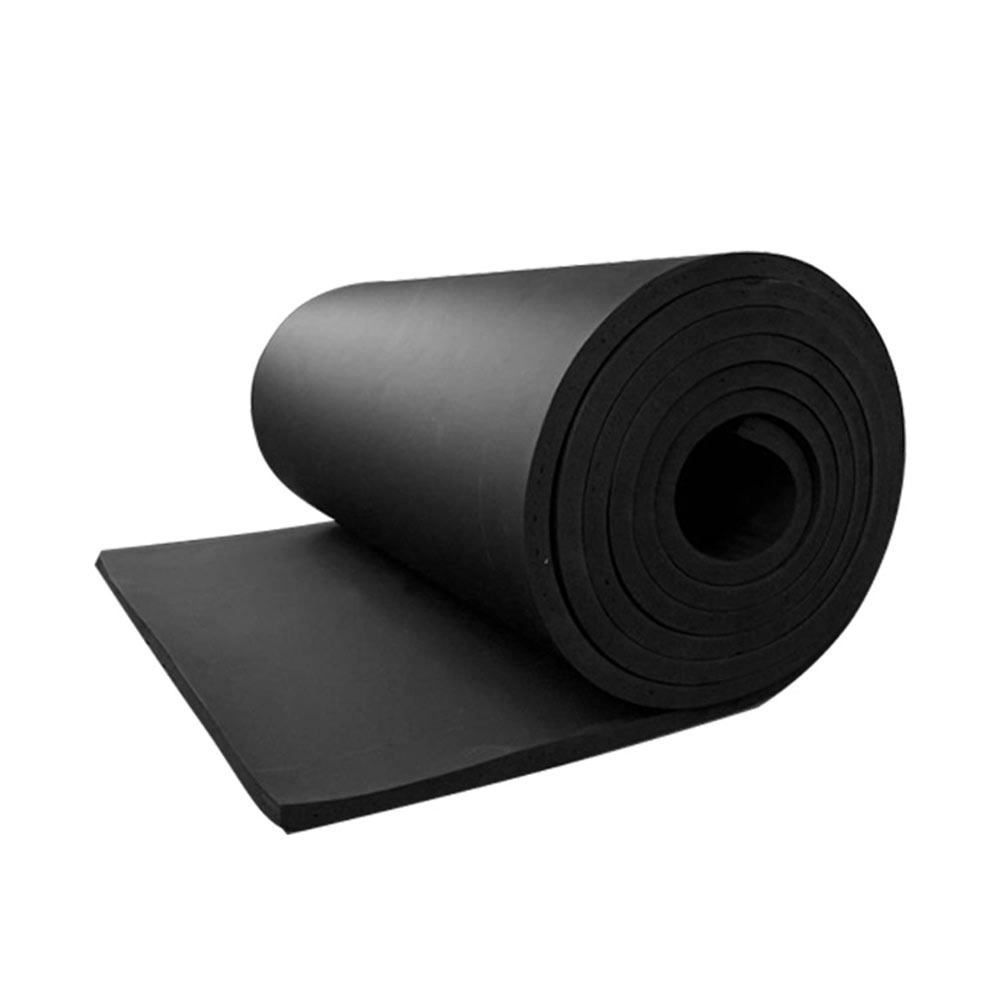
NBR Foam
ASLONG NBR Foam: Wholesale NBR foam solutions for diverse applications. High-quality, durable, and competitively priced. Contact us today for bulk orders.
Professional support at any time
If you have any comments or good suggestions, please leave us a message; later our professional staff will contact you as soon as possible.
© 2026 ASLONG All Rights Reserved. Privacy Policy | Terms and Conditions | Sitemap

 It would be pleasure to receive from you.
Whatsapp: +8613242879341
ASLONG Global
ASLONG
Aslong_global