

Customization Options in Multi layer Composite NBR Foam
- Customization Options in Multi layer Composite NBR Foam
- Introduction: What is Multi layer Composite NBR foam and why customize?
- Key customization levers for NBR foam
- Layer structure: how multiple layers improve performance
- Acoustic customization: tuning for absorption and transmission loss
- Mechanical and durability customization: density, hardness and compression
- Thermal and chemical customization: additives and facings
- Fabrication, bonding and finishing options
- Design guidelines and application-specific recommendations
- Automotive interior and engine compartments
- Industrial machinery and HVAC
- Electronics and enclosures
- Footwear and sporting goods
- Testing, standards and quality assurance
- Cost, lead time and scaling considerations
- Comparison: Typical trade-offs between single-layer and multi-layer NBR foam
- ASLONG's strengths for customized Multi layer Composite NBR foam
- Frequently Asked Questions (FAQ)
- Q: What is the difference between NBR foam and Multi layer Composite NBR foam?
- Q: Can you customize thickness, density and adhesive on Multi layer Composite NBR foam?
- Q: How long does customization and delivery take?
- Q: Are Multi layer Composite NBR foams flame retardant?
- Q: Is NBR foam recyclable or environmentally regulated?
- Q: How do I request samples or a quote?
- Contact and next steps (CTA)
- Authoritative references and recommended reading

Customization Options in Multi layer Composite NBR Foam
Introduction: What is Multi layer Composite NBR foam and why customize?
Nitrile butadiene rubber foam (nbr foam) is a versatile closed-cell elastomer widely used where oil, fuel resistance and mechanical resilience are needed together with cushioning and insulation. Multi layer Composite NBR foam takes the base benefits of NBR and stacks or laminates multiple foam layers and facings to deliver tailored combinations of sound absorption, impact cushioning, thermal resistance and environmental durability. ASLONG's multi-layer composite NBR foam is your High Quality choice for superior cushioning and durability. Ideal for diverse applications, this high-quality NBR foam is available for sale now. Contact us for bulk orders. Once customization is considered, verifying quality is key. Following quality assurance and testing standards for NBR foam ensures that the material consistently performs as expected, preventing failures in critical sound insulation systems.
Key customization levers for NBR foam
When designing or ordering Multi layer Composite NBR foam, manufacturers typically tune a set of variables to meet performance targets. Important levers include:
- Layer count and arrangement (e.g., alternating densities or combining closed- and open-cell layers)
- Overall and per-layer thickness
- Foam density and cell size
- Surface facing materials (films, nonwovens, metallized foils)
- Bonding/lamination method and adhesives
- Perforation patterns and acoustic microperforations
- Mechanical hardness (Shore scales) and compression set performance
- Flame retardant, anti-microbial, UV or oil-resistant additives
- Custom die-cutting, CNC shaping and edge sealing
Each choice affects sound insulation (acoustic absorption and transmission), mechanical resilience, chemical tolerance and manufacturability.
Layer structure: how multiple layers improve performance
Multi layer Composite NBR foam combines layers of different densities, cell structures or facing materials to achieve properties that a single layer cannot. For example, an outer closed-cell NBR layer provides oil and water resistance while an inner, more open-cell or softer layer provides vibration damping and acoustic absorption. Strategic use of thin, dense barrier layers (e.g., metallized PET or butyl-coated films) can increase transmission loss for airborne noise while still protecting against fluids.
Acoustic customization: tuning for absorption and transmission loss
Acoustic performance is a primary reason to choose composite layers. Key approaches include:
- Open vs closed-cell: Open-cell or micro-perforated layers dissipate sound energy and increase absorption; closed-cell layers act as reflective barriers and help raise transmission loss.
- Mass-air-mass systems: Adding thin dense facings increases mass and, when combined with a decoupling foam layer, improves sound transmission loss at mid-high frequencies.
- Thickness and porosity gradation: Thicker soft layers absorb low frequencies better; thin dense layers block high-frequency transmission.
- Perforations and Helmholtz-like features: Carefully sized perforations or tuned cavities can improve absorption at target frequencies.
Below is a comparative table of typical (approximate) performance trends. Actual results depend on test configuration, mounting and total thickness.
| Material / Configuration | Primary Benefit | Typical Acoustic Role | Typical Application |
|---|---|---|---|
| Single-layer closed-cell NBR foam | Moisture/oil resistance, cushioning | Limited absorption, moderate blocking of high frequencies | Gasket sealing, vibration pads |
| Multi layer Composite NBR foam (soft core + dense face) | Balanced absorption + transmission loss | Improved broadband absorption and blocking vs single-layer | Automotive interior, HVAC ducts, machines |
| NBR foam + metallized film facing | Enhanced transmission loss, vapor barrier | Better high-frequency blocking; reduced permeation | Acoustic shields, engine covers |
| EVA or PU foam (for comparison) | Higher resilience (EVA) or softness (PU) | Different absorption bands; less oil resistance | Footwear, lightweight cushioning |
Mechanical and durability customization: density, hardness and compression
NBR foam density and hardness control load-bearing, energy return and compression set. Typical customization choices include:
- Low-density, soft layers for comfort, vibration damping and low weight.
- Higher-density, firmer layers for load support, long-term compression resistance and sealing.
- Intermediate gradations to provide progressive crush behavior (soft at first, firmer when compressed further).
Designers often specify maximum allowable compression set and a target rebound or resilience percentage for cyclic loading. Multi layer composites can combine a soft sacrificial layer (for initial impact) with a firmer load-bearing layer to optimize life and feel.
Thermal and chemical customization: additives and facings
NBR is naturally resistant to oils and fuels and operates across a useful temperature range (commonly accepted practical range is roughly -40°C to +100–120°C depending on formulation). To meet specific environmental or fire safety needs, customization can include:
- Flame retardant additives or non-combustible facings for higher fire performance.
- UV stabilizers and anti-oxidants for outdoor or high-UV exposure.
- Specific chemical-resistant formulations for aggressive oils or solvents.
- Thermal barrier facings (aluminum foil, ceramic coatings) to reduce heat transfer.
Fabrication, bonding and finishing options
Composite NBR foam can be delivered in rolls, sheets or fully-finished die-cut parts. Common customization and finishing services include:
- Lamination to films, nonwovens or metallized layers (heat, adhesive or co-extrusion bonding).
- Permanent adhesive tapes (pressure-sensitive adhesive) or peel-and-stick options for easy installation.
- Edge sealing, skiving and CNC cutting for complex geometries.
- Perforation, scoring or folding lines to assist install and acoustic tuning.
- Printing or color matching for branding or identification.
Design guidelines and application-specific recommendations
This section offers practical starting points for common application families. Use these as baseline recommendations—final spec depends on detailed requirements and testing.
Automotive interior and engine compartments
Recommended: multi-layer composite with an oil-resistant closed-cell outer faced on a softer damping core; optional metallized facing for heat reflection. Use adhesive-backed options for assembly lines and specify automotive-grade heat resistance and VOC limits.
Industrial machinery and HVAC
Recommended: thicker soft absorbent inner layer for low-frequency duct or panel absorption combined with a denser barrier layer to reduce airborne transmission. Consider micro-perforations to tune acoustic band.
Electronics and enclosures
Recommended: thin composite with EMI-friendly conductive facings if shielding is required; prioritize low-outgassing and thermal stability for enclosed electronics.
Footwear and sporting goods
Recommended: single or few-layer designs emphasizing rebound and energy return (higher resilience NBR formulations). Multi layer composites are useful for specialized insoles requiring both cushioning and fluid resistance.
Testing, standards and quality assurance
Reliable specification requires testing to accepted standards. Relevant tests and standards include:
- Acoustic transmission and absorption: ISO 10140 (laboratory measurement of sound insulation) and national test methods for STC/Rw ratings.
- Flexible cellular foam tests: ASTM D3574 (test methods for slab, bonded and molded flexible cellular materials).
- Compression set, tensile, tear and aging tests per ISO or ASTM equivalents.
- Flammability tests relevant to the application (automotive, building, aerospace have different standards).
Manufacturers should request test reports for delivered lots or specify third-party laboratory verification for critical projects.
Cost, lead time and scaling considerations
Customization increases tooling, prototyping and material costs. Factors that affect lead time and cost include:
- Number of layers and complexity of lamination processes.
- Special facings, adhesives or flame-retardant chemistries.
- Die tooling or CNC programming for custom shapes; initial tooling increases unit cost for small volumes but is amortized in large runs.
- Testing and certification requirements (adds time and cost).
Work with suppliers to create a Minimum Viable Prototype: one or two iterations often reveal assembly or performance issues before committing to full tooling and production runs.
Comparison: Typical trade-offs between single-layer and multi-layer NBR foam
Designers must weigh simplicity and cost of single-layer solutions against the performance flexibility of multi-layer composites. The table below summarizes the main trade-offs.
| Aspect | Single-layer NBR foam | Multi layer Composite NBR foam |
|---|---|---|
| Performance tuning | Limited; one material property set | High; different layers optimized for different roles |
| Cost | Lower for simple parts | Higher initial cost, better performance per weight |
| Manufacturability | Simpler cutting and bonding | Requires lamination and precise bonding |
| Acoustic/thermal performance | Moderate | Superior when designed correctly |
| Application fit | Sealing & cushioning | Sealing, cushioning, acoustic, thermal, and barrier functions combined |
ASLONG's strengths for customized Multi layer Composite NBR foam
ASLONG manufactures and supplies multi-layer composite NBR foam with capabilities tailored to bulk orders and engineering projects. Brand advantages include:
- Material expertise: formulations that balance oil/chemical resistance with mechanical resilience.
- Layering and lamination capabilities to integrate films, metallized facings and pressure-sensitive adhesives.
- Quality control and testing support to help specify and validate acoustic and mechanical performance.
- Prototyping and small-batch runs to verify function before committing to series production.
- Global supply and logistics experience to support industrial and OEM partners.
For tailored projects, ASLONG can collaborate on prototype specifications, provide sample kits and assist with selecting test methods that match application requirements.
Frequently Asked Questions (FAQ)
Q: What is the difference between NBR foam and Multi layer Composite NBR foam?
A: NBR foam refers to a single foam material made from nitrile butadiene rubber. Multi layer Composite NBR foam combines two or more layers (with different densities, cell structures or facings) to achieve combined properties—such as acoustic damping plus a vapor barrier—that a single layer cannot provide.
Q: Can you customize thickness, density and adhesive on Multi layer Composite NBR foam?
A: Yes. Suppliers typically offer a wide range of thicknesses, densities and adhesive systems (pressure-sensitive, heat-activated, or no adhesive). Be clear about installation method and operating environment to select the correct adhesive and facing.
Q: How long does customization and delivery take?
A: Lead time depends on complexity, testing requirements and order volume. Simple adhesive-backed variants and standard lamination can ship in a few weeks; highly customized formulations, tooling and certification can take several months. Discuss timelines with your supplier early.
Q: Are Multi layer Composite NBR foams flame retardant?
A: NBR formulations can be modified with flame-retardant additives or combined with flame-resistant facings to meet specific fire performance standards. Always request the specific flammability test report relevant to your industry.
Q: Is NBR foam recyclable or environmentally regulated?
A: NBR is a synthetic elastomer and recycling depends on local facilities and the presence of facings or adhesives. Some formulations can be reprocessed; discuss end-of-life plans with your supplier. Also verify compliance with local chemical and VOC regulations where applicable.
Q: How do I request samples or a quote?
A: Provide part drawings, target performance (acoustic, compression, thermal), expected environment and estimated volumes. Suppliers like ASLONG typically provide sample packs and engineering support to finalize specs prior to a bulk order.
Contact and next steps (CTA)
If you need a tailored Multi layer Composite NBR foam solution, request a sample or a quote. ASLONG provides prototyping, testing support and bulk manufacturing for custom nbr foam products. Contact ASLONG to discuss bulk orders, performance targets and lead times.
Authoritative references and recommended reading
The following resources provide further background and standards references:
- Wikipedia — Nitrile rubber: https://en.wikipedia.org/wiki/Nitrile_butadiene_rubber
- Wikipedia — Foam (materials): https://en.wikipedia.org/wiki/Foam
- Wikipedia — Soundproofing: https://en.wikipedia.org/wiki/Soundproofing
- ISO — ISO 10140: Acoustics — Laboratory measurement of sound insulation: https://www.iso.org/standard/23637.
- ASTM — ASTM D3574: Standard Test Methods for Flexible Cellular Materials—Slab, Bonded, and Molded Urethane Foams: https://www.astm.org/Standards/D3574.htm
Wholesale mass loaded vinyl curtains manufacturer and supplier
Best materials for automotive engine bay sound insulation
Wholesale waterproof butyl tape manufacturer and supplier
Top 10 car sound deadening material Manufacturers and Supplier Brands
FAQs
Does ASLONG provide after-sales service?
Yes, we provide a full range of after-sales services, including technical support, installation guidance, product maintenance and quality tracking, etc., to ensure that each project goes smoothly and continues to perform at its best.
What specific functions can ASLONG's products provide?
Our products cover functions such as insulation, sound insulation, shock absorption, waterproofing and sealing, and are widely used in improving energy efficiency, reducing noise, controlling vibration, protecting equipment, etc., helping customers optimize engineering effects and improve user experience.
What industries are the products provided by ASLONG suitable for?
ASLONG's products are suitable for multiple industries, including air conditioning and HVAC, construction and waterproofing, automobiles and transportation, home appliances and electronics, industrial equipment and machinery, etc. We provide customized solutions for each industry to meet different needs.
How to customize products that meet the needs of my industry?
You only need to contact our sales or technical team, we will conduct an in-depth analysis based on your industry needs and provide tailor-made products and solutions. We guarantee to provide you with efficient and accurate services to meet your personalized requirements.
Do ASLONG's products meet environmental protection standards?
Yes, all ASLONG products comply with ISO14001 environmental management system certification and global environmental protection standards. We use environmentally friendly materials and are committed to providing sustainable solutions to help customers achieve green development goals.
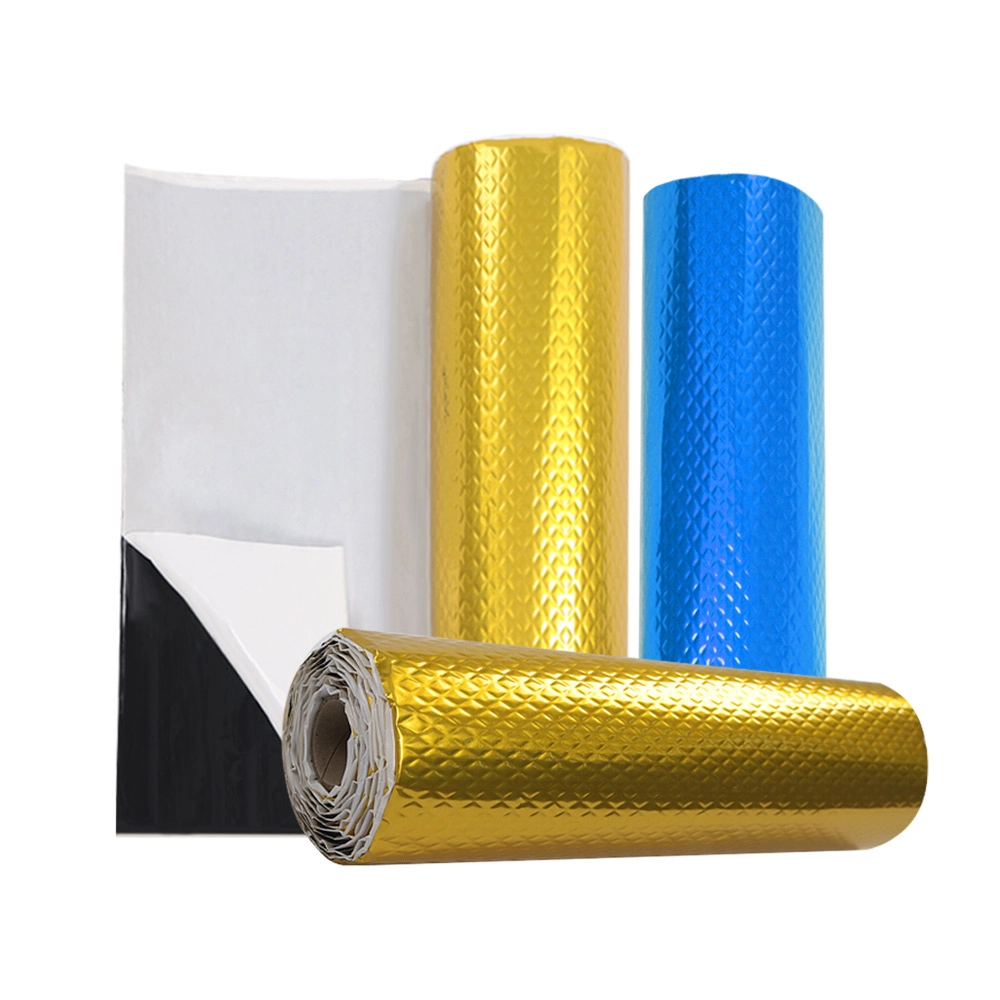
Butyl Rubber Sound Damping Mat
ASLONG Butyl Rubber Sound Damping Mat for sale. Effectively reduces noise and vibrations. High-quality butyl rubber ensures superior performance and durability. Ideal for automotive, industrial, and home applications.
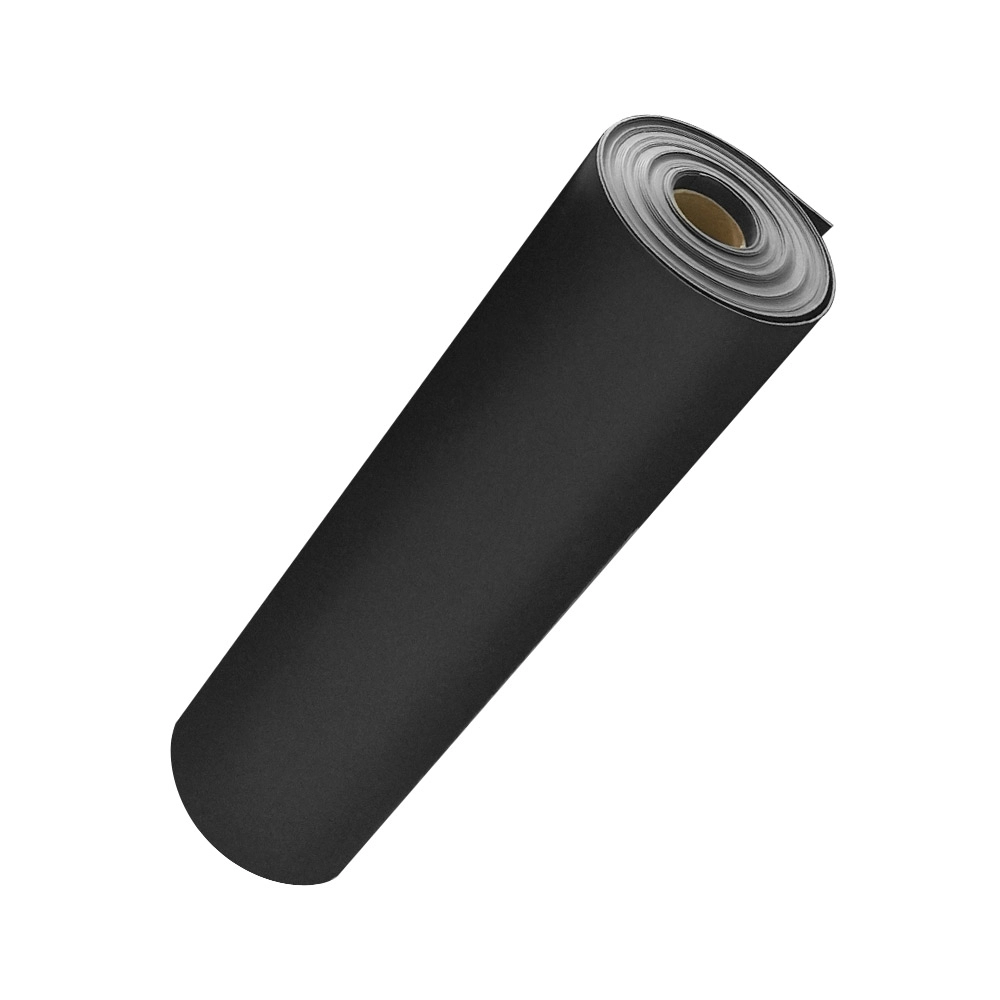
Mass Loaded Vinyl
ASLONG Mass Loaded Vinyl for sale. Reduce noise pollution effectively with our high-quality, mass-loaded vinyl. Ideal for soundproofing walls, floors, and more. Buy now and experience the difference!
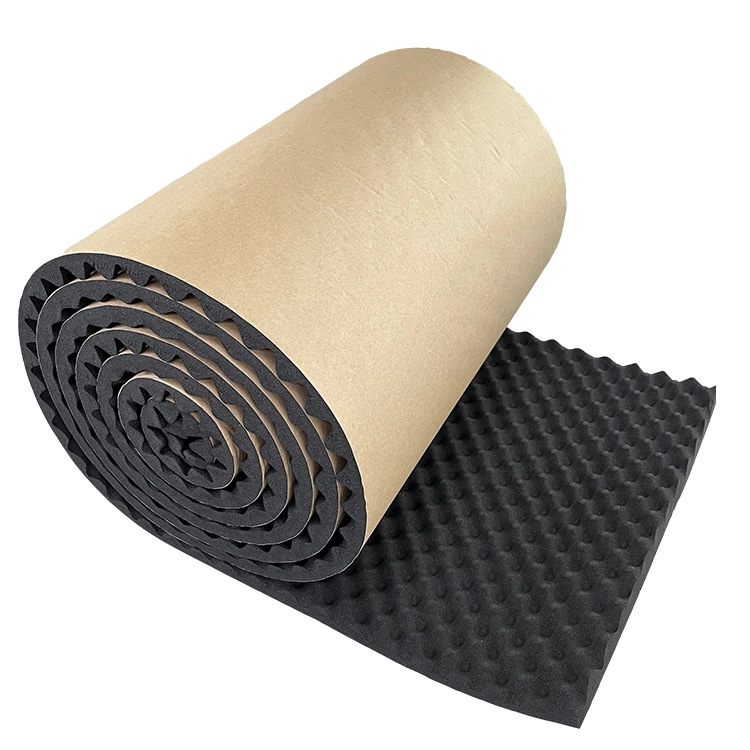
Egg Crate Foam
ASLONG Egg Crate Foam for sale. Lightweight, breathable, and comfortable, our egg crate foam provides superior support and pressure relief. Perfect for mattresses, cushions, cars, construction industry, KTV, factories, etc.
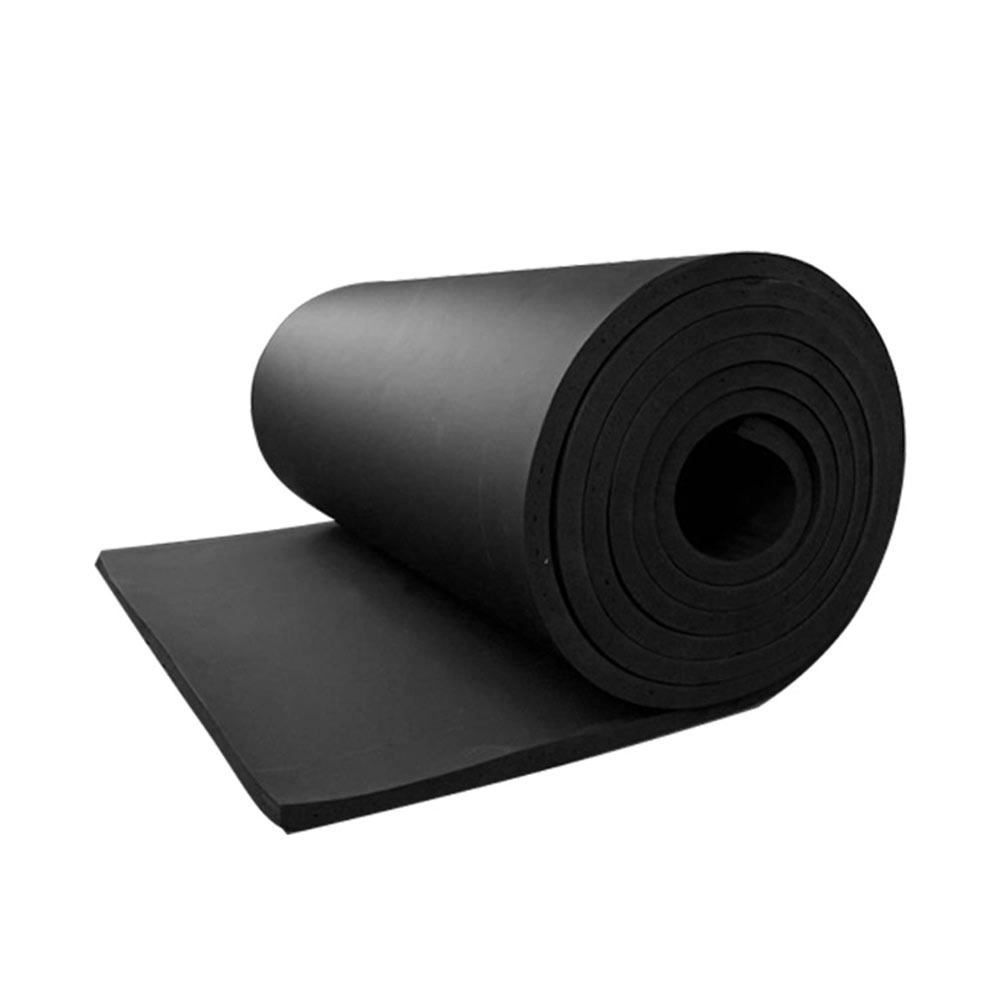
NBR Foam
ASLONG NBR Foam: Wholesale NBR foam solutions for diverse applications. High-quality, durable, and competitively priced. Contact us today for bulk orders.
Professional support at any time
If you have any comments or good suggestions, please leave us a message; later our professional staff will contact you as soon as possible.
© 2026 ASLONG All Rights Reserved. Privacy Policy | Terms and Conditions | Sitemap

 It would be pleasure to receive from you.
Whatsapp: +8613242879341
ASLONG Global
ASLONG
Aslong_global