

Comparing Rubber Mats: Butyl vs Neoprene for Noise Control
- Which Rubber Mat Fits Your Noise Control Needs?
- Understanding the role of rubber mats in noise control
- Rubber mats vs other soundproofing layers
- Common selection criteria
- Material Science: Butyl vs Neoprene
- Butyl rubber: composition and acoustic advantages
- Neoprene: characteristics and trade-offs
- Comparing physical properties
- Performance in Real-World Applications
- Automotive noise control
- Industrial and machinery vibration isolation
- Home soundproofing and flooring
- Comparative Data: Performance, Cost, and Durability
- Measured acoustic metrics and testing
- Choosing, Installing, and Maintaining Rubber Mats
- Selecting the right mat for your project
- Installation tips for best acoustic results
- Maintenance and longevity
- Practical Recommendations and Use Cases
- When to choose Butyl Rubber Sound Damping Mat
- When neoprene is the better option
- Combining materials for optimal performance
- References and Standards
- Frequently Asked Questions (FAQ)
- 1. Are butyl rubber mats better than neoprene for all noise problems?
- 2. Can I layer rubber mats with foam to improve overall sound control?
- 3. How thick should a rubber mat be for automotive soundproofing?
- 4. Will a rubber mat stop airborne noise like voices or music?
- 5. How do I maintain and clean Butyl Rubber Sound Damping Mat?

Effective noise control starts with choosing the right materials. This guide compares two widely used rubber mats—Butyl Rubber Sound Damping Mat and neoprene-based mats—focusing on acoustic performance, durability, installation, and best-use cases so professionals and DIYers can make an informed decision for automotive, industrial, and home soundproofing projects.
ASLONG Butyl Rubber Sound Damping Mat for sale. Effectively reduces noise and vibrations. High-quality butyl rubber ensures superior performance and durability. Ideal for automotive, industrial, and home applications.
Which Rubber Mat Fits Your Noise Control Needs?
Understanding the role of rubber mats in noise control
Rubber mats are used as sound damping and vibration isolation layers in many environments. They act as mass and damping layers that reduce transmitted structure-borne noise and improve perceived sound quality. Common uses include under flooring, vehicle panels, machinery bases, and acoustic enclosures. When searching for rubber mats, you will often see references to sound insulation materials, damping sheets, vibration pads, and acoustic barriers—terms that describe overlapping functions provided by these products.
Rubber mats vs other soundproofing layers
Compared with foam, mineral wool, or composite acoustic panels, rubber mats (including butyl and neoprene) offer superior low-frequency vibration control and durability in harsh environments. Foam products may excel at high-frequency absorption while rubber mats provide mass and damping to reduce mid-to-low frequency energy from engines, HVAC units, and footsteps. In many multi-layer soundproofing solutions, a dense rubber mat is paired with absorptive materials to cover a broad frequency range.
Common selection criteria
When evaluating rubber mats for noise control, consider: density and mass per unit area, damping coefficient, thickness, environmental resistance (temperature, oils, UV), adhesion and ease of installation, and long-term durability. Cost is always a factor, but for critical vibration damping and long-term performance, material properties usually justify upfront investment.
Material Science: Butyl vs Neoprene
Butyl rubber: composition and acoustic advantages
Butyl rubber is a synthetic copolymer known for high impermeability, excellent damping, and long-term stability. These properties translate into strong performance as a sound damping mat: it converts vibrational energy into heat, reducing resonance and rattles in vehicle panels or machinery housings. For basic material properties see the Butyl rubber article on Wikipedia (https://en.wikipedia.org/wiki/Butyl_rubber).
Neoprene: characteristics and trade-offs
Neoprene (polychloroprene) is another synthetic rubber valued for weather, ozone, and oil resistance. It offers good overall mechanical resilience and thermal stability but typically lower damping capacity than butyl. Neoprene mats are often used where environmental durability (e.g., exposure to oils or sunlight) is critical. See more on neoprene at Wikipedia (https://en.wikipedia.org/wiki/Neoprene).
Comparing physical properties
Key differences are often in density (mass per unit area), loss factor (damping), and permeability. Butyl generally shows higher damping (loss factor) for the same thickness, meaning better reduction of structure-borne noise. Neoprene can be engineered for different hardness levels and tends to offer broader environmental resistance. For acoustic measurement standards that define lab test methods for sound insulation materials, refer to ISO acoustics standards (see ISO 10140).
Performance in Real-World Applications
Automotive noise control
In automotive applications, butyl-based sound damping mats are widely used on inner door skins, trunk floors, and wheel arches to reduce road noise, engine vibrations, and panel resonance. Their superior damping helps reduce panel rattles and improves the perceived acoustic quality of the cabin. Neoprene may be selected for underbody or engine-bay applications where oil and temperature resistance are essential.
Industrial and machinery vibration isolation
For machinery bases, vibration pads, and acoustic enclosures, both materials are used depending on the environment. Butyl's damping is useful to reduce transmitted vibrations to building structures; neoprene's oil/chemical resistance and mechanical robustness may be preferred in manufacturing lines or outdoor equipment.
Home soundproofing and flooring
Home uses include underlayment beneath flooring to reduce impact noise and as panels behind appliances to block mechanical noise. Butyl mats are often favored where impact and structure-borne noise are the problem. Neoprene excels where moisture resistance and longevity in variable temperatures are more important.
Comparative Data: Performance, Cost, and Durability
The following table summarizes typical characteristics to help choose between butyl and neoprene rubber mats for noise control. Values are indicative and can vary by manufacturer and compound formulation.
| Property | Butyl Rubber Sound Damping Mat | Neoprene Rubber Mat |
|---|---|---|
| Primary acoustic benefit | High damping (reduces panel resonance and low-frequency vibration) | Moderate damping; good general vibration control |
| Density / mass | High — adds mass for transmission loss | Medium to high depending on formulation |
| Environmental resistance | Good; stable but can be affected by prolonged UV/oil exposure unless modified | Excellent — oil, ozone, and weather resistant |
| Temperature range | Good for typical automotive and indoor ranges | Wider operating temperature range |
| Ease of installation | Often self-adhesive or can be bonded; conforms well to contours | Available in sheets and pads; may require adhesives for permanent bond |
| Typical cost | Moderate to high (depending on thickness/damping grade) | Moderate |
| Best use cases | Interior vehicle panels, trunk, floor underlayment, enclosure damping | Outdoor equipment, engine compartments, chemical/oil-prone environments |
Measured acoustic metrics and testing
Two common metrics when assessing sound insulation products are transmission loss (TL) and structure-borne vibration reduction. In lab settings, ISO standards such as ISO 10140 define how to measure sound insulation in buildings. For human health impacts of noise exposure and the need to control environmental noise, see World Health Organization guidelines (WHO Environmental Noise Guidelines).
Choosing, Installing, and Maintaining Rubber Mats
Selecting the right mat for your project
Start by identifying the dominant noise type: impact, airborne, or structure-borne. If structure-borne vibration and panel resonance are the issues, a high-damping butyl mat is usually the best choice. If environmental exposure (oil, ozone, sunlight) is significant, neoprene may be preferable. Consider thickness and mass — heavier mats generally provide better low-frequency reduction but may be harder to fit in tight spaces.
Installation tips for best acoustic results
• Surface preparation: clean, dry, and free of oils before applying adhesive-backed mats.
• Full-surface contact: ensure the mat adheres fully to the substrate with no air gaps to maximize damping.
• Use multiple layers: combine a dense rubber mat with a porous absorption layer to target both low- and high-frequency noise.
• Edge sealing: seal edges and overlaps to prevent flanking paths for airborne noise.
Maintenance and longevity
Butyl mats generally retain damping properties over extended periods and are resistant to compression set. Neoprene retains elasticity and resists environmental degradation. Periodically inspect mats for tears, delamination, or contamination. For outdoor or industrial exposures, choose mats rated for UV and chemical resistance and follow manufacturer guidelines for replacement intervals.
Practical Recommendations and Use Cases
When to choose Butyl Rubber Sound Damping Mat
Choose ASLONG Butyl Rubber Sound Damping Mat when your priority is to reduce panel resonance, road noise, or machinery vibration inside enclosed spaces. It is particularly effective in automotive interior applications, equipment housings, and under-floor installations where mass-loading and high damping reduce rattles and low-frequency noise.
When neoprene is the better option
Select neoprene mats if your application faces oil, ozone, or prolonged outdoor exposure, or where a broad temperature range is required. Neoprene can be a reliable choice for engine compartments, outdoor machinery bases, and locations where chemical resistance is needed.
Combining materials for optimal performance
For many projects, a layered approach yields the best results: a butyl sound damping mat bonded to a metal panel for resonance control, combined with an absorptive foam layer to handle airborne and mid-to-high frequencies. This gives comprehensive attenuation across the audible spectrum.
References and Standards
Authoritative resources and standards used to inform this guide include industry references and international standards on rubber materials and acoustics. For material background see: Butyl rubber (Wikipedia) and Neoprene (Wikipedia). For acoustic measurement guidance see ISO 10140 (https://www.iso.org/standard/43339.). For health-related noise exposure guidance see WHO Environmental Noise Guidelines (https://www.who.int/publications/i/item/9789241550376).
Frequently Asked Questions (FAQ)
1. Are butyl rubber mats better than neoprene for all noise problems?
No. Butyl generally provides higher damping for structure-borne noise and panel resonance, while neoprene may be preferred for environmental resistance and certain mechanical applications. Select based on noise source, environment, and installation constraints.
2. Can I layer rubber mats with foam to improve overall sound control?
Yes. Combining a dense rubber mat (for low-frequency damping) with a porous absorber (for mid/high frequencies) gives a broader spectrum of control than either material alone. Proper installation and sealing are important to avoid flanking paths.
3. How thick should a rubber mat be for automotive soundproofing?
Thickness depends on available space and target performance. Many automotive sound damping mats range from 1.5 mm to 4 mm for internal panels; trunk and floor underlayment may use thicker or multiple layers. Rather than thickness alone, choose a mat with high damping coefficient and appropriate mass for the application.
4. Will a rubber mat stop airborne noise like voices or music?
Rubber mats primarily reduce structure-borne noise and vibration-related transfer. For airborne noise (voices, music), a combination of added mass, decoupling, and absorptive treatments is usually required. A dense mat contributes to transmission loss but is most effective when used with other soundproofing layers.
5. How do I maintain and clean Butyl Rubber Sound Damping Mat?
For internal applications, little maintenance is needed beyond visual inspection. Clean surrounding surfaces and avoid prolonged contact with aggressive solvents. For contaminated or damaged mats, replacement is recommended. For detailed product care, follow manufacturer instructions.
If you want to compare products, request technical datasheets, or get a quote for ASLONG Butyl Rubber Sound Damping Mat, contact our sales team or view the product page. Our experts can recommend the best rubber mats for your specific noise control needs.
Contact Us: For product inquiries and technical support, email sales@example.com or call +1-800-555-0123. To view product details and buy ASLONG Butyl Rubber Sound Damping Mat, visit our product page.
Choosing the Right Mass Loaded Vinyl Sheet for Wall Soundproofing
Top 10 acoustic insulation material Manufacturers and Supplier Brands
ASLONG Best professional mass loaded vinyl manufacturers and supplier brands
How to manufacturing aluminium foil tape waterproof
FAQs
What industries are the products provided by ASLONG suitable for?
ASLONG's products are suitable for multiple industries, including air conditioning and HVAC, construction and waterproofing, automobiles and transportation, home appliances and electronics, industrial equipment and machinery, etc. We provide customized solutions for each industry to meet different needs.
Does ASLONG provide after-sales service?
Yes, we provide a full range of after-sales services, including technical support, installation guidance, product maintenance and quality tracking, etc., to ensure that each project goes smoothly and continues to perform at its best.
What specific functions can ASLONG's products provide?
Our products cover functions such as insulation, sound insulation, shock absorption, waterproofing and sealing, and are widely used in improving energy efficiency, reducing noise, controlling vibration, protecting equipment, etc., helping customers optimize engineering effects and improve user experience.
How to customize products that meet the needs of my industry?
You only need to contact our sales or technical team, we will conduct an in-depth analysis based on your industry needs and provide tailor-made products and solutions. We guarantee to provide you with efficient and accurate services to meet your personalized requirements.
Do ASLONG's products meet environmental protection standards?
Yes, all ASLONG products comply with ISO14001 environmental management system certification and global environmental protection standards. We use environmentally friendly materials and are committed to providing sustainable solutions to help customers achieve green development goals.
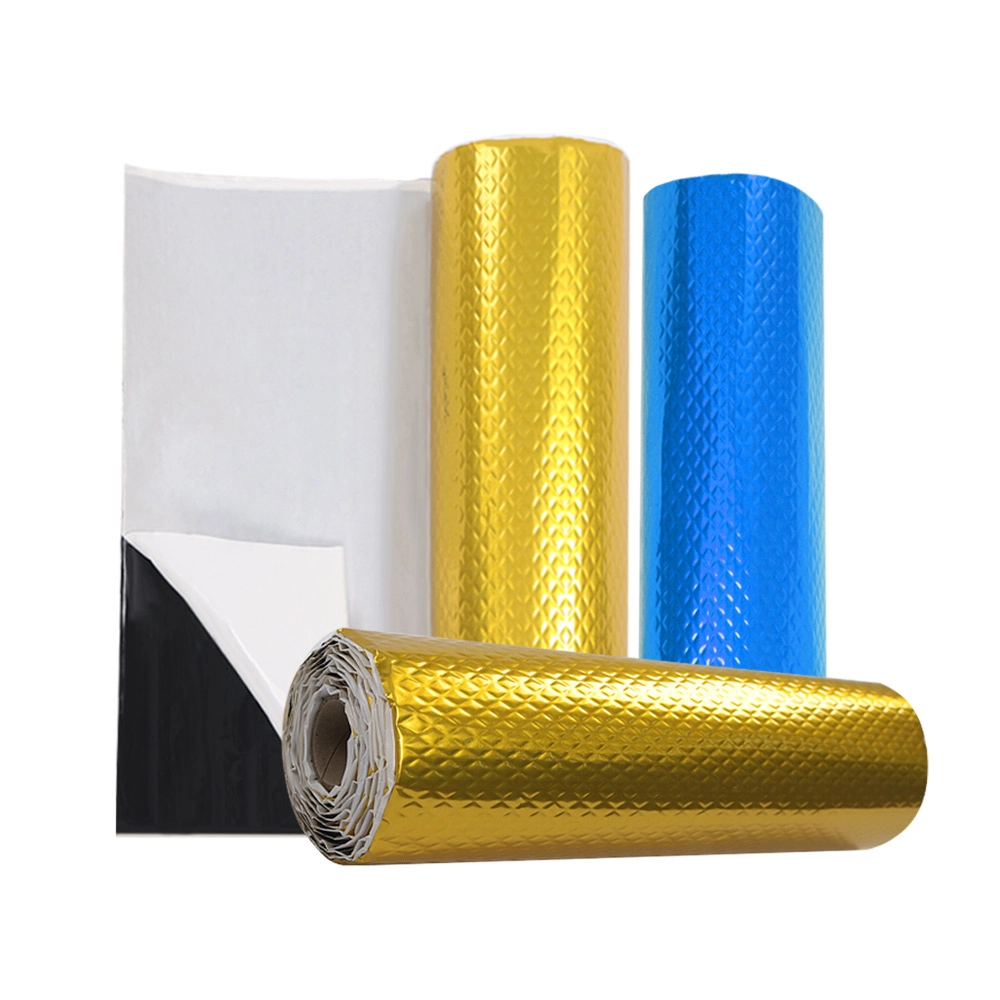
Butyl Rubber Sound Damping Mat
ASLONG Butyl Rubber Sound Damping Mat for sale. Effectively reduces noise and vibrations. High-quality butyl rubber ensures superior performance and durability. Ideal for automotive, industrial, and home applications.
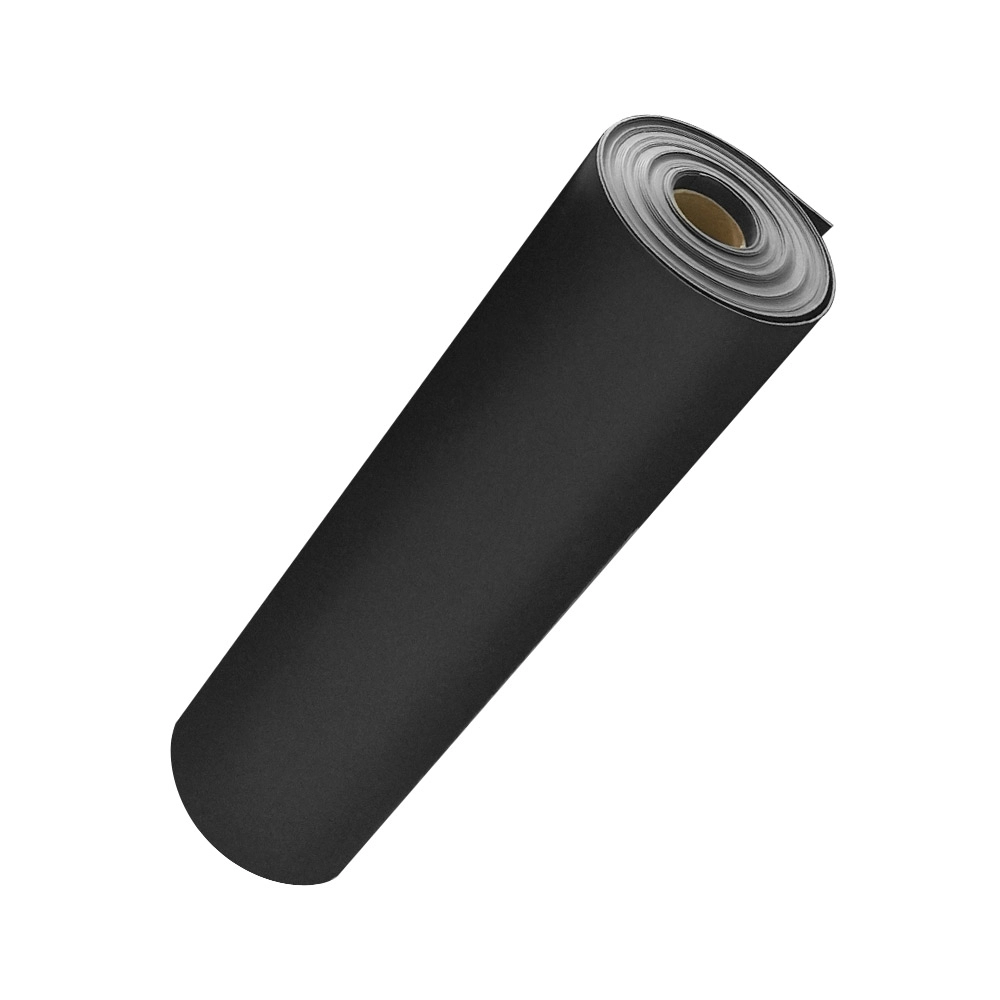
Mass Loaded Vinyl
ASLONG Mass Loaded Vinyl for sale. Reduce noise pollution effectively with our high-quality, mass-loaded vinyl. Ideal for soundproofing walls, floors, and more. Buy now and experience the difference!
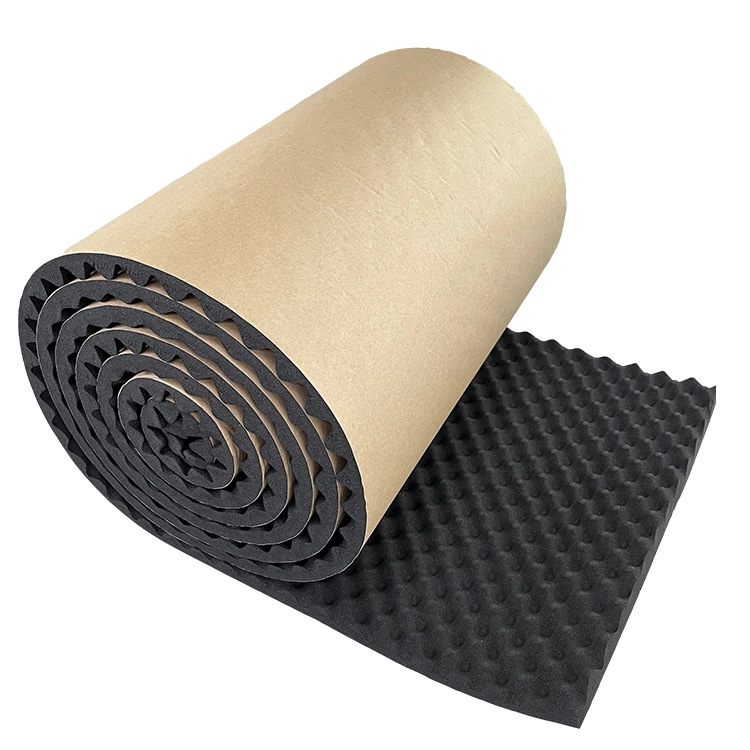
Egg Crate Foam
ASLONG Egg Crate Foam for sale. Lightweight, breathable, and comfortable, our egg crate foam provides superior support and pressure relief. Perfect for mattresses, cushions, cars, construction industry, KTV, factories, etc.
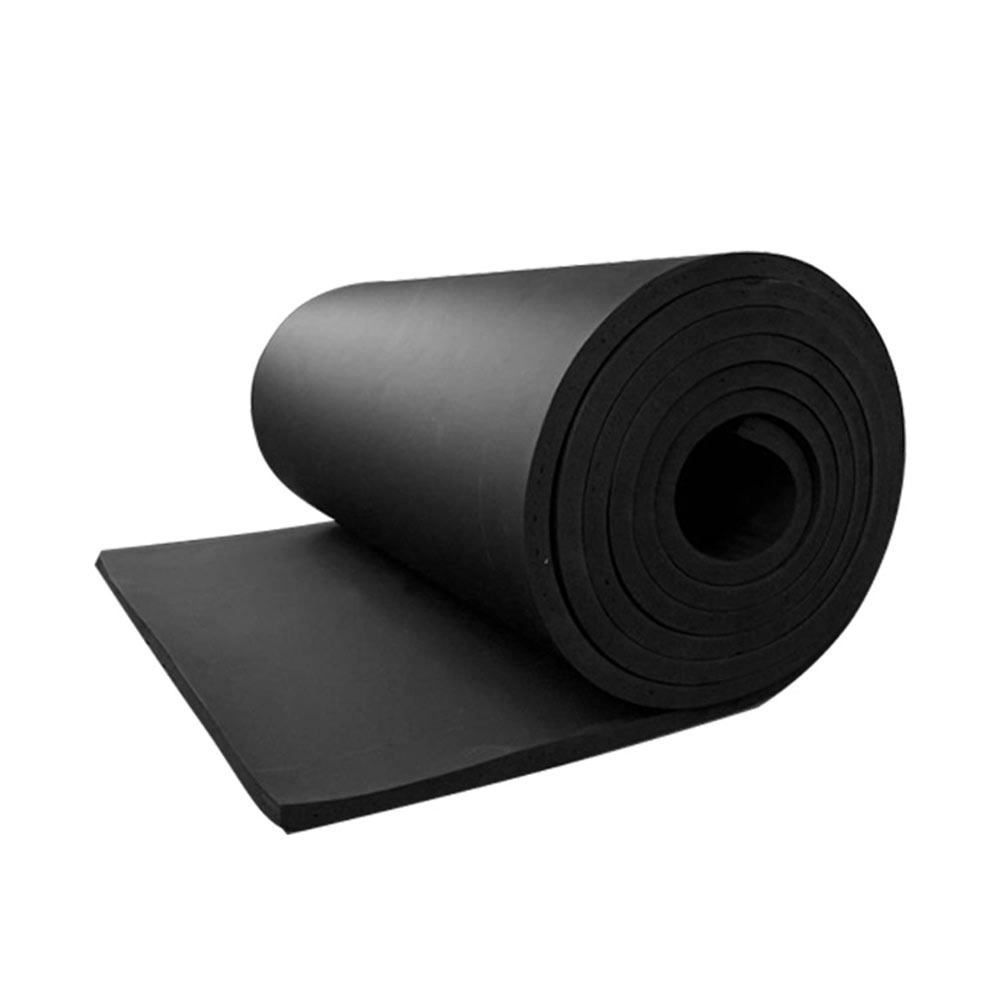
NBR Foam
ASLONG NBR Foam: Wholesale NBR foam solutions for diverse applications. High-quality, durable, and competitively priced. Contact us today for bulk orders.
Professional support at any time
If you have any comments or good suggestions, please leave us a message; later our professional staff will contact you as soon as possible.
© 2026 ASLONG All Rights Reserved. Privacy Policy | Terms and Conditions | Sitemap

 It would be pleasure to receive from you.
Whatsapp: +8613242879341
ASLONG Global
ASLONG
Aslong_global