

Best Mass Loaded Vinyl Options for Recording Studios and Theaters
- Choosing the Right Acoustic Barrier for Professional Spaces
- Why mass matters: the limp-mass principle
- How MLV complements sound insulation foam and absorptive treatments
- Standards and guidance for measuring performance
- Top Mass Loaded Vinyl Options for Studios and Theaters
- Common MLV types and how to choose by weight
- Specialized MLV variants: peel-and-stick, composite, and fire-rated
- Product comparison: practical specs and expected performance
- Installation Strategies and Design Best Practices
- Layered approach: barrier, decoupling, and absorption
- Sealing and flanking paths: where sound leaks defeat good materials
- Practical tips for working with MLV
- Testing, Performance Metrics and Long-Term Maintenance
- How to validate performance: in-field testing
- Longevity and maintenance of MLV assemblies
- When to consult an acoustical engineer
- Putting It All Together: Typical Applications and Recommendations
- Recording studios: achieving low noise and balanced room acoustics
- Theaters: dealing with higher SPL and wider frequency content
- FAQ
- Q: Is MLV better than sound insulation foam?
- Q: How thick should MLV be for a recording studio wall?
- Q: Can I install MLV myself or do I need a contractor?
- Q: Will MLV stop bass from traveling between rooms?
- Q: Is MLV safe to use in theaters regarding fire codes?

High-performance sound isolation in recording studios and theaters requires both blocking airborne sound and treating reflected energy. Mass Loaded Vinyl (MLV) is one of the most effective, practical barriers for reducing transmission through walls, floors, and ceilings, and—when used together with absorptive materials such as sound insulation foam—can deliver the low-noise environments required for recording and critical listening. This guide explains the best MLV options, how to integrate them into studio and theater builds, performance expectations, and real-world installation strategies for reliable results.
ASLONG Mass Loaded Vinyl for sale. Reduce noise pollution effectively with our high-quality, mass-loaded vinyl. Ideal for soundproofing walls, floors, and more. Buy now and experience the difference!
Choosing the Right Acoustic Barrier for Professional Spaces
Why mass matters: the limp-mass principle
Mass Loaded Vinyl works on the limp-mass principle: adding mass to a partition lowers sound transmission, especially in the mid and high frequencies common in speech and many instruments. Unlike rigid materials, MLV remains flexible and helps dissipate vibrational energy instead of transmitting it through structural paths. For studios and theaters where clarity and low background noise are essential, selecting the correct mass-per-area (commonly expressed in lb/ft² or kg/m²) is the first step.
How MLV complements sound insulation foam and absorptive treatments
MLV is a barrier—excellent at blocking airborne noise—but it does little to reduce reverberation inside the room. That is where sound insulation foam or acoustic panels come in. Combining a mass barrier with absorptive foam gives you two functions: MLV reduces incoming/outgoing transmission while foam controls internal reflections and modal buildup. A balanced design avoids over-reliance on one approach and yields better perceived isolation and room acoustics.
Standards and guidance for measuring performance
Performance should be judged by standard metrics such as Sound Transmission Class (STC) and Transmission Loss (TL). For on-site verification, follow internationally recognized measurement approaches like ISO 16283 for field measurements of sound insulation in buildings. For health and community noise considerations, refer to WHO guidance on environmental noise: WHO Environmental Noise Guidelines. For acoustical best practices and research, the Acoustical Society of America offers many resources: Acoustical Society of America.
Top Mass Loaded Vinyl Options for Studios and Theaters
Common MLV types and how to choose by weight
MLV is typically sold by weight per square foot. Typical options include:
- 1 lb/ft² (approx. 4.9 kg/m²): economical, suitable for light upgrades (can improve STC by several points).
- 1.5 lb/ft² (approx. 7.3 kg/m²): common professional choice for walls and ceilings in studios.
- 2 lb/ft² (approx. 9.8 kg/m²): used where maximum barrier performance is required, e.g., theaters adjacent to busy streets or between critical rooms.
Choose heavier MLV for partitions with less inherent mass (thin drywall) or for applications where low-frequency isolation is a priority. Remember that doubling mass does not double STC; gains taper with frequency and system complexity.
Specialized MLV variants: peel-and-stick, composite, and fire-rated
Some MLV products arrive with an adhesive backing (peel-and-stick) for quick installation; useful for retrofits on concrete or masonry. Composite variants add layers (e.g., a foam or scrim) to improve handling and reduce airborne flanking. Fire-rated options are necessary in commercial theaters—always check local building codes and fire ratings before specifying MLV. For technical compliance and code questions see the guidance from recognized standards bodies such as building regulation summaries and local authorities.
Product comparison: practical specs and expected performance
The table below compares typical MLV options used in studios and theaters. Values are representative; always check manufacturer datasheets for exact TL/STC figures for assembly-specific results.
| Product Type | Weight (lb/ft²) | Typical Thickness | Typical STC Improvement (single layer) | Relative Cost |
|---|---|---|---|---|
| Light MLV | 1.0 | ~2.5 mm | +4 to +7 | Low |
| Standard MLV | 1.5 | ~3.0 mm | +6 to +10 | Medium |
| High mass MLV | 2.0 | ~4.0 mm | +8 to +12 | High |
Note: STC improvement depends on the full wall/floor assembly. Combining MLV with additional drywall layers, decoupling, and damping will produce larger gains.
Installation Strategies and Design Best Practices
Layered approach: barrier, decoupling, and absorption
A best-practice studio or theater wall assembly includes multiple elements working together:
- Mass: MLV applied to framing, or sandwiched between drywall layers.
- Decoupling: resilient channels, hat channels, or double-stud walls to break structural paths.
- Absorption: sound insulation foam or mineral wool in cavities to reduce resonant amplification and improve low-frequency behavior.
For floors, consider a floating floor with MLV on the subfloor plus an absorptive underlayment to isolate impact noise and reduce structure-borne transfer.
Sealing and flanking paths: where sound leaks defeat good materials
Even high-density MLV cannot compensate for poor sealing. Pay attention to all potential flanking paths: electrical boxes, vents, doors, and windows. Use acoustic sealants (non-hardening), gasketing for doors, and putty pads behind electrical boxes. Treat mechanical penetrations with lined duct sections or silencers. For comprehensive guidelines on sound insulation in buildings, review technical references such as the overviews found on Wikipedia: Soundproofing which summarize common strategies and standards.
Practical tips for working with MLV
- Support: MLV is heavy—use proper fasteners and support at edges. When used on ceilings, use furring channels with additional anchors.
- Seams: overlap seams and seal with specialist acoustic tape for continuity.
- Cutting & handling: score and fold for clean cuts; wear gloves and protect knees when working on floors.
- Combining with foam: leave a small air gap between MLV and absorptive panels where beneficial—sometimes a sealed sandwich yields best low-frequency blocking when combined with a decoupled layer.
Testing, Performance Metrics and Long-Term Maintenance
How to validate performance: in-field testing
After installation, measure performance using sound level meters and follow field-testing procedures like ISO 16283. For DIY validation, perform comparative SPL measurements with a broadband source (pink noise) and measure dB reduction at various frequencies. Professional testing yields STC numbers and frequency-dependent transmission loss curves that reveal low-frequency weaknesses.
Longevity and maintenance of MLV assemblies
MLV is durable but can be vulnerable at seams and edges where moisture or mechanical stress occurs. Keep assemblies dry, inspect seals periodically, and repair any compromises to maintain acoustic performance. For theaters, ensure HVAC and fire-safety systems are serviced without degrading acoustic seals.
When to consult an acoustical engineer
Complex builds—like rooms with very low target background noise levels (NR20 or lower), multi-room studios, or theaters near heavy external noise—benefit from professional modeling and measurement. An acoustical engineer can predict low-frequency behavior, advise on structural isolation (floating rooms), and validate the optimum MLV weight, layering, and mechanical isolation. The Acoustical Society of America is a good resource to locate qualified professionals: Acoustical Society of America.
Putting It All Together: Typical Applications and Recommendations
Recording studios: achieving low noise and balanced room acoustics
Recommendation for typical control rooms and tracking rooms:
- Walls: 1.5–2.0 lb/ft² MLV applied to stud side + double layer of 5/8 drywall (with green glue damping between layers if possible).
- Cavities: fill with mineral wool; add sound insulation foam panels on the listening side for first reflection control.
- Ceiling: MLV + decoupled drywall or suspended acoustic clouds with absorptive material.
This combination blocks airborne transmission while sound insulation foam and broadband absorbers manage in-room reflections for accurate monitoring.
Theaters: dealing with higher SPL and wider frequency content
Theaters face both loud low-frequency energy and public-safety requirements. Recommended approach:
- Use 1.5–2.0 lb/ft² MLV for perimeter walls; consider sandwiching MLV between multiple drywall layers for maximum TL.
- Floors: floating floor assemblies with MLV underlayment to reduce impact and structure-borne transmission.
- Ventilation & doors: use silencers and acoustic doors with rated seals; treat all flanking paths.
Document fire ratings and confirm local code compliance before finalizing materials.
FAQ
Q: Is MLV better than sound insulation foam?
A: They serve different purposes. MLV is a dense barrier that blocks airborne sound, while sound insulation foam absorbs in-room reflections. For effective sound control in studios and theaters, use both: MLV for isolation, foam for internal acoustics.
Q: How thick should MLV be for a recording studio wall?
A: Common professional-grade MLV is 1.5–2.0 lb/ft² (about 3–4 mm thick). Exact choice depends on the rest of the assembly: heavier MLV for lighter wall constructions or where low-frequency isolation is critical.
Q: Can I install MLV myself or do I need a contractor?
A: Competent DIYers can install MLV on walls and ceilings with careful sealing and support, but for ceilings, floating floors, or projects requiring code compliance and maximal isolation, a professional installer or acoustical contractor is recommended.
Q: Will MLV stop bass from traveling between rooms?
A: MLV helps reduce bass but low-frequency control also requires mass, decoupling, and properly sealed assemblies. A combination of heavy MLV, additional drywall layers, and structural isolation yields the best low-frequency performance.
Q: Is MLV safe to use in theaters regarding fire codes?
A: Some MLV products are manufactured to meet fire and smoke standards; always request datasheets and fire-rating documentation and confirm compliance with local building codes before installation.
If you have specific room dimensions, adjacent noise sources, or performance targets (e.g., desired STC or background noise level), our technical team can model options and recommend the optimal MLV weight, layering, and complementary acoustic treatments.
Ready to upgrade your studio or theater? Contact our sales team to get technical advice, request a sample, or view ASLONG Mass Loaded Vinyl and place an order. For fast response, email support@aslong-acoustics.com or call +1-800-XXX-XXXX.
References:
Tips for buy auto sound deadening material
Sound Deadening vs Sound Absorption for Cars 2026 Explained
Wholesale acoustic ceiling material manufacturer and supplier
Top 10 car soundproofing material Manufacturers and Supplier Brands
FAQs
Does ASLONG provide after-sales service?
Yes, we provide a full range of after-sales services, including technical support, installation guidance, product maintenance and quality tracking, etc., to ensure that each project goes smoothly and continues to perform at its best.
What industries are the products provided by ASLONG suitable for?
ASLONG's products are suitable for multiple industries, including air conditioning and HVAC, construction and waterproofing, automobiles and transportation, home appliances and electronics, industrial equipment and machinery, etc. We provide customized solutions for each industry to meet different needs.
Do ASLONG's products meet environmental protection standards?
Yes, all ASLONG products comply with ISO14001 environmental management system certification and global environmental protection standards. We use environmentally friendly materials and are committed to providing sustainable solutions to help customers achieve green development goals.
What specific functions can ASLONG's products provide?
Our products cover functions such as insulation, sound insulation, shock absorption, waterproofing and sealing, and are widely used in improving energy efficiency, reducing noise, controlling vibration, protecting equipment, etc., helping customers optimize engineering effects and improve user experience.
How to customize products that meet the needs of my industry?
You only need to contact our sales or technical team, we will conduct an in-depth analysis based on your industry needs and provide tailor-made products and solutions. We guarantee to provide you with efficient and accurate services to meet your personalized requirements.
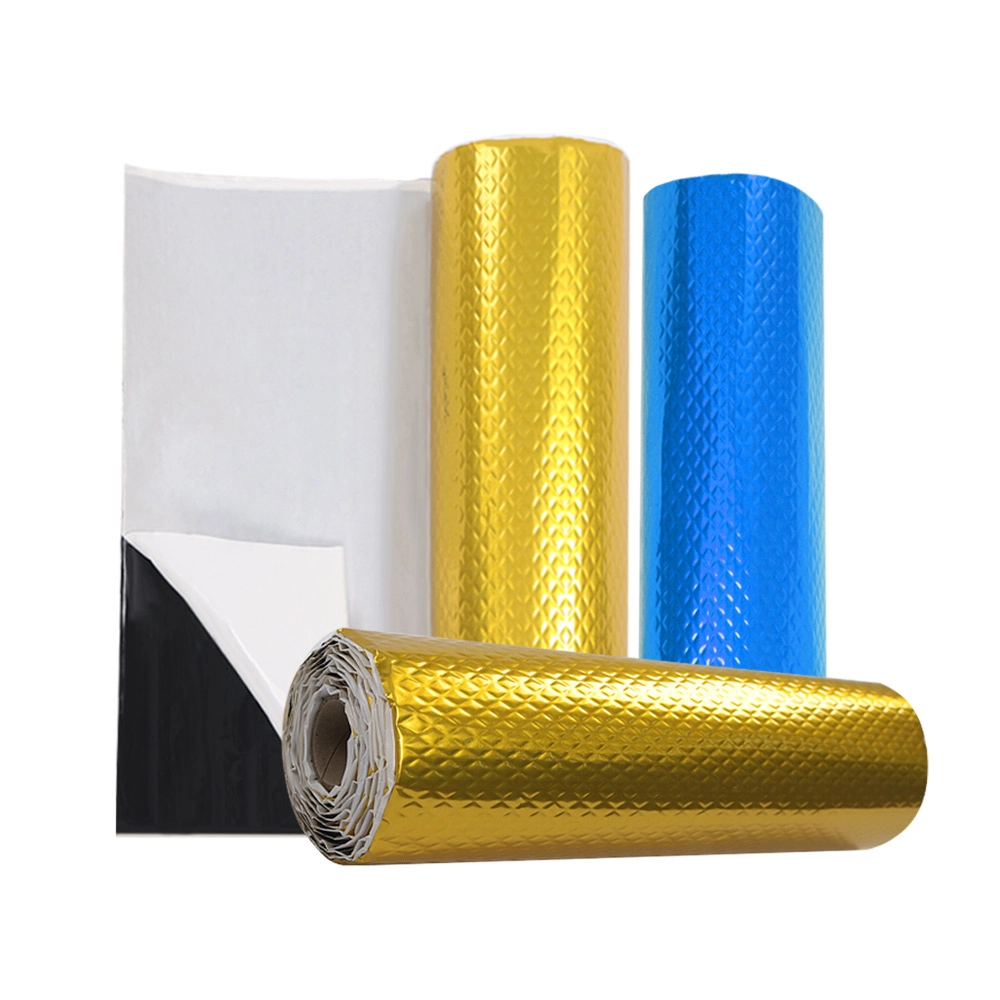
Butyl Rubber Sound Damping Mat
ASLONG Butyl Rubber Sound Damping Mat for sale. Effectively reduces noise and vibrations. High-quality butyl rubber ensures superior performance and durability. Ideal for automotive, industrial, and home applications.
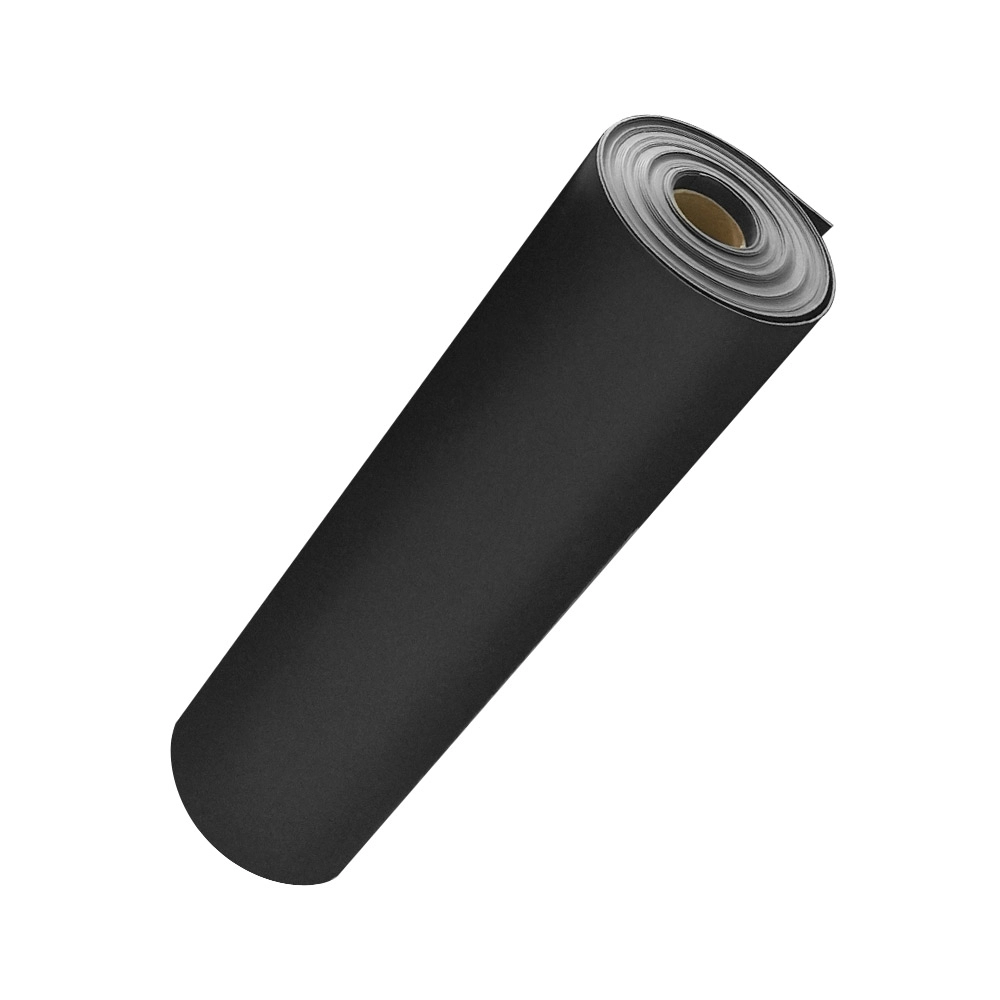
Mass Loaded Vinyl
ASLONG Mass Loaded Vinyl for sale. Reduce noise pollution effectively with our high-quality, mass-loaded vinyl. Ideal for soundproofing walls, floors, and more. Buy now and experience the difference!
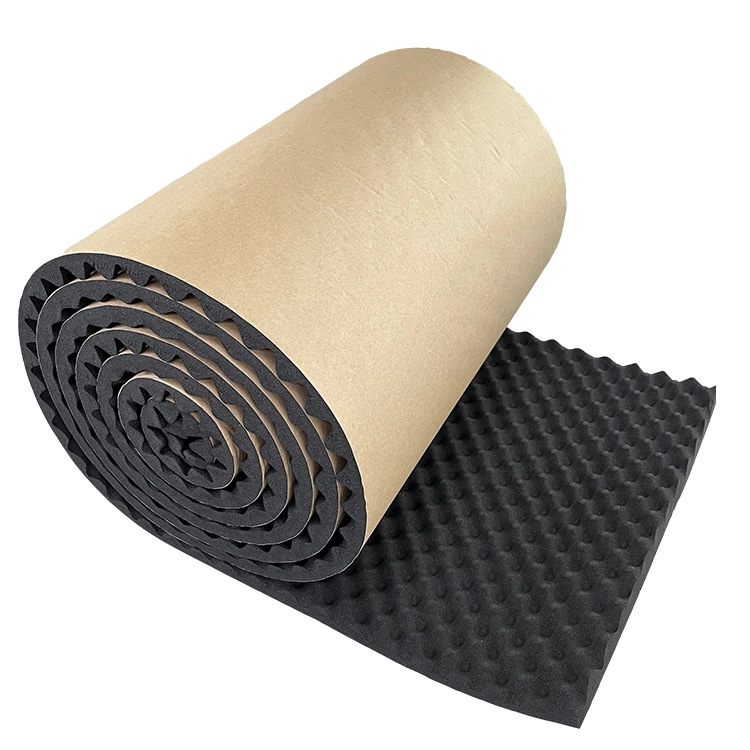
Egg Crate Foam
ASLONG Egg Crate Foam for sale. Lightweight, breathable, and comfortable, our egg crate foam provides superior support and pressure relief. Perfect for mattresses, cushions, cars, construction industry, KTV, factories, etc.
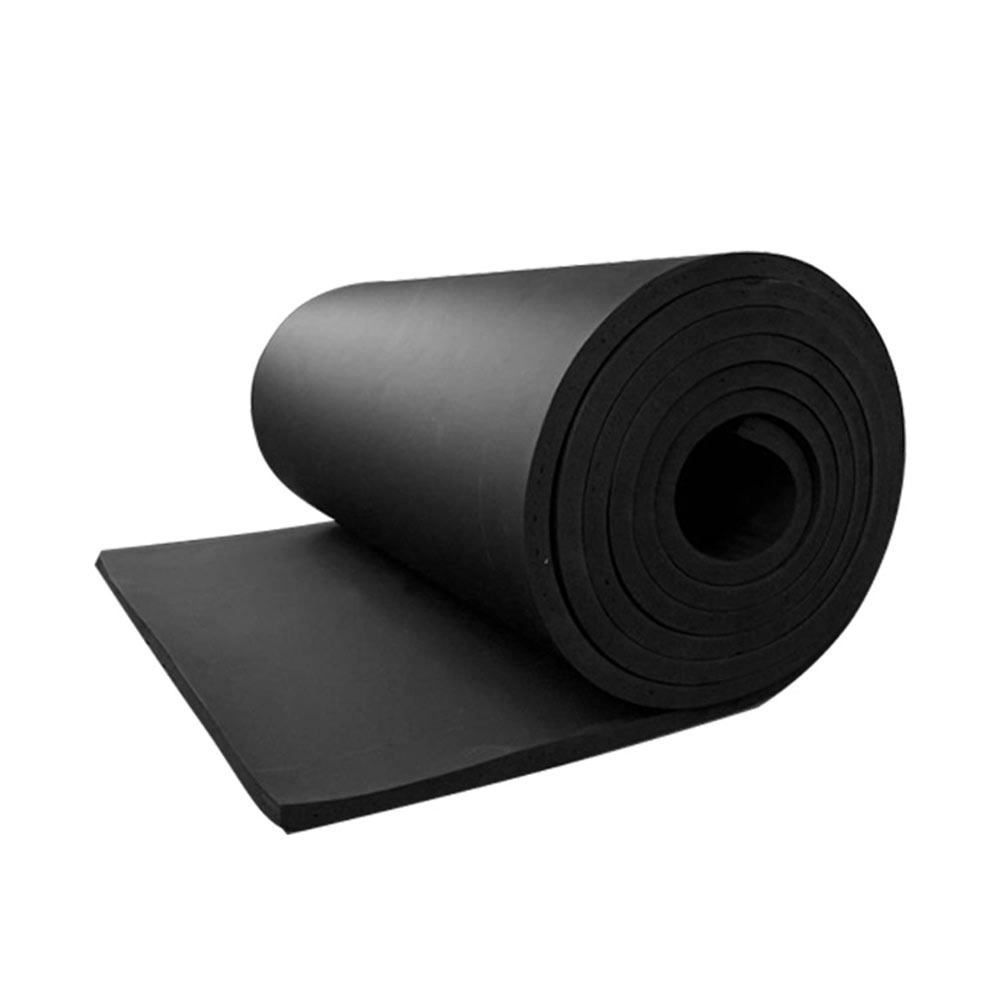
NBR Foam
ASLONG NBR Foam: Wholesale NBR foam solutions for diverse applications. High-quality, durable, and competitively priced. Contact us today for bulk orders.
Professional support at any time
If you have any comments or good suggestions, please leave us a message; later our professional staff will contact you as soon as possible.
© 2026 ASLONG All Rights Reserved. Privacy Policy | Terms and Conditions | Sitemap

 It would be pleasure to receive from you.
Whatsapp: +8613242879341
ASLONG Global
ASLONG
Aslong_global