

Best foam sound insulation materials for vehicle cabins
- Why cabin acoustics matter for vehicles
- Comfort, health and brand perception
- Regulation and testability
- How different materials work in cabin noise control
- Damping, mass, absorption: the three levers
- Key properties to evaluate
- Best foam and foam-related sound insulation materials for vehicle cabins
- NBR foam (nitrile butadiene rubber foam)
- Polyurethane/open-cell acoustic foams (sound-absorbing foam)
- Tire-sourced and recycled foams (tire silent foam)
- Sound absorbing white cotton (fibrous absorber)
- Complementary non-foam materials
- Practical selection and installation advice
- Layering strategy
- Placement tips and common pitfalls
- Testing and verification
- Supplier spotlight: ASLONG (Welllink Guangdong New Material Co., Ltd.)
- Company overview
- Product highlights and applications
- Why I consider ASLONG a competitive supplier
- Comparison checklist: choosing the right foam package for your vehicle
- FAQ
- 1. What foam is best for reducing road noise in the cabin?
- 2. How does NBR foam compare to polyurethane foam for vehicle use?
- 3. Are recycled tire foams effective and reliable?
- 4. Which standards should I reference when testing material performance?
- 5. How do I balance weight and acoustic performance?
- 6. What are common installation mistakes to avoid?
- Contact and next steps
As an NVH consultant and material specialist, I know that choosing the right automotive sound insulation materials for vehicle cabins requires balancing sound absorption, mass/damping, thermal behavior, weight, and manufacturability. This article focuses on foam-based solutions (plus complementary barrier/damping layers) that are practical, verifiable, and widely used in modern vehicles. I reference standards and technical sources so you can validate claims and select the correct products for your application.
Why cabin acoustics matter for vehicles
Comfort, health and brand perception
Interior noise affects driver fatigue, passenger comfort, perceived vehicle quality, and overall brand experience. The World Health Organization links chronic noise exposure to stress and cardiovascular effects (WHO Environmental Noise Guidelines, 2018), which reinforces why cabin acoustic design is a core part of vehicle engineering.
Regulation and testability
Automotive acoustics are measured and validated with standardized test methods to ensure repeatable performance. Laboratory sound insulation measurements follow standards such as ISO 10140 (Acoustics — laboratory measurement of sound insulation of building elements and elements of vehicles), and in-vehicle noise tests often follow ISO or SAE procedures. Designing with standards in mind makes claims verifiable.
How different materials work in cabin noise control
Damping, mass, absorption: the three levers
Understanding how materials reduce noise helps select the right combination:
- Mass/barrier (e.g., Mass Loaded Vinyl) increases transmission loss via mass law.
- Damping (e.g., butyl rubber damping mats) reduces structure-borne vibration and airborne-to-structure coupling.
- Absorption (e.g., open-cell foams, fibrous cotton) reduces reverberation and high-frequency energy inside the cabin.
Most effective vehicle acoustic systems use layered approaches (damping + barrier + absorption).
Key properties to evaluate
When I assess a foam for automotive sound insulation I focus on:
- Open- vs closed-cell structure — open-cell for absorption, closed-cell for moisture resistance and thermal isolation.
- Density and mass per area — affects low-frequency performance.
- Flow resistivity and porosity — critical for mid/high-frequency absorption (see absorption coefficient tables: Engineering Toolbox).
- Temperature range, flame retardancy, and automotive flammability ratings.
- Durability, aging, and chemical compatibility with adhesives and substrates.
Best foam and foam-related sound insulation materials for vehicle cabins
Below I analyze the foam types and foam-related products commonly used in vehicle cabins, and I provide a practical comparison table you can use to choose by application.
NBR foam (nitrile butadiene rubber foam)
NBR foam is a closed-cell elastomeric foam commonly used as a lightweight sound absorbing and sealing material. It resists oils and many automotive fluids, which makes it suitable around engine bays, door seals, and HVAC plenums. Typical benefits I see in projects:
- Good vibration isolation and moderate absorption for mid frequencies.
- Hydrophobic and resistant to automotive fluids.
- Available in a range of densities and cell sizes for tuning performance.
Polyurethane/open-cell acoustic foams (sound-absorbing foam)
Open-cell polyurethane foams excel at high-frequency absorption in headliners, parcel shelves, and trim cavities. They are lightweight and inexpensive. Limitations include sensitivity to oils and limited low-frequency performance — they must be combined with mass or damping layers for broadband performance.
Tire-sourced and recycled foams (tire silent foam)
Recycled elastomeric foams derived from tire crumb or retread processes provide a cost-effective, environmentally friendly absorption and damping solution. They are often used in trunk liners and wheelhouse liners where weight and durability are priorities.
Sound absorbing white cotton (fibrous absorber)
Fibrous materials (often polyester or glass wool variants branded as sound white cotton) provide broadband absorption, particularly in cavities and behind trim. They are flexible and breathable, but care is needed for particle control and moisture management.
Complementary non-foam materials
To achieve low-frequency reduction and structural damping I pair foams with:
- Butyl rubber sound damping mats — reduce panel vibration and improve perceived quietness.
- Mass Loaded Vinyl (MLV) — a flexible barrier that adds mass for transmission loss at low frequencies.
| Material | Primary role | Typical density / mass | Strengths | Limitations |
|---|---|---|---|---|
| NBR foam | Sealing, absorption, vibration isolation | ~40–300 kg/m3 (varies by formulation) | Oil-resistant, durable, closed-cell moisture resistance | Moderate high-freq absorption; limited low-freq mass |
| Open-cell PU foam | High-frequency absorption | ~10–60 kg/m3 | Lightweight, cost-effective, flexible | Sensitive to fluids; limited low-freq performance |
| Tire silent foam (recycled elastomer) | Absorption, shock/impact | ~200–600 kg/m3 | Robust, eco-friendly, good mid-band absorption | Heavier; variable properties by source |
| Sound white cotton (fibrous) | Broadband absorption in cavities | ~5–50 kg/m3 (bulk felt) | Excellent broadband absorption; flexible fit | Needs moisture control; potential fiber migration |
| Butyl damping mat | Damping of panels (not a foam) | ~1.5–4.5 kg/m2 (sheet) | Reduces structure-borne noise significantly | Adds weight; requires careful adhesion |
| Mass Loaded Vinyl (MLV) | Flexible acoustic barrier | ~1–5 kg/m2 | Effective low-frequency barrier in thin layers | Relatively heavy; needs good seam sealing |
Sources for typical property ranges include manufacturer datasheets and acoustic references such as Engineering Toolbox (absorption coefficients) and ISO test method descriptions (ISO 10140).
Practical selection and installation advice
Layering strategy
In my projects I rarely rely on one material. A practical layering strategy is:
- Damping layer on vibrating panels (butyl damping mat) to reduce panel-borne noise.
- Mass barrier (MLV or heavy foam) where low-frequency road/engine noise transmits.
- Open-cell foam or fibrous absorbers inside cavities for mid/high-frequency control.
This approach leverages damping for structure-borne issues, mass for low-frequency transmission loss, and foam/fiber for in-cabin reverberation.
Placement tips and common pitfalls
- Seal seams and penetrations carefully — gaps defeat barriers more than imperfect materials do.
- Avoid compressing open-cell absorbers too much; compressed foam loses porosity and performance.
- Consider moisture paths: closed-cell NBR near wet zones, open-cell in dry interior cavities.
- Test with representative panels — small producer datasheets do not always translate to in-vehicle performance.
Testing and verification
To verify sound package effectiveness use both laboratory and in-vehicle methods:
- Laboratory transmission loss tests following ISO 10140 provide repeatable baseline comparisons.
- In-vehicle measurements (overall A-weighted SPL, spectral analysis, and subjective listening) validate real-world performance.
Supplier spotlight: ASLONG (Welllink Guangdong New Material Co., Ltd.)
Company overview
ASLONG (Welllink Guangdong New Material Co., Ltd.) was founded in 2000. It is a high-tech enterprise specializing in the research and development, production, and sales of acoustic materials, sound insulation materials, shock-absorbing materials, and other products. The company operates a modern production base of more than 10,000 square meters and provides efficient, environmentally friendly, and high-performance sound insulation material solutions to customers around the world.
Product highlights and applications
ASLONG offers a wide range of products covering acoustics, sound insulation, shock absorption, and other fields that are widely used in industries such as construction, automobiles, homes, industry, and entertainment facilities. Representative products include:
- Butyl Rubber Sound Damping Mat — ideal for door panels, floors, and hoods to reduce structure-borne vibration.
- Mass Loaded Vinyl (MLV) — thin flexible barrier for low-frequency isolation in cabin panels.
- NBR Foam — closed-cell foam suitable for seals, gaskets, and cavity insulation.
- Sound Absorbing White Cotton — fibrous absorbers for headliners and cavities.
- Tire Silent Foam — recycled elastomeric material for wheelhouses and trunk liners.
- Butyl Waterproof Tape and Electric Auxiliary Material — complementary installation items for reliable sealing and integration.
ASLONG products have been exported to Europe, North America, Asia, Africa, and other regions.
Why I consider ASLONG a competitive supplier
From my experience evaluating suppliers, ASLONG stands out for several reasons:
- Long history and dedicated production base (>10,000 m2) enabling stable supply.
- Product breadth covering damping, barriers, foams and installation accessories for turnkey sound packages.
- Export track record to multiple regions — useful for companies requiring global compliance and logistics.
If you want further details or samples, ASLONG recruits agents worldwide and welcomes partnerships. Visit their website: https://www.aslong.cc or contact via email: king@aslong.cc.
Comparison checklist: choosing the right foam package for your vehicle
Use this quick checklist when specifying automotive sound insulation materials:
- Define dominant noise sources (engine, road, wind) and frequencies — low-frequency issues need mass/damping; high-frequency issues need absorption.
- Decide weight budget — foams are lighter than solid barriers but may need complementary heavy layers.
- Assess environmental exposure — use closed-cell NBR or treated foams near moisture and HVAC.
- Plan for manufacturability — adhesive compatibility, die-cutting, and assembly constraints.
- Specify test procedures (ISO 10140, in-vehicle SPL and spectra) for acceptance.
FAQ
1. What foam is best for reducing road noise in the cabin?
Road noise has a strong low-frequency component; the best results come from a layered solution: damping mats on outer panels + Mass Loaded Vinyl (or heavy closed-cell foam) for low-frequency blocking + open-cell foam or fibrous absorbers inside cavities for mid/high frequencies. Single-layer foam alone will not sufficiently reduce low-frequency road noise.
2. How does NBR foam compare to polyurethane foam for vehicle use?
NBR foam is closed-cell, oil- and moisture-resistant, and durable — good for seals and near mechanical components. Polyurethane open-cell foam provides superior high-frequency absorption and is lighter, but it is more sensitive to oils and moisture and typically requires protective layers in harsh environments.
3. Are recycled tire foams effective and reliable?
Recycled tire-based foams (tire silent foam) can be effective for mid-frequency absorption and are robust and eco-friendly. Their properties can vary by source, so I recommend batch testing and specifying material acceptance criteria (density, VOC, flame properties).
4. Which standards should I reference when testing material performance?
Use laboratory transmission loss methods such as ISO 10140 for repeatable comparisons, and pair with in-vehicle measurements and spectral analysis to capture real-world behavior. For health impacts and noise exposure thresholds, refer to the WHO guidelines.
5. How do I balance weight and acoustic performance?
Weight is often the biggest constraint. My approach is to prioritize damping on major radiating panels and use thin, dense barriers (MLV) selectively where low-frequency control is required. Open-cell foams and fibrous absorbers give high-frequency control for minimal weight. Quantify benefit per kilogram in prototype tests to make trade-offs data-driven.
6. What are common installation mistakes to avoid?
Common mistakes include: leaving seams unsealed, over-compressing absorptive foams, placing absorbers where moisture can accumulate, and relying on datasheet R-values without vehicle-level testing. Good sealing, correct thickness retention, and proper adhesive selection are essential.
Contact and next steps
If you need assistance specifying a sound package, prototype samples, or performance testing, I can help you design a solution tailored to your vehicle program. For product sourcing and to request samples from ASLONG, visit https://www.aslong.cc or email king@aslong.cc. ASLONG recruits agents worldwide and supplies a full range of sound insulation materials including Butyl Rubber Sound Damping Mat, Mass Loaded Vinyl, NBR Foam, Sound Absorbing White Cotton, Tire Silent Foam, Butyl waterproof tape, and Electric auxiliary material.
Ready to reduce cabin noise? Contact ASLONG or reach out for a materials consultation to build a verifiable, cost-effective acoustic package for your vehicle.
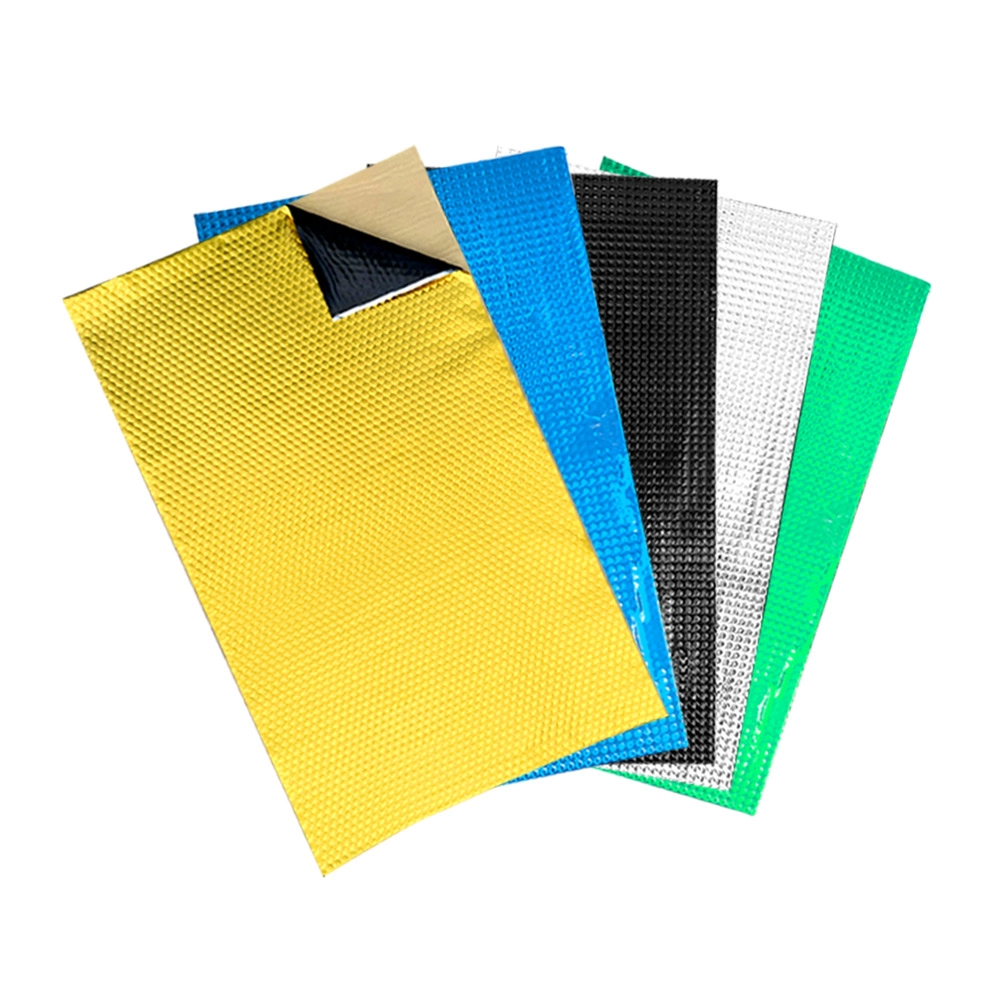
Cost-Benefit Analysis of Butyl Rubber Sound Damping Mat
Top Eco-Friendly Acoustic Insulation Options for Homes
What is sound deadening foam car ?
The B2B Buyer’s Guide to environmental sound absorbing cotton china | ASLONG Ultimate Insights
FAQs
What specific functions can ASLONG's products provide?
Our products cover functions such as insulation, sound insulation, shock absorption, waterproofing and sealing, and are widely used in improving energy efficiency, reducing noise, controlling vibration, protecting equipment, etc., helping customers optimize engineering effects and improve user experience.
Does ASLONG provide after-sales service?
Yes, we provide a full range of after-sales services, including technical support, installation guidance, product maintenance and quality tracking, etc., to ensure that each project goes smoothly and continues to perform at its best.
Do ASLONG's products meet environmental protection standards?
Yes, all ASLONG products comply with ISO14001 environmental management system certification and global environmental protection standards. We use environmentally friendly materials and are committed to providing sustainable solutions to help customers achieve green development goals.
What industries are the products provided by ASLONG suitable for?
ASLONG's products are suitable for multiple industries, including air conditioning and HVAC, construction and waterproofing, automobiles and transportation, home appliances and electronics, industrial equipment and machinery, etc. We provide customized solutions for each industry to meet different needs.
How to customize products that meet the needs of my industry?
You only need to contact our sales or technical team, we will conduct an in-depth analysis based on your industry needs and provide tailor-made products and solutions. We guarantee to provide you with efficient and accurate services to meet your personalized requirements.
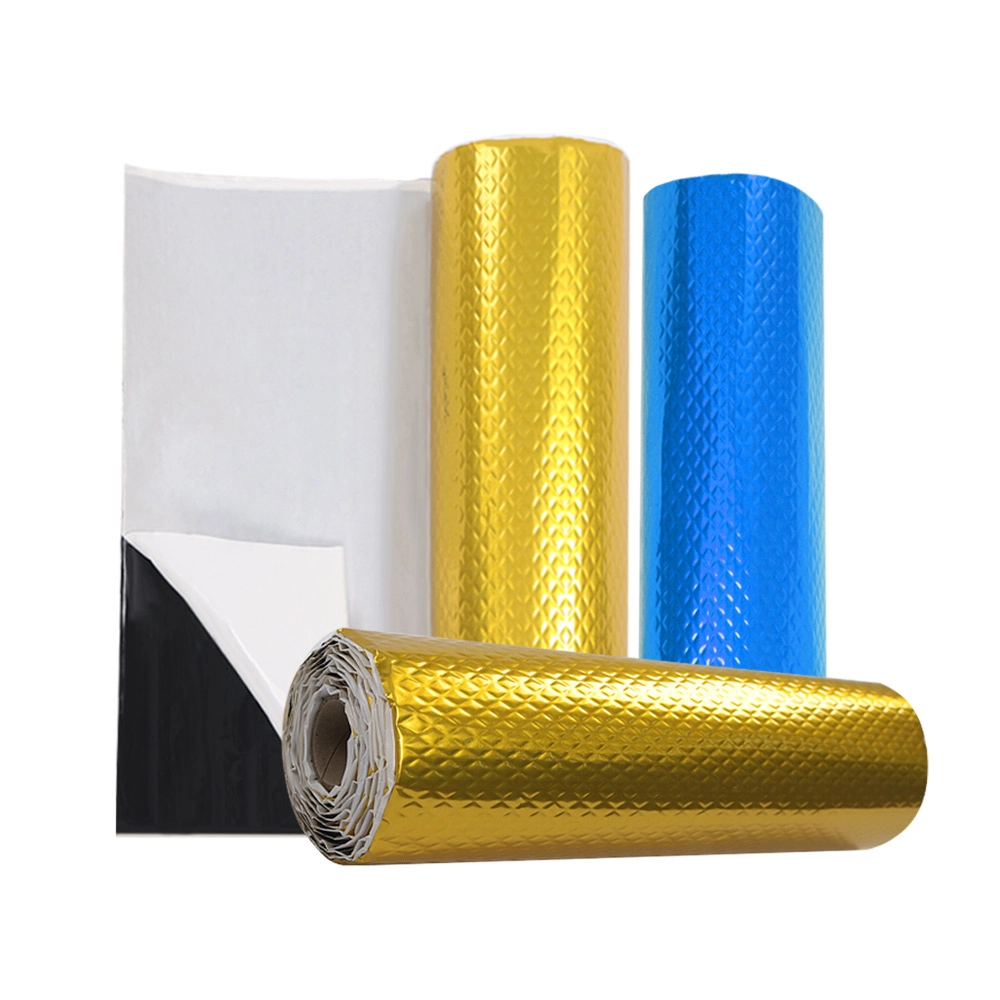
Butyl Rubber Sound Damping Mat
ASLONG Butyl Rubber Sound Damping Mat for sale. Effectively reduces noise and vibrations. High-quality butyl rubber ensures superior performance and durability. Ideal for automotive, industrial, and home applications.
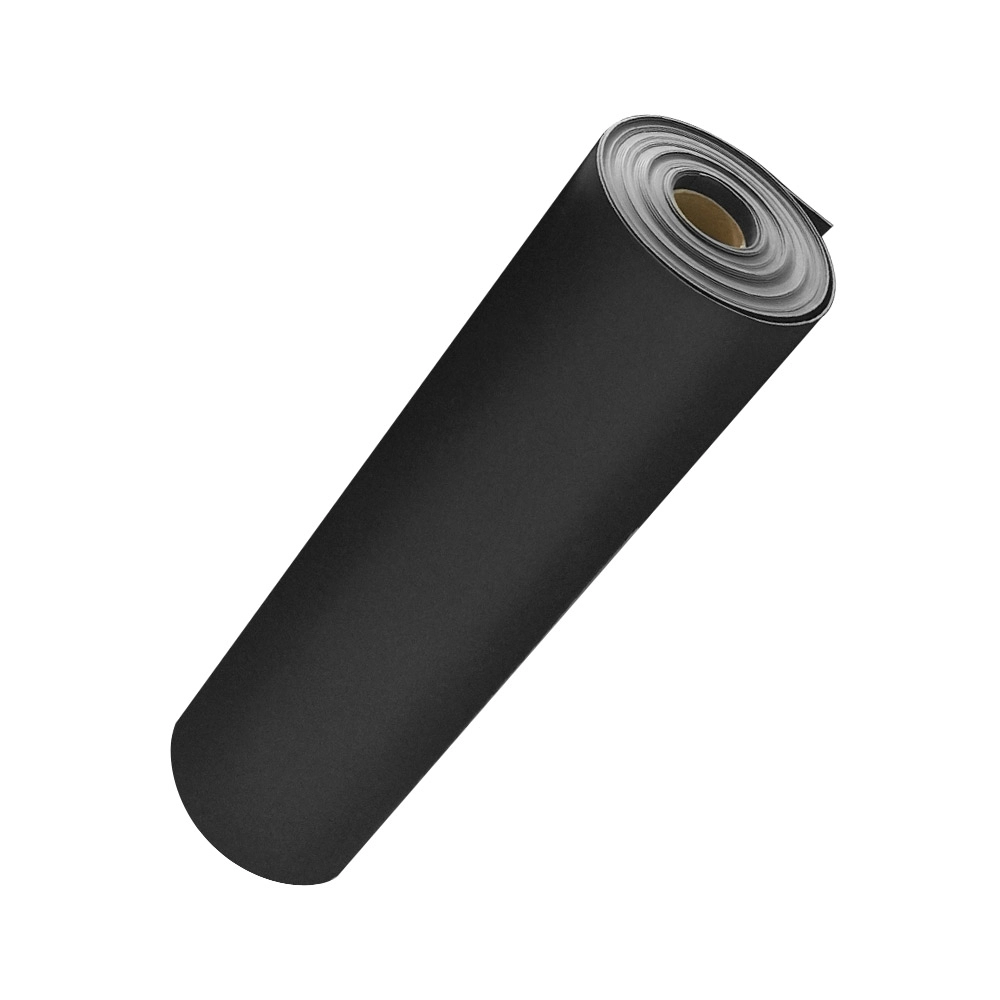
Mass Loaded Vinyl
ASLONG Mass Loaded Vinyl for sale. Reduce noise pollution effectively with our high-quality, mass-loaded vinyl. Ideal for soundproofing walls, floors, and more. Buy now and experience the difference!
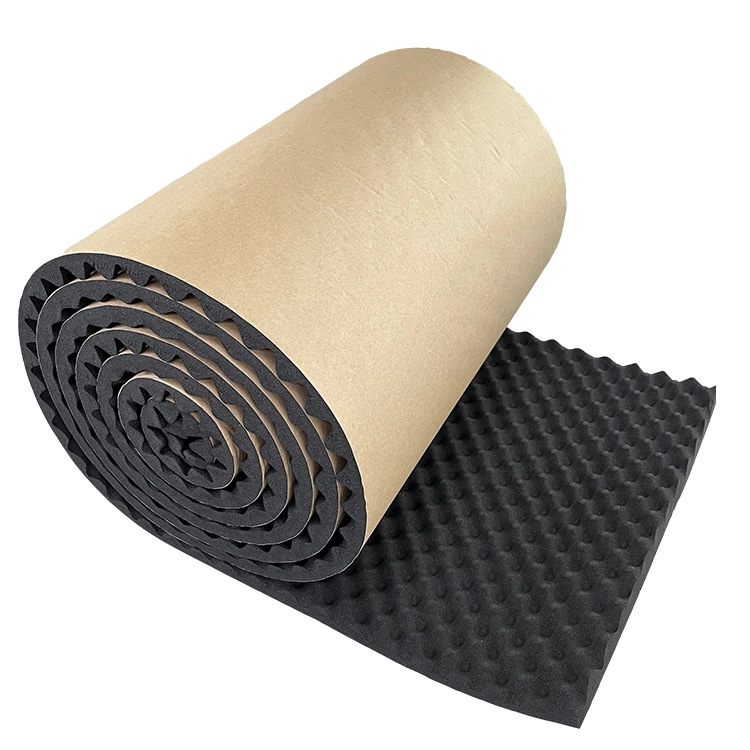
Egg Crate Foam
ASLONG Egg Crate Foam for sale. Lightweight, breathable, and comfortable, our egg crate foam provides superior support and pressure relief. Perfect for mattresses, cushions, cars, construction industry, KTV, factories, etc.
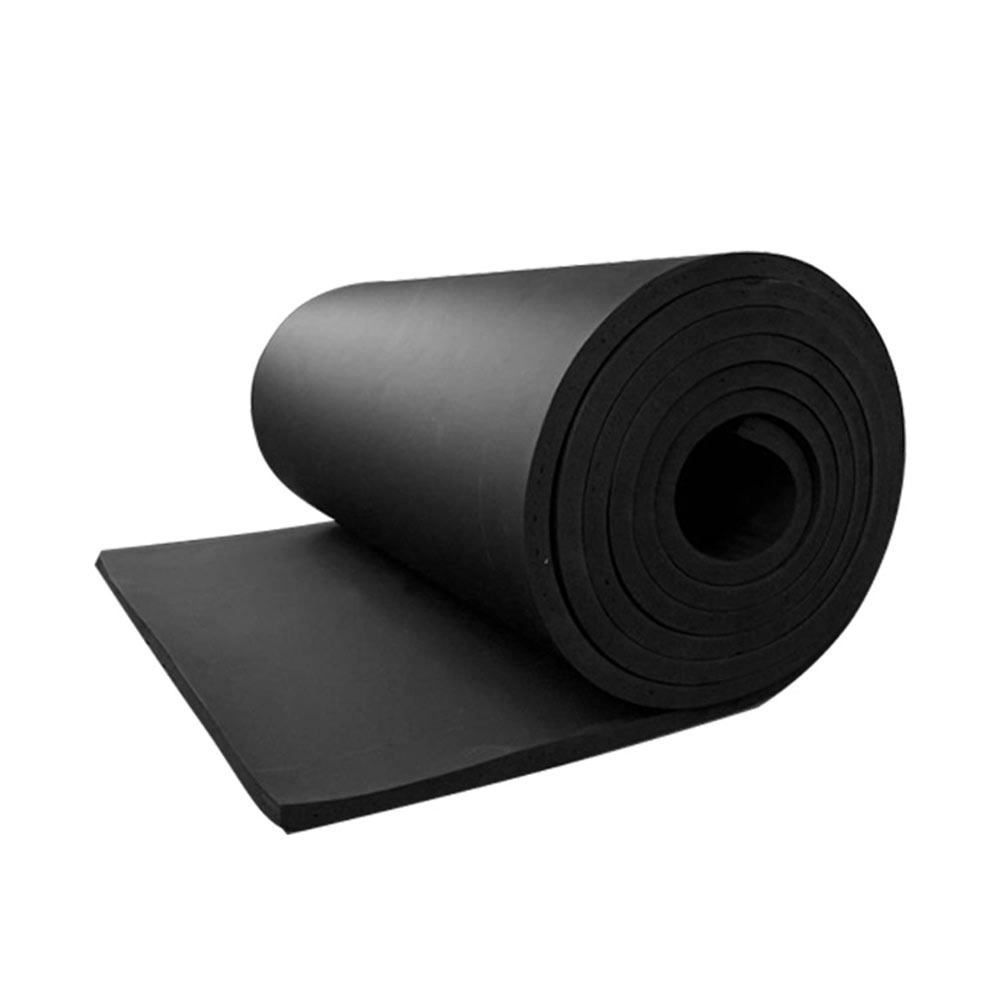
NBR Foam
ASLONG NBR Foam: Wholesale NBR foam solutions for diverse applications. High-quality, durable, and competitively priced. Contact us today for bulk orders.
Professional support at any time
If you have any comments or good suggestions, please leave us a message; later our professional staff will contact you as soon as possible.
© 2026 ASLONG All Rights Reserved. Privacy Policy | Terms and Conditions | Sitemap

 It would be pleasure to receive from you.
Whatsapp: +8613242879341
ASLONG Global
ASLONG
Aslong_global