

Best composite sound insulation materials for cars
- Understanding vehicle noise: where insulation matters
- Primary noise sources in cars
- How composite materials improve acoustic performance
- Best composite materials: performance, pros and cons
- 1. Butyl Rubber Sound Damping Mats (constrained layer damping)
- 2. Mass Loaded Vinyl (MLV)
- 3. NBR Foam and Open-Cell Acoustic Foams
- 4. Sound Absorbing White Cotton (acoustic batting)
- 5. Tire Silent Foam and Recycled Rubber Foams
- 6. Accessory tapes and butyl waterproof tape
- Comparative overview: choosing the right composite stack
- Design and installation best practices I follow
- Layering strategy and targeting noise bands
- Weight, space and cost trade-offs
- Longevity, environmental and regulatory aspects
- ASLONG solutions: capabilities, products and why I recommend them
- Technical strengths and competitive advantages
- How I validate acoustic improvements (measurements & references)
- Laboratory and in-vehicle testing
- Reference sources and standards
- Frequently Asked Questions (FAQ)
- 1. Which material gives the biggest noise reduction per unit weight?
- 2. Can I combine MLV and damping mats?
- 3. How do I test whether an insulation upgrade worked?
- 4. Are these materials safe and compliant with regulations?
- 5. How much thickness or coverage is enough for doors and floors?
- 6. Can recycled materials perform well?
- Contact and next steps
As a consultant working with automotive OEMs and aftermarket installers, I know buyers want clear guidance: which composite automotive sound insulation materials reduce road, engine, and wind noise most effectively while meeting weight, cost, and environmental constraints? In this article I summarize material mechanisms, compare leading composite materials used in cars, provide installation and selection advice, and show how to validate performance against standards. I also introduce ASLONG (Welllink Guangdong New Material Co., Ltd.) products and capabilities for large-scale supply and technical support.
Understanding vehicle noise: where insulation matters
Primary noise sources in cars
Automotive noise largely comes from four sources: engine and powertrain, tire/road interaction, aerodynamic (wind) noise, and airborne sources such as HVAC and occupant conversation. Low-frequency structure-borne noise (engine, driveline) and mid-to-high frequency airborne noise (tire/road, wind) require different materials and construction approaches. For an overview of soundproofing principles, see Wikipedia - Soundproofing.
How composite materials improve acoustic performance
Composite sound insulation combines layers with complementary functions: mass layers (to block transmission by mass law), damping layers (to reduce panel vibration), and absorptive/porous layers (to dissipate acoustic energy). The correct stack targets the dominant noise band and accounts for space and weight limits inside vehicle cavities. Industry test standards like ISO 717 and vehicle acoustics guidelines from organizations such as the Acoustical Society of America guide performance measurement and specification.
Best composite materials: performance, pros and cons
1. Butyl Rubber Sound Damping Mats (constrained layer damping)
Butyl damping mats are a staple for reducing structure-borne noise. They attach directly to metal panels (floor, trunk, door skins) and convert vibrational energy into heat, lowering panel radiation. I commonly recommend them as the first-line treatment for buzzing or tonal mid-frequency noise because they are thin, conformable, and effective where added mass is limited.
2. Mass Loaded Vinyl (MLV)
MLV is a flexible high-mass membrane used to block airborne transmission in partitions and vehicle interior cavities. When combined with damping layers and absorptive foam, MLV adds noticeable attenuation in low-to-mid frequencies and is especially useful for firewall and dash applications where through-transmission is critical.
3. NBR Foam and Open-Cell Acoustic Foams
NBR (nitrile butadiene rubber) foam and similar open-cell materials provide absorption for mid-to-high frequency energy inside cavities and trunk areas. These materials improve the perceived quietness by reducing reverberation and cavity resonances. Their low mass makes them a good complement to mass-based layers.
4. Sound Absorbing White Cotton (acoustic batting)
Acoustic cotton (polyester or mineral woool alternatives commonly called white cotton) is used in door panels, headliners, and trunk liners. It is lightweight and broadband in absorption, improving interior clarity and reducing flutter echoes. It’s also frequently chosen for low-cost mass-market applications where fire and humidity resistance are required.
5. Tire Silent Foam and Recycled Rubber Foams
Recycled tire foam and tailored polymer foams offer a balance of absorption and mechanical damping. They are useful in wheel housings and trunk liners where impact and abrasion resistance are necessary. Recycled materials can provide good environmental credentials when sourced and processed correctly.
6. Accessory tapes and butyl waterproof tape
Butyl waterproof tapes and adhesive accessories play a crucial role in sealing seams, joints, and service openings; air leaks and gaps undermine any insulation strategy. Proper sealing improves low-frequency performance by avoiding leakage paths and helps maintain durability and water resistance.
Comparative overview: choosing the right composite stack
Below I provide a practical comparison table I use when advising designers or retrofit installers. The evaluations are qualitative and are based on typical material roles and my field experience; for project-level specifications, laboratory measurement (STC, TL, insertion loss tests) per standards should be obtained.
| Material | Primary function | Best frequency range | Typical application | Installation notes |
|---|---|---|---|---|
| Butyl Rubber Damping Mat | Damping (reduces panel vibration) | Mid (200-2000 Hz) | Doors, floor pans, trunk lids | Adhere to clean, dry metal; pressure-activate adhesive |
| Mass Loaded Vinyl (MLV) | Mass barrier (blocks airborne) | Low-mid (50-1000 Hz) | Firewall, dash, headliner, bulkheads | Requires secure fixation and edge sealing; heavier |
| NBR / Open-Cell Foam | Absorption (dissipates cavity energy) | Mid-high (500-4000 Hz) | Door cavities, trunk liners, headliners | Ensure foam is protected from oils/solvents; fire rating check |
| Sound Absorbing Cotton | Broadband absorption | Mid-high (250-4000 Hz) | Headliner, parcel shelf, door pads | Compresses; requires containment layer for durability |
| Tire Silent Foam / Recycled Rubber | Impact damping and absorption | Low-mid (100-1500 Hz) | Wheel wells, trunk, underbody shields | Durable; may add thickness and weight |
| Butyl Waterproof Tape & Accessories | Sealing and joint protection | All ranges (prevents leakage) | Seams, access holes, panel joins | Critical for long-term performance |
For objective verification, performance should be validated by laboratory tests like transmission loss (TL) and in-vehicle NVH measurements. The ISO 717 family describes test methods for comparing insulation effectiveness in controlled conditions.
Design and installation best practices I follow
Layering strategy and targeting noise bands
I always start by identifying the dominant noise sources and their frequency bands via in-vehicle measurements or reference data. For low-frequency engine and road noise, prioritize mass layers (MLV) and large-area damping. For mid/high-frequency tire/air noise, use absorptive foams and cavity treatments. A typical high-performance retrofit stack: butyl damping mat on panels + NBR foam in cavities + MLV in firewall/door cores + absorptive batting in trim.
Weight, space and cost trade-offs
Weight penalty is a crucial constraint for OEMs and performance cars. Mass layers add weight but give strong low-frequency benefits; damping mats are weight-efficient for mid-frequency issues. I help clients model trade-offs by estimating added mass per treated area and predicting dB reduction using lab-derived insertion loss curves. For regulatory and safety trade-offs, check acoustic and material standards with organizations like ISO.
Longevity, environmental and regulatory aspects
Materials must resist temperature swings, humidity, and chemical exposure (oils, cleaners). Fire, smoke, and toxicity ratings are non-negotiable in many markets; always verify supplier test reports. Increasingly, OEMs demand recycled content and VOC compliance (e.g., REACH in Europe). I recommend documentation from suppliers showing compliance and third-party lab data.
ASLONG solutions: capabilities, products and why I recommend them
ASLONG (Welllink Guangdong New Material Co., Ltd.) was founded in 2000 and specializes in R&D, production, and sales of acoustic materials, sound insulation materials, and shock-absorbing materials. With a modern production base exceeding 10,000 m2, ASLONG offers efficient, environmentally friendly, and high-performance sound insulation solutions for automotive and other industries. Learn more on their website: ASLONG.
In my consulting experience, important supplier differentiators are consistent quality control, transparent test data, and a broad product range that enables integrated stacks. ASLONG’s product lines align with the composite strategies I recommend:
- Butyl Rubber Sound Damping Mat — reliable constrained layer damping for floors, doors, trunk lids.
- Mass Loaded Vinyl (MLV) — flexible mass barrier for firewall and bulkhead applications.
- NBR Foam — open-cell foams for cavity absorption and trim integration.
- Sound Absorbing White Cotton — lightweight batting for headliners and door cards.
- Tire Silent Foam — robust, impact-resistant foam for wheel wells and underbody protection.
- Butyl waterproof tape and Electric auxiliary material — sealing and installation accessories.
ASLONG exports to Europe, North America, Asia, Africa, and other regions and is actively recruiting agents worldwide. For inquiries, contact king@aslong.cc or visit https://www.aslong.cc.
Technical strengths and competitive advantages
From my audits and collaboration with material suppliers, ASLONG demonstrates several advantages I value:
- Vertical integration with in-house R&D and production capacity for consistent quality and lead-times.
- Wide product portfolio allowing optimized composite stacks tailored to vehicle segments.
- Export experience and regulatory documentation, facilitating homologation in multiple markets.
- Willingness to provide test reports and sample runs for NVH validation.
How I validate acoustic improvements (measurements & references)
Laboratory and in-vehicle testing
To quantify improvements I rely on a two-step approach: laboratory TL/STC or ISO-standard tests for baseline material performance, and in-vehicle measurements (sound pressure level, transfer path analysis, and subjective listening) for real-world validation. Documented test methods include ISO standards and SAE practices; suppliers should provide material test certificates and, ideally, vehicle-level case studies.
Reference sources and standards
For background theory and standard references, consult Wikipedia - Soundproofing for basic concepts and ISO 717 for testing. The Acoustical Society of America and SAE International (https://www.sae.org/) publish vehicle acoustics guidance and recommended practices used in industry.
Frequently Asked Questions (FAQ)
1. Which material gives the biggest noise reduction per unit weight?
Typically, constrained-layer damping mats (butyl) provide the best mid-frequency reduction per added mass because they target panel vibration efficiently. For very low-frequency reduction, adding mass (MLV) is effective but heavier. The optimal choice depends on the dominant noise band; I recommend measurement-driven selection.
2. Can I combine MLV and damping mats?
Yes — combining mass (MLV) with damping mats and absorptive foams creates a broadband composite that targets low-frequency blocking and mid/high-frequency absorption. Proper adhesion and edge sealing are essential to avoid flanking paths.
3. How do I test whether an insulation upgrade worked?
Perform before-and-after measurements with controlled drive-by or stationary tests (interior SPL at fixed positions), and use transfer path analysis if available. Supplemental subjective listening tests and road-driving NVH runs help validate perceived improvement.
4. Are these materials safe and compliant with regulations?
Quality suppliers provide fire, smoke, and VOC test reports and declare compliance with regional regulations (e.g., REACH in Europe). Always request third-party laboratory data and material safety datasheets (MSDS).
5. How much thickness or coverage is enough for doors and floors?
Coverage matters more than extreme thickness — a continuous, properly bonded damping layer on door skins and targeted cavity absorption usually yields large gains. For floors, aim for continuous damping on large panels combined with cavity absorbents; exact thickness depends on material density and site constraints.
6. Can recycled materials perform well?
Yes. Properly processed recycled rubber foams and textiles can offer good mechanical damping and absorption with environmental benefits. Verify supplier processing, contaminant control, and consistent quality before specifying.
Contact and next steps
If you need a tailored acoustic solution, I can review your vehicle’s NVH data or prototype a composite stack specification. For supply and product enquiries, ASLONG offers a broad range of automotive sound insulation materials including Butyl Rubber Sound Damping Mat, Mass Loaded Vinyl, NBR Foam, Sound Absorbing White Cotton, Tire Silent Foam, Butyl waterproof tape, and Electric auxiliary material. Their modern production base and export experience help ensure consistent deliveries and documentation. Visit https://www.aslong.cc or email king@aslong.cc to request samples, technical data sheets, or to discuss distribution opportunities.
References and further reading: Wikipedia - Soundproofing; ISO standards information - ISO 717; Acoustical Society of America - ASA; SAE International - SAE.
Wholesale mlv insulation manufacturer and supplier
Top 10 soundproofing material for ceiling Manufacturers and Supplier Brands
The B2B Buyer’s Guide to mass loaded vinyl sound deadening | ASLONG Ultimate Insights
Wholesale tms mass loaded vinyl manufacturer and supplier
FAQs
What specific functions can ASLONG's products provide?
Our products cover functions such as insulation, sound insulation, shock absorption, waterproofing and sealing, and are widely used in improving energy efficiency, reducing noise, controlling vibration, protecting equipment, etc., helping customers optimize engineering effects and improve user experience.
How to customize products that meet the needs of my industry?
You only need to contact our sales or technical team, we will conduct an in-depth analysis based on your industry needs and provide tailor-made products and solutions. We guarantee to provide you with efficient and accurate services to meet your personalized requirements.
What industries are the products provided by ASLONG suitable for?
ASLONG's products are suitable for multiple industries, including air conditioning and HVAC, construction and waterproofing, automobiles and transportation, home appliances and electronics, industrial equipment and machinery, etc. We provide customized solutions for each industry to meet different needs.
Do ASLONG's products meet environmental protection standards?
Yes, all ASLONG products comply with ISO14001 environmental management system certification and global environmental protection standards. We use environmentally friendly materials and are committed to providing sustainable solutions to help customers achieve green development goals.
Does ASLONG provide after-sales service?
Yes, we provide a full range of after-sales services, including technical support, installation guidance, product maintenance and quality tracking, etc., to ensure that each project goes smoothly and continues to perform at its best.
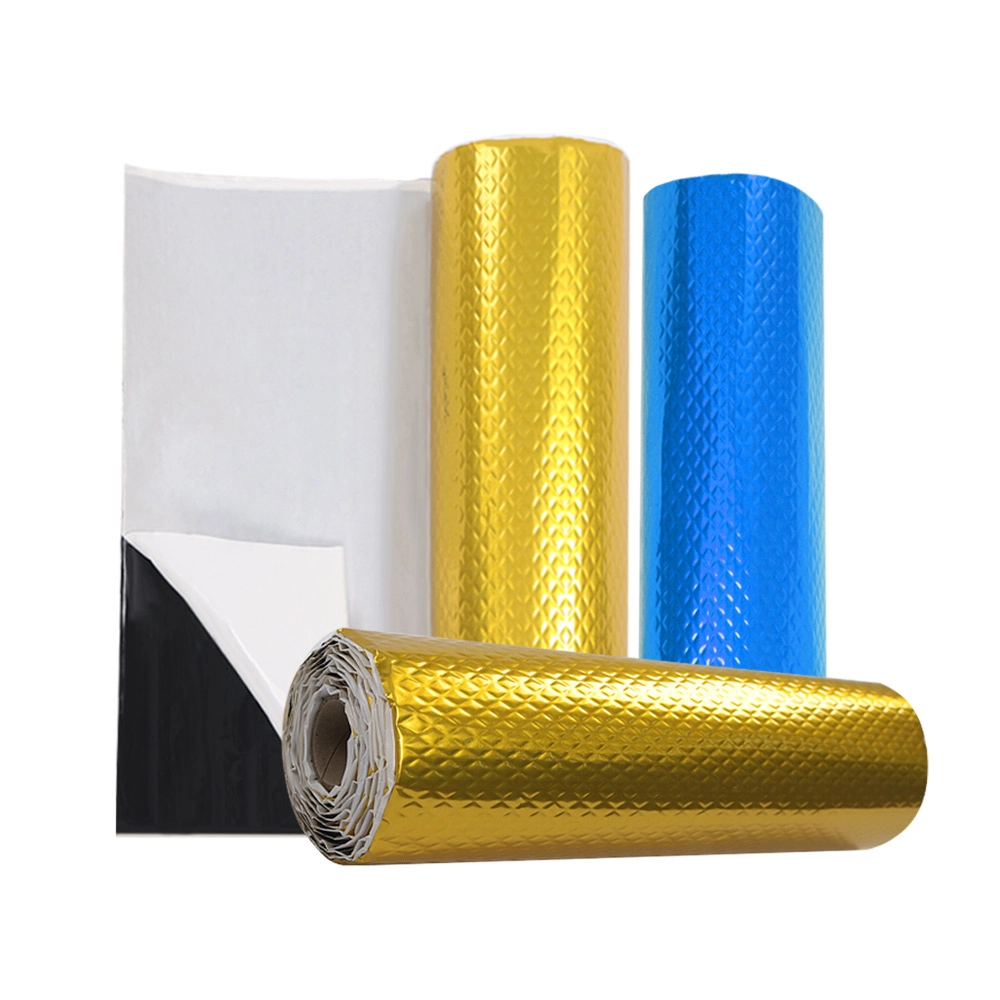
Butyl Rubber Sound Damping Mat
ASLONG Butyl Rubber Sound Damping Mat for sale. Effectively reduces noise and vibrations. High-quality butyl rubber ensures superior performance and durability. Ideal for automotive, industrial, and home applications.
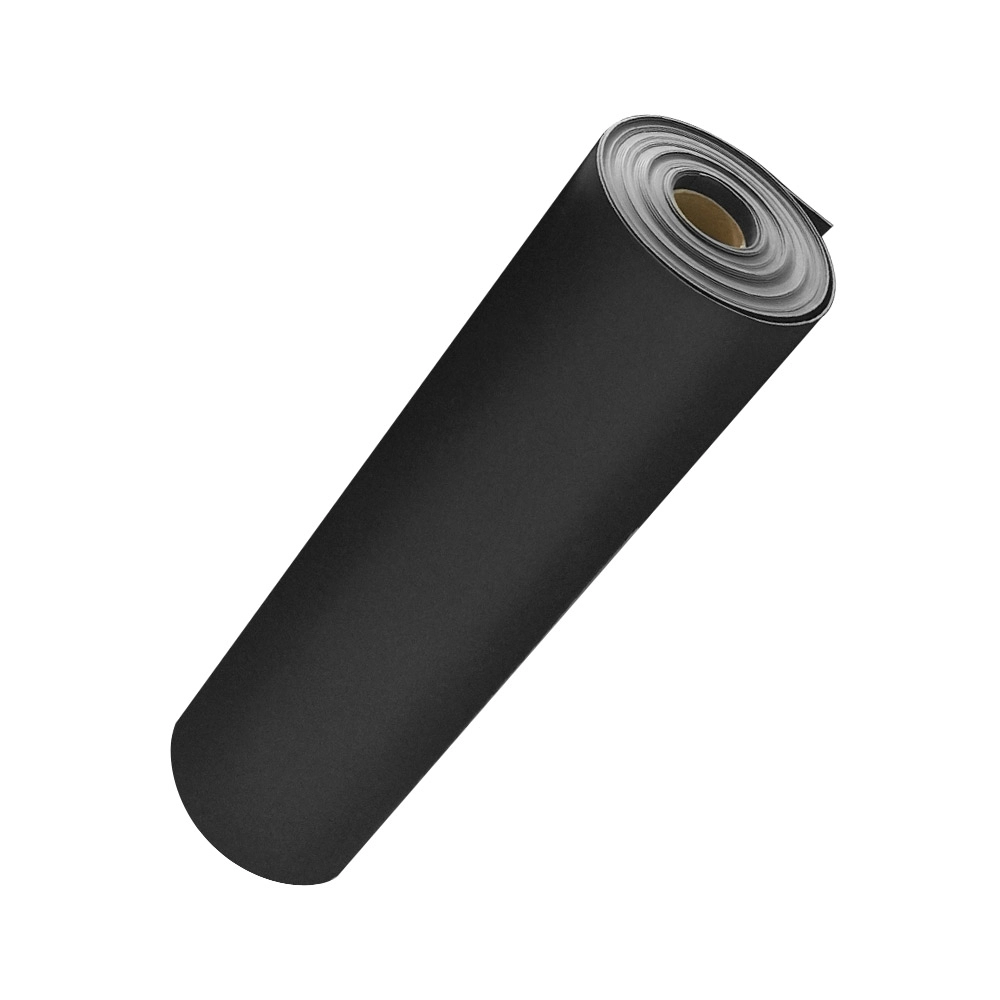
Mass Loaded Vinyl
ASLONG Mass Loaded Vinyl for sale. Reduce noise pollution effectively with our high-quality, mass-loaded vinyl. Ideal for soundproofing walls, floors, and more. Buy now and experience the difference!
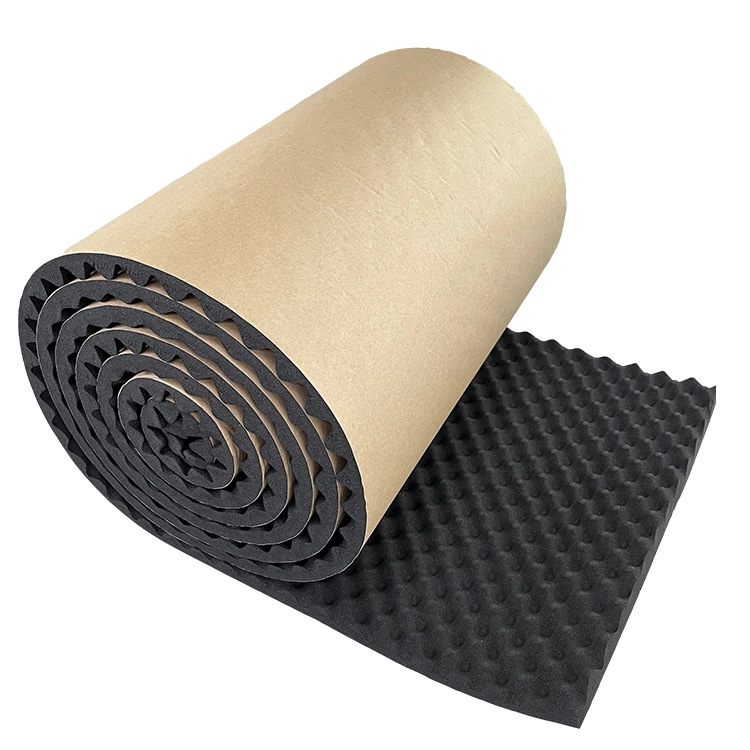
Egg Crate Foam
ASLONG Egg Crate Foam for sale. Lightweight, breathable, and comfortable, our egg crate foam provides superior support and pressure relief. Perfect for mattresses, cushions, cars, construction industry, KTV, factories, etc.
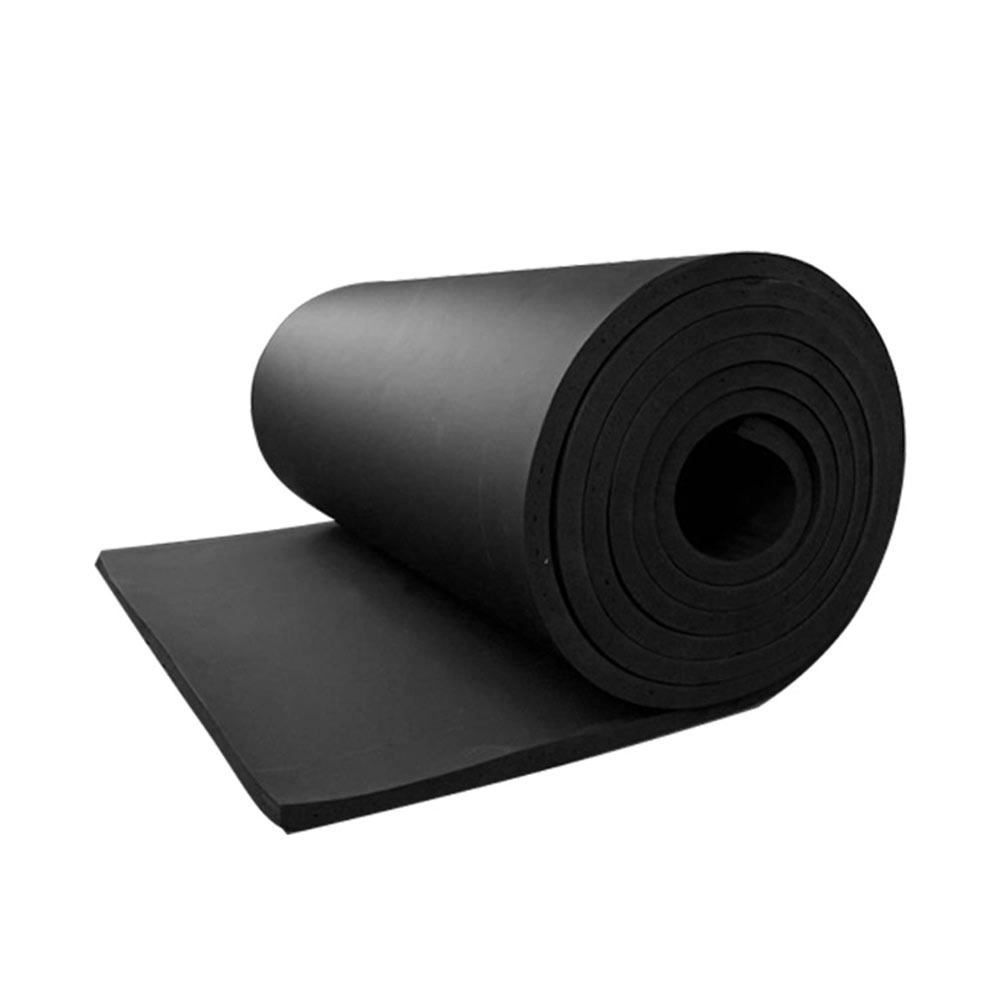
NBR Foam
ASLONG NBR Foam: Wholesale NBR foam solutions for diverse applications. High-quality, durable, and competitively priced. Contact us today for bulk orders.
Professional support at any time
If you have any comments or good suggestions, please leave us a message; later our professional staff will contact you as soon as possible.
© 2026 ASLONG All Rights Reserved. Privacy Policy | Terms and Conditions | Sitemap

 It would be pleasure to receive from you.
Whatsapp: +8613242879341
ASLONG Global
ASLONG
Aslong_global