

Best butyl-based automotive sound damping materials
- Why damping and insulation matter in vehicles
- NVH goals and user expectations
- How damping differs from mass and absorption
- Butyl-based materials: chemistry, properties, and why they work
- Chemistry and viscoelastic behavior
- Common constructions: self-adhesive mats and loaded laminates
- Selecting the best butyl-based automotive sound damping materials
- Key selection criteria
- Installation, surface preparation, and longevity
- Standards and testing you should require
- Comparing butyl-based damping to alternatives
- Performance vs weight and installation
- Environmental and service considerations
- Practical comparison table
- Implementation guidance and measurement
- Design patterns: layering and placement
- Measuring effectiveness
- Common pitfalls and how I avoid them
- ASLONG solutions — what we offer and why it matters
- Company and capability snapshot
- Product portfolio relevant to automotive sound insulation
- Why choose ASLONG — technical differentiators
- Case example: door panel NVH upgrade
- Approach I typically recommend
- Validation and expected outcomes
- Frequently Asked Questions (FAQ)
- 1. Are butyl damping mats better than asphalt mats for cars?
- 2. How thick should butyl damping be for a trunk or floor?
- 3. Does butyl damping affect vehicle weight significantly?
- 4. What environmental standards should I ask my supplier to meet?
- 5. Can butyl mats be used with painted or powder-coated panels?
- 6. How do I measure the real-world benefit after installation?
- Contact, procurement and distribution
I write from long experience in automotive NVH (noise, vibration, harshness) and acoustic materials development. This article explains why butyl-based automotive sound insulation materials are often the best choice for vehicle sound damping, how they compare to alternatives, how to select and install them correctly, and which tests and metrics you should use to verify performance. I also summarize ASLONG (Welllink Guangdong New Material Co., Ltd.)'s product offerings and technical strengths for manufacturers and retrofit markets.
Why damping and insulation matter in vehicles
NVH goals and user expectations
Automotive sound insulation materials serve multiple NVH objectives: reduce airborne noise (engine, road, wind), mitigate structure-borne vibration, improve sound quality inside the cabin, and reduce perceived intrusion at low frequencies. As a practitioner, I always prioritize solutions that balance weight, space, durability, and measurable acoustic benefit—key concerns for OEM engineers and aftermarket installers alike.
How damping differs from mass and absorption
It helps to separate three mechanisms: mass (blocking airborne sound), damping (converting vibrational energy to heat), and absorption (trapping sound energy in porous layers). Butyl-based damping materials are predominantly viscoelastic layers designed to reduce panel vibration; mass-loaded products add barrier mass; foams and fibrous absorbers reduce reflected and reverberant energy. Understanding these roles guides correct layering in a vehicle door, floor, roof or trunk. For definitions and broader context see Soundproofing (Wikipedia).
Butyl-based materials: chemistry, properties, and why they work
Chemistry and viscoelastic behavior
Butyl rubber (IIR) is a copolymer of isobutylene with a small amount of isoprene; it exhibits good damping because of its viscoelastic nature across a useful temperature range. Its molecular structure gives it low gas permeability, temperature stability, and energy dissipation when adhered to metal panels. For a technical overview see Butyl rubber (Wikipedia).
Common constructions: self-adhesive mats and loaded laminates
Typical automotive products are aluminum-faced butyl damping mats (butyl core + thin foil) and butyl-based mass-loaded laminates. The metallic facing improves heat dissipation during installation and provides a serviceable finish; laminates may combine butyl with mass layers (lead-free) to address mid-to-low frequency transmission. These constructions deliver high damping without the weight and brittleness of older asphalt-based mats.
Selecting the best butyl-based automotive sound damping materials
Key selection criteria
When I evaluate a butyl damping product for an automotive program, I check: density and thickness, temperature range (-40°C to +120°C typical for automotive), peel adhesion to automotive steel and painted surfaces, damping loss factor (viscoelastic loss), flammability ratings, VOCs and environmental compliance, and installation method (heat-activated or pressure sensitive). Performance must be validated by standard test methods such as ASTM E90 for airborne sound transmission or controlled laboratory panel tests.
Installation, surface preparation, and longevity
Bond durability depends on surface cleanliness, primer use, and application pressure/temperature. I recommend 60–90°C for short heat activation when indicated, and ensuring a dry, clean surface free of wax and corrosion. For long-term performance check for oxidative stability and glass transition behavior—properties that determine how damping changes with seasonal temperature cycles.
Standards and testing you should require
Request lab results referenced to recognized standards: airborne transmission tests (ASTM E90 or ISO 10140), laboratory vibrational transmission loss, peel/adhesion tests (ASTM D1000 variants), and thermal cycling. ISO 10140 series describes determination of sound insulation in laboratory conditions—see ISO 10140 (ISO).
Comparing butyl-based damping to alternatives
Performance vs weight and installation
Butyl-based mats are often the best compromise for vehicle panels because they offer high internal damping (reducing resonant peaks) with moderate additional mass and straightforward adhesive installation. Mass-loaded vinyl (MLV) improves low-frequency blocking but adds more weight and needs space and secure mounting. Open-cell foams (NBR, polyurethane) address reverberation and cavity absorption but do not damp panel vibration effectively.
Environmental and service considerations
Modern butyl formulations can meet low-VOC and RoHS/REACH constraints. Compared to asphalt-based materials, butyl sheets are less prone to hardening and flaking over time and remain effective over wider temperature windows.
Practical comparison table
| Material | Typical Thickness | Primary Function | Installation | Pros | Cons |
|---|---|---|---|---|---|
| Butyl Rubber Sound Damping Mat (aluminum-faced) | 2–6 mm | Panel damping (reduce resonance) | Self-adhesive / heat-activated | High damping, durable, good temperature range | Moderate added weight, cost higher than asphalt |
| Mass-Loaded Vinyl (MLV) | 1–5 mm | Airborne blocking (low freq.) | Mechanical fastening / adhesive | Effective low-frequency barrier | Heavy, needs secure fixing, costly |
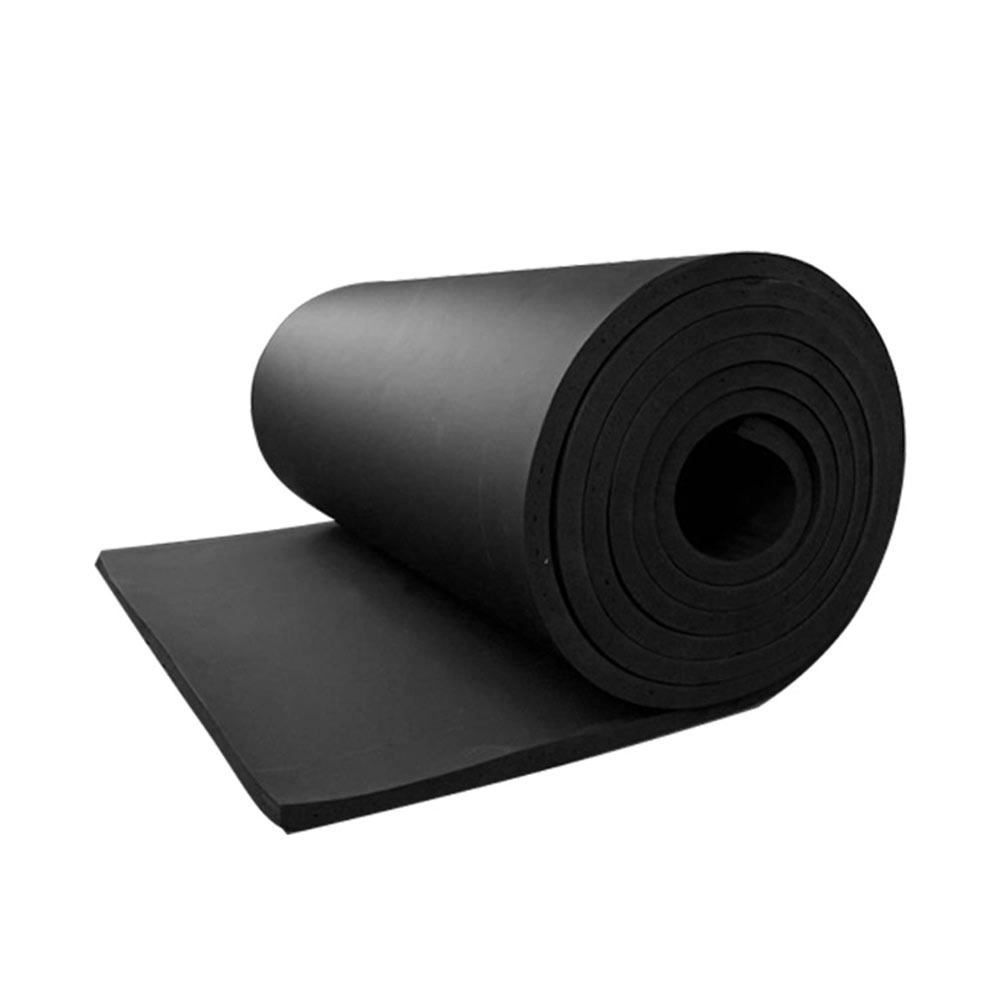
| NBR Foam / Open-Cell Absorbers | 5–30 mm | Cavity absorption, mid-high freq. | Adhesive or clips | Lightweight, good absorption | Poor panel damping, sensitivity to oils |
| Asphalt-based Damping Mats | 2–5 mm | Panel damping (traditional) | Self-adhesive | Low cost, historically common | Brittle with age, odor, limited temp range |
Sources for material descriptions and roles include industry overviews such as Mass-loaded vinyl (Wikipedia) and technical references on soundproofing and material functions (Soundproofing).
Implementation guidance and measurement
Design patterns: layering and placement
In practice I design a layered approach: a butyl damping mat bonded to the source panel (door skin, floor pan), a barrier layer (MLV) where low-frequency intrusion is high, and an absorption layer (NBR foam, sound absorbing cotton) in cavities or trims. Doors benefit most from targeted damping on broad panels and tailored cavity absorption for mid frequencies.
Measuring effectiveness
Lab-based transfer function measurements and standard airborne insertion loss tests are useful. For production and validation, use reverberant room transfer loss (ASTM E90 / ISO 10140) for system-level claims and structure-borne vibration tests for panel-level damping. See ASTM E90 for an example of accepted test methodology.
Common pitfalls and how I avoid them
Pitfalls include insufficient surface prep, overuse of heavy barrier layers causing weight penalties, and ignoring thermal cycling. I recommend pilot panels with thermal cycling and VOC tests, and measuring adhesion after humidity exposure to confirm long-term bond integrity.
ASLONG solutions — what we offer and why it matters
Company and capability snapshot
ASLONG (Welllink Guangdong New Material Co., Ltd.) was founded in 2000. We are a high-tech enterprise specializing in R&D, production and sales of acoustic materials, sound insulation materials, shock-absorbing materials and related products. Our modern production base exceeds 10,000 square meters and supports efficient, environmentally friendly, high-performance sound insulation material solutions for global customers. Learn more on our website: https://www.aslong.cc.
Product portfolio relevant to automotive sound insulation
ASLONG offers a comprehensive suite of products used in vehicle NVH solutions, including: Butyl Rubber Sound Damping Mat, Mass Loaded Vinyl, NBR foam, Sound Absorbing White Cotton, Tire Silent Foam, Butyl waterproof tape, and Electric auxiliary materials. These products are developed to meet automotive durability and environmental requirements and have been exported to Europe, North America, Asia and Africa.
Why choose ASLONG — technical differentiators
From my assessment of ASLONG's capabilities and product lines, the competitive differentiators include:
- R&D and formulation expertise in butyl compounds tailored to automotive temperature ranges and adhesion profiles.
- Integrated manufacturing enabling strict lot control and consistent quality—critical for OEM supply chains.
- Product breadth allowing system-level supply (damping mats + MLV + absorptive layers) which simplifies sourcing and integration.
- Global export experience and willingness to support agent recruitment worldwide—helpful for local inventory and just-in-time logistics.
For inquiries and distribution partnerships contact ASLONG at king@aslong.cc.
Case example: door panel NVH upgrade
Approach I typically recommend
For a typical mid-size sedan door, my step-by-step approach is: clean and degrease the inner skin, apply a 2–4 mm aluminum-faced butyl damping mat over the largest flat areas, install a narrow MLV strip at the lower door cavity if low-frequency intrusion is evident, and add NBR foam strips for cavity absorption. This approach reduces tonal resonance and broadband cabin noise without excessive weight.
Validation and expected outcomes
Validated outcomes depend on vehicle baseline, but typical improvements include reduction of discrete panel resonance peaks and a perceived quieter cabin. Always capture before/after transfer functions and cabin ΔSPL measurements to quantify benefit.
Frequently Asked Questions (FAQ)
1. Are butyl damping mats better than asphalt mats for cars?
Yes for most modern applications. Butyl mats maintain viscoelastic damping over wider temperature ranges, resist hardening and odor problems associated with asphalt, and generally offer longer service life. They tend to cost more but deliver better long-term NVH performance.
2. How thick should butyl damping be for a trunk or floor?
Typical thickness ranges from 2 mm (light damping) to 6 mm (high damping). For large flat panels such as trunk lids or floor pans, 3–4 mm aluminum-faced mats are common; however, validation by panel testing is recommended to optimize thickness vs weight.
3. Does butyl damping affect vehicle weight significantly?
Butyl mats add moderate mass. Compared with MLV, they are lighter for equivalent damping effects because they focus on energy dissipation rather than mass. Optimized placement (targeting high-vibration areas) yields high benefit-to-weight ratios.
4. What environmental standards should I ask my supplier to meet?
Request VOC emission data, RoHS/REACH compliance where applicable, and flammability ratings. Also confirm thermal cycling, humidity, and salt spray aging for adhesion durability. Ask for test reports referencing ASTM or ISO standards.
5. Can butyl mats be used with painted or powder-coated panels?
Yes, but surface prep is crucial. Clean, degrease, and if necessary use an appropriate primer recommended by the mat supplier. Confirm compatibility via adhesion tests and ensure the coating’s cure state is complete before application.
6. How do I measure the real-world benefit after installation?
Use before/after cabin noise measurements (SPL) at key drive conditions, panel transfer function tests for structure-borne noise, and subjective assessments in controlled routes. For laboratory validation use ASTM E90 or ISO 10140 protocols.
Contact, procurement and distribution
If you are evaluating automotive sound insulation materials for OEM programs, retrofit products or distributors looking for reliable supply: contact ASLONG for specifications, samples, and test data. We recruit agents worldwide and can support customized formulations, pilot runs, and export logistics.
ASLONG website: https://www.aslong.cc
Sales email: king@aslong.cc
I welcome technical questions and will help interpret supplier datasheets or test reports to select the right automotive sound insulation materials for your vehicle program.
References: Butyl rubber overview (Wikipedia); Mass-loaded vinyl (Wikipedia); ASTM E90 standard description (ASTM); ISO 10140 overview (ISO).
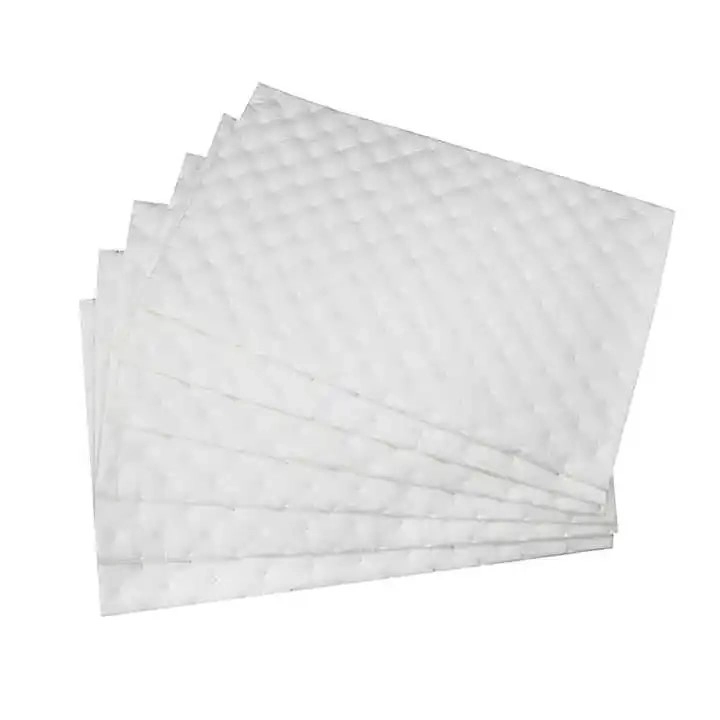
Design Considerations for Sound Absorbing White Cotton in Projects
The B2B Buyer’s Guide to sound absorbing cotton panels | ASLONG Ultimate Insights
Vibration Damping Materials for Vehicle Noise Control 2026
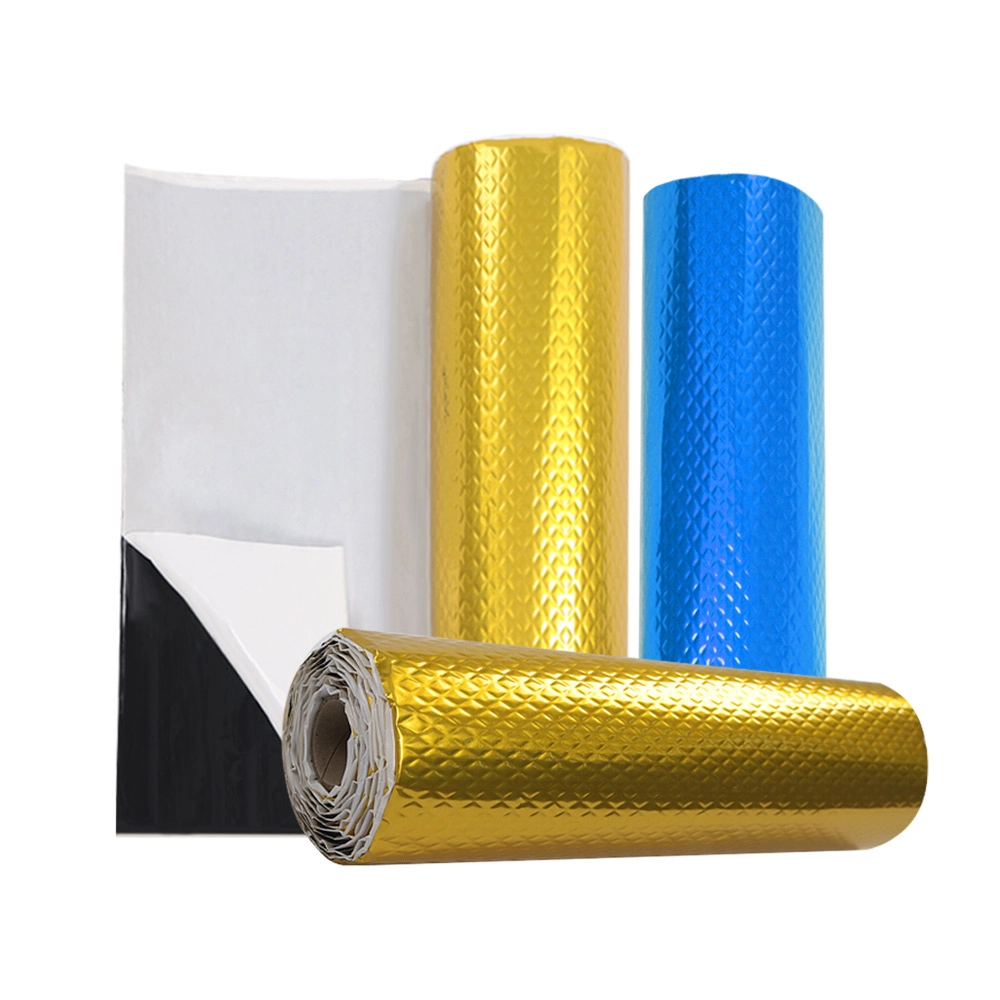
Environmental and health safety of Butyl Rubber Sound Damping Mat
FAQs
Does ASLONG provide after-sales service?
Yes, we provide a full range of after-sales services, including technical support, installation guidance, product maintenance and quality tracking, etc., to ensure that each project goes smoothly and continues to perform at its best.
What industries are the products provided by ASLONG suitable for?
ASLONG's products are suitable for multiple industries, including air conditioning and HVAC, construction and waterproofing, automobiles and transportation, home appliances and electronics, industrial equipment and machinery, etc. We provide customized solutions for each industry to meet different needs.
What specific functions can ASLONG's products provide?
Our products cover functions such as insulation, sound insulation, shock absorption, waterproofing and sealing, and are widely used in improving energy efficiency, reducing noise, controlling vibration, protecting equipment, etc., helping customers optimize engineering effects and improve user experience.
How to customize products that meet the needs of my industry?
You only need to contact our sales or technical team, we will conduct an in-depth analysis based on your industry needs and provide tailor-made products and solutions. We guarantee to provide you with efficient and accurate services to meet your personalized requirements.
Do ASLONG's products meet environmental protection standards?
Yes, all ASLONG products comply with ISO14001 environmental management system certification and global environmental protection standards. We use environmentally friendly materials and are committed to providing sustainable solutions to help customers achieve green development goals.
Butyl Rubber Sound Damping Mat
ASLONG Butyl Rubber Sound Damping Mat for sale. Effectively reduces noise and vibrations. High-quality butyl rubber ensures superior performance and durability. Ideal for automotive, industrial, and home applications.
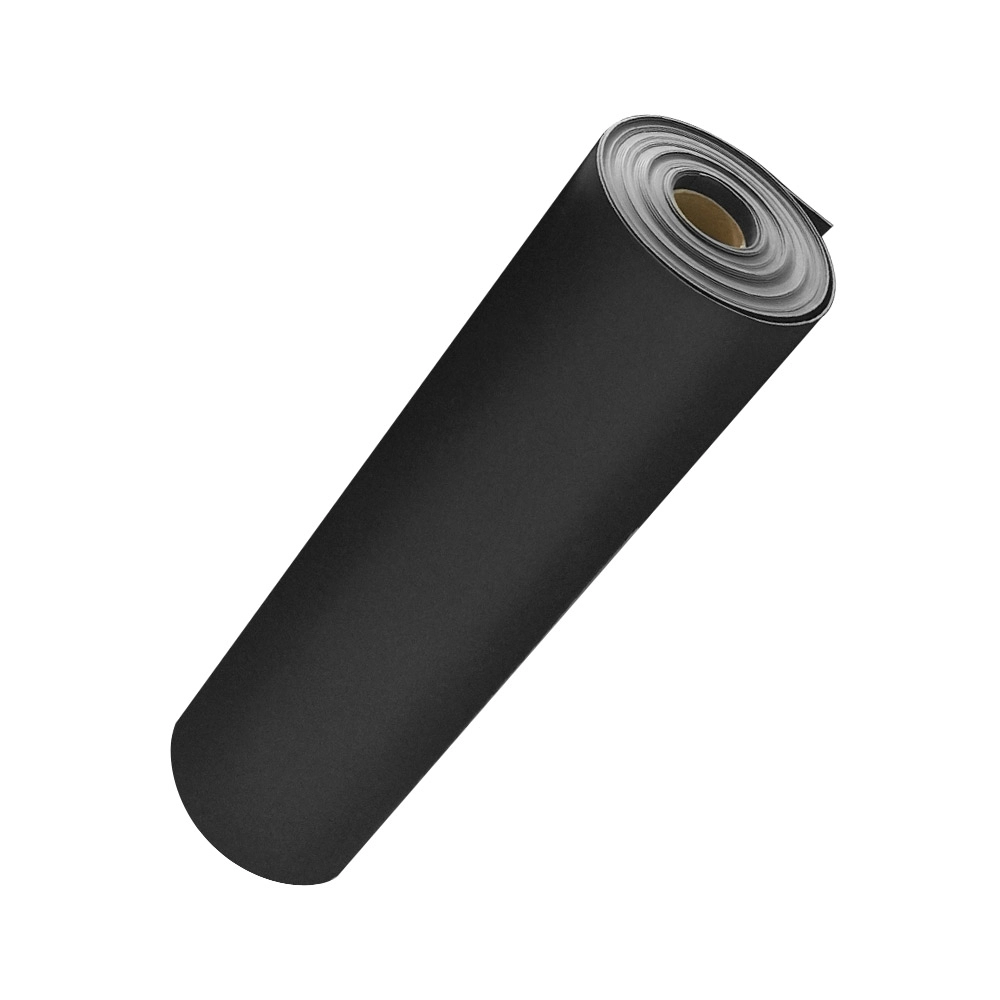
Mass Loaded Vinyl
ASLONG Mass Loaded Vinyl for sale. Reduce noise pollution effectively with our high-quality, mass-loaded vinyl. Ideal for soundproofing walls, floors, and more. Buy now and experience the difference!
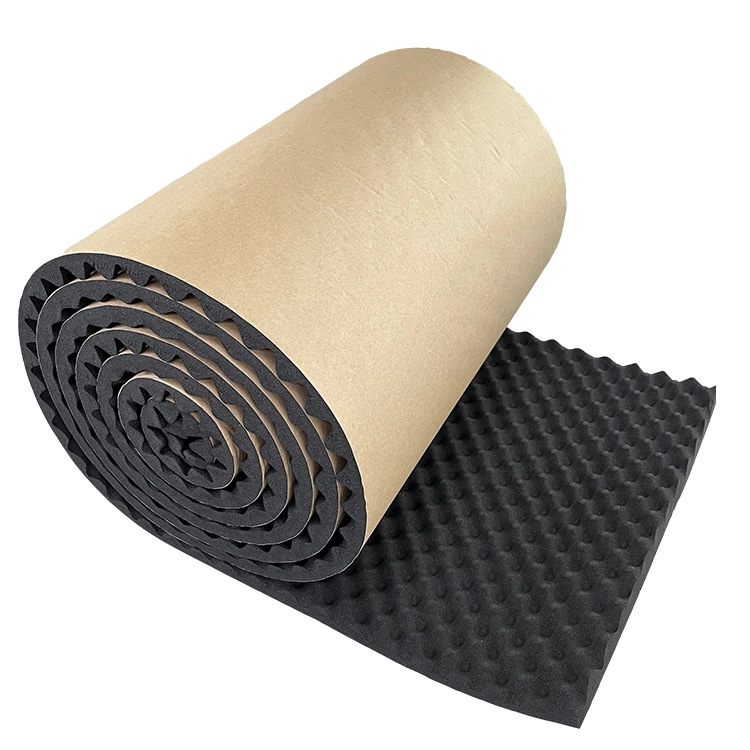
Egg Crate Foam
ASLONG Egg Crate Foam for sale. Lightweight, breathable, and comfortable, our egg crate foam provides superior support and pressure relief. Perfect for mattresses, cushions, cars, construction industry, KTV, factories, etc.
NBR Foam
ASLONG NBR Foam: Wholesale NBR foam solutions for diverse applications. High-quality, durable, and competitively priced. Contact us today for bulk orders.
Professional support at any time
If you have any comments or good suggestions, please leave us a message; later our professional staff will contact you as soon as possible.
© 2026 ASLONG All Rights Reserved. Privacy Policy | Terms and Conditions | Sitemap

 It would be pleasure to receive from you.
Whatsapp: +8613242879341
ASLONG Global
ASLONG
Aslong_global