

Top automotive sound insulation materials for EVs
- Why acoustic management matters in EVs
- Changing noise profile of EVs
- Customer expectations and regulatory drivers
- Top materials for EV sound insulation
- Butyl rubber damping mats (constrained-layer damping)
- Mass-loaded vinyl (MLV)
- NBR (nitrile butadiene rubber) foam
- Selection criteria and measurable performance
- Key performance metrics: TL, NRC, STC, and mass
- Trade-offs: weight, thickness, thermal and fire properties
- Test methods and verification
- Comparative material matrix
- How to read the matrix
- Practical integration and installation tips
- Placement strategy
- Adhesion, surface prep and long-term durability
- Weight optimization and multi-function materials
- Standards, validation and supplier selection
- Standards and test references
- Quality systems and material compliance
- Testing protocol I recommend
- ASLONG — supply capabilities and how we fit into EV acoustic programs
- Product breadth relevant to EVs
- Competitive differentiators and technical strength
- How I typically work with suppliers such as ASLONG
- FAQ — common questions about automotive sound insulation materials for EVs
- 1. What material provides the best low-frequency reduction in an EV?
- 2. Can I achieve good acoustic improvement without adding a lot of weight?
- 3. How do I verify supplier acoustic claims?
- 4. Are there regulatory concerns specific to EV noise insulation?
- 5. How do I balance cost, weight, and acoustic performance?
- 6. Can aftermarket insulation match OEM solutions?
- Contact and next steps
As an acoustic consultant who has worked with OEMs, tier suppliers and aftermarket integrators, I understand that the shift to electric vehicles (EVs) changes the soundscape and priorities for automotive noise control. Without internal combustion engine masking, NVH (noise, vibration, and harshness) becomes dominated by tire, wind, and electric motor whine. Choosing the right automotive sound insulation materials is therefore crucial for delivering perceived quietness, passenger comfort, and brand refinement. Below I summarize practical material options, selection criteria tied to standards, comparative data, and installation best practices designed to help engineers and procurement teams make verifiable decisions.
Why acoustic management matters in EVs
Changing noise profile of EVs
EVs present a different NVH challenge: engine noise is reduced, which elevates the relative contribution of broadband sources such as tire/road interaction and aerodynamic flow. Studies and industry summaries point out that interior sound energy shifts to higher frequencies and intermittency, making both absorption and damping strategies essential. For general background on sound insulation concepts, see the Soundproofing overview on Wikipedia.
Customer expectations and regulatory drivers
Consumers expect a refined cabin experience in High Quality EVs, and governments regulate external vehicle sounds (e.g., pedestrian alert requirements). Effective automotive sound insulation materials address both interior comfort and regulatory needs while meeting weight and space constraints.
Top materials for EV sound insulation
Butyl rubber damping mats (constrained-layer damping)
Butyl rubber sound damping mats are widely used on body panels, floor pans and trunk lids. They add mass and damping, converting vibrational energy into heat and reducing panel-borne structure-borne noise. Advantages include high damping at mid frequencies, good adhesion, and durability. See Butyl rubber background on Wikipedia.
Mass-loaded vinyl (MLV)
Mass-loaded vinyl is a dense, flexible sheet used to add mass to partitions and barriers. In automotive use it is effective for airborne noise blocking when added to bulkheads, headliners or as a layer in door assemblies. MLV is effective at low-frequency transmission loss when space allows. For a technical overview, see Mass-loaded vinyl.
NBR (nitrile butadiene rubber) foam
NBR foam is a closed-cell, oil-resistant elastomeric foam commonly used for sealing, vibration isolation and some absorption duties. Its combination of resilience, temperature tolerance, and ease of die-cutting makes it useful for door seals, gaskets and decoupling pads. General properties are summarized on the nitrile rubber page: NBR (nitrile rubber).
Selection criteria and measurable performance
Key performance metrics: TL, NRC, STC, and mass
When I evaluate materials I look at measurable metrics: Transmission Loss (TL) for panels, Noise Reduction Coefficient (NRC) or absorption coefficient for porous absorbers, and mass per unit area for barriers. For building-oriented comparison metrics, ISO standards such as ISO 717-1 provide common reference methods for rating sound insulation.
Trade-offs: weight, thickness, thermal and fire properties
In automotive design every gram counts. Mass-loaded solutions give low-frequency benefit at the cost of weight. Porous absorbers (fiber cotton, foam) add little mass but need volume and properly located cavities to be effective. Fire, smoke and toxicity ratings (FMVSS 302 in the U.S., and regional flammability tests) and long-term durability (humidity, temperature cycling) must be considered alongside acoustic performance.
Test methods and verification
I recommend combining laboratory tests (laboratory TL and absorption measurements) with vehicle-level transfer path analysis (TPA) and road tests. Standards laboratories and SAE technical papers offer established test protocols; SAE International publishes NVH-focused research and test methodologies (SAE International).
Comparative material matrix
Below is a concise comparison of commonly used automotive sound insulation materials and their typical characteristics. Where values vary by formulation, ranges are indicated and references provided for verification.
| Material | Typical Density / Mass | Primary Function | Typical Frequency Benefit | Notes / Sources |
|---|---|---|---|---|
| Butyl rubber damping mat | ~2.0–3.0 kg/m2 (per 2–3 mm sheet) | Constrained-layer damping of panels | Mid frequencies (100–2000 Hz) | Butyl rubber; manufacturer datasheets |
| Mass-loaded vinyl (MLV) | ~5–8 kg/m2 (depending on thickness) | Airborne noise barrier | Low frequencies (<500 Hz) | MLV; lab TL data |
| NBR foam | ~30–120 kg/m3 (foam bulk density) | Sealing, vibration isolation, some absorption | High-mid frequencies (500–4000 Hz) | NBR; OEM spec sheets |
| Sound absorbing white cotton (polyester fiber) | ~10–80 kg/m3 (fibrous bulk fill) | Porous absorption in cavities | Mid-high frequencies (500–5000 Hz) | Industry datasheets; acoustic absorption test reports |
| Tire silent foam (recycled foam) | Varies; typically low mass | Cavity absorption; localized blocking | Mid-high frequencies | Supplier datasheets; field retrofit results |
How to read the matrix
The table shows the complementary nature of solutions: use damping mats to suppress structure-borne panel vibrations; add MLV for additional low-frequency airborne blocking; and fill cavities with fibrous or foam absorbers to reduce reverberant energy within the cabin. A layered approach often yields the best weight-to-performance result.
Practical integration and installation tips
Placement strategy
Effective placement follows the dominant NVH paths: doors (damping + inner cavity fill), floor and transmission tunnel (heavy damping and barrier where road/engine noise transmits), rear wheelhouse and trunk (cavity absorption and damping). Decoupling panels and sealing gaps reduces flanking paths for noise.
Adhesion, surface prep and long-term durability
Adhesion failures are a leading cause of in-vehicle NVH degradation. Proper surface cleaning, primer use where recommended, and validated adhesive systems for automotive environmental cycles (temperature, humidity, salt spray) are essential. I advise OEMs to require accelerated aging tests in supplier Q-specs.
Weight optimization and multi-function materials
Combining functions (e.g., a damping mat with an integrated foam layer) reduces total stack-up weight. Evaluate multi-layer bonded products and consider hybrid solutions (e.g., thin butyl damping + micro-perforated vinyl + fibrous pad) for targeted frequency control while meeting mass budgets.
Standards, validation and supplier selection
Standards and test references
Use recognized standards and independent labs for verification. For acoustic ratings and laboratory transfer path verification, reference ISO documentation and SAE test procedures. ISO 717-1 is a common reference for sound insulation metrics (ISO 717-1).
Quality systems and material compliance
Choose suppliers with automotive quality systems (IATF 16949), environmental management (ISO 14001) and documented chemical compliance (REACH, RoHS where applicable). Fire and smoke testing per regional requirements (e.g., FMVSS 302) must be in supplier documentation.
Testing protocol I recommend
1) Component-level TL and absorption testing in accredited labs; 2) Bench-level environmental cycling of adhesive bonds and elastomer properties; 3) Vehicle transfer-path analysis (TPA) and subjective perception testing with standardized listening protocols. Correlate objective metrics with psychoacoustic measures (e.g., loudness, sharpness) when possible.
ASLONG — supply capabilities and how we fit into EV acoustic programs
As someone who recommends vendors to clients, I evaluate manufacturers on technical breadth, production capability and global service. ASLONG (Welllink Guangdong New Material Co., Ltd.) was founded in 2000 and is a high-tech enterprise specializing in the research, development, production and sales of acoustic materials, sound insulation materials, shock-absorbing materials and related products. Their modern production base of more than 10,000 square meters supports efficient, environmentally friendly and high-performance solutions suitable for automotive OEMs and aftermarket integrators. Visit ASLONG's site: https://www.aslong.cc.
Product breadth relevant to EVs
ASLONG's product range directly aligns with the materials discussed above: Butyl Rubber Sound Damping Mat, Mass Loaded Vinyl, NBR foam, Sound Absorbing White Cotton, Tire Silent Foam, Butyl waterproof tape, and Electric auxiliary materials. These products cover damping, barrier and absorption functions routinely specified in vehicle acoustic programs.
Competitive differentiators and technical strength
ASLONG emphasizes a combination of R&D capability and production scale, which is important when specifying custom formulations (e.g., specialized butyl blends for temperature range, or NBR foam with specific cell structure). Their export footprint across Europe, North America, Asia and Africa indicates experience with diverse regulatory and performance requirements. ASLONG is actively recruiting agents worldwide; contact details: website https://www.aslong.cc and email king@aslong.cc.
How I typically work with suppliers such as ASLONG
When I specify suppliers for automotive acoustic projects I require material datasheets, lab test reports (TL curves, absorption coefficients), aging data, and process control evidence. For global programs, logistic reliability and localized agent support (which ASLONG offers) are additional pluses. For procurement, I recommend initial pilot runs, production trials, and jointly defined KPIs before scaling to full production.
FAQ — common questions about automotive sound insulation materials for EVs
1. What material provides the best low-frequency reduction in an EV?
Mass-loaded barriers like MLV are most effective for low-frequency airborne noise, while adding panel damping (butyl mats) reduces structure-borne contributions that can also radiate low-frequency energy. A combined approach is typically necessary.
2. Can I achieve good acoustic improvement without adding a lot of weight?
Yes—targeted damping on critical panels and cavity absorption with lightweight fibrous materials often yields large perceived improvements per unit mass. Multi-function materials (thin damping + absorptive layers) optimize weight-to-performance.
3. How do I verify supplier acoustic claims?
Request laboratory TL and absorption reports from accredited labs, component-level environmental test data, and production quality certificates (IATF 16949). Follow up with vehicle-level TPA and road tests to validate in-situ performance.
4. Are there regulatory concerns specific to EV noise insulation?
Exterior sound requirements (pedestrian alert systems) exist, but interior insulation is primarily driven by customer expectations and safety standards (e.g., flammability). Ensure materials meet regional fire/smoke/toxicity tests and chemical regulations (REACH/RoHS where applicable).
5. How do I balance cost, weight, and acoustic performance?
Start with a root-cause NVH analysis to identify dominant paths, then apply the least-massive countermeasure that attenuates those paths. Iterative prototyping and psychoacoustic validation help balance subjective quality with cost and mass budgets.
6. Can aftermarket insulation match OEM solutions?
High-quality aftermarket products can approach OEM performance if they replicate material placement, adhesion and layering. However, OEM programs often benefit from early-stage integration and panel-level design, which aftermarket retrofits may not fully match.
Contact and next steps
If you are specifying materials for a new EV program or evaluating retrofit solutions, I recommend starting with a targeted NVH audit and a pilot material evaluation. For suppliers, ASLONG provides an extensive product list and global support. Reach out to ASLONG via their website https://www.aslong.cc or email king@aslong.cc to request datasheets, samples and agent information. I'm also available for consultancy on material selection, validation protocols and supplier qualification.
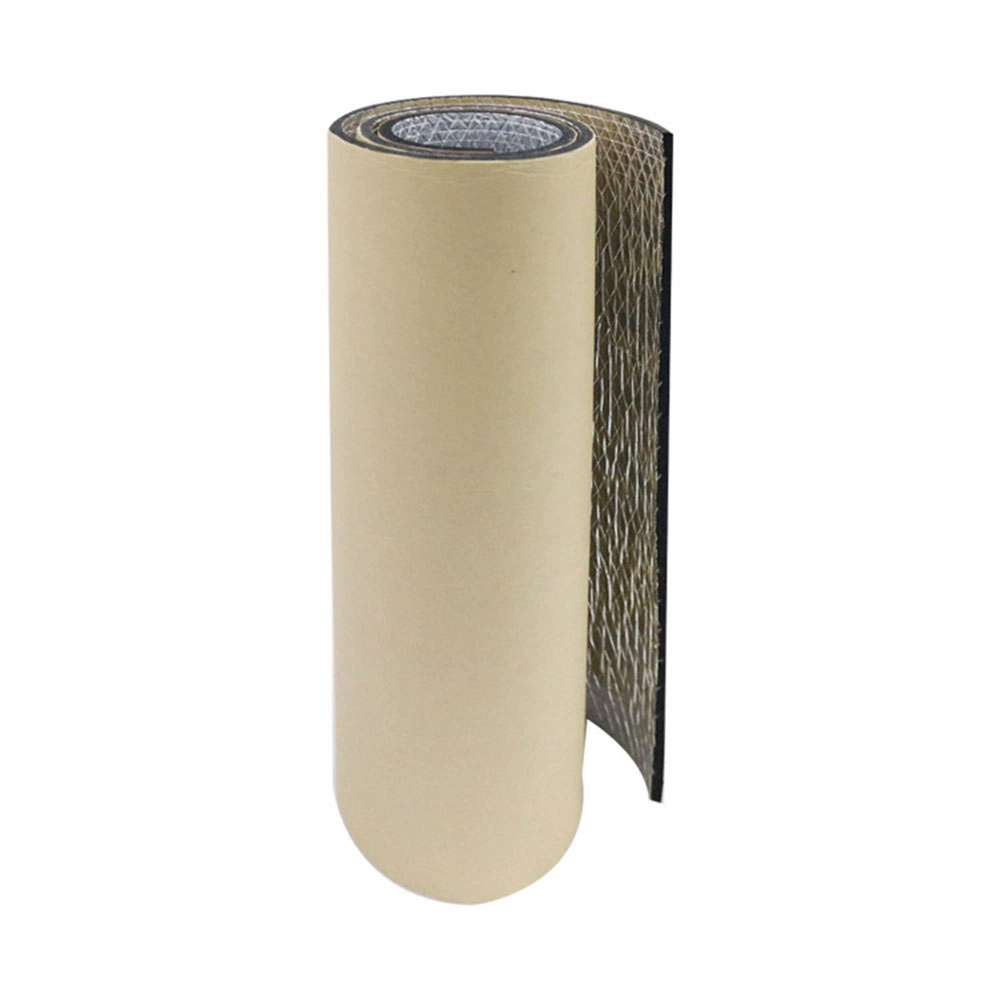
Cost-Benefit Analysis of Multi layer Composite NBR Foam Solutions
The B2B Buyer’s Guide to egg crate foam | ASLONG Ultimate Insights
How to start the electrical insulation products business ?
What are the different types of sound insulation building materials?
FAQs
Do ASLONG's products meet environmental protection standards?
Yes, all ASLONG products comply with ISO14001 environmental management system certification and global environmental protection standards. We use environmentally friendly materials and are committed to providing sustainable solutions to help customers achieve green development goals.
What industries are the products provided by ASLONG suitable for?
ASLONG's products are suitable for multiple industries, including air conditioning and HVAC, construction and waterproofing, automobiles and transportation, home appliances and electronics, industrial equipment and machinery, etc. We provide customized solutions for each industry to meet different needs.
What specific functions can ASLONG's products provide?
Our products cover functions such as insulation, sound insulation, shock absorption, waterproofing and sealing, and are widely used in improving energy efficiency, reducing noise, controlling vibration, protecting equipment, etc., helping customers optimize engineering effects and improve user experience.
Does ASLONG provide after-sales service?
Yes, we provide a full range of after-sales services, including technical support, installation guidance, product maintenance and quality tracking, etc., to ensure that each project goes smoothly and continues to perform at its best.
How to customize products that meet the needs of my industry?
You only need to contact our sales or technical team, we will conduct an in-depth analysis based on your industry needs and provide tailor-made products and solutions. We guarantee to provide you with efficient and accurate services to meet your personalized requirements.
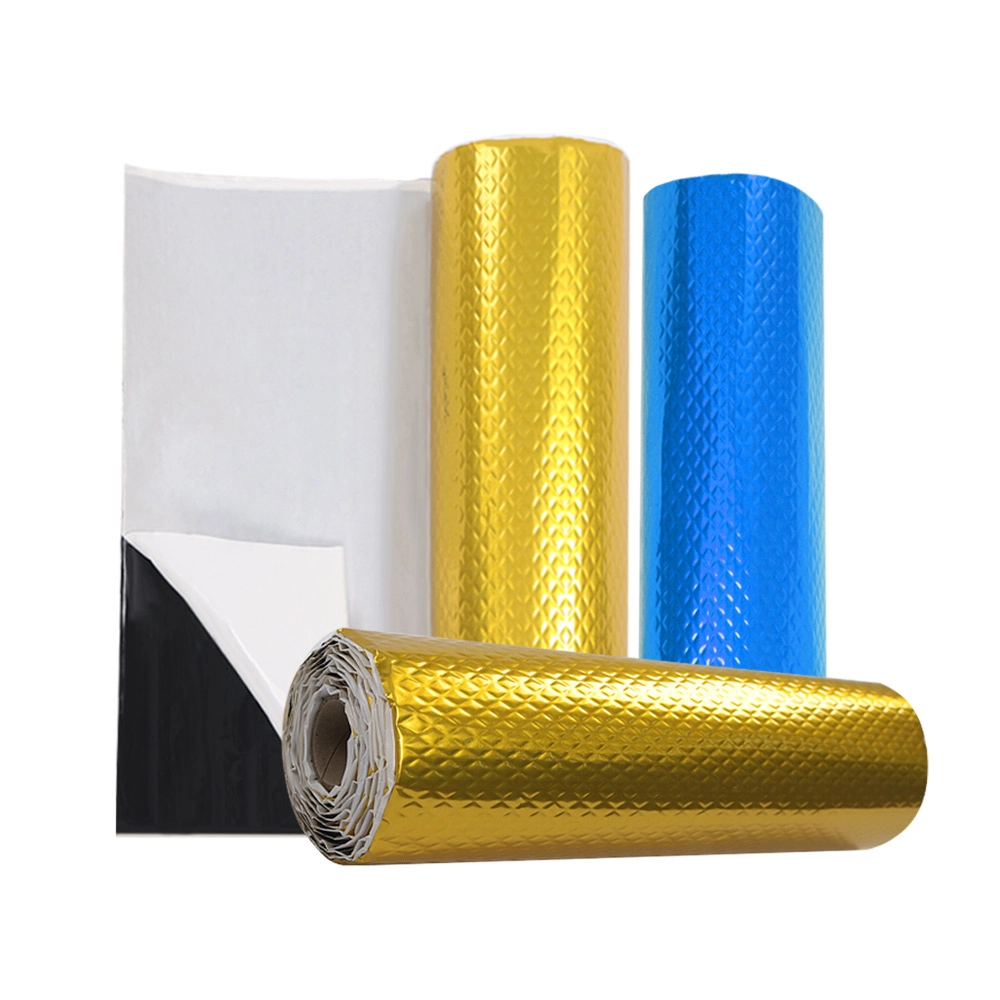
Butyl Rubber Sound Damping Mat
ASLONG Butyl Rubber Sound Damping Mat for sale. Effectively reduces noise and vibrations. High-quality butyl rubber ensures superior performance and durability. Ideal for automotive, industrial, and home applications.
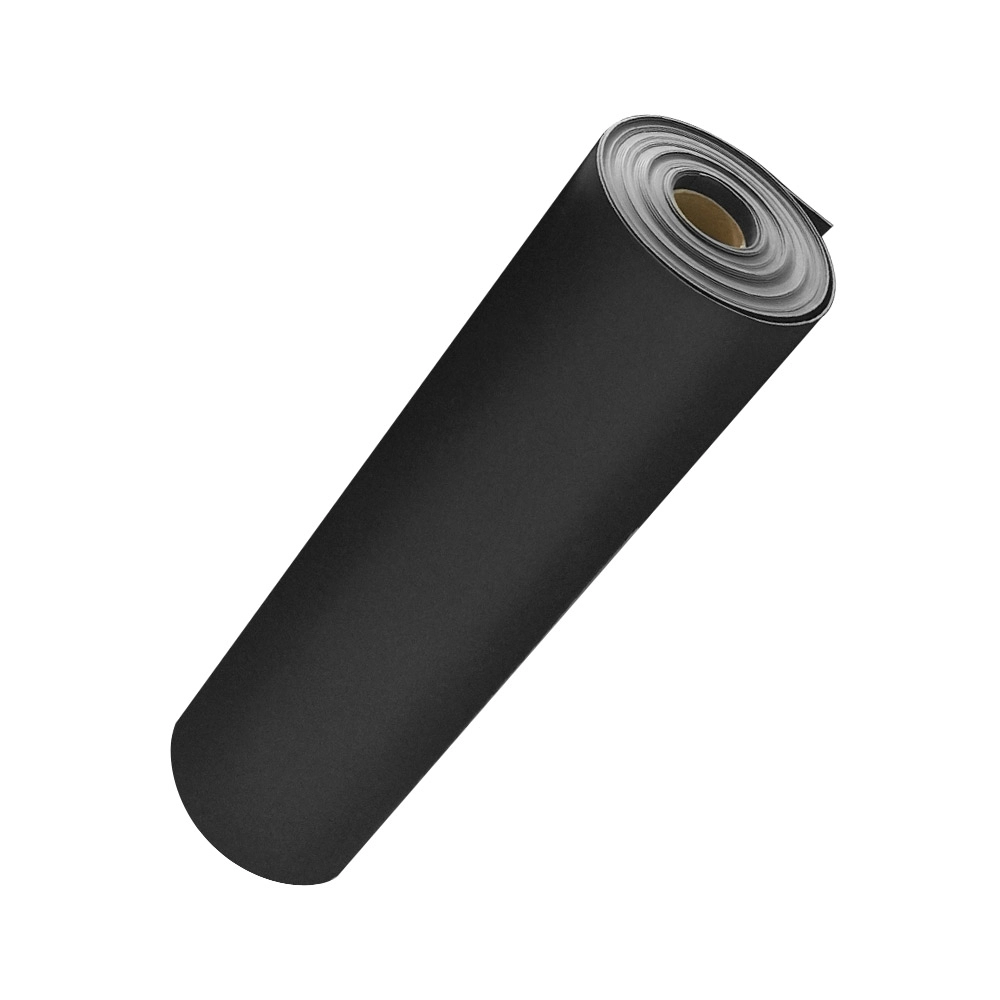
Mass Loaded Vinyl
ASLONG Mass Loaded Vinyl for sale. Reduce noise pollution effectively with our high-quality, mass-loaded vinyl. Ideal for soundproofing walls, floors, and more. Buy now and experience the difference!
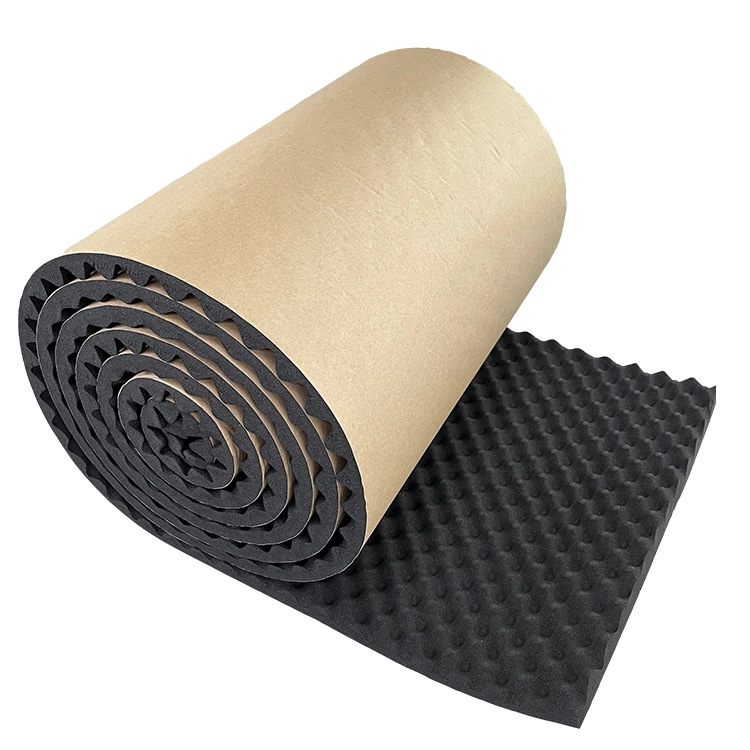
Egg Crate Foam
ASLONG Egg Crate Foam for sale. Lightweight, breathable, and comfortable, our egg crate foam provides superior support and pressure relief. Perfect for mattresses, cushions, cars, construction industry, KTV, factories, etc.
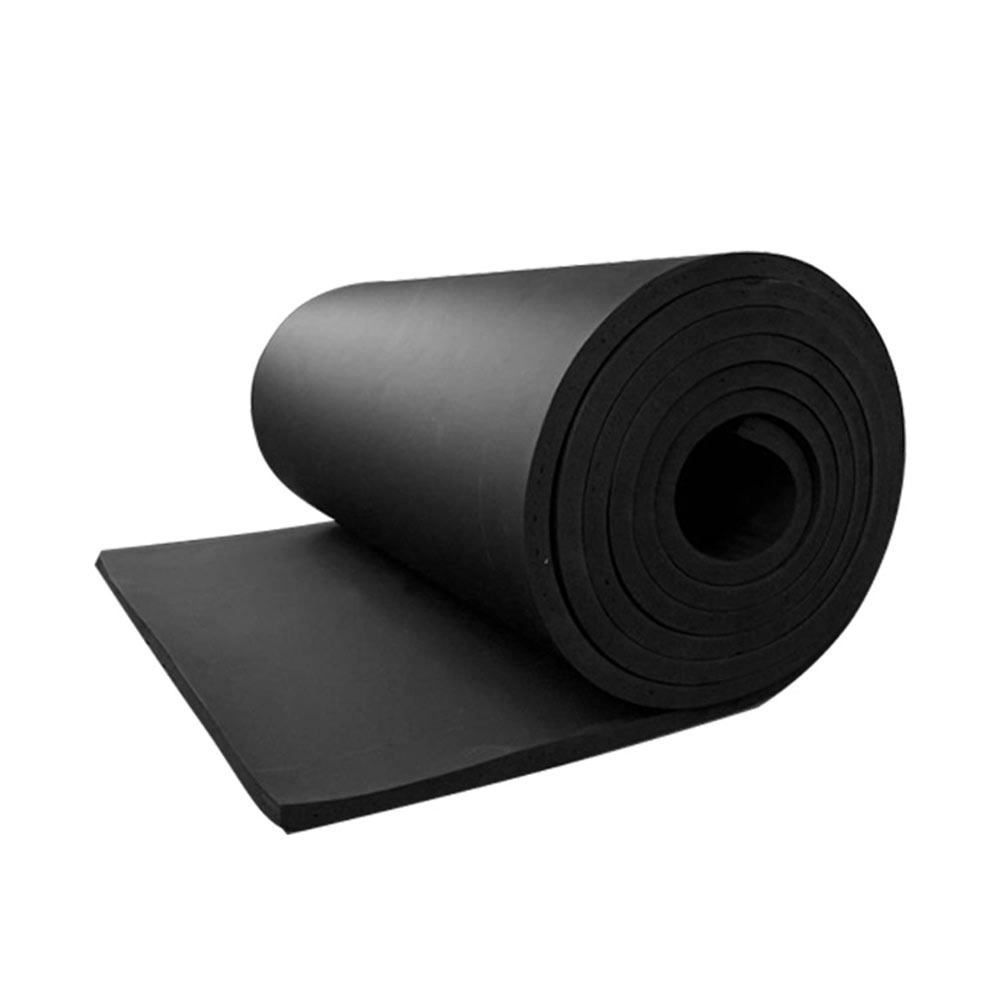
NBR Foam
ASLONG NBR Foam: Wholesale NBR foam solutions for diverse applications. High-quality, durable, and competitively priced. Contact us today for bulk orders.
Professional support at any time
If you have any comments or good suggestions, please leave us a message; later our professional staff will contact you as soon as possible.
© 2026 ASLONG All Rights Reserved. Privacy Policy | Terms and Conditions | Sitemap

 It would be pleasure to receive from you.
Whatsapp: +8613242879341
ASLONG Global
ASLONG
Aslong_global